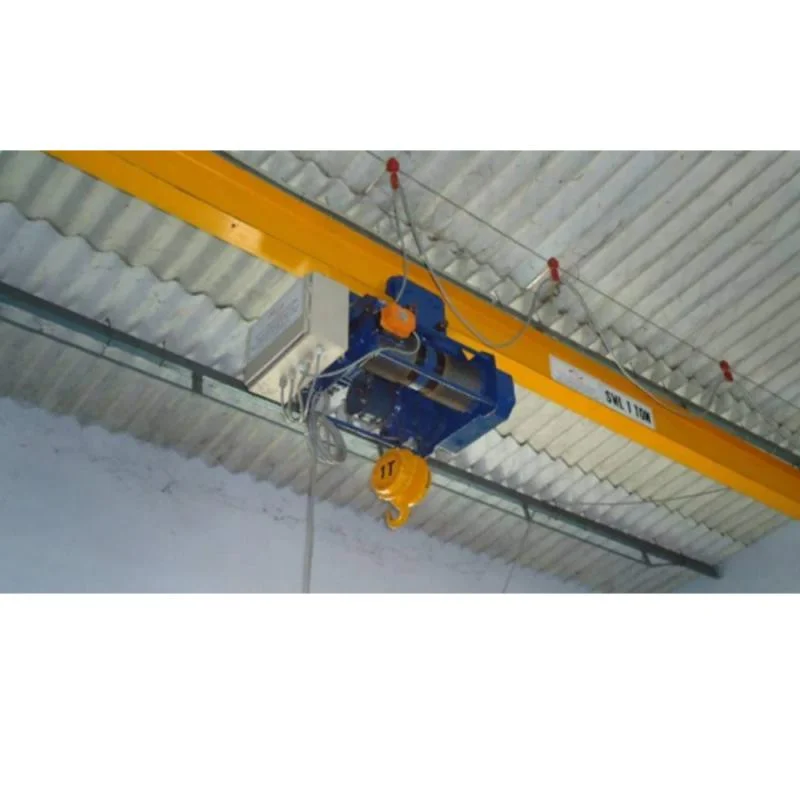
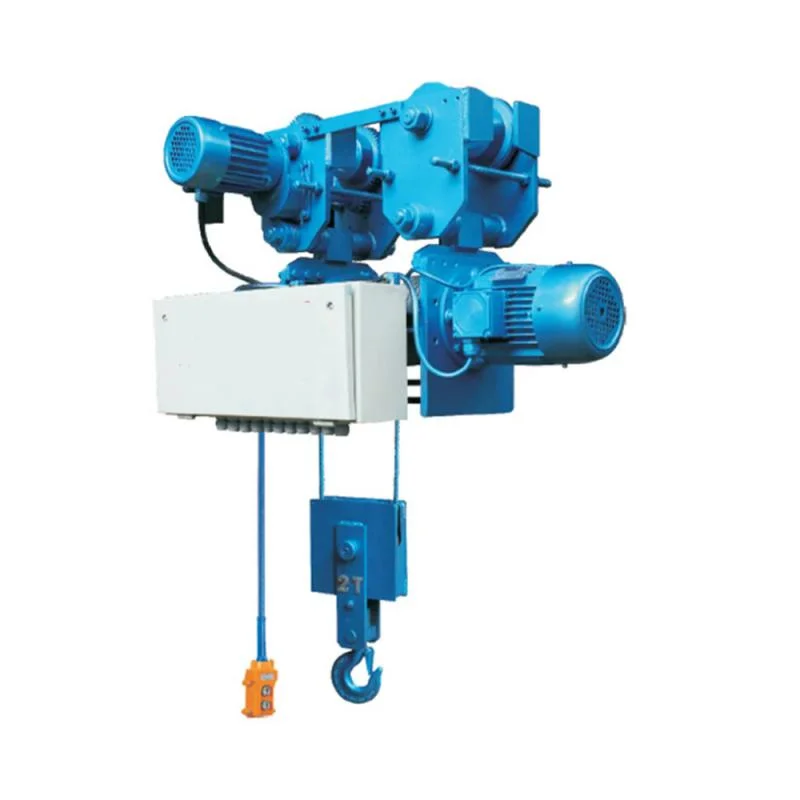
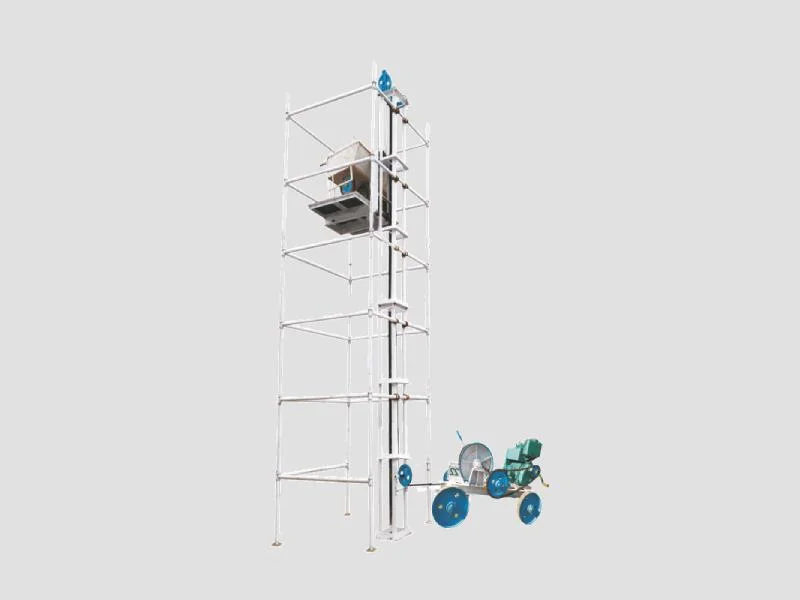
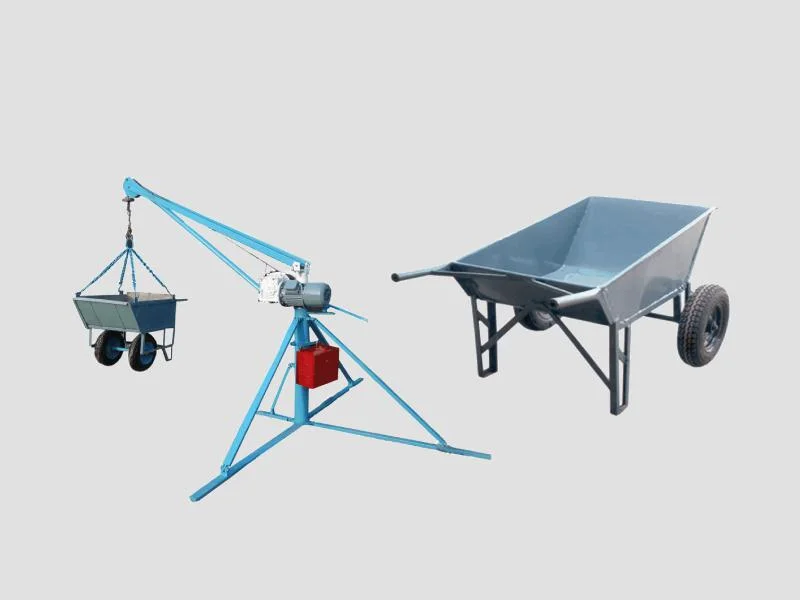
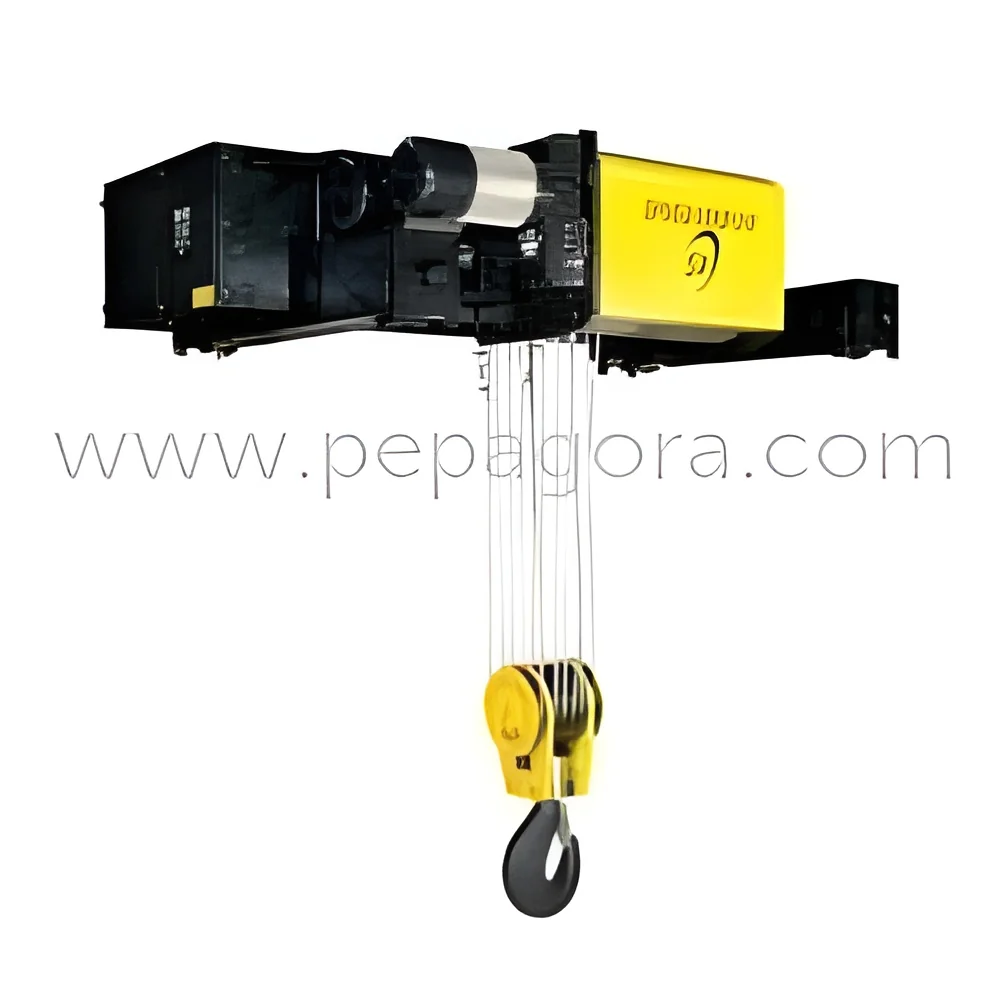
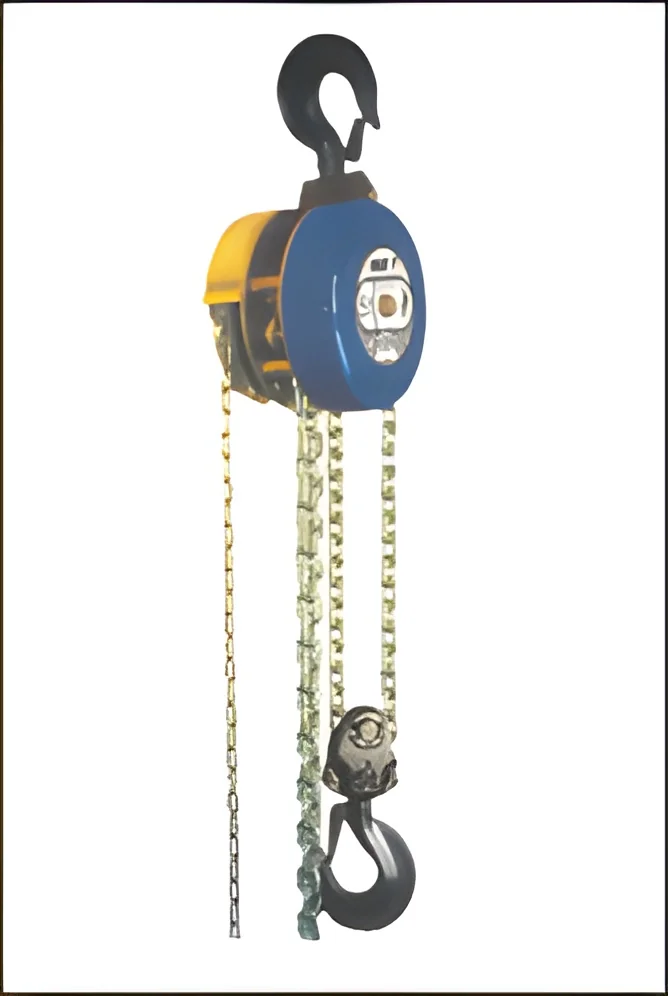
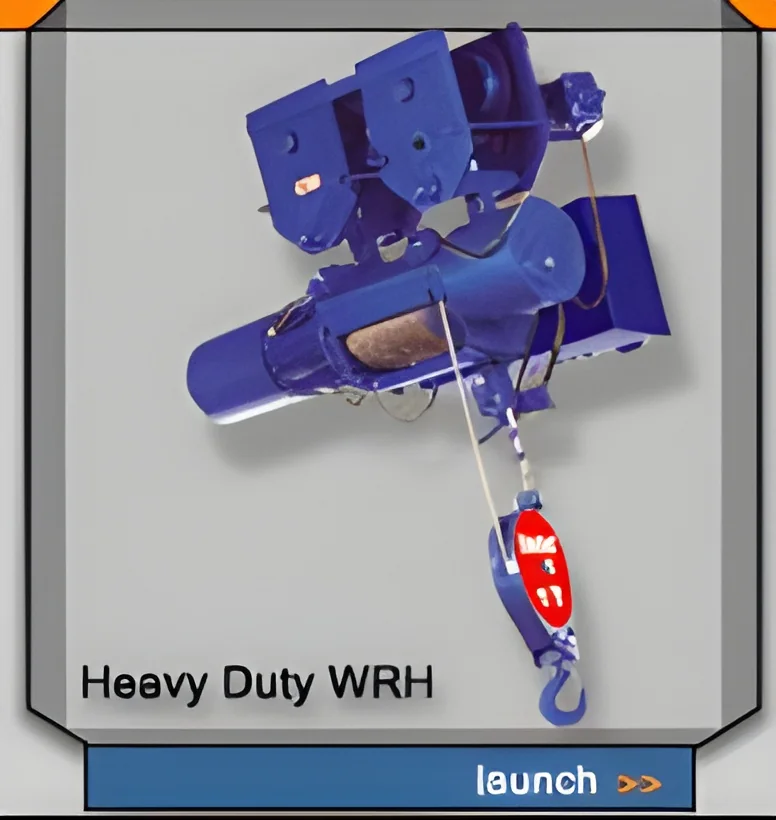
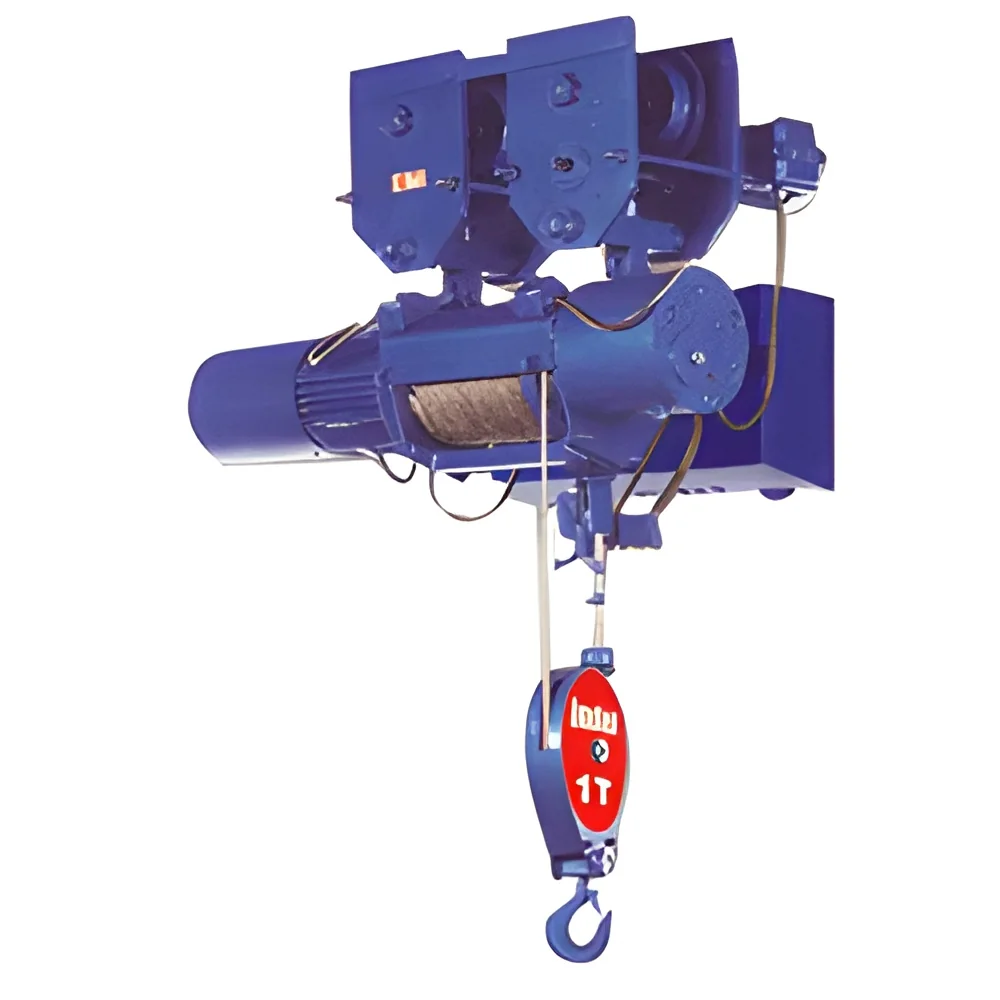
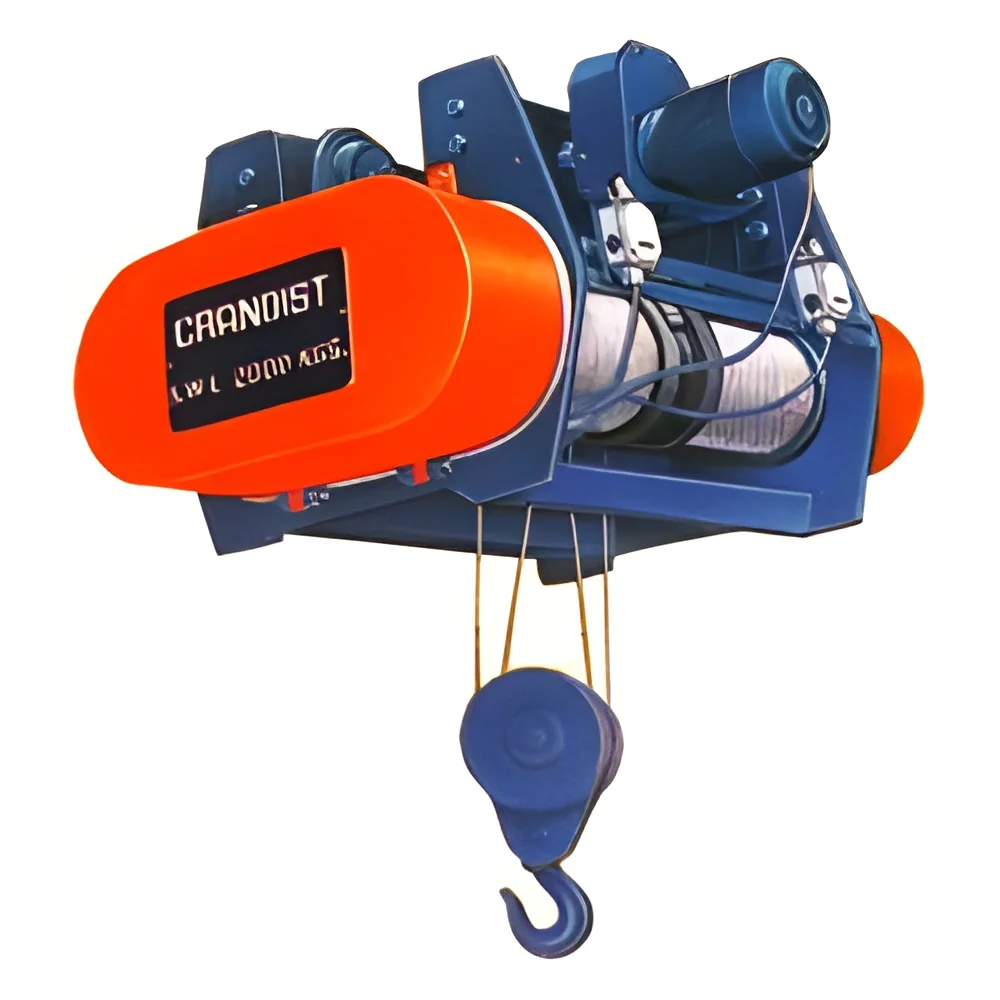
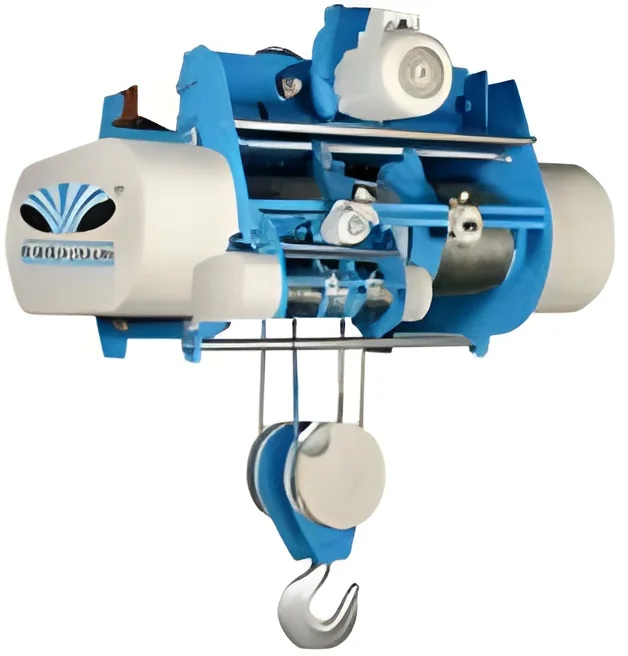
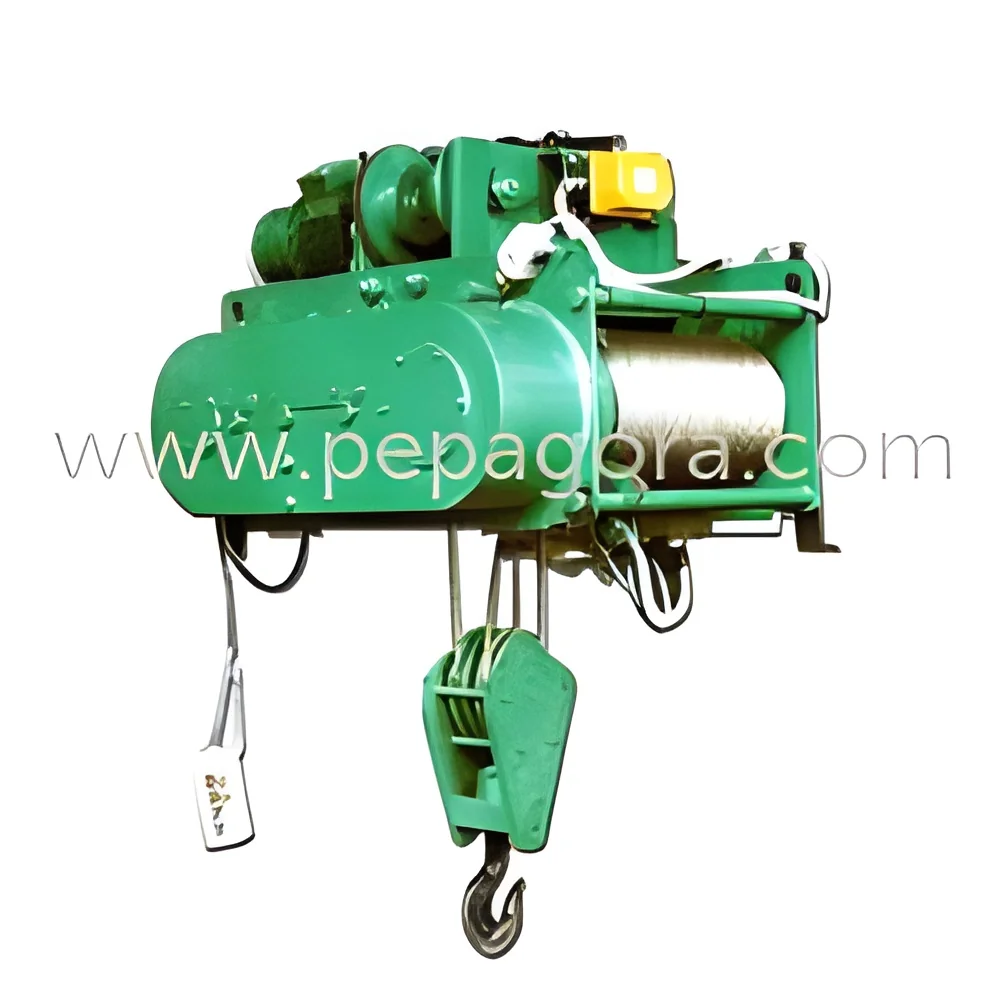
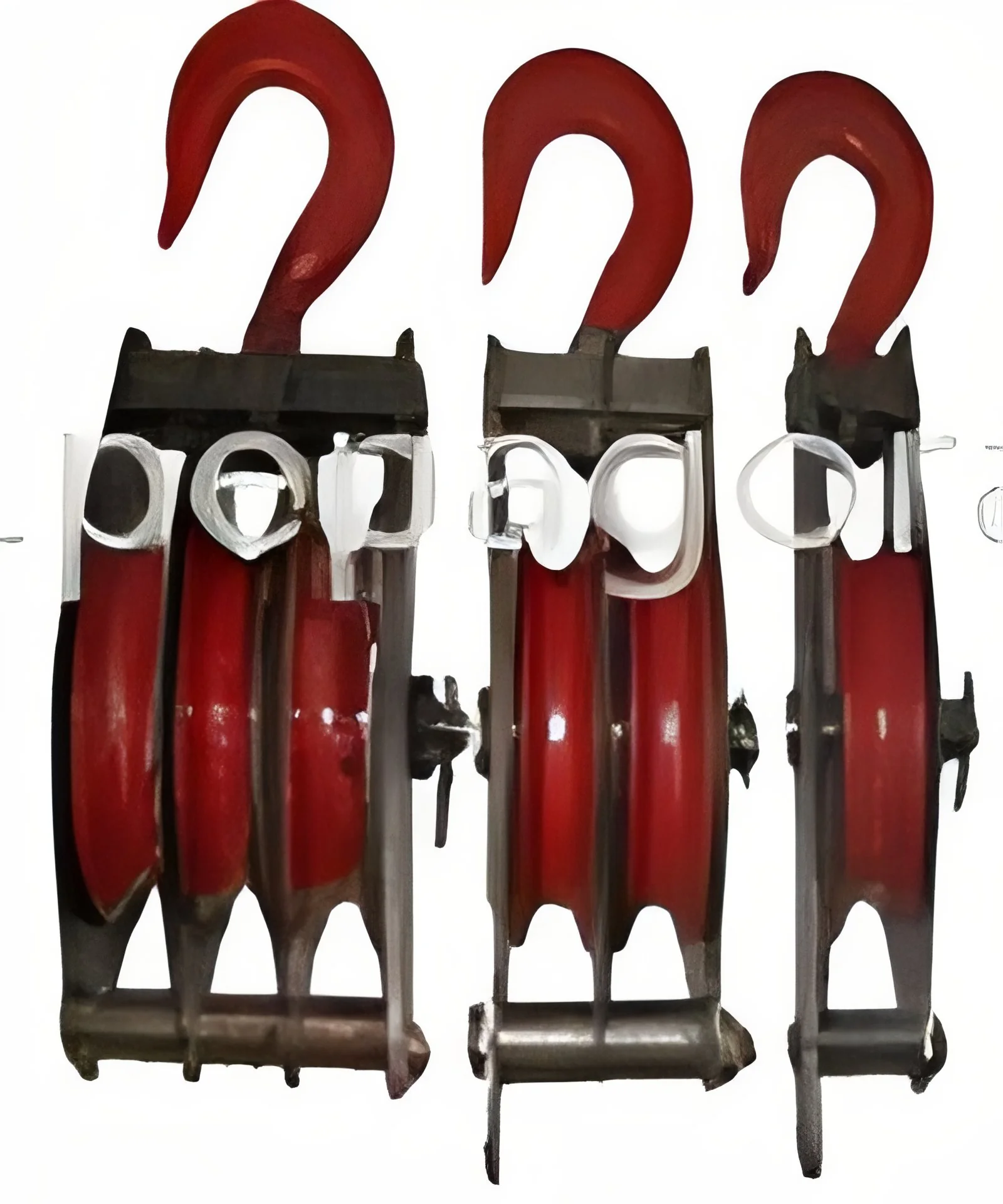
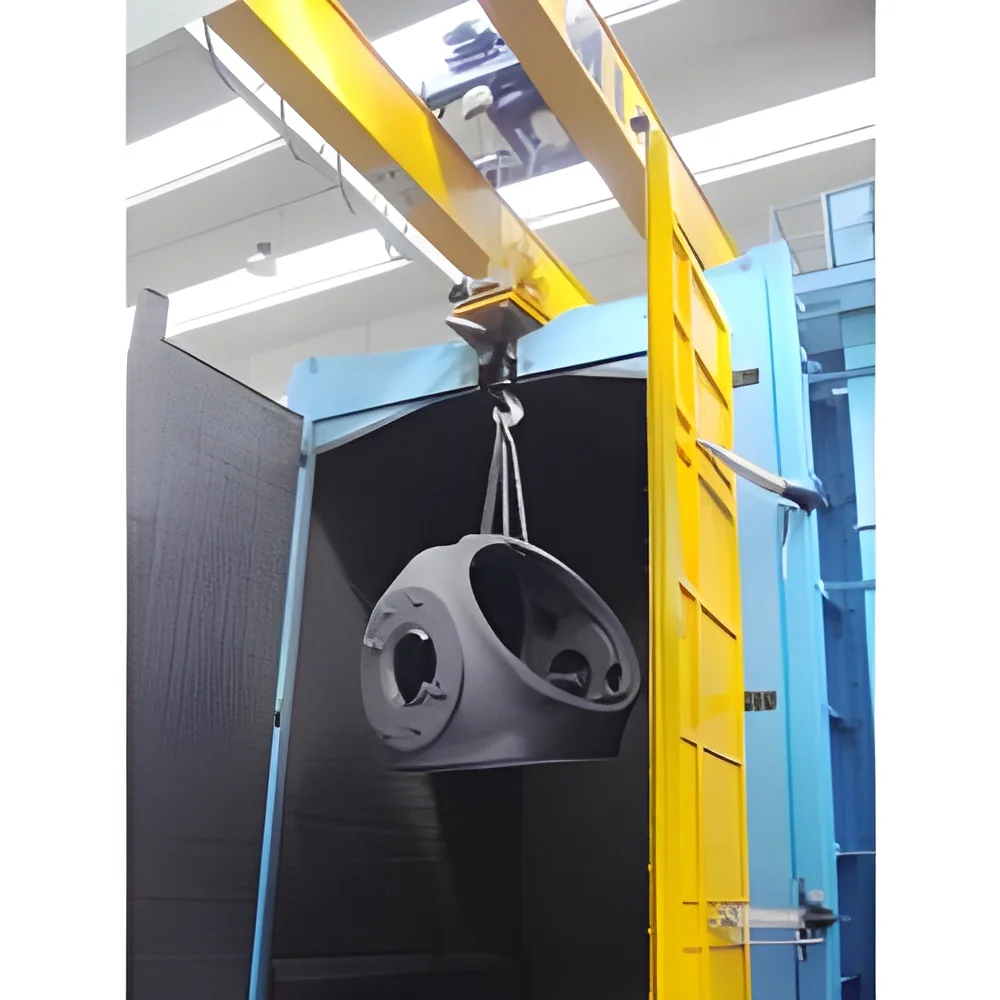
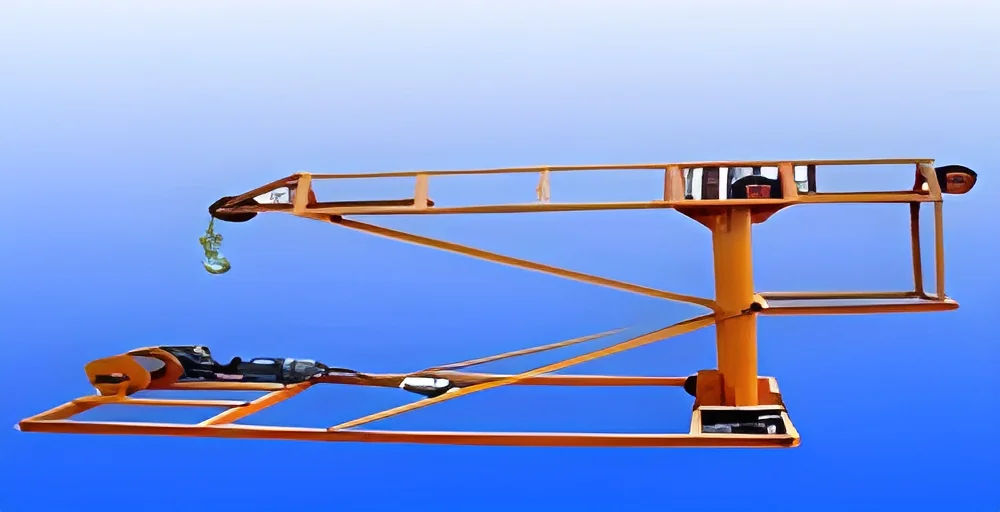
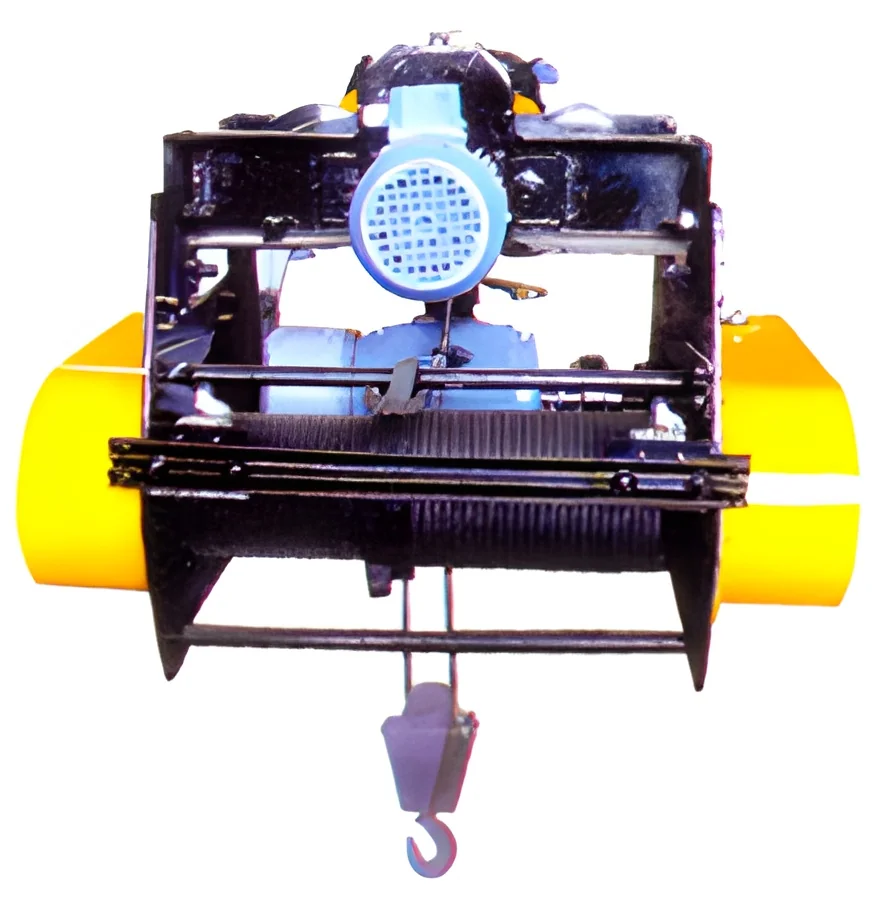
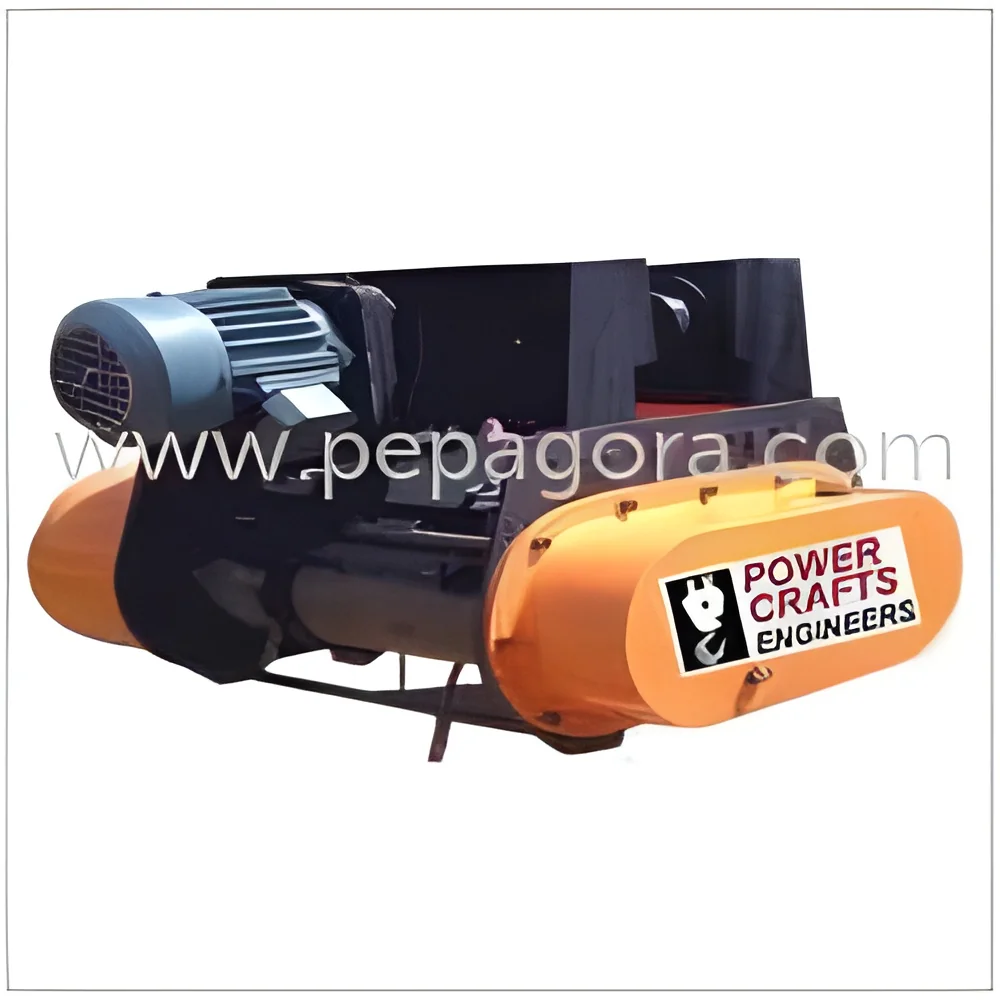
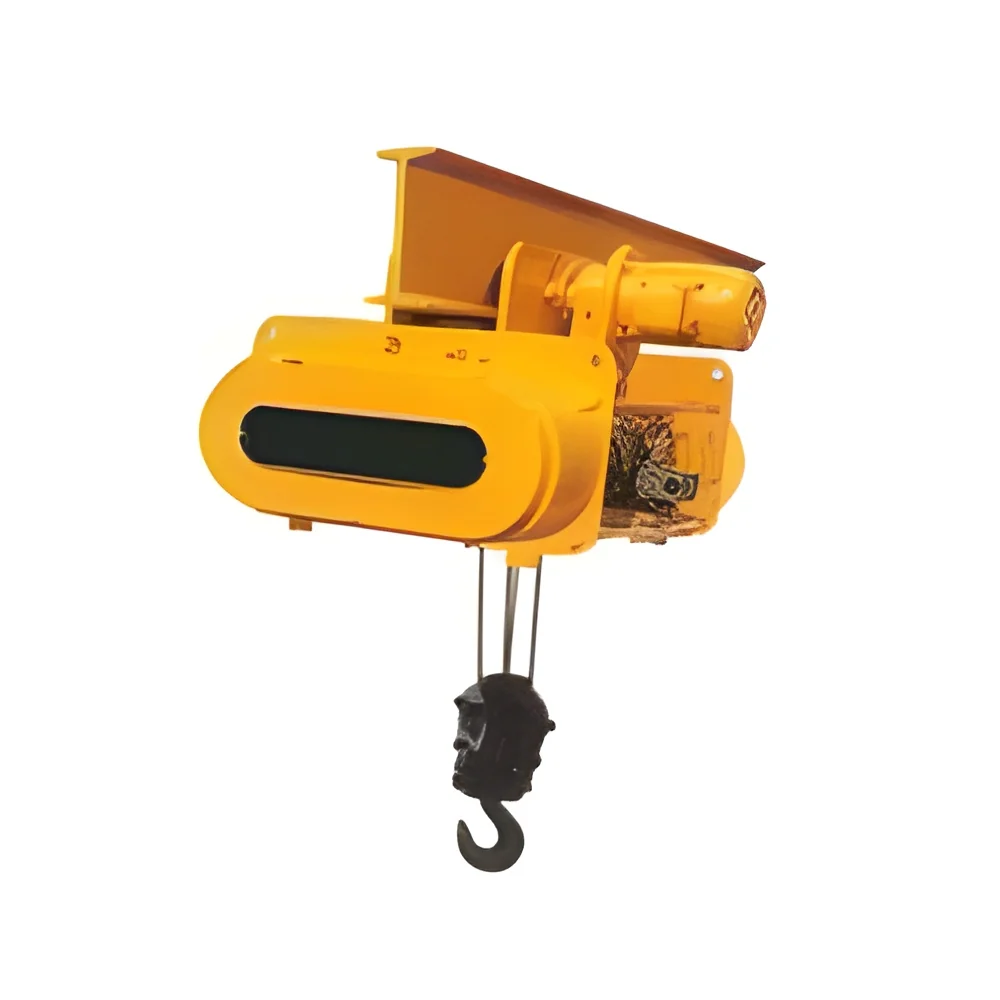
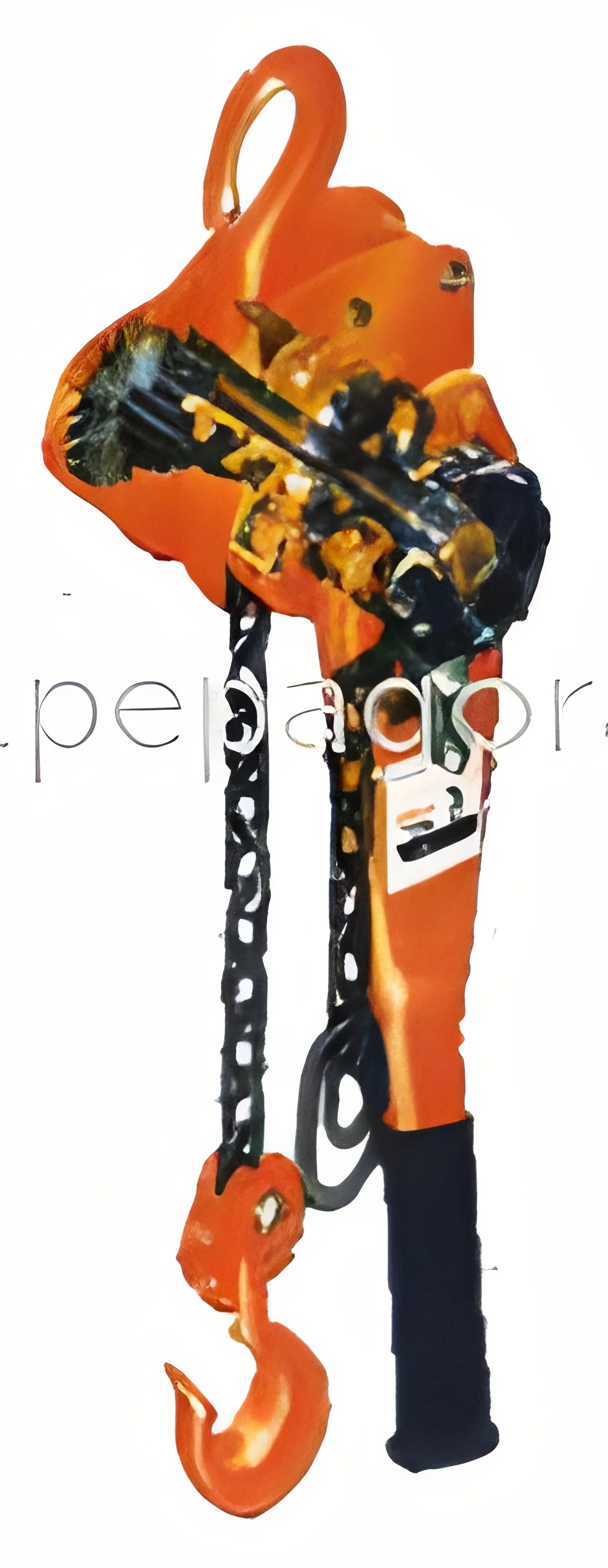
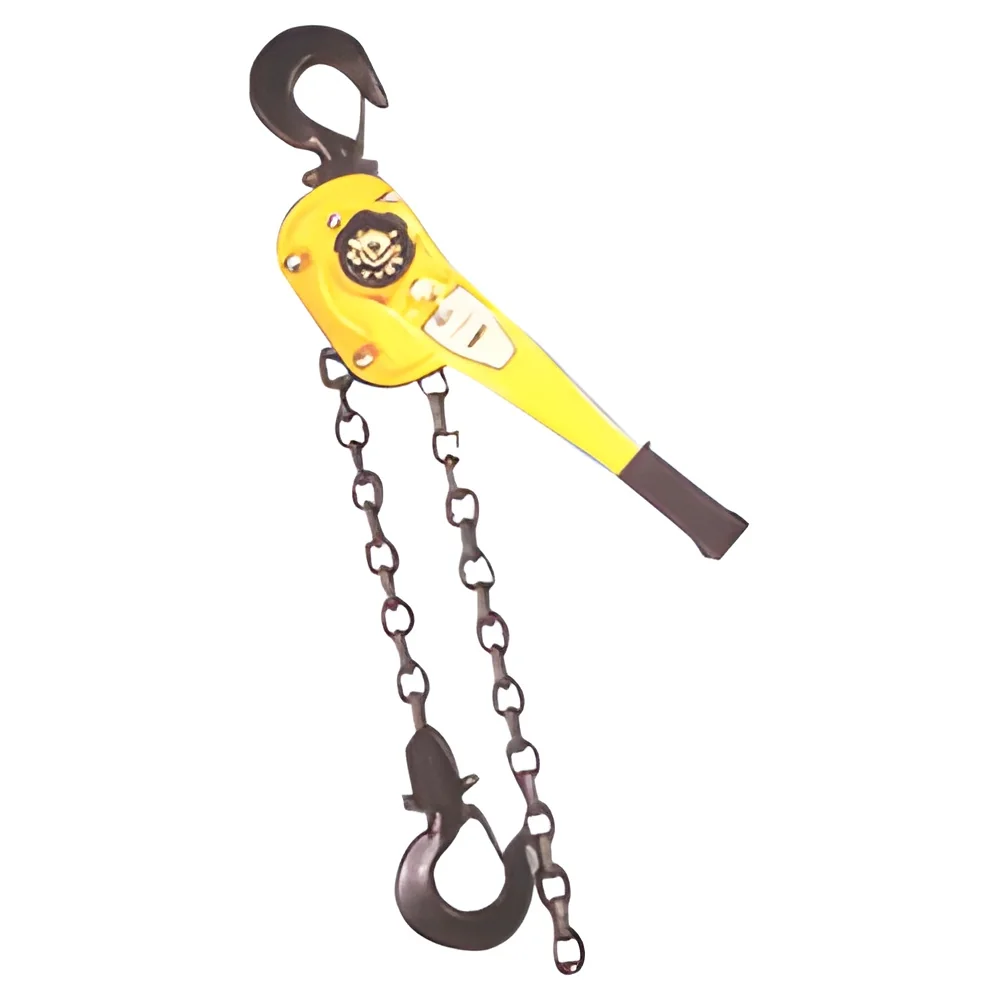
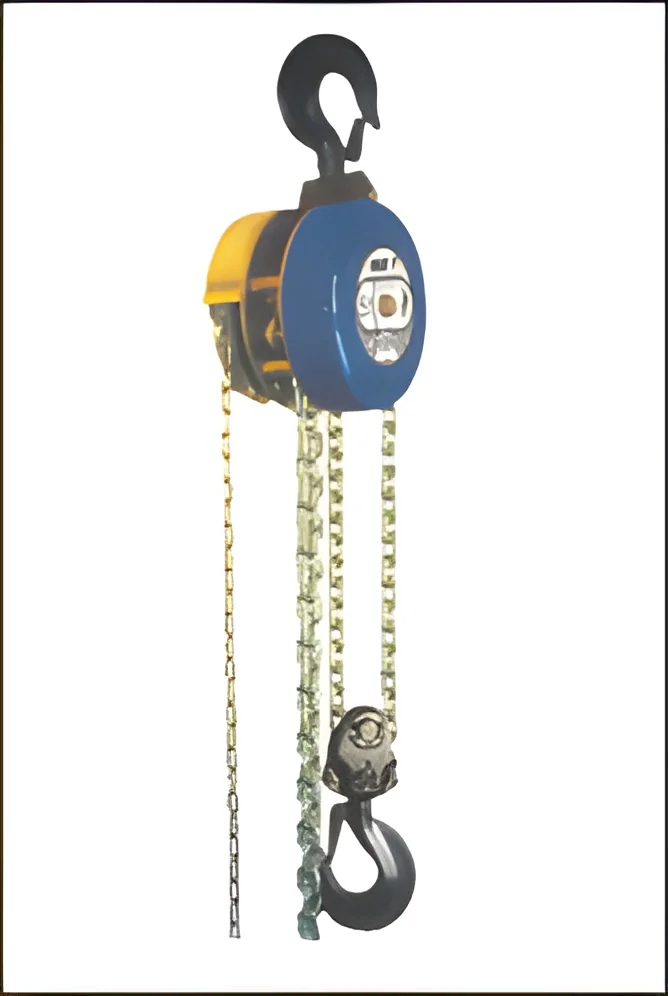
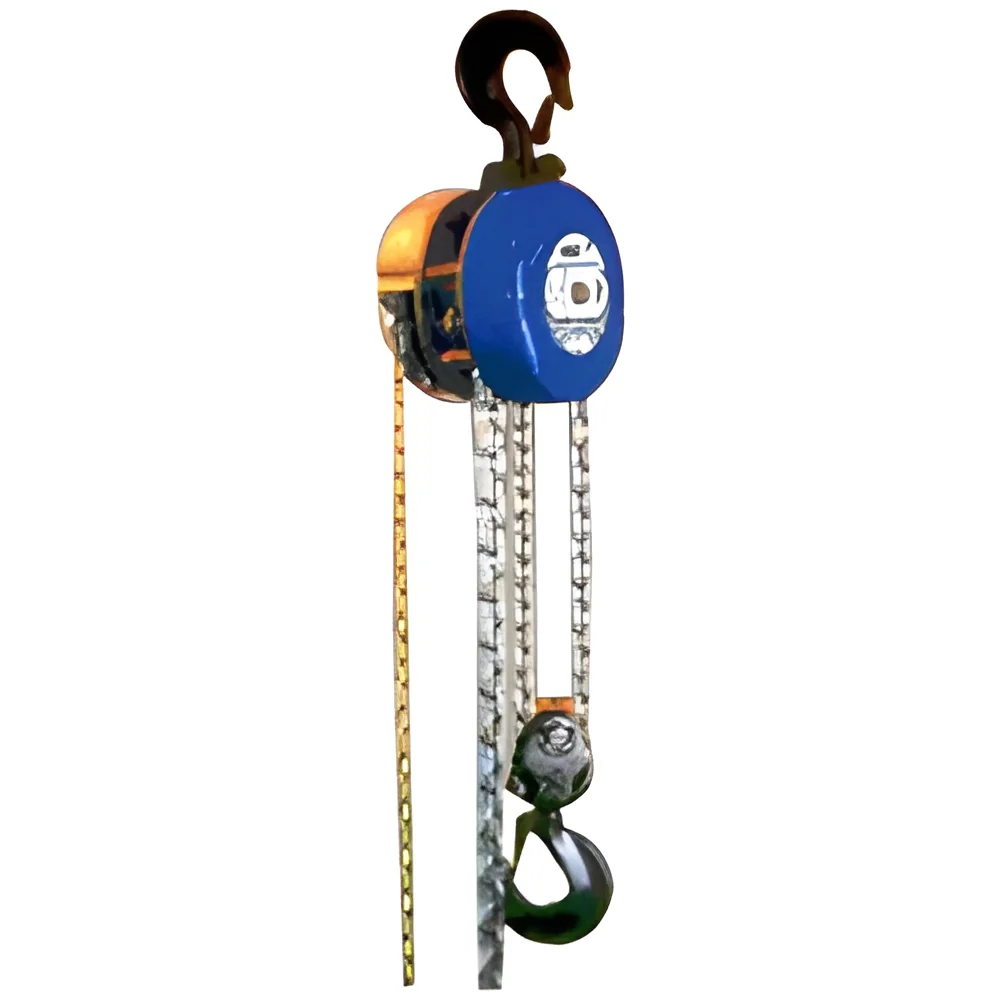
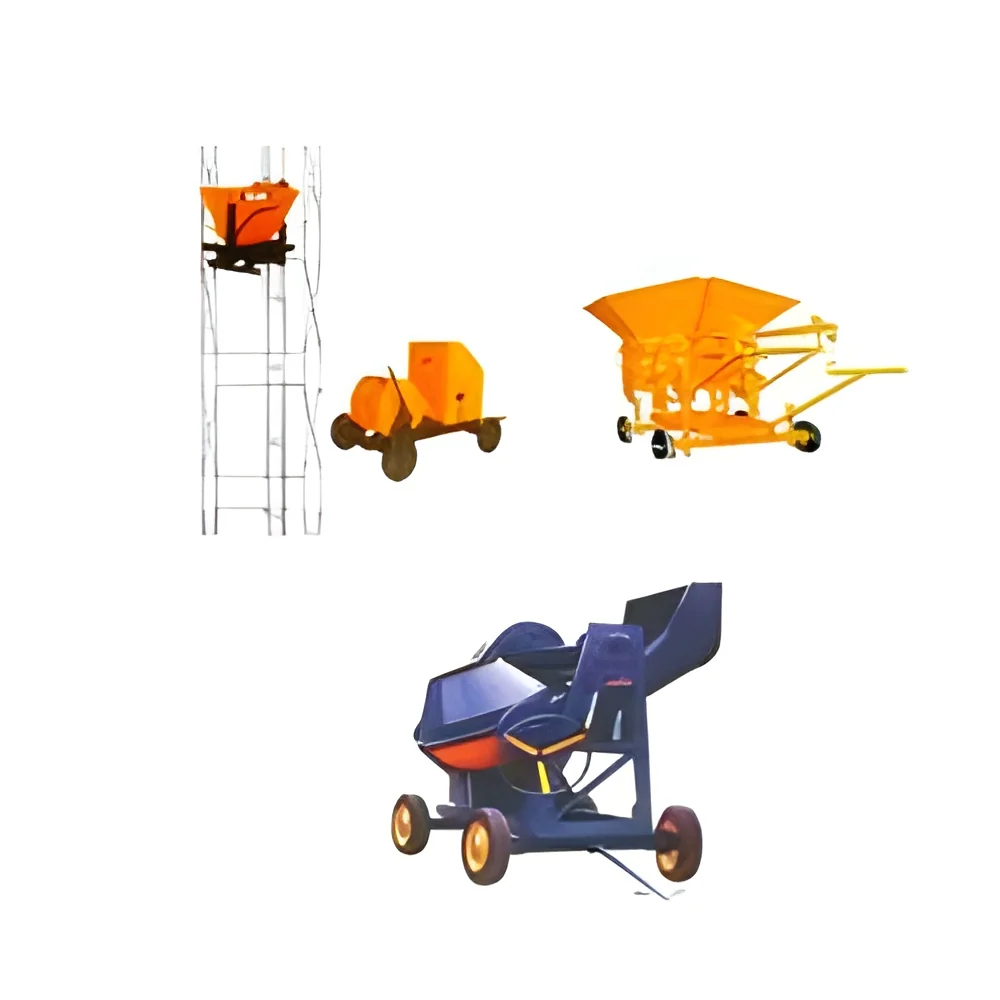
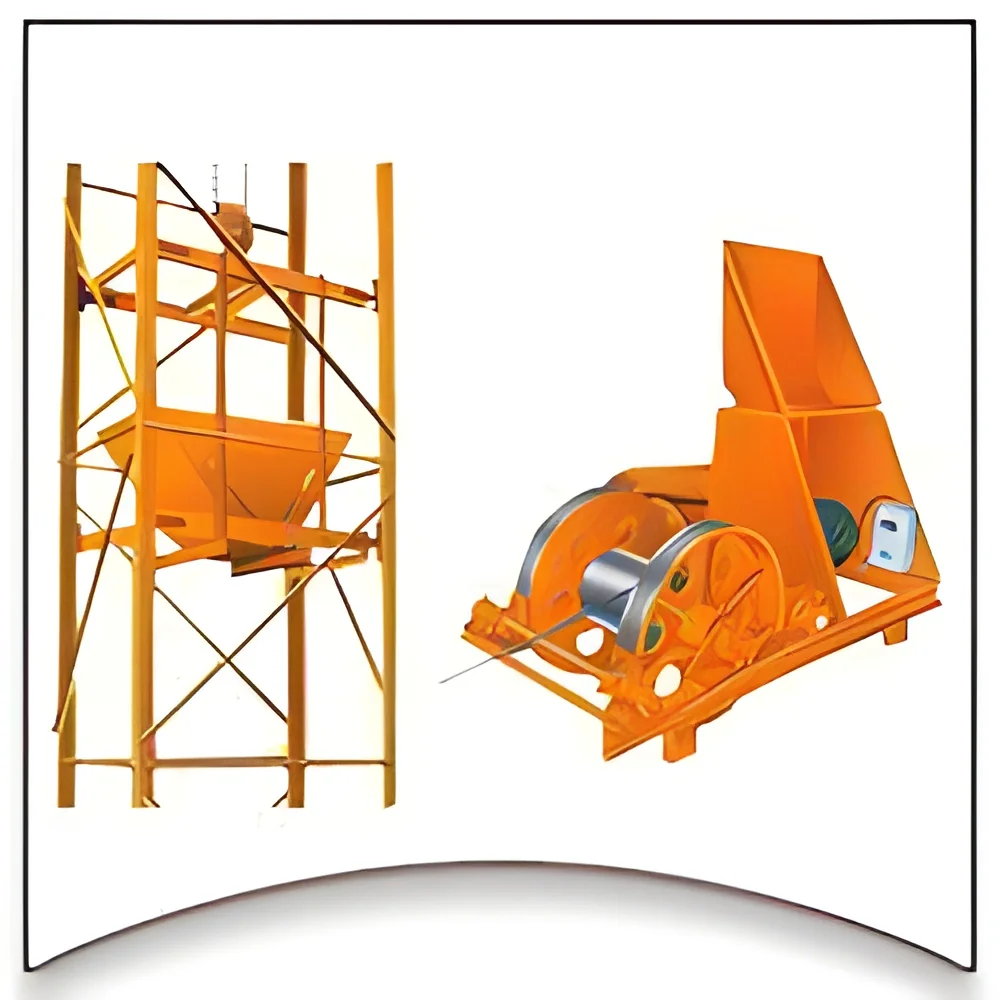
What are Hoists?
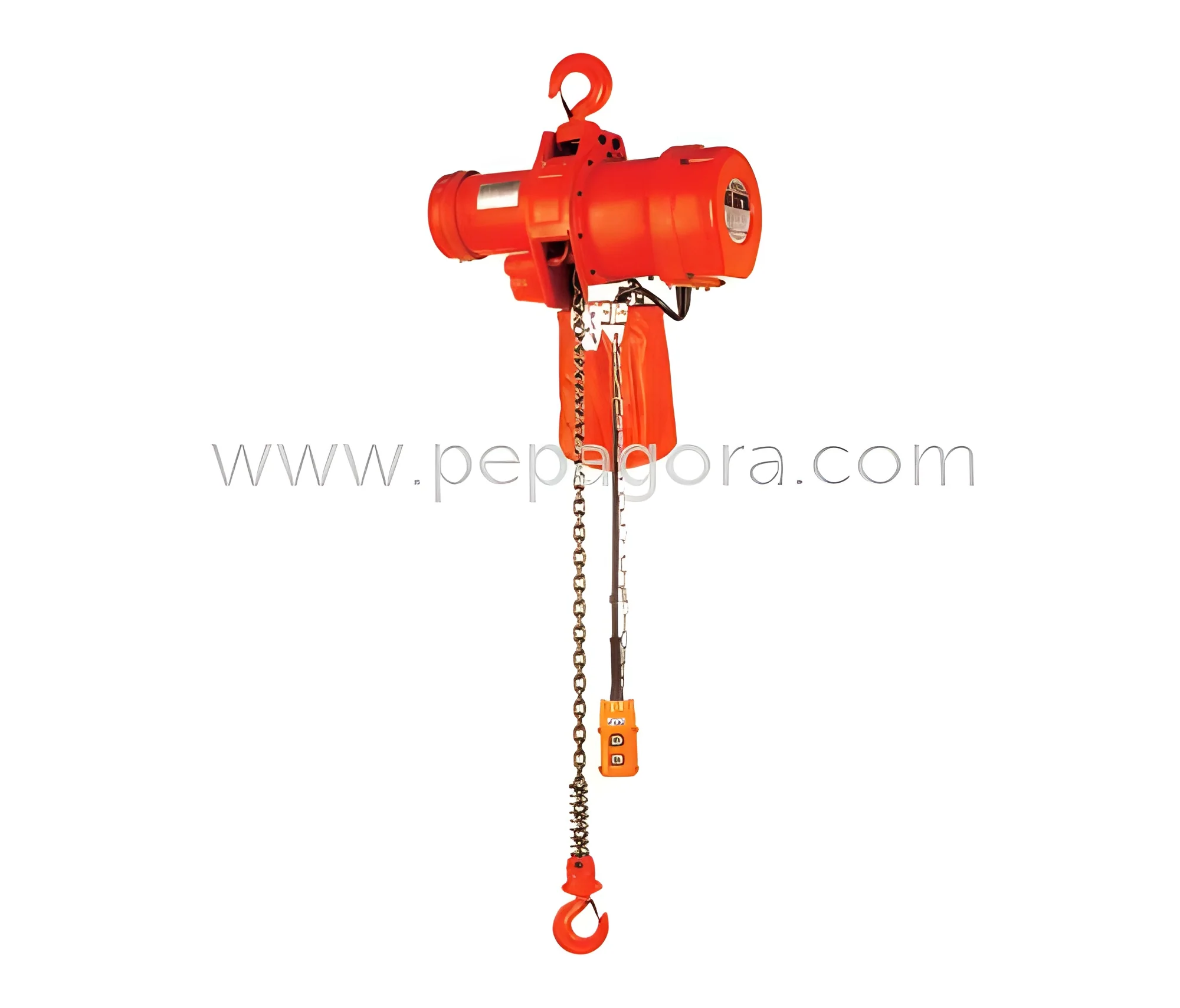
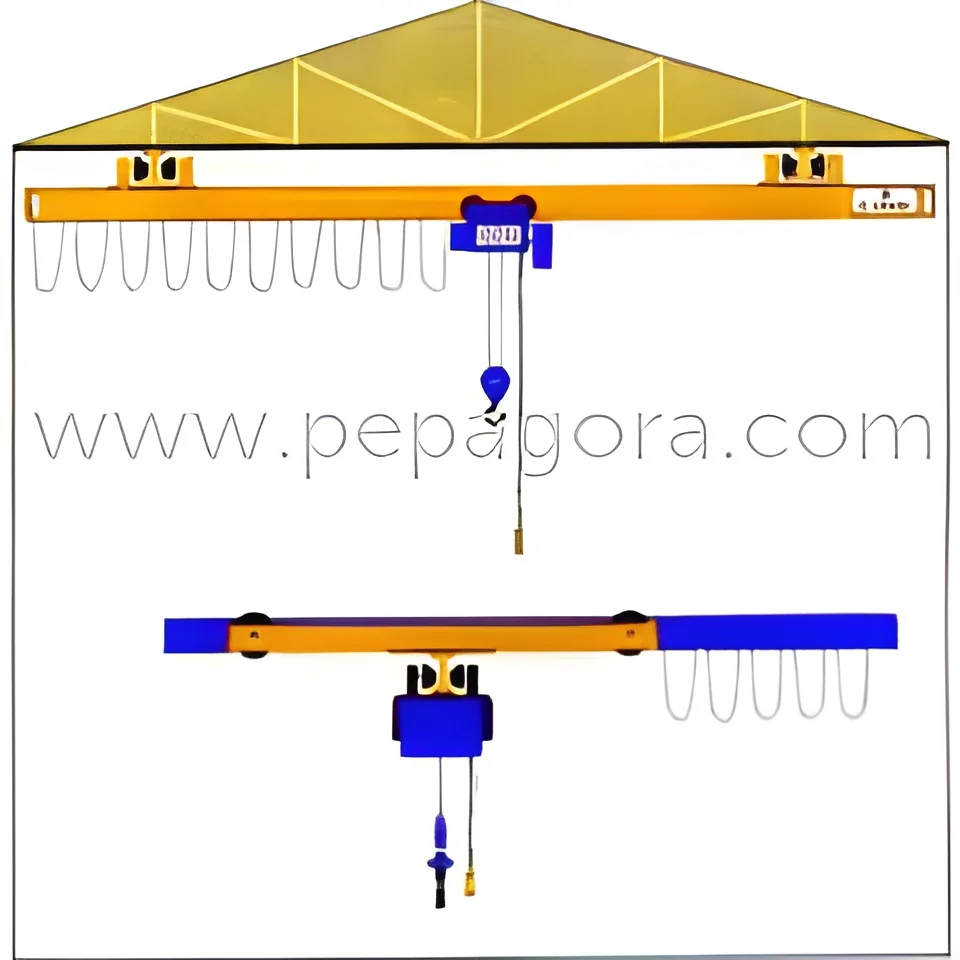
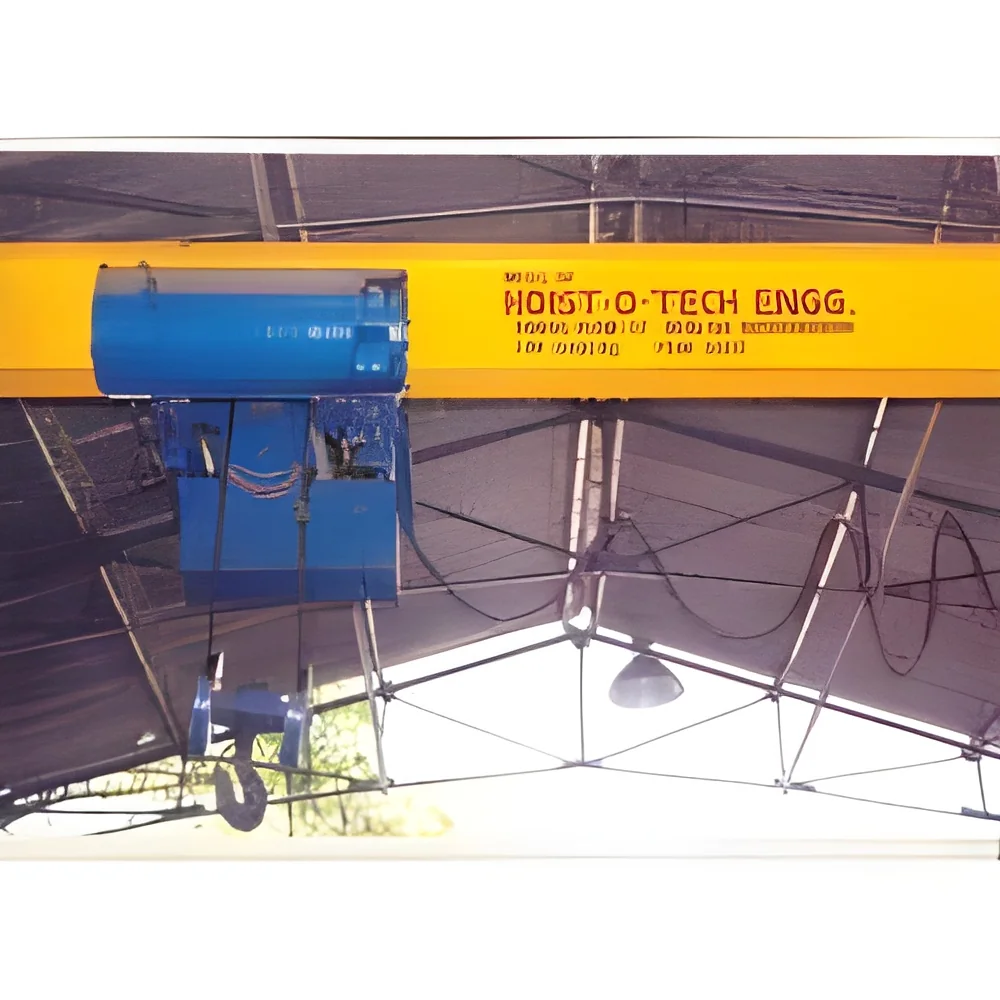
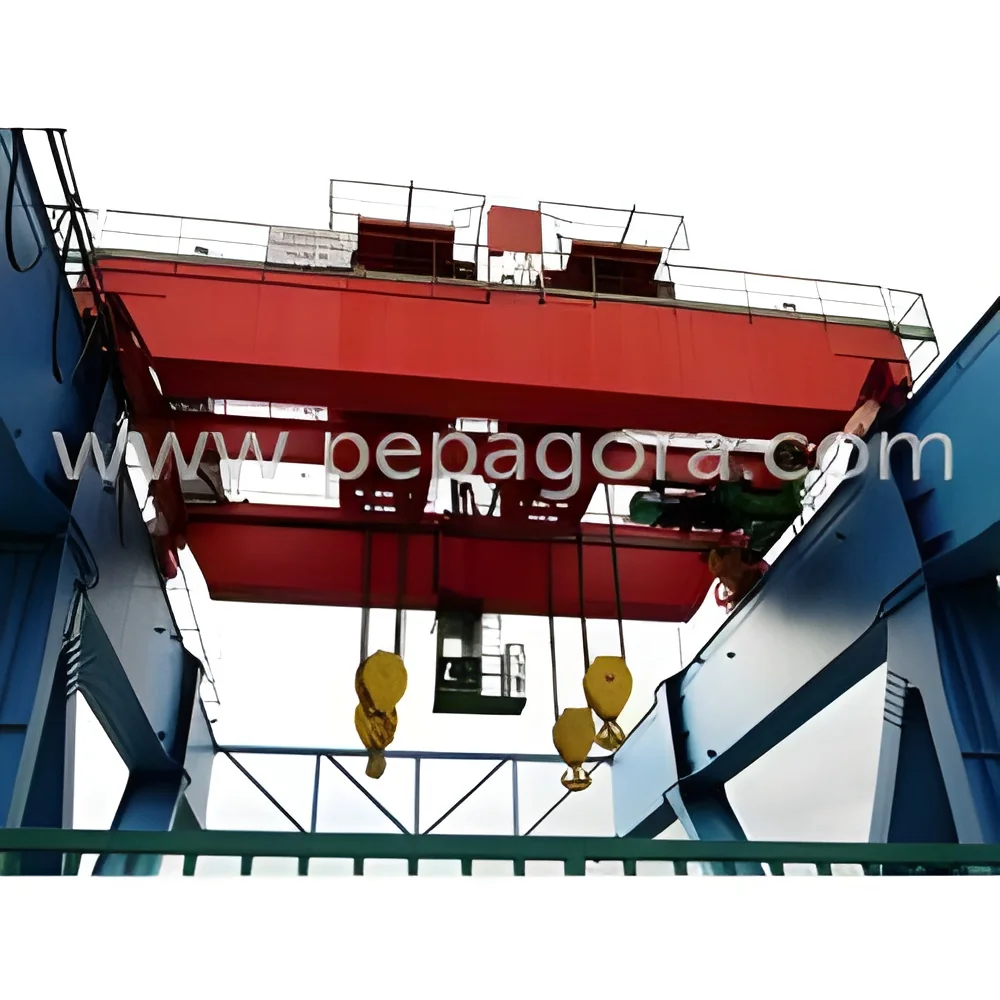
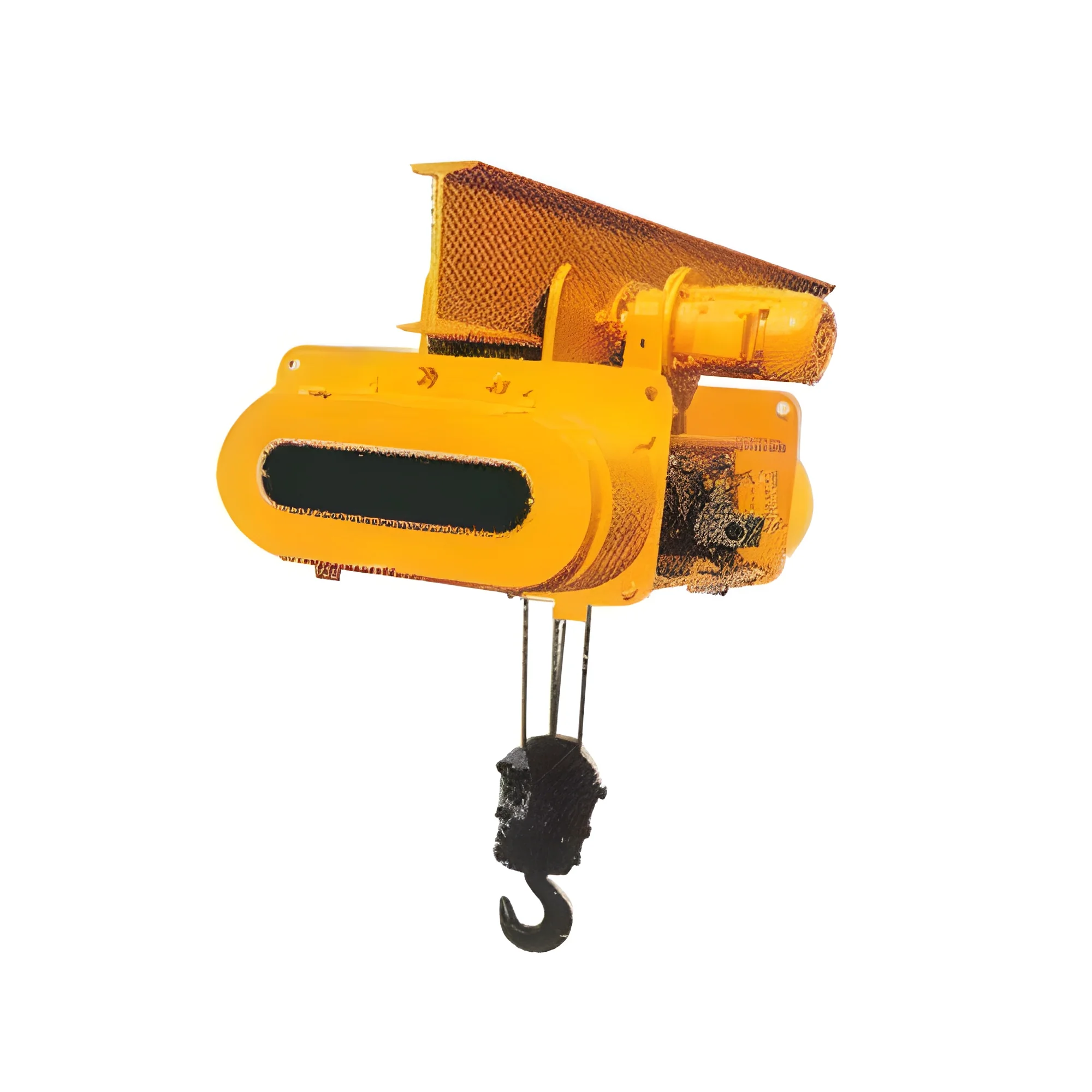
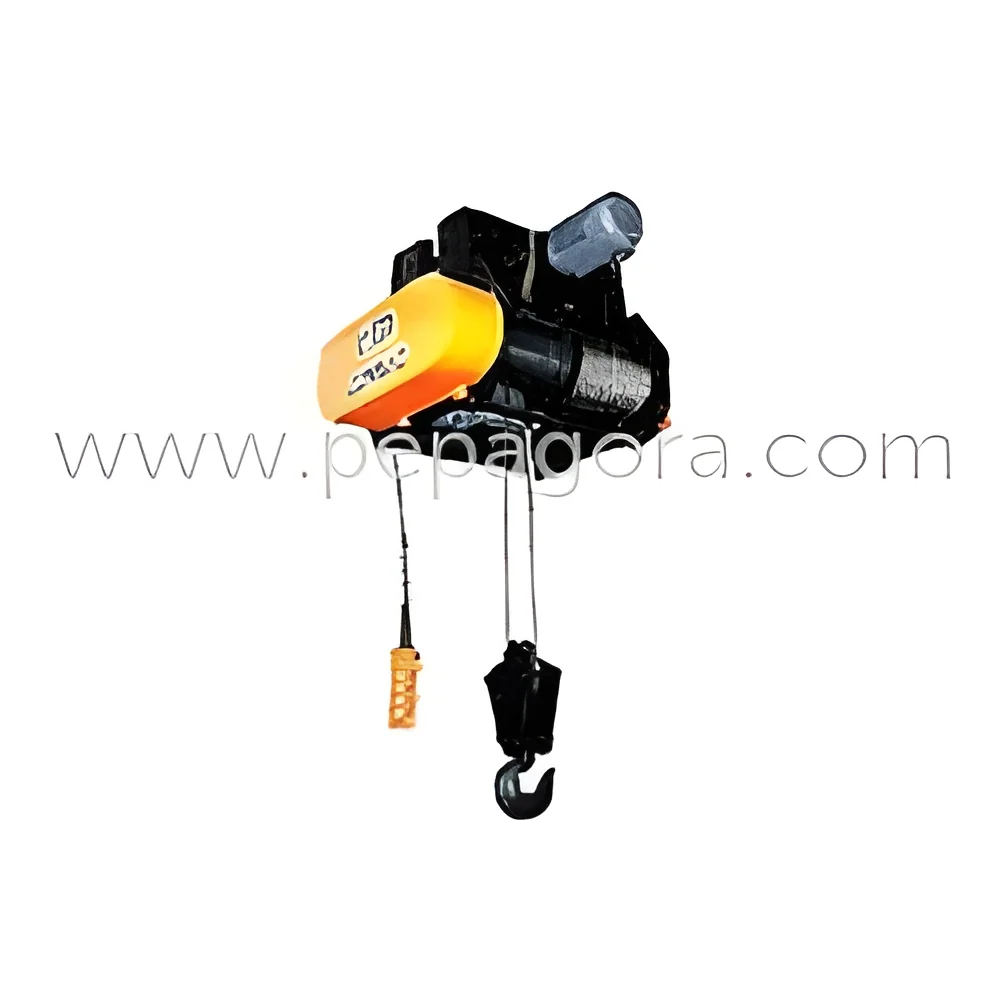
Hoists are mechanical devices used to lift and lower heavy loads safely and efficiently. They typically consist of a drum or lift-wheel around which a wire rope or chain is wound. This allows the operator to raise or lower materials with minimal physical effort. Hoists can be powered manually, electrically, or pneumatically, making them versatile for various applications.
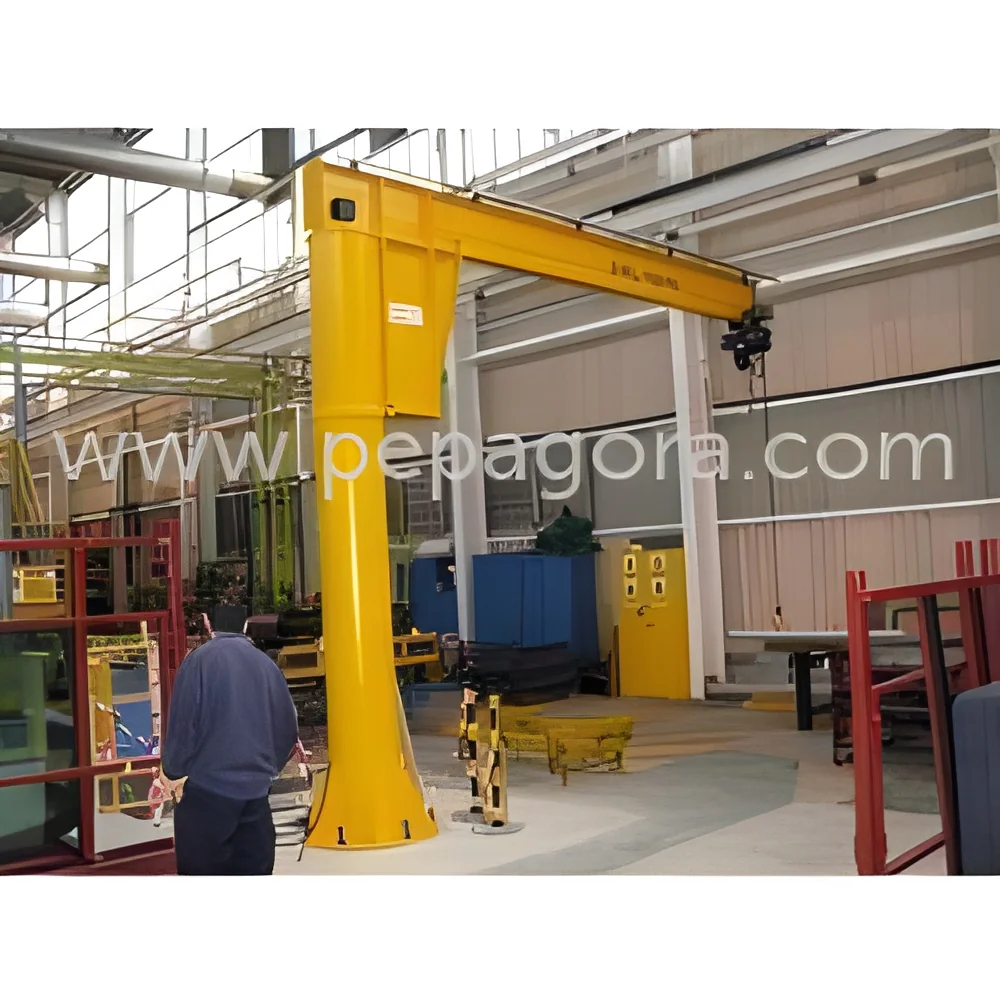
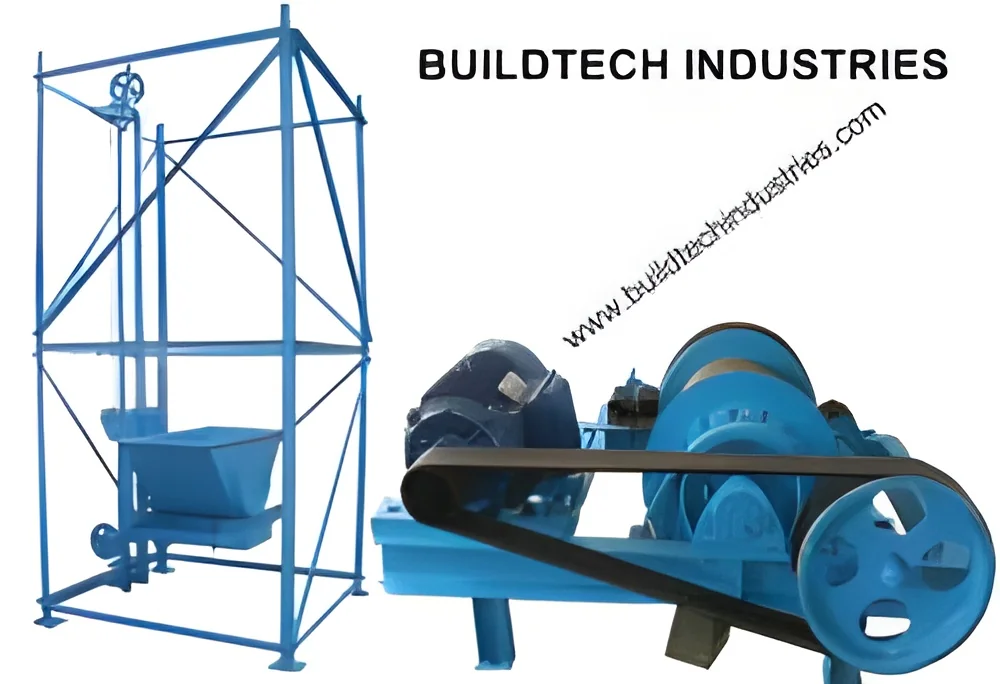
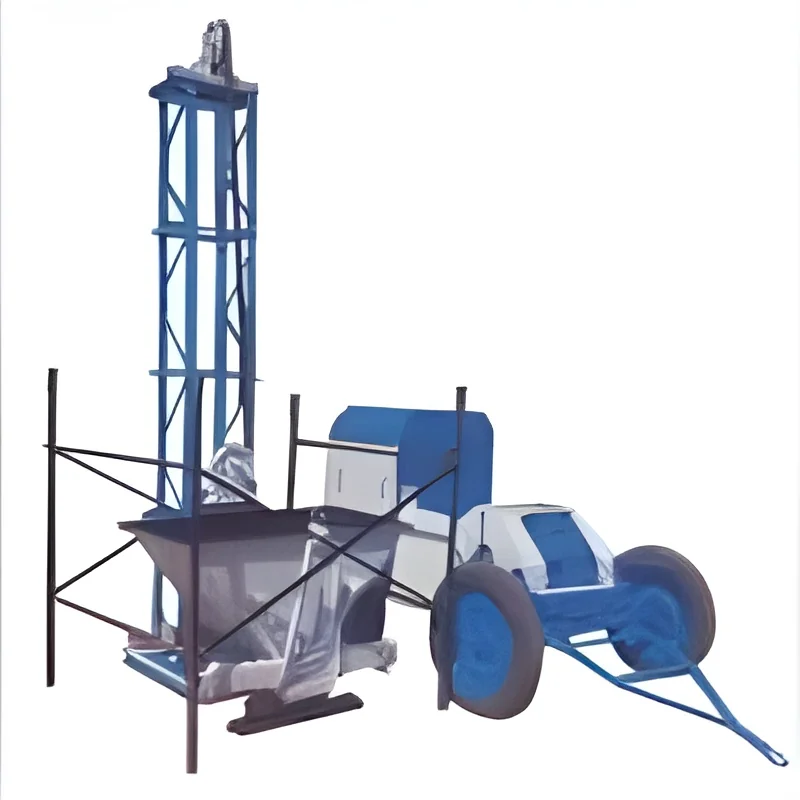
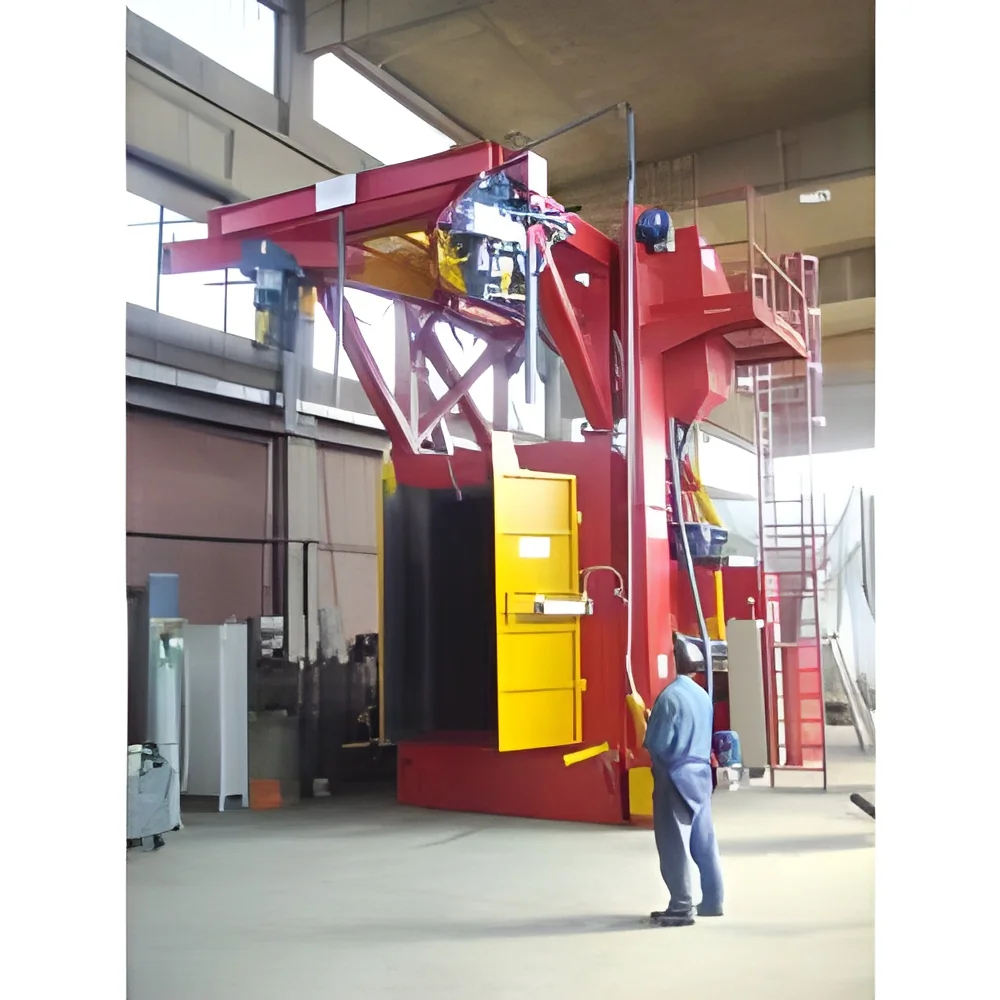
The primary uses of hoists span multiple industries, including construction, manufacturing, and warehouse operations. In construction, hoists are essential for lifting heavy materials to elevated work sites. In manufacturing, they are often used to move heavy parts and assemblies along production lines. Additionally, hoists play a critical role in maintenance and repair operations, enabling technicians to access hard-to-reach areas safely.
In the current market, hoists are vital for enhancing productivity and safety standards. With the growing focus on workplace safety and efficiency, the demand for reliable hoists continues to rise. Industries are increasingly adopting hoists equipped with advanced features to streamline operations and comply with stringent safety regulations.
Key Features and Specifications
Hoists come with a variety of features and specifications tailored to meet different operational needs. Understanding these specifications is crucial for selecting the appropriate hoist for your business.
Key specifications include:
1. Load Capacity
- Refers to the maximum weight the hoist can lift.
- Typically ranges from 500 pounds to several tons, depending on the model.
2. Lifting Height
- Indicates how high the hoist can lift loads.
- Common heights vary from 10 feet to over 100 feet for specialized applications.
3. Power Source
- Includes manual, electric, or pneumatic options.
- Electric hoists are popular for their efficiency and ease of use.
4. Speed of Lifting
- Describes how quickly the hoist can lift or lower loads.
- Speed can vary from 5 to 30 feet per minute based on design.
5. Control Mechanism
- Refers to how the operator controls the hoist.
- Options include pendant control, remote control, or manual operation.
6. Safety Features
- May include overload protection, emergency stop buttons, and limit switches.
- Essential for preventing accidents and injuries in the workplace.
7. Weight of the Hoist
- Indicates the overall weight of the hoist itself.
- Heavier models may offer greater stability but can be less portable.
8. Durability and Material
- Typically constructed from steel, aluminum, or composite materials.
- Ensures longevity and resistance to wear and tear in demanding environments.
Understanding these features helps businesses choose the right hoist that meets their specific operational demands.
Common Applications and Use Cases
Hoists have a wide range of applications across various industries.
1. Construction: Hoists are crucial for lifting heavy materials such as steel beams and concrete blocks to elevated levels on construction sites. They enhance safety and efficiency in building projects.
2. Manufacturing: In manufacturing environments, hoists are used to move heavy parts, assemblies, and machinery components along production lines. This helps in maintaining workflow and reducing manual labor.
3. Warehousing: Hoists assist in the storage and retrieval of heavy goods in warehouses. They enable efficient stacking and organization of inventory, improving space utilization.
4. Automotive: In the automotive industry, hoists are used to lift vehicles for repairs and maintenance. They provide mechanics with easy access to undercarriages and engine compartments.
5. Shipping and Logistics: Hoists facilitate the loading and unloading of heavy cargo from trucks and containers. This speeds up the logistics process and minimizes the risk of damage.
6. Mining: In mining operations, hoists are essential for transporting heavy materials and personnel. They enhance safety by providing reliable lifting solutions in challenging environments.
7. Marine: Hoists are used in shipbuilding and repair to lift heavy components and equipment. They ensure shipyards can operate efficiently and safely.
Product Variants and Subcategories
Hoists are available in various types to suit different lifting needs and environments.
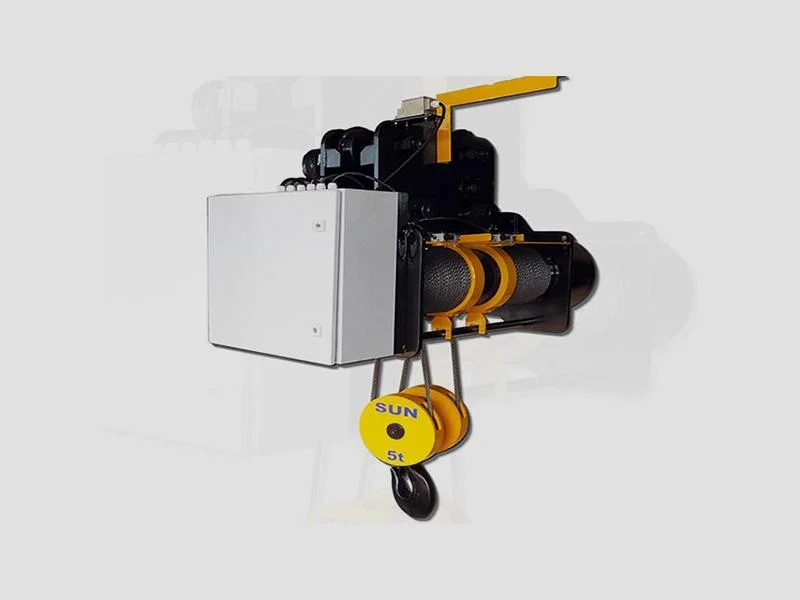
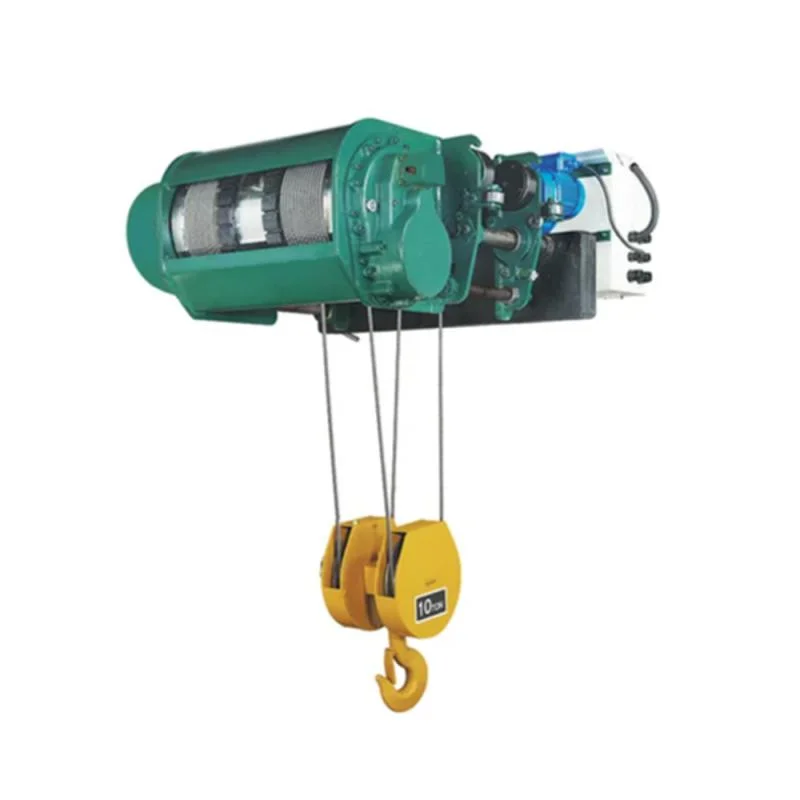
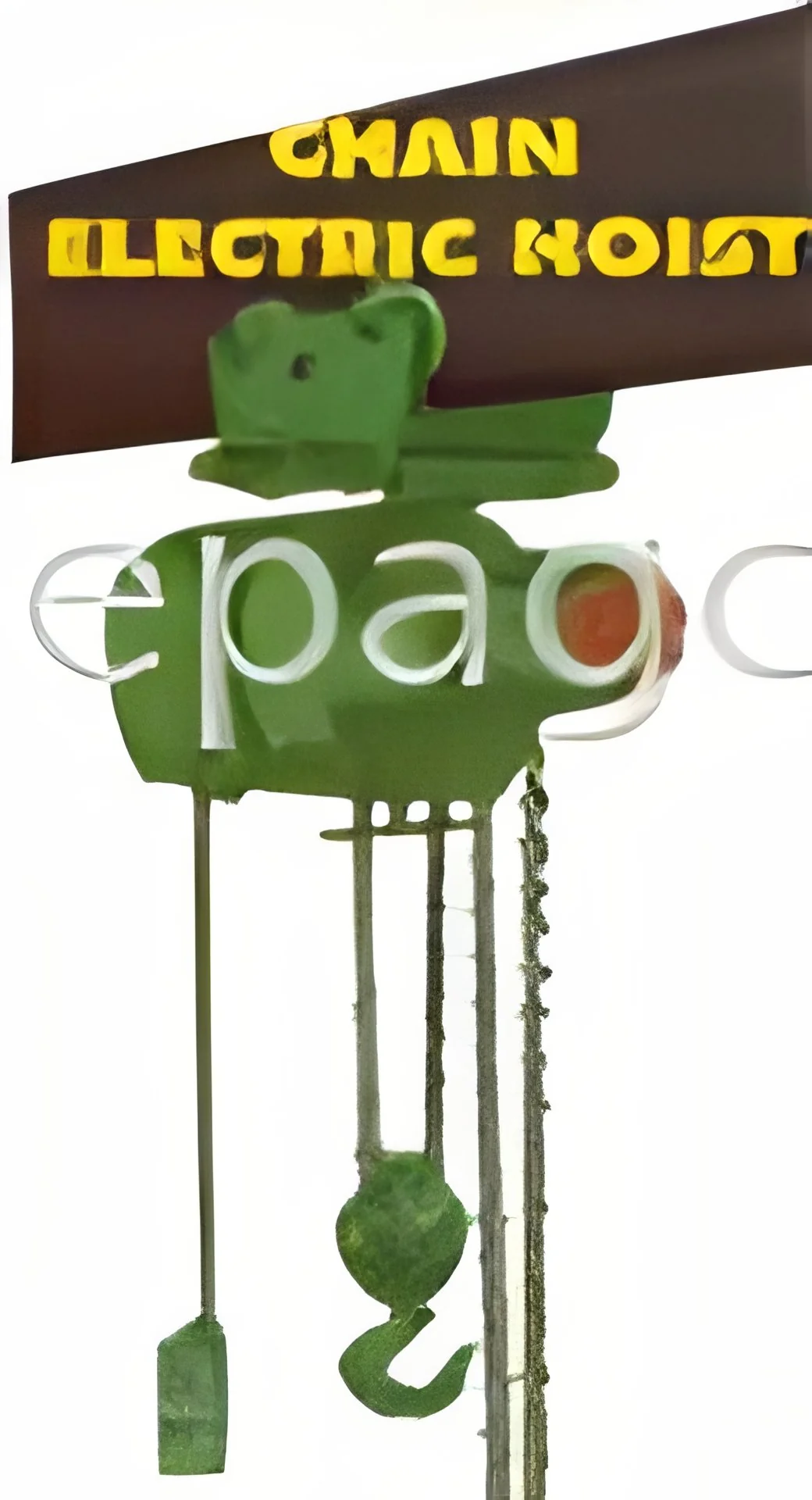
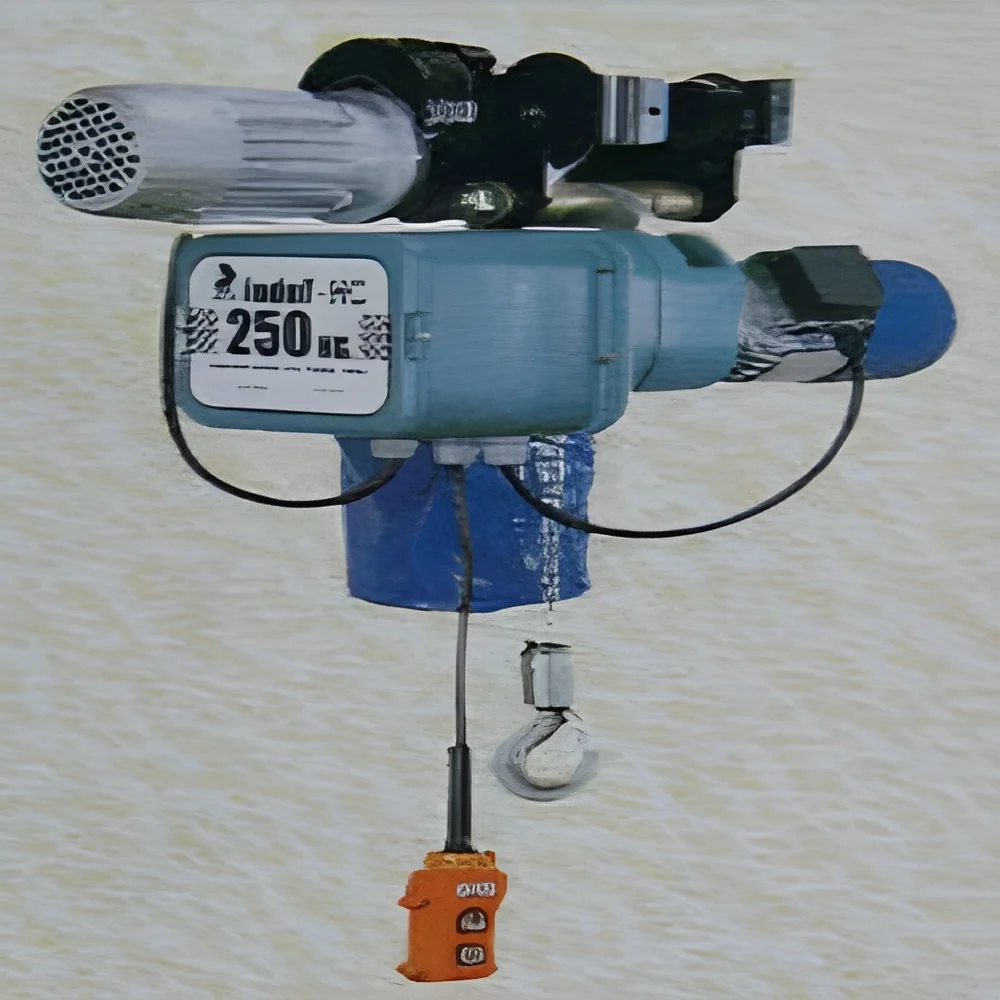
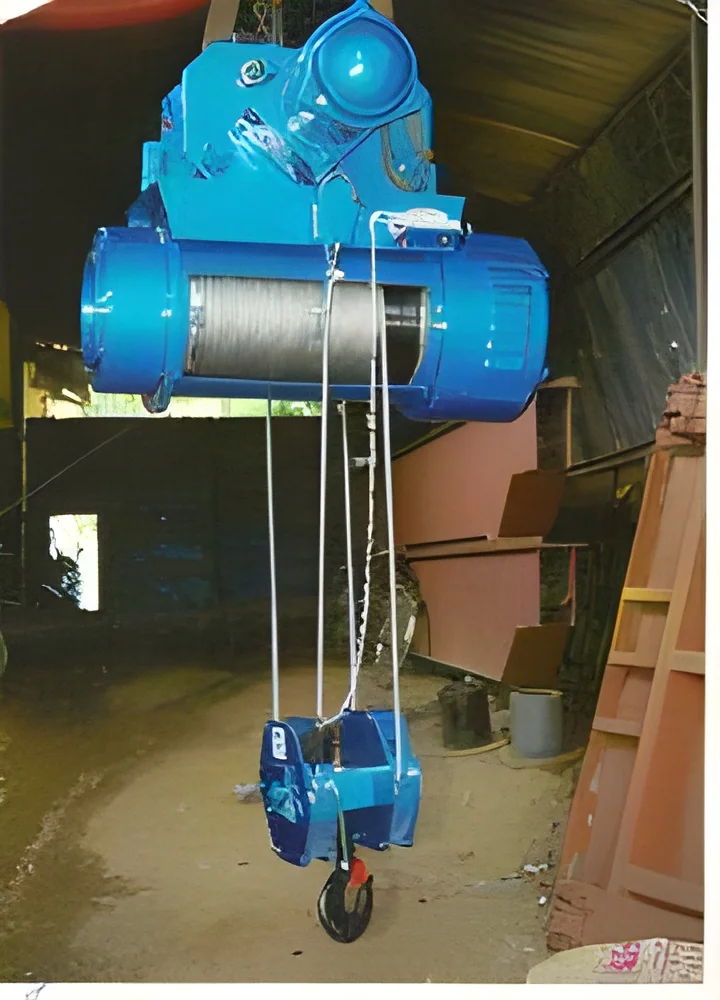
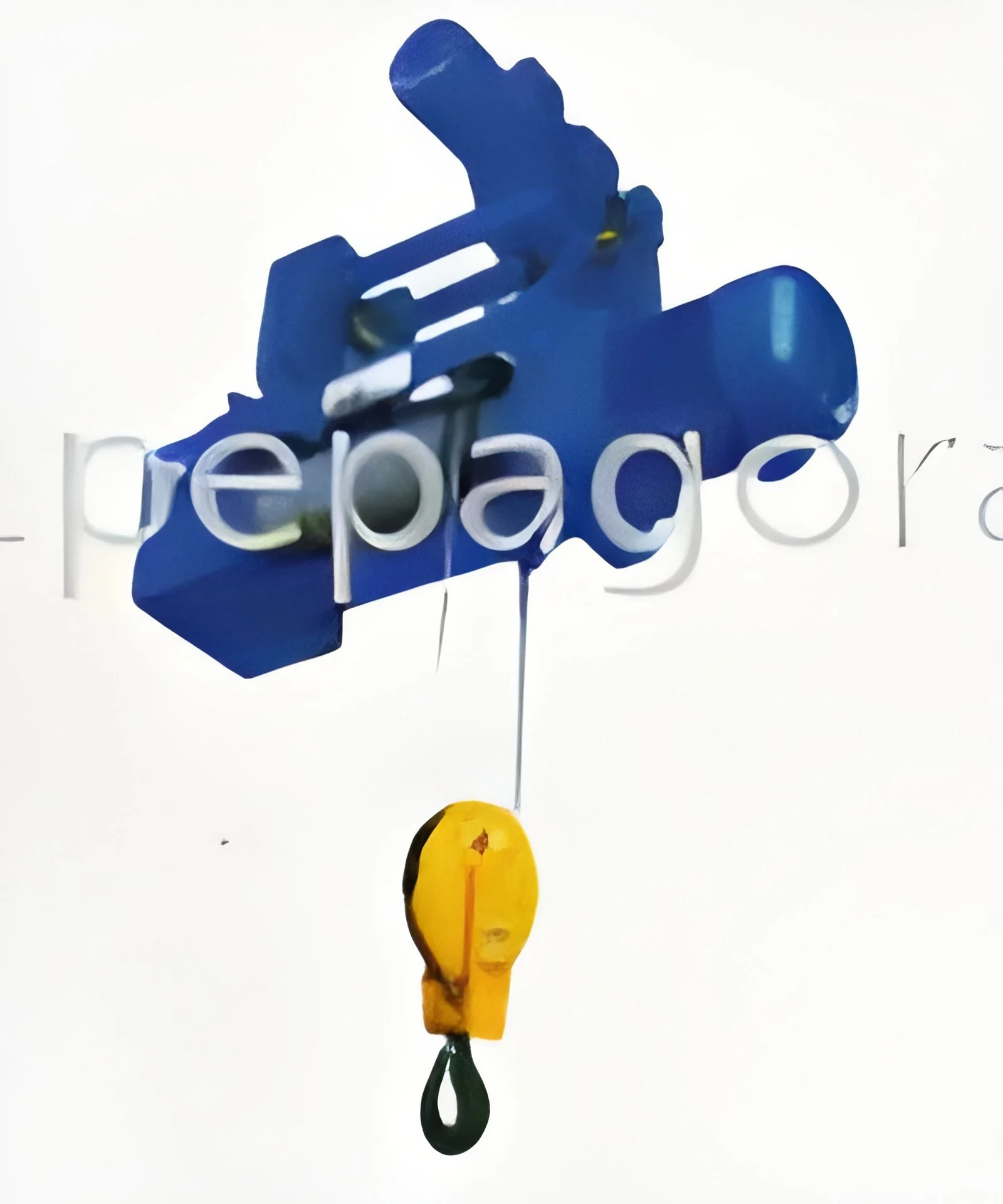
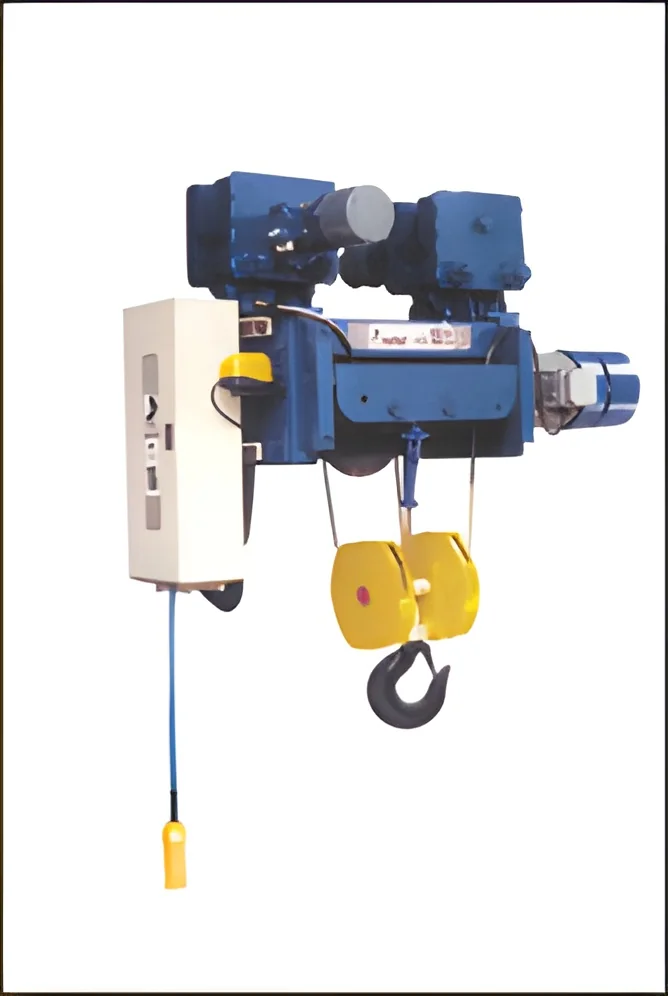
Electric Hoists: These hoists are powered by electricity and are ideal for lifting heavy loads quickly. They are commonly used in industrial applications where speed and efficiency are paramount.
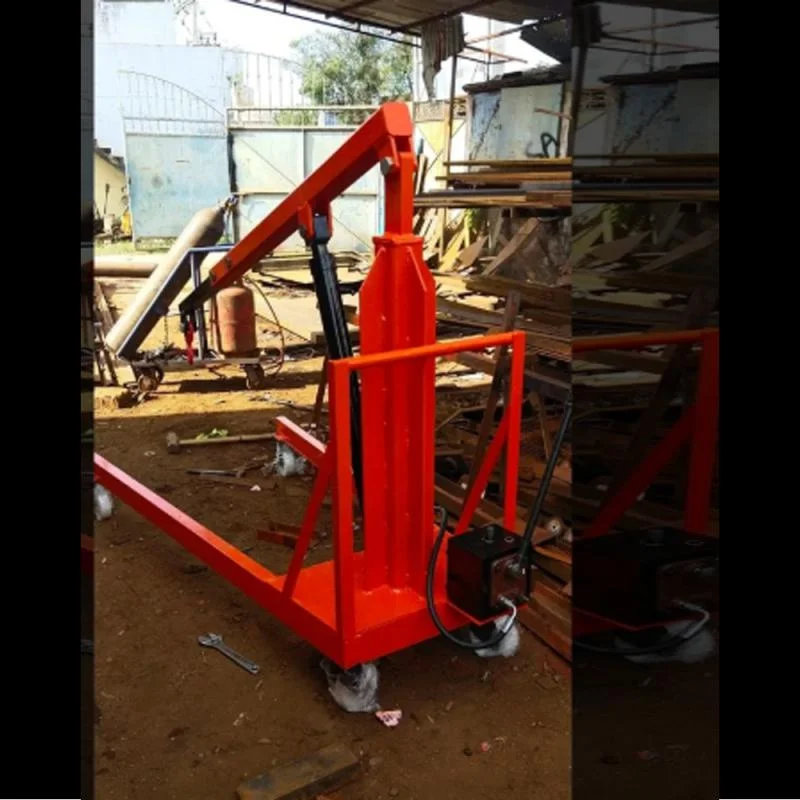
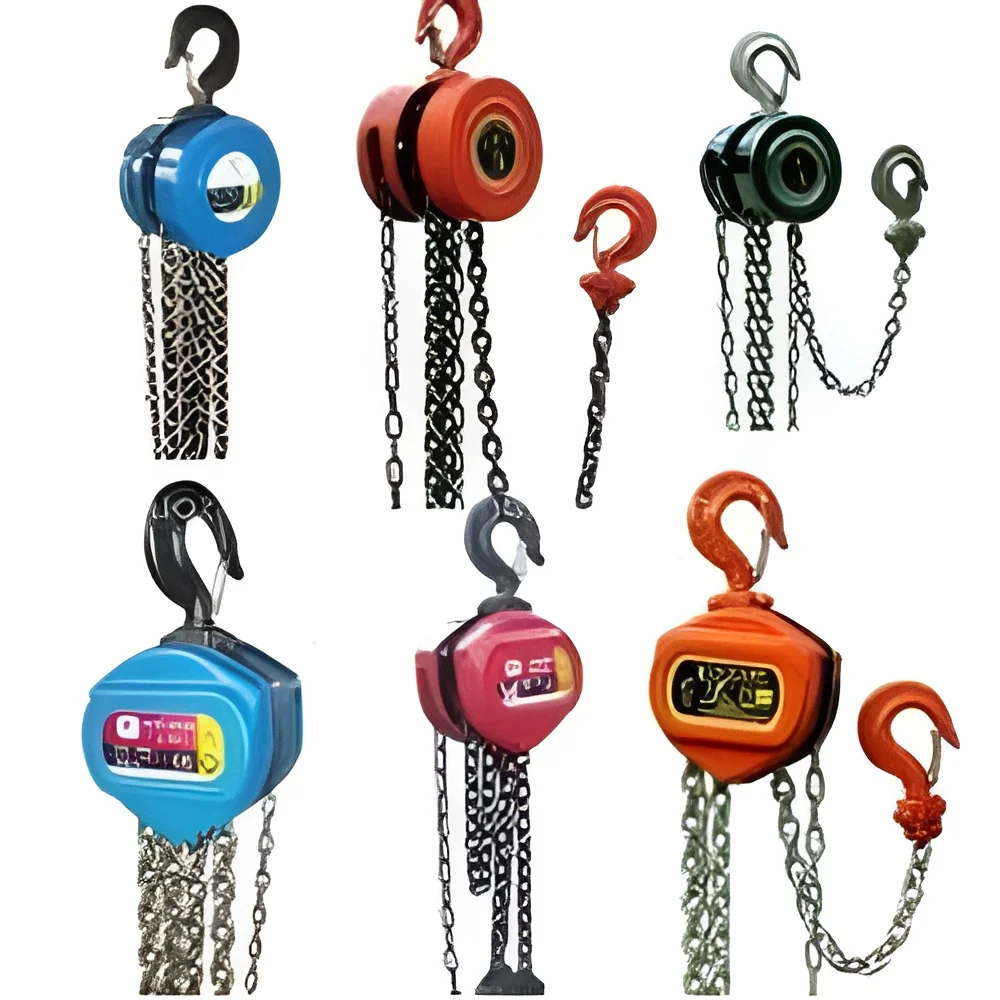
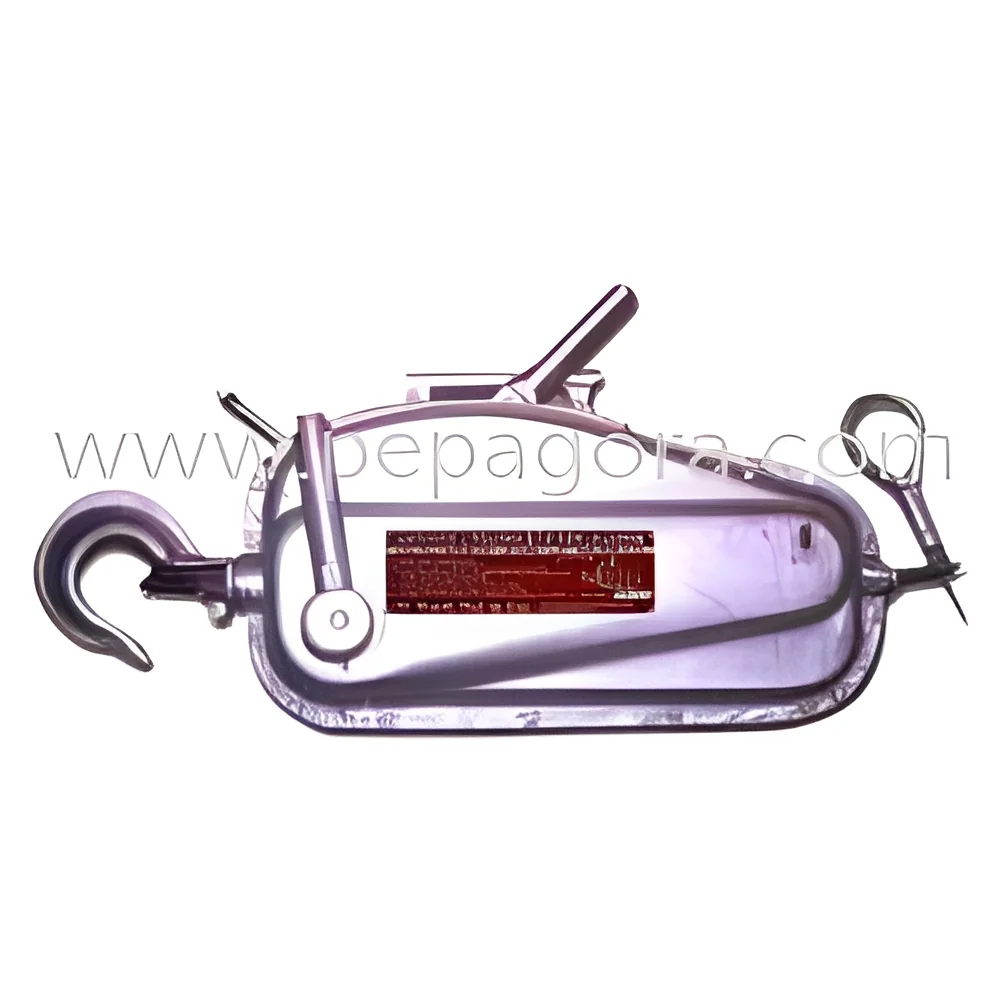
Manual Hoists: These hoists require human effort to operate, making them suitable for smaller loads or in locations without power supply. They are often used in construction and maintenance tasks.
Pneumatic Hoists: Powered by compressed air, pneumatic hoists offer a lightweight and portable option for lifting. They are commonly used in environments where electricity poses a hazard.
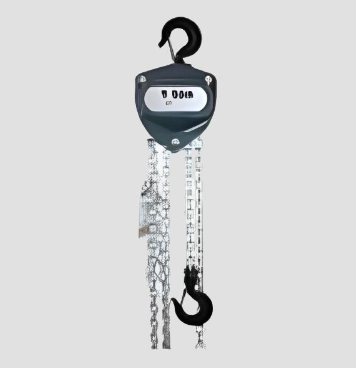
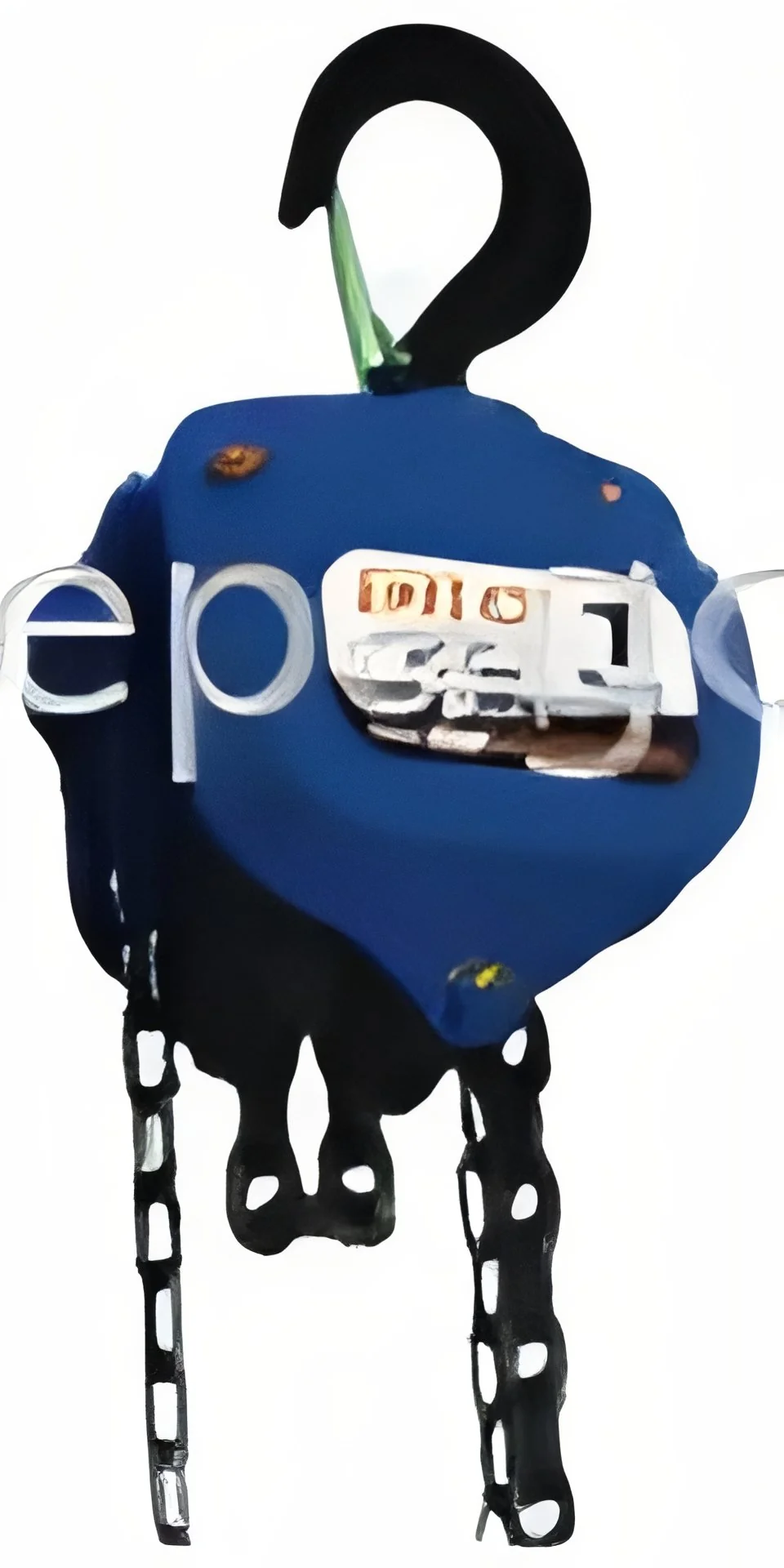
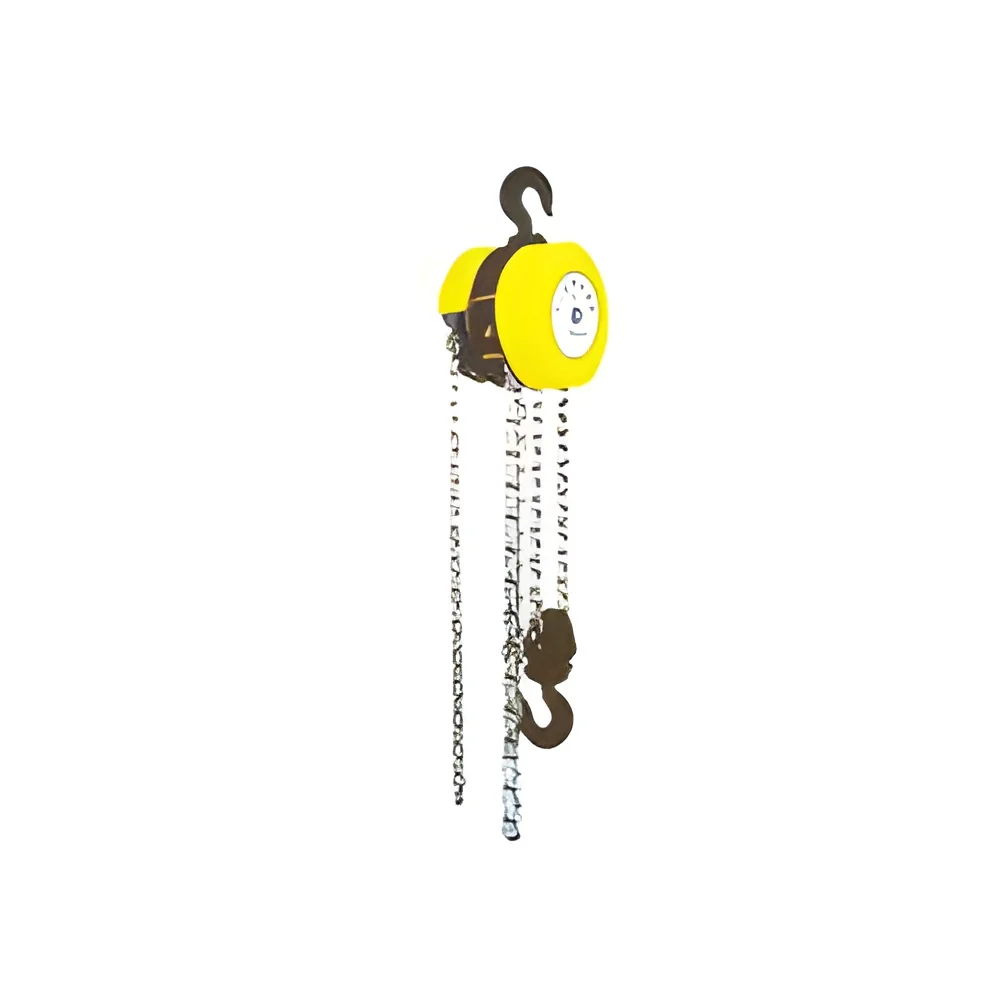
Chain Hoists: Using a chain mechanism, these hoists are designed for heavy-duty applications. They are widely used in construction and manufacturing for their durability.
Benefits and Advantages
Investing in hoists can provide numerous benefits to businesses across various sectors.
1. Enhanced Safety: Hoists reduce the risk of injury by minimizing the need for manual lifting of heavy items, protecting workers from strain and accidents.
2. Increased Efficiency: By enabling quick and easy lifting of loads, hoists streamline operations and help maintain productivity levels in busy environments.
3. Versatile Applications: Hoists can be used in a wide range of industries, making them a flexible solution for various lifting needs.
4. Cost-Effective: Investing in a hoist can lead to long-term savings by improving workflow and reducing labor costs associated with manual lifting.
5. Space Optimization: Hoists can facilitate better space management in warehouses and workshops by allowing for vertical storage of heavy items.
6. Customization Options: Many hoist models can be customized to meet specific operational requirements, offering solutions tailored to individual business needs.
Buying Guide for B2B Buyers
When sourcing hoists for your business, several factors should be taken into account to ensure you make an informed decision.
1. Quality Assessment: Look for hoists that meet industry standards and quality certifications. Consider factors such as durability, load capacity, and safety features to gauge the quality of the product.
2. Supplier Verification: It is essential to vet suppliers carefully. Check their reputation, customer reviews, and history of delivering quality products to ensure reliability.
3. Pricing and MOQ: Understand the pricing structures and minimum order quantities (MOQ) set by suppliers. This will help you budget effectively and ensure you are getting value for your investment.
4. Delivery and Lead Times: Consider the logistics of sourcing hoists, including delivery times and shipping costs. Ensure that the supplier can meet your required timelines for project schedules.
5. Compliance Requirements: Be aware of any regulatory requirements specific to your industry. This includes safety standards and certifications needed for the hoists you intend to purchase.
Compliance and Certifications
Hoists must comply with various quality standards and certifications to ensure safety and reliability in operations. ISO 9001 is a widely recognized standard that emphasizes quality management systems. Adhering to this standard can help manufacturers improve their processes and enhance customer satisfaction.
Additionally, CE certification indicates that a product meets European safety, health, and environmental protection standards. This certification is crucial for ensuring that hoists are safe for use in various applications.
Safety and testing requirements are also critical when sourcing hoists. Manufacturers must conduct rigorous testing to ensure their products can handle specified loads without failure. Safety features, such as overload protection, are essential to prevent accidents.
Regional compliance considerations may vary, so it is important to understand local regulations regarding the use of hoists in your area. This ensures that your equipment meets all necessary legal and safety requirements.
Why Source Hoists from Pepagora?
Pepagora provides a trusted platform for sourcing hoists, offering numerous advantages to B2B buyers.
Verified Supplier Network: Pepagora connects buyers with a network of verified suppliers. This ensures that you are sourcing from reputable manufacturers who meet industry standards.
Streamlined RFQ Process: The request for quotation (RFQ) process is simplified on Pepagora. Buyers can easily compare quotes from multiple suppliers, saving time and effort in procurement.
Trade Assurance and Support: Pepagora offers trade assurance, providing buyers protection throughout the purchasing process. This includes support for resolving disputes and ensuring timely deliveries.
Regional Coverage: With a strong presence in India, the GCC, and Southeast Asia, Pepagora facilitates access to a wide range of hoist suppliers across diverse markets. This geographic reach enhances options for buyers looking for quality hoists.

 IN
IN