
 IN
Tunnel Boring Machines
3 products available
What are Tunnel Boring Machines?
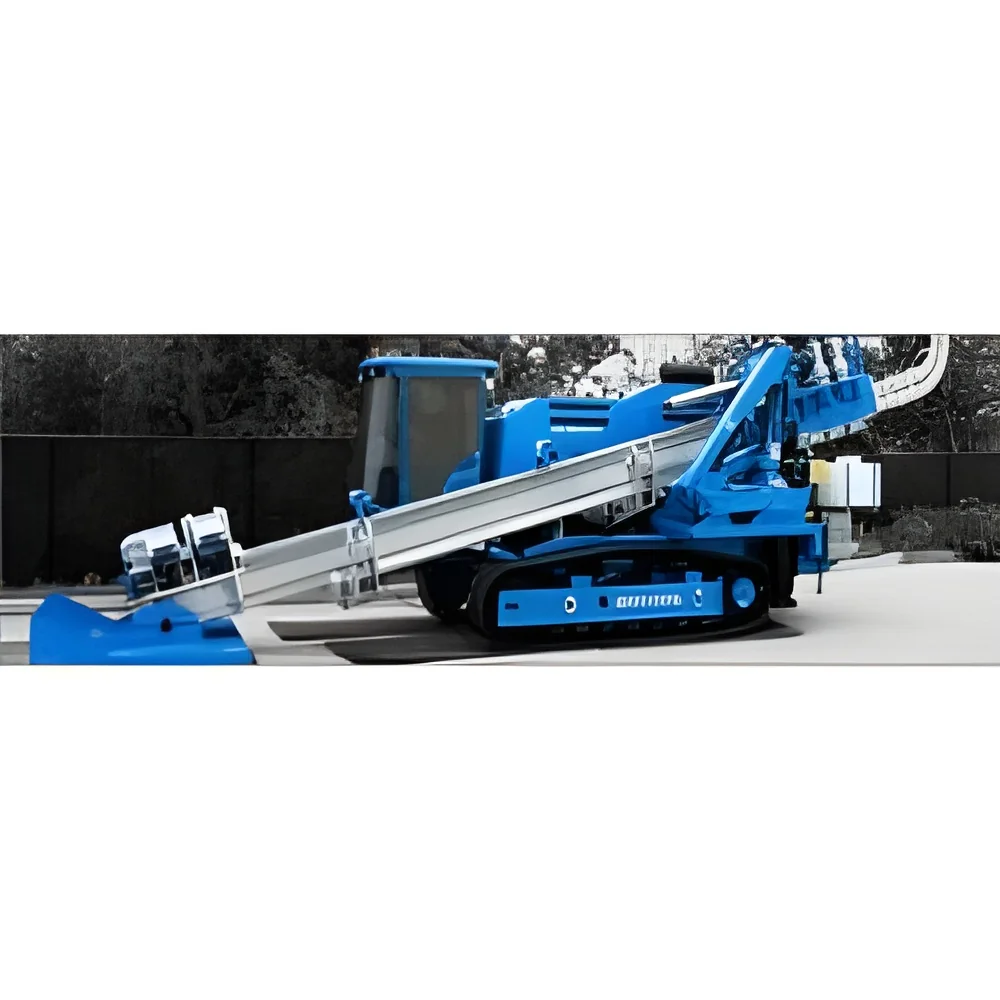
Tunnel Boring Machines (TBMs) are advanced construction equipment designed to excavate tunnels through a variety of soil and rock formations. These machines operate by using a rotating cutter head to grind away material, which is then transported away from the excavation site using conveyor belts or muck cars. The primary advantage of TBMs is their ability to create tunnels with a smooth, circular profile, which minimizes the need for additional support and reinforcement.
TBMs are extensively used in infrastructure projects, including metro systems, road tunnels, and water transport tunnels. Their precision and efficiency significantly reduce construction time and costs while improving safety for workers. They are also favored in urban areas where surface disruption needs to be minimized. The relevance of TBMs in the construction industry is underscored by their increasing use in large-scale projects worldwide, driven by urbanization and the demand for efficient transportation networks.
Key Features and Specifications
Tunnel Boring Machines come equipped with several features that enhance their performance, efficiency, and safety. Understanding their specifications is crucial for selecting the right machine for specific projects.
Key specifications include:
1. Cutter Head Diameter
- The size of the cutter head directly affects the tunneling speed and the type of material that can be excavated.
- Common diameters range from 2 meters to over 15 meters.
2. Maximum Depth Capability
- This specification defines how deep the machine can operate effectively without compromising structural integrity.
- Typical operational depths can exceed 1,000 meters.
3. Torque Output
- The amount of torque generated by the machine’s motors influences its ability to cut through hard materials.
- Torque ratings can range widely, with high-performance models providing upwards of 10,000 kNm.
4. Weight
- The overall weight of the TBM affects transportation logistics and its ability to operate in various geological conditions.
- Weights can vary from 50 tons to over 1,000 tons.
5. Propulsion System
- TBMs can use various propulsion systems, including hydraulic jacks, to advance through the tunnel.
- The choice of propulsion system impacts operational efficiency and tunneling speed.
6. Control Systems
- Advanced TBMs feature automated control systems that monitor performance and adapt to changing geological conditions.
- These systems enhance safety and minimize human error.
7. Safety Features
- TBMs come equipped with various safety mechanisms, including emergency shutdown systems and fire suppression technology.
- Safety compliance is critical to minimize risks during operation.
8. Environmental Impact Controls
- Many modern TBMs are designed with features that limit noise, dust, and vibrations, addressing environmental concerns during construction.
In summary, the specifications of Tunnel Boring Machines are tailored to meet diverse project requirements, ensuring efficient and safe tunneling operations.
Common Applications and Use Cases
Tunnel Boring Machines have a wide range of applications across various industries, making them essential for modern infrastructure development.
1. Transportation: TBMs are primarily used in the construction of subway systems and road tunnels, facilitating efficient urban transit and reducing traffic congestion.
2. Water Management: They are employed in building water supply tunnels and sewage systems, improving water management and sanitation in urban areas.
3. Mining: TBMs can be adapted for underground mining operations, allowing for the extraction of minerals while minimizing surface disruption.
4. Energy: The energy sector uses TBMs for constructing tunnels for hydroelectric projects, ensuring efficient energy distribution.
5. Telecommunications: TBMs aid in installing underground cables, enhancing communication networks without significant surface disruption.
6. Civil Engineering: They play a vital role in various civil engineering projects, including drainage systems and utility installations.
7. Environmental Projects: TBMs are increasingly being used in projects aimed at minimizing environmental impact, such as creating habitats or restoring ecosystems.
Product Variants and Subcategories
Tunnel Boring Machines offer various configurations and capabilities to suit different tunneling needs.
Open-Face TBM
This variant is designed for softer soil conditions, featuring an open face that allows for the excavation of loose material. It is ideal for urban environments where minimal surface disruption is desired.
Slurry TBM
Slurry TBMs are equipped with a closed system that uses a mixture of water and bentonite to support the tunnel face. This type is particularly useful in unstable ground conditions and areas with high water tables.
Earth Pressure Balance TBM
These machines maintain the balance of earth pressure while excavating. They are suitable for soft ground and help minimize ground settlement, making them ideal for urban tunneling.
Benefits and Advantages
Choosing Tunnel Boring Machines provides multiple benefits that enhance project outcomes.
1. Enhanced Safety: TBMs reduce the risk of cave-ins and accidents, creating a safer working environment for operators.
2. Increased Efficiency: These machines can operate continuously, significantly speeding up the tunneling process compared to traditional methods.
3. Cost-Effectiveness: By minimizing the need for extensive surface work, TBMs can reduce overall project costs and timeframes.
4. Precision Excavation: TBMs create smooth tunnel walls, reducing the need for additional support and finishing work.
5. Environmental Responsibility: Modern TBMs are designed to minimize environmental impact, addressing community concerns during construction.
6. Versatility: TBMs can be adapted for various geological conditions, making them suitable for a wide range of projects.
Buying Guide for B2B Buyers
When considering the purchase of Tunnel Boring Machines, it is essential to take several factors into account to ensure the right choice for your project.
1. Quality Assessment: Evaluate the machine's build quality, materials used, and historical performance data to ensure reliability and durability.
2. Supplier Verification: It is crucial to vet suppliers thoroughly by checking references, certifications, and customer reviews to establish credibility.
3. Pricing and MOQ: Understand the pricing structure and minimum order quantities, as these can vary significantly based on machine specifications and supplier policies.
4. Delivery and Lead Times: Consider logistics, including delivery times and the ability to meet project schedules, to avoid delays.
5. Compliance Requirements: Ensure that the TBM meets all regulatory and safety standards relevant to your region and industry to avoid legal or operational issues.
Compliance and Certifications
Compliance with industry standards and certifications is critical for Tunnel Boring Machines to ensure safety and performance.
Many TBMs adhere to quality standards such as ISO 9001, which outlines requirements for quality management systems. This certification ensures consistent quality in design, production, and service.
Moreover, TBMs must comply with safety certifications like CE, which indicates conformity with health, safety, and environmental protection standards for products sold within the European Economic Area.
Testing requirements for TBMs also focus on operational safety, performance metrics, and structural integrity. It is essential for manufacturers to conduct thorough testing to validate these aspects.
In addition, regional compliance considerations may vary. Buyers must understand local regulations and standards to ensure that the machines meet necessary requirements for operation in specific areas.
Why Source Tunnel Boring Machines from Pepagora?
Pepagora is a trusted platform for sourcing Tunnel Boring Machines, offering several key advantages that enhance the purchasing experience.
Verified Supplier Network: Pepagora connects buyers with a network of verified suppliers, ensuring that all vendors meet stringent quality and reliability standards. This verification process helps buyers make informed decisions.
Streamlined RFQ Process: The platform features a user-friendly Request for Quotation (RFQ) system that simplifies the process of obtaining quotes from multiple suppliers. This efficiency allows buyers to compare options quickly and effectively.
Trade Assurance and Support: Pepagora offers trade assurance services that protect buyers throughout the purchasing process. This includes support for negotiations, payment processing, and issue resolution to ensure a smooth transaction.
Regional Coverage: With a strong presence in regions like India, the GCC, and Southeast Asia, Pepagora provides access to a wide range of suppliers and products, making it easier for buyers to find the right Tunnel Boring Machines for their projects.
Overall, Pepagora is committed to facilitating successful business transactions in the industrial equipment sector.

Frequently Asked Questions
What are Tunnel Boring Machines?
Tunnel Boring Machines (TBMs) are specialized equipment used to excavate tunnels through various types of soil and rock. They operate by cutting through the ground and simultaneously installing tunnel linings, making them essential for infrastructure projects such as subways, water conveyance systems, and road tunnels.
What are the different types of Tunnel Boring Machines?
There are several types of Tunnel Boring Machines, including Earth Pressure Balance Machines (EPB), Slurry Shield Machines, and Hard Rock TBMs. Each type is designed for specific geological conditions and project requirements, ensuring efficient tunneling operations.
How do I choose the right Tunnel Boring Machines?
Choosing the right Tunnel Boring Machine depends on several factors, including the geology of the tunneling site, the diameter of the tunnel, and the project timeline. It is important to consult with manufacturers and engineers to assess the specific requirements and select the most suitable TBM.
What are the standard specifications for Tunnel Boring Machines?
Standard specifications for Tunnel Boring Machines typically include the machine diameter, thrust force, cutting head design, and operational speed. Additionally, safety features, power requirements, and environmental considerations should also be taken into account.
What is the price range for Tunnel Boring Machines?
The price range for Tunnel Boring Machines can vary significantly based on size, type, and technological features. Generally, prices can start from a few million INR and can go up to several hundred million INR for advanced models.
What quality standards apply to Tunnel Boring Machines?
Tunnel Boring Machines must adhere to various quality standards, including ISO certifications and industry-specific regulations. These standards ensure the machines are safe, efficient, and reliable for use in demanding tunneling environments.
Where can I find Tunnel Boring Machines suppliers in India?
You can find Tunnel Boring Machines suppliers in India through online B2B marketplaces like Pepagora, industry trade shows, and equipment manufacturers' directories. It's advisable to research and compare suppliers to ensure you find credible and reliable options.
Can Tunnel Boring Machines be customized?
Yes, Tunnel Boring Machines can often be customized to meet specific project needs. Customizations may include modifications to the cutting head, operational features, and additional safety systems, depending on the geology and tunneling requirements.
What is the typical minimum order quantity for Tunnel Boring Machines?
The typical minimum order quantity for Tunnel Boring Machines varies by manufacturer and can range from one unit to several, depending on the scale of the project. It is best to consult with suppliers for their specific MOQ policies.
What is the typical lead time for Tunnel Boring Machines?
The typical lead time for Tunnel Boring Machines can range from several months to over a year, depending on the complexity of the machine and the manufacturer's production capacity. Early planning and coordination with suppliers can help manage timelines effectively.
Why Businesses Trust Pepagora
Thousands of companies trust Pepagora to source smarter and sell faster
Expand Your Sales Globally

Source Smarter,Grow Faster
