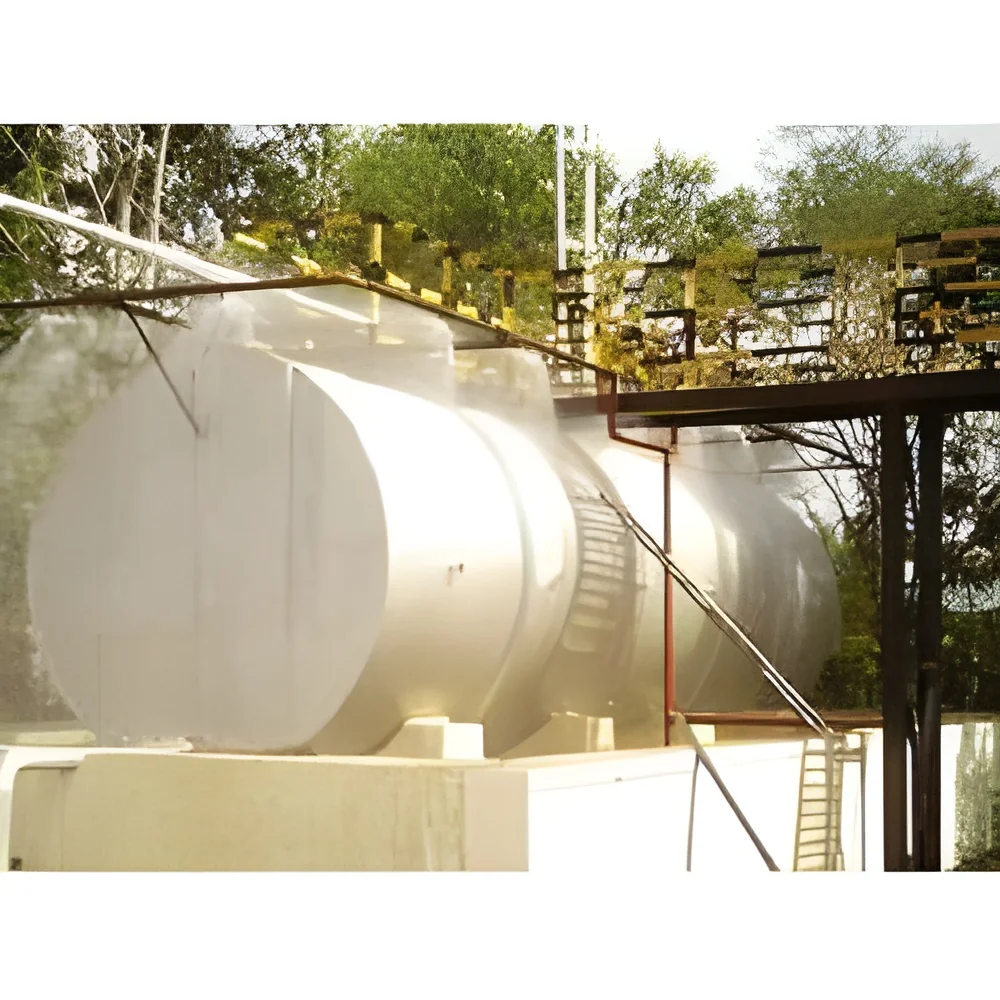
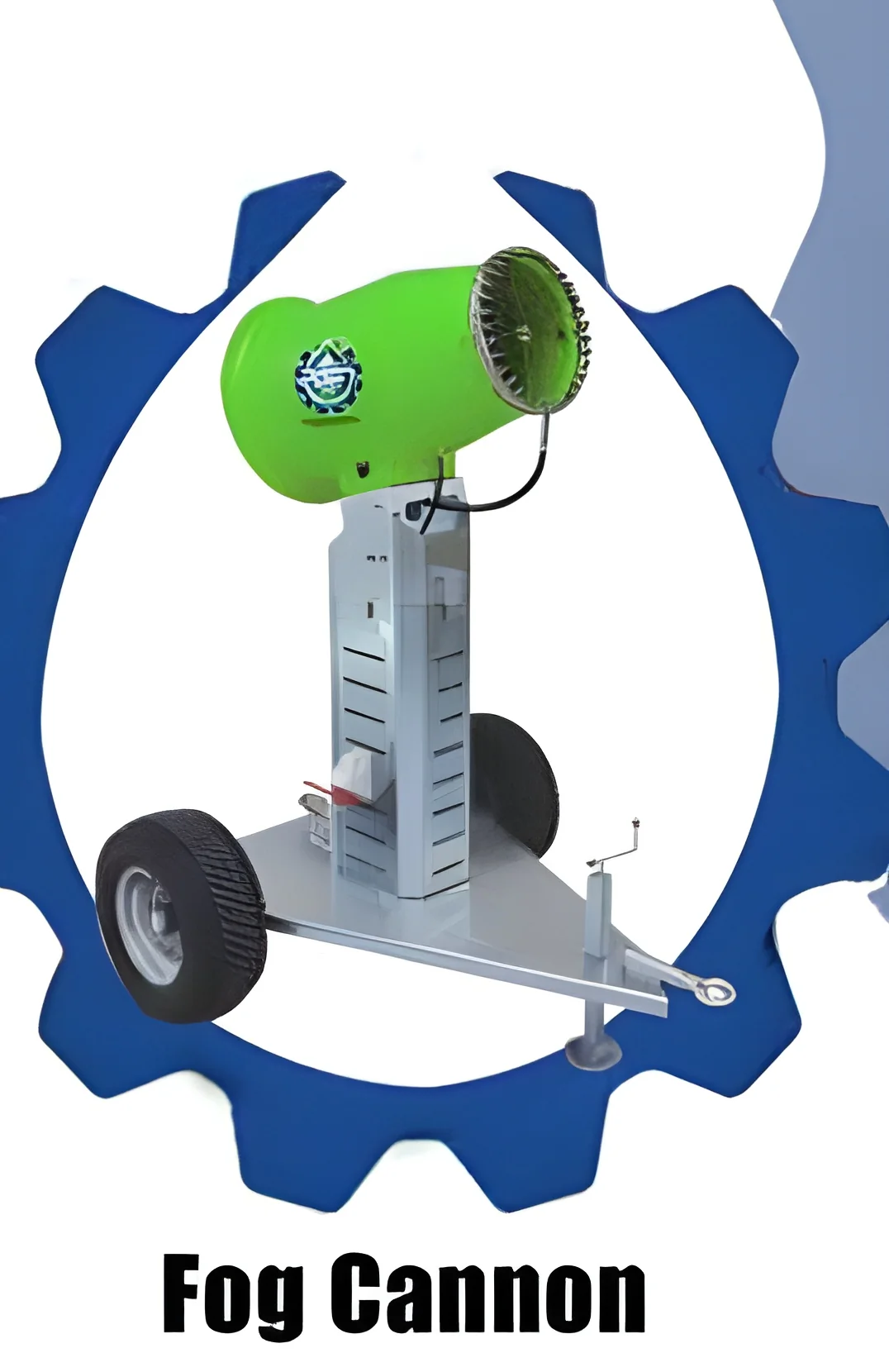
What are Dust Suppression Machines?
Dust suppression machines are specialized equipment designed to mitigate and control dust emissions in various environments. These machines utilize advanced technologies to generate fine water droplets or mist, which effectively bind with dust particles in the air, preventing them from becoming airborne. The operation of these machines is crucial in maintaining air quality, ensuring safety, and complying with environmental regulations.
These machines find primary applications across a range of industries, including construction, mining, and waste management. In construction sites, they are deployed to reduce dust generated during earthmoving activities. In mining, they assist in controlling dust from excavation and transport processes. Additionally, waste management facilities employ dust suppression machines to minimize airborne dust from waste handling activities. The relevance of dust suppression technology continues to grow as industries face increasing scrutiny over environmental impacts and workplace safety.
Key Features and Specifications
Dust suppression machines come equipped with various features designed to enhance their effectiveness and usability. Understanding these specifications is crucial for selecting the right machine for specific applications.
Key specifications include:
1. Water Consumption Rate
- Indicates the amount of water used per hour.
- Typically ranges from 50 to 500 liters per hour depending on the model.
2. Coverage Area
- Defines the area effectively covered by the machine.
- Coverage can range from 500 to 10,000 square meters.
3. Nozzle Type
- Describes the type of nozzle used for mist generation.
- Options include high-pressure, low-pressure, and rotary nozzles.
4. Power Source
- Specifies the energy source for the machine.
- Available options include electric, diesel, and hybrid systems.
5. Weight
- Indicates the weight of the machine.
- Typically ranges from 100 kg to 2,500 kg depending on design and features.
6. Mobility
- Describes whether the machine is stationary or portable.
- Many models offer trailer-mounted or wheeled options for easy transport.
7. Dust Control Efficiency
- Refers to the effectiveness of the machine in reducing airborne dust.
- Efficiency rates can vary from 85% to 95% depending on conditions and settings.
8. Operating Temperature Range
- Defines the temperature conditions suitable for operation.
- Specific ranges are not available, but machines generally operate in various climates.
In summary, dust suppression machines are equipped with features that optimize their performance. Understanding these specifications helps businesses select the right equipment for their dust control needs.
Common Applications and Use Cases
Dust suppression machines are versatile and serve various industries effectively.
1. Construction: In construction, these machines are utilized to control dust from excavation, grading, and demolition activities. They help maintain air quality and protect workers on site.
2. Mining: In mining operations, dust suppression machines are essential for managing dust generated during drilling, blasting, and material transport. They enhance visibility and safety for workers.
3. Waste Management: Facilities handling waste use these machines to mitigate dust from landfill operations and recycling processes. This reduces health risks associated with airborne particulates.
4. Agriculture: In agricultural settings, dust suppression machines assist in preventing dust during tilling and harvesting activities. This helps in maintaining soil health and air quality.
5. Demolition: During demolition projects, these machines control dust created by the breaking down of structures. This ensures compliance with environmental regulations and protects nearby residents.
6. Steel Manufacturing: In steel mills, dust suppression machines are used to minimize dust from raw material handling and processing. This enhances worker safety and equipment longevity.
7. Road Maintenance: For road maintenance operations, these machines help control dust from unpaved roads and construction activities. This improves driving conditions and reduces environmental impact.
Product Variants and Subcategories
Dust suppression machines come in various forms to meet different operational needs.
Mobile Dust Suppression Units
These units are designed for easy transport. Equipped with a trailer or wheels, they can be moved between job sites. They are ideal for dynamic environments requiring temporary dust control.
Stationary Dust Suppression Systems
Stationary systems are installed permanently at specific locations. They provide continuous dust control in high-dust areas, such as mining sites or recycling facilities. These systems are often connected to water sources for uninterrupted operation.
High-Pressure Dust Suppression Machines
High-pressure models generate fine mist capable of reaching further distances. They are suitable for large open areas where dust is prevalent, such as construction sites or mining operations.
Low-Pressure Dust Suppression Machines
These machines utilize lower pressure to create larger droplets. They are effective for localized dust control, particularly in areas where water conservation is a priority.
Benefits and Advantages
Investing in dust suppression machines presents several key benefits.
1. Improved Air Quality: These machines significantly reduce airborne dust, contributing to healthier work environments and community safety.
2. Regulatory Compliance: Businesses can meet environmental regulations and avoid penalties by controlling dust emissions effectively.
3. Enhanced Worker Safety: By minimizing dust, these machines protect workers from respiratory issues and other health risks associated with airborne particulates.
4. Increased Equipment Longevity: Reducing dust accumulation on machinery and equipment helps extend their lifespan and decrease maintenance costs.
5. Cost-Effectiveness: Investing in dust suppression technology can lead to long-term savings by reducing health-related expenses and improving operational efficiency.
6. Environmental Protection: These machines play a vital role in minimizing environmental impacts, promoting sustainable practices in various industries.
Buying Guide for B2B Buyers
When sourcing dust suppression machines, B2B buyers should consider several critical factors to ensure they make informed decisions.
1. Quality Assessment: Evaluate the quality of machines based on manufacturer reputation, customer reviews, and performance metrics. High-quality machines are more reliable and efficient.
2. Supplier Verification: Vet potential suppliers through background checks, references, and certifications. Ensure they have a proven track record in providing dust suppression solutions.
3. Pricing and MOQ: Understand the pricing structure and minimum order quantities. Compare quotes from different suppliers to ensure competitive pricing while considering value.
4. Delivery and Lead Times: Inquire about delivery timelines and logistics. Efficient supply chain management is crucial for timely project execution.
5. Compliance Requirements: Be aware of regional and industry-specific regulations regarding dust suppression. Ensure machines comply with necessary safety and environmental standards.
Compliance and Certifications
Compliance and certifications are vital aspects of dust suppression machines. Many manufacturers adhere to established quality standards such as ISO 9001, which ensures quality management systems are in place.
Furthermore, industry certifications like CE mark signify compliance with European safety standards. This is crucial for machinery sold within the European market.
Safety and testing requirements must also be met to ensure machines operate effectively without posing risks to users or the environment. It is essential to verify that suppliers provide documentation of compliance with these standards.
Additionally, regional compliance considerations may vary based on local regulations. Buyers should ensure that the machines they source meet all legal requirements in their operational areas.
Why Source Dust Suppression Machines from Pepagora?
Pepagora offers a reliable platform for sourcing dust suppression machines, providing several distinct advantages.
Verified Supplier Network: Pepagora ensures that all suppliers undergo stringent verification processes. This guarantees buyers access to reputable manufacturers that meet quality and compliance standards.
Streamlined RFQ Process: The request for quotation process on Pepagora is efficient and user-friendly. Buyers can easily compare multiple quotes, ensuring they find the best solutions tailored to their needs.
Trade Assurance and Support: Pepagora offers trade assurance to protect buyers throughout the purchasing process. This includes support for resolving disputes and ensuring that products meet the agreed specifications.
Regional Coverage: With a strong presence in India, the GCC, and Southeast Asia, Pepagora facilitates access to a wide range of dust suppression machines. This geographic reach helps businesses find suitable solutions regardless of their location.

 IN
IN