What are Hydraulic Breakers?
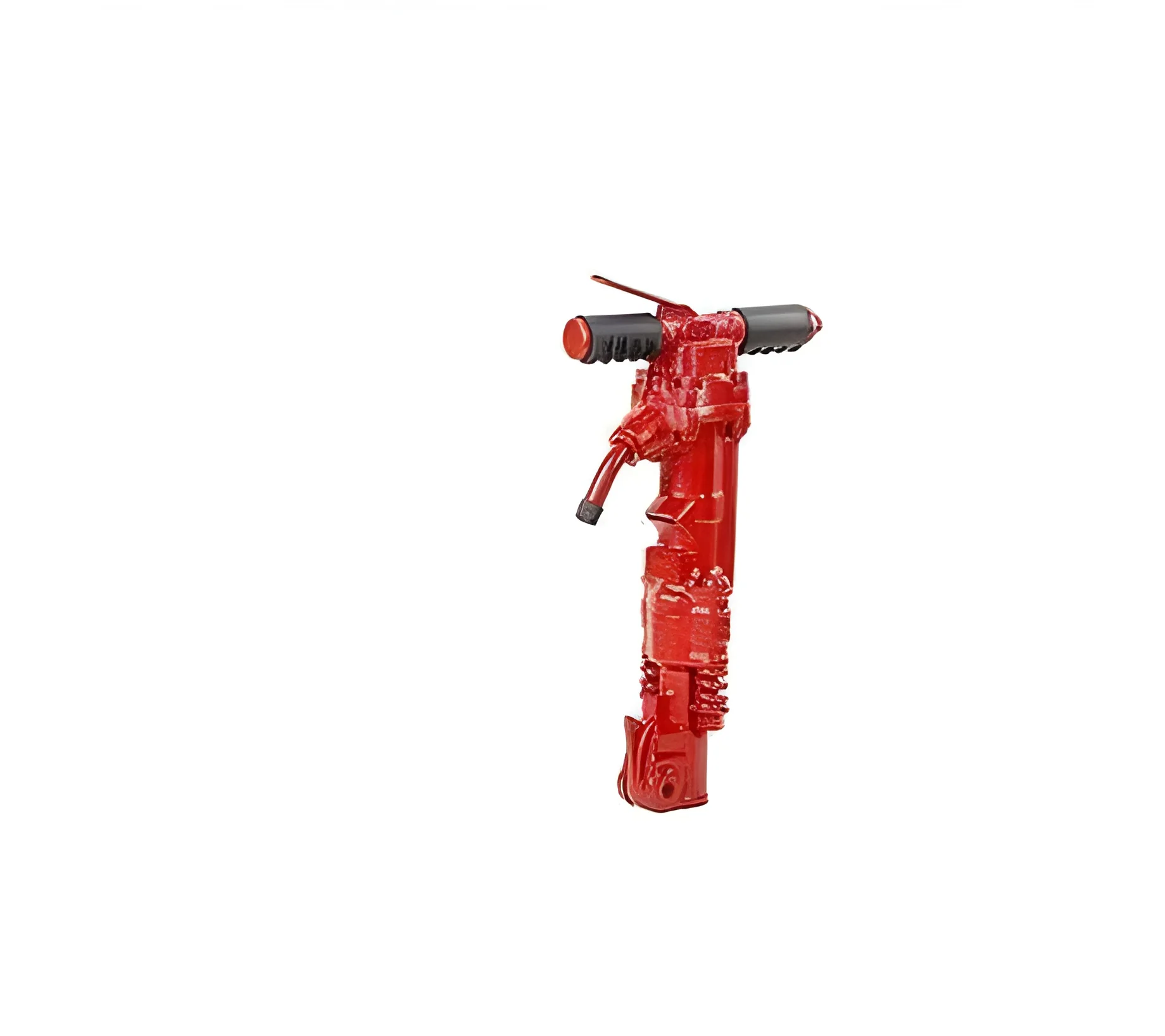
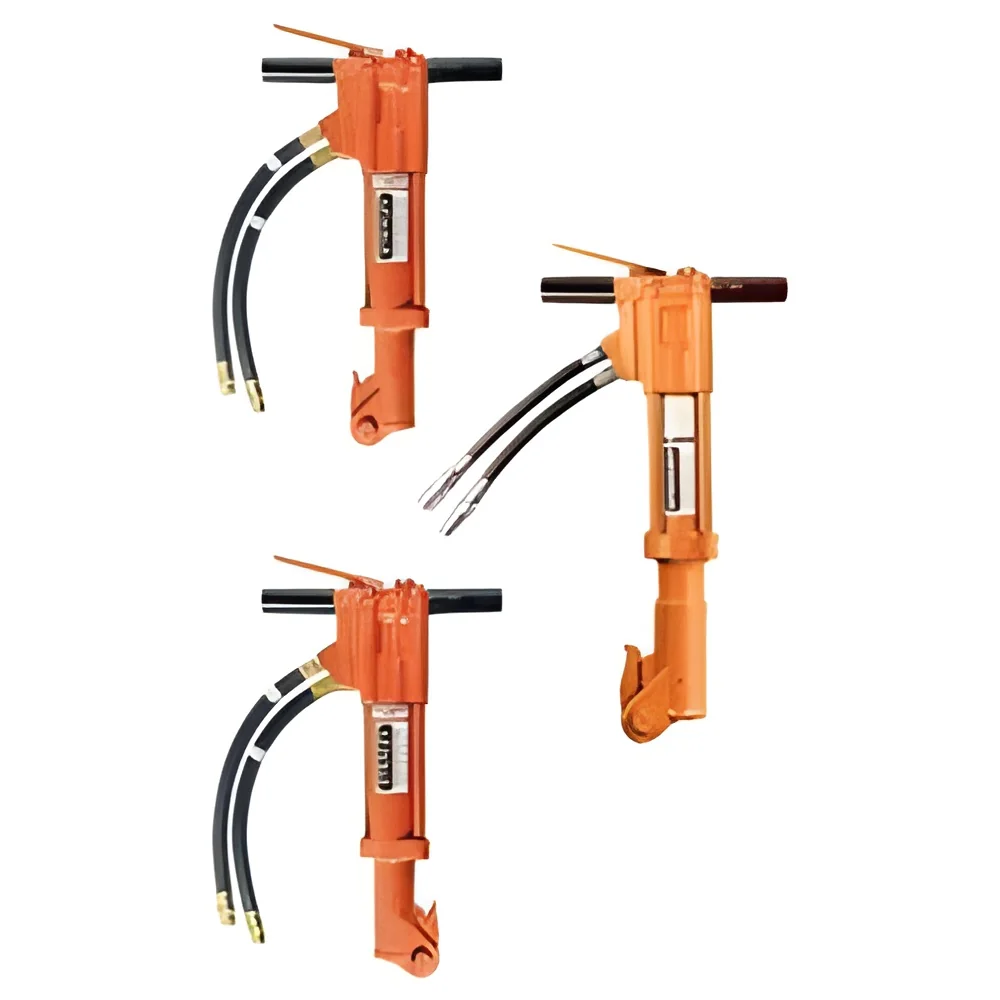
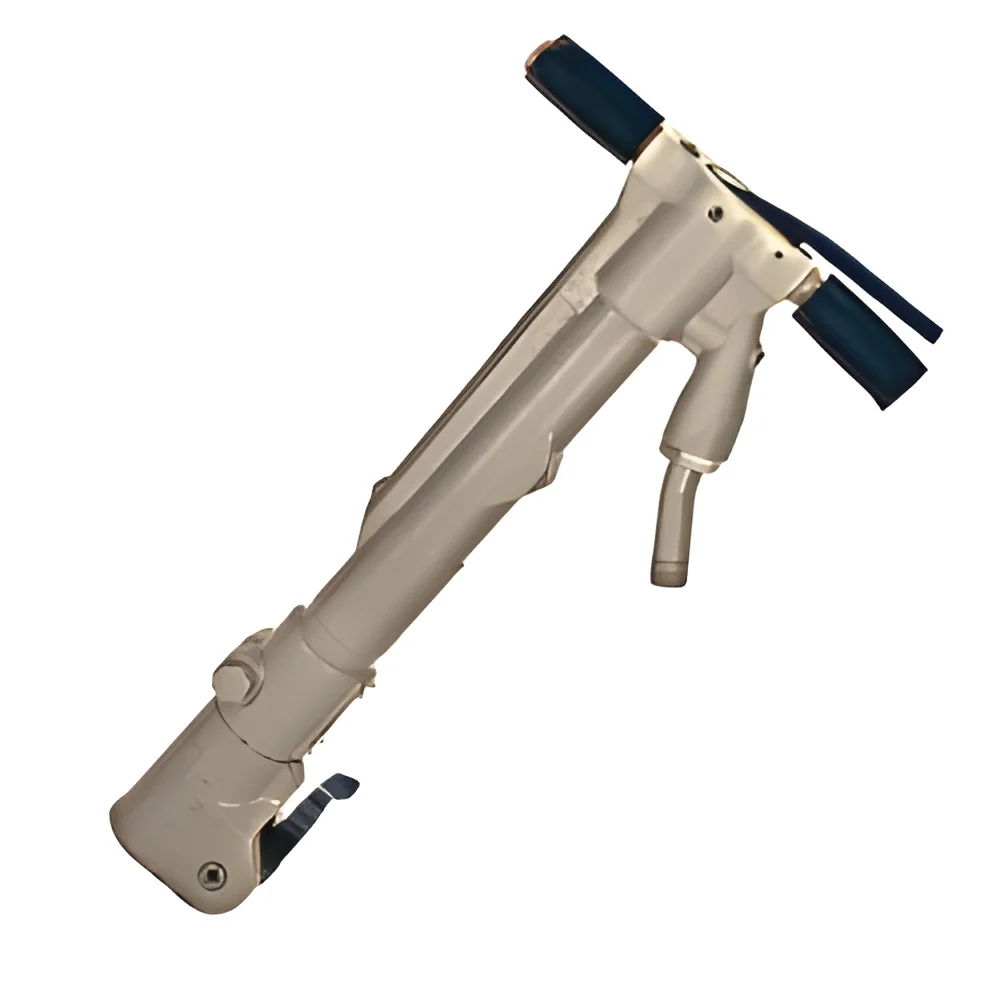
Hydraulic breakers are powerful demolition tools that utilize hydraulic energy to break, crush, or demolish concrete, rock, and other hard materials. They are typically attached to excavators or other heavy machinery and are designed to deliver a high-impact force, making them essential for construction, quarrying, and demolition projects. The technology behind hydraulic breakers allows for precise control over the force and impact, making them highly effective in various applications.
These tools are widely used in industries such as construction, mining, and civil engineering. In construction, hydraulic breakers are vital for tasks such as breaking up pavement, demolishing structures, and preparing sites for new construction. In mining, they help in breaking up rock for easier extraction. Their versatility and efficiency have made them indispensable in modern industrial practices, thus ensuring their relevance in a competitive market.
Key Features and Specifications
Hydraulic breakers come with a range of features and specifications tailored to meet diverse industry needs. These specifications play a crucial role in determining the performance and suitability of a hydraulic breaker for specific applications.
Key specifications include:
1. Impact Energy
- This specification indicates the energy delivered per blow.
- Typically measured in joules or foot-pounds.
2. Operating Weight
- This refers to the total weight of the hydraulic breaker.
- Ranges from lightweight models suitable for smaller machinery to heavy-duty models for larger excavators.
3. Frequency of Impacts
- This specification defines how many impacts per minute the breaker can deliver.
- Common ranges are from 350 to 1,200 impacts per minute.
4. Working Pressure
- This indicates the pressure at which the hydraulic system operates.
- Generally falls between 100 to 200 bar.
5. Mounting Type
- Hydraulic breakers can have various mounting options, such as pin-on or quick coupler systems.
- Ensures compatibility with different machinery.
6. Noise Level
- Important for environmental and compliance considerations.
- Typically measured in decibels, with quieter models available for urban applications.
7. Oil Flow Rate
- This specification indicates the amount of hydraulic fluid required for operation.
- Usually measured in liters per minute.
8. Tool Diameter
- Refers to the size of the chisel or tool used for breaking.
- Common diameters range from 50 mm to 150 mm.
In summary, understanding these specifications helps businesses choose the right hydraulic breaker for their specific operational needs.
Common Applications and Use Cases
Hydraulic breakers are employed across various industries due to their efficiency and effectiveness in breaking tough materials.
1. Construction: Hydraulic breakers are used for demolishing concrete structures, breaking asphalt for road repairs, and preparing foundations. Their precision allows for controlled demolition in sensitive environments.
2. Mining: In mining operations, hydraulic breakers are utilized to fracture rock to facilitate easier extraction of minerals. They are essential for primary and secondary rock breaking.
3. Quarrying: These tools help in breaking large boulders into manageable sizes for further processing in stone production. Their impact energy is crucial for efficient rock fragmentation.
4. Landscaping: Hydraulic breakers can also be used in landscaping to remove old concrete pathways or prepare ground for new installations. Their use minimizes damage to surrounding areas.
5. Utility Work: Utility companies use hydraulic breakers to break ground for installing pipes and cables, ensuring minimal disruption to existing infrastructure.
6. Demolition: In large-scale demolitions, hydraulic breakers are invaluable for dismantling buildings and structures quickly and efficiently, reducing time and labor costs.
7. Road Maintenance: They are frequently employed in road maintenance to break up and remove damaged pavement and create new road surfaces.
Product Variants and Subcategories
Hydraulic breakers come in various designs and sizes, catering to different applications and machinery types. The diversity in product variants allows businesses to select the most appropriate tool for their specific needs.
Compact Hydraulic Breakers: These variants are designed for smaller excavators and skid steers. They offer high efficiency in tight spaces and are ideal for urban construction projects.
Heavy-Duty Hydraulic Breakers: Designed for large excavators, these breakers deliver maximum impact energy. They are suitable for heavy mining and quarry applications.
Silent Hydraulic Breakers: These are specially designed to operate at reduced noise levels, making them perfect for urban environments where noise regulations are a concern.
Pneumatic-Hydraulic Breakers: Combining pneumatic and hydraulic technology, these breakers are versatile and can be adapted for various attachments. They are often used in specialized applications.
Benefits and Advantages
Hydraulic breakers provide numerous benefits that enhance productivity and efficiency in various industrial applications.
1. High Efficiency: Hydraulic breakers deliver powerful impacts that make breaking hard materials much quicker than manual methods.
2. Reduced Labor Costs: Automating the breaking process reduces the need for manual labor, leading to significant cost savings on large projects.
3. Precision Control: Operators can control the force and frequency of impacts, allowing for more precise work without damaging surrounding structures.
4. Versatile Applications: These tools can be used across multiple industries, making them a valuable addition to any construction or demolition fleet.
5. Enhanced Durability: Hydraulic breakers are built to withstand tough conditions, providing a long service life with proper maintenance.
6. Improved Safety: Hydraulic breakers reduce the risks associated with manual breaking, leading to a safer work environment for operators.
Buying Guide for B2B Buyers
When procuring hydraulic breakers, businesses should consider several critical factors to ensure they select the right product.
1. Quality Assessment: Evaluate the quality of hydraulic breakers by looking for compliance with industry standards and certifications. High-quality products typically offer better durability and performance.
2. Supplier Verification: Vet potential suppliers by checking their reputation, reliability, and experience in the industry. Look for reviews and testimonials from previous clients.
3. Pricing and MOQ: Understand the pricing structure and minimum order quantities. Compare quotes from different suppliers to ensure competitive pricing while ensuring quality.
4. Delivery and Lead Times: Confirm the supplier's delivery capabilities and lead times. Timely delivery is essential to avoid project delays.
5. Compliance Requirements: Ensure that the hydraulic breakers meet local and international standards. Compliance with safety and operational regulations is crucial for legal operations.
Compliance and Certifications
Hydraulic breakers must adhere to various quality and safety standards to ensure they operate effectively and safely in industrial environments. Compliance with ISO 9001 demonstrates a commitment to quality management systems, ensuring that products consistently meet customer and regulatory requirements.
Certifications such as UL and CE indicate that the hydraulic breakers have been tested for safety and performance, complying with established industry standards. These certifications provide assurance to buyers regarding the product's reliability and safety.
Safety and testing requirements are vital as they ensure that the equipment can withstand the rigors of industrial use while minimizing risks to operators. Additionally, regional compliance considerations must be taken into account, as different regions may have specific regulations governing the use of hydraulic equipment.
Why Source Hydraulic Breakers from Pepagora?
Pepagora offers a reliable platform for sourcing hydraulic breakers, providing several key advantages to B2B buyers.
Verified Supplier Network: Pepagora connects buyers with a network of verified suppliers, ensuring that only reputable manufacturers and distributors are featured. This reduces the risk associated with sourcing equipment.
Streamlined RFQ Process: The platform simplifies the request for quotation (RFQ) process, allowing buyers to easily compare offers and select the best deals without extensive back-and-forth communication.
Trade Assurance and Support: Buyers benefit from trade assurance programs that protect their investments, providing peace of mind when purchasing hydraulic breakers. Support services are also available to assist buyers throughout the procurement process.
Regional Coverage: With strong connections in India, the GCC, and Southeast Asia, Pepagora facilitates access to a wide range of hydraulic breakers, catering to various regional needs and preferences. This geographic reach ensures that buyers can find suitable products tailored to their specific operational requirements.

 IN
IN