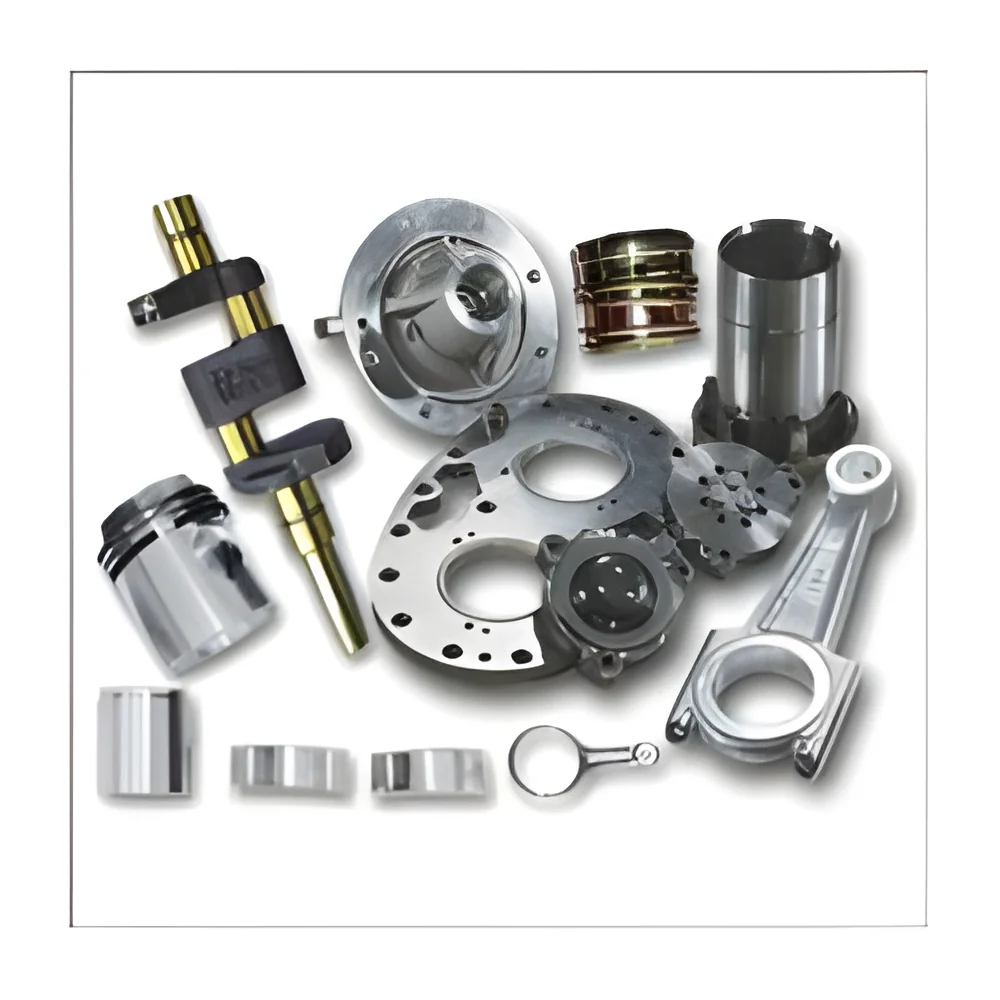
What are Rock Splitters?
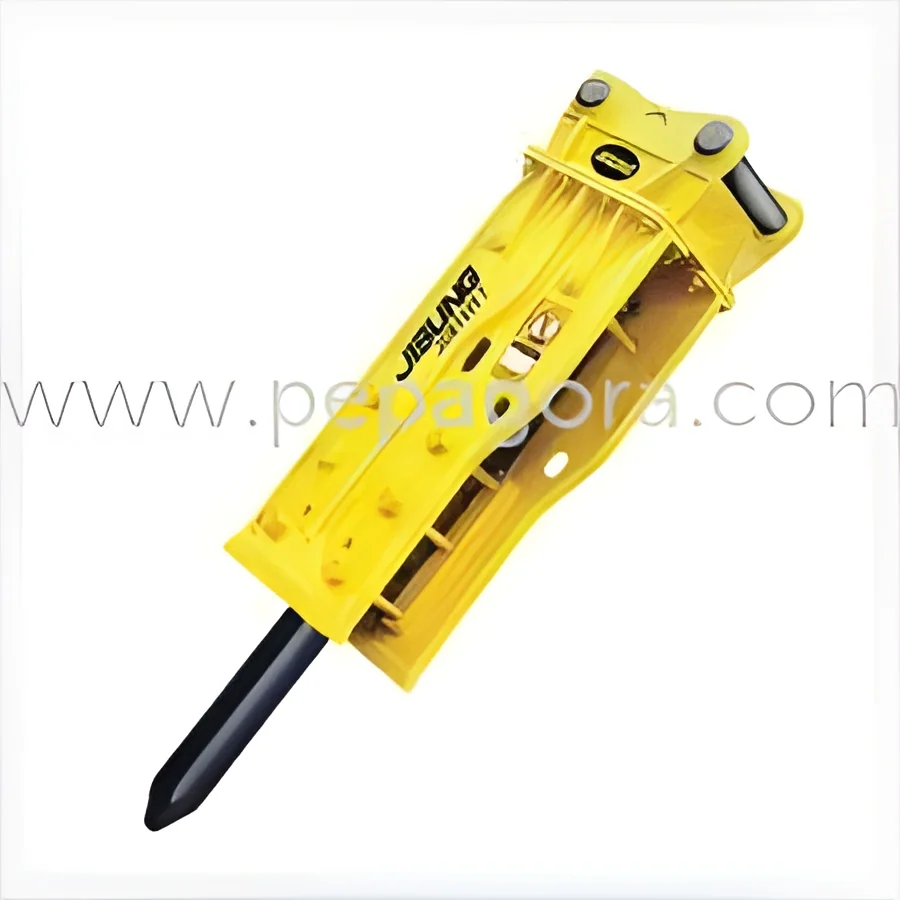
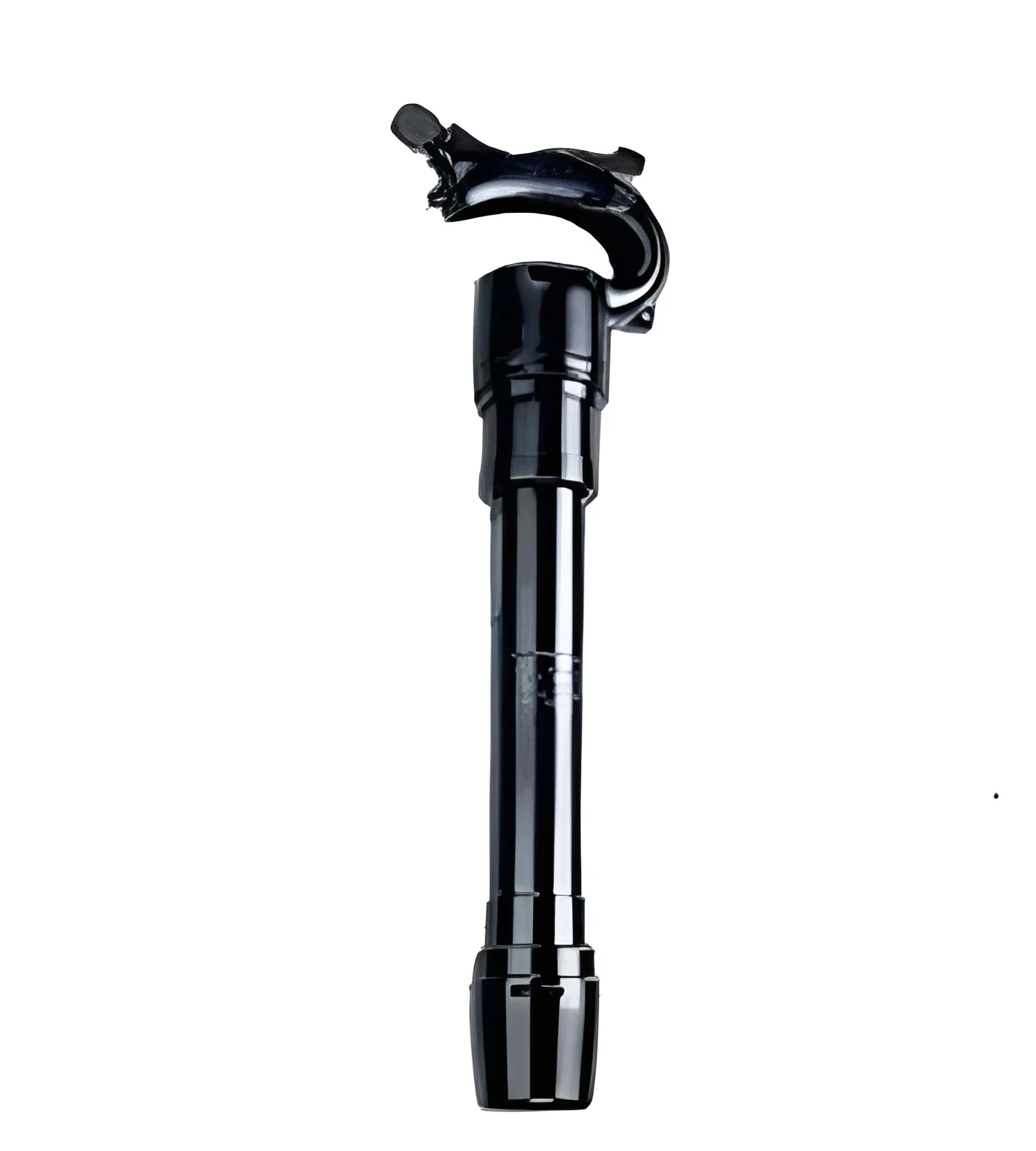
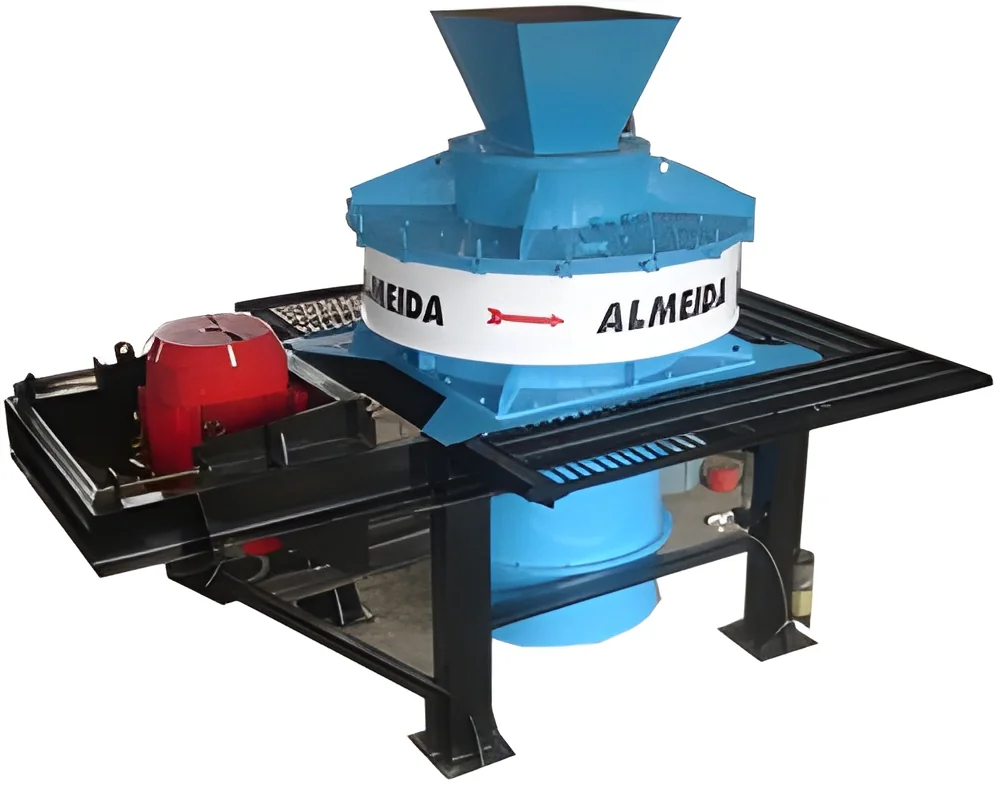
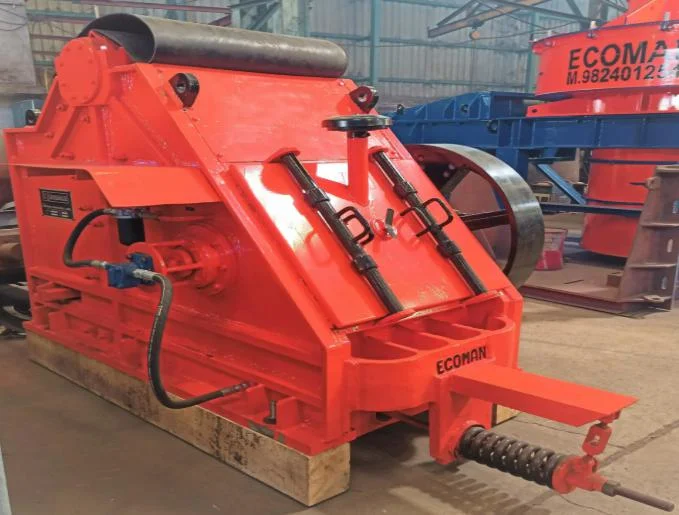
Rock splitters are specialized tools designed for breaking down large rock formations or concrete structures into manageable pieces. They operate through a mechanical process that utilizes hydraulic force to create fractures in the material, allowing for precise and efficient splitting. These tools are essential in various industries where heavy-duty rock excavation or demolition is required.
The primary uses of rock splitters encompass construction, mining, quarrying, and demolition. In construction, they are often employed to clear land or prepare sites for new structures. In mining and quarrying, rock splitters help extract valuable minerals while minimizing waste. The efficiency and precision of rock splitters make them a vital asset in projects that require the handling of tough materials.
In the market context, rock splitters are increasingly relevant as industries seek more efficient methods for material handling. The demand for these tools is driven by the need for advanced technology in excavation and demolition processes. Companies are continuously looking for innovative solutions that enhance productivity while ensuring safety and compliance with industry standards.
Key Features and Specifications
Rock splitters come with a variety of features that enhance their performance and usability. Understanding these specifications is crucial for selecting the right tool for specific applications.
Key specifications include:
1. Hydraulic Pressure
- Typically ranges from 10,000 to 20,000 psi
- Determines the effectiveness of splitting different rock types
2. Splitting Force
- Can vary from 20 to 80 tons
- Influences the size of rock that can be split efficiently
3. Weight
- Usually between 100 to 300 pounds
- Affects portability and ease of use on job sites
4. Operating Temperature
- Generally designed for temperatures from -10 to 50 degrees Celsius
- Ensures functionality in various environmental conditions
5. Power Source
- Available in electric or hydraulic models
- Electric models are quieter, while hydraulic models offer higher force
6. Dimensions
- Vary significantly based on the model
- Affects the accessibility and fit for specific applications
7. Splitter Blade Size
- Common sizes range from 4 to 12 inches
- Determines the width of the split created
8. Safety Features
- Often include emergency shut-off and overload protection
- Enhance operator safety during use
In summary, understanding these key features and specifications helps businesses select the right rock splitter for their operational needs.
Common Applications and Use Cases
Rock splitters are versatile tools utilized across multiple industries due to their efficiency and precision.
1. Construction: In construction, rock splitters are used for site preparation, allowing for easy removal of large boulders or concrete structures.
2. Mining: Mining operations use rock splitters to extract minerals from hard rock formations, improving productivity and reducing manual labor.
3. Quarrying: In quarrying, these tools facilitate the extraction of stone by breaking down large blocks, which are then processed for building materials.
4. Demolition: Rock splitters are employed in demolition projects where precise control is needed to minimize collateral damage to surrounding structures.
5. Road Maintenance: They are utilized in road maintenance to break apart damaged asphalt or concrete, ensuring efficient repairs.
6. Landscaping: Rock splitters assist in landscaping projects by allowing landscapers to manage large stones and rocks effectively.
7. Utility Construction: In utility projects, rock splitters help create trenches in rocky ground for the installation of pipelines and cables.
Product Variants and Subcategories
Rock splitters come in various models designed to meet specific needs and preferences, ensuring that businesses find the right fit for their applications.
Electric Rock Splitters
Electric rock splitters are quieter and more environmentally friendly. They are ideal for indoor use or locations where noise restrictions are in place. These models offer ease of operation and reduced maintenance.
Hydraulic Rock Splitters
Hydraulic rock splitters utilize hydraulic power to generate high splitting forces. They are particularly effective in heavy-duty applications, making them suitable for mining and large-scale construction projects.
Portable Rock Splitters
Designed for easy transport, portable rock splitters are lightweight and compact. They are perfect for small jobs or remote locations where mobility is essential.
Benefits and Advantages
Investing in rock splitters offers numerous benefits for businesses looking to improve their operational efficiency.
1. Increased Efficiency: Rock splitters significantly reduce the time required to break down large rocks, allowing for faster project completion.
2. Precision Control: These tools provide greater accuracy in splitting, minimizing waste and reducing the need for additional processing.
3. Enhanced Safety: Rock splitters are designed with safety features that protect operators and surrounding workers, reducing the risk of accidents.
4. Cost-Effectiveness: By streamlining the rock breaking process, these tools help lower labor costs and equipment wear over time.
5. Versatility: Rock splitters can be used in a variety of applications, making them a valuable asset for multiple industries.
6. Environmentally Friendly: Many models are designed to reduce noise and dust, contributing to a cleaner, safer work environment.
Buying Guide for B2B Buyers
When sourcing rock splitters, several factors are essential for making an informed purchasing decision.
1. Quality Assessment: Evaluate the quality of the rock splitter by examining materials used and reviews from previous customers. Ensure that the product meets industry standards.
2. Supplier Verification: Conduct thorough research on potential suppliers. Look for certifications and customer testimonials to confirm their reliability and reputation.
3. Pricing and MOQ: Understand the pricing structure and minimum order quantities (MOQ) required by suppliers. Compare costs to find the best value for your investment.
4. Delivery and Lead Times: Discuss delivery options and lead times with suppliers. Ensure that they can meet your project timelines without delays.
5. Compliance Requirements: Check for compliance with local regulations and industry standards. Ensure that the rock splitter meets necessary safety and operational requirements.
Compliance and Certifications
When selecting rock splitters, it is crucial to consider compliance with industry standards and certifications.
Many rock splitters adhere to ISO 9001 quality management standards, ensuring consistent quality and performance. Compliance with such standards indicates that the manufacturer follows rigorous quality control processes.
Additionally, rock splitters may carry the CE certification, which signifies compliance with European safety and health regulations. This certification is essential for products sold within the European market, ensuring they meet safety requirements.
Safety and testing requirements are also vital components of compliance. Manufacturers should provide documentation proving their products have undergone necessary testing for durability and safety.
Finally, regional compliance considerations may vary by location. Buyers must ensure that their selected rock splitters meet specific regulations relevant to their operational regions.
Why Source Rock Splitters from Pepagora?
Pepagora offers a trusted platform for sourcing rock splitters, providing several key advantages for businesses.
Verified Supplier Network: Pepagora has established a network of verified suppliers, ensuring that buyers have access to reputable manufacturers. This reduces the risk of sourcing inferior products.
Streamlined RFQ Process: The platform simplifies the request for quotation (RFQ) process, allowing buyers to easily compare offers from multiple suppliers. This efficiency saves time and helps secure the best deals.
Trade Assurance and Support: Pepagora offers trade assurance, providing buyers with protection against potential risks. Their support services also assist in resolving any issues that may arise during the procurement process.
Regional Coverage: Pepagora serves a broad geographic area, including India, GCC, and Southeast Asia. This extensive coverage ensures that businesses can find suitable suppliers regardless of their location.

 IN
IN