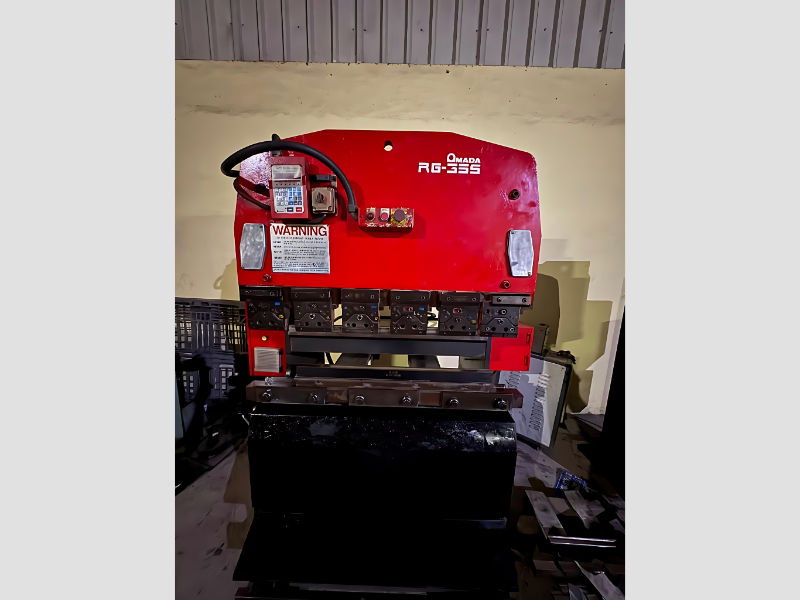
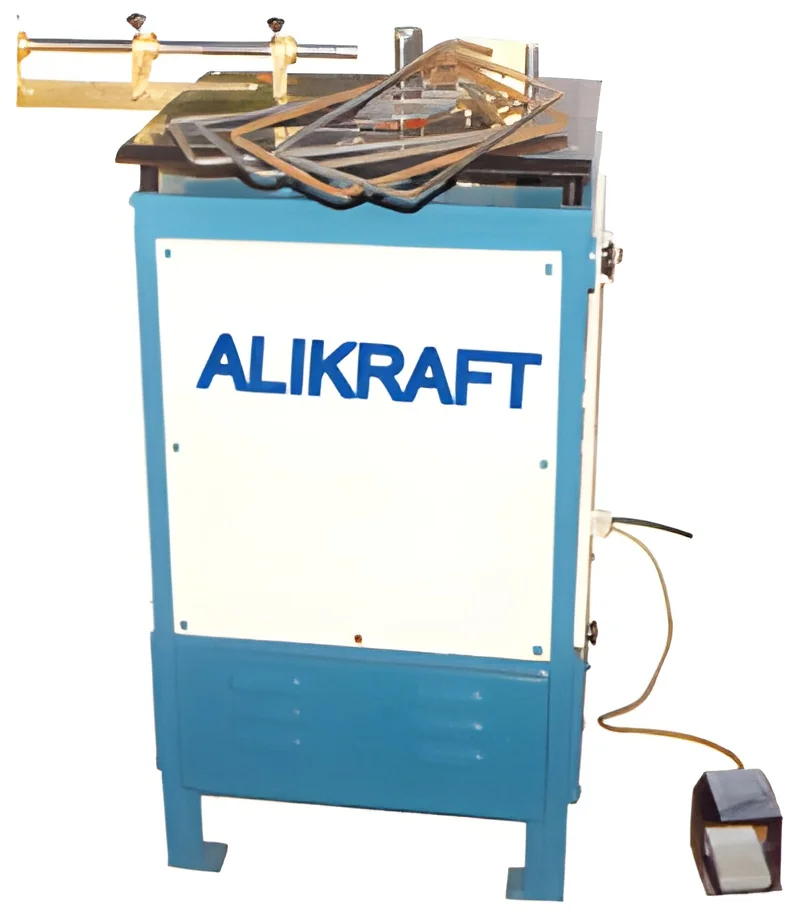
What are Bar Bending Machines?
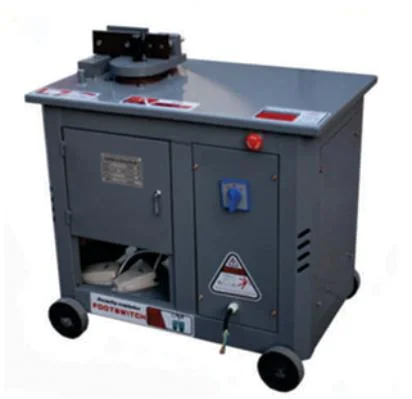
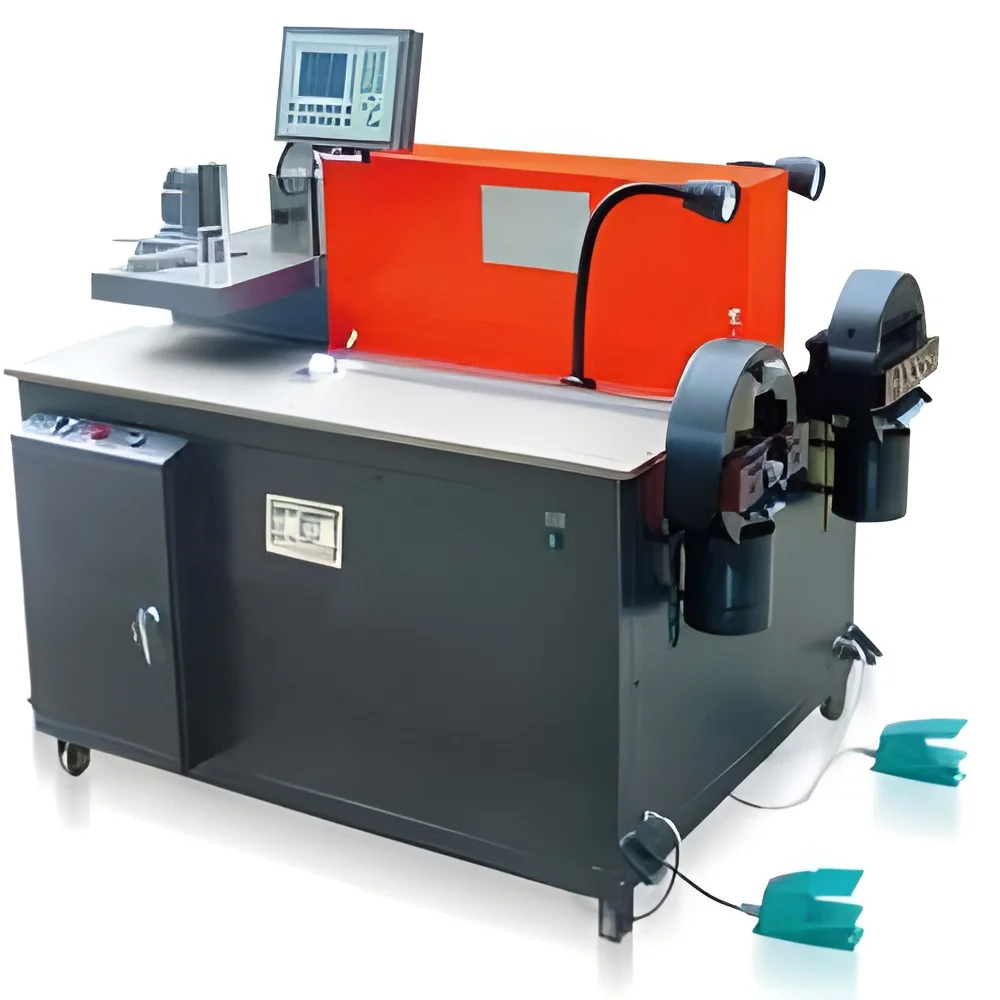
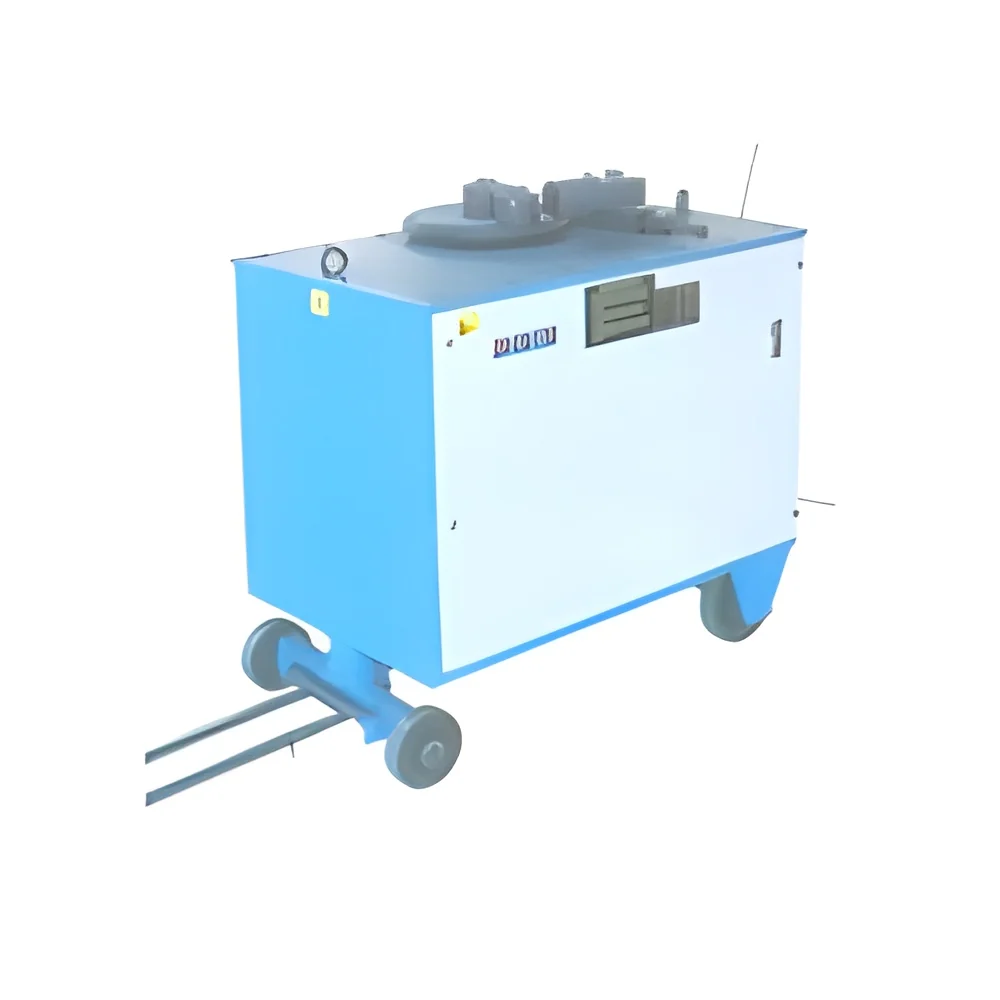
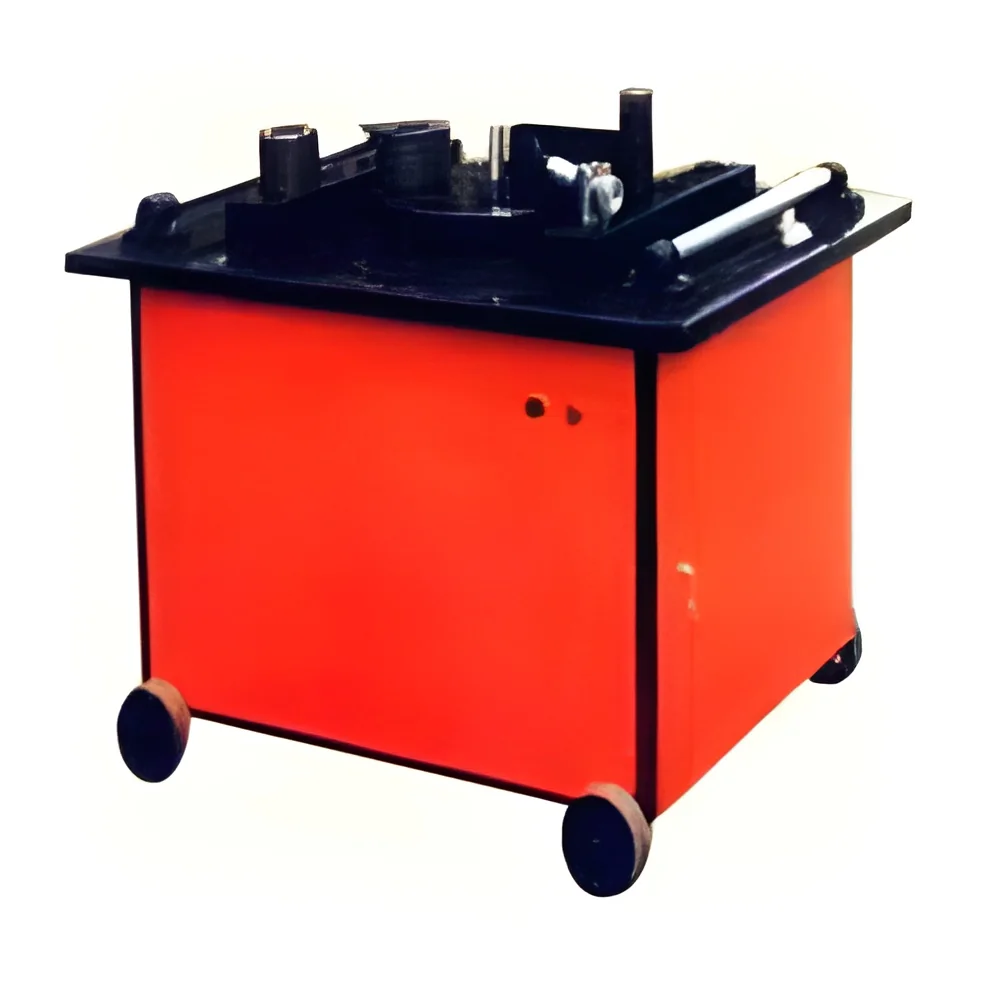
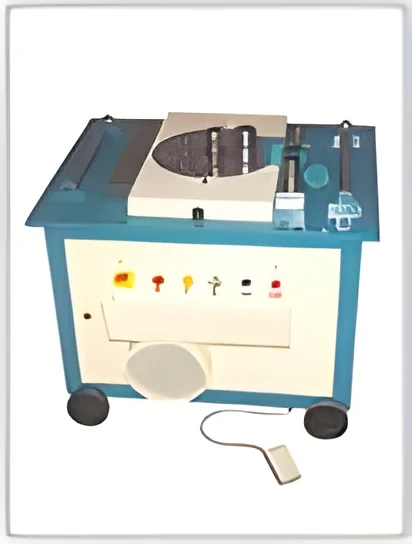
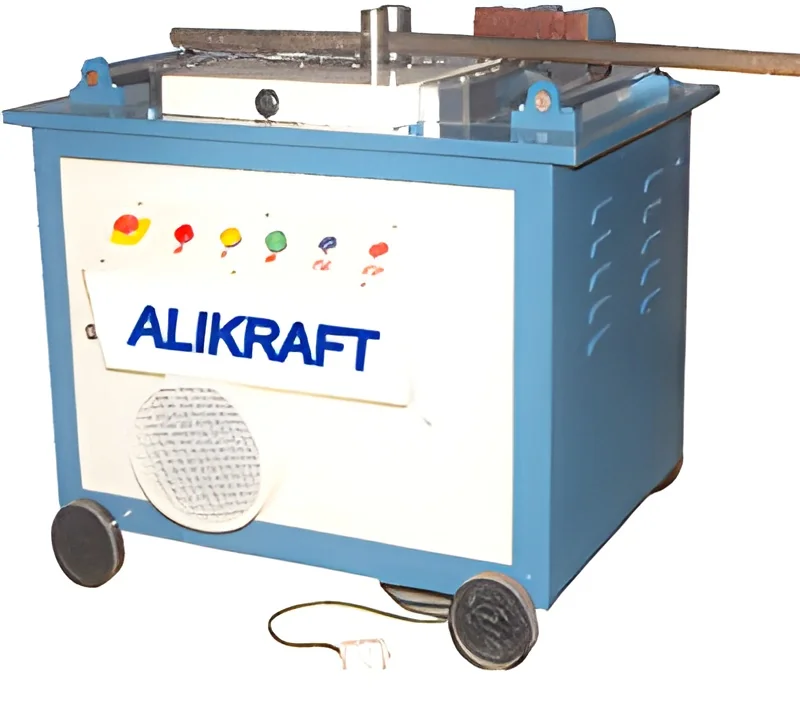
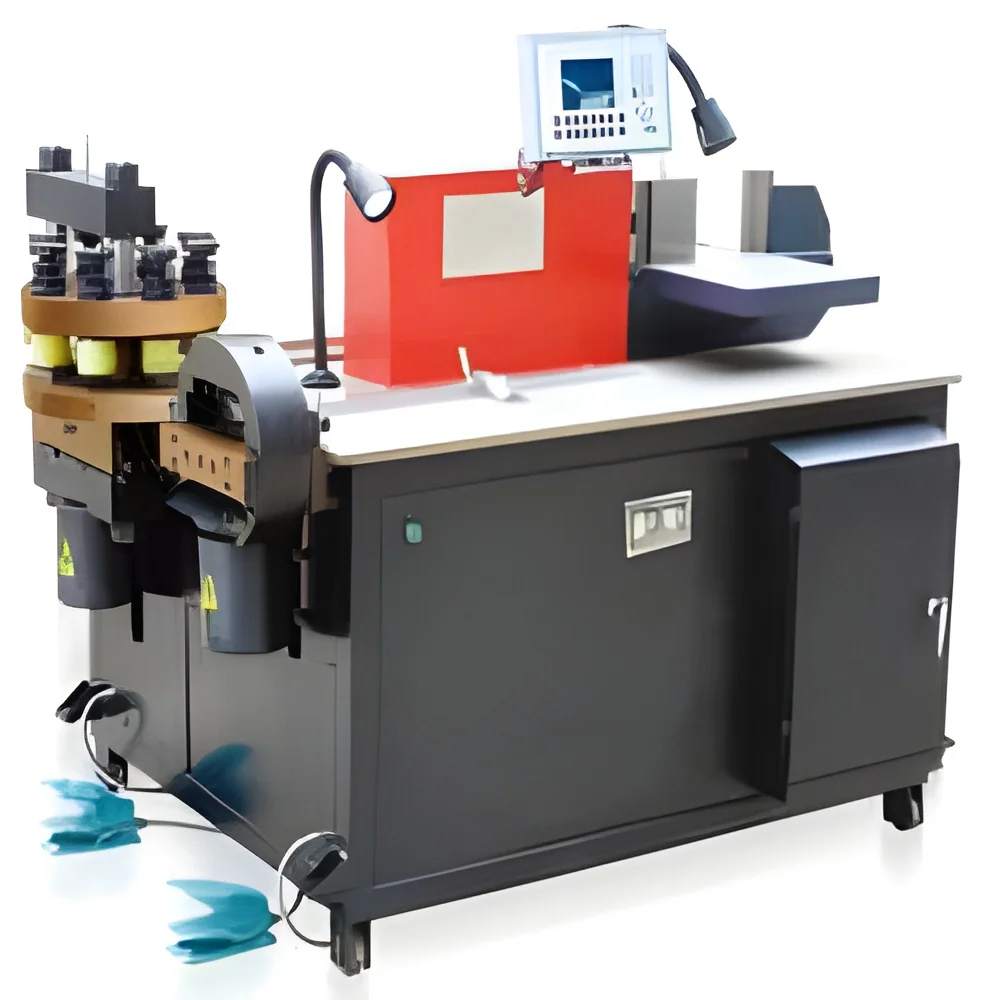
Bar bending machines are specialized equipment used in construction and engineering to bend steel bars or rods into desired shapes and angles. These machines are essential in the preparation of reinforcement bars (rebar) for concrete structures, providing precision and efficiency in the bending process. By automating the bending tasks, these machines significantly reduce labor costs and enhance productivity on construction sites.
The primary uses of bar bending machines encompass various applications in the construction industry. They are primarily utilized for bending rebar to meet specific design requirements, ensuring that the bars fit accurately into structural frameworks. Businesses involved in residential, commercial, and industrial construction greatly benefit from these machines, as they streamline the process of preparing materials. In a market increasingly focused on efficiency and quality, bar bending machines are vital for maintaining competitive advantages.
As the construction industry evolves, the relevance of bar bending machines continues to grow. With ongoing advancements in technology, these machines are becoming more sophisticated, featuring enhanced automation and control systems. This aligns with industry trends focused on improving construction practices and meeting stringent safety and quality standards. Consequently, the demand for reliable and efficient bar bending machines remains strong across various segments.
Key Features and Specifications
Bar bending machines come equipped with several features that enhance their performance and usability. These features cater to the diverse needs of the construction sector and contribute to the overall efficiency of operations.
Key specifications include:
1. Bending Capacity
- The maximum diameter of rebar that the machine can bend, typically ranging from 6 mm to 40 mm.
2. Bending Angle
- The range of angles to which the machine can bend bars, usually from 0 to 180 degrees.
3. Power Source
- Machines may operate on electric, hydraulic, or manual power, with electric models commonly used for their efficiency.
4. Speed
- The number of bends per minute, affecting overall productivity; speeds may range from 2 to 10 bends per minute.
5. Weight
- The overall weight of the machine, which can impact mobility and stability on construction sites, typically ranging from 200 kg to 1000 kg.
6. Control System
- Machines may feature manual or digital controls, with digital systems providing enhanced accuracy and ease of use.
7. Safety Features
- Built-in safety mechanisms, such as emergency stops and protective shields, to ensure operator safety during use.
8. Durability
- The construction materials used for the machine, which should withstand harsh working conditions.
In summary, bar bending machines are designed with a range of specifications that cater to various bending needs, ensuring they provide reliable and efficient performance in construction applications.
Common Applications and Use Cases
Bar bending machines find extensive use across multiple industries, reflecting their versatility and importance in construction.
1. Construction Industry: Bar bending machines are primarily used to prepare rebar for concrete reinforcement in buildings, bridges, and other structures, ensuring structural integrity and safety.
2. Infrastructure Projects: In large-scale projects like highways, tunnels, and railways, these machines help fabricate rebar to meet specific engineering requirements, supporting safe and durable infrastructure.
3. Precast Concrete Manufacturing: These machines are essential in precast concrete facilities, where they are used to bend bars that will be embedded in precast components.
4. Industrial Construction: In factories and plants, bar bending machines are employed to produce reinforcement for various structural elements, enhancing the overall safety and stability of industrial buildings.
5. Residential Construction: Smaller-scale projects, such as homes and apartment buildings, utilize bar bending machines to ensure that rebar is accurately shaped for foundations and walls.
6. Renovation Projects: In restoration and renovation work, these machines assist in bending bars to fit existing structures, maintaining compliance with modern building codes.
7. Metal Fabrication: Bar bending machines are also used in metal fabrication shops, providing flexible solutions for custom metalwork projects.
Product Variants and Subcategories
Bar bending machines come in various types, each designed to meet specific user requirements and application needs.
Semi-Automatic Bar Bending Machines
These machines offer a balance between manual and automated operations, featuring controls that allow operators to set bending angles and speeds with minimal manual input. They are ideal for small to medium construction projects.
Fully Automatic Bar Bending Machines
Fully automatic models handle the entire bending process with minimal human intervention, making them suitable for high-volume production environments. They typically feature advanced control systems that ensure precision and repeatability.
Portable Bar Bending Machines
Designed for mobility, these machines are lightweight and compact, allowing for easy transportation to different job sites. They are perfect for small-scale projects where space and mobility are considerations.
Reinforcement Bar Bending Machines
Specifically engineered for bending reinforcement bars, these machines can handle larger diameters and are equipped with specialized features to ensure high accuracy and efficiency in bending.
Benefits and Advantages
Investing in bar bending machines provides numerous advantages for businesses in the construction sector.
1. Increased Efficiency: These machines automate the bending process, significantly reducing the time needed to prepare rebar and increasing overall productivity.
2. Precision Bending: With advanced controls and settings, bar bending machines ensure accurate angles and shapes, reducing waste and rework.
3. Labor Cost Reduction: By automating bending tasks, businesses can minimize labor costs and reallocate resources to other areas of the project.
4. Enhanced Safety: Modern machines come equipped with safety features that protect operators, reducing the risk of accidents on job sites.
5. Versatility: Bar bending machines can handle various sizes and types of rebar, making them suitable for different projects and requirements.
6. Improved Quality: The consistent and precise bending capabilities of these machines lead to higher quality in construction materials, ensuring compliance with industry standards.
Buying Guide for B2B Buyers
When sourcing bar bending machines, it is essential to consider several key factors to ensure you make an informed purchase.
1. Quality Assessment: Evaluate the build quality and durability of the machine. Look for machines made from high-quality materials that can withstand rigorous use on construction sites.
2. Supplier Verification: Ensure that the supplier has a good reputation and positive reviews. Check for certifications and their history in supplying bar bending machines.
3. Pricing and MOQ: Consider the cost of the machine and any minimum order quantity (MOQ) requirements. Compare prices from different suppliers to ensure you receive competitive pricing.
4. Delivery and Lead Times: Assess the supplier's delivery capabilities and lead times. Ensure they can meet your project timelines to avoid delays in construction.
5. Compliance Requirements: Verify that the machines meet industry standards and local regulations. Compliance with safety and quality standards is crucial for operational success.
Compliance and Certifications
Bar bending machines must adhere to various quality standards and certifications to ensure they are safe and reliable for use in construction.
ISO 9001 is a widely recognized quality management standard that ensures the machines are produced following strict quality control processes. This certification demonstrates a commitment to quality and customer satisfaction.
CE certification is required for machinery sold in the European market, indicating compliance with health, safety, and environmental protection standards. This certification ensures that the machines meet EU regulations.
Safety and testing requirements are critical, as they help ensure that the machines are safe for operators and can withstand the demands of construction environments. Regular testing and adherence to safety protocols are necessary.
Regional compliance considerations may vary depending on local regulations. It is essential to verify that the machines comply with the specific requirements of the region where they will be used.
Why Source Bar Bending Machines from Pepagora?
Pepagora offers a reliable platform for sourcing bar bending machines, providing several advantages that cater to B2B buyers.
Verified Supplier Network: Pepagora maintains a network of verified suppliers, ensuring that buyers can trust the quality and reliability of the machines they purchase. This reduces the risk associated with sourcing equipment.
Streamlined RFQ Process: The Request for Quotation (RFQ) system simplifies the procurement process, allowing buyers to easily compare offers from multiple suppliers. This transparency helps buyers make informed decisions.
Trade Assurance and Support: Pepagora provides trade assurance, protecting buyers from potential disputes and ensuring that they receive the products as promised. This support builds buyer confidence in the purchasing process.
Regional Coverage: With a wide geographic reach across India, the Gulf Cooperation Council (GCC), and Southeast Asia, Pepagora connects buyers with suppliers in these regions, facilitating efficient sourcing and logistics. This broad coverage ensures that businesses can find suitable machines regardless of their location.

 IN
IN