
 IN
Trowel Machines
2 products available
What are Trowel Machines?
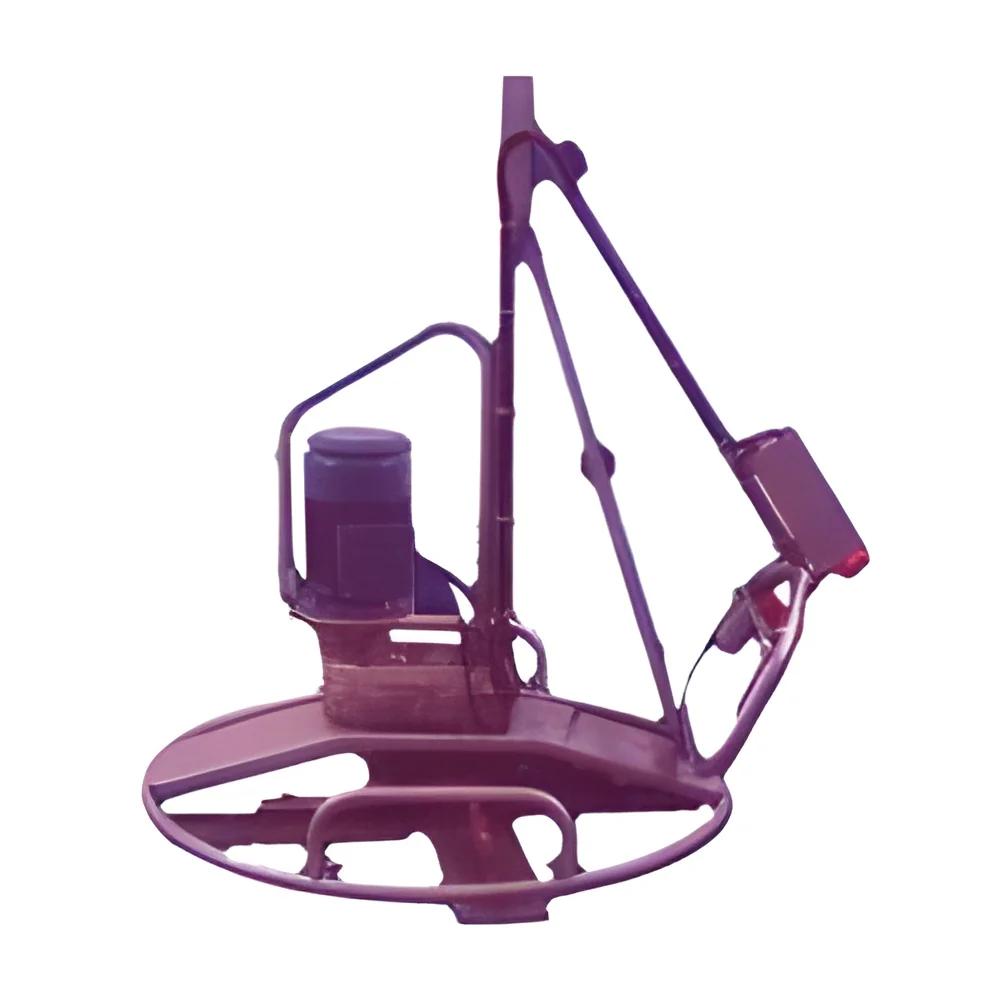
Trowel machines are specialized pieces of equipment used primarily in the construction and flooring industries for finishing concrete surfaces. These machines are designed to provide a smooth, even finish to concrete slabs, enhancing durability and appearance. Trowel machines can be powered either by gasoline engines or electric motors, making them versatile for different work environments. They are equipped with rotating blades that are utilized to level and polish the concrete surface effectively.
In terms of business applications, trowel machines are commonly used in large-scale construction projects, such as commercial buildings, warehouses, and residential developments. They are essential for contractors seeking to deliver high-quality concrete surfaces in a timely manner. The demand for trowel machines has grown in parallel with the construction boom, as they significantly reduce labor time and increase efficiency. The ability to achieve a professional finish is crucial in today’s competitive market, where quality and speed are paramount.
The relevance of trowel machines in the construction industry cannot be overstated. As urban development continues to expand, the need for effective concrete finishing solutions becomes increasingly vital. The market for trowel machines is driven by advancements in technology and an increase in construction activities worldwide, making them a key investment for contractors looking to enhance their operational capabilities.
Key Features and Specifications
Trowel machines come equipped with various features that enhance their performance and usability. Understanding these specifications is crucial for selecting the right model for specific applications.
Key specifications include:
1. Engine Type
- Available in gasoline or electric options
- Power ranges typically between 5 to 10 horsepower
2. Blade Size
- Standard blade diameters range from 24 to 60 inches
- Larger blades cover more area, reducing finishing time
3. Weight
- Machines weigh between 200 to 800 pounds
- Heavier machines provide better stability on uneven surfaces
4. Speed Settings
- Variable speed options for different finishing techniques
- Maximum speeds can reach up to 150 RPM
5. Control Type
- Options for manual or remote control operation
- Remote control enhances operator safety and precision
6. Fuel Efficiency
- Fuel consumption varies based on engine type
- Electric models offer lower operational costs over time
7. Durability
- Built with robust materials to withstand harsh conditions
- Corrosion-resistant components for longevity
8. Safety Features
- Equipped with emergency shut-off mechanisms
- Safety guards to protect operators from moving parts
In summary, selecting the right trowel machine requires careful consideration of these features and specifications to ensure optimal performance for concrete finishing tasks.
Common Applications and Use Cases
Trowel machines are versatile tools used across various industries.
1. Construction: Trowel machines are essential for finishing concrete floors in commercial and residential buildings, ensuring a smooth and level surface for further construction or finishing work.
2. Warehousing: In warehouse settings, these machines are used to create durable, polished concrete floors that can withstand heavy loads and provide a safe working environment.
3. Landscaping: Trowel machines help in creating aesthetically pleasing concrete pathways and patios, enhancing outdoor spaces in residential and commercial properties.
4. Industrial Facilities: Many industrial facilities utilize trowel machines to finish concrete floors that require a high level of durability and resistance to heavy machinery.
5. Infrastructure Projects: Trowel machines are employed in public infrastructure projects, such as sidewalks and roadways, where smooth and even concrete surfaces are crucial for safety and functionality.
Benefits and Advantages
Utilizing trowel machines offers several benefits that enhance construction processes.
1. Improved Efficiency: Trowel machines significantly reduce the time needed for concrete finishing, allowing for quicker project completion.
2. Consistent Quality: These machines provide uniform finishes, which are difficult to achieve with manual methods, ensuring high-quality results.
3. Labor Savings: By mechanizing the finishing process, contractors can reduce labor costs and allocate workforce resources more effectively.
4. Enhanced Safety: Trowel machines often come with safety features that minimize risks for operators, leading to a safer work environment.
5. Versatility: With various models available, trowel machines can be used for different types of projects, from small residential jobs to large commercial endeavors.
6. Cost-Effectiveness: Investing in a trowel machine can lead to long-term savings due to reduced labor costs and faster project turnaround times.
Buying Guide for B2B Buyers
When sourcing trowel machines, it is essential to consider a range of factors to ensure a suitable purchase.
1. Quality Assessment: Evaluate the quality of materials and construction. Look for machines that meet industry standards for durability and performance.
2. Supplier Verification: Conduct thorough research on potential suppliers. Check for reviews, references, and their track record in delivering reliable products.
3. Pricing and MOQ: Understand the pricing structure and minimum order quantities. Comparing prices across suppliers can help identify the best value for money.
4. Delivery and Lead Times: Clarify delivery schedules and lead times to ensure that the machines arrive when needed for your projects.
5. Compliance Requirements: Ensure that the machines meet relevant compliance and safety standards for your region, which can vary based on local regulations.
Compliance and Certifications
Compliance and certifications are critical aspects of trowel machine procurement. Adhering to relevant quality standards ensures that these machines are safe and effective for use in construction.
ISO 9001 is recognized as a quality management standard that ensures consistent quality in products and services. Manufacturers of trowel machines that comply with ISO 9001 demonstrate a commitment to quality and customer satisfaction.
Additionally, CE certification indicates that the machine meets European safety, health, and environmental protection standards. This certification is crucial for buyers in regions where compliance with these standards is mandatory.
Safety and testing requirements are essential to ensure the machines operate safely under various conditions. Regular testing helps to identify potential issues and enhances the overall reliability of the equipment.
Regional compliance considerations may vary, so it is important for buyers to familiarize themselves with local regulations and standards to ensure that the trowel machines they purchase meet all necessary legal requirements.
Why Source Trowel Machines from Pepagora?
Pepagora offers a reliable platform for sourcing trowel machines, providing several key advantages that benefit B2B buyers.
Verified Supplier Network: Pepagora maintains a network of verified suppliers, ensuring that buyers can trust the quality and reliability of the machines they are sourcing. This verification process helps mitigate risks associated with purchasing from unknown vendors.
Streamlined RFQ Process: The Request for Quotation (RFQ) process on Pepagora is designed to be user-friendly and efficient. Buyers can easily submit their requirements and receive competitive quotes from multiple suppliers, facilitating better decision-making.
Trade Assurance and Support: Pepagora provides trade assurance to protect buyers throughout the purchasing process. This includes support for resolving any issues that may arise post-purchase, ensuring a secure transaction experience.
Regional Coverage: With a strong presence in India, the Gulf Cooperation Council (GCC), and Southeast Asia, Pepagora offers extensive regional coverage. This allows buyers to access a wide range of trowel machine options tailored to their specific market needs.
In conclusion, sourcing trowel machines from Pepagora not only simplifies the procurement process but also provides buyers with the confidence needed to invest in high-quality equipment.

Frequently Asked Questions
What are Trowel Machines?
Trowel machines are construction tools used for finishing concrete surfaces. They smooth and level the surface of freshly poured concrete by rotating blades that glide over the surface, resulting in a polished finish.
What are the different types of Trowel Machines?
There are several types of trowel machines, including power trowels, walk-behind trowels, and ride-on trowels. Each type is designed for specific applications and varying sizes of concrete jobs.
How do I choose the right Trowel Machines?
Choosing the right trowel machine depends on the size of your project, the type of finish required, and the working conditions. It's essential to consider factors such as power source, blade size, and ease of operation.
What are the standard specifications for Trowel Machines?
Standard specifications for trowel machines include engine power, blade diameter, and weight. Most machines also feature adjustable handle heights and varying blade options for different finishing needs.
What is the price range for Trowel Machines?
The price of trowel machines can vary widely based on the type and specifications, typically ranging from INR 30,000 to INR 1,50,000. Higher-end models with advanced features may cost more.
What quality standards apply to Trowel Machines?
Trowel machines must meet specific quality standards to ensure safety and performance. Common standards include ISO certifications and compliance with local regulations regarding machinery manufacturing.
Where can I find Trowel Machines suppliers in India?
You can find trowel machine suppliers in India through online B2B marketplaces like Pepagora.com, industry trade shows, and local construction equipment dealers. It's advisable to compare suppliers for quality and pricing.
Can Trowel Machines be customized?
Yes, many manufacturers offer customization options for trowel machines. This may include modifications to blade size, engine type, or additional features to suit specific project requirements.
What is the typical minimum order quantity for Trowel Machines?
The minimum order quantity (MOQ) for trowel machines can vary by supplier but typically ranges from 1 to 5 units. It's best to confirm the MOQ with the specific manufacturer or supplier.
What is the typical lead time for Trowel Machines?
The typical lead time for trowel machines varies depending on the supplier and order size, but it usually ranges from 2 to 6 weeks. Custom orders may require additional time.
Why Businesses Trust Pepagora
Thousands of companies trust Pepagora to source smarter and sell faster
Expand Your Sales Globally

Source Smarter,Grow Faster
