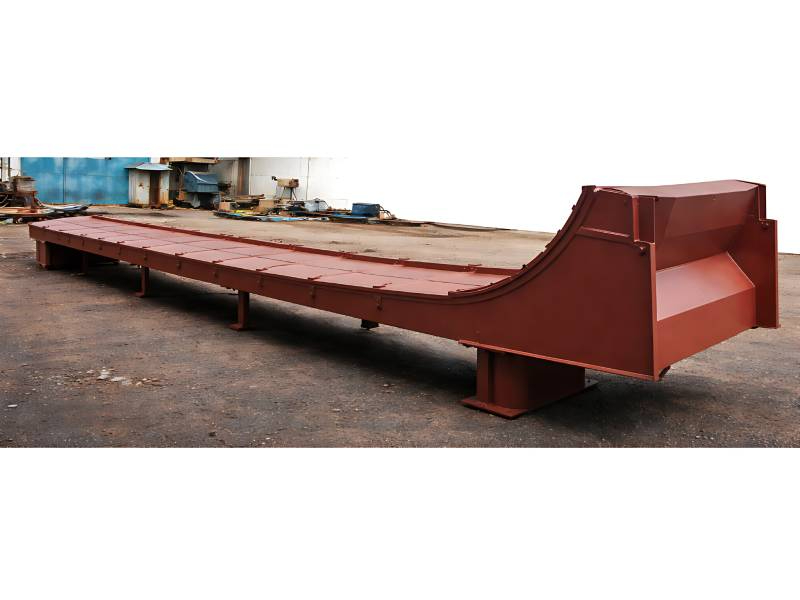
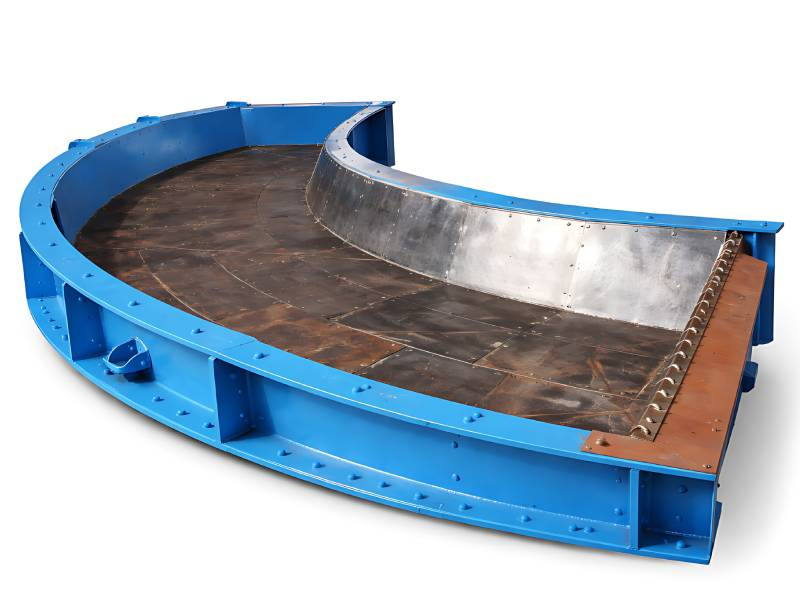
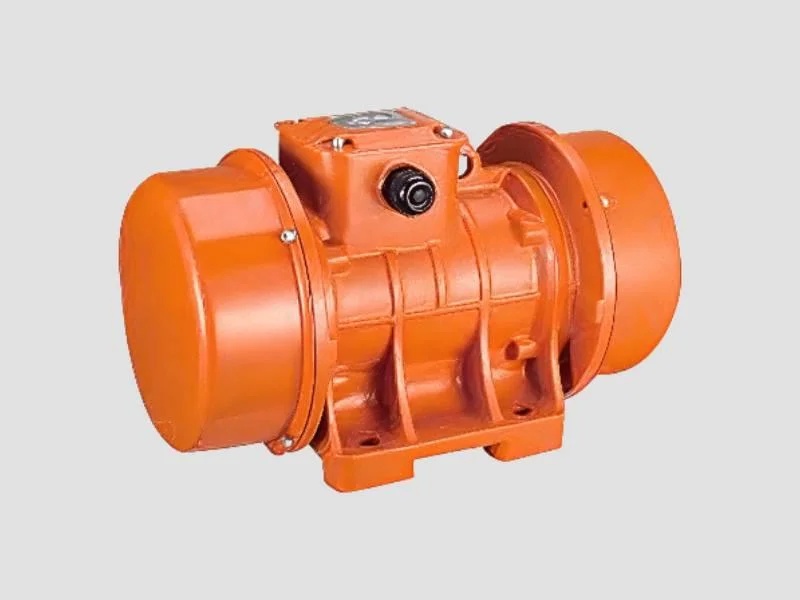
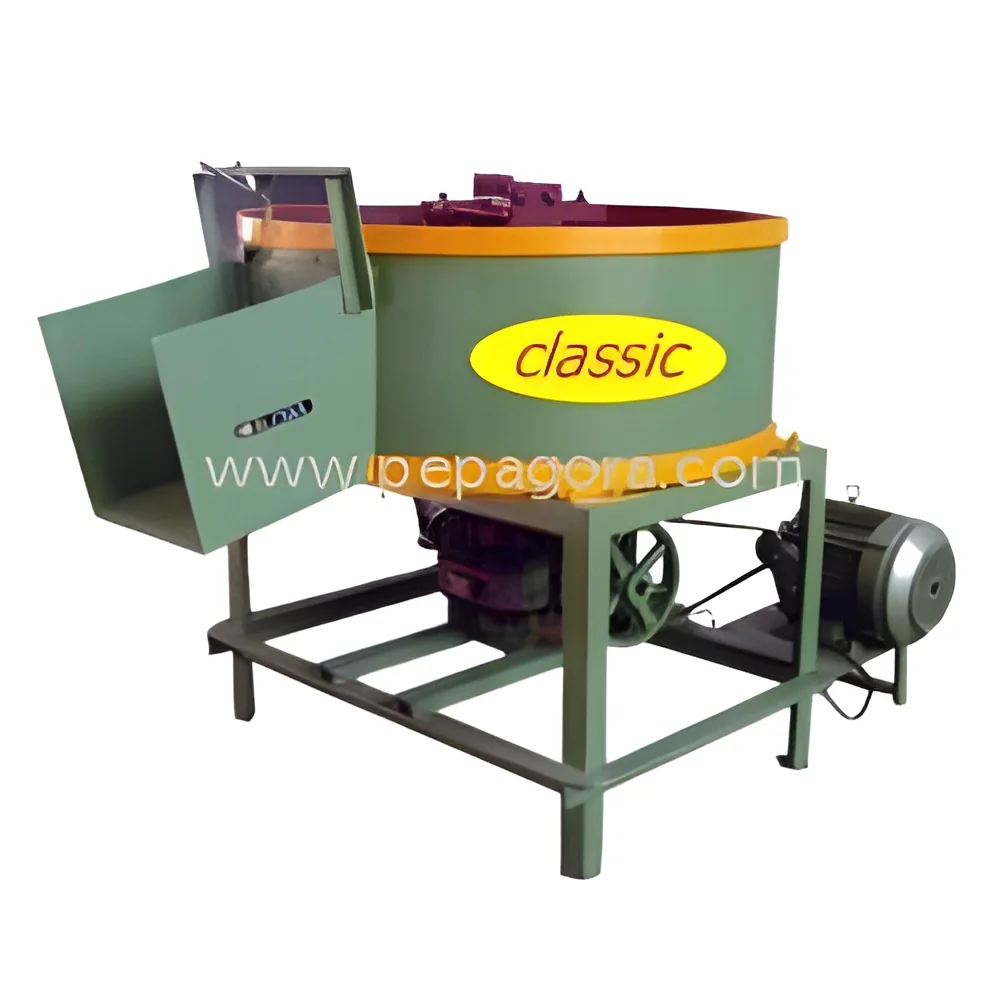
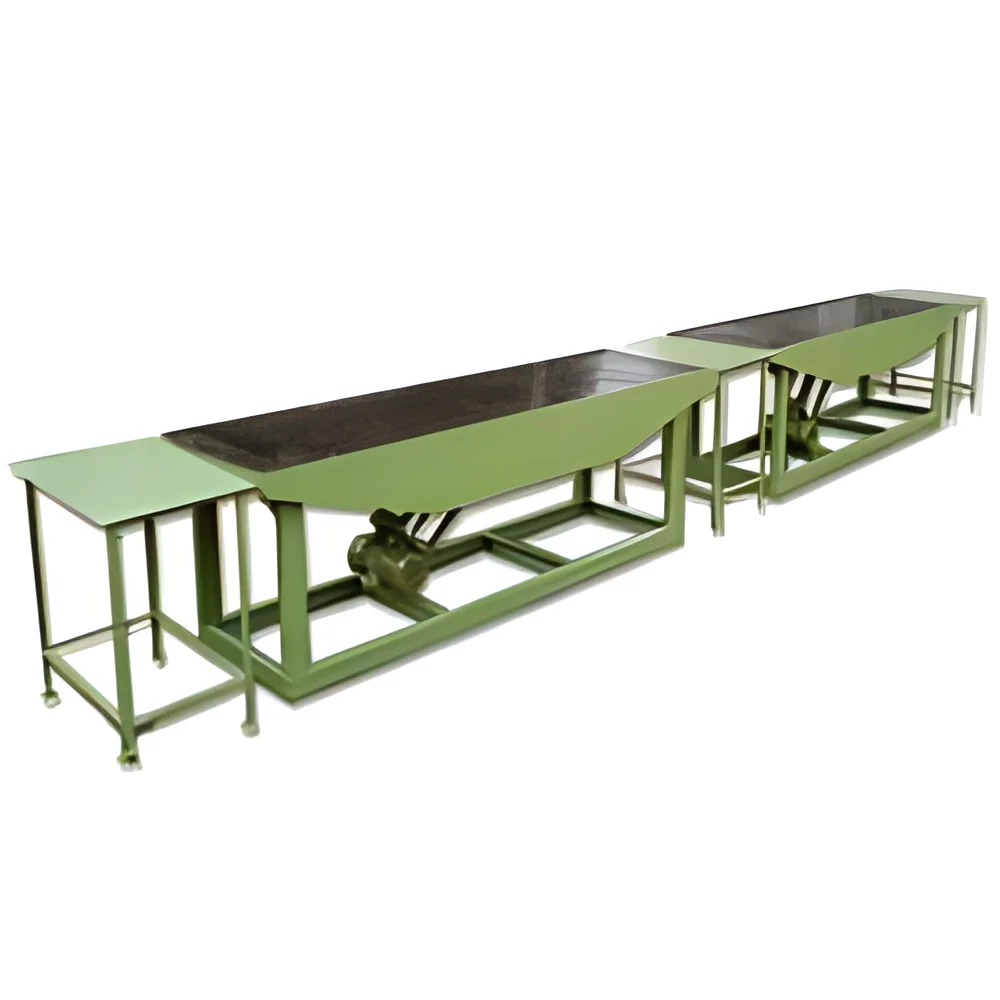
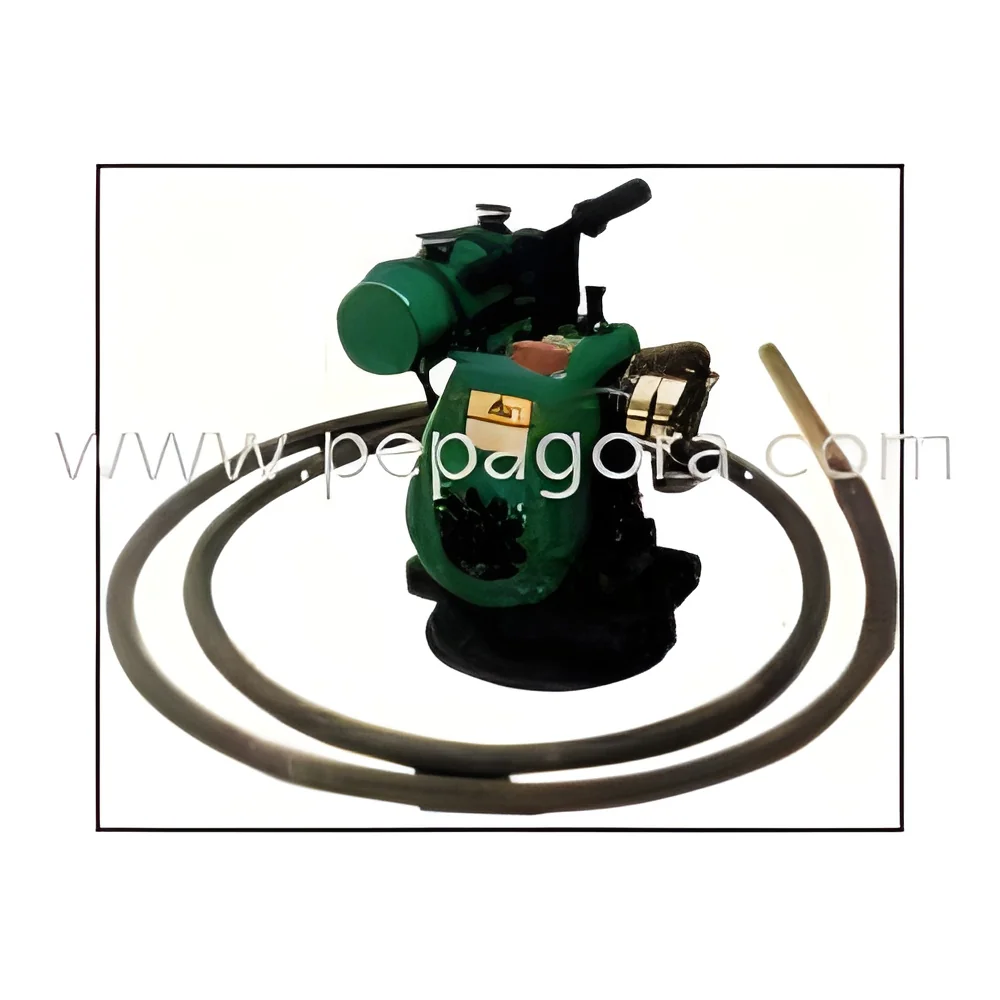
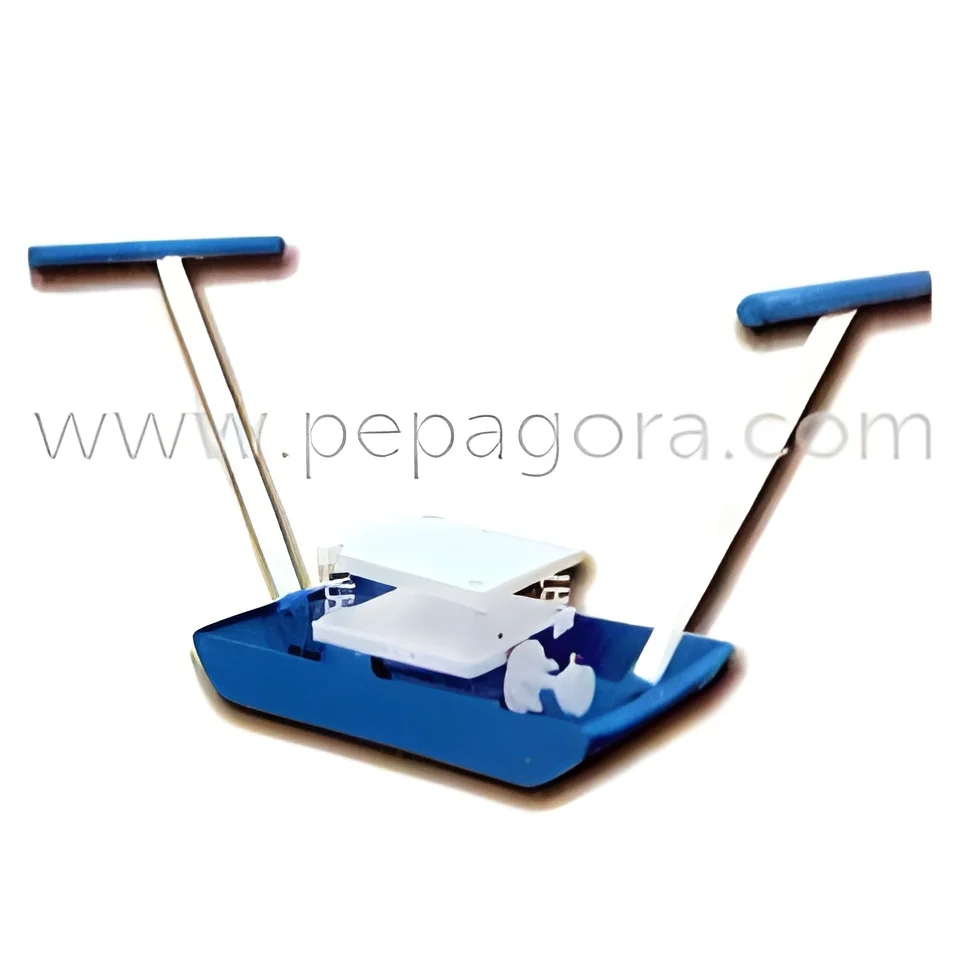
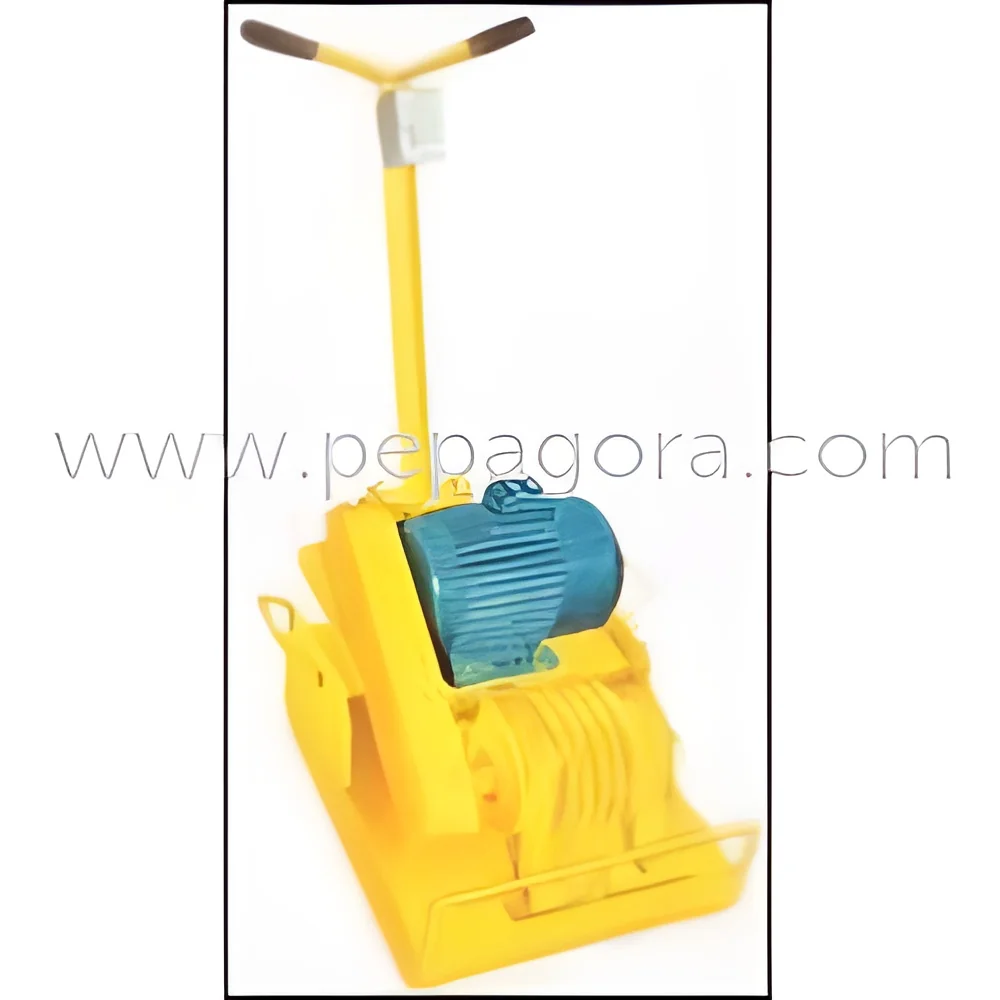
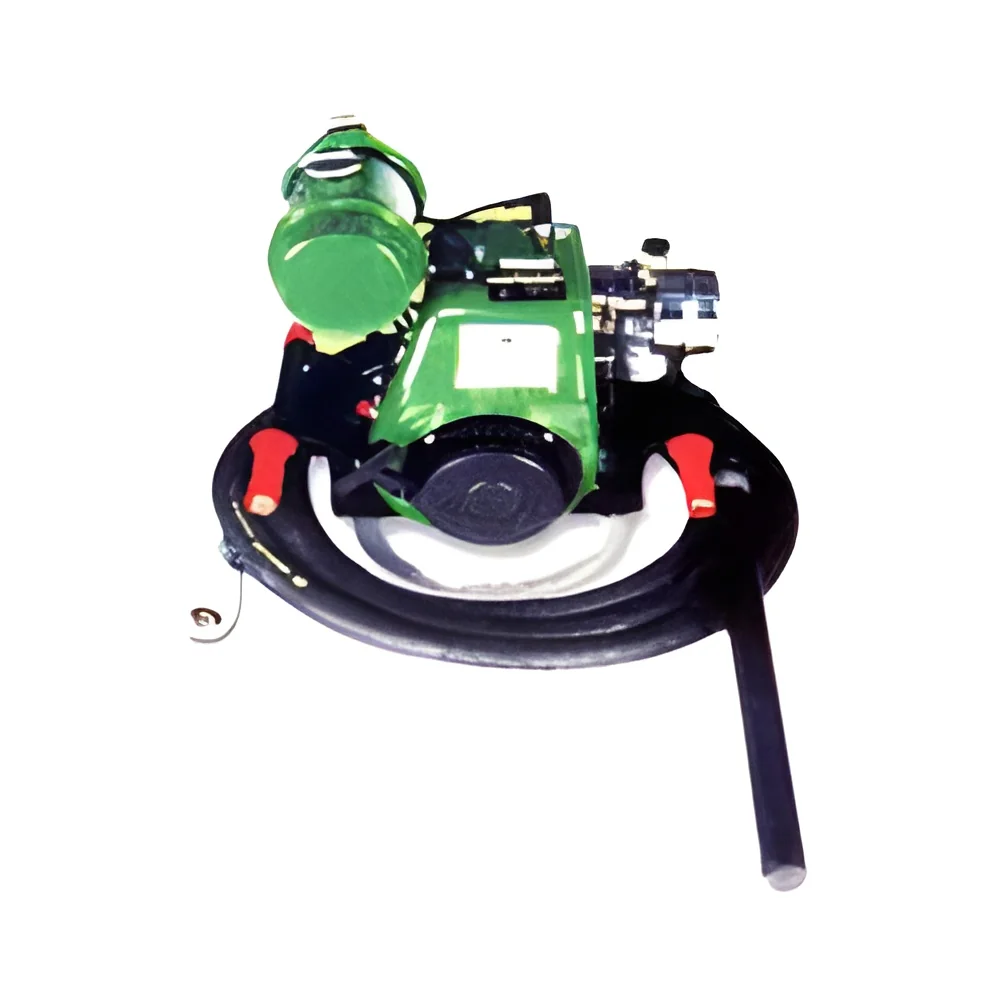
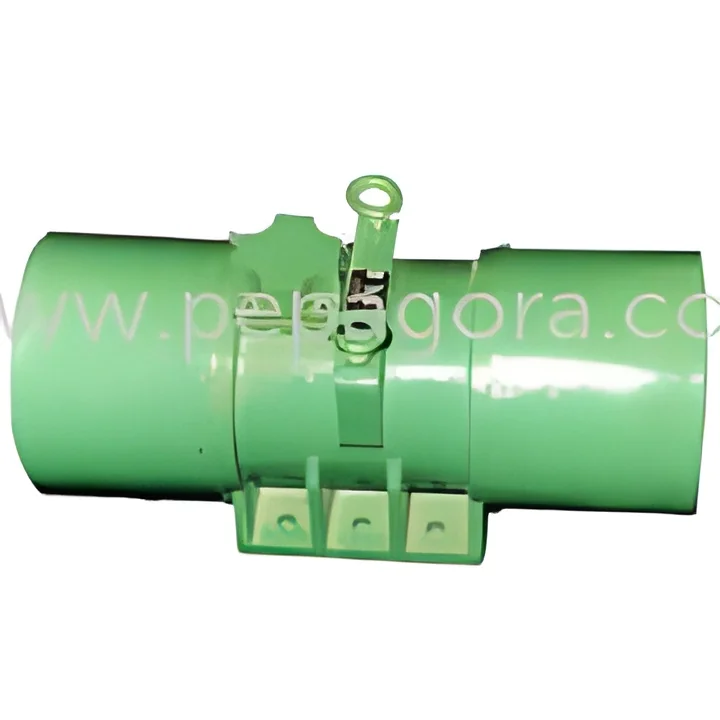
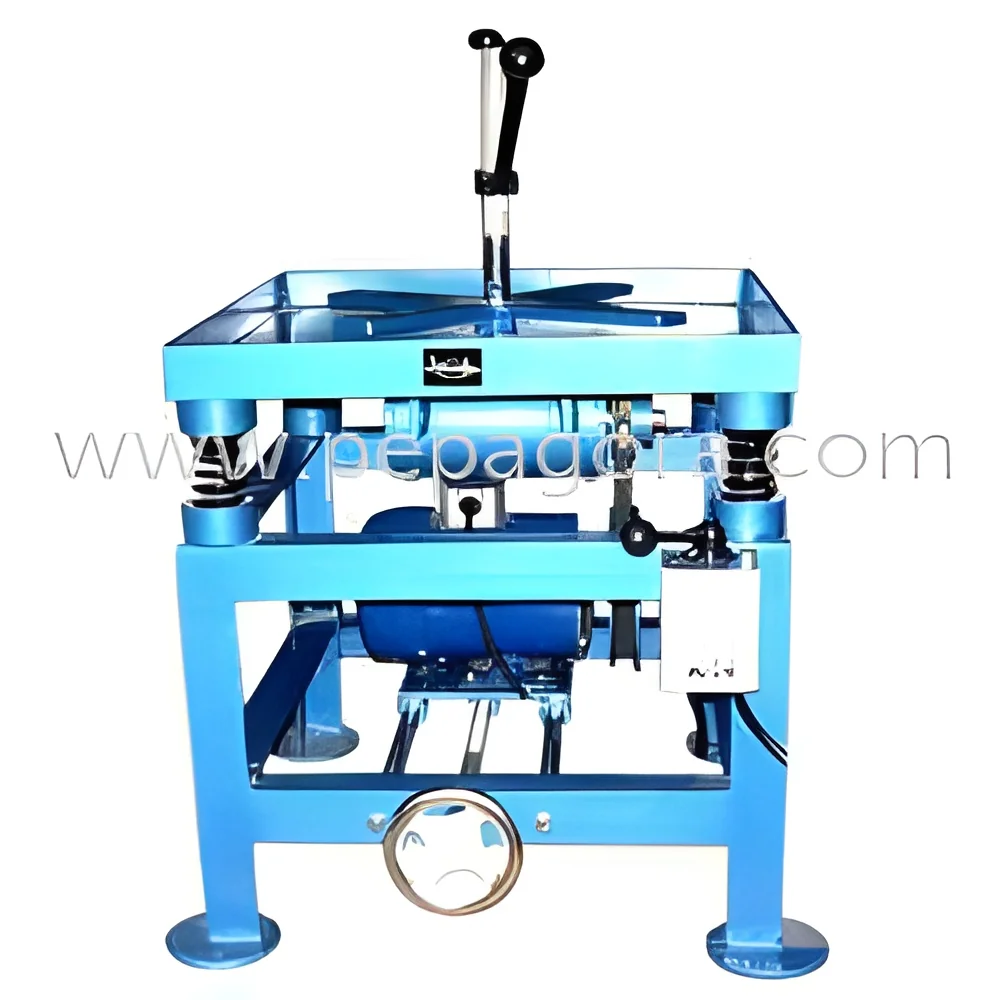
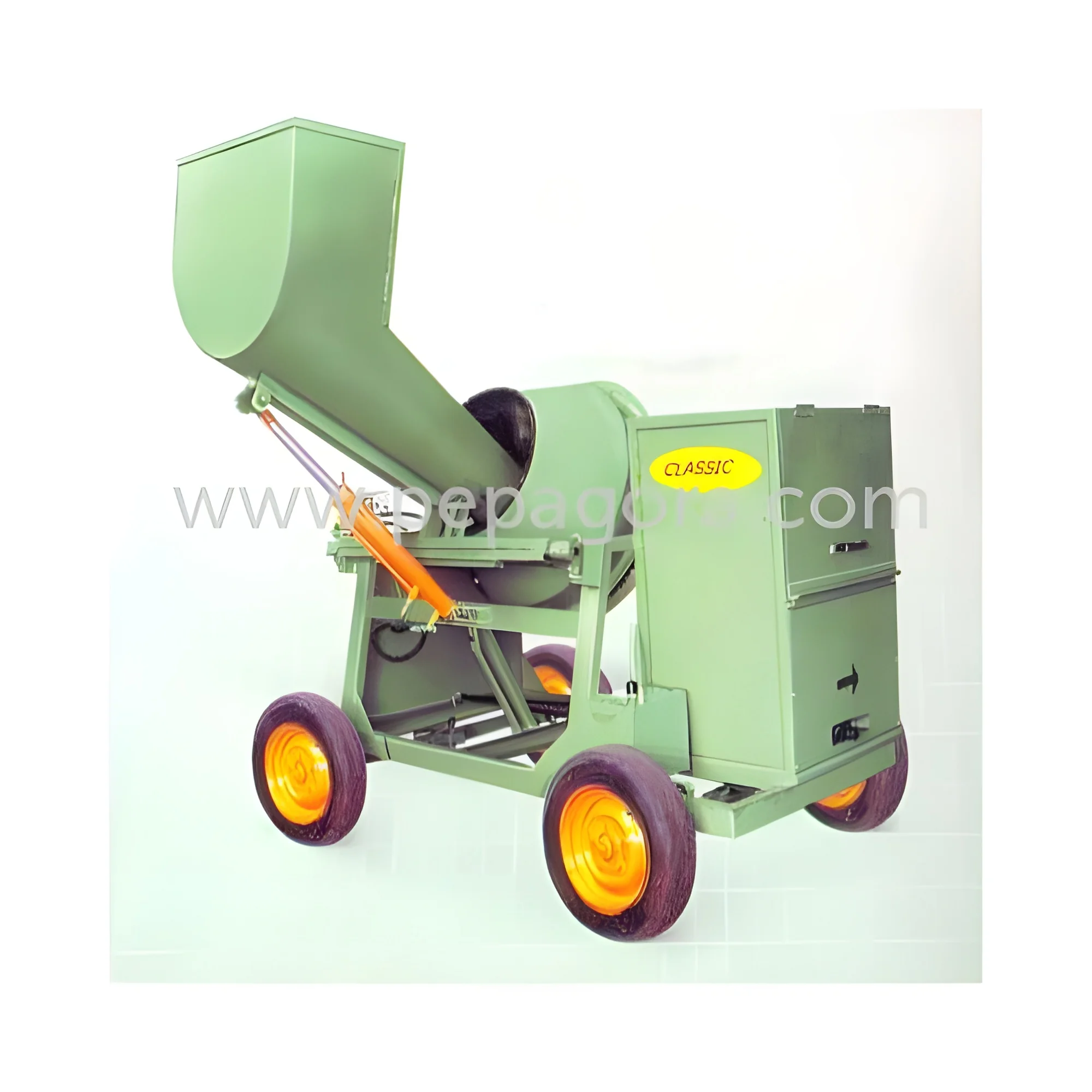
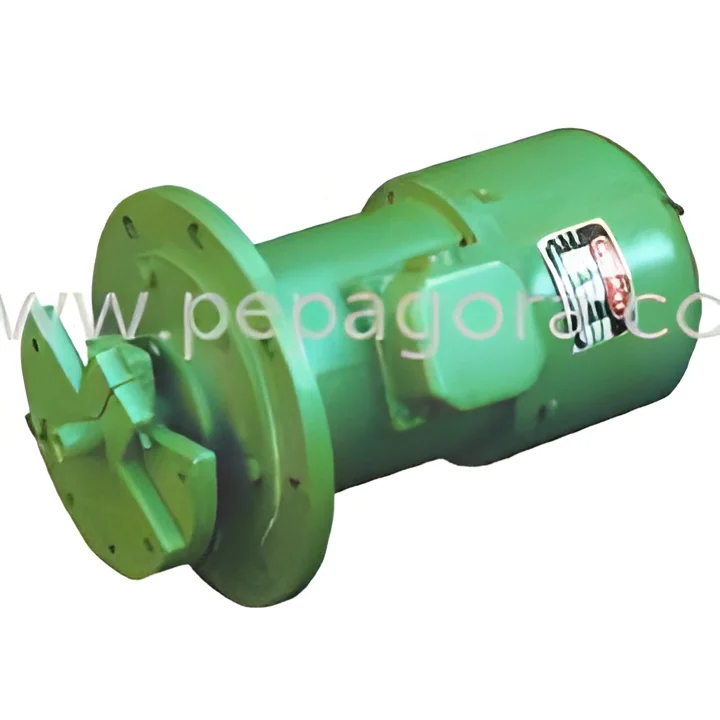
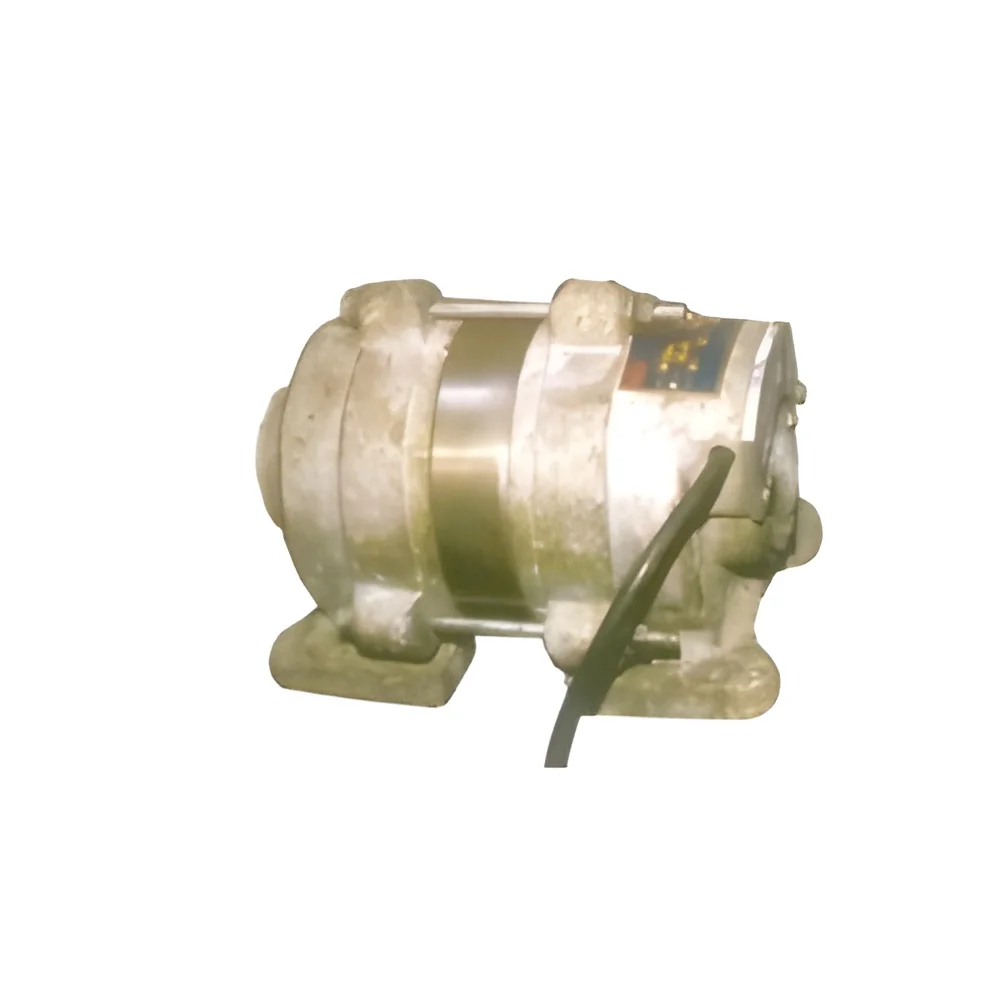
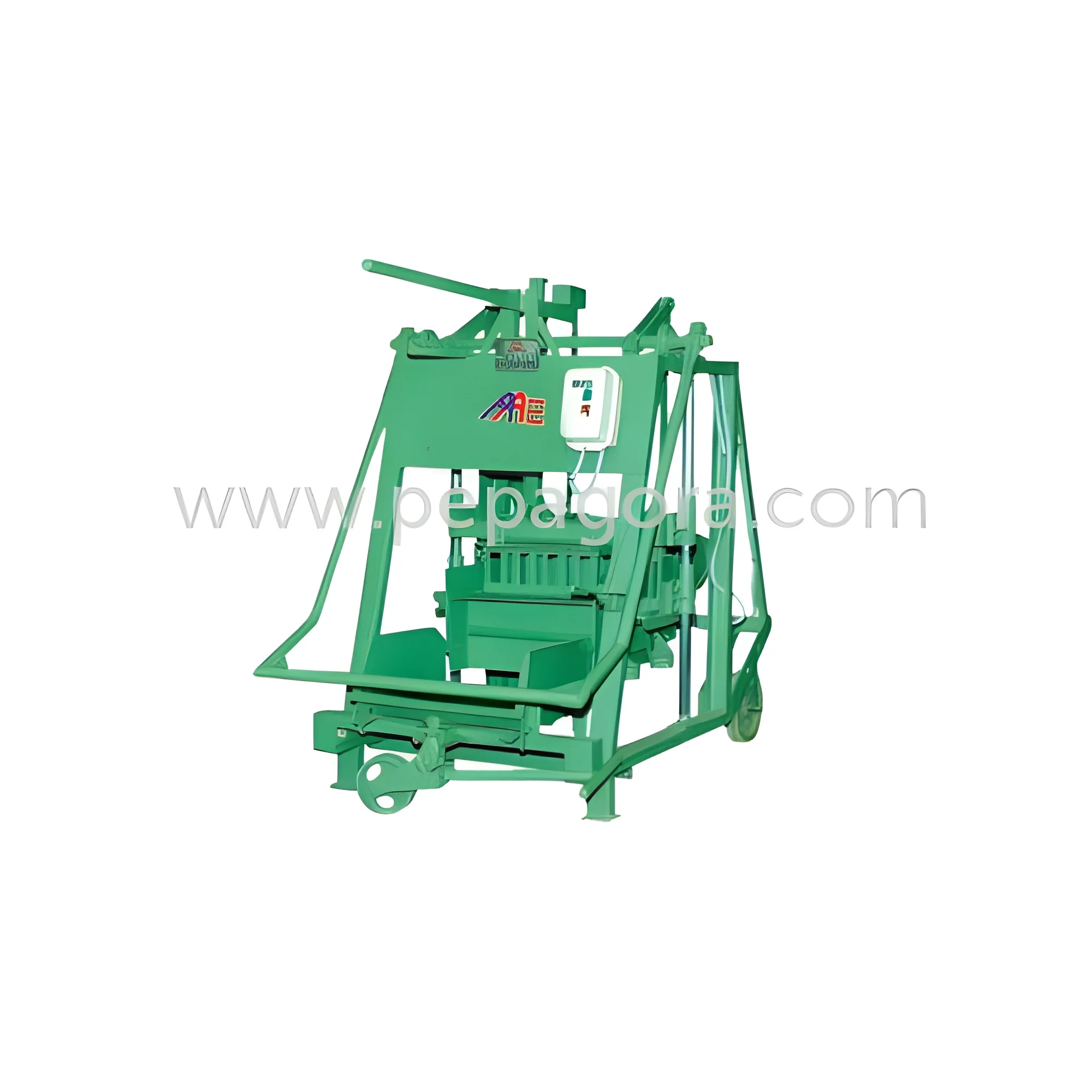
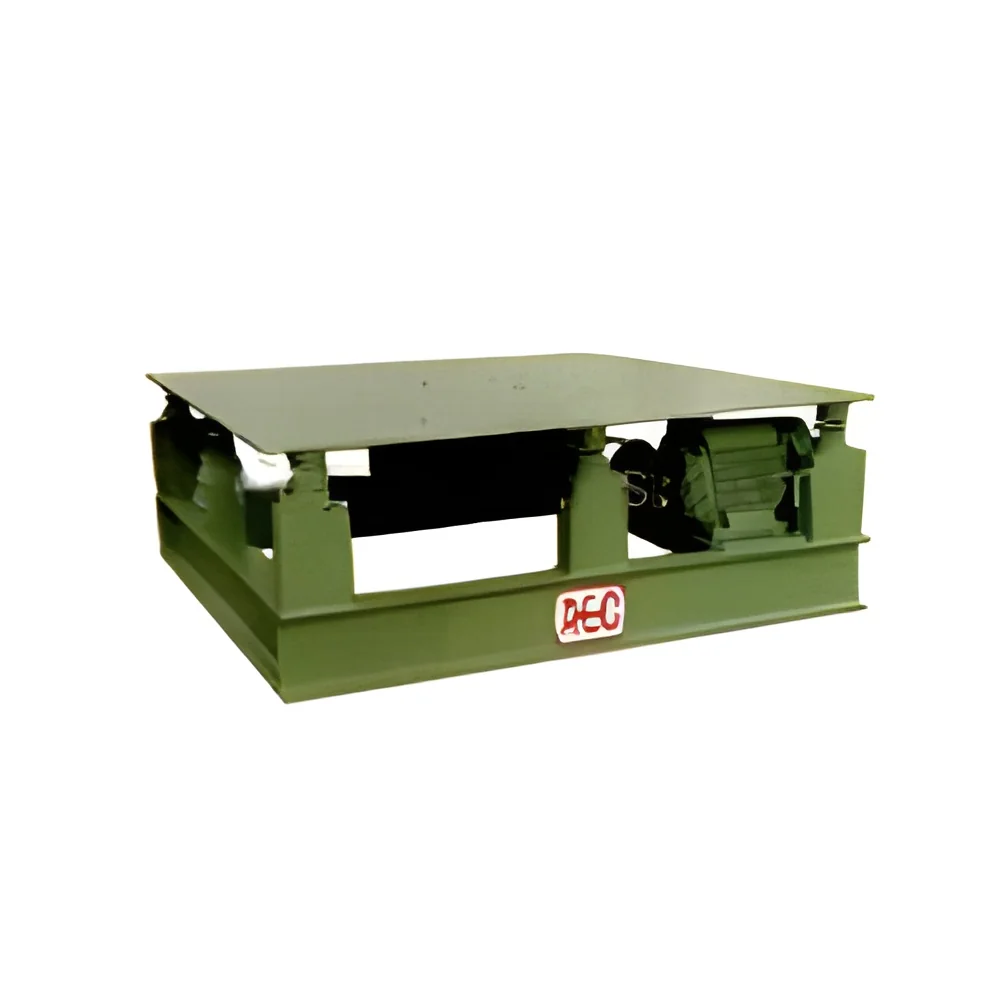
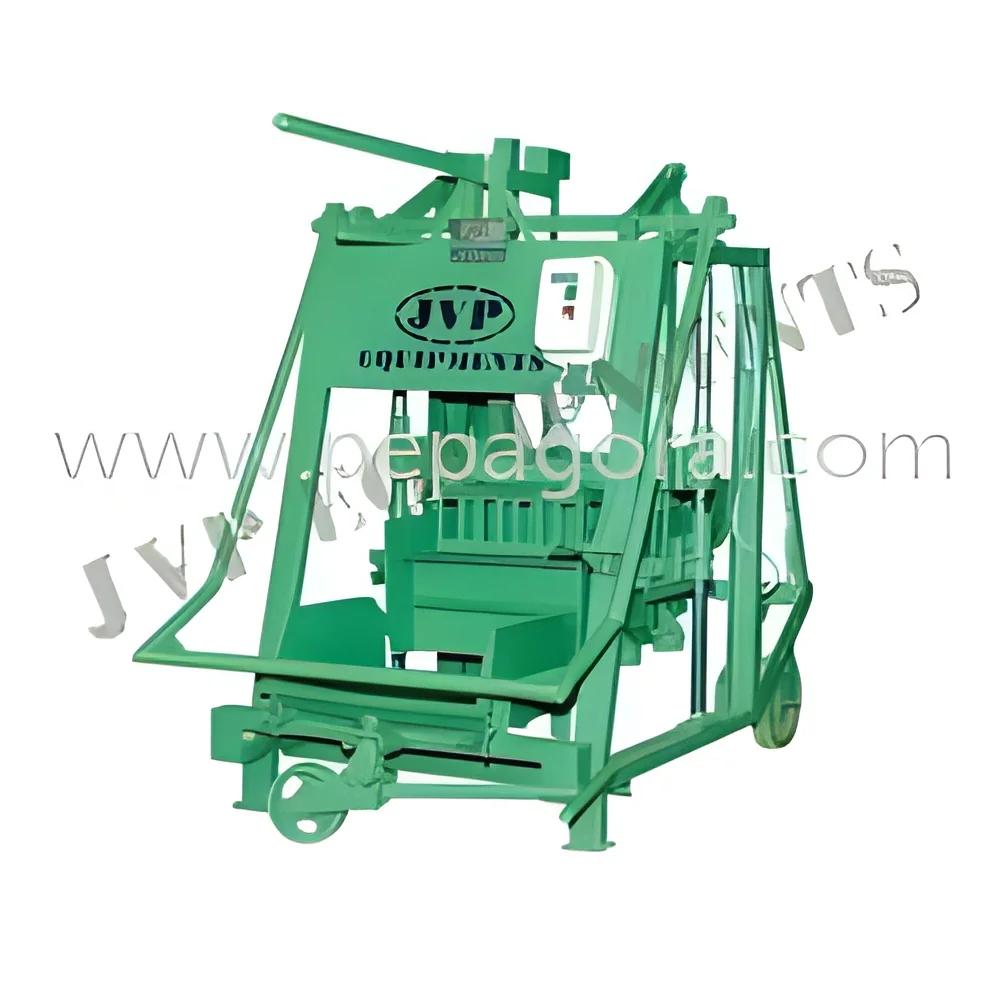
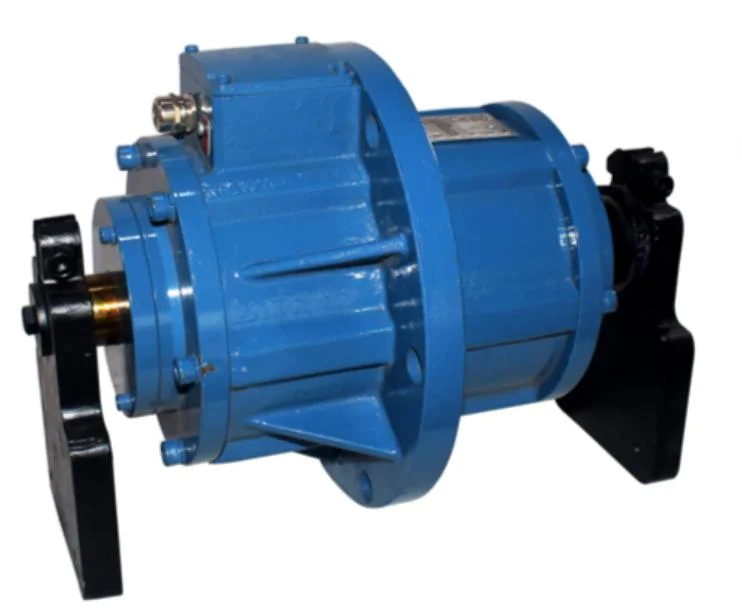
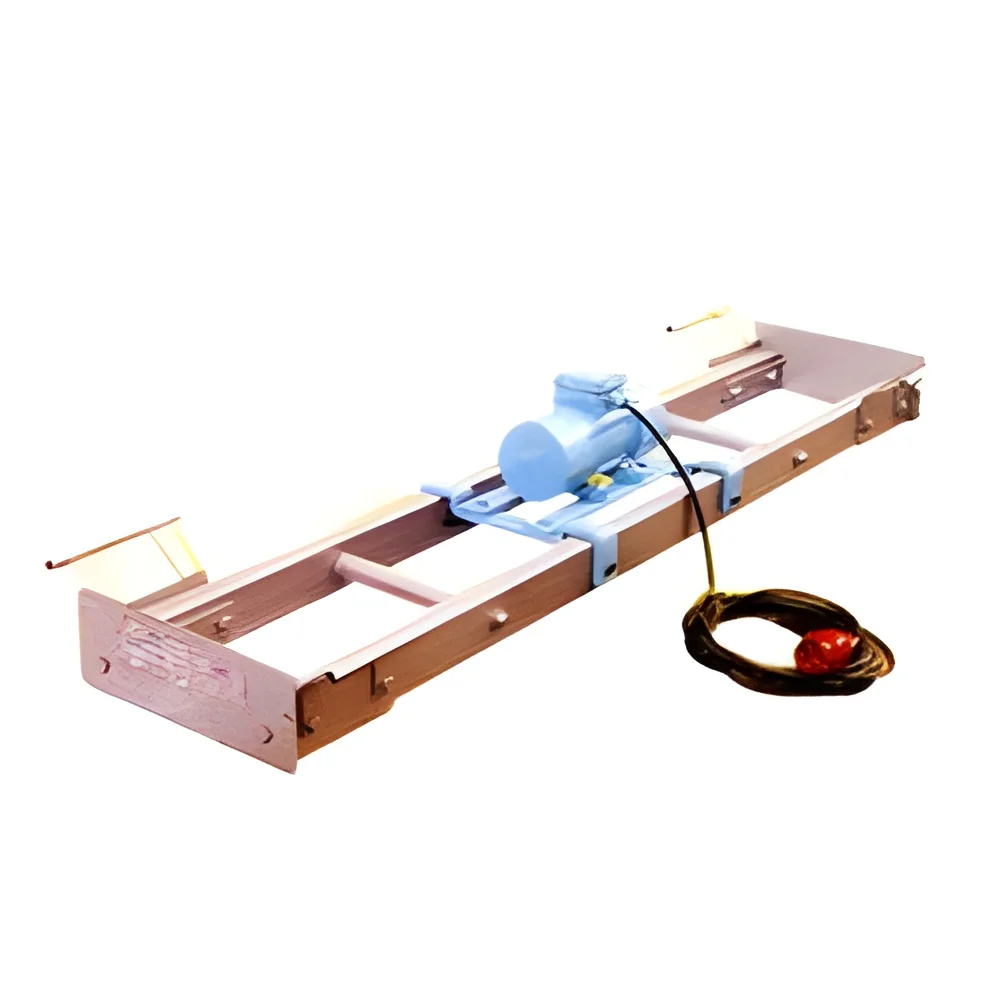
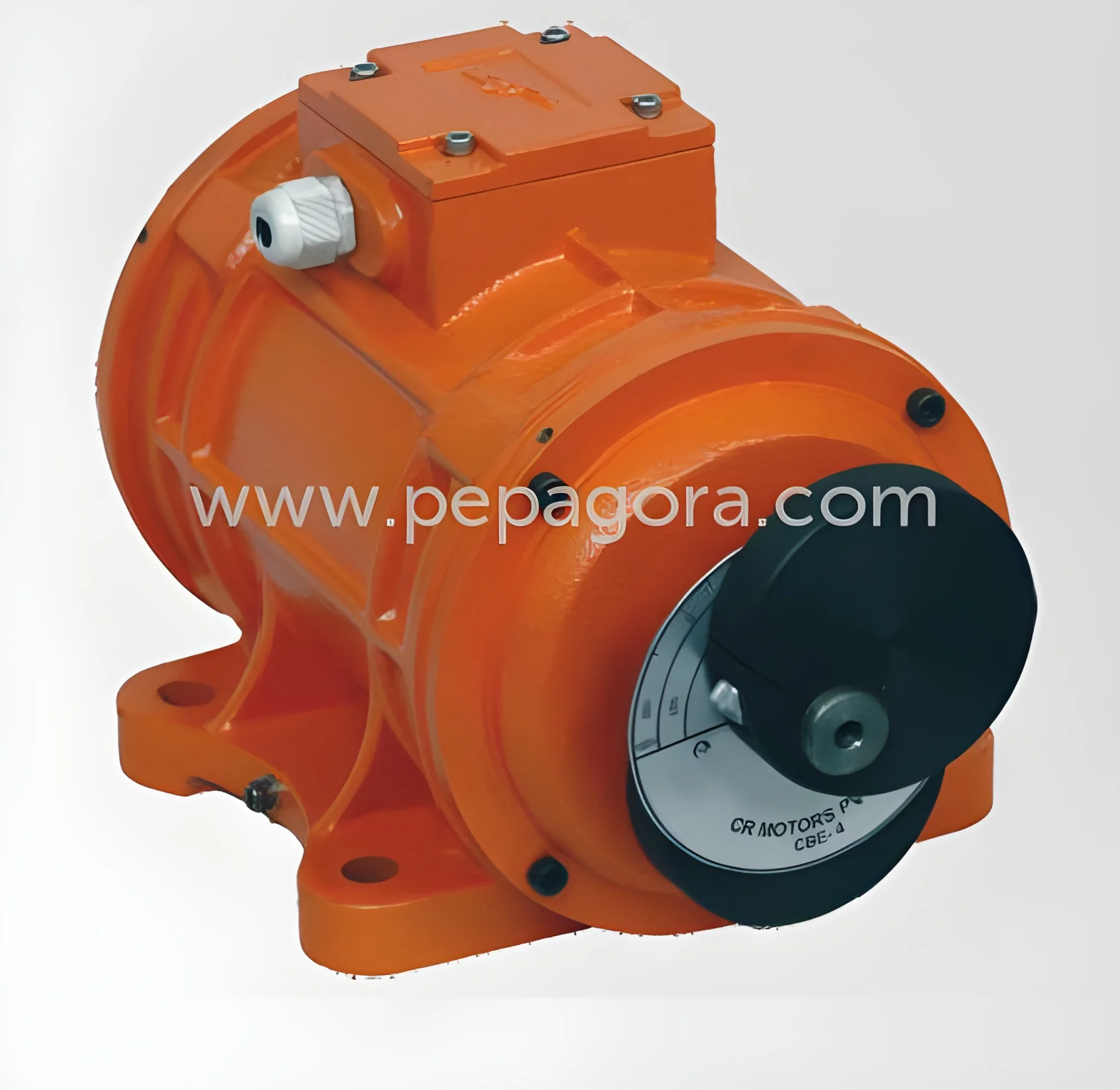
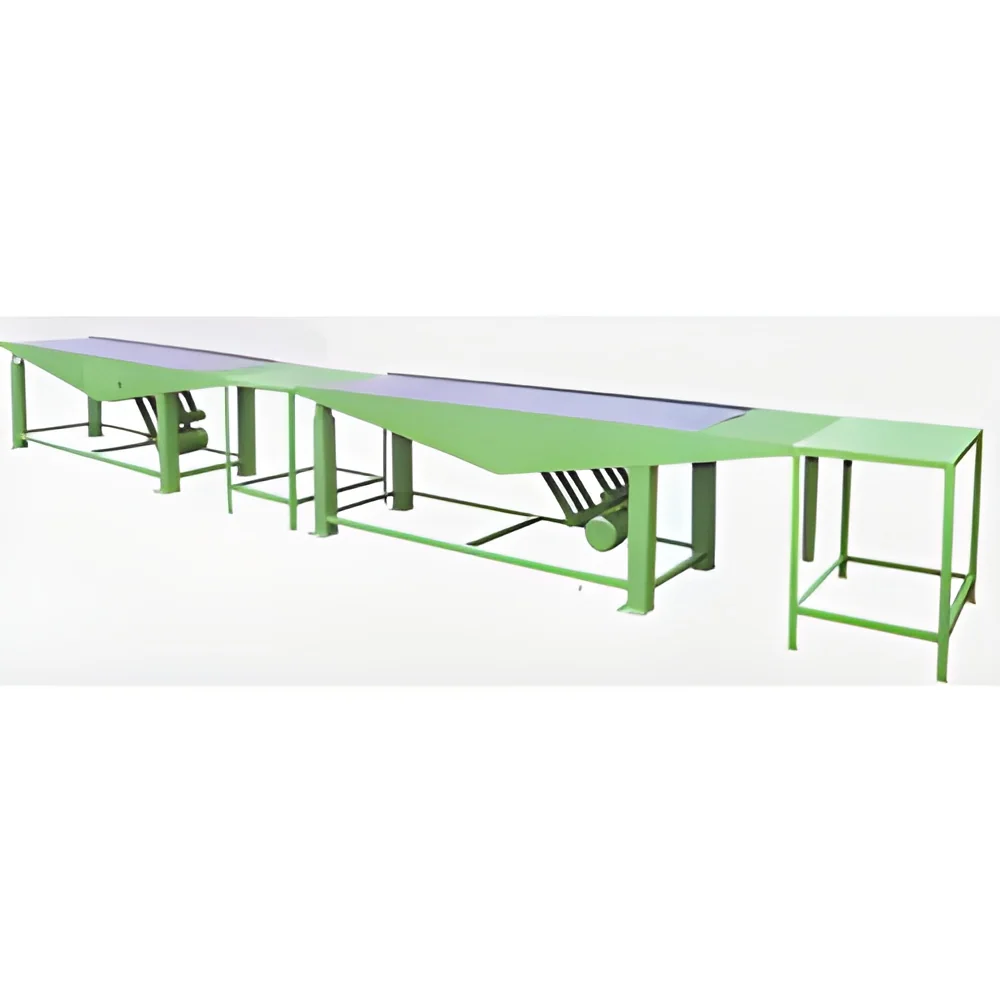
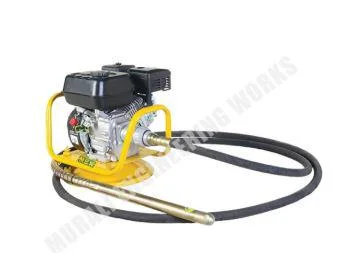
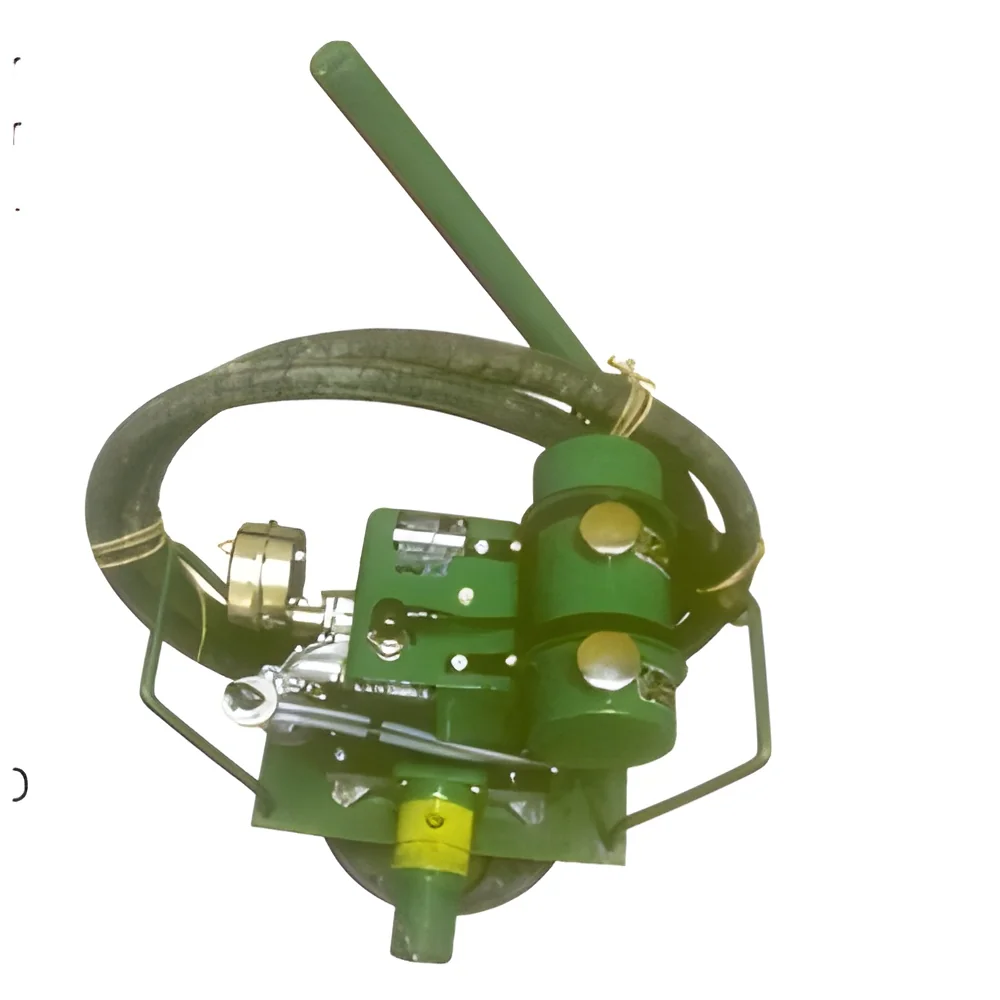
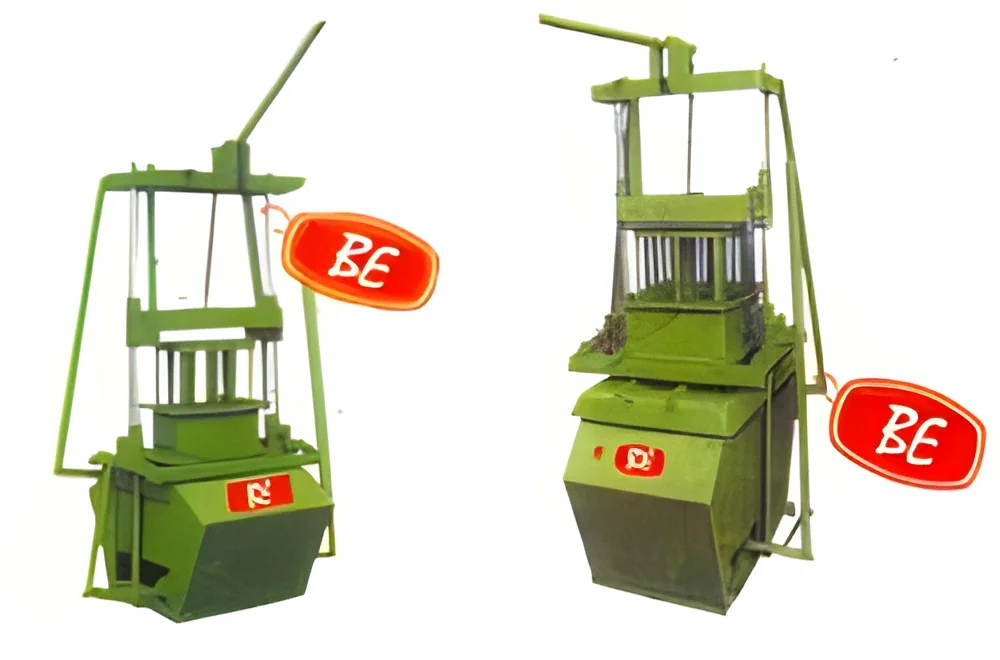
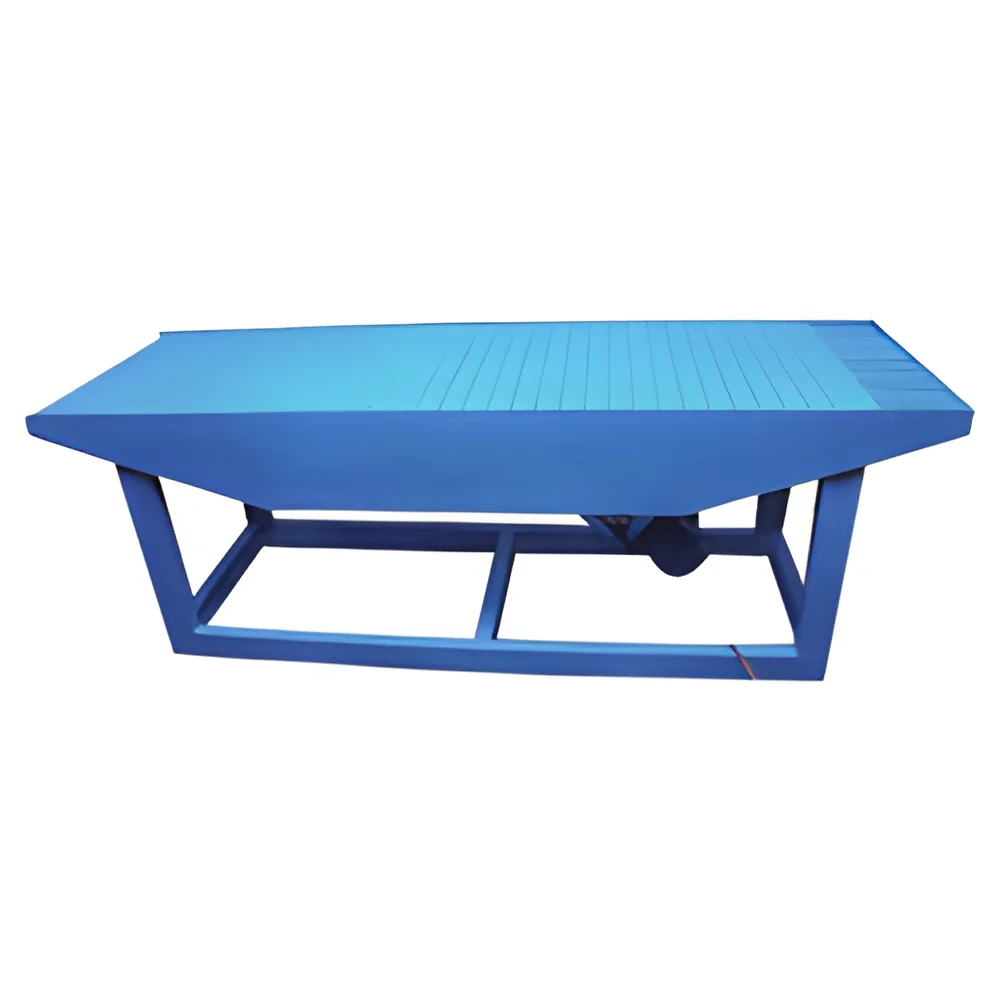
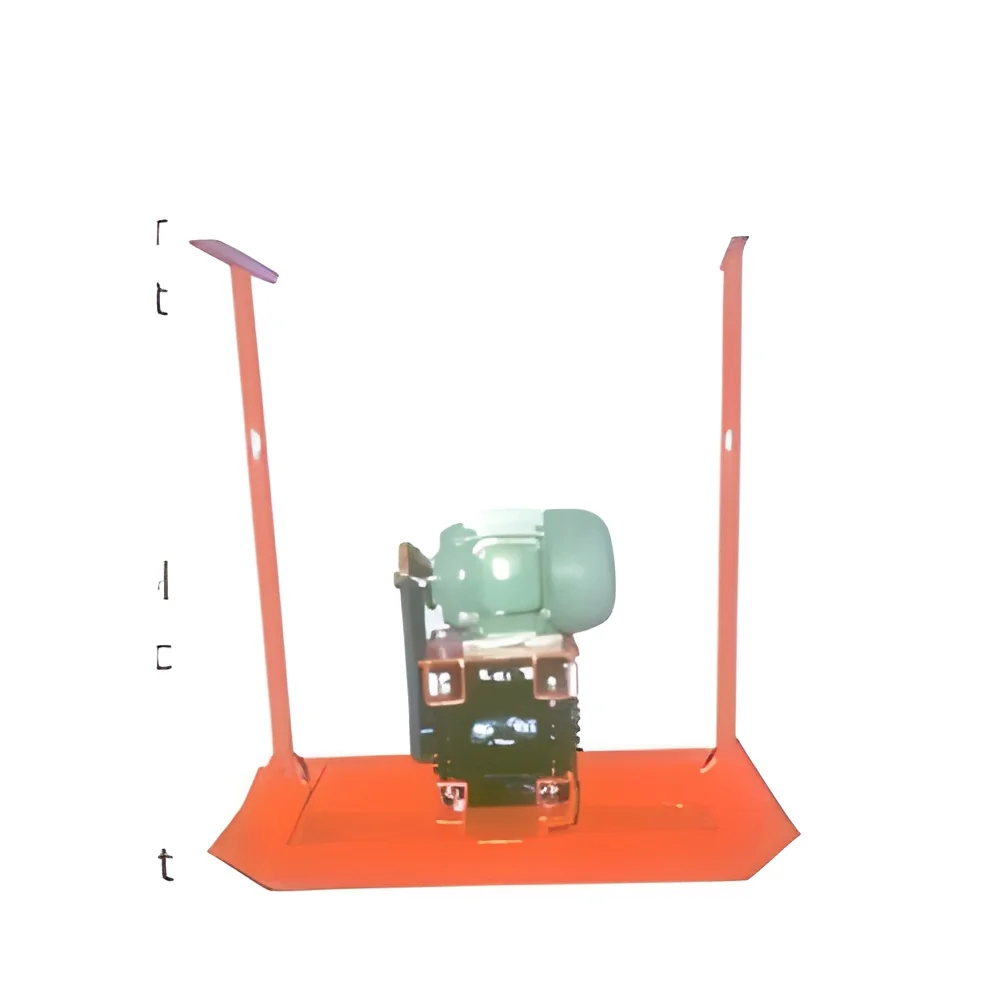
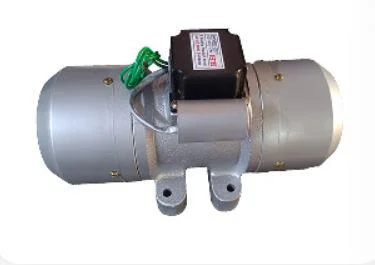
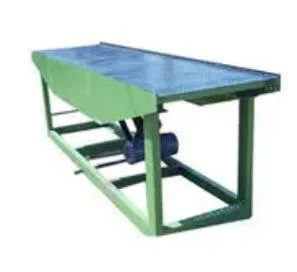
What are Concrete Vibrators?
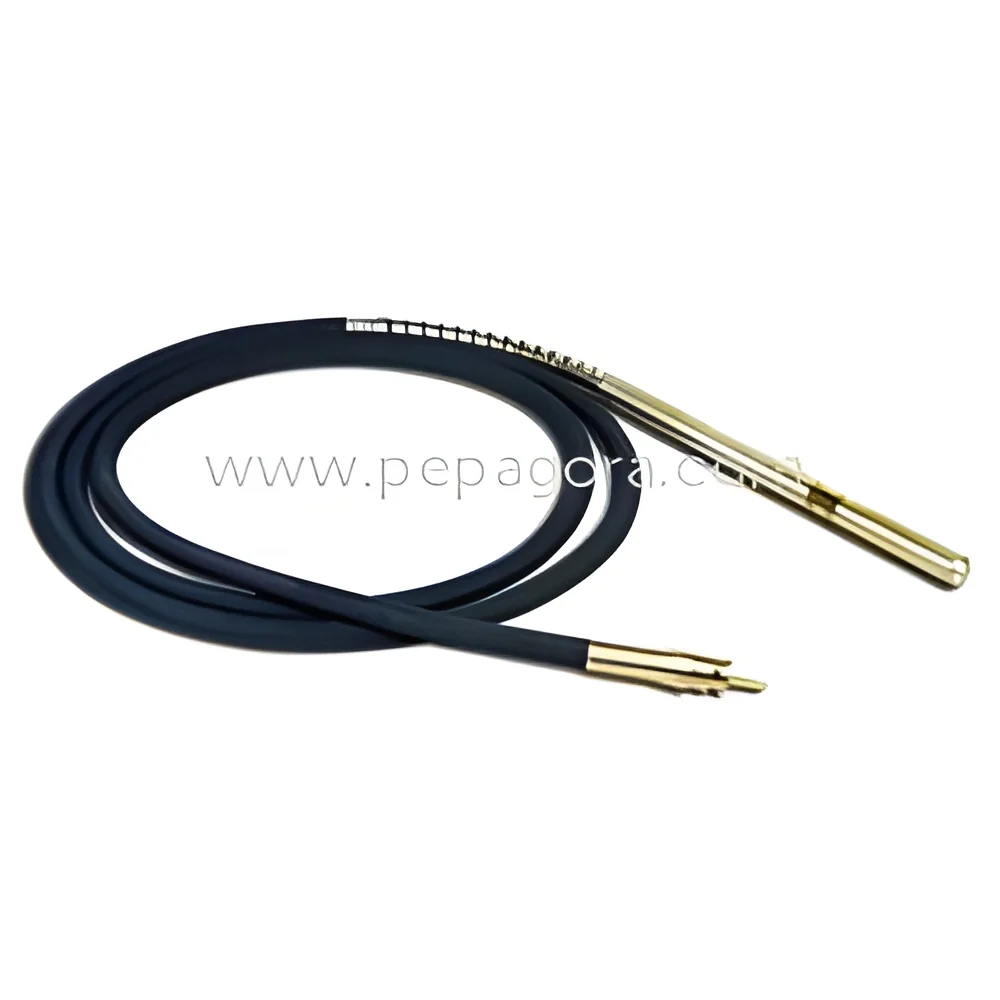
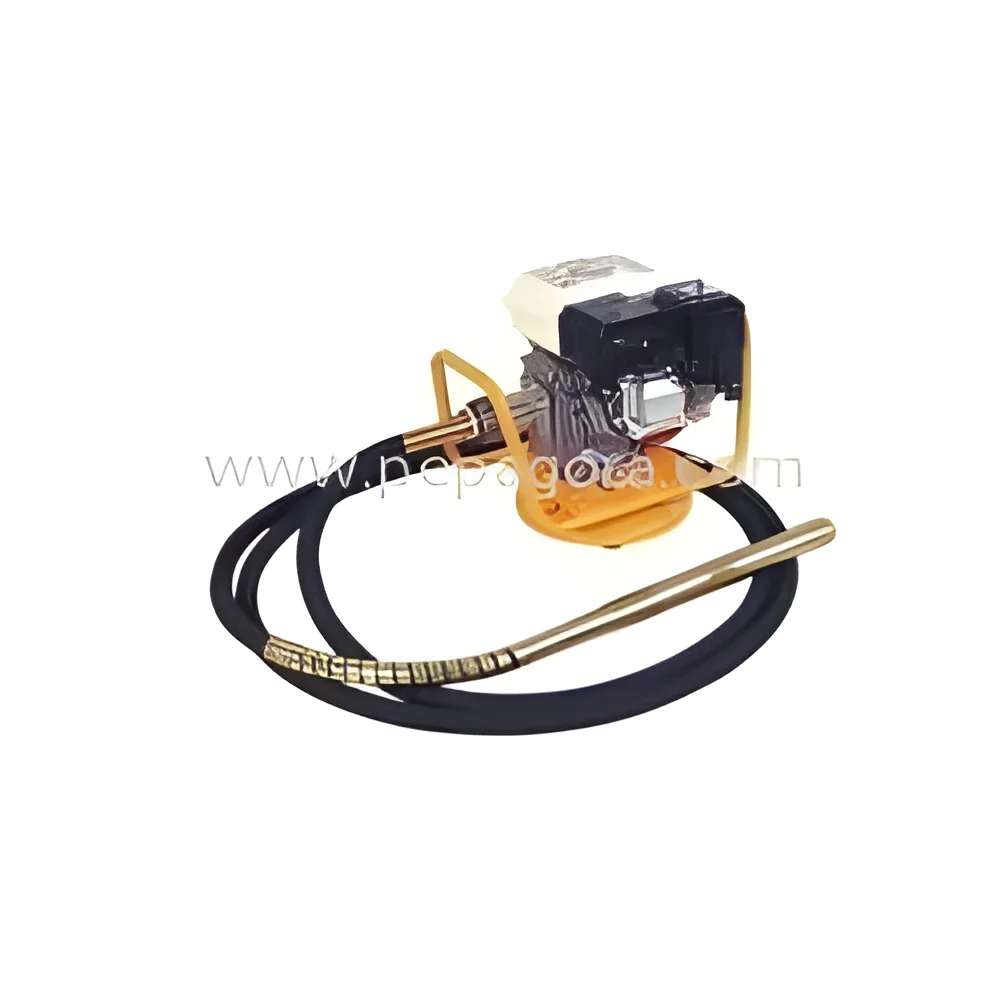
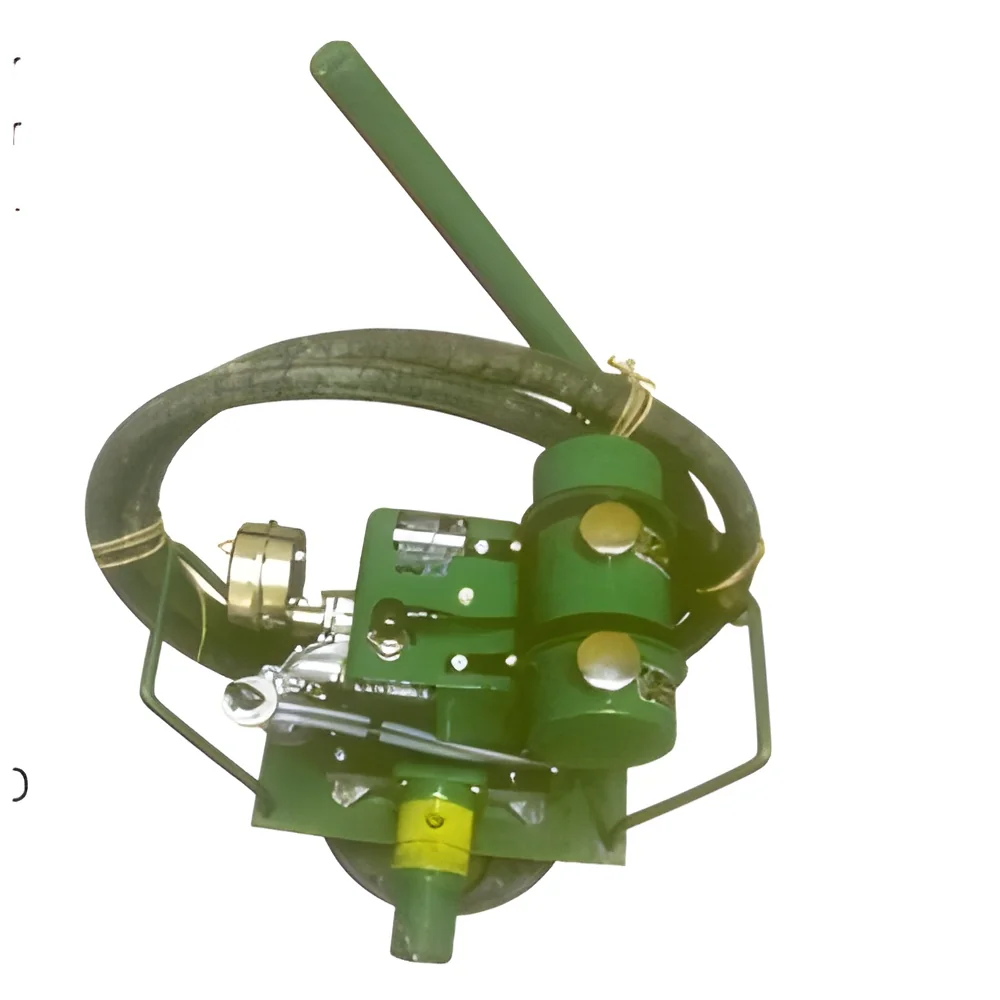
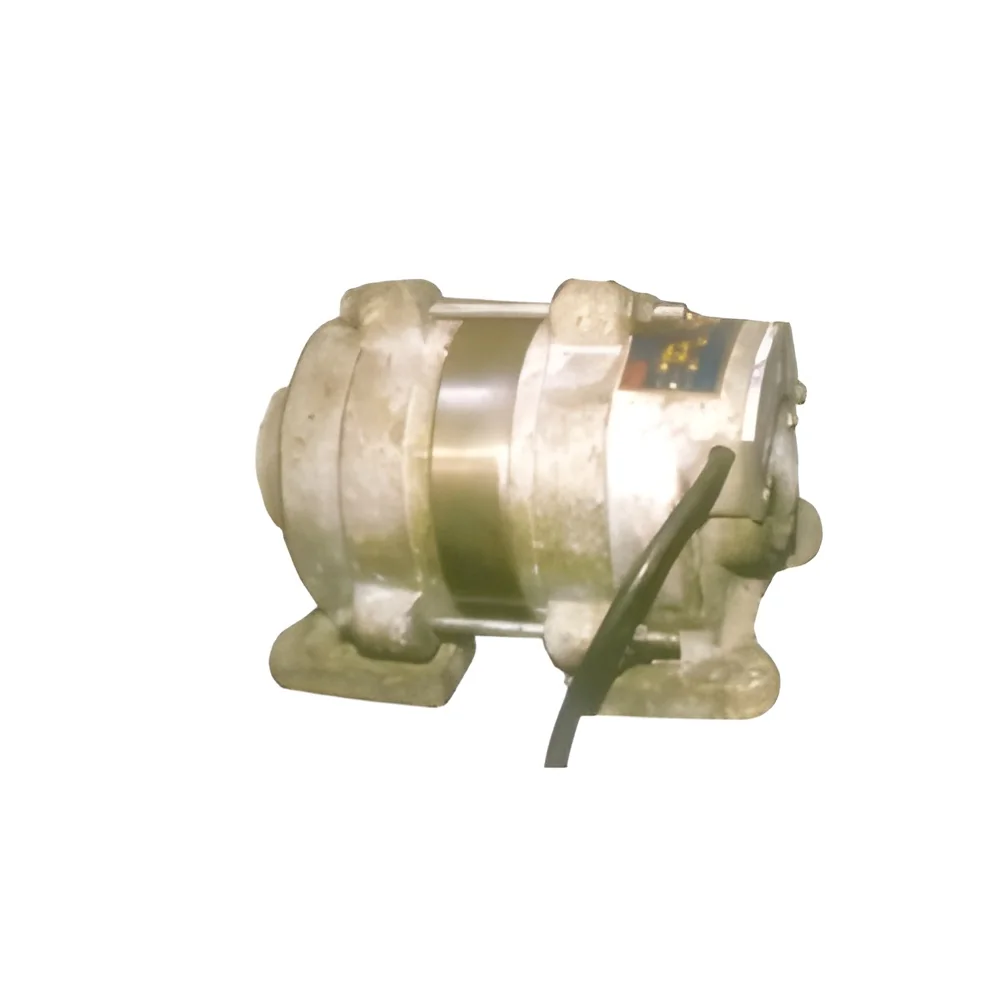
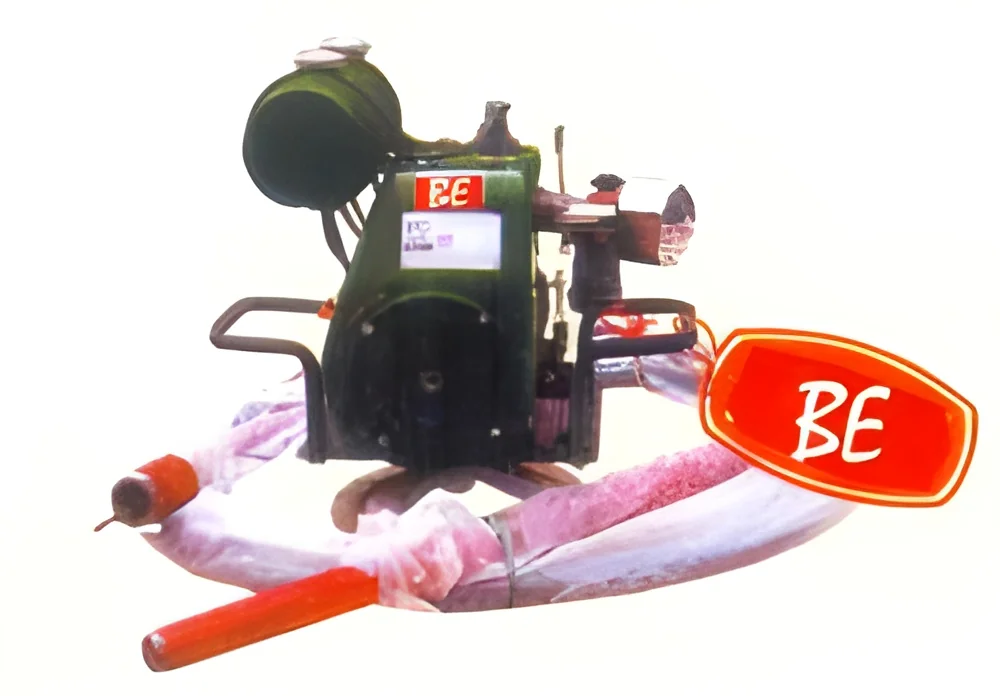
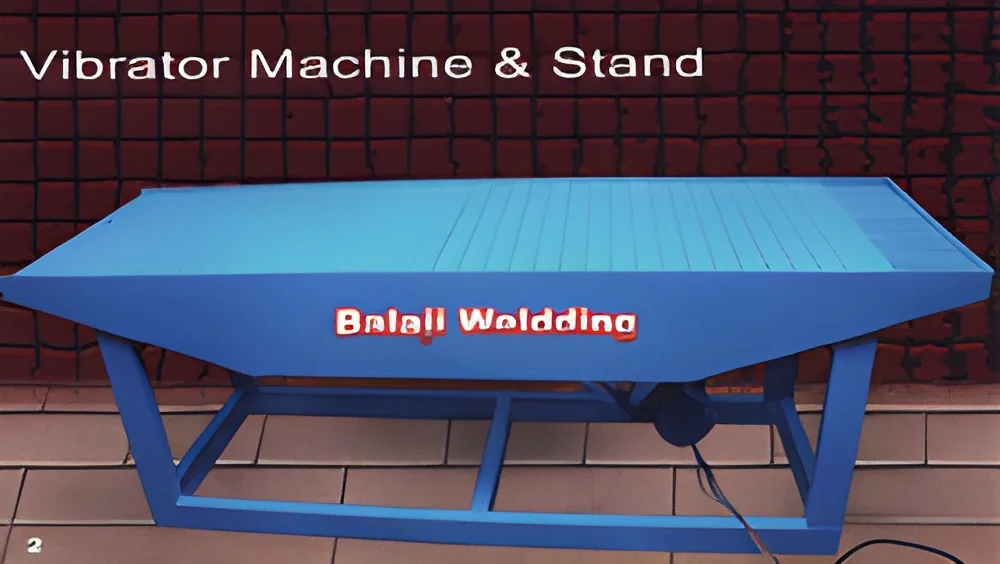
Concrete vibrators are specialized tools designed to enhance the consistency and strength of poured concrete by eliminating air pockets and ensuring proper compaction. These devices work by generating vibrations that cause the concrete mixture to flow and settle, allowing for a denser and more uniform finish. Concrete vibrators are essential for achieving high-quality concrete applications, as they minimize defects such as honeycombing and voids.
These tools are widely used in construction and civil engineering projects, including foundations, slabs, beams, and precast elements. The use of concrete vibrators is crucial in various business applications, as they help ensure that the concrete achieves the necessary strength and durability for structural integrity. Industries such as construction, infrastructure, and precast manufacturing heavily rely on concrete vibrators to meet project specifications and enhance overall productivity.
As the construction industry grows, the demand for efficient concrete placement tools like concrete vibrators continues to rise. This market is driven by the need for high-quality building materials and the increasing complexity of construction projects. As such, concrete vibrators play a vital role in meeting the stringent quality standards required in modern construction practices.
Key Features and Specifications
Concrete vibrators come with a range of features and specifications that cater to various project requirements. Understanding these key specifications can help buyers choose the right equipment for their needs.
Key specifications include:
1. Power Source
- Electric, gas, or pneumatic options are available
- Varying power outputs for different vibration intensities
2. Vibration Frequency
- Typically ranges from 12,000 to 20,000 vibrations per minute
- Higher frequencies result in better compaction and reduced air entrapment
3. Amplitude
- Measured in millimeters, indicating the distance the vibrator head moves
- Affects the efficiency of the compaction process
4. Weight
- Lightweight models are easier to maneuver
- Heavier models provide more powerful vibrations
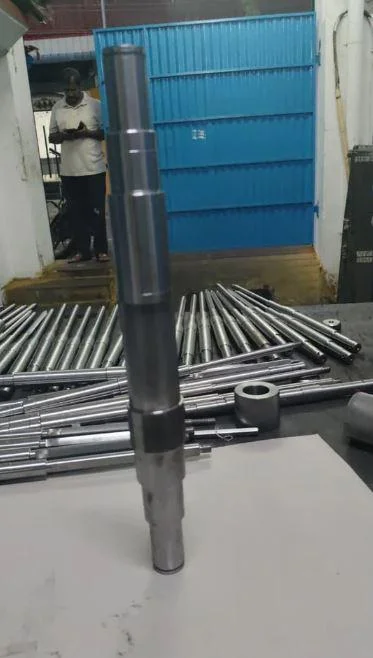
5. Shaft Length
- Available in various lengths to suit different application depths
- Longer shafts are ideal for deep pours and large structures
6. Durability
- Designed to withstand harsh job site conditions
- Materials used often include high-quality steel or reinforced plastics
7. Safety Features
- Equipped with overload protection mechanisms
- Provides ergonomic handles to ensure user comfort and safety
In summary, selecting the right concrete vibrator involves considering these specifications to match the specific needs of the project and ensure optimal performance.
Common Applications and Use Cases
Concrete vibrators serve a multitude of industries and applications, enhancing the quality of concrete work across various sectors.
1. Construction: In general construction, concrete vibrators are essential for ensuring proper compaction in foundations, slabs, and walls, which directly affects the structural integrity of buildings.
2. Infrastructure: For infrastructure projects such as bridges and highways, concrete vibrators ensure that large pours are evenly compacted, reducing the risk of long-term defects.
3. Precast Manufacturing: In precast concrete plants, vibrators are used to achieve uniformity in precast elements, such as beams and panels, ensuring they meet strict quality standards.
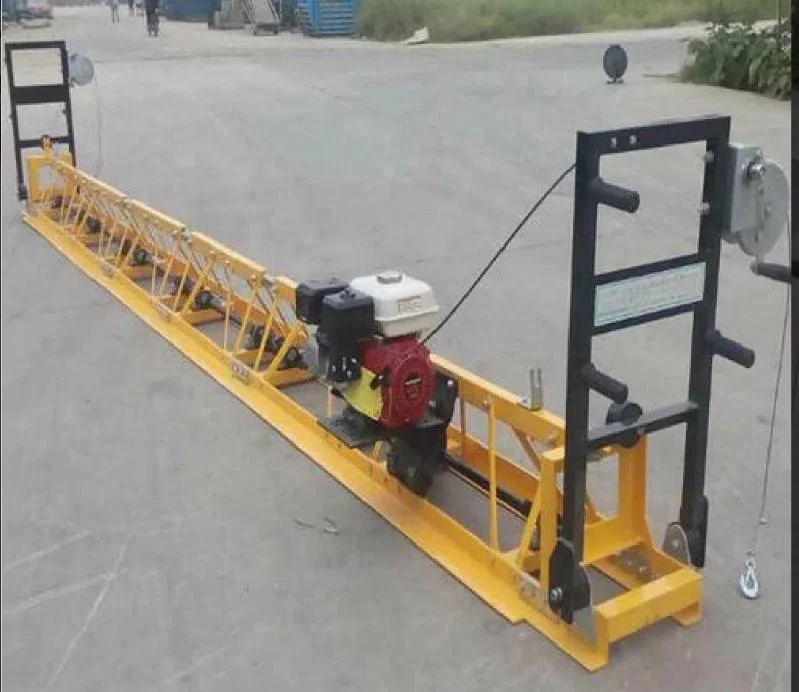
4. Roadwork: When constructing roads and pavements, concrete vibrators help in achieving a dense and smooth surface, leading to improved durability and longevity.
5. Civil Engineering: Large civil engineering projects often require the use of concrete vibrators to ensure that complex concrete structures are well-compacted and free of air pockets.
6. Repair Work: In concrete repair applications, vibrators can help consolidate new concrete when applied to existing structures, enhancing the bond and durability of the repair.
7. Decorative Concrete: For decorative applications, vibrators can assist in achieving a smooth finish for exposed aggregate surfaces, improving aesthetic appeal.
Product Variants and Subcategories
Concrete vibrators are available in various forms to cater to specific needs and preferences.
Electric Concrete Vibrators: These variants are powered by electricity, offering consistent performance and low maintenance. They are ideal for indoor applications where noise and emissions are concerns.
Gas-Powered Concrete Vibrators: These models are suitable for outdoor jobs where electricity may not be readily available. They provide a powerful vibration output and are often used in larger construction sites.
Pneumatic Concrete Vibrators: Utilizing compressed air, these vibrators are effective in remote locations where electricity is not accessible. They are known for their portability and ease of use.
Handheld Concrete Vibrators: Lightweight and easy to maneuver, these handheld devices are perfect for small to medium-sized jobs where precision is essential.
Benefits and Advantages
Concrete vibrators offer numerous benefits that enhance the efficiency and quality of concrete work.
1. Improved Compaction: Concrete vibrators eliminate air pockets, ensuring that the concrete is densely packed and structurally sound.
2. Enhanced Strength: Properly compacted concrete achieves greater strength and durability, reducing the likelihood of cracks and structural failures.
3. Time Efficiency: The use of concrete vibrators speeds up the setting process, allowing for faster project completion and reduced labor costs.
4. Versatility: Concrete vibrators can be used in various applications, making them suitable for a wide range of projects across different industries.
5. Quality Assurance: By ensuring uniformity in concrete mixtures, these tools help meet rigorous quality standards required in construction projects.
6. Reduced Waste: Effective compaction minimizes excess material use and ensures that the concrete achieves its intended specifications.
Buying Guide for B2B Buyers
When sourcing concrete vibrators, businesses should consider several key factors to ensure they select the most suitable equipment.
1. Quality Assessment: It is crucial to evaluate the construction quality and reliability of the vibrators. Look for reputable brands and read customer reviews to ensure the equipment meets industry standards.
2. Supplier Verification: Vetting suppliers is essential to ensure they have a track record of delivering high-quality products. Check for certifications and years of experience in the industry.
3. Pricing and MOQ: Understand the pricing structure and minimum order quantities (MOQ) to align with your budget and project needs. Comparison shopping can help identify the best value.
4. Delivery and Lead Times: Consider the logistics of procurement, including delivery times. Ensure that suppliers can meet your project timelines.
5. Compliance Requirements: Familiarize yourself with any regulatory compliance relevant to your region or industry standards. This may include safety certifications and environmental regulations.
Compliance and Certifications
Concrete vibrators must adhere to various quality standards to ensure safety and performance.
ISO 9001 is a widely recognized standard that outlines quality management principles. Manufacturers that comply with this standard demonstrate a commitment to maintaining high-quality production processes.
CE certification indicates that the concrete vibrators meet European safety and environmental requirements. This certification is crucial for companies operating within Europe or exporting to European markets.
Safety and testing requirements ensure that the vibrators are safe for use in the field. This includes testing for electrical safety, noise levels, and operational stability under various conditions.
Regional compliance considerations may vary, so it is essential to understand local regulations and standards that apply to concrete vibrators in your specific market.
Why Source Concrete Vibrators from Pepagora?
Pepagora provides a trusted platform for sourcing concrete vibrators, offering several key advantages to buyers.
Verified Supplier Network: Pepagora has established a robust network of verified suppliers. This ensures that buyers can access high-quality products from reputable manufacturers who meet industry standards.
Streamlined RFQ Process: The request for quotation (RFQ) process on Pepagora is designed to be efficient and user-friendly. Buyers can easily submit their requirements and receive competitive quotes from multiple suppliers.
Trade Assurance and Support: Pepagora offers buyer protection measures, ensuring that transactions are secure and that buyers receive the products as promised. This support fosters trust and reliability in the procurement process.
Regional Coverage: With a strong presence in India, the GCC, and Southeast Asia, Pepagora provides extensive geographic coverage. This allows buyers to source concrete vibrators from a diverse range of suppliers, tailored to their specific regional needs.

 IN
IN