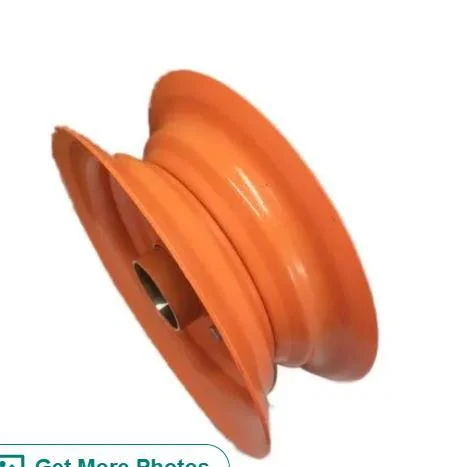
What are Wheel Loaders?
Wheel Loaders are heavy equipment machines primarily used for loading, moving, and transporting materials in various industrial settings. These machines are equipped with a front-mounted bucket that can scoop, lift, and carry heavy loads, making them essential for construction, mining, and agricultural operations. The versatility of wheel loaders allows them to handle a variety of tasks, such as digging, grading, and material handling, thanks to their robust design and powerful engines.
In terms of business applications, wheel loaders are commonly utilized in construction sites for earthmoving, in quarries for material handling, and in waste management for loading and transporting debris. Their capability to perform multiple functions using different attachments enhances their value across various sectors. The wheel loader market has seen significant growth due to increasing infrastructure development and the rising need for efficient material handling solutions, establishing these machines as vital assets in many industries.
Key Features and Specifications
Wheel Loaders come equipped with a range of features designed to enhance performance, efficiency, and operator comfort. Understanding these specifications is crucial for potential buyers to ensure they select the right machine for their needs.
Key specifications include:
1. Engine Power
- Typically ranges from 80 to 600 horsepower
- Determines the loader's lifting capacity and operational efficiency
2. Loading Capacity
- Commonly ranges from 1 to 6 cubic yards
- Indicates the volume of materials the loader can handle in a single scoop
3. Operating Weight
- Varies from 5,000 to 50,000 pounds
- Affects stability and traction during operation
4. Bucket Width
- Usually ranges from 60 to 120 inches
- Influences the type of materials that can be loaded
5. Lift Height
- Generally between 8 to 20 feet
- Determines the maximum height at which materials can be dumped
6. Transmission Type
- Options include hydrostatic and planetary gear
- Impacts the loader's speed and maneuverability
7. Fuel Capacity
- Often between 20 to 100 gallons
- Affects operational duration before refueling
8. Tire Type
- Options include standard, heavy-duty, and all-terrain
- Influences performance on different surfaces and terrains
These specifications play a critical role in determining the overall effectiveness of a wheel loader in various applications.
Common Applications and Use Cases
Wheel Loaders are utilized across a wide range of industries due to their versatility and efficiency.
1. Construction: In construction, wheel loaders are essential for moving earth, loading materials, and preparing sites for building projects.
2. Mining: Mining operations use wheel loaders to transport ore and other materials from extraction sites to processing areas.
3. Agriculture: Farmers employ wheel loaders for tasks such as moving feed, loading grain, and handling bulk materials across their land.
4. Waste Management: These machines are used in recycling centers and landfills to load and transport waste materials efficiently.
5. Landscaping: Landscape professionals use wheel loaders to move soil, gravel, and other materials for various projects, including gardens and parks.
6. Forestry: In forestry operations, wheel loaders assist in transporting logs and other heavy materials from harvesting areas.
7. Cement and Aggregate: These loaders play a critical role in loading and moving cement and aggregate materials for construction and manufacturing processes.
Product Variants and Subcategories
Wheel Loaders come in various configurations to meet diverse operational needs.
Compact Wheel Loaders
These loaders are designed for smaller spaces and are ideal for landscaping and residential projects. They offer enhanced maneuverability without sacrificing power.
Standard Wheel Loaders
Standard models are versatile machines suitable for most construction and industrial applications. They balance power and size, making them ideal for a wide range of tasks.
Large Wheel Loaders
These heavy-duty machines are built for high-capacity operations, such as mining and large-scale construction projects. They offer superior lifting capabilities and durability.
Benefits and Advantages
Wheel Loaders provide numerous benefits that enhance productivity and operational efficiency.
1. Versatility: Wheel loaders can perform multiple tasks with different attachments, making them suitable for various applications.
2. Increased Efficiency: Designed for high performance, these machines can move large volumes of materials quickly, reducing time on the job.
3. Operator Comfort: Modern wheel loaders come with ergonomic designs that enhance operator comfort and reduce fatigue during long working hours.
4. Low Maintenance Costs: With durable construction and reliable performance, wheel loaders often incur lower maintenance costs over their lifespan.
5. Enhanced Safety Features: Many models include advanced safety features, such as backup alarms and stability control systems, ensuring safe operation.
6. Fuel Efficiency: Many newer models are designed to consume less fuel while maximizing power output, contributing to lower operational costs.
Buying Guide for B2B Buyers
When sourcing Wheel Loaders, it is essential to consider several critical factors to ensure a successful purchase.
1. Quality Assessment: Evaluate the build quality and performance specifications of the wheel loader. Look for models that meet industry standards and have positive reviews from other users.
2. Supplier Verification: Conduct thorough background checks on suppliers to ensure they are reputable and reliable. Verify their certifications and customer feedback.
3. Pricing and MOQ: Understand the pricing structure and minimum order quantities from suppliers. Compare quotes to ensure competitive pricing without compromising on quality.
4. Delivery and Lead Times: Discuss logistics with suppliers to ascertain delivery schedules. Ensure that lead times align with project timelines to avoid delays.
5. Compliance Requirements: Familiarize yourself with any regulatory compliance needs specific to your industry, including safety standards and environmental regulations.
Compliance and Certifications
Compliance with quality standards and certifications is vital in the wheel loader industry. Many manufacturers aim to meet ISO 9001 standards, which ensure consistent quality management and performance.
Additionally, wheel loaders often carry industry certifications such as CE, indicating compliance with European safety and environmental requirements. This certification assures buyers of the machine's safety and reliability.
Safety and testing requirements are critical to ensuring that wheel loaders operate effectively and safely under various conditions. It is essential to be aware of regional compliance considerations, which may vary by country and affect operational practices.
Why Source Wheel Loaders from Pepagora?
Pepagora offers a trusted platform for sourcing Wheel Loaders, providing several key advantages to buyers.
Verified Supplier Network: Our platform features a network of thoroughly vetted suppliers, ensuring that buyers can access high-quality products with confidence.
Streamlined RFQ Process: Pepagora simplifies the request for quotation process, allowing buyers to easily compare offers from multiple suppliers and select the best options for their needs.
Trade Assurance and Support: With trade assurance and dedicated support, buyers can feel secure in their transactions, knowing they have access to assistance throughout the purchasing process.
Regional Coverage: Pepagora provides extensive geographical reach across India, the GCC, and Southeast Asia, making it easier for businesses to find and procure wheel loaders that meet their specific needs.

 IN
IN