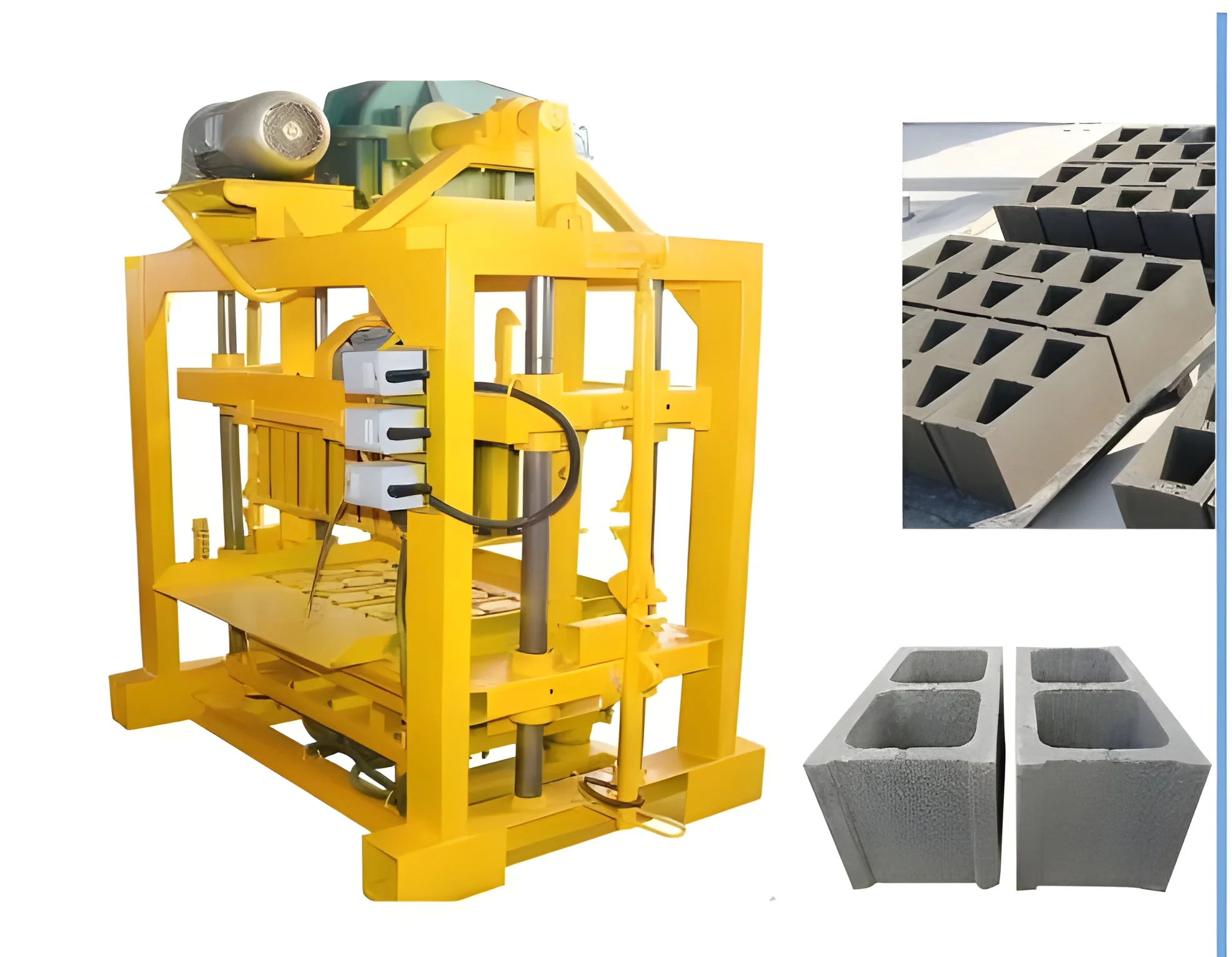
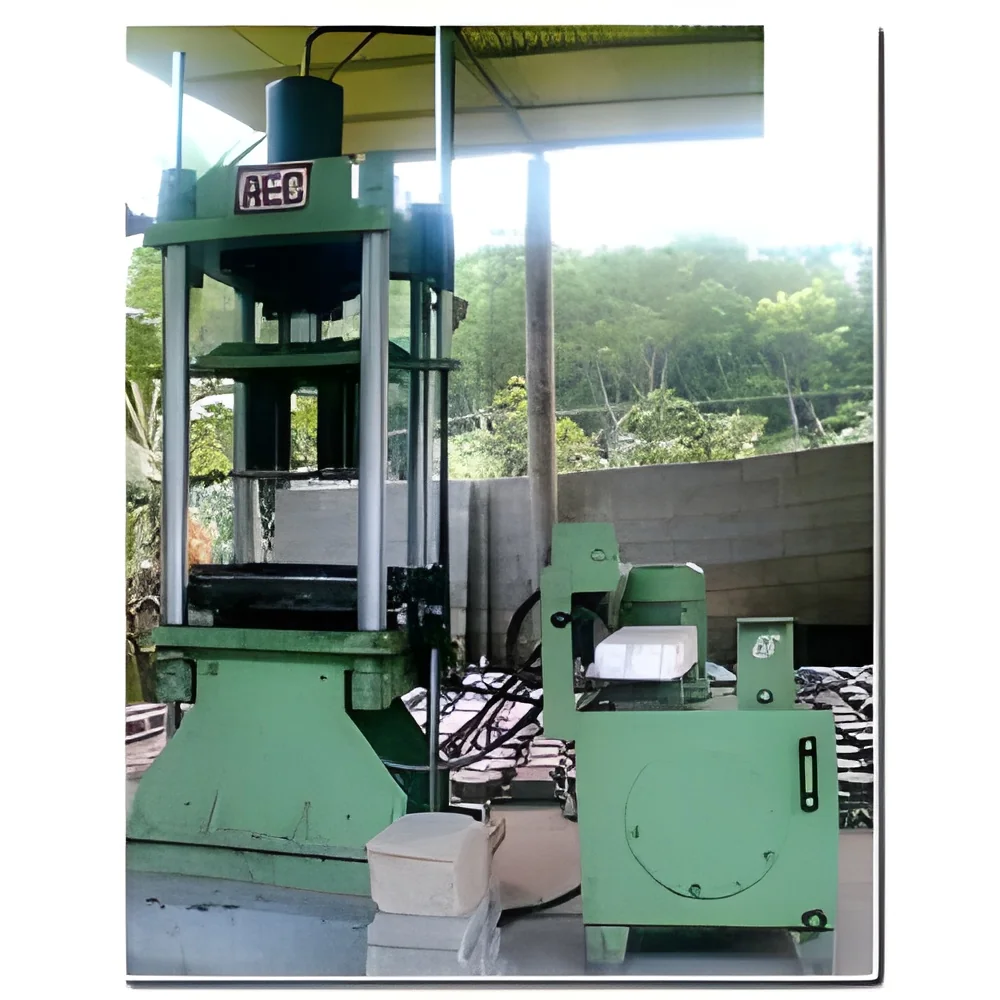
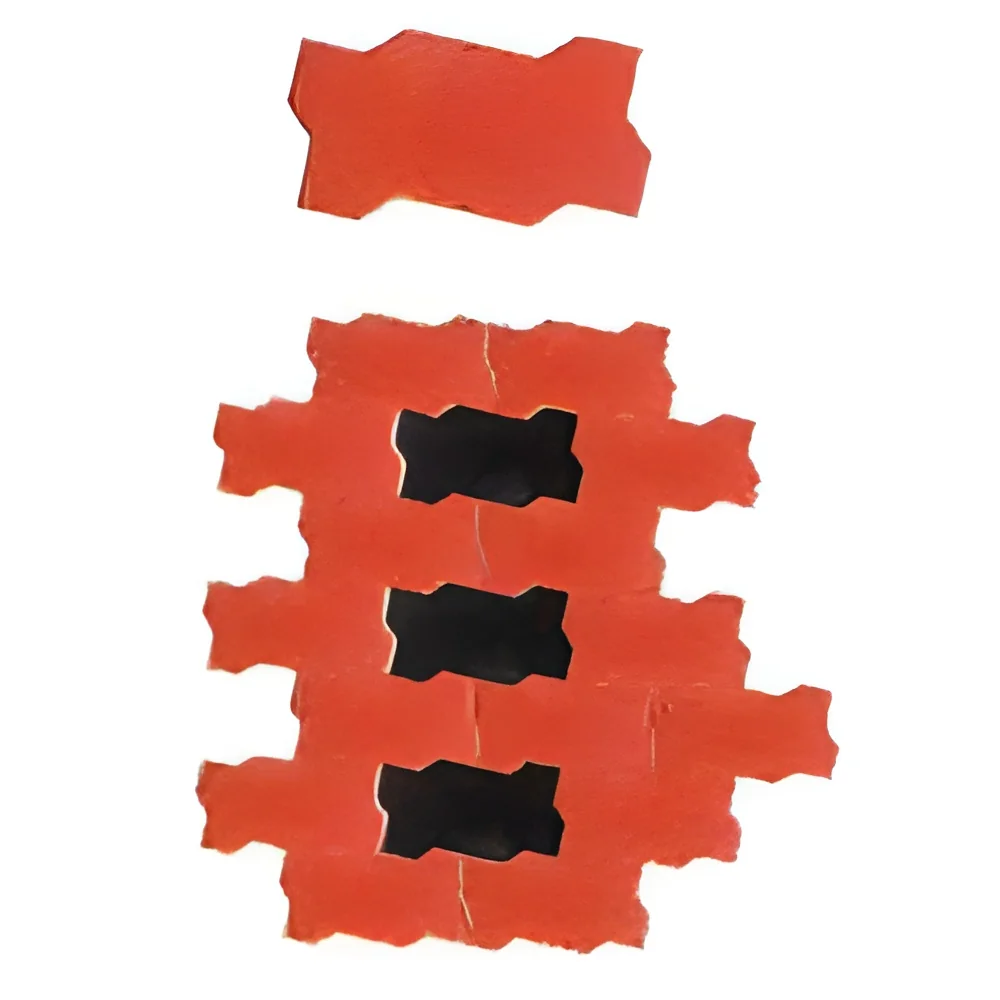
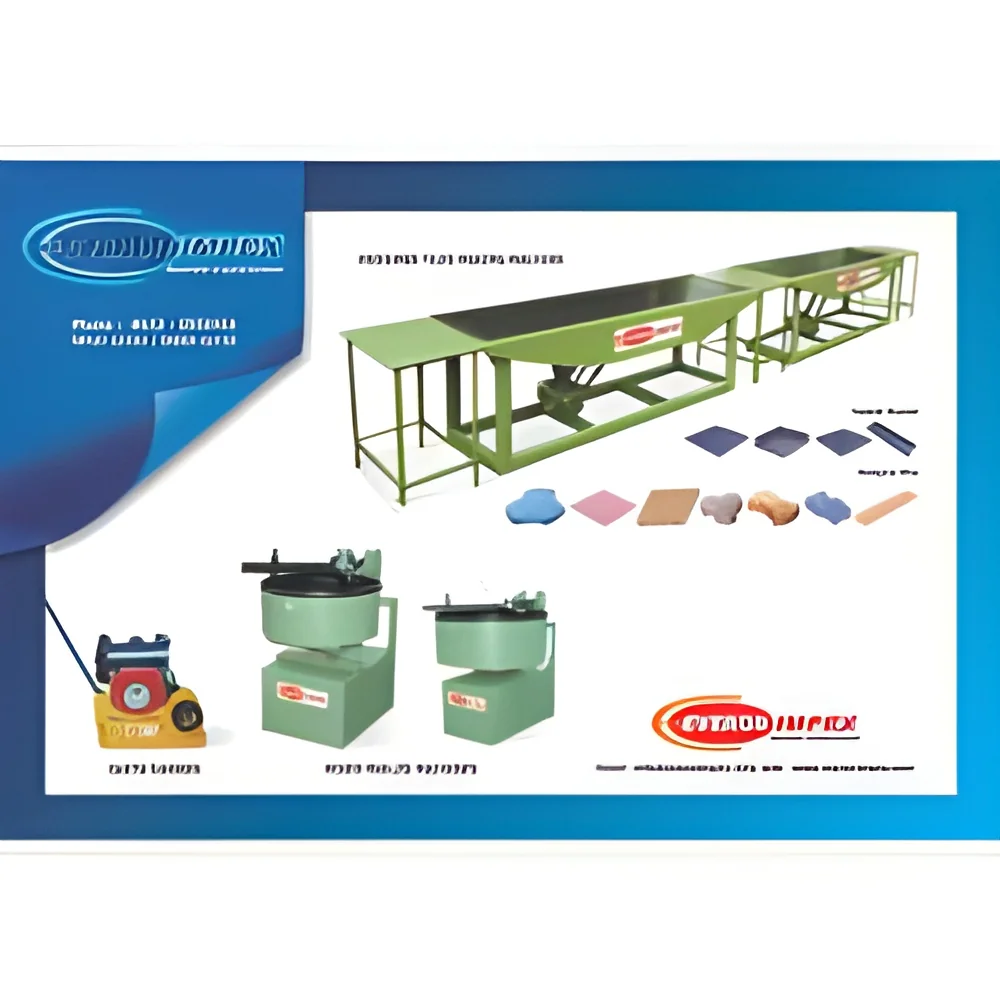
What are Pavers?
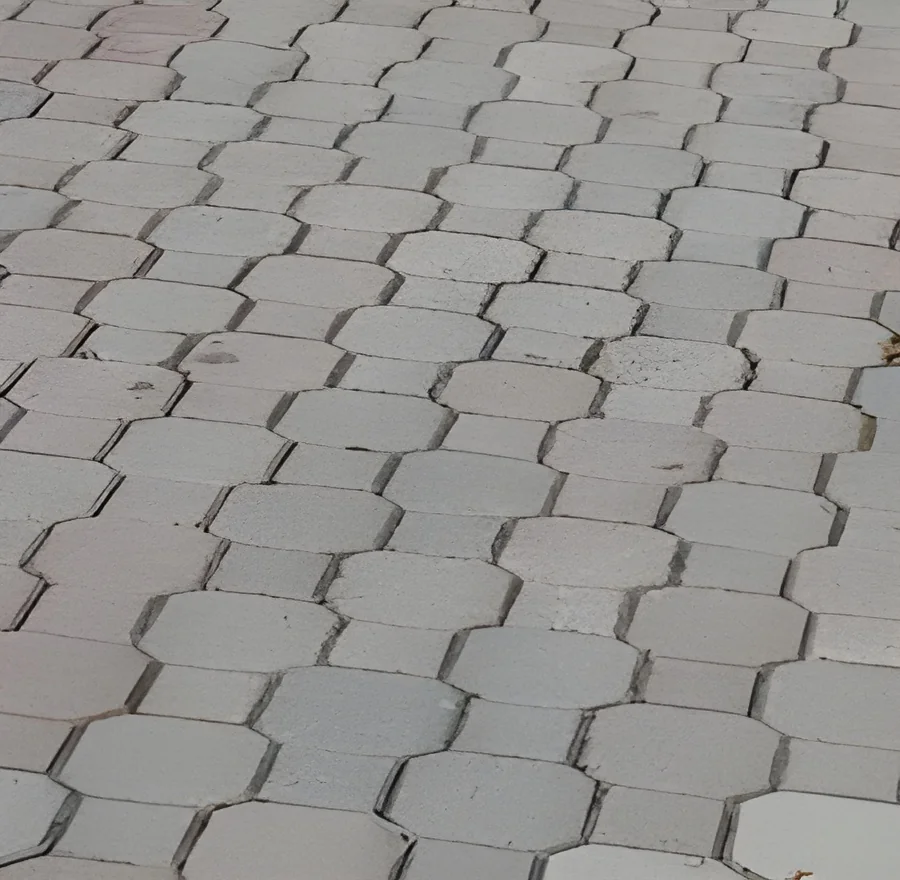
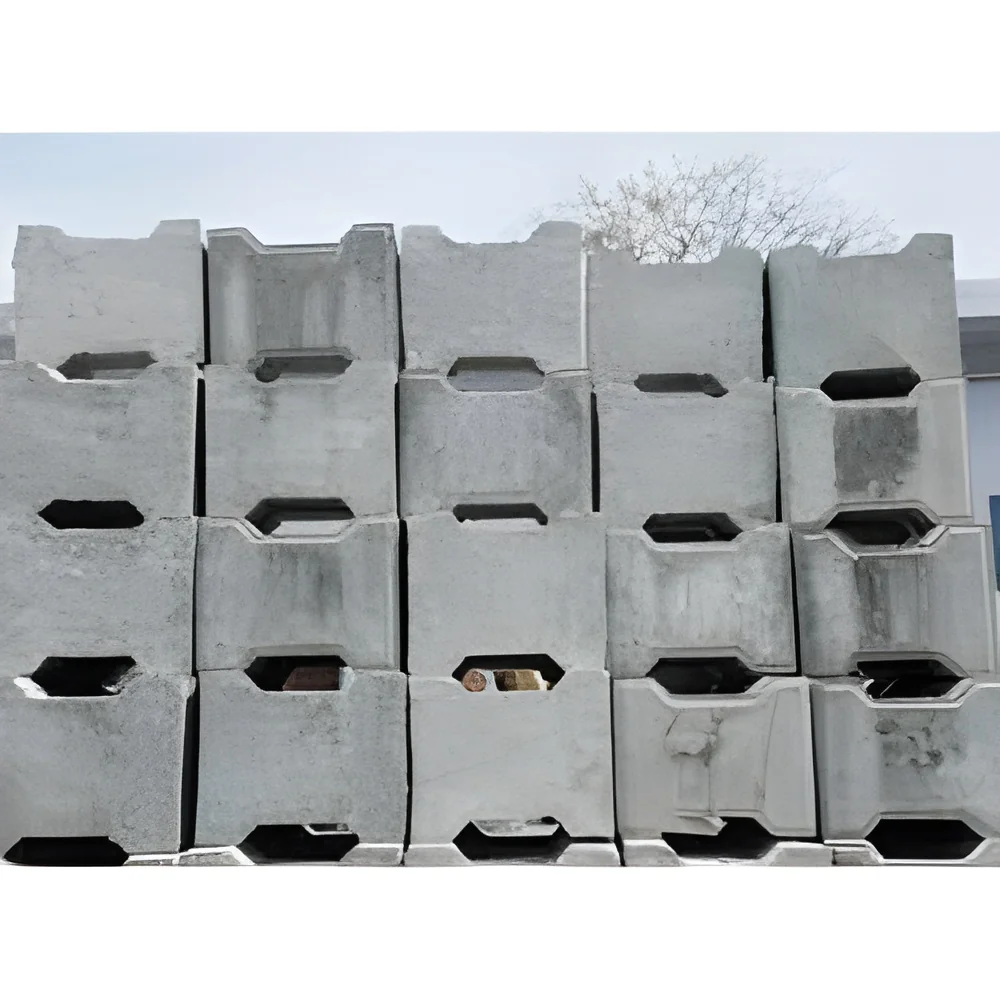
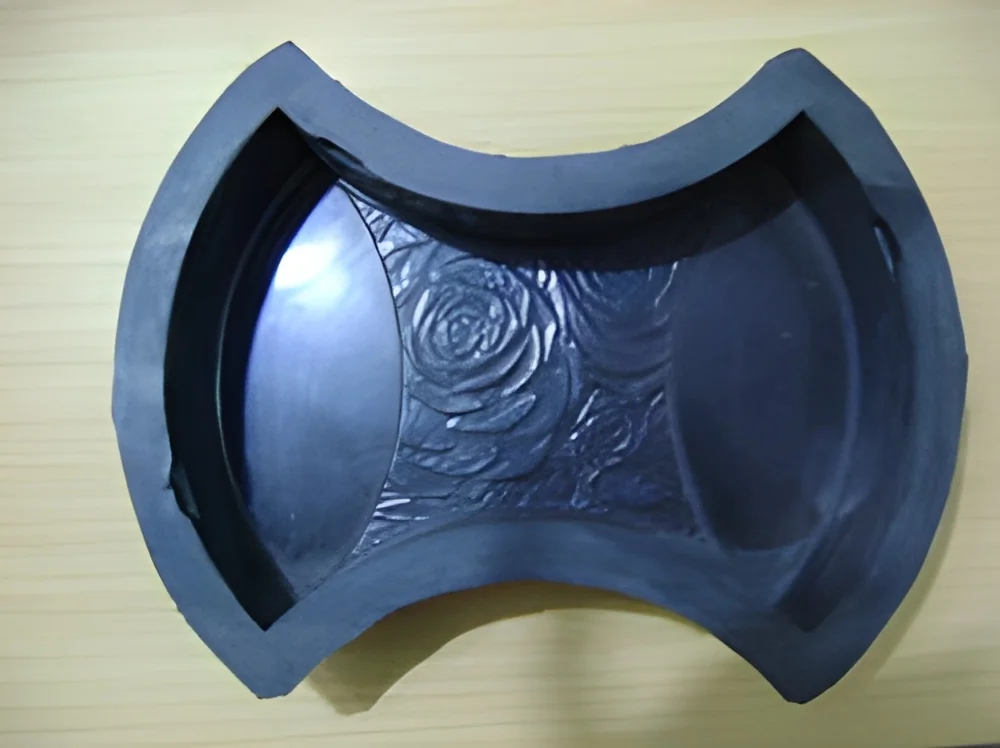
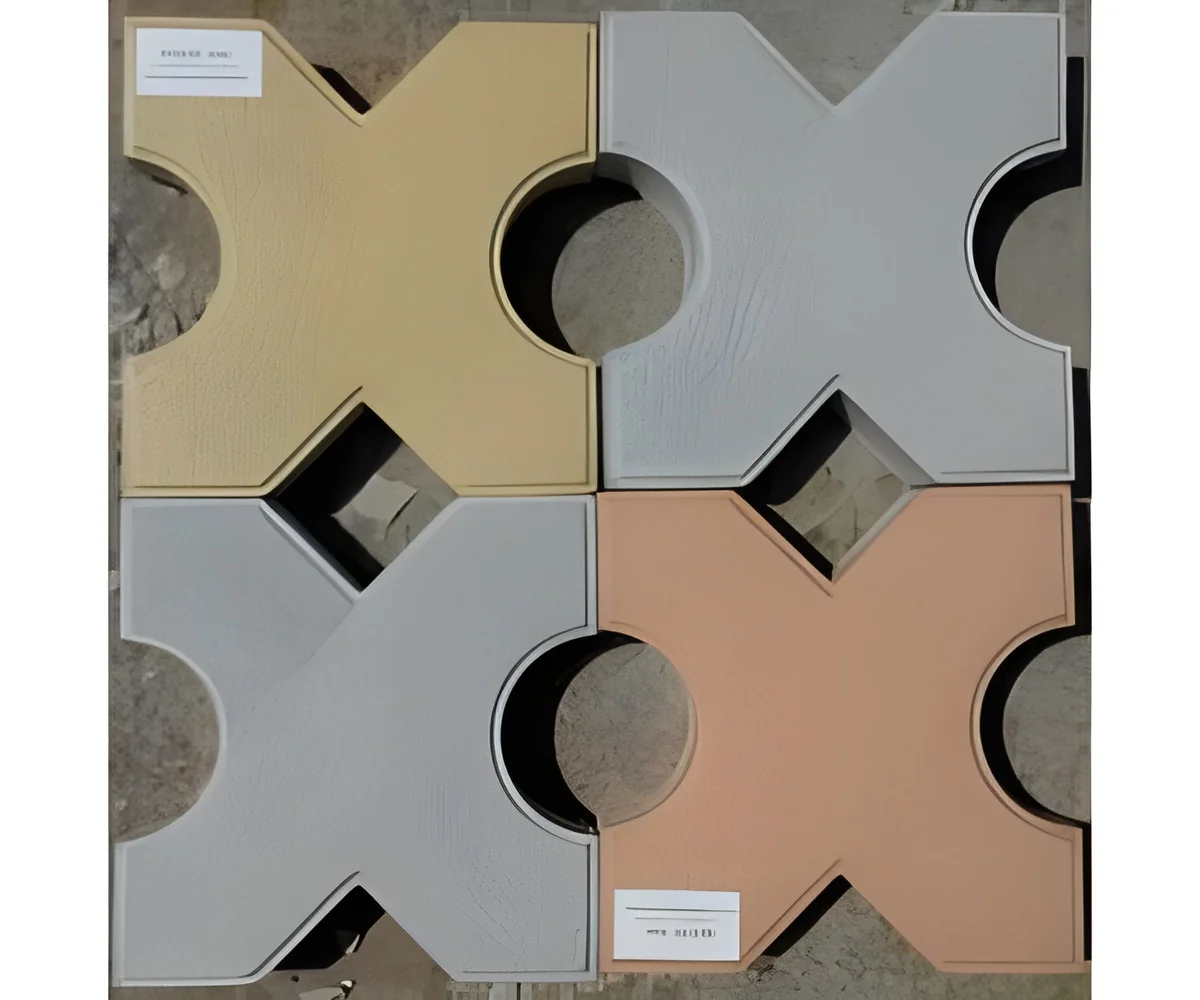
Pavers are durable, prefabricated blocks made from various materials, including concrete, brick, and stone, designed for use in outdoor surfaces. They are manufactured in a range of shapes, sizes, and colors, allowing for versatile design options. Pavers are interlocking pieces that create a strong surface for driveways, walkways, patios, and other outdoor areas, providing both functionality and aesthetic appeal.
The primary uses of pavers extend across numerous business applications, from residential landscaping to commercial construction. Pavers are frequently utilized in urban planning for pedestrian walkways, parking lots, and public spaces. They offer a practical solution for managing surface water runoff, making them ideal for sustainable construction practices. The demand for pavers continues to grow due to their eco-friendly properties and the increasing emphasis on outdoor living spaces.
In the context of industry relevance, the paver market is influenced by trends in landscaping and urban development. As cities expand and the focus on green spaces increases, the use of pavers in both public and private projects becomes increasingly significant. This growth is supported by a push for durable and attractive surface materials that enhance property value and usability.
Key Features and Specifications
Pavers are designed with several key features that contribute to their performance and versatility. Understanding these specifications is essential for making informed purchasing decisions.
Key specifications include:
1. Material Type
- Options include concrete, clay, and natural stone.
- Each material offers distinct characteristics such as strength, appearance, and cost.
2. Size and Shape
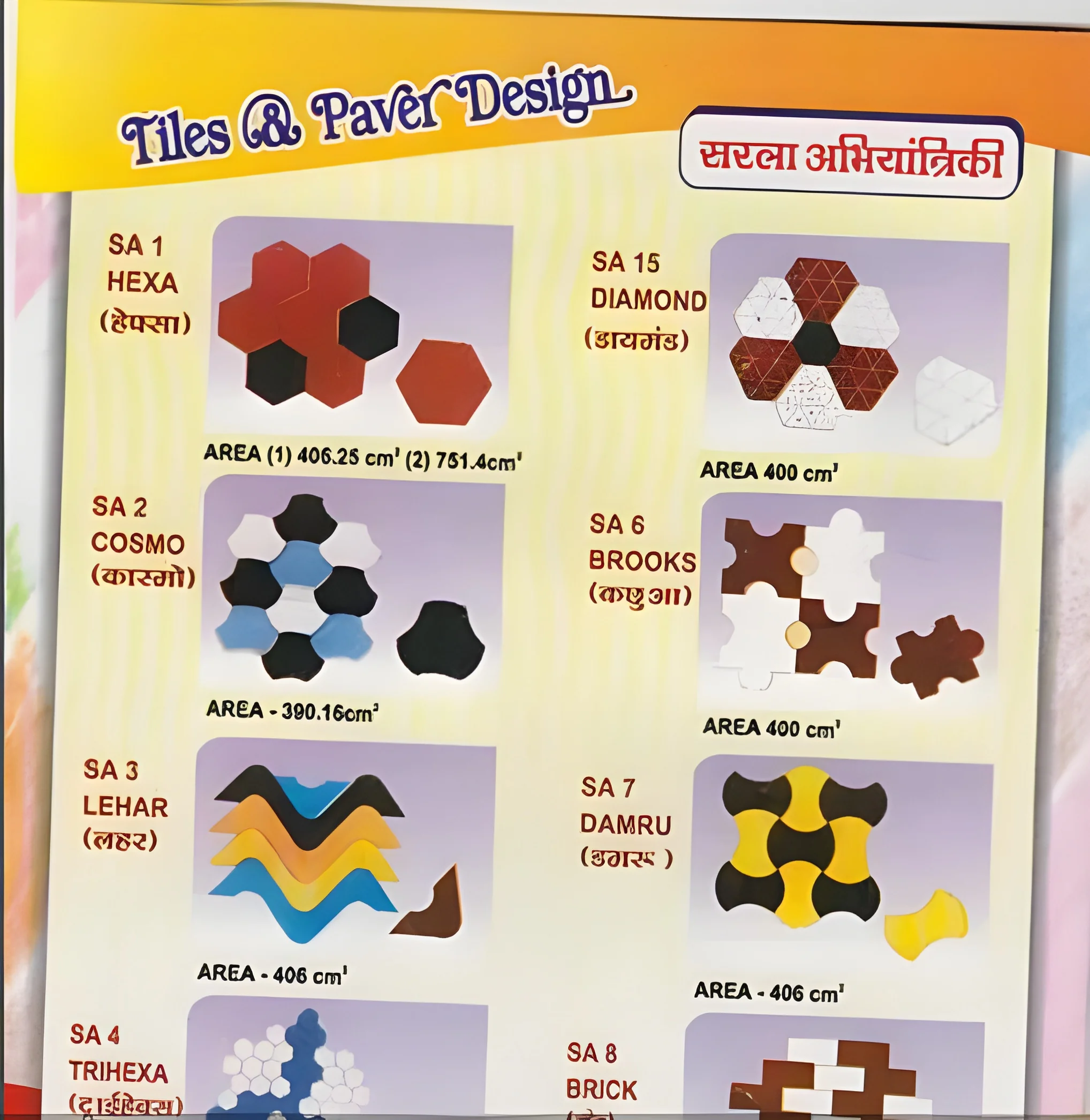
- Available in various dimensions and forms including square, rectangular, and custom shapes.
- Common sizes range from 4x4 inches to 24x24 inches.
3. Thickness
- Standard thicknesses vary from 1.5 inches to 3 inches depending on intended use.
- Thicker pavers are typically used for heavy-duty applications.
4. Color and Finish
- Available in multiple colors and finishes, including textured, smooth, and stamped.
- Color options allow for customization to suit design preferences.
5. Load-Bearing Capacity
- Designed to support various weight loads based on application.
- Typical load capacities can range from 1,000 to 10,000 pounds per square foot.
6. Slip Resistance
- Pavers can feature textured surfaces for enhanced grip.
- Important for safety in wet or icy conditions.
7. Installation Method
- Can be set in sand, mortar, or concrete bases.
- Flexible installation options cater to diverse project requirements.
8. Lifespan
- Pavers generally have a long lifespan, often exceeding 20 years with proper maintenance.
- Durability against weather conditions and wear is a key advantage.
In summary, understanding the features and specifications of pavers aids in selecting the right product for various applications and ensures long-term satisfaction.
Common Applications and Use Cases
Pavers find extensive use across different industries, offering solutions for a variety of environments.
1. Landscaping: Pavers are frequently used in residential gardens and outdoor patios, providing a beautiful and functional surface for outdoor activities and gatherings.
2. Commercial Properties: Many businesses utilize pavers for parking lots and walkways, enhancing the aesthetic appeal while ensuring durability under heavy traffic.
3. Urban Development: Pavers are ideal for public spaces like parks and plazas, where they contribute to effective drainage and promote pedestrian accessibility.
4. Roadways: Some paver types are used in low-traffic road applications, providing a cost-effective and sustainable alternative to traditional asphalt.
5. Pool Decks: Pavers are often chosen for pool areas due to their slip-resistant properties and ability to withstand moisture.
6. Driveways: Many homeowners select pavers for driveways as they can handle the weight of vehicles while offering a stylish look.
7. Recreational Spaces: Pavers can be used in sports facilities and playgrounds, providing a safe and durable surface for various activities.
Product Variants and Subcategories
Pavers offer a diverse range of options to meet specific project needs and aesthetic preferences.
Concrete Pavers: These are versatile and cost-effective, suitable for various applications. They come in various colors and can be textured or smooth, making them ideal for residential and commercial use.
Clay Pavers: Known for their natural beauty and durability, clay pavers are often used in high-end landscaping projects. They provide a classic look and are resistant to fading.
Natural Stone Pavers: These pavers offer a unique and upscale appearance, perfect for patios and walkways. They are durable and can withstand harsh weather conditions.
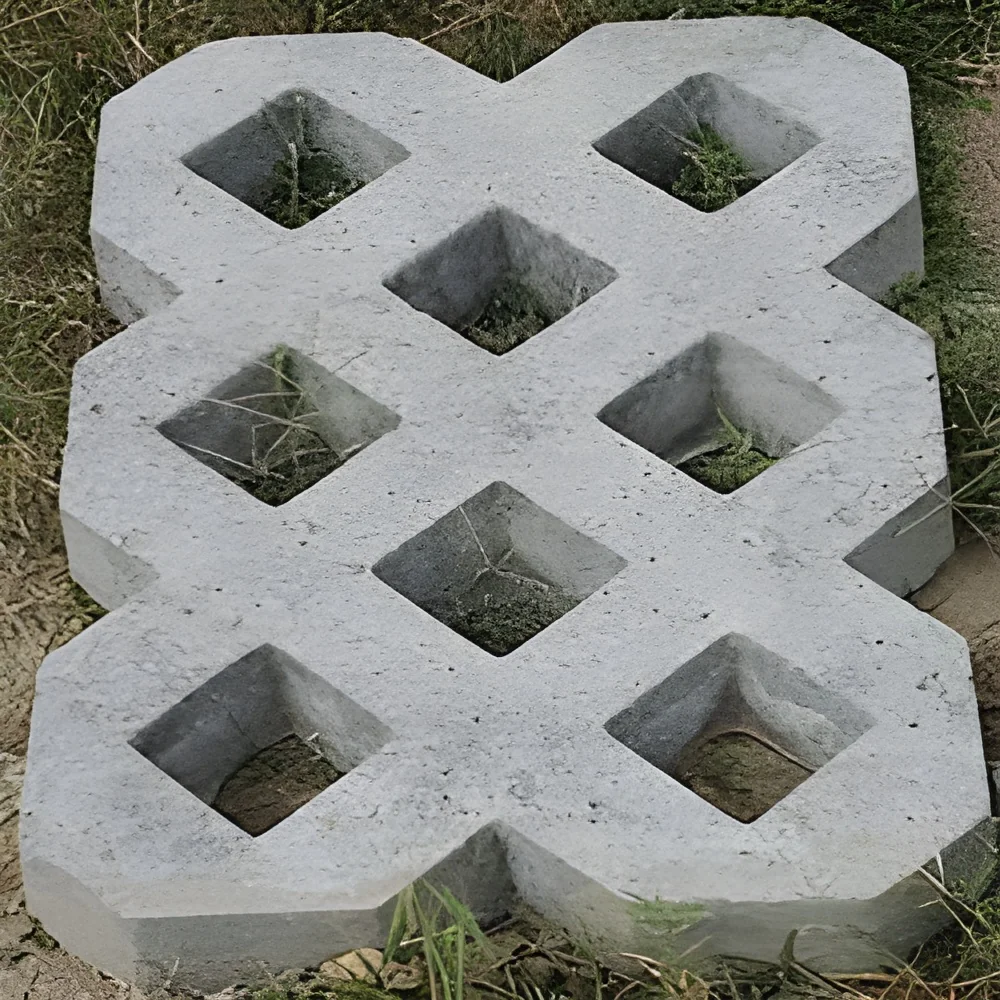
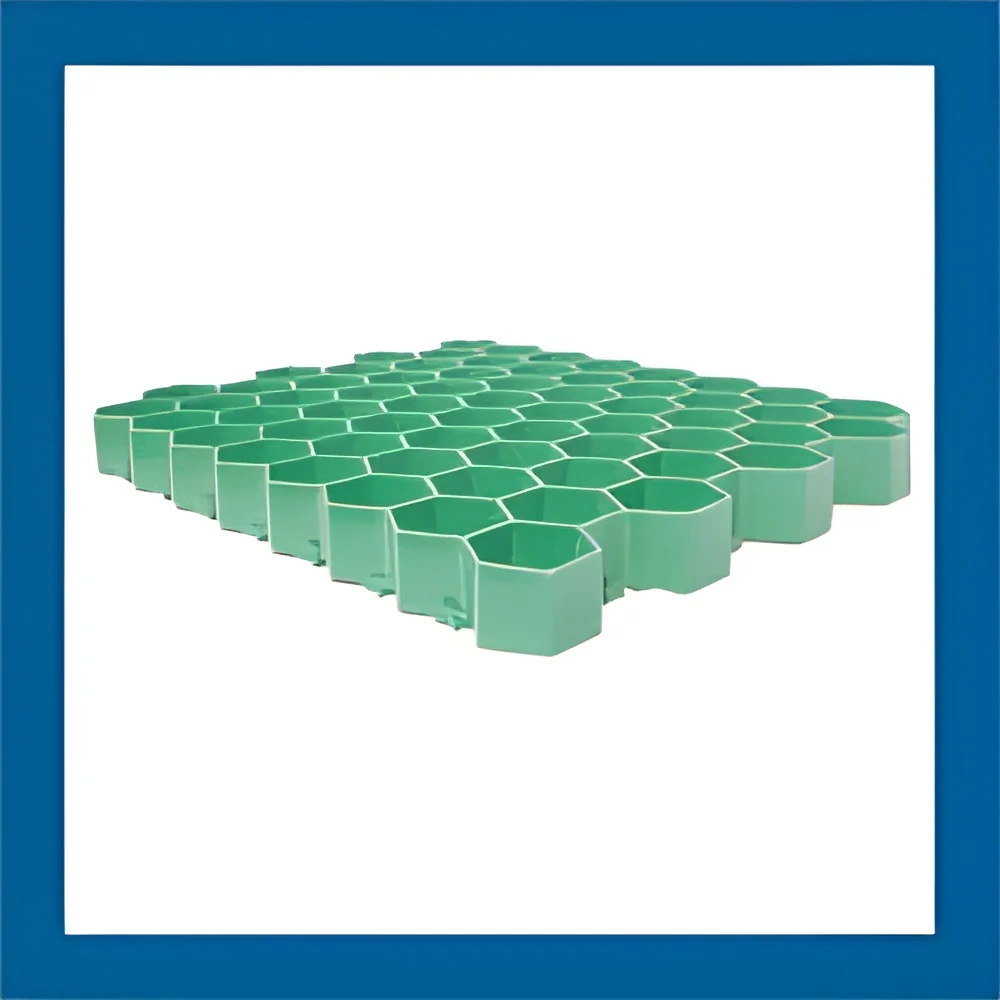
Permeable Pavers: Designed to allow water drainage, these pavers are ideal for environmentally conscious projects. They help manage stormwater runoff and reduce flooding risks.
Benefits and Advantages
Pavers offer numerous benefits that make them a preferred choice for various applications.
1. Durability: Pavers are designed to withstand heavy loads and extreme weather conditions, ensuring longevity and reduced maintenance needs.
2. Aesthetic Appeal: Available in various designs and colors, pavers enhance the visual appeal of outdoor spaces, allowing for creative landscaping.
3. Easy Installation: Many paver options allow for straightforward installation processes, reducing labor costs and time.
4. Eco-Friendly: Permeable pavers help with water drainage and contribute to sustainable construction practices, making them environmentally friendly.
5. Low Maintenance: Pavers require minimal upkeep compared to other surface materials, making them a practical choice for busy environments.
6. Flexibility: Pavers can be easily removed and replaced if damaged, allowing for simple repairs without the need for complete surface replacement.
Buying Guide for B2B Buyers
When sourcing pavers for projects, several critical factors should be considered to ensure quality and suitability.
1. Quality Assessment: Evaluate the materials and manufacturing processes to ensure pavers meet industry standards. Look for certifications that indicate quality assurance.
2. Supplier Verification: Vet suppliers thoroughly to confirm their reliability and reputation in the market. This includes checking references and past projects.
3. Pricing and MOQ: Understand pricing structures and minimum order quantities to make informed purchasing decisions. Consider bulk purchasing options for larger projects.
4. Delivery and Lead Times: Assess the logistics involved in delivery, including lead times and transportation costs. Reliable delivery is critical for project timelines.
5. Compliance Requirements: Ensure that pavers meet local regulations and standards for construction materials. This may include safety testing and environmental compliance.
Compliance and Certifications
Pavers are subject to various quality standards and certifications that ensure their safety and reliability.
Relevant quality standards such as ISO 9001 ensure that manufacturing processes meet consistent quality management principles. This standard helps suppliers maintain high production quality and customer satisfaction.
Industry certifications, like CE marking, indicate compliance with European safety standards. This certification reassures buyers that products meet necessary regulatory requirements.
Safety and testing requirements are crucial in the selection of pavers. Products should undergo rigorous testing to assess their durability, slip resistance, and load-bearing capacity.
Regional compliance considerations may also apply, varying by location. Buyers should be aware of local regulations governing construction materials to ensure compliance.
Why Source Pavers from Pepagora?
Pepagora is a trusted platform for sourcing pavers, offering several key advantages to B2B buyers.
Verified Supplier Network: Pepagora connects buyers with a network of verified suppliers, ensuring that all partners meet high standards of quality and reliability. This network simplifies the sourcing process.
Streamlined RFQ Process: The request for quotation (RFQ) process is designed to be efficient, allowing buyers to receive competitive quotes quickly. This system helps in making informed purchasing decisions.
Trade Assurance and Support: Pepagora provides trade assurance measures that protect buyers throughout the procurement process. This includes support for dispute resolution and quality checks.
Regional Coverage: With a strong presence in India, the GCC, and Southeast Asia, Pepagora offers extensive regional coverage. This geographic reach ensures that buyers have access to a wide range of products and suppliers tailored to their market needs.

 IN
IN