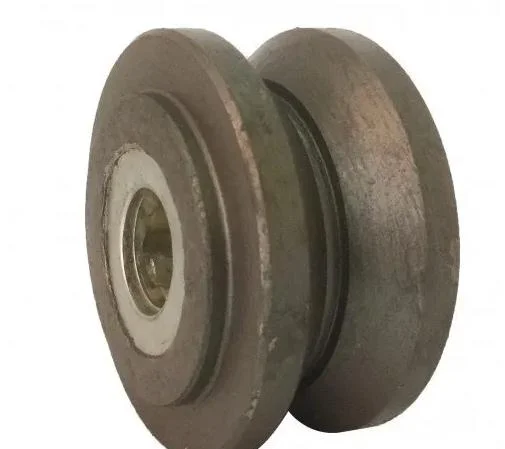
What are Rollers?
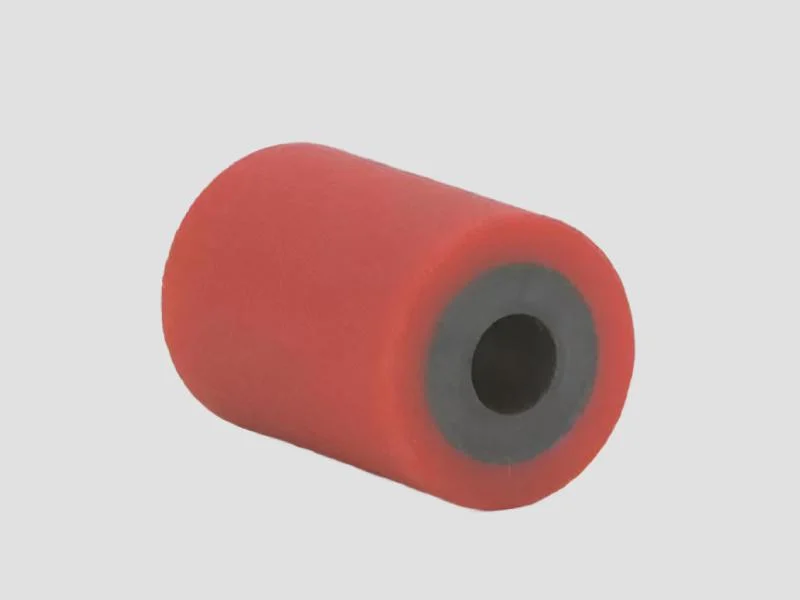
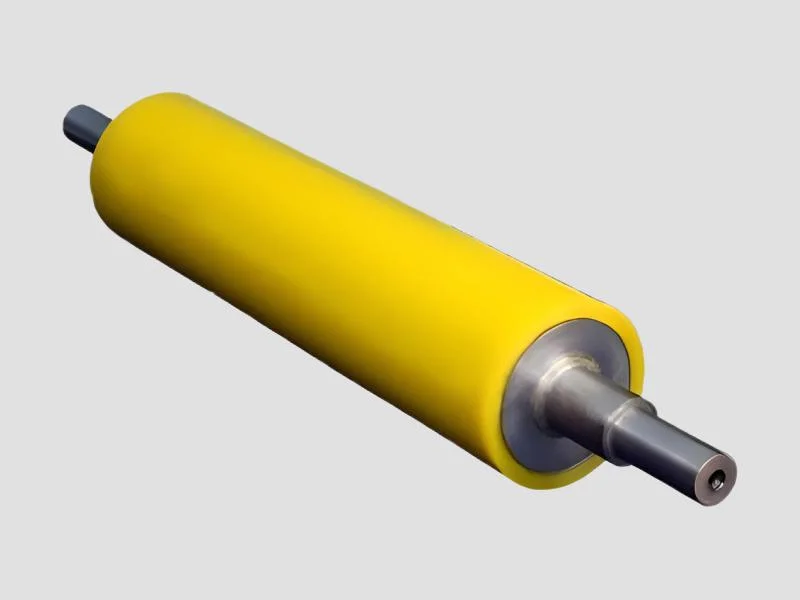
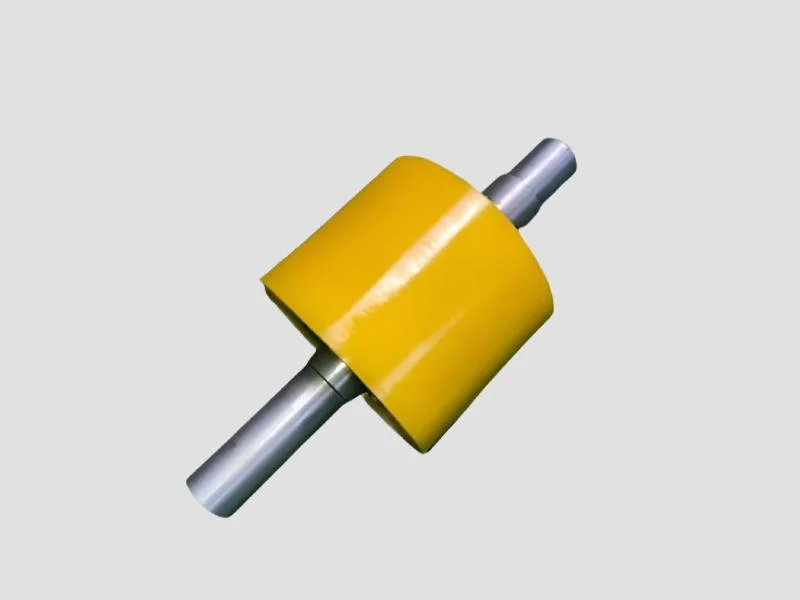
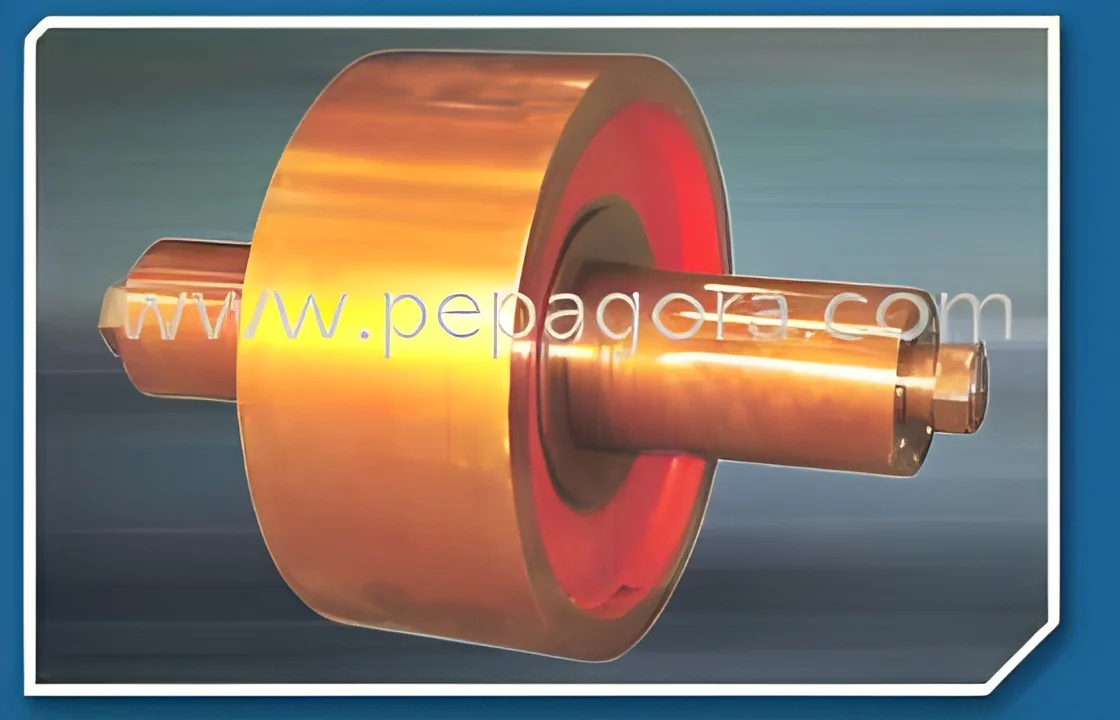
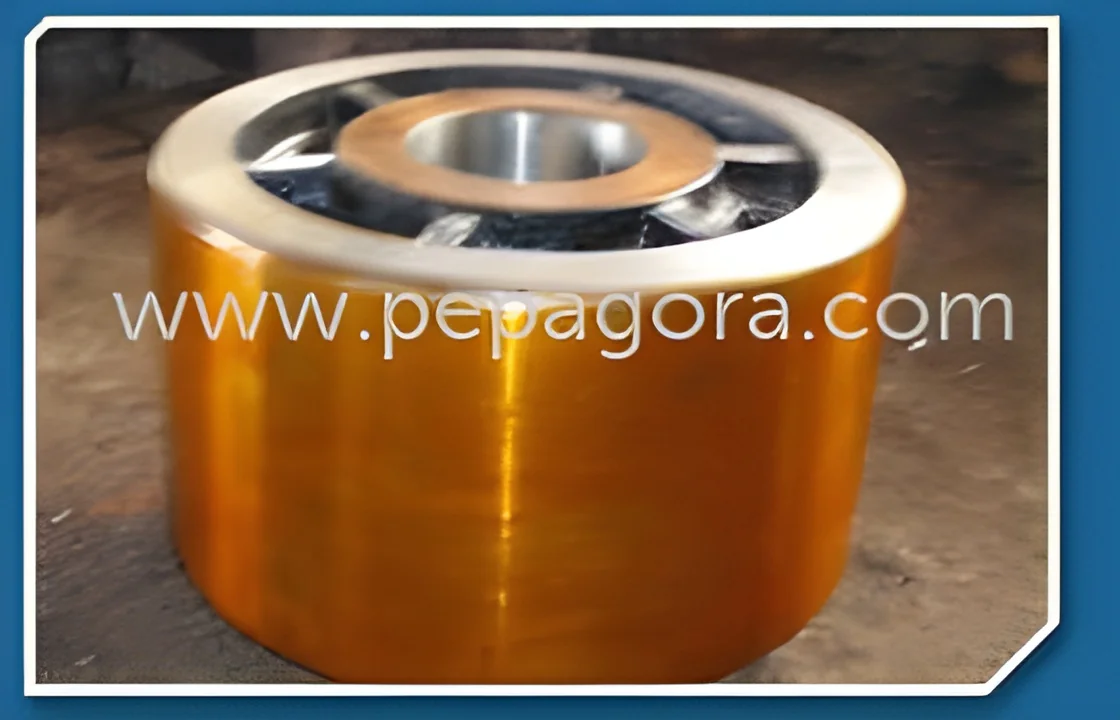
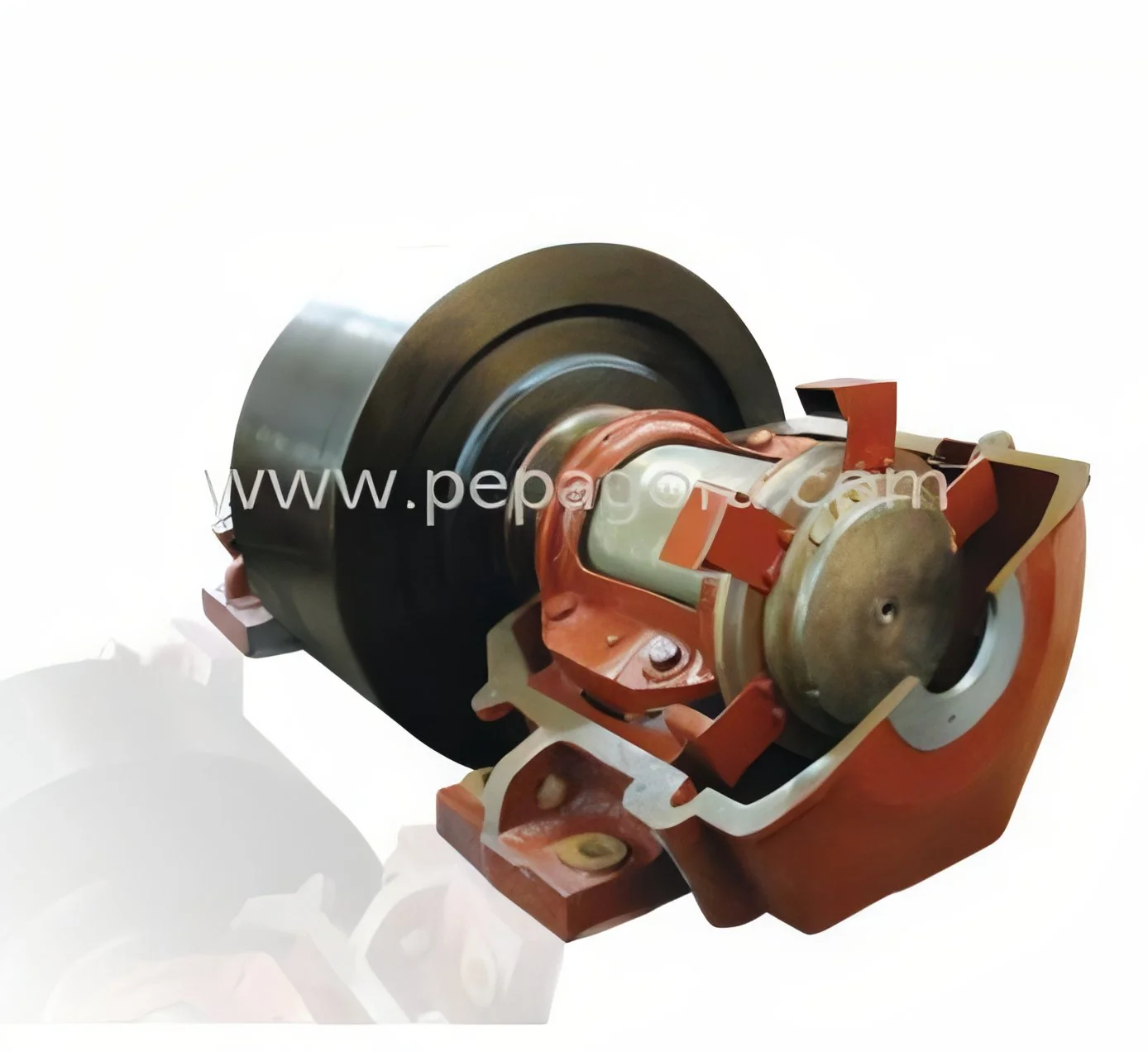
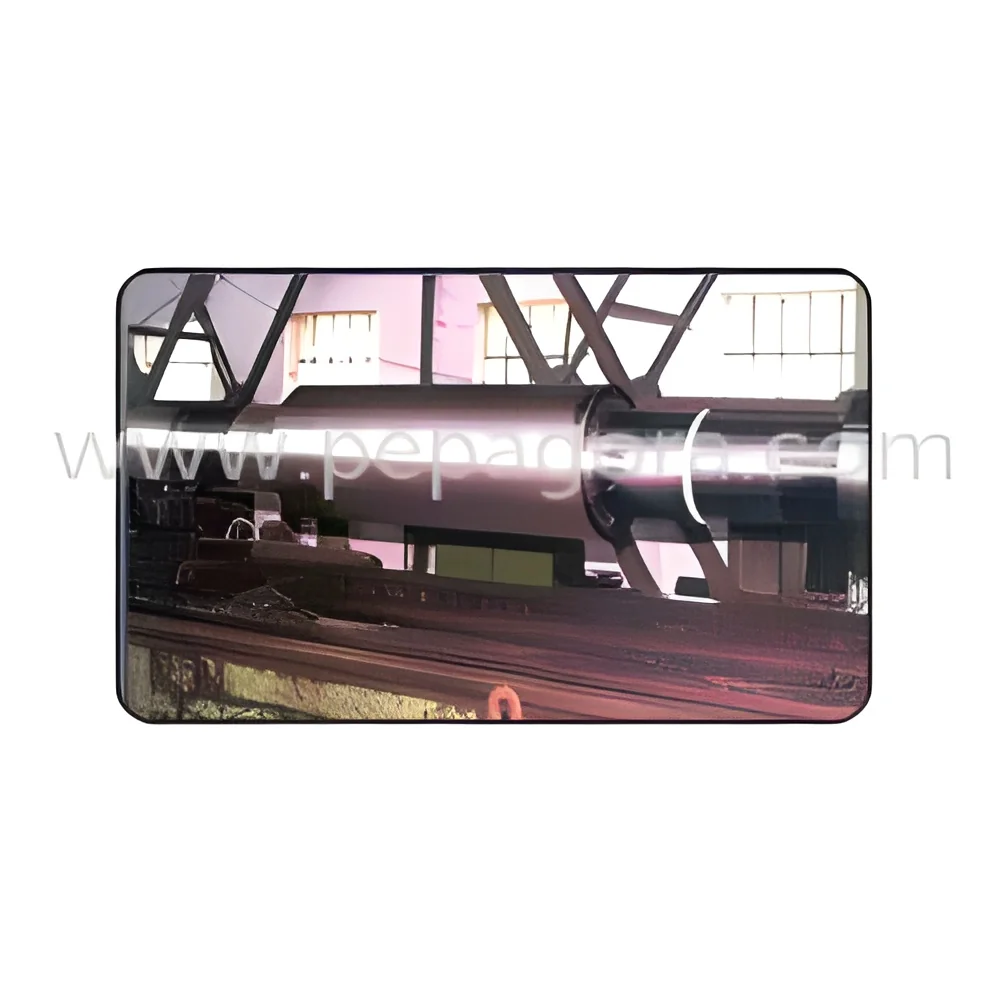
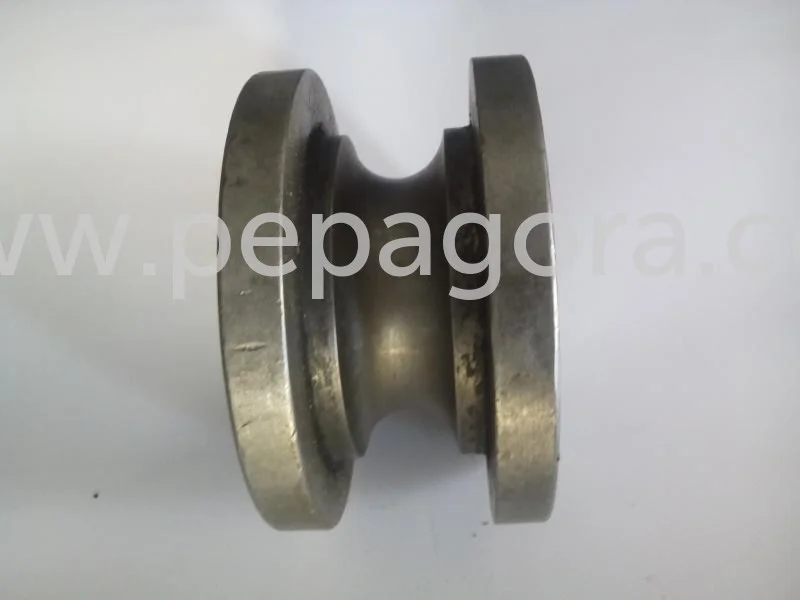
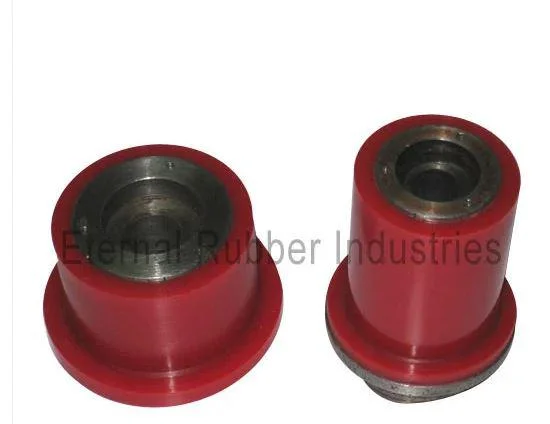
Rollers are cylindrical components commonly used in various industrial applications to facilitate the movement and transport of materials. They are designed to minimize friction and are essential in systems like conveyors, packaging machinery, and assembly lines. Rollers can be made from various materials, including steel, plastic, and rubber, depending on their intended use.
In business contexts, rollers are primarily used in manufacturing and logistics to streamline operations. They play a critical role in material handling systems, enabling efficient movement of goods from one point to another. This functionality is crucial in industries such as automotive, food processing, and warehousing, where speed and efficiency are vital for productivity and cost-effectiveness. The demand for rollers continues to grow as industries seek to optimize their operations.
The roller market is shaped by technological advancements and the increasing need for automation in industrial processes. As companies invest in new machinery and systems, the role of rollers becomes even more prominent. The ongoing trend toward sustainability and energy efficiency also influences roller design, driving manufacturers to develop products that meet stringent environmental standards.
Key Features and Specifications
Rollers come with various features and specifications that cater to the needs of different industries. Understanding these specifications is crucial for making informed purchasing decisions.
Key specifications include:
1. Material Composition
- Rollers can be made from materials such as steel, plastic, or rubber.
- Each material offers different benefits, including durability, weight, and resistance to wear.
2. Load Capacity
- This specification indicates the maximum weight a roller can support.
- Load capacities can vary widely, often ranging from a few kilograms to several tons.
3. Diameter and Length
- Rollers come in various diameters and lengths, tailored to specific applications.
- Standard diameters typically range from 20 mm to 200 mm, while lengths can vary according to the conveyor design.
4. Surface Finish
- The surface finish of rollers can affect friction and material handling.
- Options include smooth, textured, or coated finishes to enhance performance.
5. Bearing Type
- Rollers may feature different types of bearings, including ball bearings or sleeve bearings.
- The choice of bearing type affects the roller's operational efficiency and lifespan.
6. Operating Temperature Range
- Rollers can be designed to operate within specific temperature ranges.
- This is essential for applications in extreme environments where material properties may change.
7. Compliance Standards
- Rollers may meet certain compliance standards, ensuring quality and safety.
- Common standards include CE certification for products sold in Europe.
8. Customization Options
- Many manufacturers offer customization based on specific client requirements.
- Custom features may include size, material, or specific load capacities.
In summary, understanding the key features and specifications of rollers is essential for selecting the right products for industrial applications.
Common Applications and Use Cases
Rollers are utilized across various industries, enhancing efficiency and productivity in numerous applications.
1. Manufacturing: In manufacturing plants, rollers are integral to assembly lines and conveyor systems. They facilitate the movement of parts and finished goods, improving workflow and reducing manual handling.
2. Food Processing: In the food industry, rollers are used in conveyor systems for transporting products. They help maintain hygiene standards and ensure the safe movement of packaged goods.
3. Automotive: Rollers play a vital role in automotive assembly lines, where they support the efficient transport of components. This reduces production times and enhances overall operational efficiency.
4. Warehousing: In warehouses, rollers are essential for material handling systems. They allow for quick and efficient movement of pallets and goods, optimizing storage and retrieval processes.
5. Logistics: In logistics, rollers are used in sorting and distribution centers. They streamline the flow of packages, ensuring timely delivery and reducing handling errors.
6. Textile Industry: Rollers are employed in textile manufacturing for transporting fabrics through various processes. They ensure smooth operation and minimize damage to delicate materials.
7. Mining and Construction: In these sectors, rollers are used in conveyor belts for transporting heavy materials, contributing to efficient operations in challenging environments.
Product Variants and Subcategories
Rollers come in various forms, allowing businesses to choose the variant that best suits their needs.
Standard Rollers
Standard rollers are designed for general applications in manufacturing and logistics. They are versatile and available in different sizes and materials to meet various operational requirements.
Heavy-Duty Rollers
Heavy-duty rollers are built to withstand high loads and harsh conditions. They are ideal for industries like mining and construction, where durability and strength are paramount.
Conveyor Rollers
Conveyor rollers are specifically designed for use in conveyor systems. They support the movement of materials and are available in various materials and configurations to suit different conveyor designs.
Specialized Rollers
Specialized rollers are tailored for specific applications, such as those requiring unique surface finishes or load capacities. These rollers are often customized to meet particular industry needs.
Benefits and Advantages
Choosing the right rollers offers several benefits that enhance operational efficiency.
1. Increased Efficiency: Rollers enable faster movement of materials, reducing downtime and increasing overall productivity.
2. Reduced Friction: The design of rollers minimizes friction, promoting smoother operations and prolonging equipment life.
3. Versatility: Rollers can be used in a wide range of applications across various industries, making them a flexible choice for businesses.
4. Customization: Many manufacturers offer customization options, allowing businesses to tailor rollers to their specific needs and requirements.
5. Enhanced Safety: Properly designed rollers can improve workplace safety by reducing manual handling and minimizing the risk of accidents.
6. Cost-Effectiveness: Investing in quality rollers can lead to long-term savings by reducing maintenance costs and increasing operational efficiency.
Buying Guide for B2B Buyers
When sourcing rollers, several factors should be considered to ensure the right choice for your business needs.
1. Quality Assessment: Evaluate the quality of rollers based on material, construction, and compliance with industry standards. High-quality rollers will offer better performance and longevity.
2. Supplier Verification: Vet potential suppliers by checking their reputation, customer reviews, and certifications. A reliable supplier will ensure consistent product quality and support.
3. Pricing and MOQ: Understand the pricing structure and minimum order quantities of suppliers. This will help you budget effectively and determine the feasibility of large orders.
4. Delivery and Lead Times: Assess the delivery options and lead times offered by suppliers. Timely delivery is crucial to maintaining your production schedules.
5. Compliance Requirements: Ensure that the rollers meet any relevant regulatory and safety standards applicable to your industry. This will mitigate risks associated with non-compliance.
Compliance and Certifications
Rollers must adhere to certain compliance and certification standards to ensure safety and quality.
Quality standards such as ISO 9001 are essential in ensuring that manufacturing processes meet international benchmarks for quality management. Meeting these standards can enhance customer trust and product reliability.
Industry certifications like CE mark are critical for products sold in Europe, indicating compliance with European safety and environmental regulations. This certification helps facilitate market access and ensures that products are safe for use.
Safety and testing requirements are also important for rollers, particularly in industries where high loads or hazardous materials are involved. Regular testing can help identify potential issues before they lead to failures.
Regional compliance considerations may vary, requiring businesses to stay informed about the regulations in their specific markets. Understanding local laws can prevent costly penalties and ensure smooth operations.
Why Source Rollers from Pepagora?
Pepagora offers a comprehensive platform for sourcing rollers, providing several key advantages to buyers.
Verified Supplier Network: Pepagora has a robust network of verified suppliers, ensuring that buyers can access high-quality products with confidence. Supplier verification processes help maintain high standards across the board.
Streamlined RFQ Process: The request for quotation (RFQ) system on Pepagora simplifies the procurement process. Buyers can easily compare offers from multiple suppliers, saving time and ensuring competitive pricing.
Trade Assurance and Support: Pepagora provides trade assurance, protecting buyers throughout the purchasing process. This includes support for any issues that may arise, ensuring a secure transaction.
Regional Coverage: Pepagora's geographic reach extends across India, the GCC, and Southeast Asia, making it easier for businesses in these regions to find suitable roller solutions. This broad coverage enables efficient sourcing and logistics management.
By choosing Pepagora, businesses can enhance their procurement process, ensuring they find the right rollers for their operational needs while benefitting from a reliable support network.

 IN
IN