What are Material Lifts?
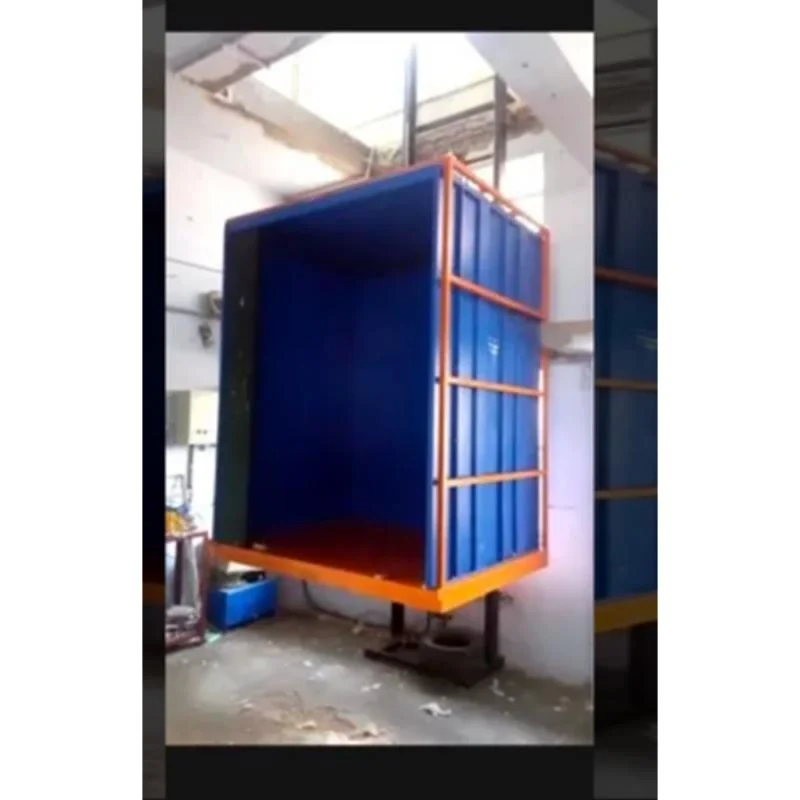
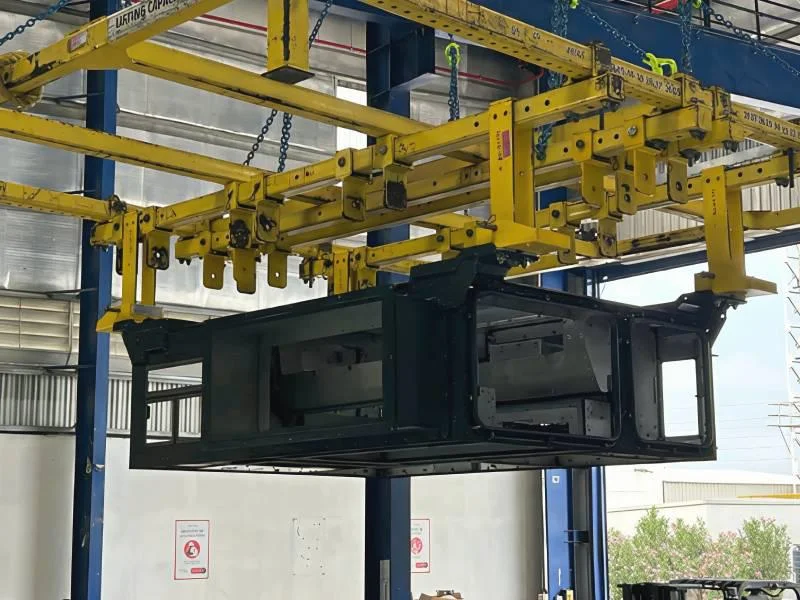
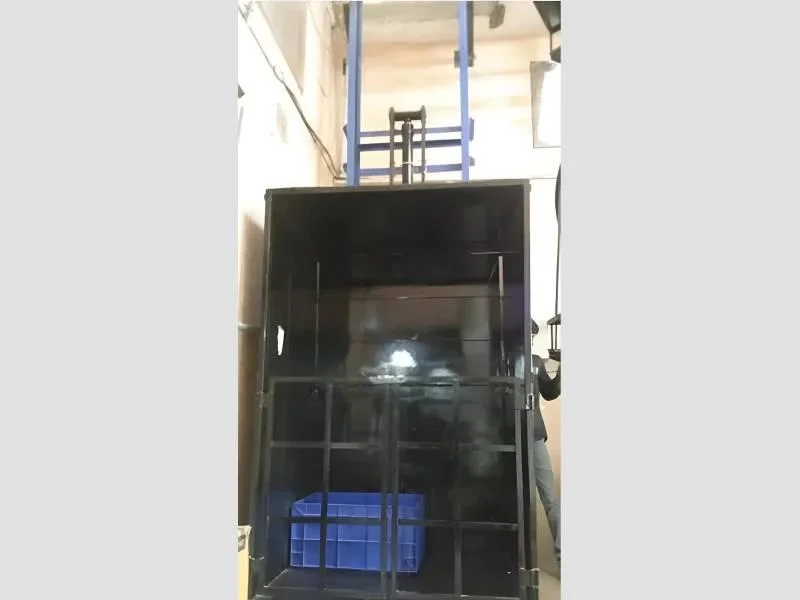
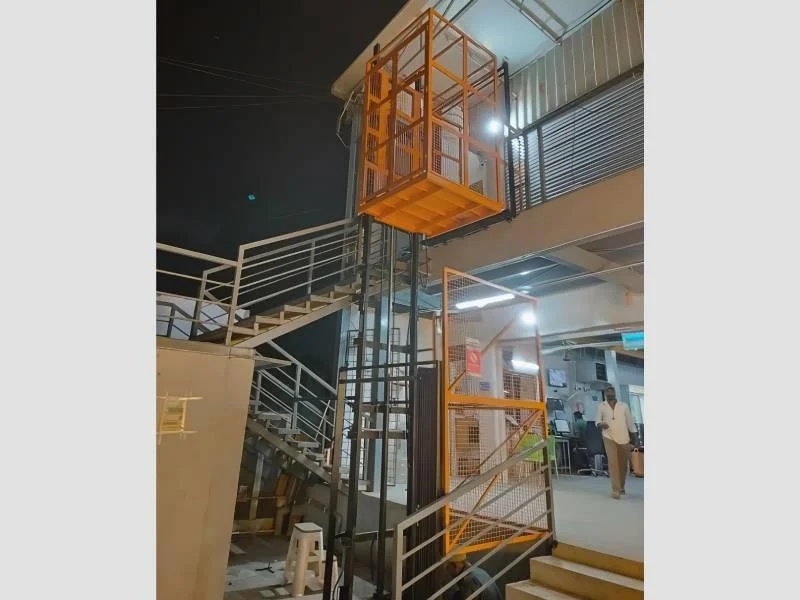
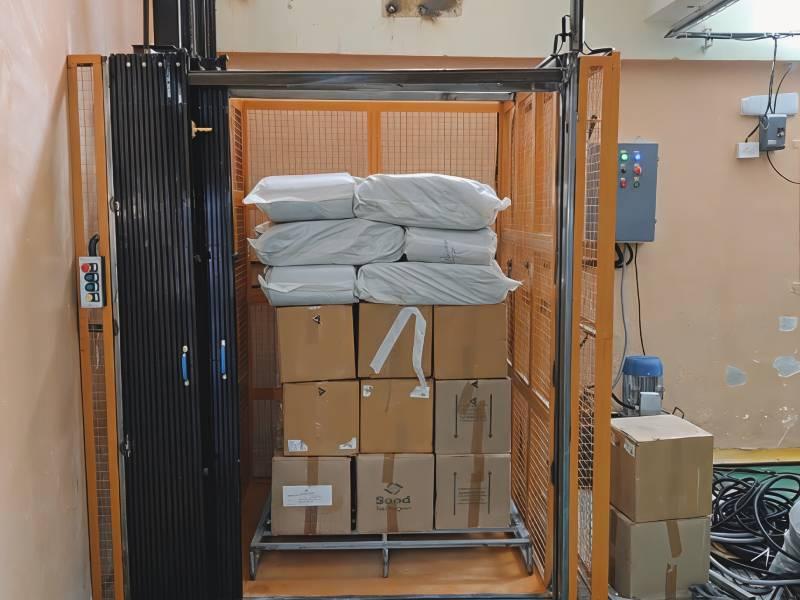
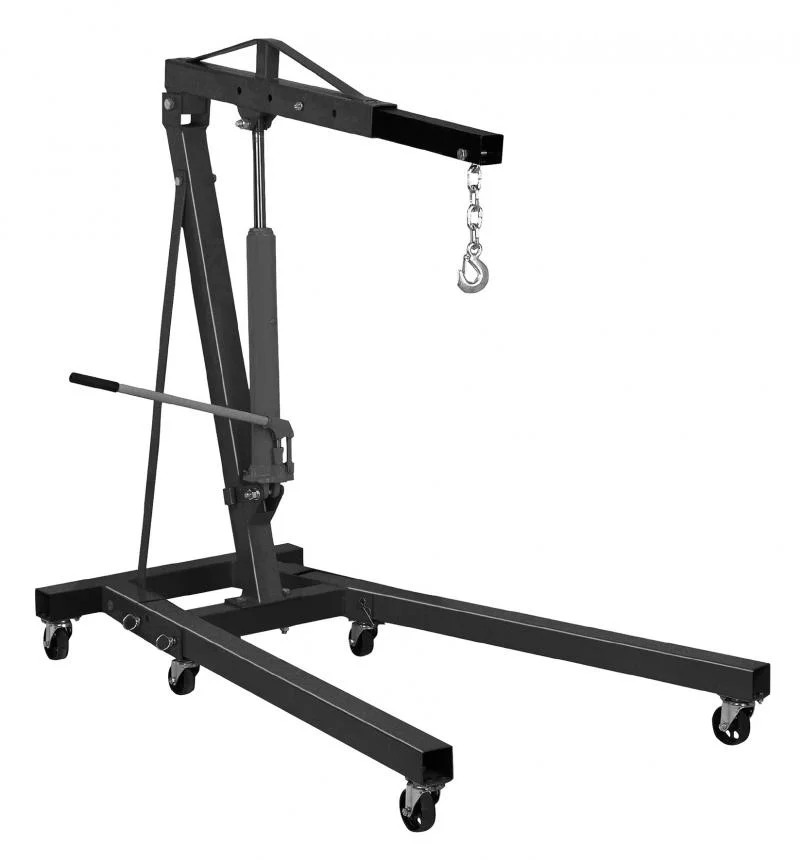
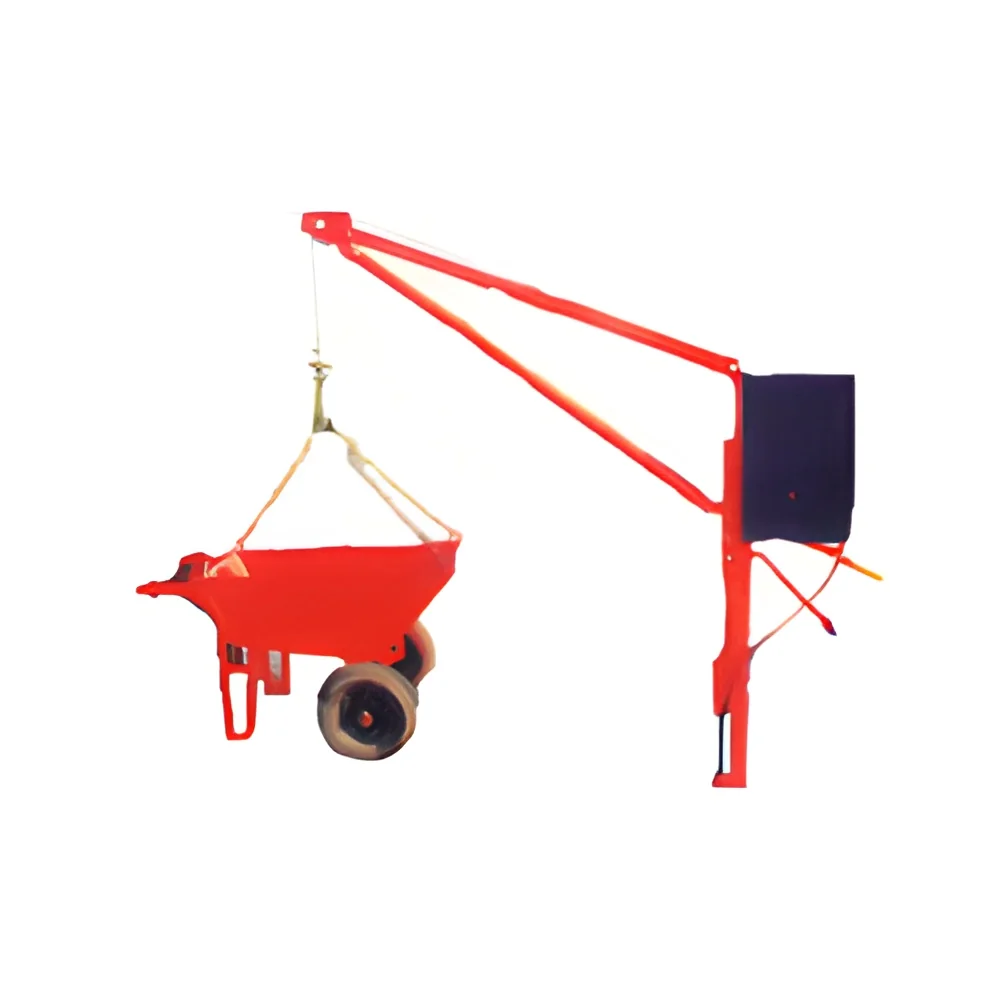
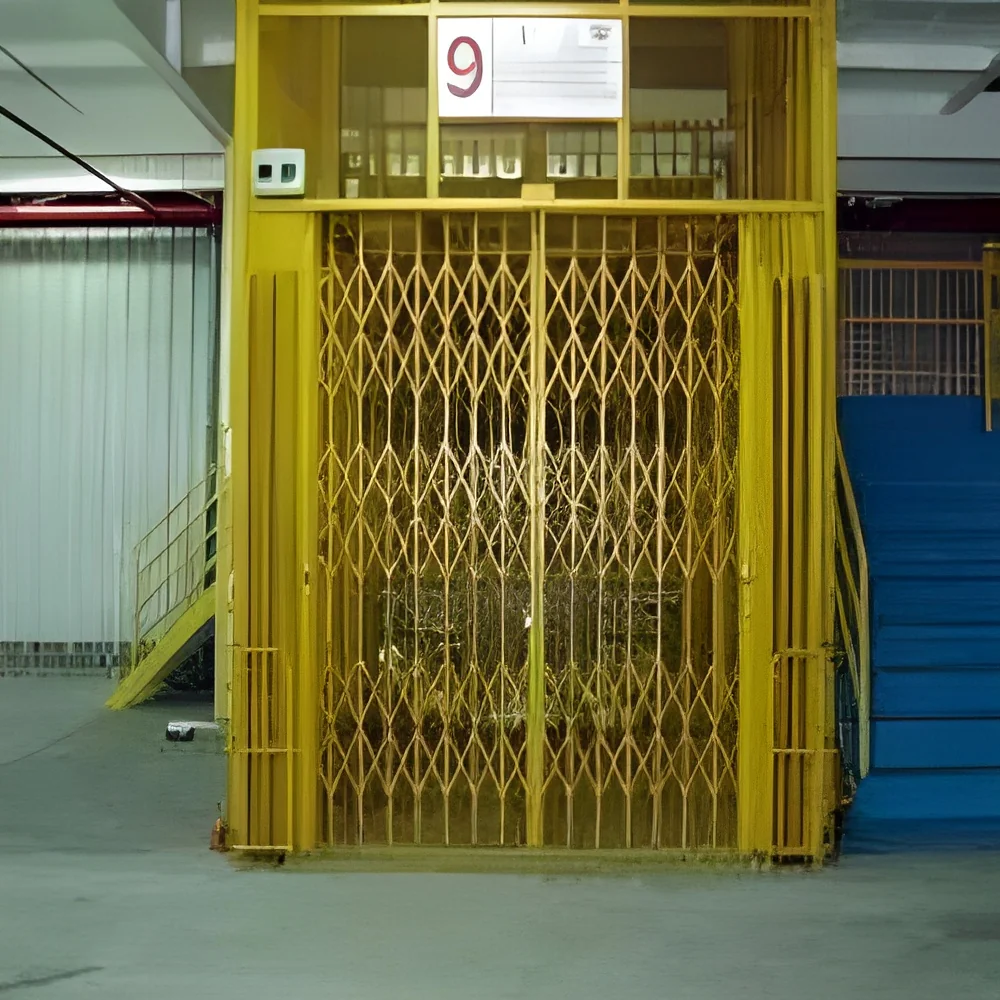
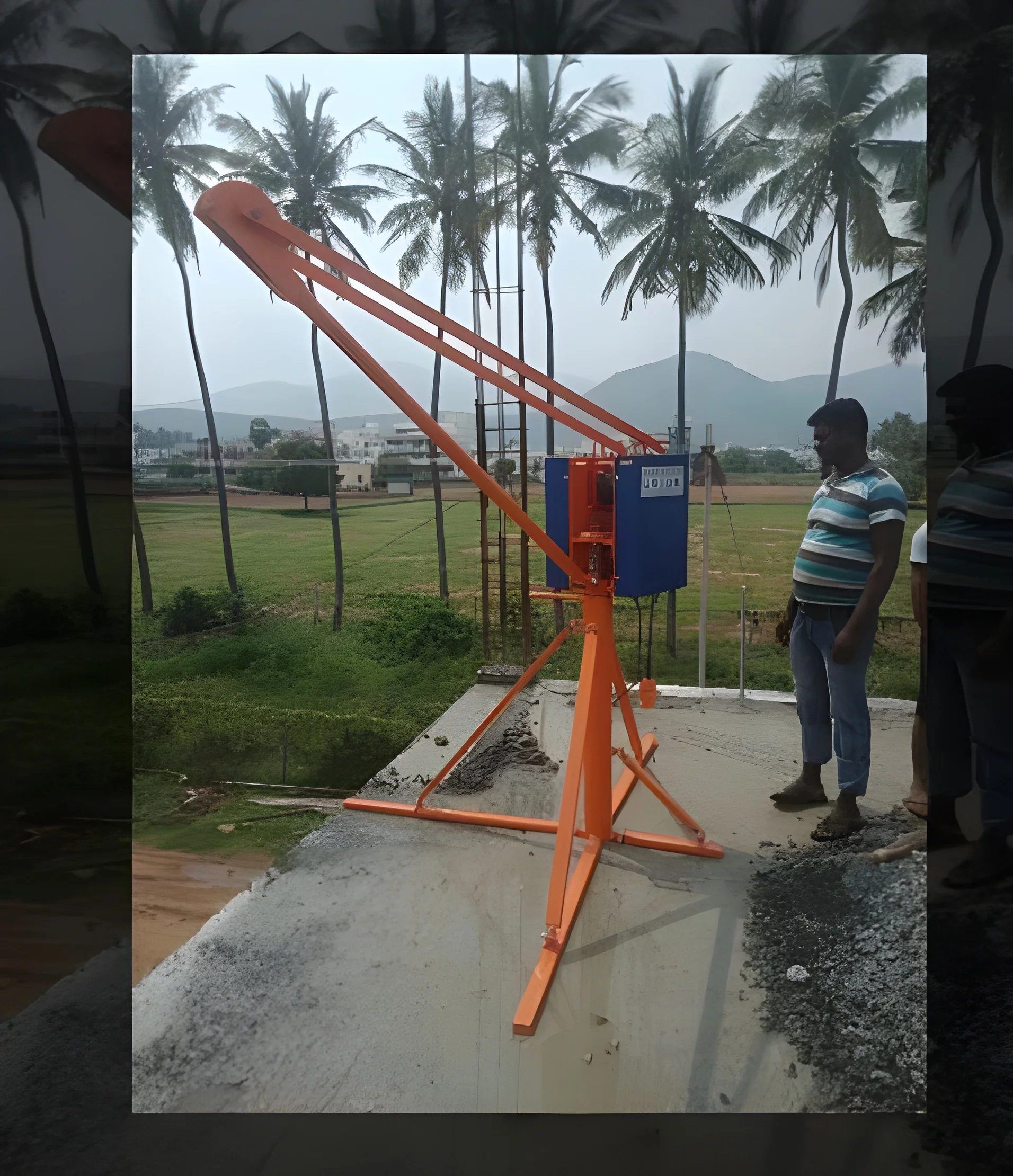
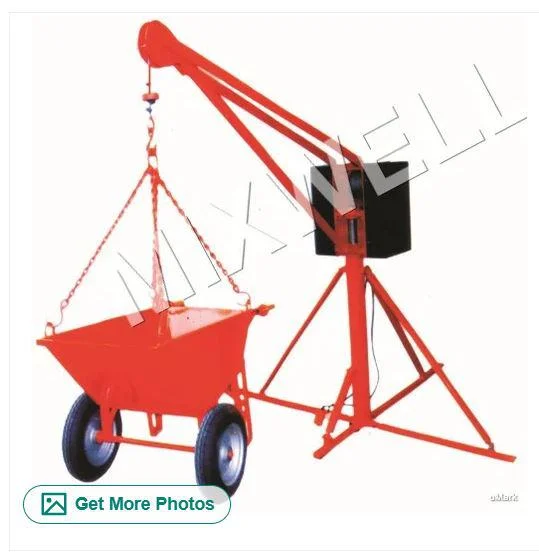
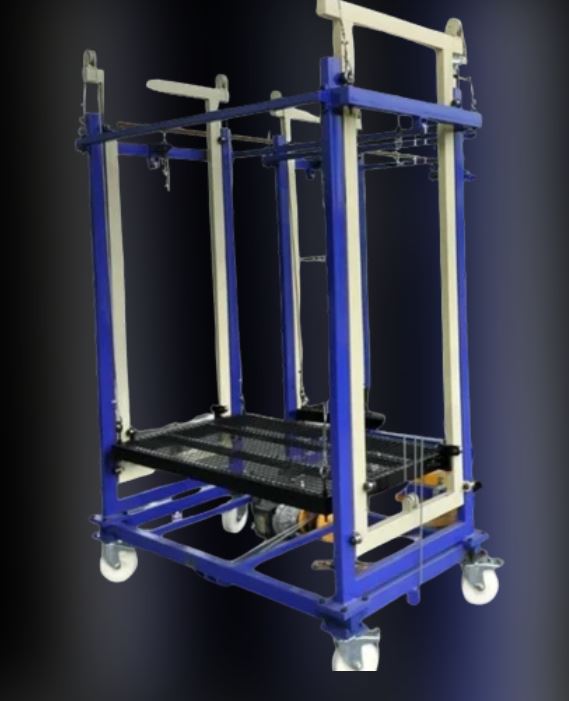
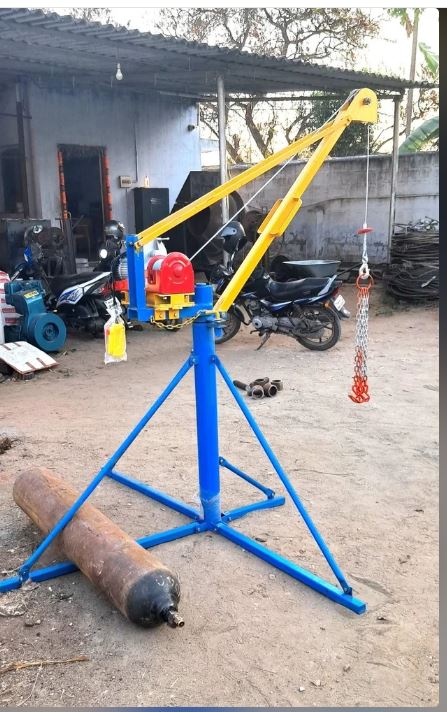
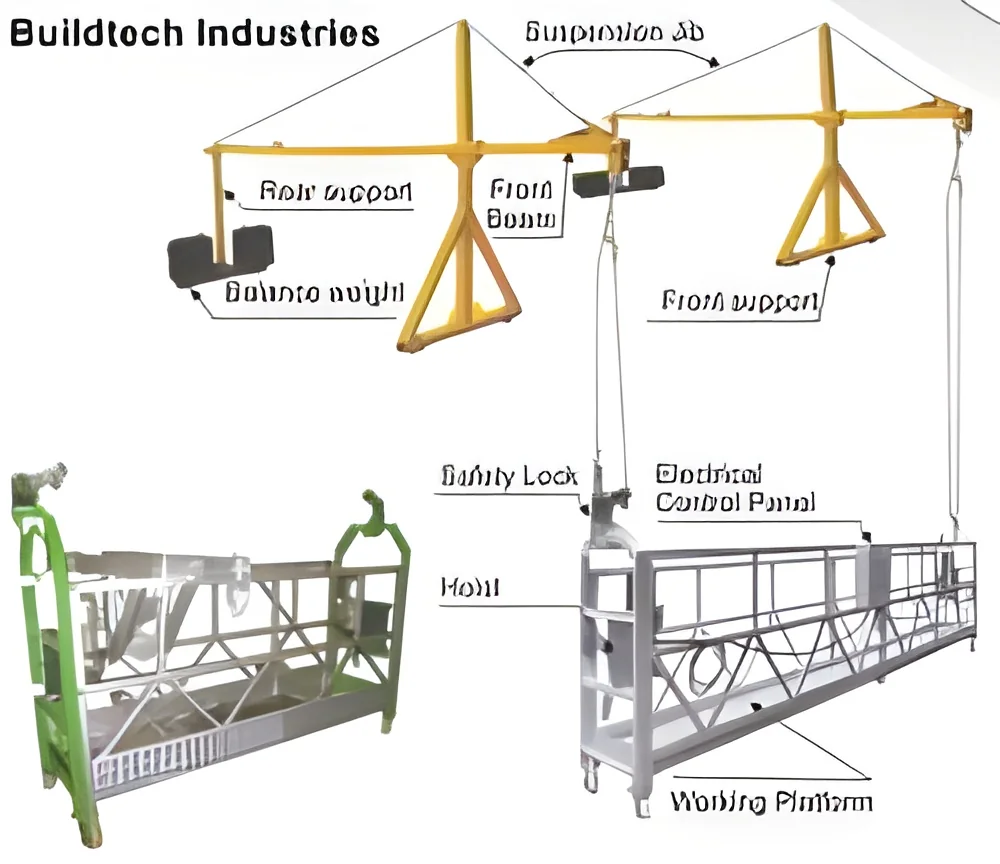
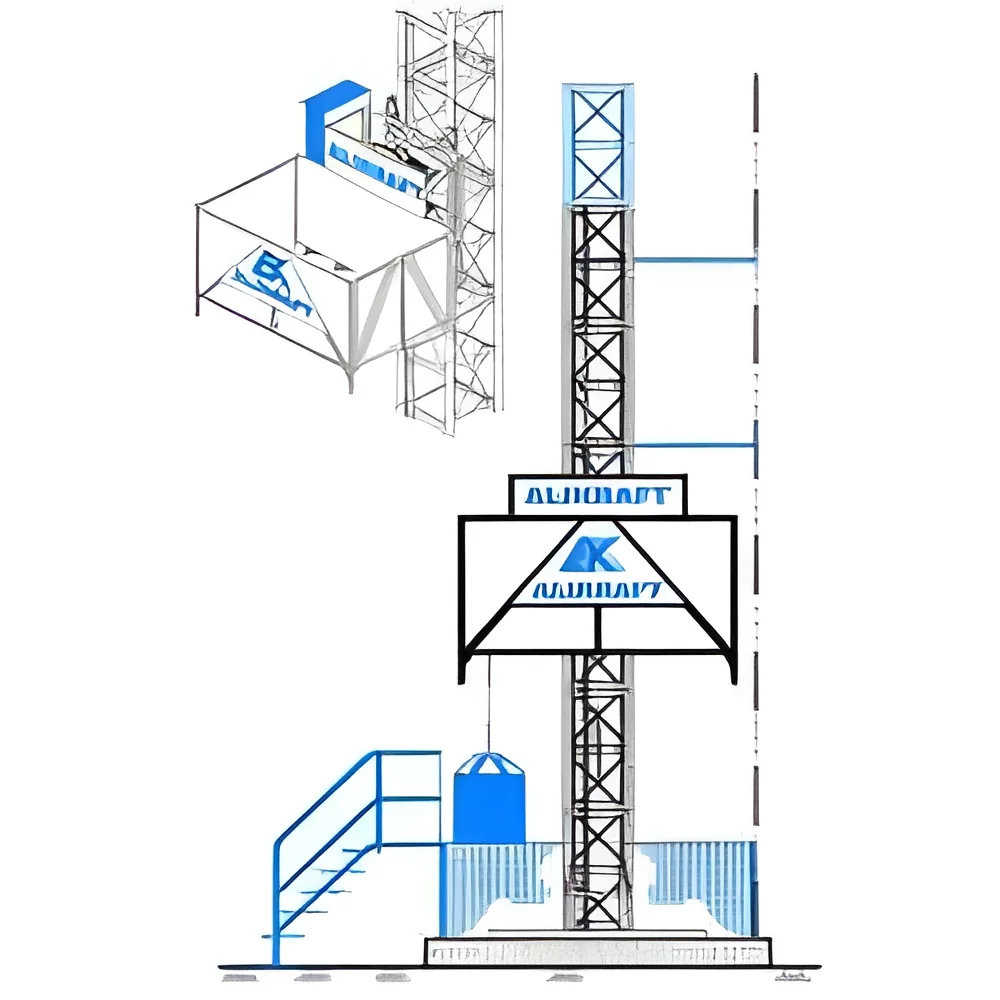
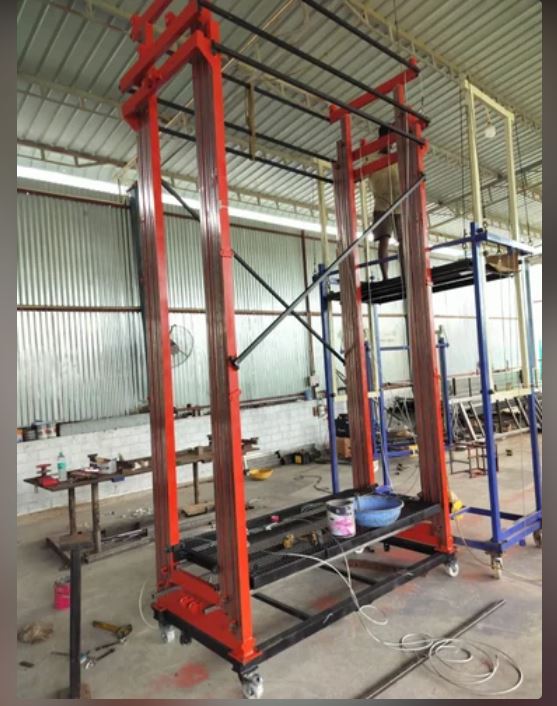
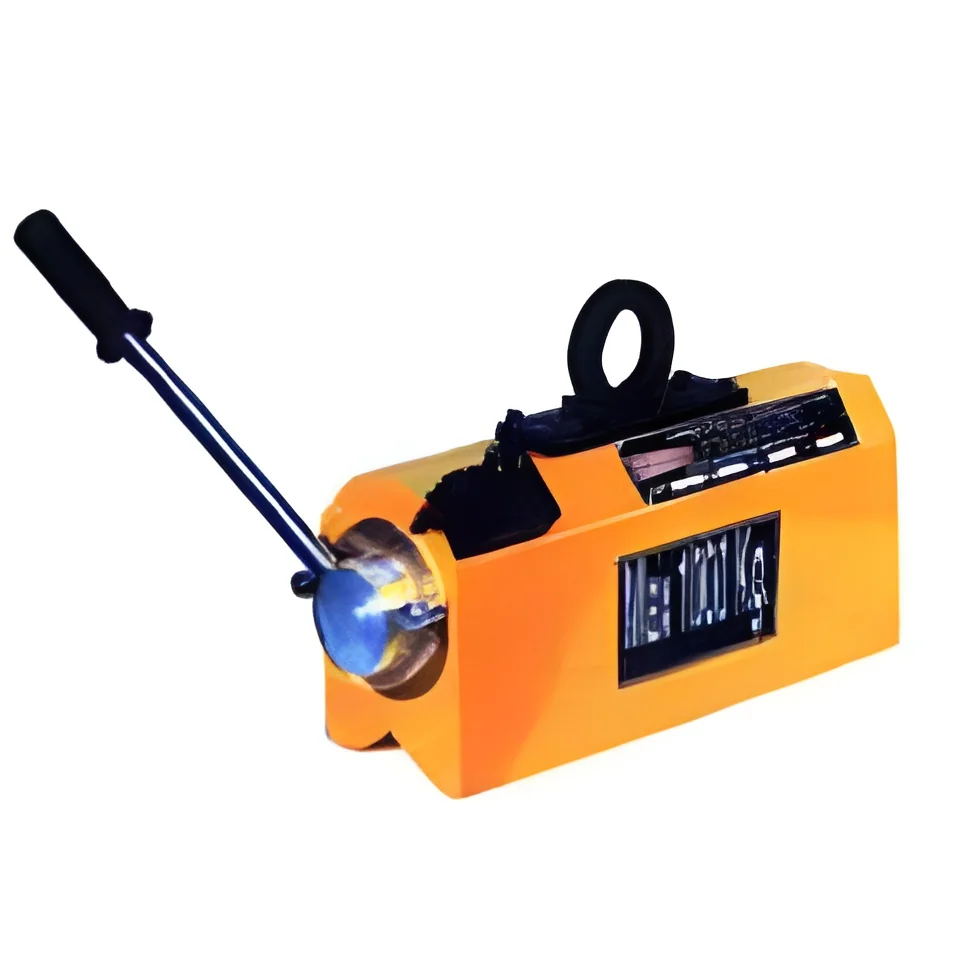
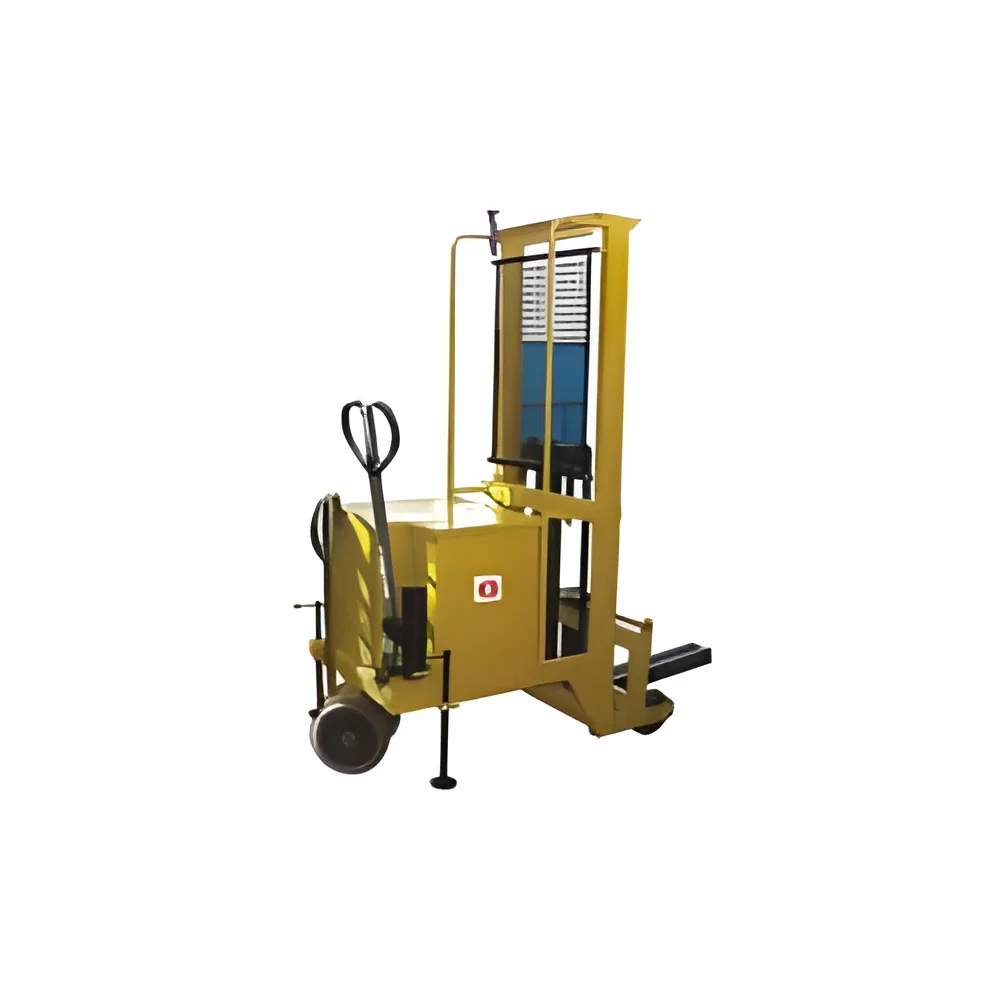
Material lifts are mechanical devices designed to raise and lower heavy materials in various industrial and commercial settings. These lifts provide an efficient and safe means of handling materials that would otherwise be difficult or dangerous to move manually. They are particularly useful for tasks involving heavy loads that need to be transported vertically, making them essential equipment in many industries.
The primary uses of material lifts include construction, warehousing, manufacturing, and maintenance tasks. Businesses utilize these lifts to move items such as tools, equipment, or supplies to elevated workspaces, ensuring that operations are carried out efficiently. Material lifts are relevant across multiple sectors, as they enhance productivity and reduce the risk of injuries associated with manual lifting.
The market for material lifts continues to grow as industries seek more advanced solutions for material handling. With an increasing focus on workplace safety and operational efficiency, material lifts have become a staple in modern industrial environments. Their versatility and reliability make them a critical investment for businesses aiming to optimize their workflows.
Key Features and Specifications
Material lifts come equipped with a variety of features designed to enhance their functionality and user-friendliness. Understanding these specifications helps businesses select the right model to meet their needs.
Key specifications include:
1. Lifting Capacity
- This specification indicates the maximum weight the lift can safely handle.
- Typical ranges may vary from 500 to 2,000 pounds.
2. Lift Height
- This detail defines the maximum vertical distance the lift can reach.
- Common lift heights range from 10 to 30 feet.
3. Power Source
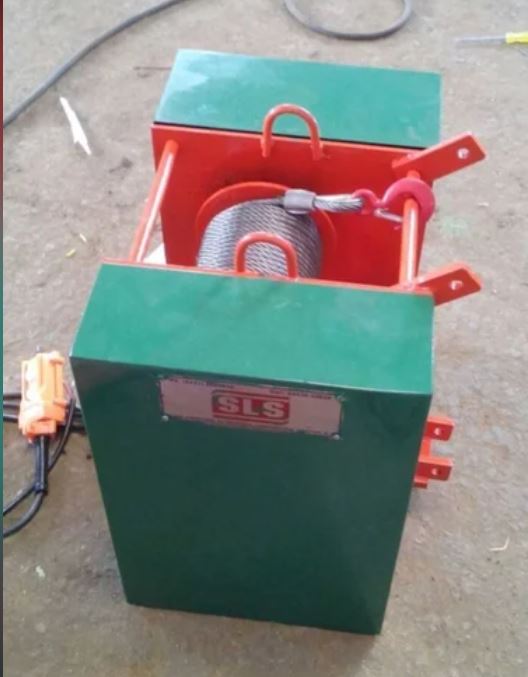
- Material lifts can be powered by electric, hydraulic, or manual systems.
- Electric models are popular for indoor use, while hydraulic options are suited for heavier loads.
4. Platform Size
- The dimensions of the lifting platform affect the size of loads that can be handled.
- Standard platform sizes typically range from 24 inches by 36 inches to 48 inches by 72 inches.
5. Mobility
- Many material lifts feature wheels or casters for easy transport.
- Some models may include stabilizing legs for added safety during operation.
6. Safety Features
- Essential safety features include emergency stop buttons, safety locks, and overload protection systems.
- These features help prevent accidents and ensure secure operation.
7. Control Mechanism
- Most lifts come with user-friendly controls, often featuring remote operation for convenience.
- Controls can be manual or electric, depending on the model.
8. Construction Material
- Material lifts are typically constructed from durable steel or aluminum for strength and longevity.
- The choice of material impacts the weight and portability of the lift.
In summary, material lifts are equipped with various features that cater to different operational needs. By considering these specifications, businesses can make informed decisions when selecting the right equipment for their applications.
Common Applications and Use Cases
Material lifts are utilized across diverse industries, providing solutions tailored to specific operational requirements.
1. Construction: In construction sites, material lifts facilitate the transport of heavy materials, such as bricks and concrete blocks, to elevated work areas, improving efficiency and safety.
2. Warehousing: Warehouses use material lifts to move goods and supplies between storage levels, optimizing space utilization and streamlining inventory management.
3. Manufacturing: In manufacturing environments, these lifts assist in handling components and finished products, reducing manual handling and improving workflow.
4. Retail: Retailers utilize material lifts for restocking high shelves and displays, ensuring products are easily accessible to customers while minimizing employee strain.
5. Maintenance: Facilities maintenance teams use material lifts to access hard-to-reach areas for repairs, installations, and inspections, enhancing safety and productivity.
6. Logistics: In logistics operations, material lifts are used to load and unload heavy shipments, improving turnaround times and reducing labor costs.
7. Automotive: The automotive industry employs material lifts for lifting vehicles during repairs and maintenance, ensuring safety and efficiency in service operations.
Product Variants and Subcategories
Material lifts come in various designs to cater to different needs and environments. Understanding these variants allows businesses to choose the most suitable option.
Electric Material Lifts: These lifts are powered by electric motors, making them ideal for indoor applications. They offer quiet operation and require minimal maintenance, making them a popular choice for warehouses and manufacturing facilities.
Hydraulic Material Lifts: Hydraulic lifts are known for their ability to handle heavy loads with ease. They are often used in industries that require lifting heavy machinery or equipment, providing powerful lifting capabilities.
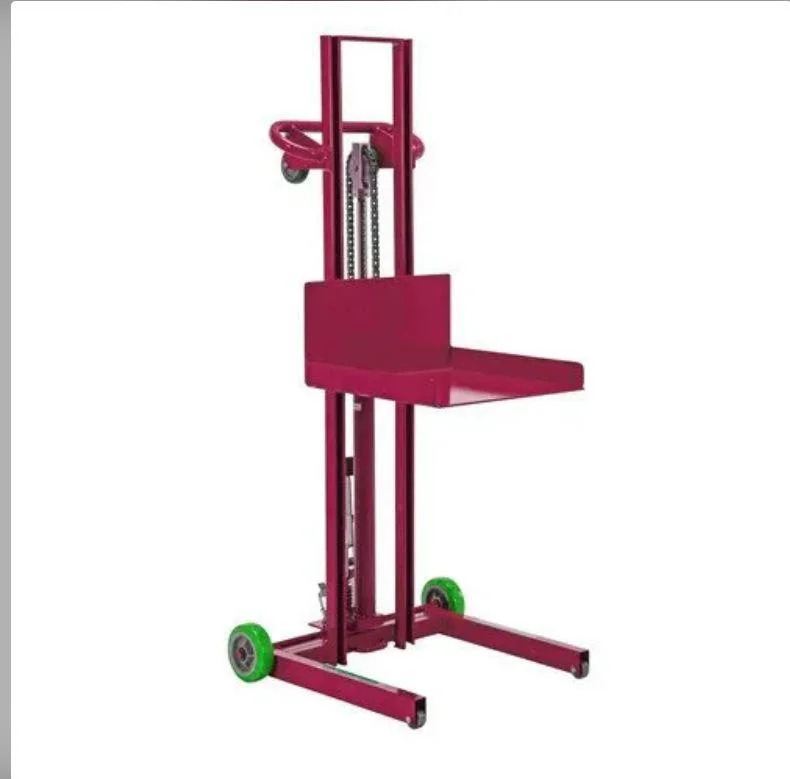
Manual Material Lifts: Designed for portability and ease of use, manual material lifts rely on human power for operation. They are suitable for smaller loads and are often used in environments where electric models are impractical.
Pneumatic Material Lifts: Utilizing compressed air for operation, pneumatic lifts are lightweight and often used in environments where electrical hazards are a concern. They are commonly found in food processing and pharmaceutical industries.
Benefits and Advantages
Material lifts offer numerous benefits to businesses, making them a valuable addition to any industrial operation.
1. Increased Safety: By reducing manual lifting, material lifts significantly lower the risk of employee injuries, promoting a safer work environment.
2. Improved Efficiency: These lifts streamline the material handling process, allowing for quicker transport of goods and minimizing downtime.
3. Space Optimization: Material lifts enable vertical storage, maximizing available space and enhancing overall warehouse organization.
4. Versatile Applications: Their adaptability makes material lifts suitable for various industries, from construction to retail, meeting diverse operational needs.
5. Cost-Effective: Investing in material lifts can lead to long-term savings by reducing labor costs and improving productivity.
6. Enhanced Accessibility: Material lifts provide access to elevated areas that may be difficult to reach, improving operational efficiency in maintenance and repair tasks.
Buying Guide for B2B Buyers
When sourcing material lifts, it is essential to consider several factors to ensure the selection of the right equipment for your needs.
1. Quality Assessment: Evaluate the quality of the material lifts by looking for durable construction and reliable performance. Check for user reviews and industry ratings to gauge product reliability.
2. Supplier Verification: Vet potential suppliers thoroughly. Look for certifications, customer testimonials, and a proven track record in the industry to ensure you are dealing with reputable manufacturers.
3. Pricing and MOQ: Understand the pricing structure and minimum order quantities (MOQ) required by suppliers. This helps in budgeting and ensures you can meet your operational needs without overspending.
4. Delivery and Lead Times: Inquire about delivery schedules and lead times. Timely delivery is critical for maintaining workflow, so ensure that suppliers can meet your timelines.
5. Compliance Requirements: Familiarize yourself with any regulatory compliance requirements specific to your industry. Ensure that the material lifts meet all necessary safety and performance standards.
Compliance and Certifications
Material lifts must adhere to various quality standards and certifications to ensure safety and reliability in operation. Key standards include ISO 9001, which emphasizes quality management systems, ensuring that manufacturers maintain high production standards.
Industry certifications like CE mark indicate compliance with European safety standards, validating the lift's safety and performance. Compliance with safety and testing requirements is essential in preventing accidents and ensuring user protection.
Regional compliance considerations may vary depending on the country or region of operation. It is crucial to verify that the material lifts meet local regulations to avoid legal and operational issues.
Why Source Material Lifts from Pepagora?
Pepagora offers a trusted platform for sourcing material lifts, providing several key advantages for B2B buyers.
Verified Supplier Network: Pepagora connects buyers with a network of vetted suppliers, ensuring that you can find reliable manufacturers who meet industry standards. This reduces the risk of sourcing from unverified suppliers.
Streamlined RFQ Process: The platform facilitates an efficient request for quotation (RFQ) process, allowing buyers to compare offers from multiple suppliers. This transparency helps businesses make informed purchasing decisions.
Trade Assurance and Support: Pepagora provides trade assurance, offering buyers protection throughout the transaction process. Their dedicated support team is available to assist with any inquiries, ensuring a smooth purchasing experience.
Regional Coverage: With a broad geographic reach covering India, the GCC, and Southeast Asia, Pepagora allows businesses to source material lifts from a diverse range of suppliers, catering to regional needs and preferences.

 IN
IN