Key Features and Specifications
Excavators are built with advanced technology and robust features that enhance performance and efficiency. Understanding their specifications is crucial for selecting the right machine for your needs.
Key specifications include:
1. Engine Power
- Typically ranges from 50 to 500 horsepower
- Provides the necessary strength for heavy lifting and digging
2. Operating Weight
- Varies from 1 ton to over 100 tons
- Influences stability and performance in different applications
3. Digging Depth
- Generally ranges from 12 to 25 feet
- Determines the depth capability for excavation tasks
4. Reach
- Can extend from 20 to 40 feet
- Essential for accessing hard-to-reach areas
5. Hydraulic Flow Rate
- Usually between 20 to 100 gallons per minute
- Affects the efficiency of hydraulic attachments
6. Fuel Capacity
- Varies from 20 to 120 gallons
- Impacts operational hours before refueling
7. Cab Comfort Features
- May include air conditioning, ergonomic seating, and advanced controls
- Enhances operator comfort and productivity
8. Attachment Compatibility
- Supports various attachments like buckets, drills, and thumbs
- Increases versatility for different job requirements
In summary, understanding these specifications helps buyers choose the right excavator based on their specific operational needs.
Common Applications and Use Cases
Excavators play a vital role across numerous industries, with each application showcasing their versatility.
1. Construction: Excavators are commonly used for foundational work, trenching, and grading in new building projects.
2. Landscaping: These machines assist in land clearing, pond digging, and grading, making them essential for landscaping contractors.
3. Mining: Excavators are utilized for digging and moving earth in mining operations, especially for mineral extraction.
4. Demolition: They are equipped with specialized attachments for tearing down structures and clearing debris.
5. Road Construction: Excavators are instrumental in creating ditches, grading, and preparing sites for new roads.
6. Utility Installation: They assist in installing pipelines, electrical lines, and other utilities by digging trenches.
7. Agriculture: Used for excavating irrigation ditches or land preparation, enhancing agricultural efficiency.
Product Variants and Subcategories
Excavators come in various models to cater to different operational needs and environments.
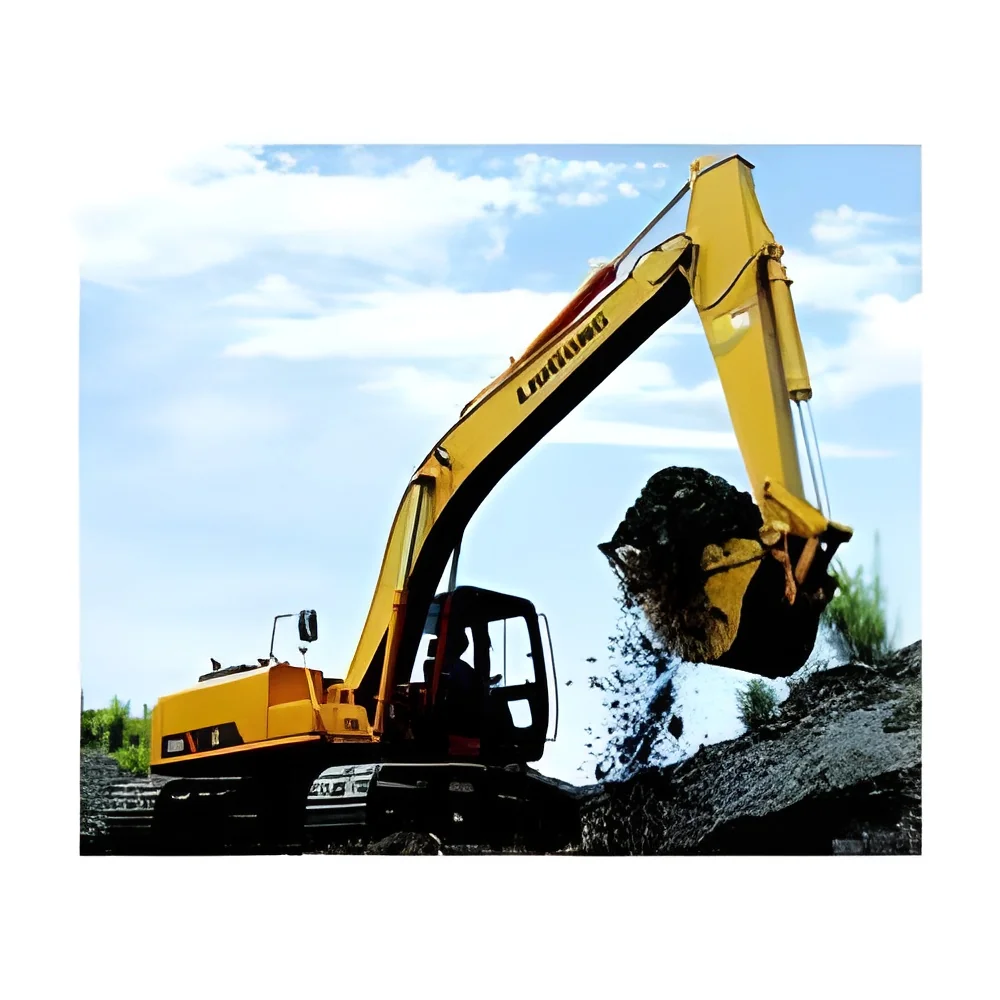
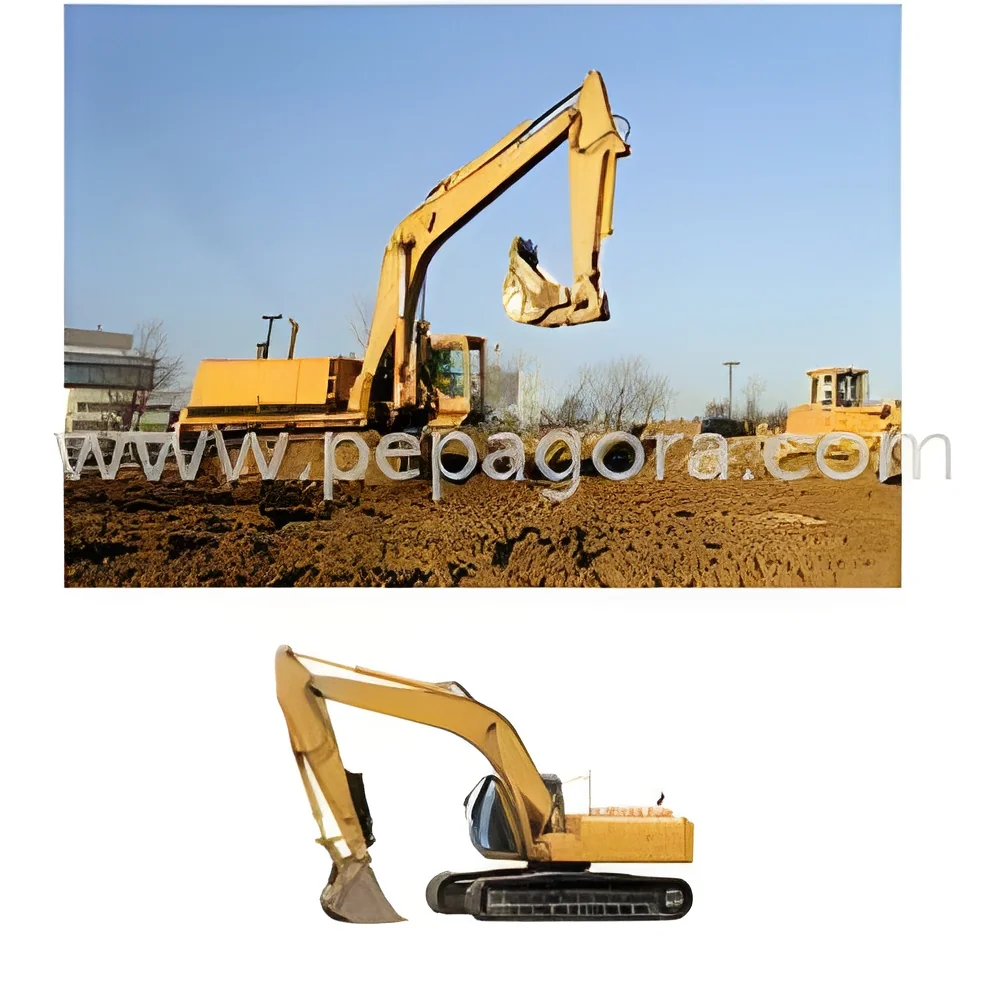
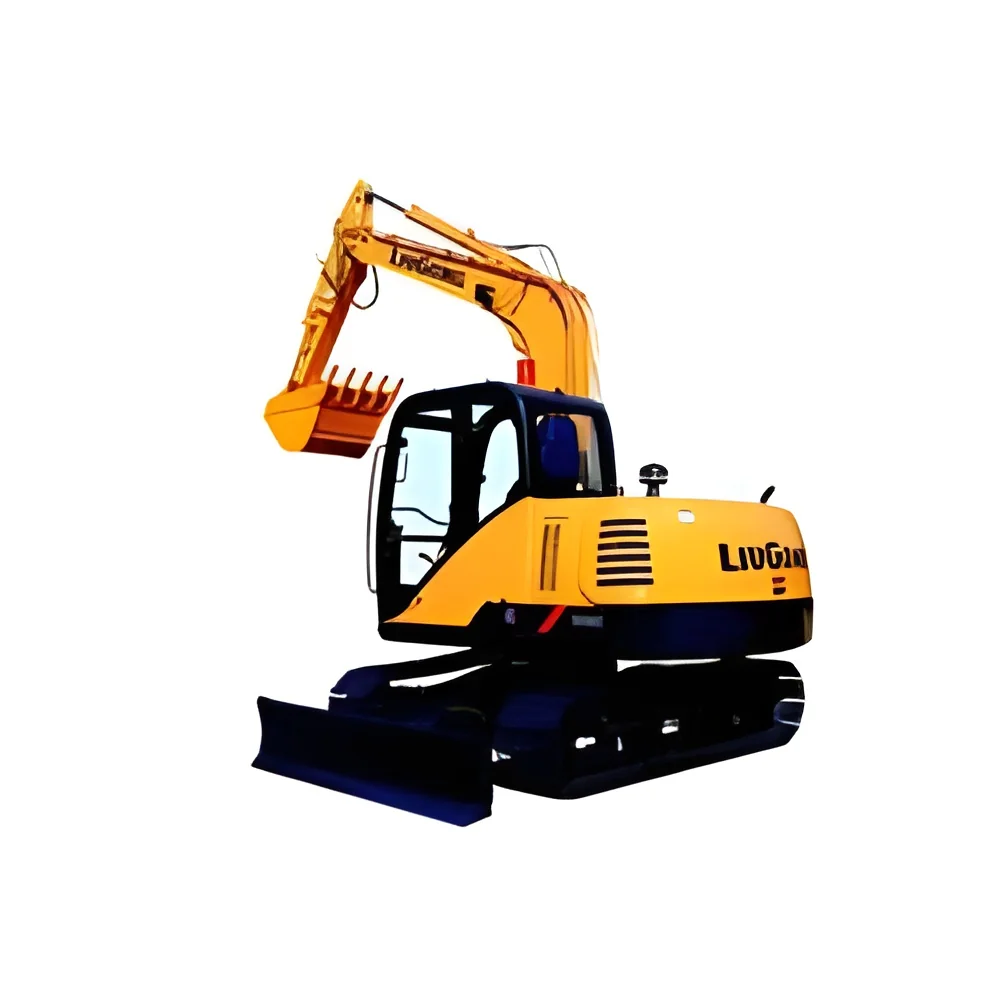
Crawler Excavators
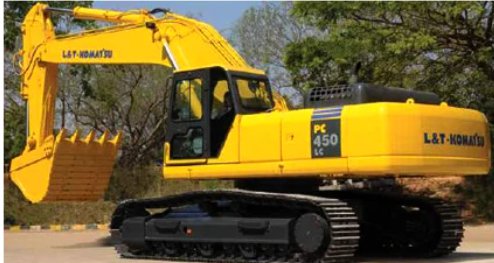
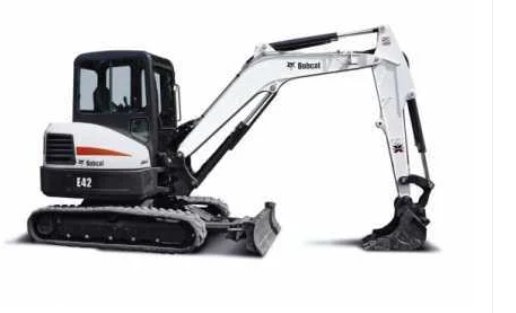
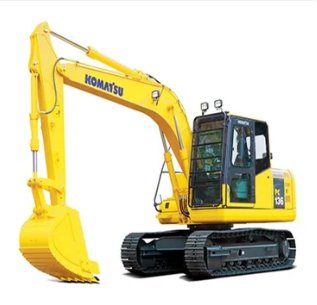
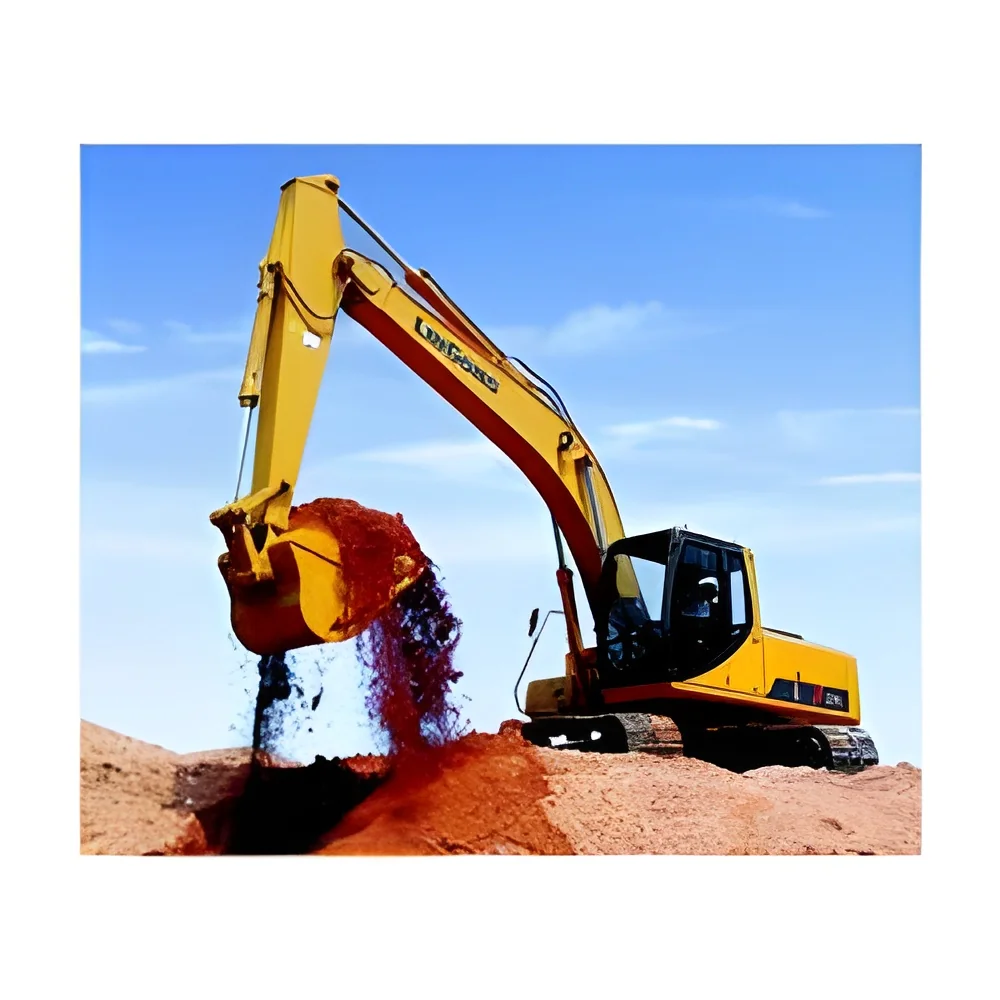
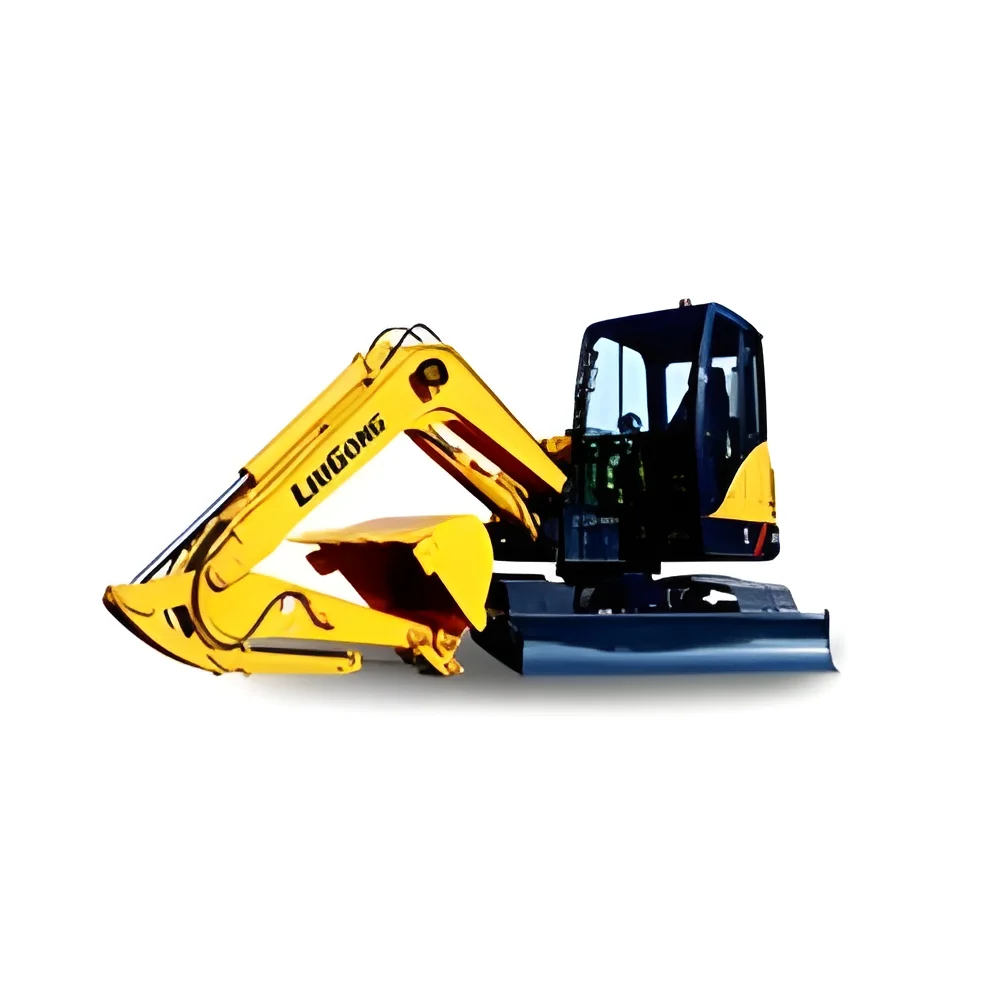
These models are designed with tracks for superior stability and traction on uneven surfaces. They excel in rugged terrains and are ideal for large-scale construction and mining projects.
Wheeled Excavators
With a wheeled configuration, these excavators offer enhanced mobility on paved surfaces. They are well-suited for urban construction and road maintenance tasks, allowing for quick relocation between sites.
Benefits and Advantages
Investing in excavators offers numerous benefits for businesses involved in construction and heavy machinery operations.
1. Enhanced Productivity: Excavators can perform multiple tasks efficiently, reducing the time required for project completion.
2. Versatility: With a range of attachments available, they can be used for various applications beyond just digging.
3. Improved Safety: Modern excavators come with advanced safety features that protect operators and workers on-site.
4. Fuel Efficiency: Many excavators are designed to consume less fuel while delivering high power, leading to cost savings.
5. Operator Comfort: Ergonomically designed cabs improve operator comfort, reducing fatigue and increasing focus.
6. Long-Term Investment: Excavators are durable machines that provide excellent returns on investment through their extensive operational lifespan.
Buying Guide for B2B Buyers
When sourcing Excavators (Crawler, Wheeled), several factors should be considered to ensure a smart purchase.
1. Quality Assessment: Evaluate the build quality, durability, and performance of the excavator. Look for machines that meet industry standards and have a proven track record.
2. Supplier Verification: Research suppliers and manufacturers for reliability and reputation. Check for reviews, testimonials, and previous work to gauge their credibility.
3. Pricing and MOQ: Understand the pricing structure and minimum order quantity. Compare quotes from different suppliers to ensure competitive pricing.
4. Delivery and Lead Times: Consider logistics for delivery. Understand the lead times and ensure they align with your project timelines.
5. Compliance Requirements: Ensure the excavators meet necessary regulatory and safety standards in your region. Familiarize yourself with compliance certifications that may be required.
Compliance and Certifications
Excavators must adhere to various quality standards and certifications to ensure safety and performance.
ISO 9001 is a widely recognized standard that outlines quality management processes. This certification ensures that manufacturers maintain a high level of quality in their production processes.
CE certification is crucial for excavators sold within the European Union. It indicates compliance with safety, health, and environmental protection standards.
Additionally, excavators are subject to safety testing requirements that assess their performance and reliability under different conditions.
Regional compliance considerations may vary, so it is essential for businesses to understand specific regulations in their operational areas to avoid any legal issues.
Why Source Excavators (Crawler, Wheeled) from Pepagora?
Pepagora offers a reliable platform for sourcing Excavators (Crawler, Wheeled) with several key advantages.
Verified Supplier Network: We have established a network of verified suppliers, ensuring that buyers can trust the quality and reliability of the excavators they purchase. Each supplier undergoes a rigorous vetting process to maintain high standards.
Streamlined RFQ Process: Our request for quotation (RFQ) system simplifies the procurement process, allowing buyers to easily compare offers from different suppliers and make informed decisions quickly.
Trade Assurance and Support: Pepagora provides trade assurance to protect buyers throughout their purchasing journey. Our support team is available to assist with any inquiries or issues that may arise during the process.
Regional Coverage: With a strong presence in India, the GCC, and Southeast Asia, Pepagora ensures that businesses have access to a wide range of excavators tailored to their regional needs. Our geographic reach allows for timely deliveries and localized support, enhancing the overall buying experience.

 IN
IN