
 IN
Soil Stabilizers
2 products available
What are Soil Stabilizers?
Soil stabilizers are chemical agents used to enhance the physical and mechanical properties of soil. They improve the soil's load-bearing capacity and reduce its plasticity, making it more suitable for construction and other applications. By altering the soil structure at a molecular level, these products help stabilize the ground, allowing for better performance in various environmental conditions.
The primary uses of soil stabilizers include road construction, pavement applications, and foundation support. Businesses in the construction, agriculture, and civil engineering sectors frequently utilize these products to create durable surfaces and foundations. Soil stabilizers play a crucial role in managing soil erosion and enhancing soil productivity, making them an essential component in infrastructure development.
In an increasingly competitive market, soil stabilizers are vital for projects that require strong and reliable soil conditions. As urbanization and infrastructure projects grow, the demand for effective soil stabilization techniques has also increased. This trend underscores the importance of soil stabilizers in construction and environmental management projects, making them a relevant topic for B2B discussions.
Key Features and Specifications
Soil stabilizers come with a variety of features that make them suitable for different applications. Understanding these specifications is crucial for selecting the right product for specific needs.
Key specifications include:
1. Chemical Composition
- Soil stabilizers may contain polymers, lime, or cement-based compounds.
- Formulations can vary to suit specific soil types and conditions.
2. Application Method
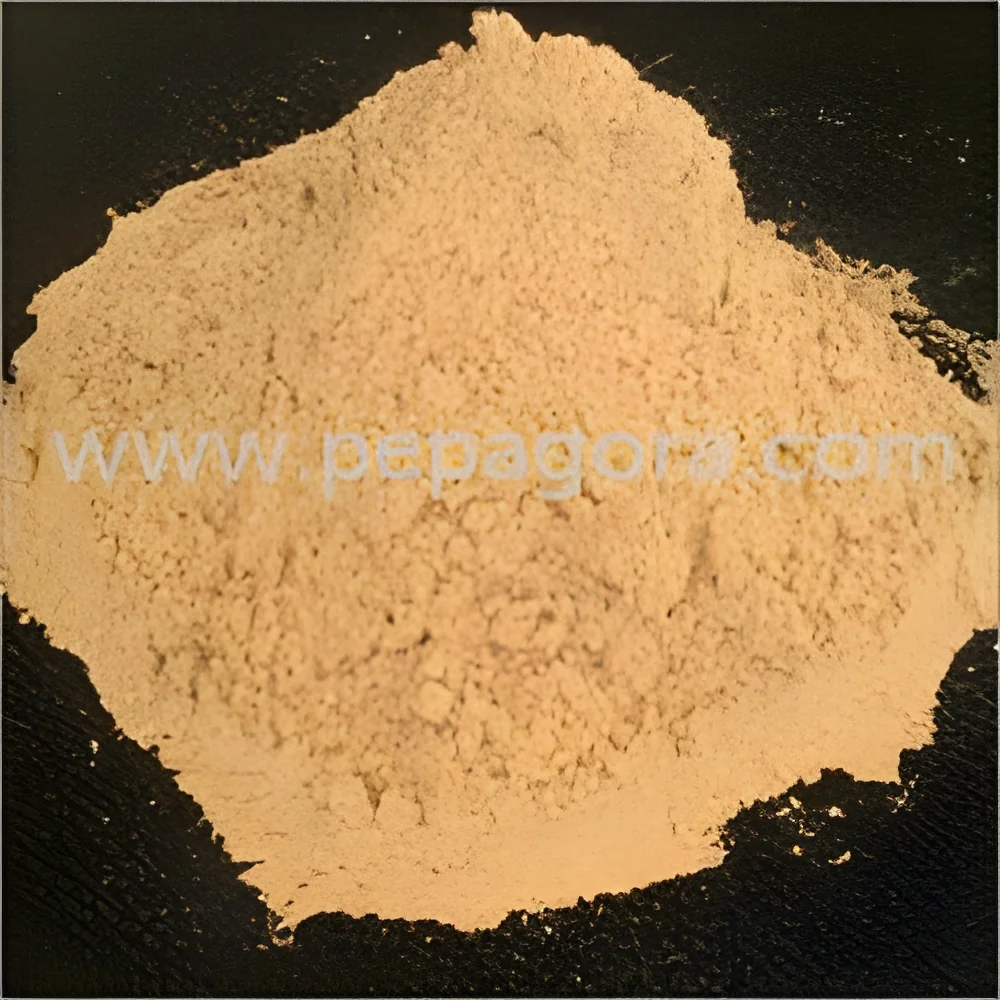
- Available in liquid or powdered forms.
- Some products are designed for spray application, while others are mixed directly into the soil.
3. Curing Time
- The time required for the stabilizer to set can vary from a few hours to several days.
- Quick-setting options are available for urgent projects.
4. Environmental Impact
- Many soil stabilizers are formulated to be environmentally friendly.
- Compliance with local regulations for chemical usage is often a consideration.
5. Moisture Retention
- Certain stabilizers are designed to retain moisture within the soil.
- This property can be critical for agricultural applications.
6. Load-Bearing Capacity
- Soil stabilizers improve the load-bearing capacity of soil significantly.
- Enhanced strength can support heavier structures and reduce maintenance needs.
7. Temperature Resistance
- Some products can withstand extreme temperatures.
- This feature is essential for applications in varying climates.
8. Shelf Life
- The shelf life of soil stabilizers can vary based on formulation.
- Proper storage conditions can extend usability.
In summary, selecting the right soil stabilizer involves understanding its features and specifications to ensure it meets the requirements of the intended application.
Common Applications and Use Cases
Soil stabilizers are versatile products used across various industries to enhance soil performance.
1. Construction: In the construction industry, soil stabilizers are essential for creating stable foundations and roads. They help manage soil erosion and improve the integrity of construction sites.
2. Agriculture: Farmers use soil stabilizers to enhance soil structure and prevent erosion. This leads to improved crop yields and better land management practices.
3. Mining: In mining operations, soil stabilizers help manage the soil conditions around excavation sites, ensuring safe and efficient operations.
4. Environmental Remediation: Soil stabilizers are employed in environmental projects to stabilize contaminated soils and prevent further degradation.
5. Transportation: The transportation sector uses soil stabilizers to improve the durability of roads and highways, reducing maintenance costs over time.
6. Landscaping: Landscape architects apply soil stabilization techniques to create level surfaces for parks and recreational areas, enhancing aesthetic appeal and usability.
7. Utility Installation: When installing utilities, soil stabilizers help maintain soil integrity, preventing issues during and after installation.
Product Variants and Subcategories
Soil stabilizers come in various formulations, offering options for different soil types and project requirements.
Liquid Stabilizers
These are easy to apply and can be mixed directly into the soil. They are often used for large-scale projects like road construction and can be adjusted for specific soil conditions.
Powdered Stabilizers
Powdered forms provide versatility in application and can be customized based on project needs. They are suitable for various soil types and can be mixed with other materials for enhanced performance.
Hybrid Stabilizers
Combining both liquid and powdered components, hybrid stabilizers offer the benefits of both forms. They are designed to optimize soil stabilization for challenging conditions.
Benefits and Advantages
Soil stabilizers provide numerous benefits to businesses looking for effective soil management solutions.
1. Enhanced Soil Strength: Soil stabilizers significantly improve the load-bearing capacity of soil, making it suitable for heavy constructions.
2. Cost Efficiency: By reducing the need for extensive excavation and replacement of soil, stabilizers can lower overall project costs.
3. Erosion Control: They help prevent soil erosion, which is essential for maintaining project integrity and reducing environmental impact.
4. Versatility: Soil stabilizers can be used across various applications, making them suitable for multiple industries.
5. Quick Application: Many soil stabilizers have rapid curing times, allowing for faster project completion.
6. Environmental Sustainability: Eco-friendly formulations contribute to sustainable construction practices, aligning with modern environmental standards.
Buying Guide for B2B Buyers
When sourcing soil stabilizers, B2B buyers should consider several important factors.
1. Quality Assessment: Look for products that meet recognized quality standards. Evaluate performance data and conduct soil tests to determine the suitability of the stabilizer.
2. Supplier Verification: Ensure that suppliers are reputable and have a track record of providing quality products. Check reviews and request references to gauge reliability.
3. Pricing and MOQ: Understand the pricing structure and minimum order quantities. Compare costs among different suppliers to secure the best deal while ensuring quality.
4. Delivery and Lead Times: Consider logistics when planning purchases. Factor in delivery schedules to align with project timelines and avoid delays.
5. Compliance Requirements: Be aware of any local regulations regarding chemical use and environmental impact. Ensure that the product meets all necessary compliance standards.
Compliance and Certifications
Soil stabilizers must adhere to various quality standards and certifications to ensure safety and effectiveness. Relevant standards include ISO 9001, which focuses on quality management systems, and CE marking, indicating compliance with EU safety and health requirements.
Testing requirements often include evaluations for environmental safety and effectiveness in soil modification. Buyers should also consider regional compliance needs, as regulations can vary significantly by location.
Ensuring that soil stabilizers meet these standards is vital for maintaining project integrity and safety. Compliance not only protects the environment but also supports long-term operational success.
Why Source Soil Stabilizers from Pepagora?
Pepagora offers a trusted platform for sourcing soil stabilizers, providing several key advantages for buyers.
Verified Supplier Network: Pepagora has a robust network of verified suppliers. Each supplier undergoes thorough vetting to ensure quality and reliability, giving buyers peace of mind.
Streamlined RFQ Process: The request for quotation process on Pepagora is designed to be efficient and user-friendly. Buyers can easily compare quotes from multiple suppliers, facilitating informed purchasing decisions.
Trade Assurance and Support: Pepagora provides trade assurance mechanisms to protect buyers. This includes support services to resolve any disputes or issues that may arise during transactions.
Regional Coverage: With a strong presence in India, the GCC, and Southeast Asia, Pepagora connects buyers with suppliers across diverse markets. This geographic reach ensures access to a wide range of products and services, catering to various project needs.
In summary, sourcing soil stabilizers through Pepagora not only simplifies the procurement process but also enhances buyer confidence through verified suppliers and comprehensive support.

Frequently Asked Questions
What are Soil Stabilizers?
Soil Stabilizers are materials used to enhance the physical properties of soil, improving its load-bearing capacity and stability. They are commonly used in construction, road building, and agriculture to reduce soil erosion and increase the durability of structures.
What are the different types of Soil Stabilizers?
There are various types of Soil Stabilizers, including chemical stabilizers, mechanical stabilizers, and biological stabilizers. Chemical stabilizers often include lime, cement, and polymers, while mechanical stabilizers involve techniques like compaction and geosynthetics.
How do I choose the right Soil Stabilizers?
Choosing the right Soil Stabilizers depends on factors such as soil type, project requirements, and environmental conditions. It is advisable to conduct soil tests and consult with professionals to determine the most suitable stabilizer for your specific application.
What are the standard specifications for Soil Stabilizers?
Standard specifications for Soil Stabilizers can vary based on the type and intended use. Typically, they should meet certain criteria for strength, durability, and chemical composition as specified by industry standards or local regulations.
What is the price range for Soil Stabilizers?
The price of Soil Stabilizers can vary widely based on the type, brand, and quantity purchased. On average, prices can range from ₹1,500 to ₹5,000 per ton, but bulk purchases or specialized products may incur different costs.
What quality standards apply to Soil Stabilizers?
Quality standards for Soil Stabilizers may include compliance with national and international testing protocols, such as ASTM or IS standards. These standards ensure that the stabilizers perform effectively and are safe for their intended applications.
Where can I find Soil Stabilizers suppliers in India?
You can find Soil Stabilizers suppliers in India through various online B2B marketplaces, trade fairs, and industry directories. Websites like Pepagora.com offer a comprehensive list of manufacturers and suppliers for easy sourcing.
Can Soil Stabilizers be customized?
Yes, many Soil Stabilizers can be customized based on specific project requirements, such as chemical composition or performance characteristics. It is important to discuss customization options directly with manufacturers to meet your needs.
What is the typical minimum order quantity for Soil Stabilizers?
The typical minimum order quantity (MOQ) for Soil Stabilizers can vary by supplier, but it generally ranges from 1 to 5 tons. It is best to check with individual suppliers for their specific MOQ policies.
What is the typical lead time for Soil Stabilizers?
The typical lead time for Soil Stabilizers can vary depending on the supplier and the size of the order. Generally, lead times range from 1 to 4 weeks, but it is advisable to confirm with the supplier for accurate delivery timelines.
Why Businesses Trust Pepagora
Thousands of companies trust Pepagora to source smarter and sell faster
Expand Your Sales Globally

Source Smarter,Grow Faster
