
 IN
INOther Construction Machinery
240 products available
What are Other Construction Machinery?
Key Features and Specifications
Common Applications and Use Cases
Product Variants and Subcategories
Benefits and Advantages
Buying Guide for B2B Buyers
Compliance and Certifications
Why Source Other Construction Machinery from Pepagora?







Frequently Asked Questions
What are Other Construction Machinery?
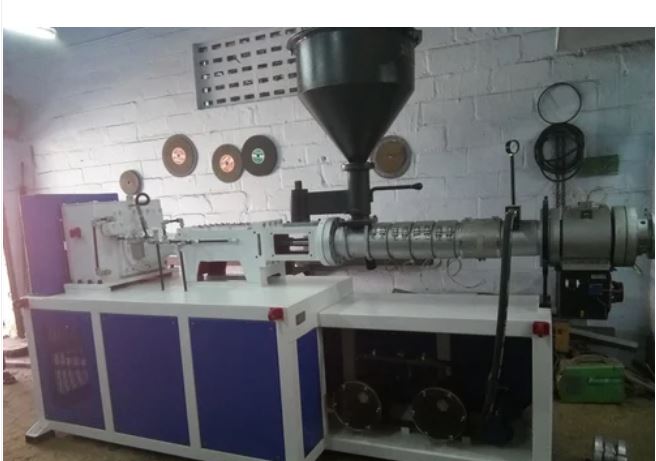
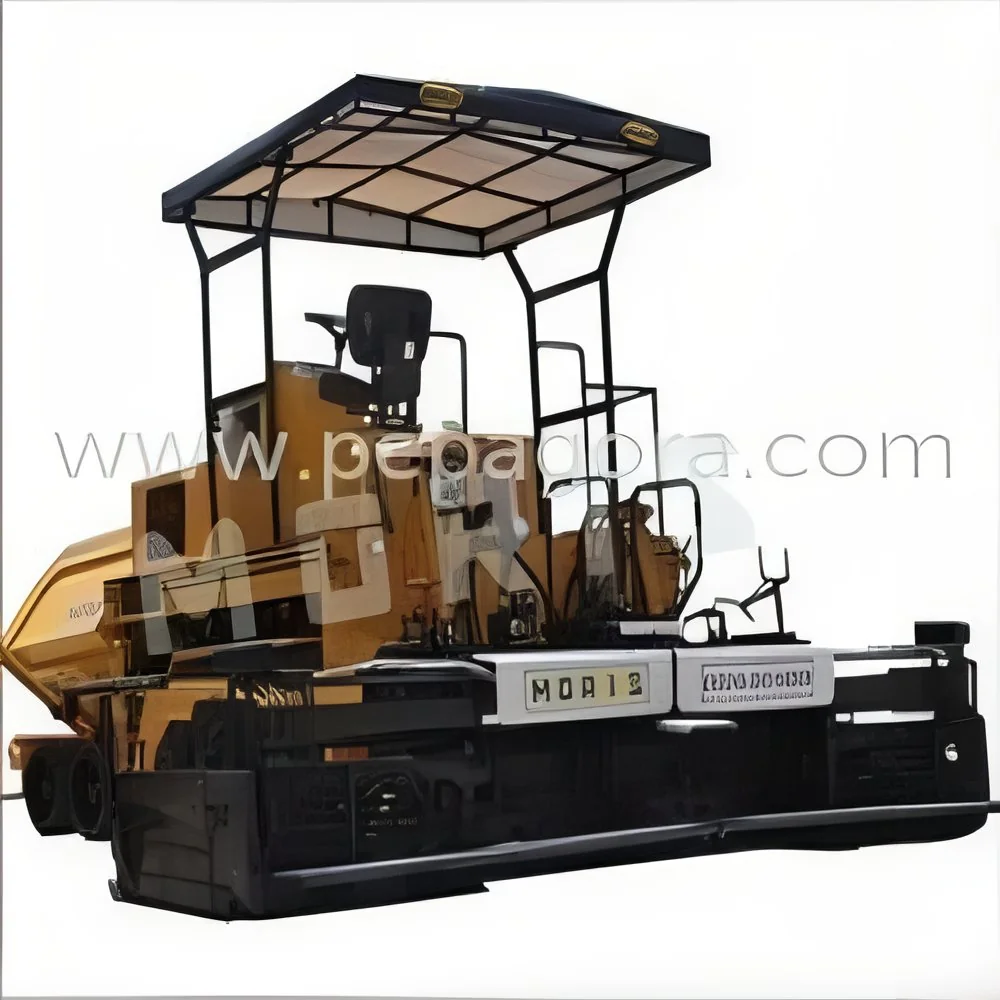
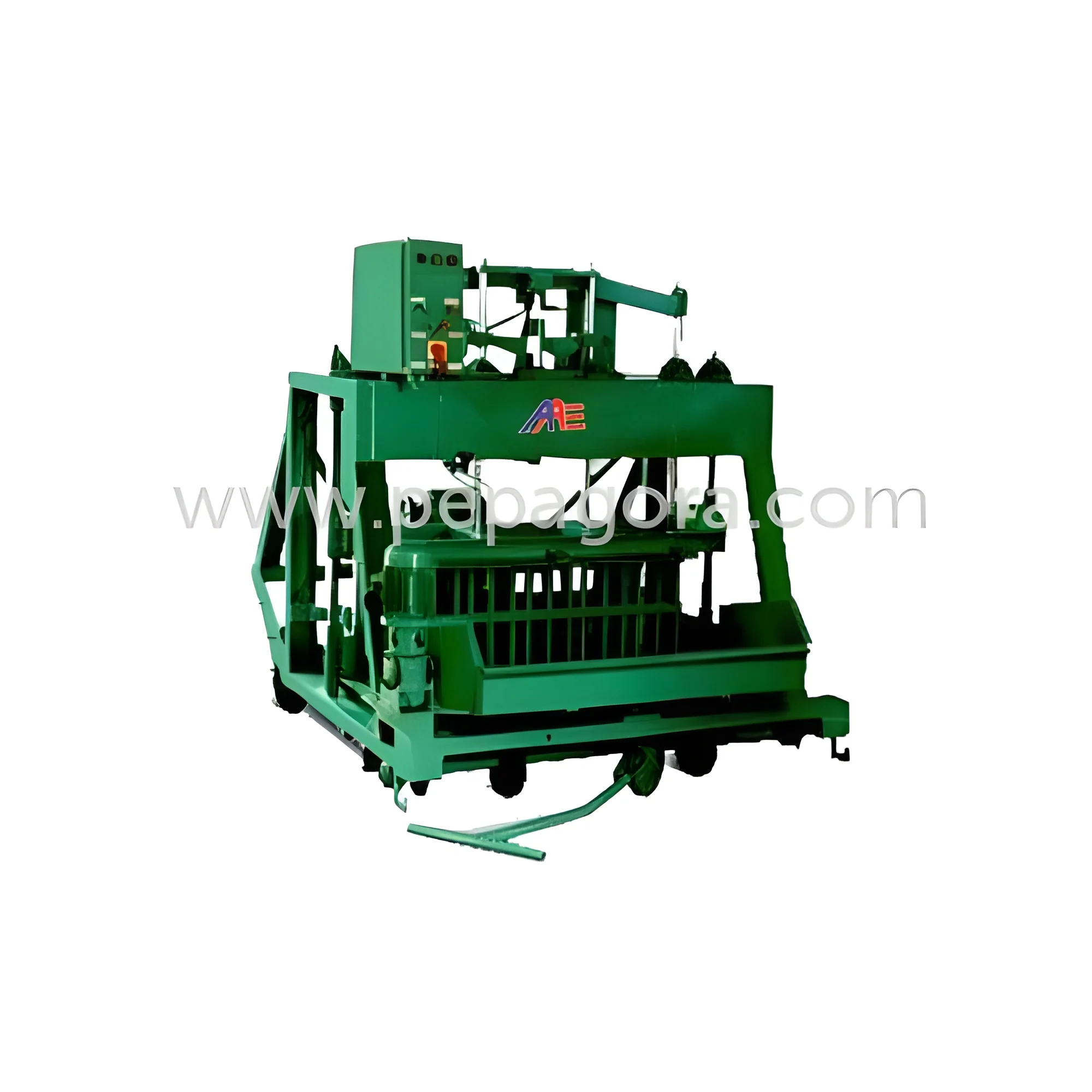
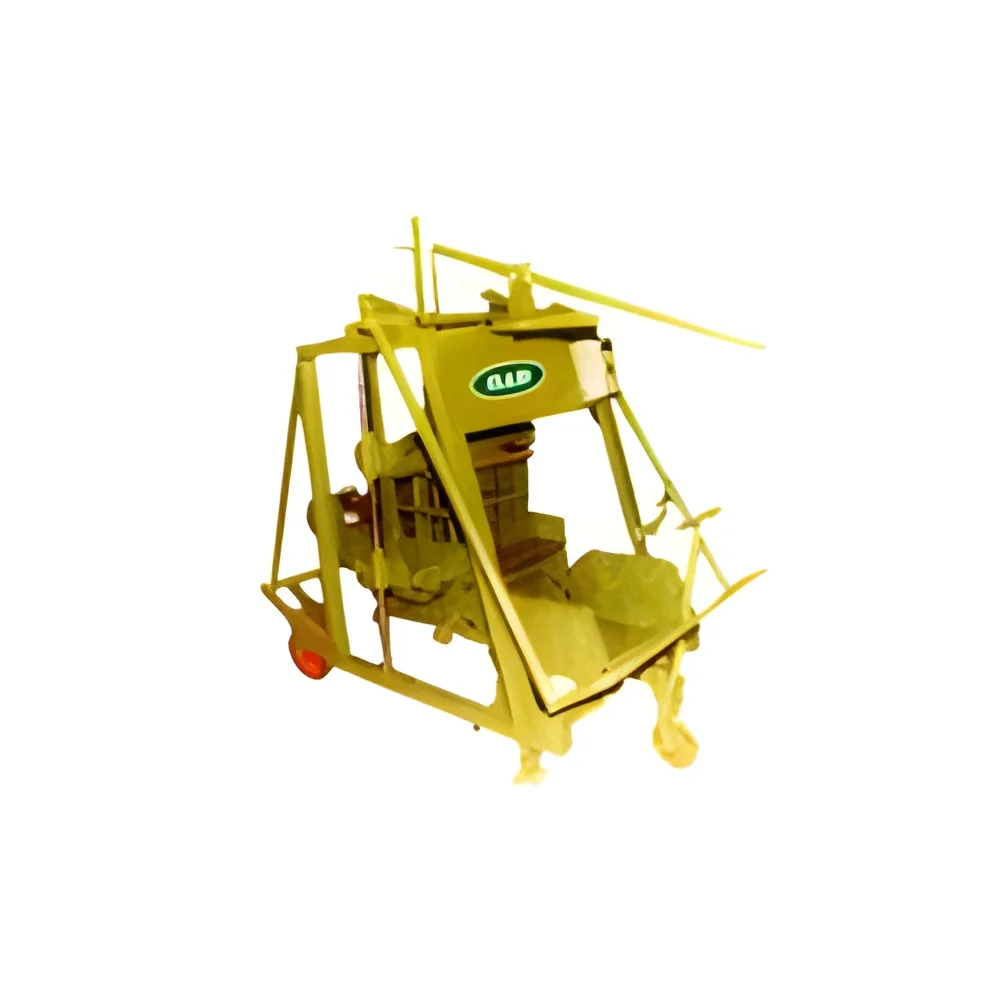
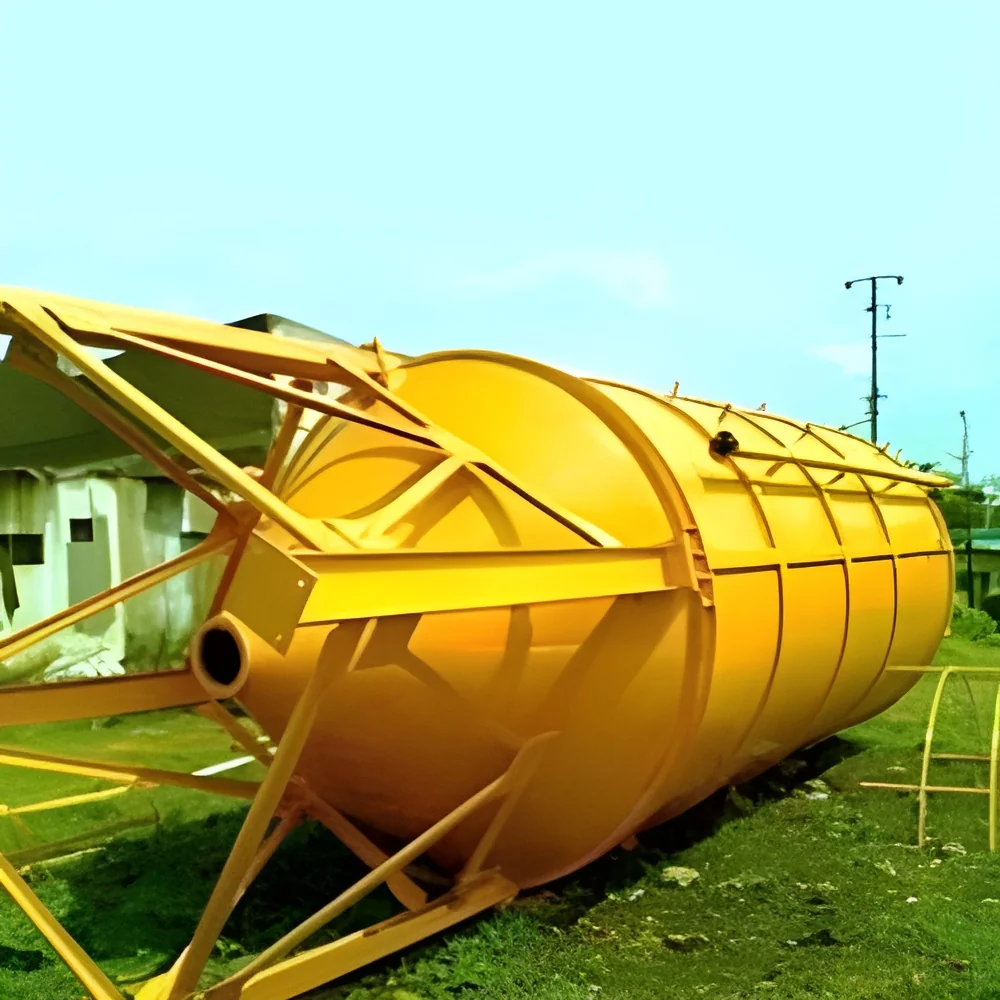
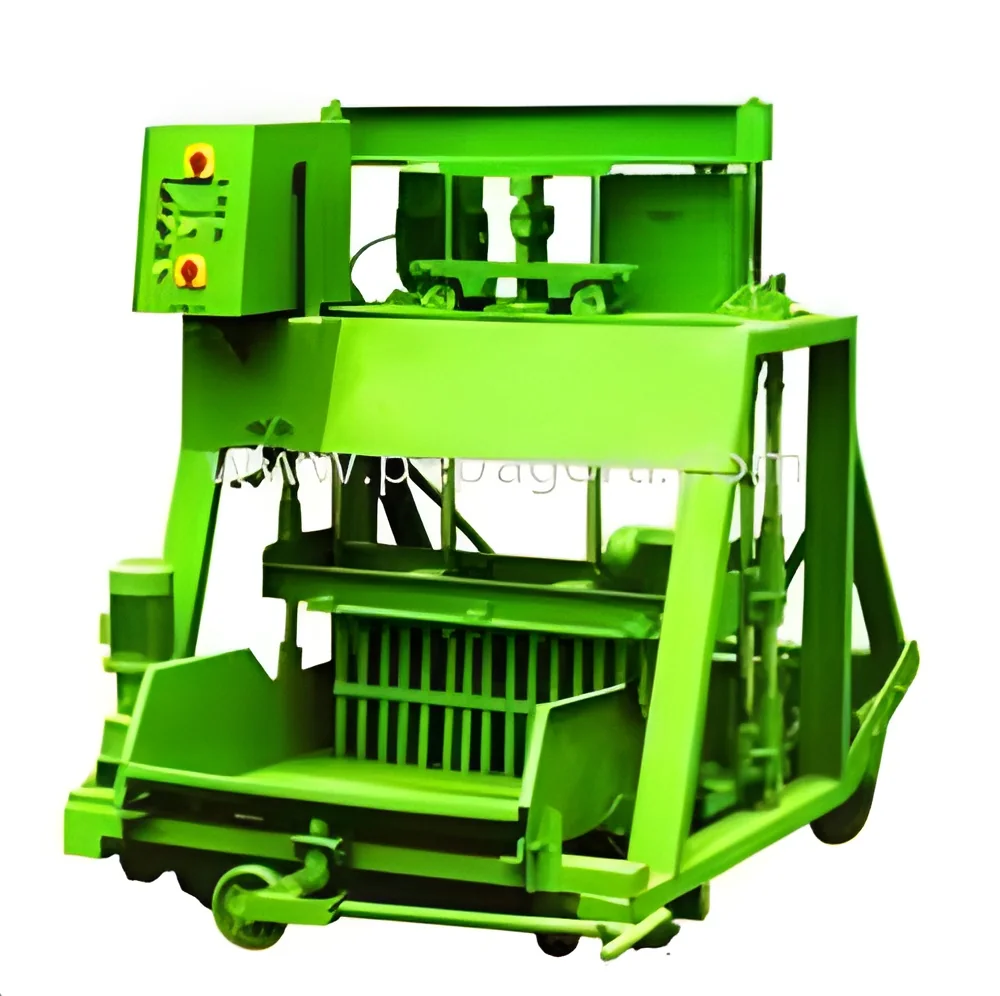
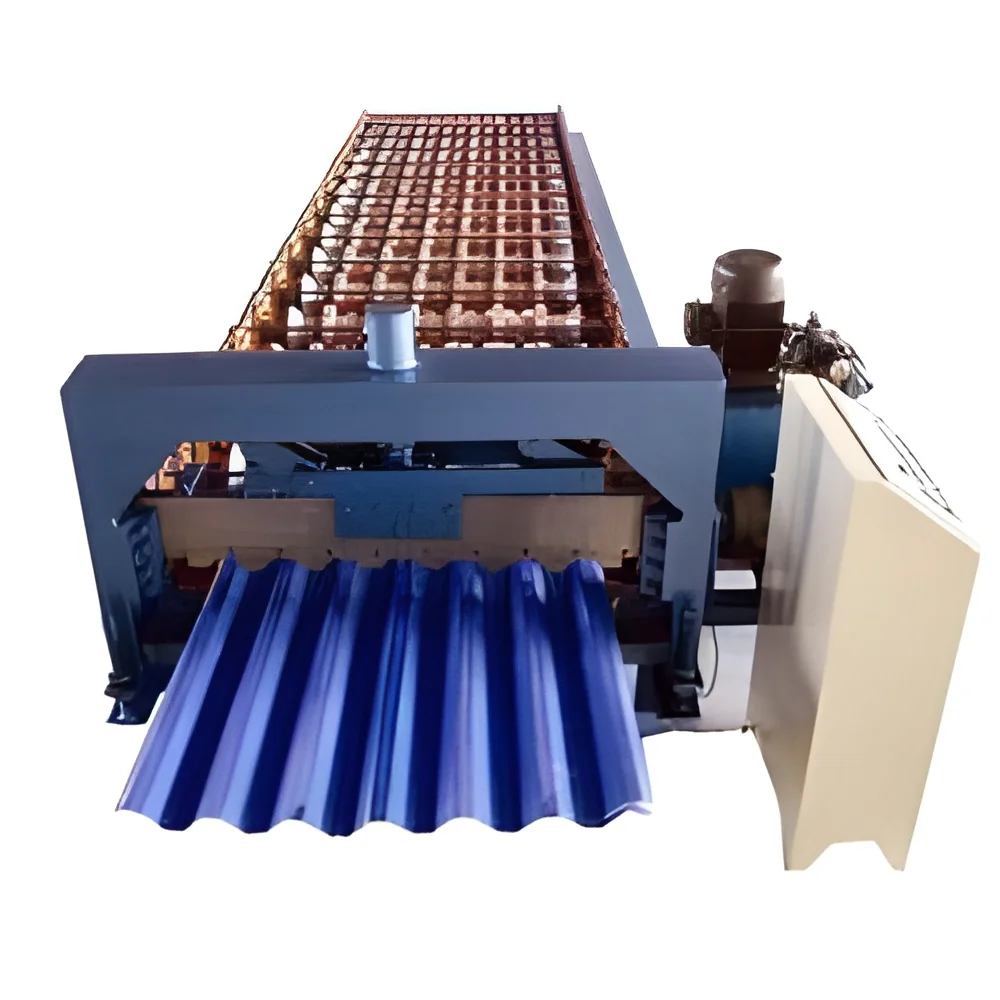
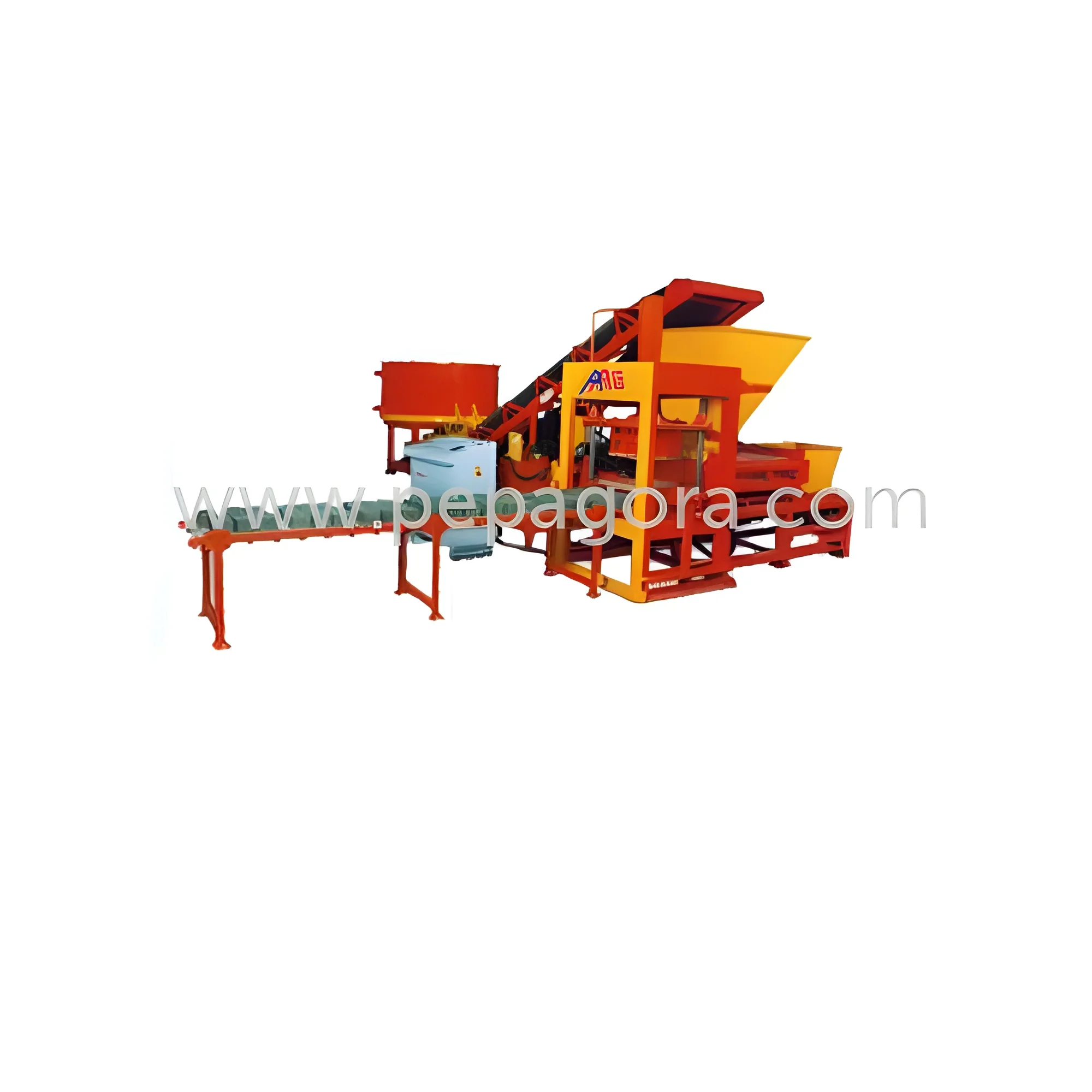
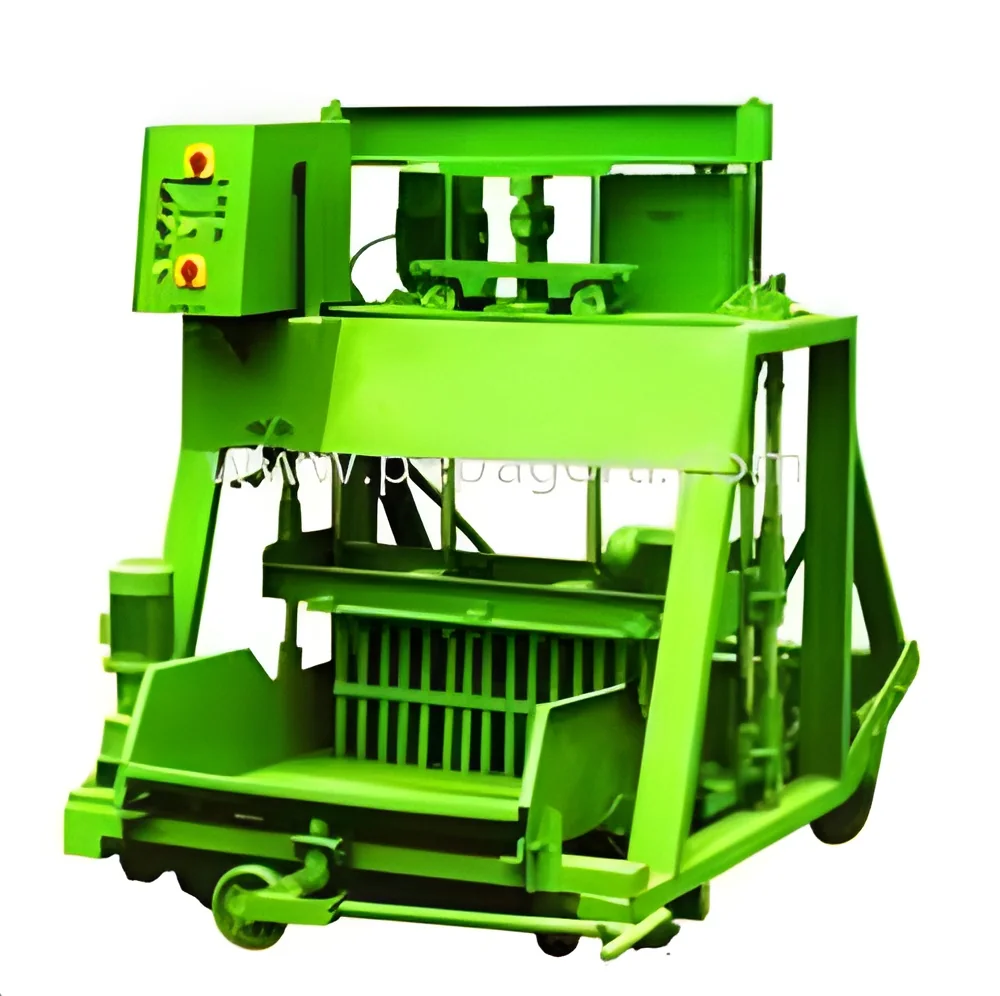
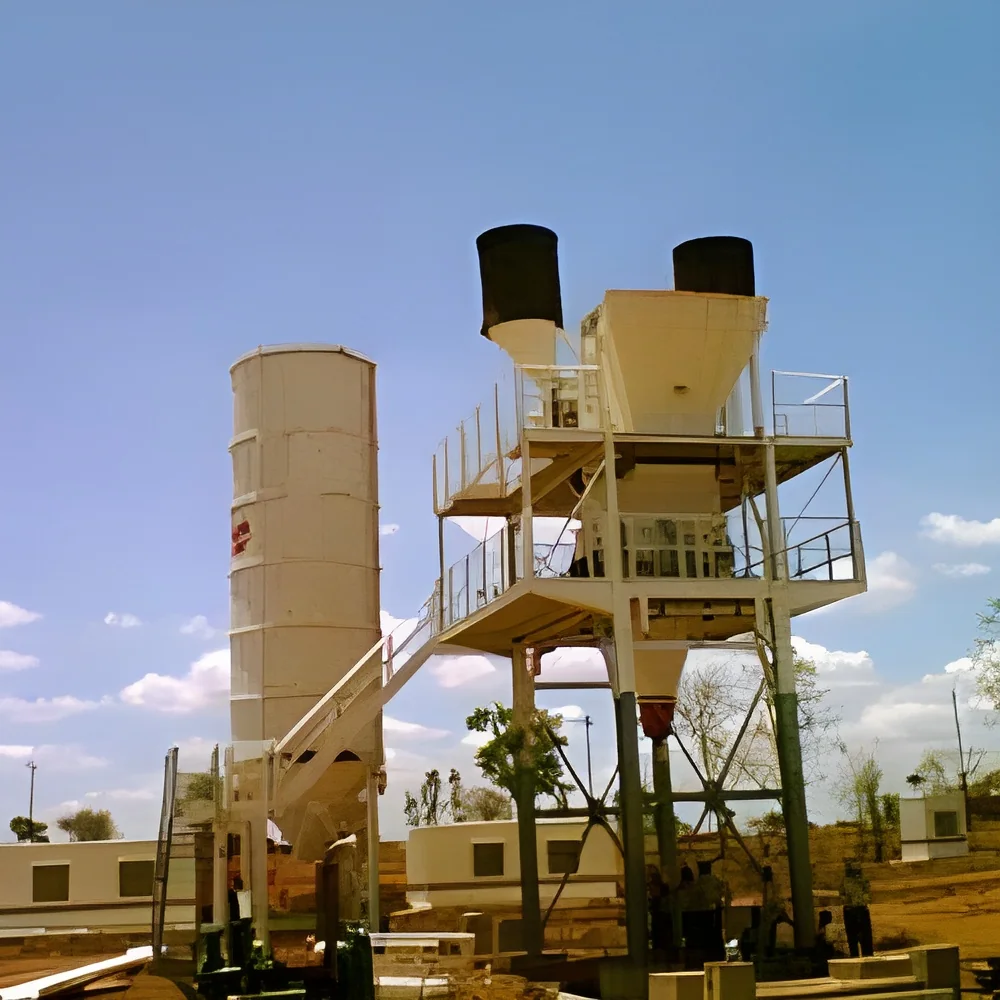
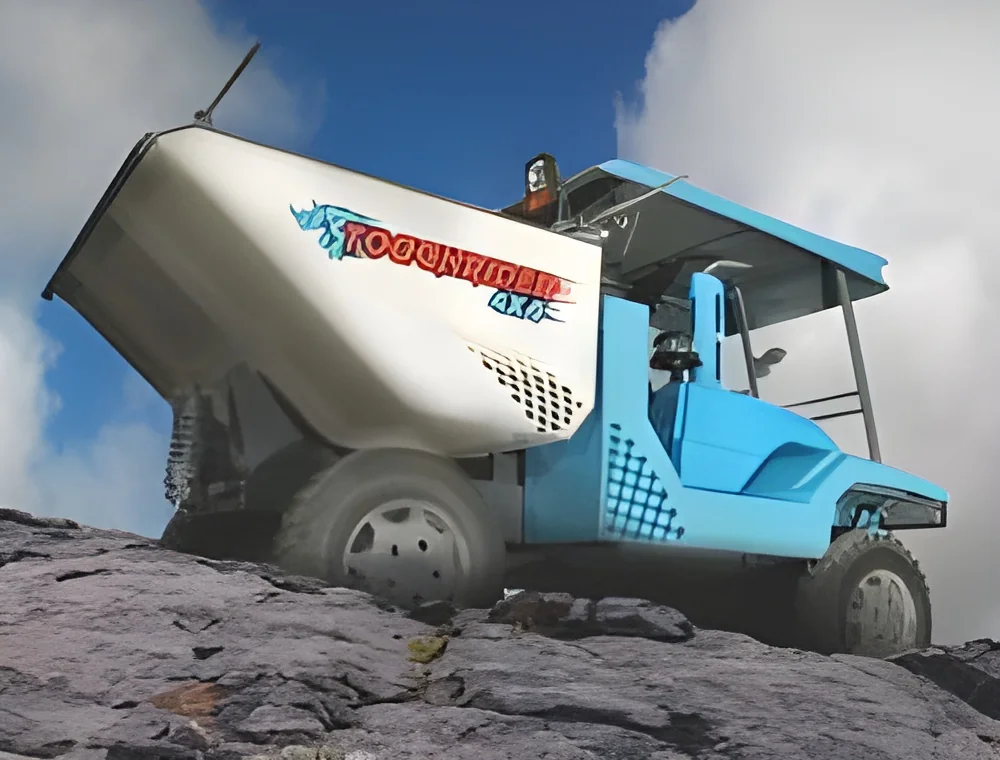
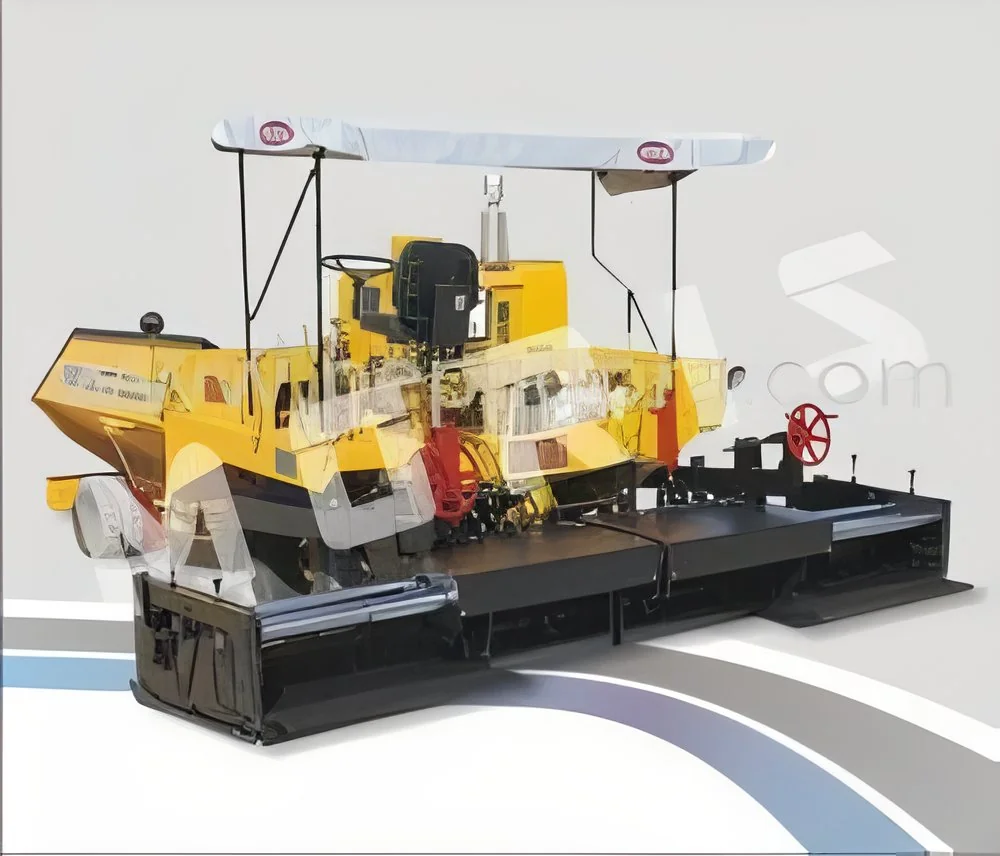
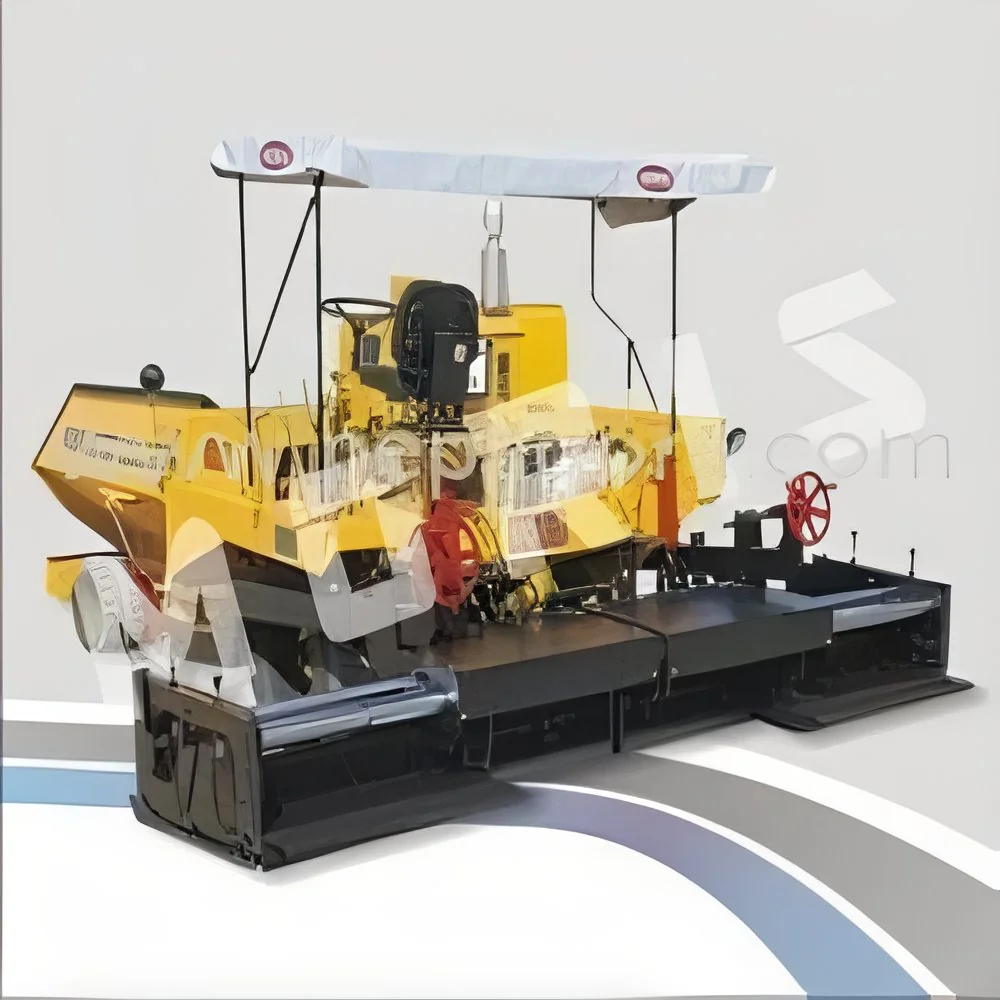
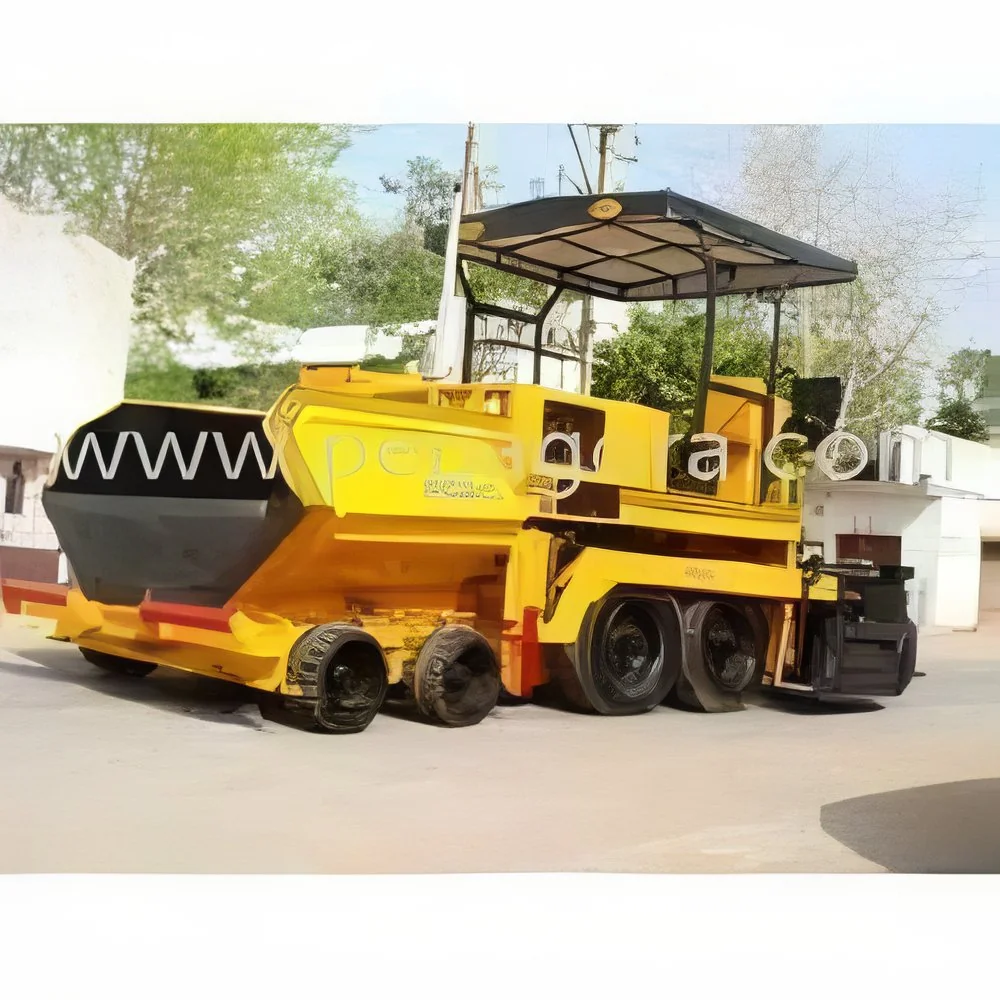
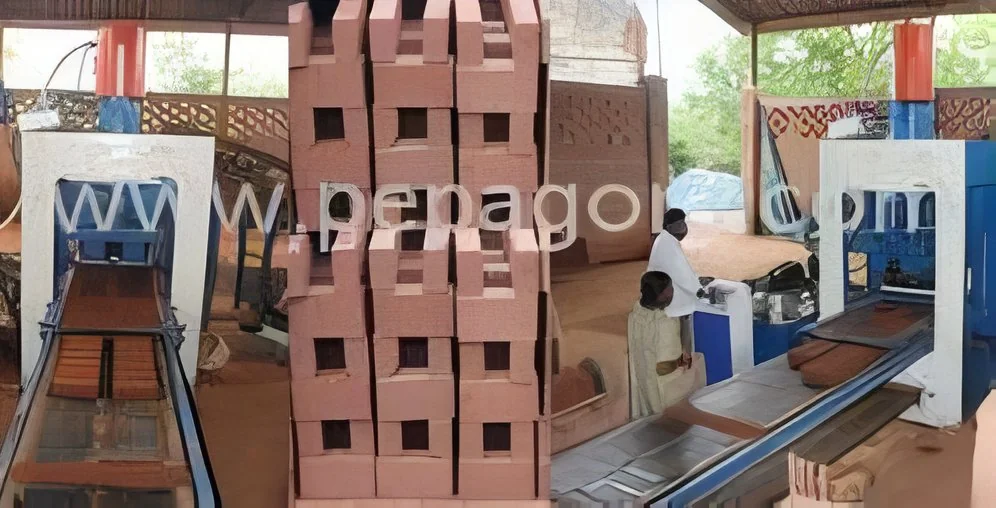
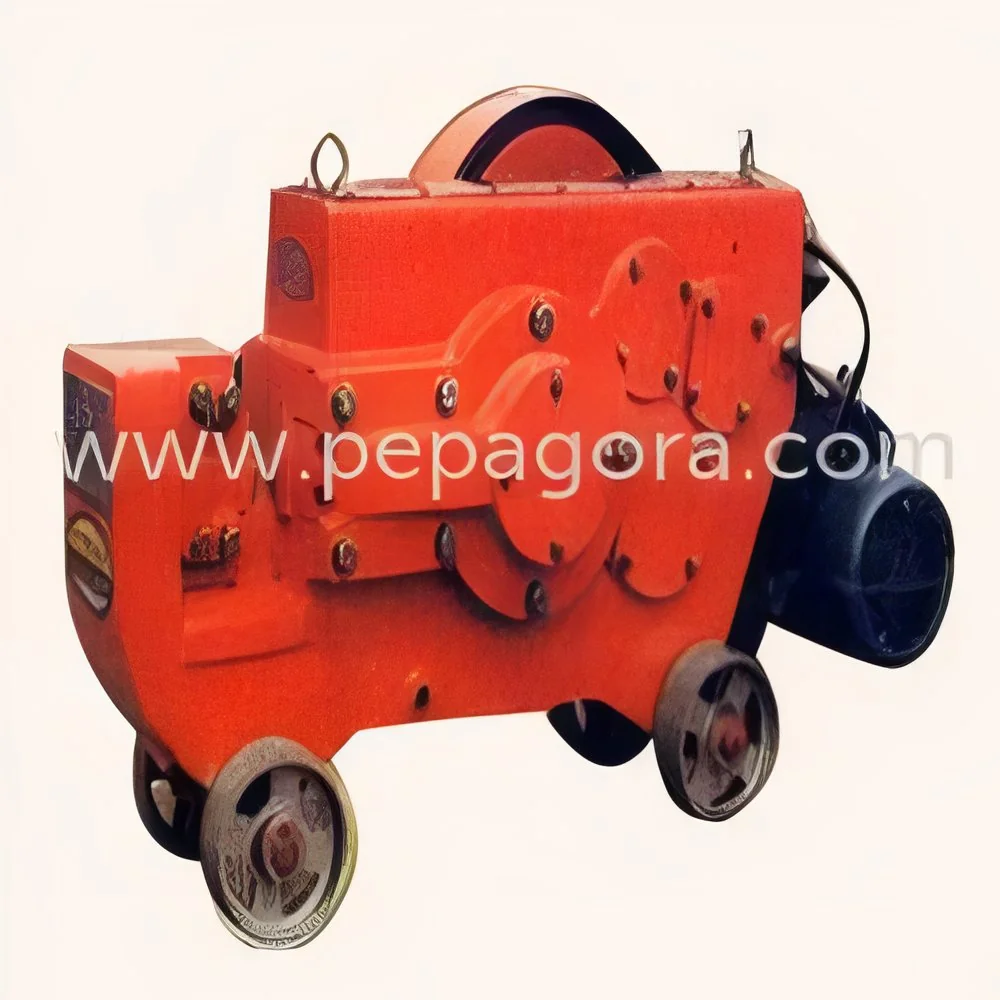
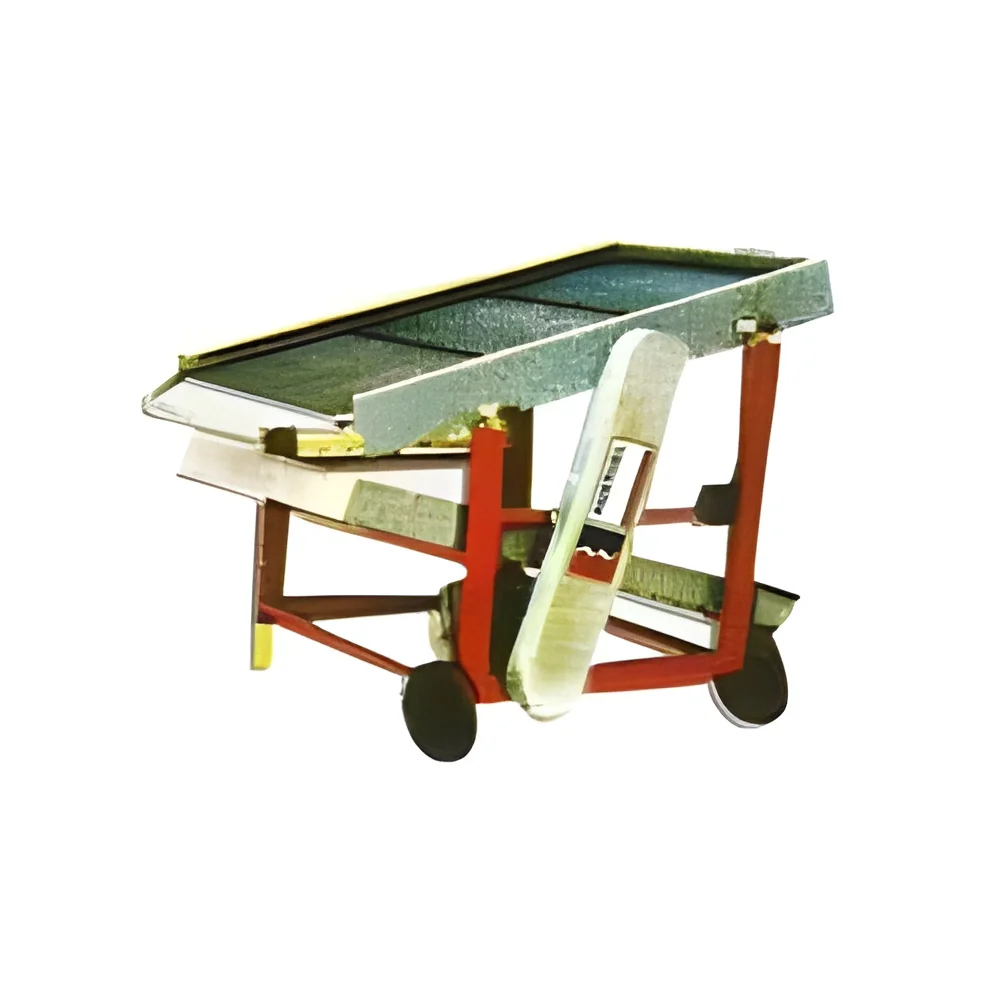
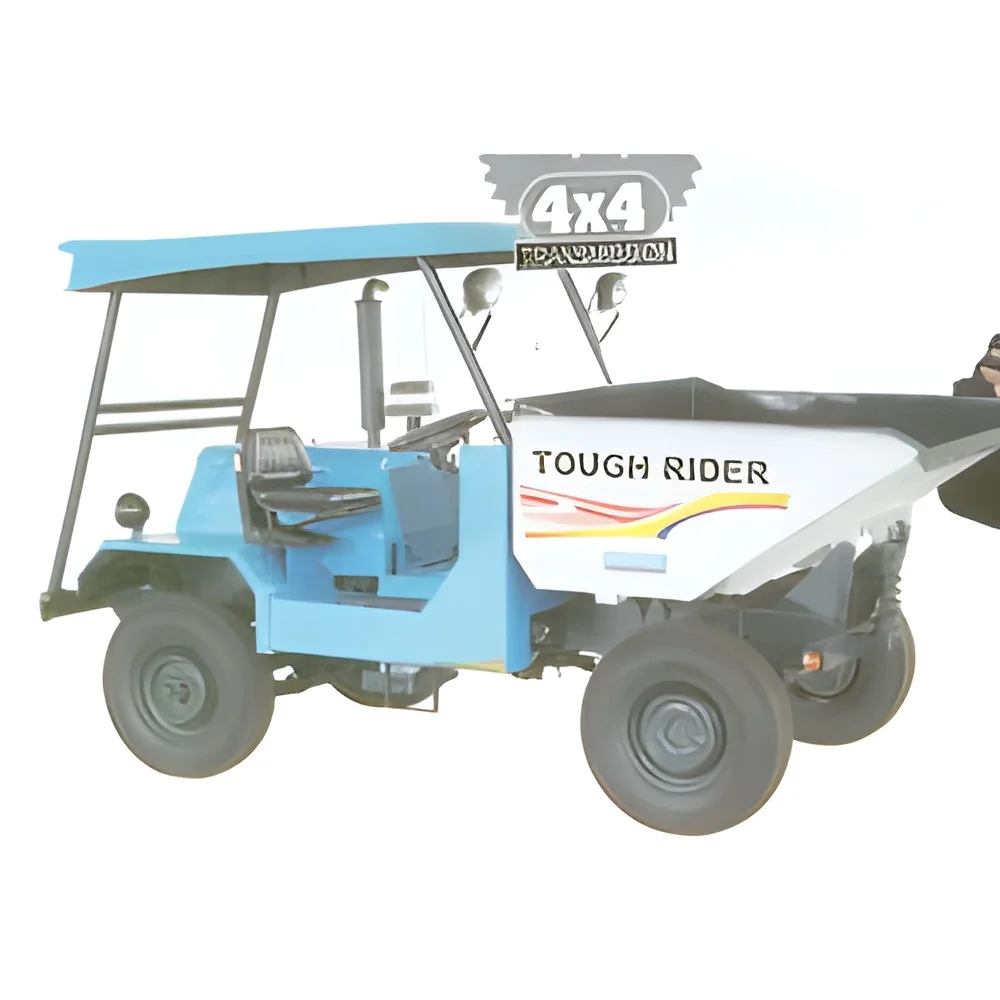
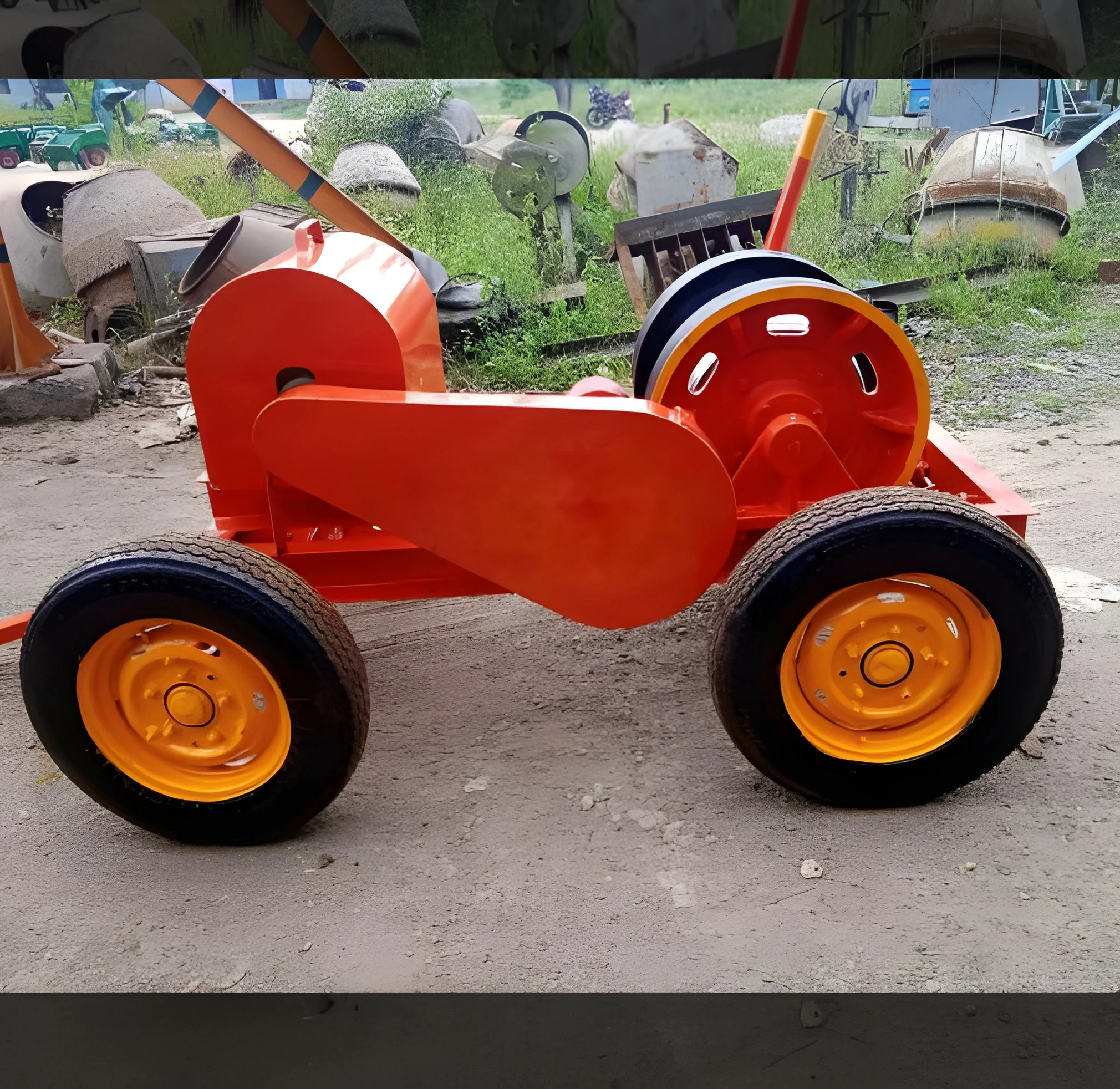
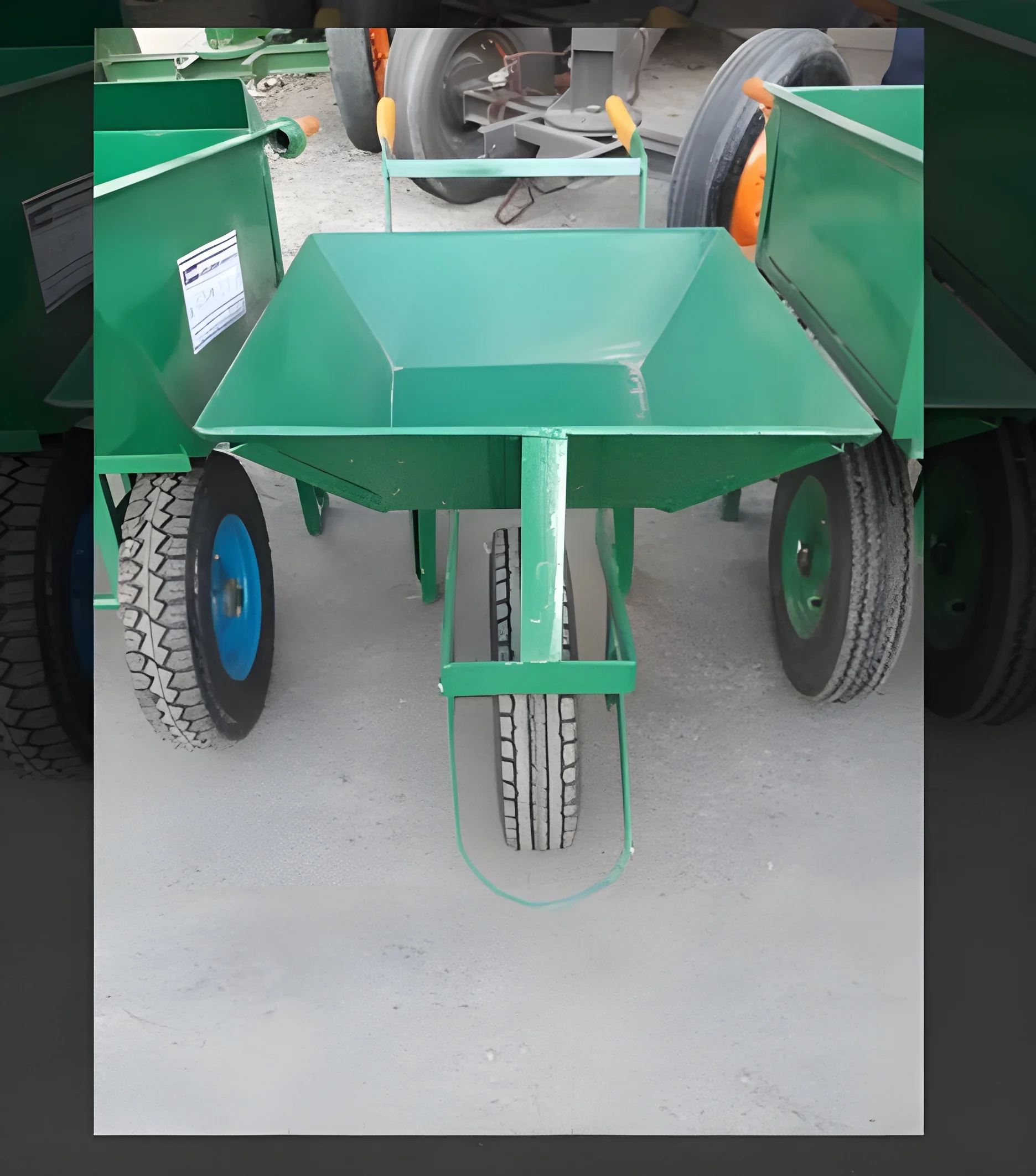
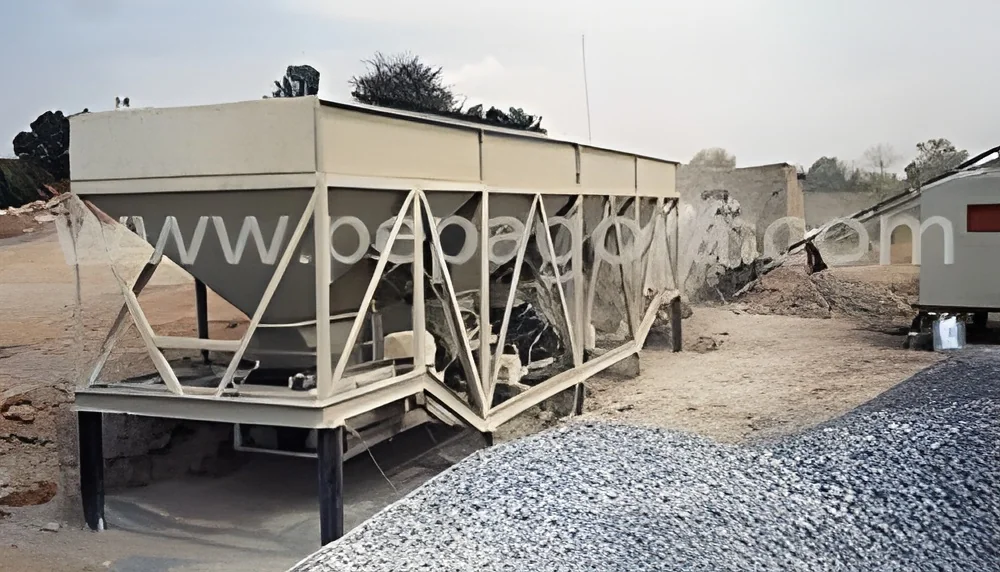
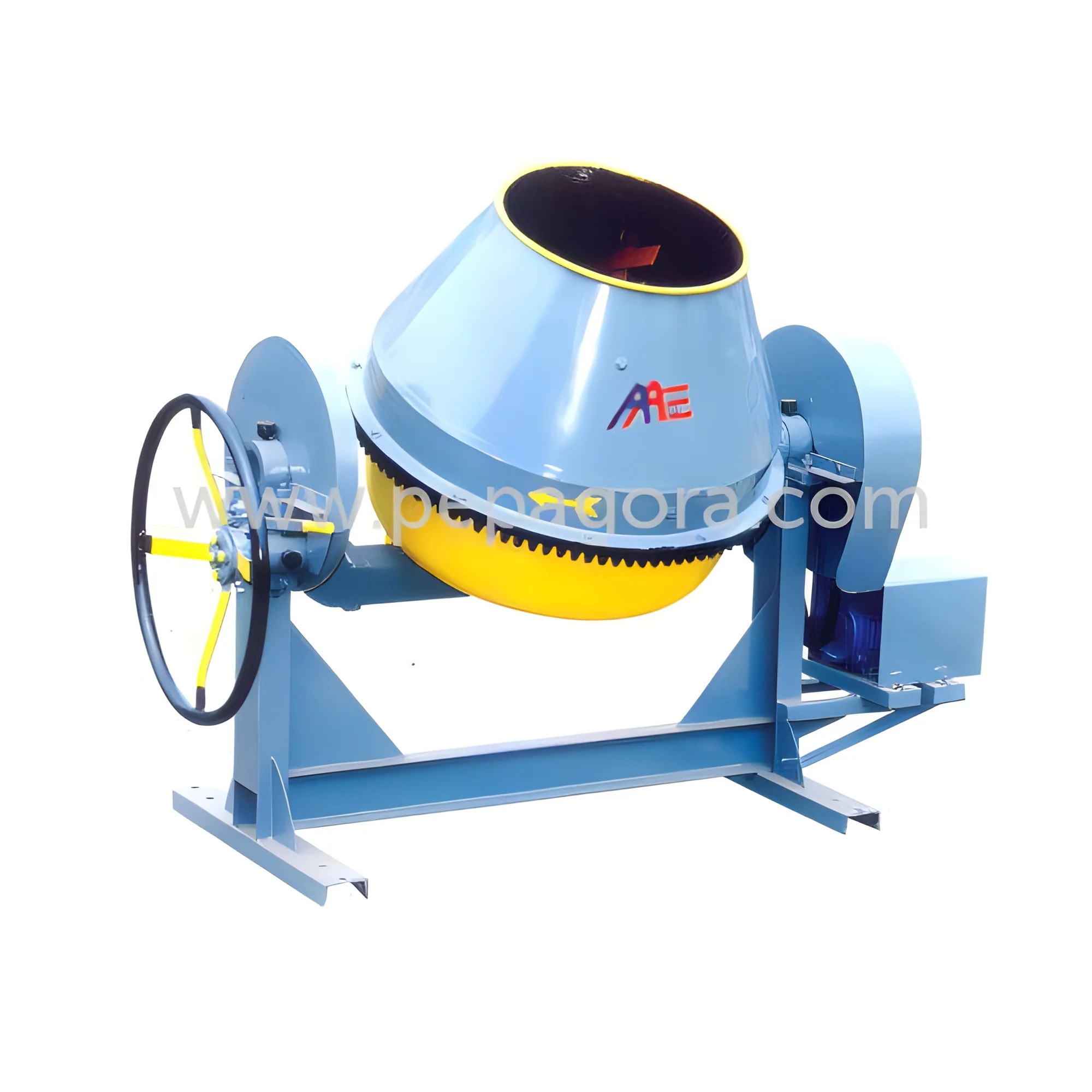
Other Construction Machinery refers to a category of equipment used in construction projects that do not fall under the standard classifications of heavy machinery. This includes a variety of machines that assist in tasks such as lifting, drilling, and material handling. Examples include concrete mixers, asphalt pavers, and compactors.
What are the different types of Other Construction Machinery?
The different types of Other Construction Machinery include equipment like concrete pumps, road rollers, and pile drivers. Each type serves a specific function in construction projects, aiding in tasks such as mixing, transporting, and compacting materials. Additionally, there are specific machines designed for specialized applications, including demolition and excavation.
How do I choose the right Other Construction Machinery?
Choosing the right Other Construction Machinery involves assessing the specific needs of your project, including the type of work to be done and the materials to be handled. It's important to consider factors such as machine capacity, efficiency, and compatibility with other equipment. Consulting with suppliers and reviewing machine specifications can also help ensure you select the best fit.
What are the standard specifications for Other Construction Machinery?
Standard specifications for Other Construction Machinery can vary widely depending on the type of machine and its intended use. Common specifications include power output, operational weight, capacity, and size dimensions. Additionally, safety features and operational guidelines are crucial aspects that should meet industry standards.
What is the price range for Other Construction Machinery?
The price range for Other Construction Machinery can vary significantly based on the type, brand, and specifications of the equipment. Generally, prices can start from a few thousand rupees for smaller machines and can go up to several lakhs for more complex and larger machinery. It's advisable to compare prices from multiple suppliers to get the best deal.
What quality standards apply to Other Construction Machinery?
Quality standards for Other Construction Machinery typically include compliance with local and international safety and performance regulations. Machines should meet certifications such as ISO and CE standards to ensure reliability and safety during operation. Regular maintenance and adherence to manufacturer guidelines are also essential for maintaining quality.
Where can I find Other Construction Machinery suppliers in India?
You can find Other Construction Machinery suppliers in India through various channels, including online marketplaces, industry trade shows, and construction equipment expos. Websites like Pepagora.com provide listings of manufacturers and suppliers, making it easier to connect with reputable vendors. Local construction equipment dealers can also be a valuable resource.
Can Other Construction Machinery be customized?
Yes, Other Construction Machinery can often be customized to meet specific project requirements. Many manufacturers offer options for modifications, such as size adjustments or the addition of specialized attachments. It's important to discuss your customization needs with the supplier to ensure they can accommodate your requests.
What is the typical minimum order quantity for Other Construction Machinery?
The typical minimum order quantity (MOQ) for Other Construction Machinery can vary by supplier and type of machinery. Some suppliers may allow single unit purchases, while others may require bulk orders for cost-effectiveness. It's advisable to inquire directly with suppliers to understand their specific MOQ policies.
What is the typical lead time for Other Construction Machinery?
The typical lead time for Other Construction Machinery can depend on factors such as the type of machinery, customization requirements, and supplier location. Generally, lead times can range from a few weeks to several months. It's best to confirm lead times with suppliers when placing an order to ensure timely delivery.
Why Businesses Trust Pepagora
Thousands of companies trust Pepagora to source smarter and sell faster
Expand Your Sales Globally

Source Smarter,Grow Faster
