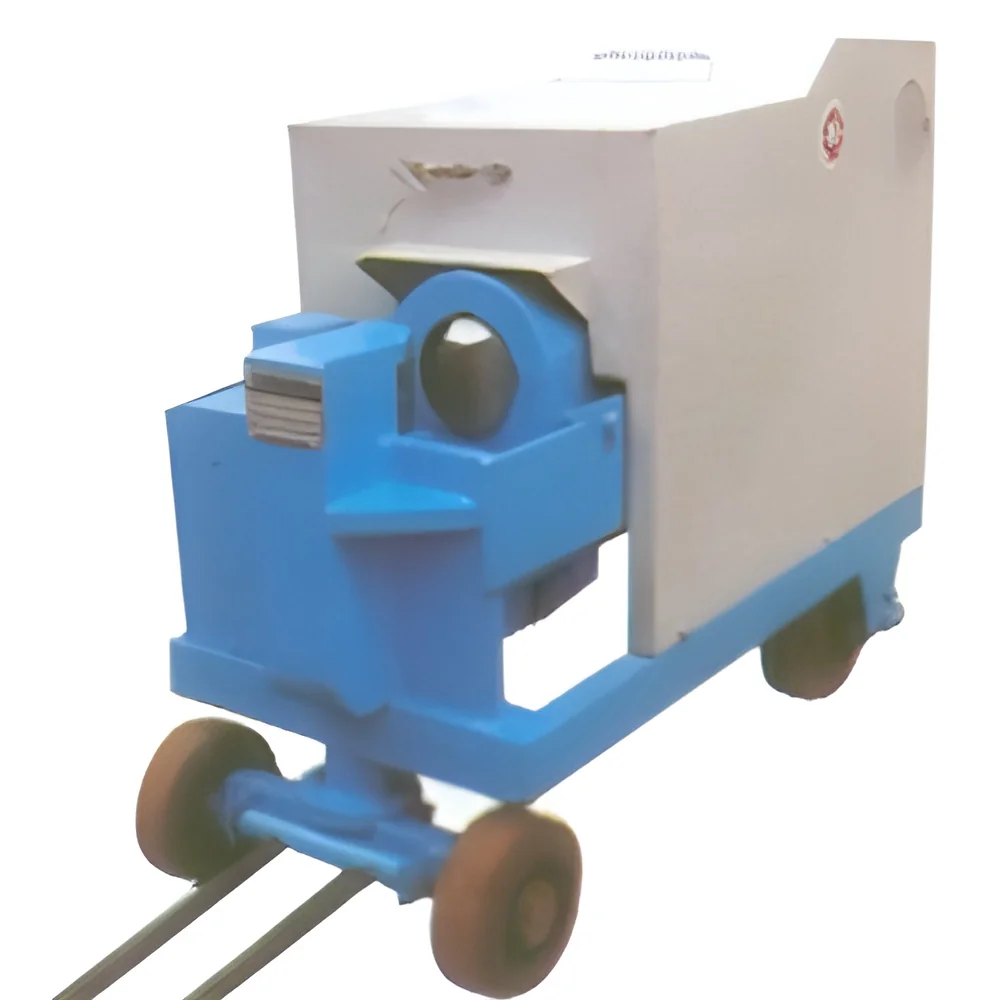
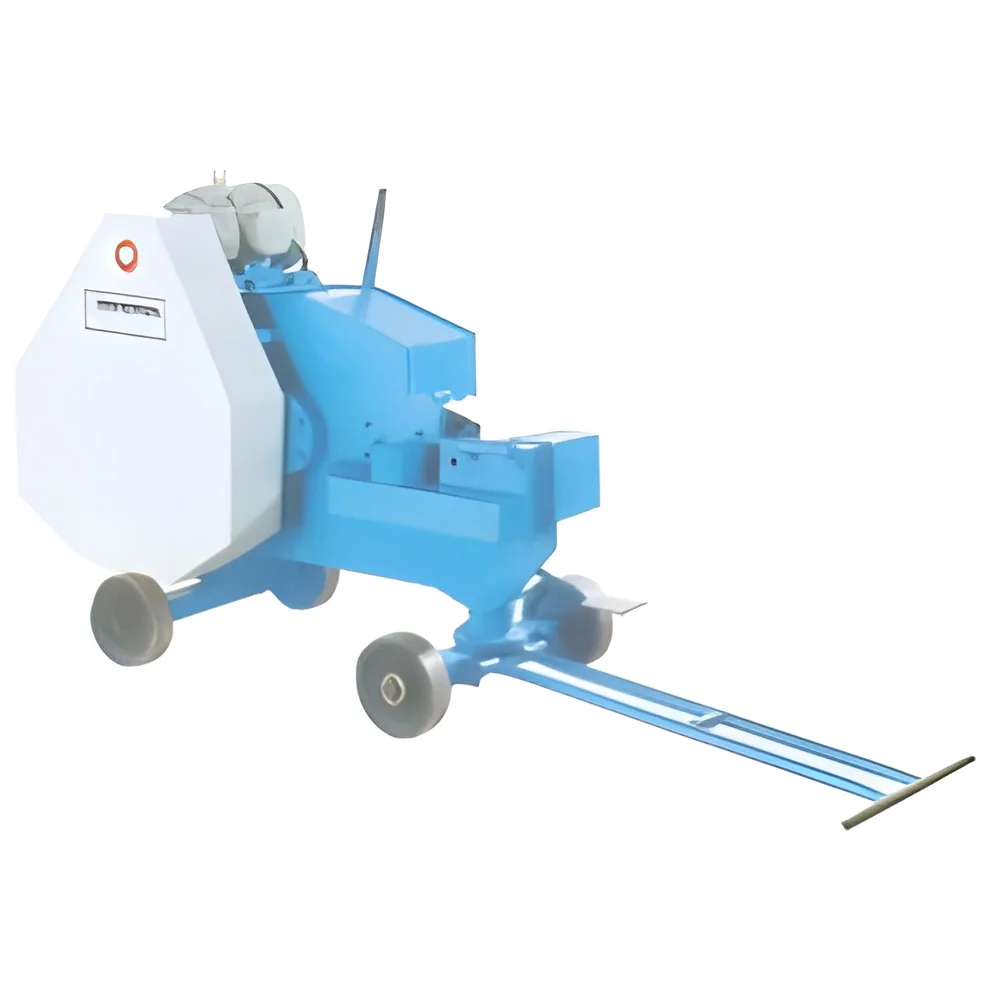
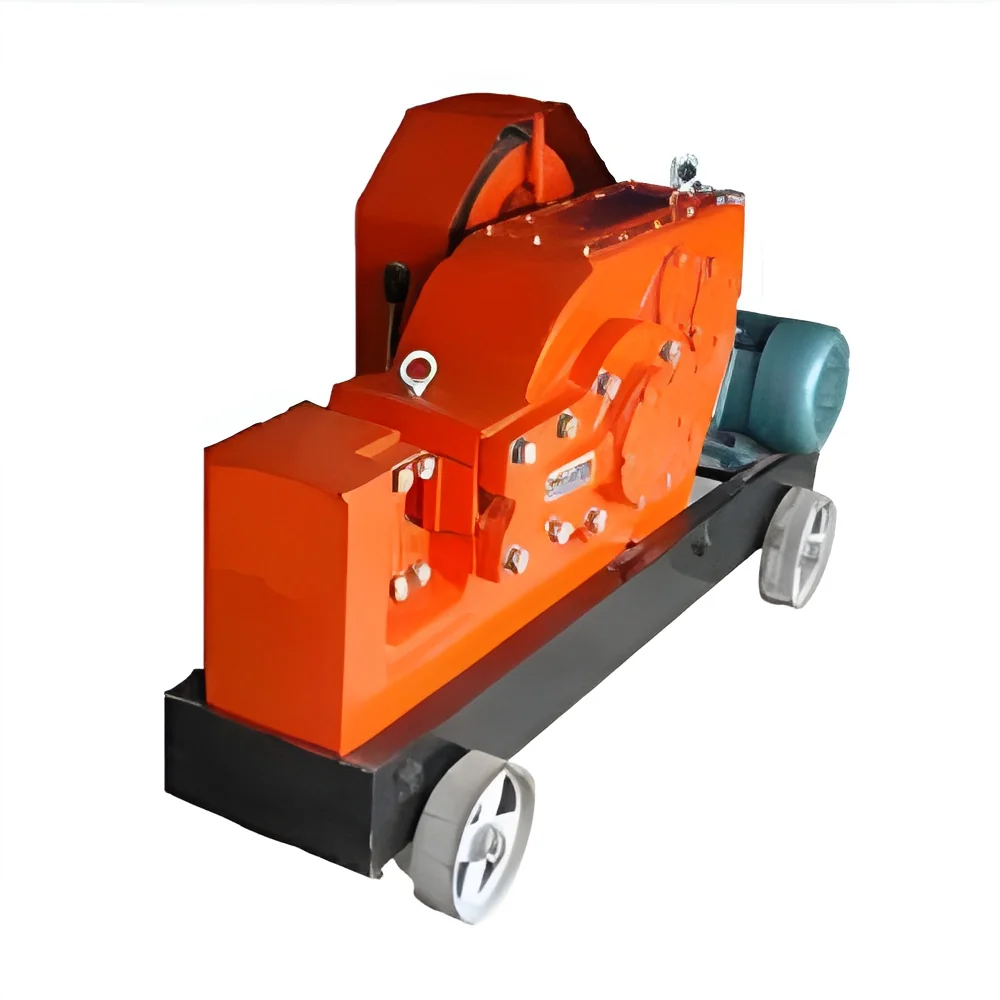
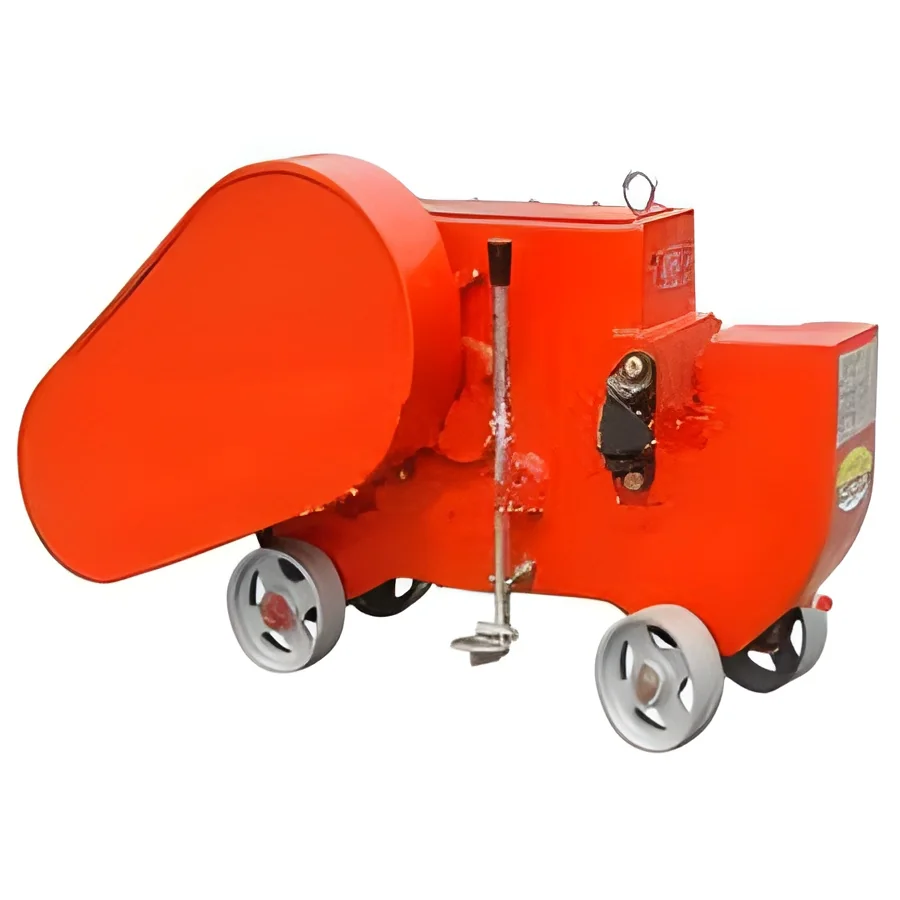
What are Bar Cutting Machines?
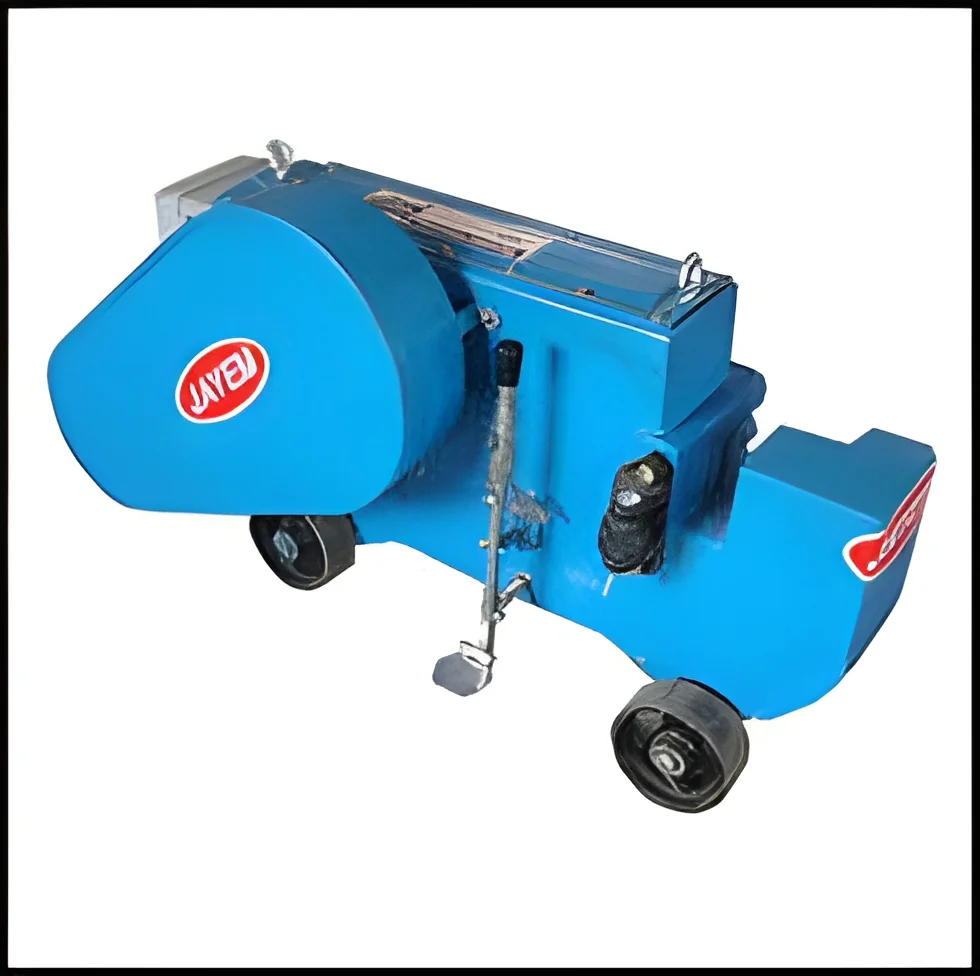
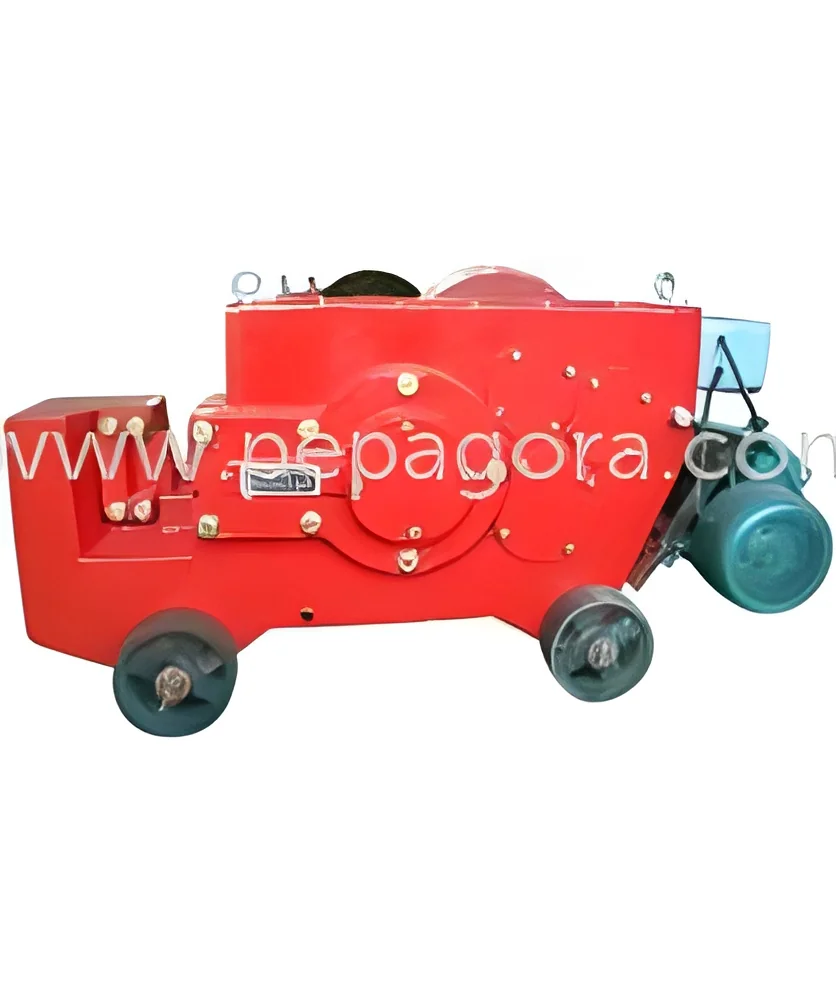
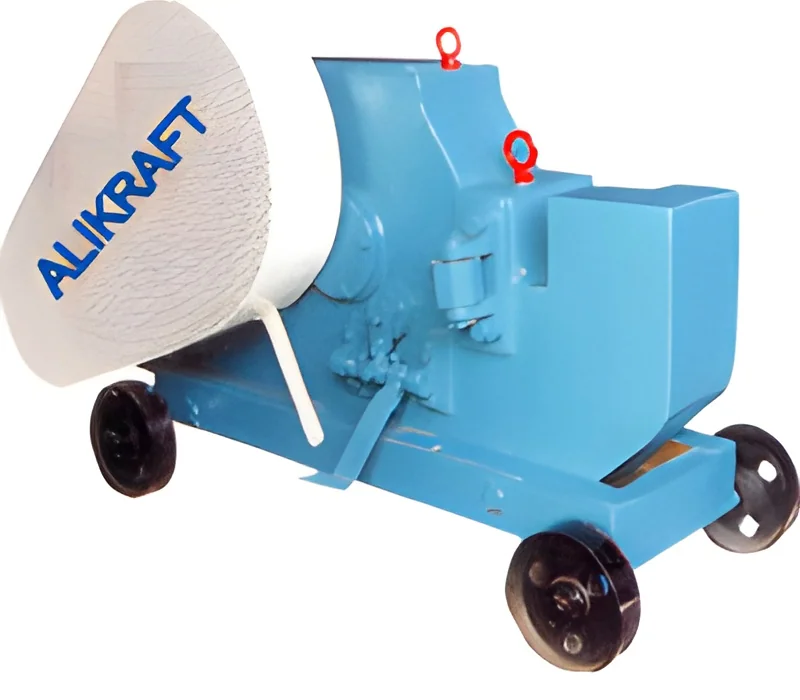
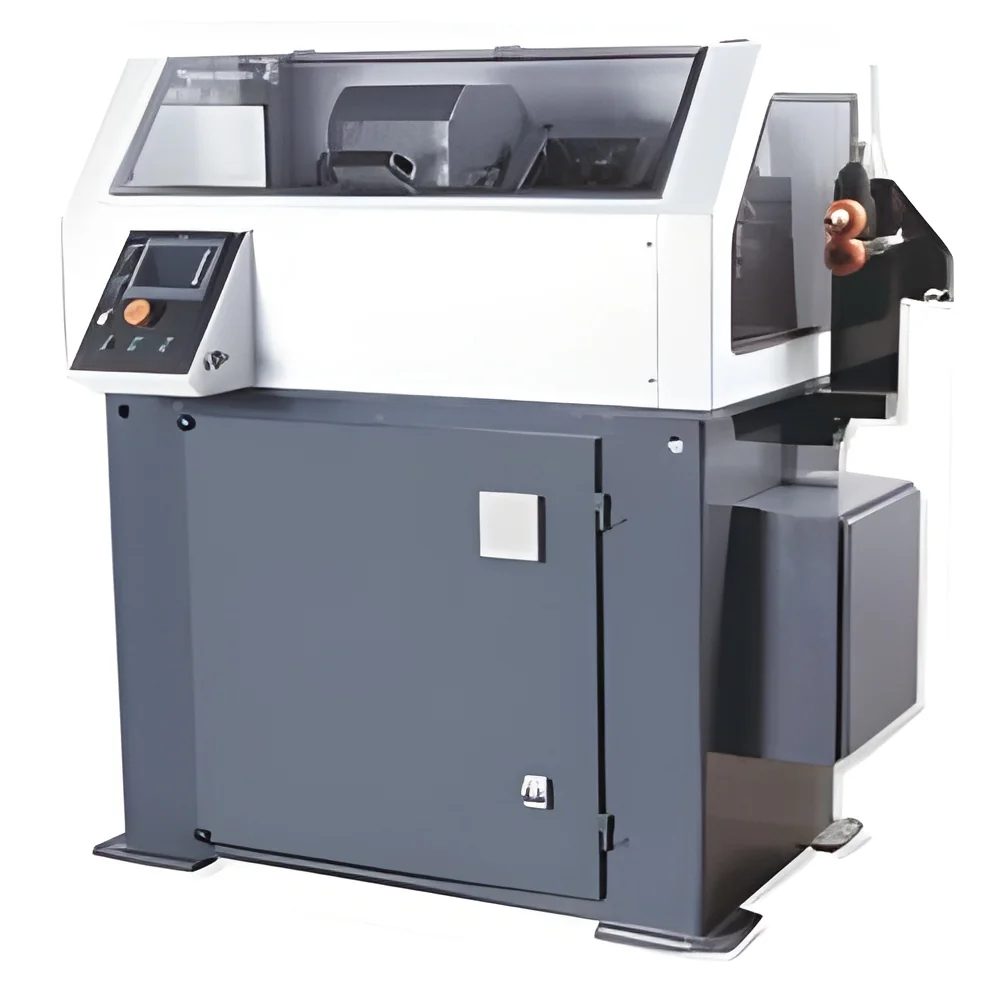
Bar cutting machines are specialized tools designed for cutting metal bars, rods, and rebar into specific lengths. These machines utilize various cutting mechanisms to ensure precision and efficiency in the cutting process. Typically powered by electric motors or hydraulic systems, bar cutting machines can handle a range of materials, including steel, aluminum, and other alloys. Their design allows for both manual and automated operation, making them versatile for different industrial settings.
These machines find primary use in construction, manufacturing, and metalworking industries. They are essential in preparing materials for various applications, such as reinforcement in concrete structures and fabrication of metal components. By providing accurate cuts, bar cutting machines help to minimize waste and enhance productivity in projects. The demand for these machines has grown in recent years due to increased construction activities worldwide, highlighting their significance in the industrial landscape.
Key Features and Specifications
Bar cutting machines come equipped with a variety of features that enhance their performance and usability. When selecting a bar cutting machine, it is crucial to consider their specifications to ensure they meet operational needs.
Key specifications include:
1. Cutting Capacity
- Refers to the maximum diameter and length of bars the machine can cut.
- Common ranges include up to 40 mm for diameter and lengths up to 12 meters.
2. Power Source
- Machines may operate on electric or hydraulic power.
- Electric machines typically range from 1.5 kW to 5.5 kW.
3. Cutting Speed
- Indicates how quickly the machine can make cuts.
- Common speeds range from 20 to 40 cuts per minute.
4. Weight
- The weight of the machine affects portability and stability during operation.
- Typical weights range from 150 kg to 300 kg.
5. Safety Features
- Includes emergency stop buttons, protective covers, and overload protection.
- Essential for ensuring operator safety during use.
6. Control System
- Machines may feature manual or digital controls for operation.
- Digital controls often include programmable settings for enhanced precision.
7. Material Compatibility
- Ability to cut various materials such as steel, aluminum, and rebar.
- Important for versatility in different applications.
8. Maintenance Requirements
- Machines should have accessible parts for easy maintenance.
- Regular maintenance schedules help prolong machine life and performance.
In summary, understanding the features and specifications of bar cutting machines is vital for selecting the right equipment for industrial applications.
Common Applications and Use Cases
Bar cutting machines are utilized across various industries, highlighting their essential role in modern manufacturing and construction.
1. Construction: In the construction sector, these machines are used to cut rebar for concrete reinforcement, ensuring structural integrity and safety in buildings.
2. Manufacturing: Manufacturers use bar cutting machines to produce precise metal components for machinery and equipment, facilitating efficient production processes.
3. Metalworking: In metalworking shops, these machines provide accurate cuts for various metal types, allowing for customization and fabrication of parts.
4. Automotive: The automotive industry employs bar cutting machines to create components that require precise dimensions, contributing to the assembly of vehicles.
5. Aerospace: In aerospace manufacturing, these machines are critical for producing lightweight and strong components needed for aircraft structures.
6. Shipbuilding: Bar cutting machines are essential in shipbuilding for cutting large metal bars used in constructing hulls and other structural elements.
7. Energy: The energy sector utilizes these machines for cutting metal bars used in the production of turbines and other energy-generating equipment.
Product Variants and Subcategories
Bar cutting machines come in various models, each designed to cater to specific needs and applications.
Hydraulic Bar Cutting Machine: This variant utilizes hydraulic power to achieve high cutting force, making it suitable for heavy-duty applications. It is often used in construction and metal fabrication industries due to its efficiency and precision.
Electric Bar Cutting Machine: Powered by electricity, this variant is ideal for lighter applications and provides a quieter operation. It is commonly used in workshops and smaller manufacturing units.
Portable Bar Cutting Machine: Designed for mobility, this variant is lightweight and easy to transport, making it perfect for onsite cutting in construction projects.
Semi-Automatic Bar Cutting Machine: This machine allows for both manual and automatic operation, providing flexibility in usage. It is suitable for businesses looking to optimize their cutting processes without compromising precision.
Benefits and Advantages
Investing in bar cutting machines offers numerous benefits that enhance operational efficiency and productivity.
1. Increased Efficiency: These machines significantly reduce cutting time compared to manual methods, allowing for faster project completion.
2. Precision Cuts: Bar cutting machines provide accurate cuts, minimizing material waste and ensuring high-quality results.
3. Versatility: They can handle various materials and sizes, making them adaptable to different industrial requirements.
4. Enhanced Safety: Equipped with safety features, these machines help protect operators during use, reducing the risk of workplace accidents.
5. Cost Savings: By minimizing waste and reducing labor costs, bar cutting machines offer significant savings over time.
6. Easy Maintenance: Most machines are designed for straightforward maintenance, ensuring long-term functionality and reliability.
Buying Guide for B2B Buyers
When sourcing bar cutting machines, it is essential to consider several factors to make an informed decision.
1. Quality Assessment: Evaluate the build quality and durability of the machine. Look for reputable manufacturers that comply with industry standards to ensure reliability.
2. Supplier Verification: Vet suppliers by checking their credentials, customer reviews, and industry reputation. This step is crucial for establishing trust and ensuring product quality.
3. Pricing and MOQ: Consider the machine's price in relation to your budget and operational needs. Understand the minimum order quantity (MOQ) requirements to ensure you can meet your purchasing goals.
4. Delivery and Lead Times: Discuss logistics with suppliers to understand delivery schedules and lead times. Timely delivery is critical to avoid project delays.
5. Compliance Requirements: Ensure the machines meet local regulatory standards and safety certifications. This compliance is vital for safe and legal operation in your region.
Compliance and Certifications
Bar cutting machines must adhere to various compliance and certification standards to ensure safety and quality.
ISO 9001: This international standard ensures that manufacturers maintain high-quality management practices, which is essential for delivering reliable and efficient machines.
CE Certification: A CE mark indicates that the machine meets European Union safety, health, and environmental protection requirements. This certification is important for machines sold in or imported to Europe.
Safety and Testing Requirements: Bar cutting machines are subject to safety testing to ensure they operate without posing risks to operators. Compliance with safety regulations is a critical aspect of machine design.
Regional Compliance Considerations: Depending on the region, additional compliance requirements may apply. Buyers should familiarize themselves with local regulations to ensure that their machines meet all necessary standards.
Why Source Bar Cutting Machines from Pepagora?
Pepagora provides a trusted platform for sourcing bar cutting machines, offering several key advantages to buyers.
Verified Supplier Network: Pepagora connects buyers with a network of verified suppliers, ensuring that only reputable manufacturers are featured. This verification process helps mitigate risks associated with sourcing equipment.
Streamlined RFQ Process: The platform offers a streamlined Request for Quotation (RFQ) process, allowing buyers to receive competitive quotes from multiple suppliers efficiently. This system promotes transparency and aids in decision-making.
Trade Assurance and Support: Buyers benefit from trade assurance services, providing protection and support throughout the purchasing process. This feature helps build confidence in transactions and supplier relationships.
Regional Coverage: Pepagora serves buyers in various regions, including India, the GCC, and Southeast Asia. This regional outreach ensures that buyers can find suitable machines tailored to their specific market needs.

 IN
IN