
 IN
Plate Compactors
8 products available
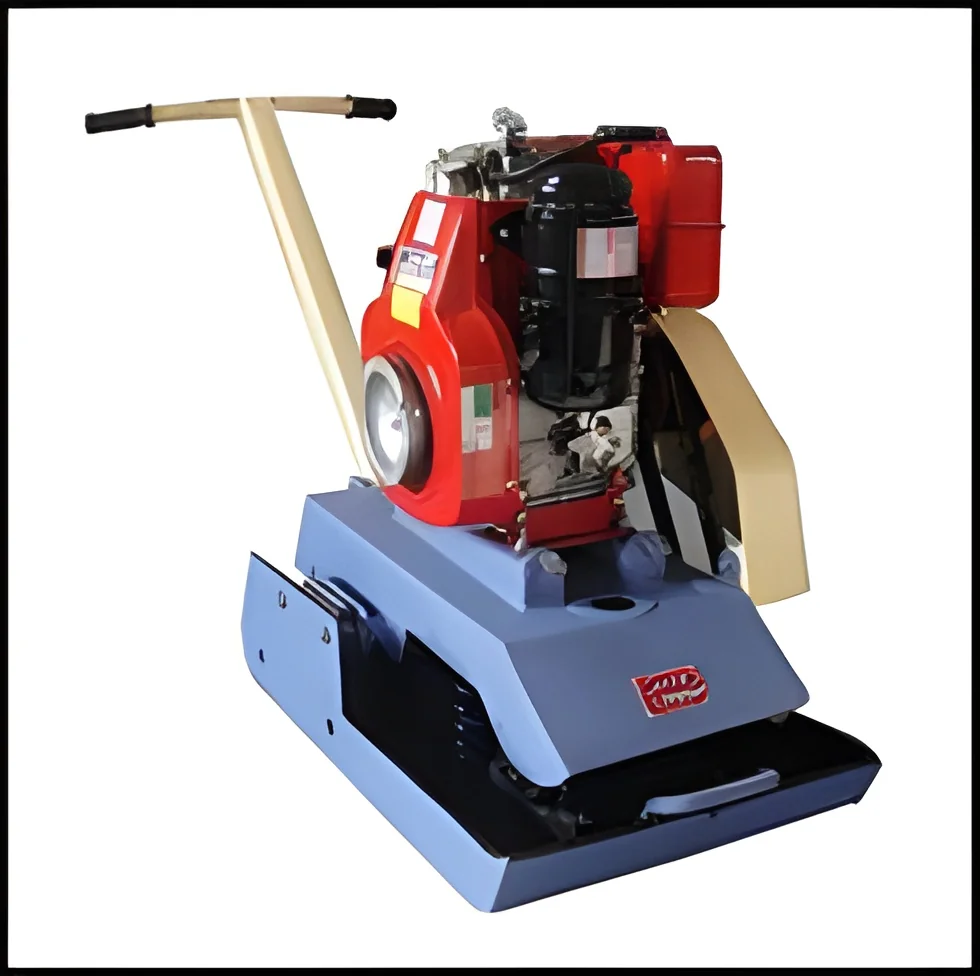
What are Plate Compactors?
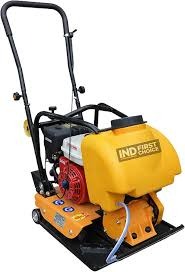
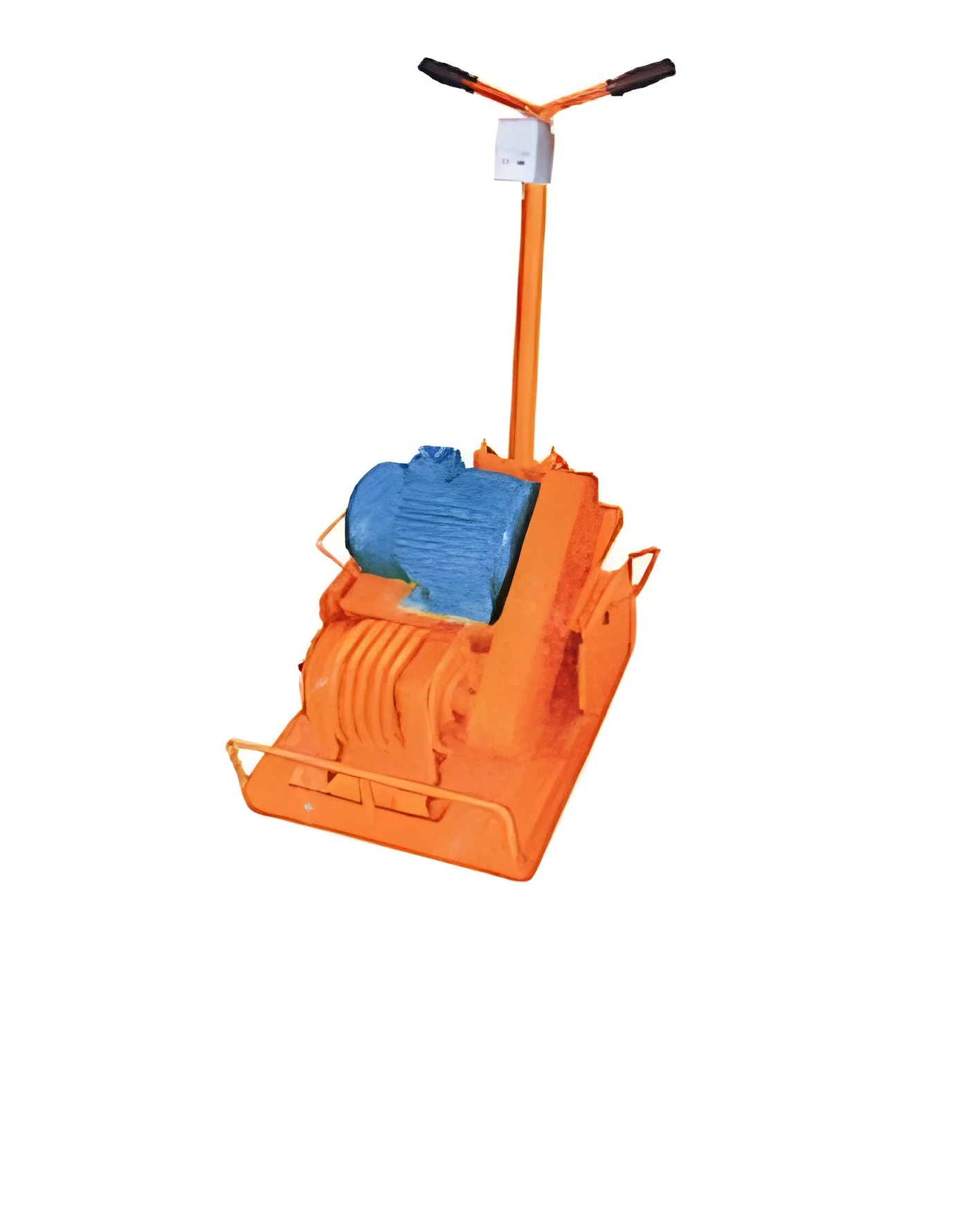
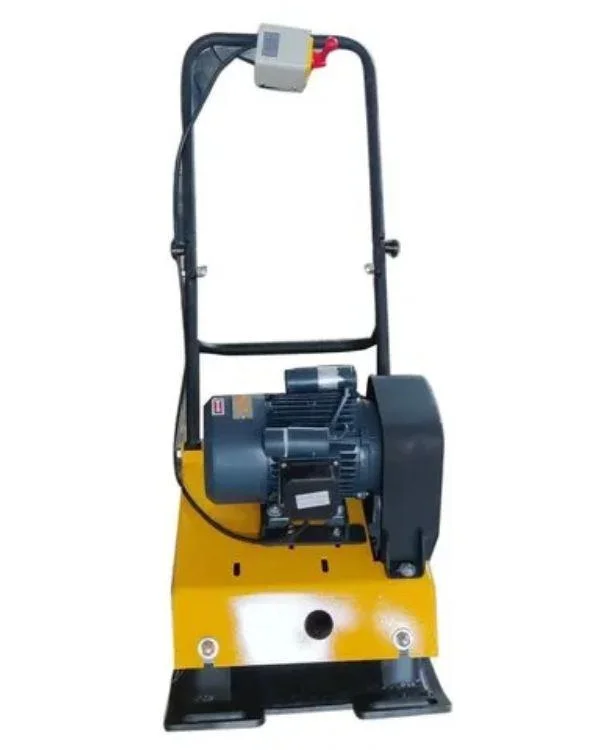
Plate compactors are heavy-duty machines designed to compress and compact soil, gravel, asphalt, and other materials. They are typically equipped with a flat base plate that vibrates, allowing for efficient and effective compaction of various surfaces. These machines are crucial in construction and landscaping projects where a stable and solid base is required.
Primary applications of plate compactors include road construction, building foundations, and site preparation. They are used to create a level surface for laying asphalt, paving, or installing concrete. Their ability to compact soil and aggregate materials makes them essential in various industries, including construction, landscaping, and civil engineering. With a growing emphasis on infrastructure development, the demand for plate compactors continues to rise, reflecting their significance in the market.
Key Features and Specifications
Plate compactors come with a range of features and specifications that cater to different industrial needs. Understanding these specifications is vital for selecting the right equipment for specific applications.
Key specifications include:
1. Engine Power
- Typically ranges from 4 to 10 horsepower
- Determines the compaction force and efficiency
2. Plate Size
- Plate sizes vary from 12 to 30 inches in width
- Affects the area covered during compaction
3. Operating Weight
- Generally weighs between 150 to 1,000 pounds
- Heavier models provide greater compaction force
4. Compaction Depth
- Capable of compacting material up to 24 inches deep
- Important for achieving desired density
5. Vibration Frequency
- Usually ranges from 4,000 to 6,000 vibrations per minute
- Influences the effectiveness of compaction
6. Fuel Type
- Commonly powered by gasoline or diesel engines
- Affects operational costs and maintenance
7. Mobility Features
- Some models include wheels or handles for easier transport
- Enhances usability on job sites
8. Durability Features
- Built with heavy-duty materials for long-lasting performance
- Resistance to wear and tear is essential for industrial applications
In summary, the specifications of plate compactors play a crucial role in their performance and suitability for various tasks. Understanding these details helps buyers make informed decisions.
Common Applications and Use Cases
Plate compactors are versatile machines that find applications across multiple industries. They are essential for projects requiring solid foundations and stable surfaces.
1. Construction: In construction, plate compactors are used for compacting soil before laying foundations or installing asphalt. They ensure that the ground is stable and reduces the risk of settling.
2. Landscaping: Landscape contractors utilize plate compactors for creating level surfaces for pathways, patios, and driveways. They help achieve a professional finish.
3. Road Work: Plate compactors are vital in road construction for compacting subgrade material. They are used to prepare the base for asphalt layers.
4. Utility Installation: When installing utilities such as water or gas lines, plate compactors ensure that trenches are properly compacted after backfilling.
5. Paving: In paving applications, these machines provide the necessary compaction for asphalt and concrete, contributing to the longevity of the surface.
6. Agricultural Projects: Farmers may use plate compactors to prepare fields for planting or to compact soil for various agricultural infrastructure.
7. Earthworks: In earthmoving and excavation projects, plate compactors help achieve the desired density in fill materials.
Product Variants and Subcategories
Plate compactors are available in various models designed to meet different operational needs. This variety allows businesses to choose equipment that fits their specific applications.
Forward Plate Compactor
This variant is designed for forward movement and is ideal for compacting soil in tight spaces. It provides effective compaction in both granular and cohesive soils.
Reversible Plate Compactor
Reversible models can move both forward and backward, offering greater versatility. They are particularly useful in confined areas and for applications that require frequent direction changes.
Heavy-Duty Plate Compactor
These robust machines are built for rigorous tasks and can handle larger compaction jobs. They are perfect for heavy construction and roadwork applications.
Electric Plate Compactor
For quieter operation and reduced emissions, electric plate compactors are available. They are suitable for indoor work or projects in environmentally sensitive areas.
Benefits and Advantages
Plate compactors offer numerous benefits that make them indispensable in various industries. Their advantages contribute to efficiency and productivity on job sites.
1. Increased Efficiency: Plate compactors significantly reduce the time required for soil compaction, allowing projects to progress faster.
2. Improved Quality: They provide consistent and reliable compaction, leading to better foundation stability and reduced future maintenance.
3. Versatility: These machines can be used on different surfaces and materials, making them suitable for a wide range of applications.
4. Cost-Effective: Investing in plate compactors can lead to long-term savings by minimizing the need for rework and repairs due to poor compaction.
5. Easy Operation: Most models are user-friendly, allowing operators to quickly learn how to use them effectively.
6. Compact Design: Their design allows for easy transportation and maneuverability, particularly in tight job sites.
Buying Guide for B2B Buyers
When sourcing plate compactors, it is essential for buyers to consider several important factors to ensure they select the right equipment for their needs.
1. Quality Assessment: Look for machines that meet industry standards and exhibit durability. Quality indicators include robust construction and reliable performance.
2. Supplier Verification: Vet suppliers carefully to ensure they provide quality products and after-sales support. Check for customer reviews and testimonials.
3. Pricing and MOQ: Understand the pricing structure, including minimum order quantities. Compare prices across different suppliers to find competitive options.
4. Delivery and Lead Times: Consider the logistics involved in acquiring plate compactors. Ensure suppliers can meet your delivery requirements to avoid project delays.
5. Compliance Requirements: Be aware of any regulatory requirements relevant to your industry, including safety standards and environmental regulations.
Compliance and Certifications
Plate compactors must adhere to various quality standards and certifications to ensure safety and reliability. Compliance with ISO 9001 signifies a commitment to quality management systems, ensuring consistent product quality.
Industry certifications such as CE indicate that the equipment meets European safety and environmental standards. This certification is crucial for businesses operating in regions with strict regulatory requirements.
Additionally, safety and testing requirements must be met to ensure operator safety and equipment reliability. Buyers should also consider regional compliance needs, which may vary based on local regulations and market demands.
Why Source Plate Compactors from Pepagora?
Pepagora provides a trusted platform for sourcing plate compactors, offering several key advantages to B2B buyers.
Verified Supplier Network: Pepagora connects buyers with a network of verified suppliers, ensuring that all listed products meet high-quality standards. This verification process helps to eliminate risks associated with sourcing equipment.
Streamlined RFQ Process: The platform allows buyers to submit requests for quotations easily. This efficient system enables buyers to receive competitive pricing and options from multiple suppliers quickly.
Trade Assurance and Support: Pepagora offers trade assurance, providing buyers with protection throughout the purchasing process. Support services also ensure that any concerns are addressed promptly.
Regional Coverage: With a strong presence in India, the GCC, and Southeast Asia, Pepagora helps buyers access a wide range of plate compactors suited for diverse markets. This regional focus facilitates easier sourcing and logistics for businesses in these areas.




Frequently Asked Questions
What are Plate Compactors?
Plate Compactors are mechanical devices used to compress soil, gravel, or asphalt for construction and landscaping projects. They feature a heavy plate that vibrates to provide a high-frequency impact, effectively compacting the material beneath them to create a stable surface.
What are the different types of Plate Compactors?
There are several types of Plate Compactors, including reversible plate compactors, forward plate compactors, and heavy-duty plate compactors. Reversible compactors can move both forward and backward, making them versatile for various applications, while forward compactors are designed for straightforward tasks.
How do I choose the right Plate Compactors?
Choosing the right Plate Compactor depends on factors such as the type of material being compacted, the size of the area, and the specific project requirements. It's important to consider the weight and vibration frequency of the compactor, as well as its ease of use and maneuverability.
What are the standard specifications for Plate Compactors?
Standard specifications for Plate Compactors typically include weight, plate size, engine power, and vibration frequency. Most compactors range in weight from 50 kg to 150 kg, with plate sizes varying from 400 mm to 600 mm in width, and vibration frequencies usually between 4000 to 6000 vibrations per minute.
What is the price range for Plate Compactors?
The price range for Plate Compactors can vary significantly based on the brand, model, and specifications. Generally, prices can start from around INR 30,000 and go up to INR 1,00,000 or more for high-end models with advanced features.
What quality standards apply to Plate Compactors?
Plate Compactors are subject to various quality standards, including ISO certifications and safety regulations. Manufacturers often adhere to industry standards to ensure durability, performance, and safety, thus providing reliable products for users.
Where can I find Plate Compactors suppliers in India?
You can find Plate Compactors suppliers in India through online B2B marketplaces like Pepagora.com, industry trade shows, and local construction equipment dealers. It’s advisable to compare multiple suppliers to find the best options in terms of quality and pricing.
Can Plate Compactors be customized?
Yes, many manufacturers offer customization options for Plate Compactors to meet specific project requirements. Customizations may include alterations in size, weight, or features tailored to the user's needs.
What is the typical minimum order quantity for Plate Compactors?
The typical minimum order quantity (MOQ) for Plate Compactors varies by supplier and manufacturer. Generally, the MOQ can range from 1 unit for smaller suppliers to several units for larger manufacturers.
What is the typical lead time for Plate Compactors?
The typical lead time for Plate Compactors can vary based on the supplier and the specifics of the order. Generally, lead times can range from a few days to several weeks, especially if customization is involved.
Why Businesses Trust Pepagora
Thousands of companies trust Pepagora to source smarter and sell faster
Expand Your Sales Globally

Source Smarter,Grow Faster
