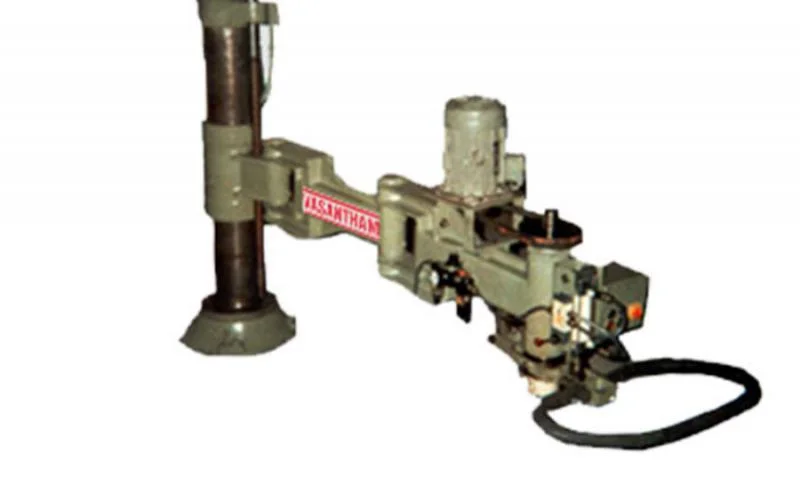
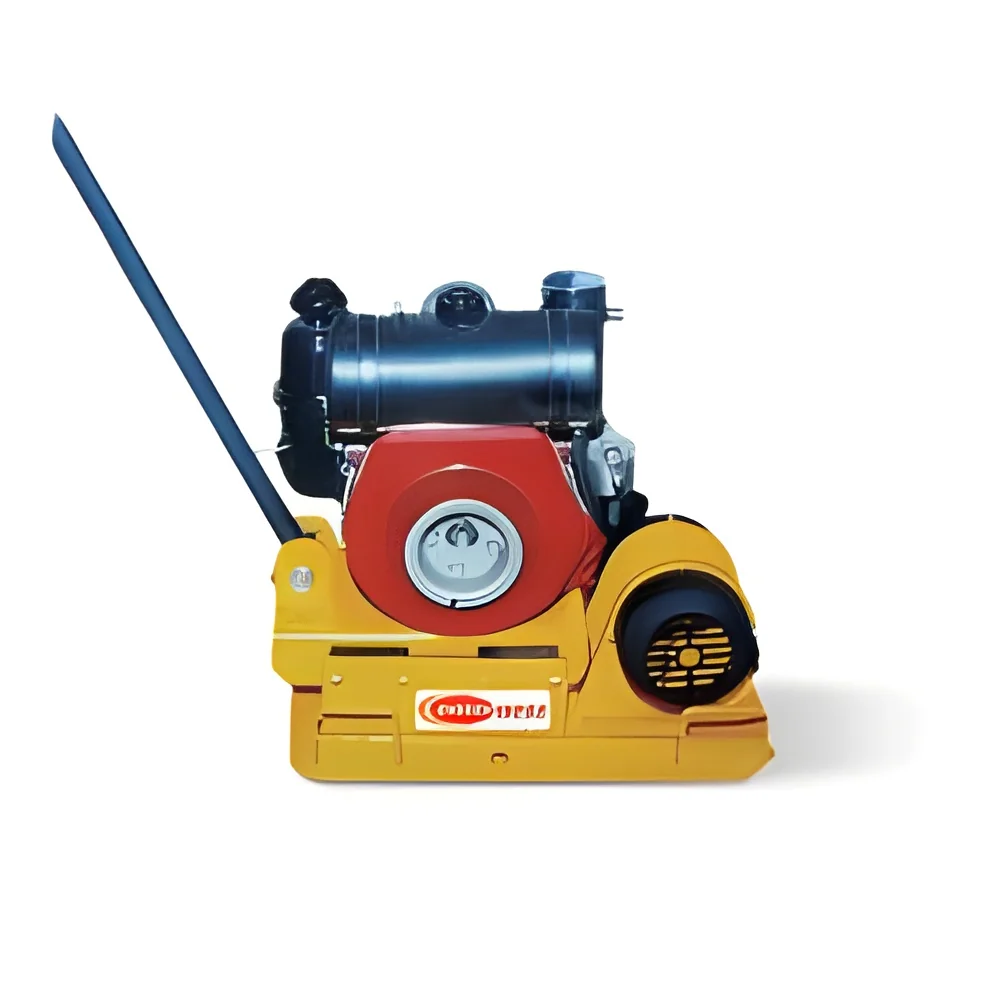
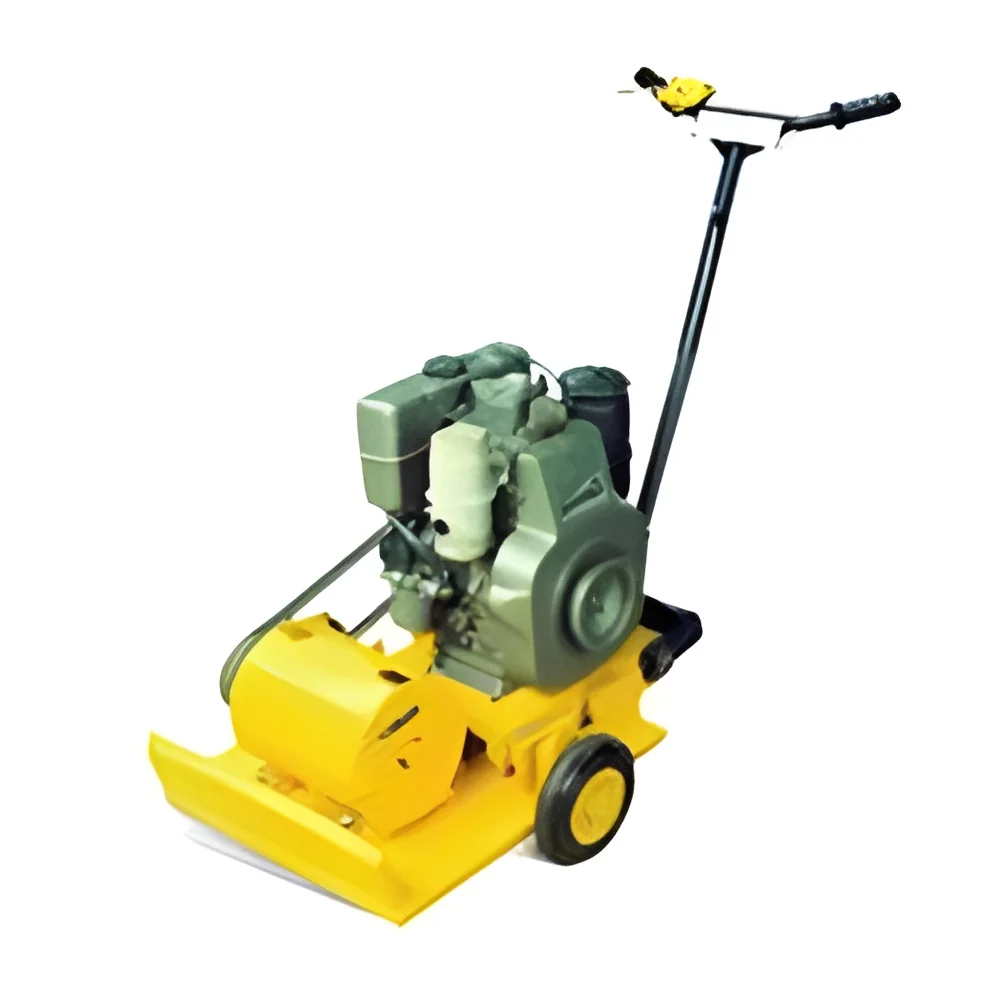
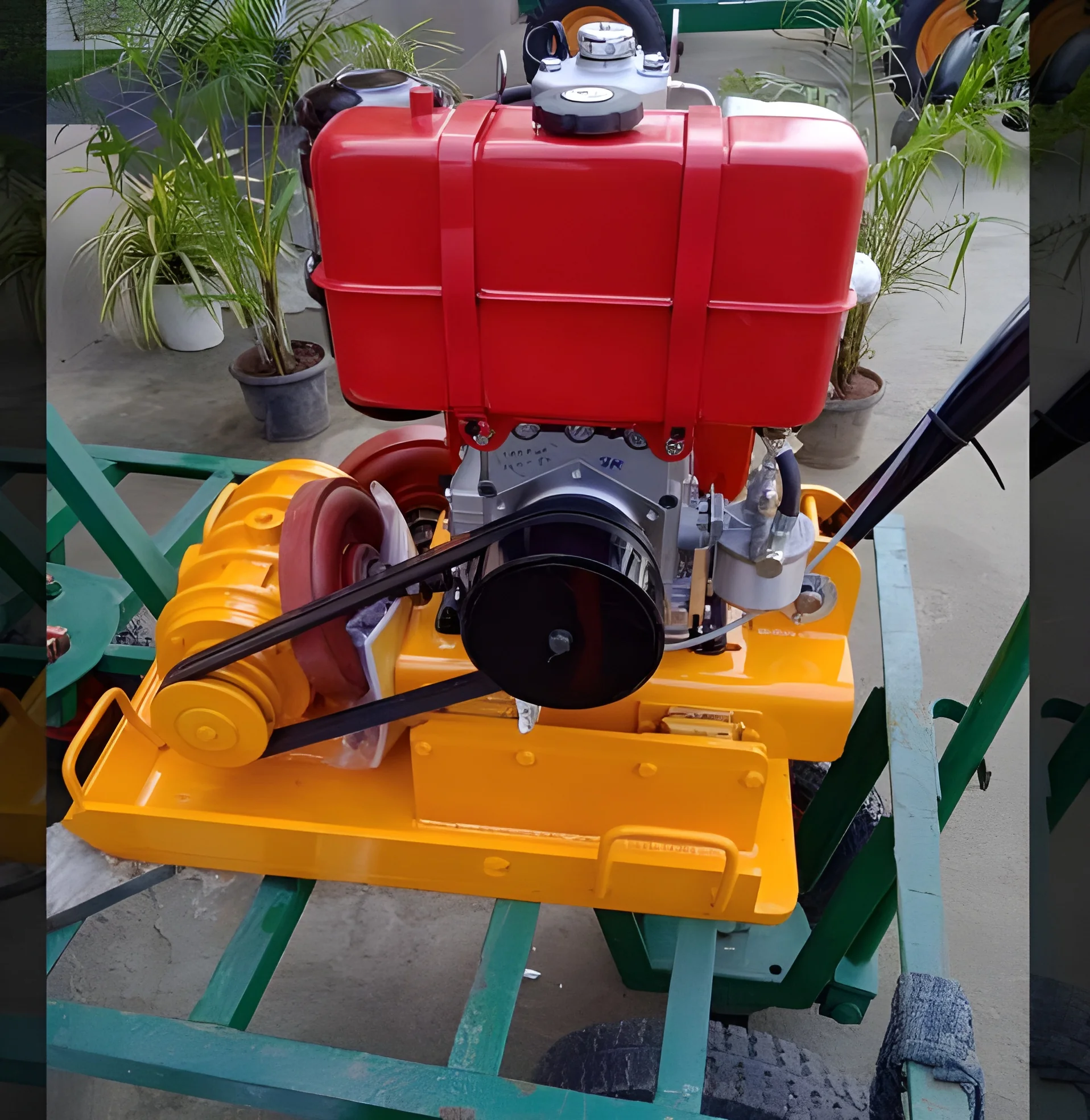
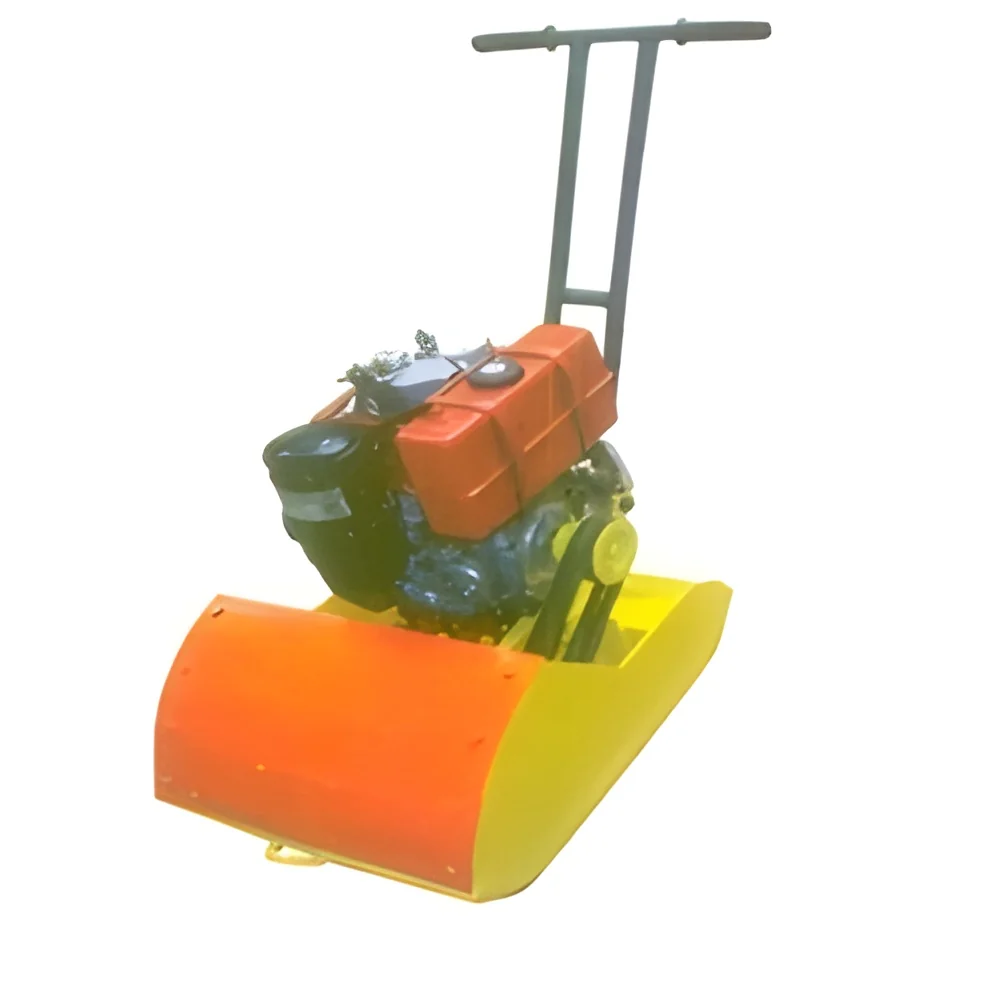
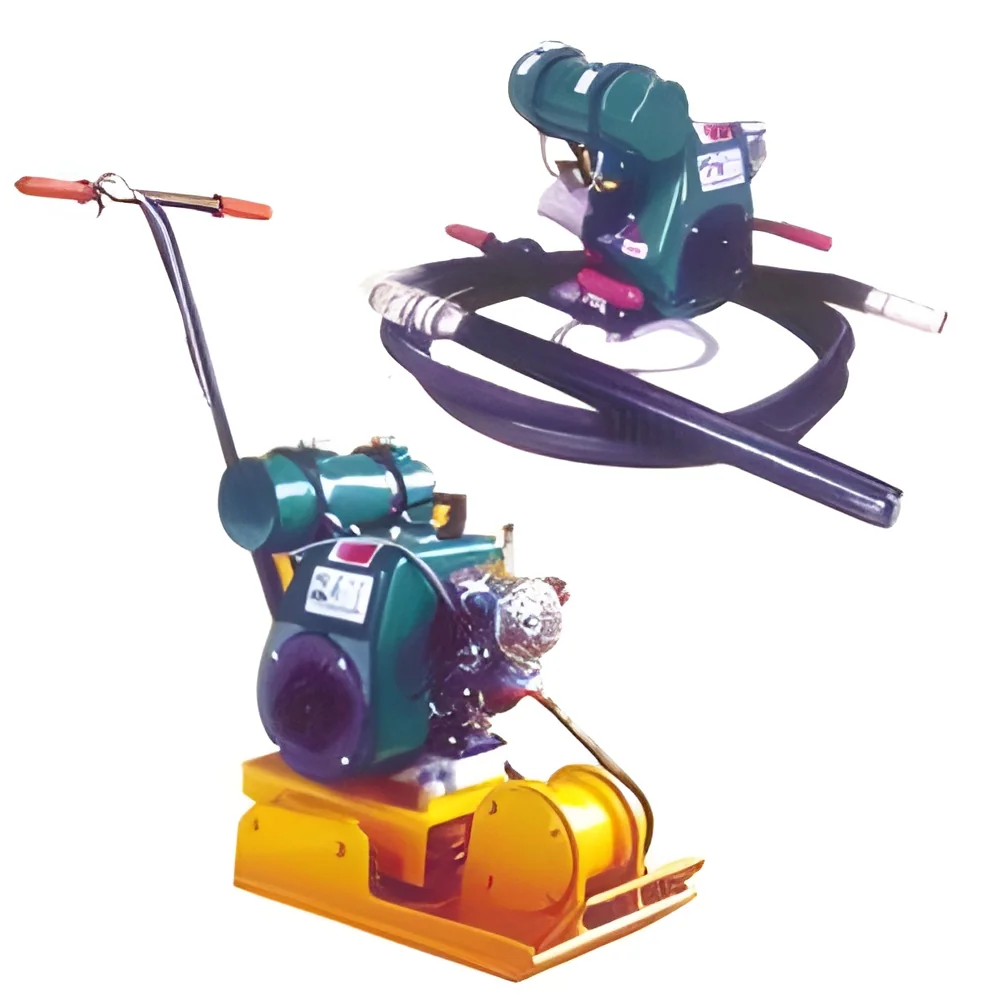
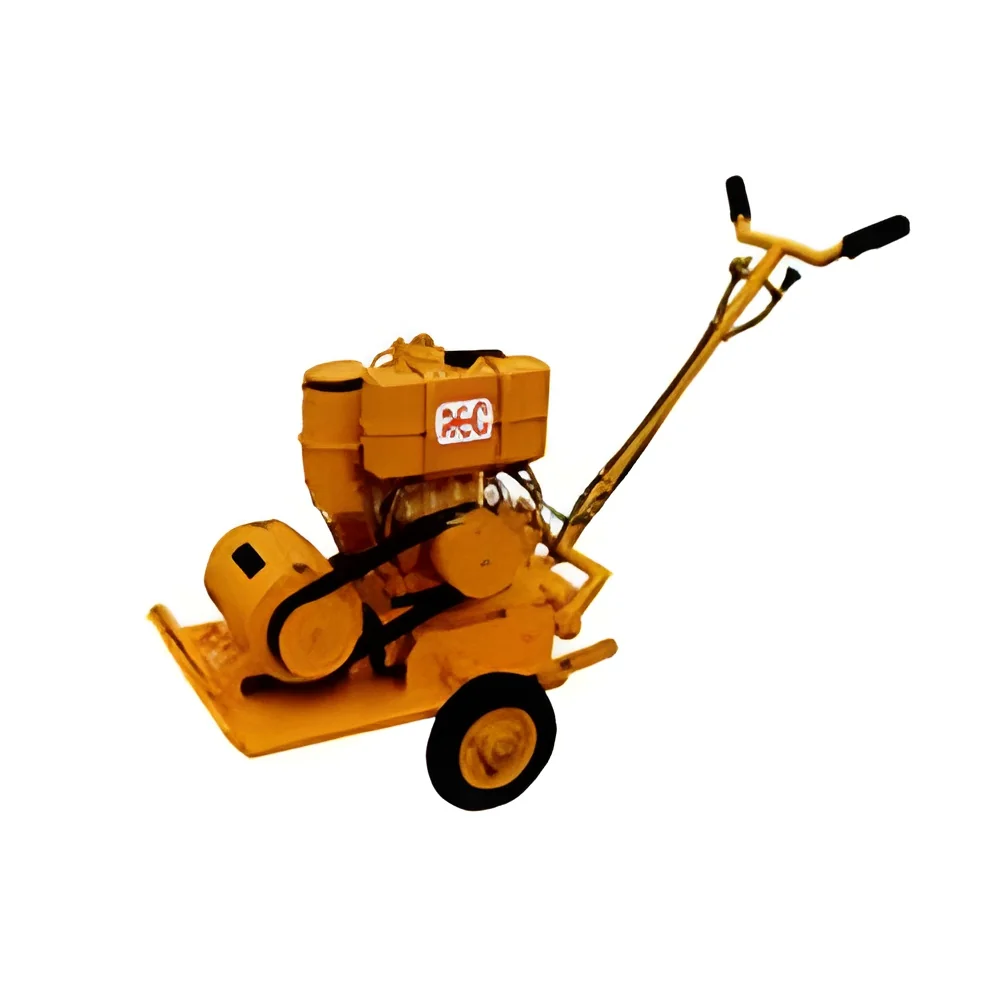
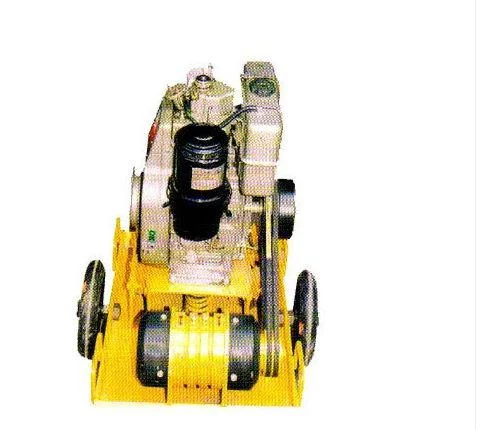
What are Rammers?
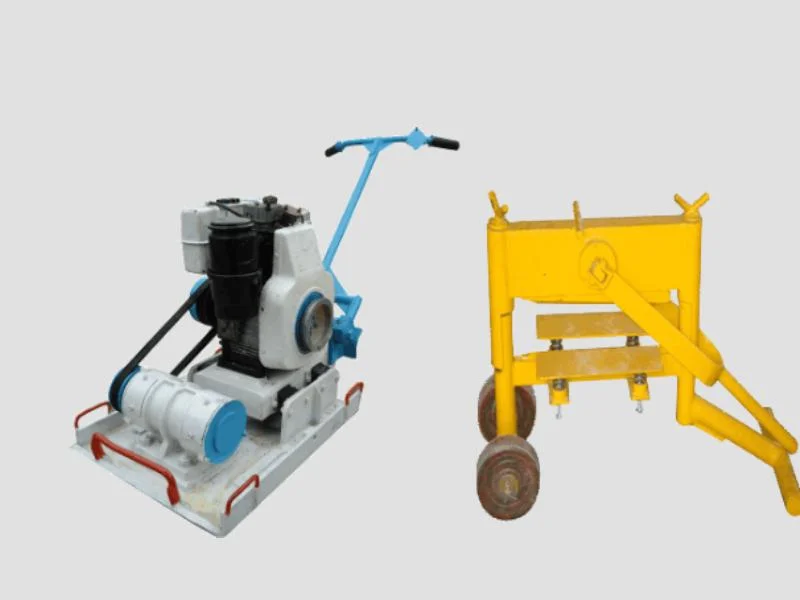
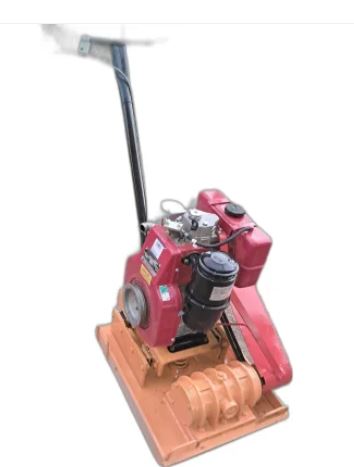
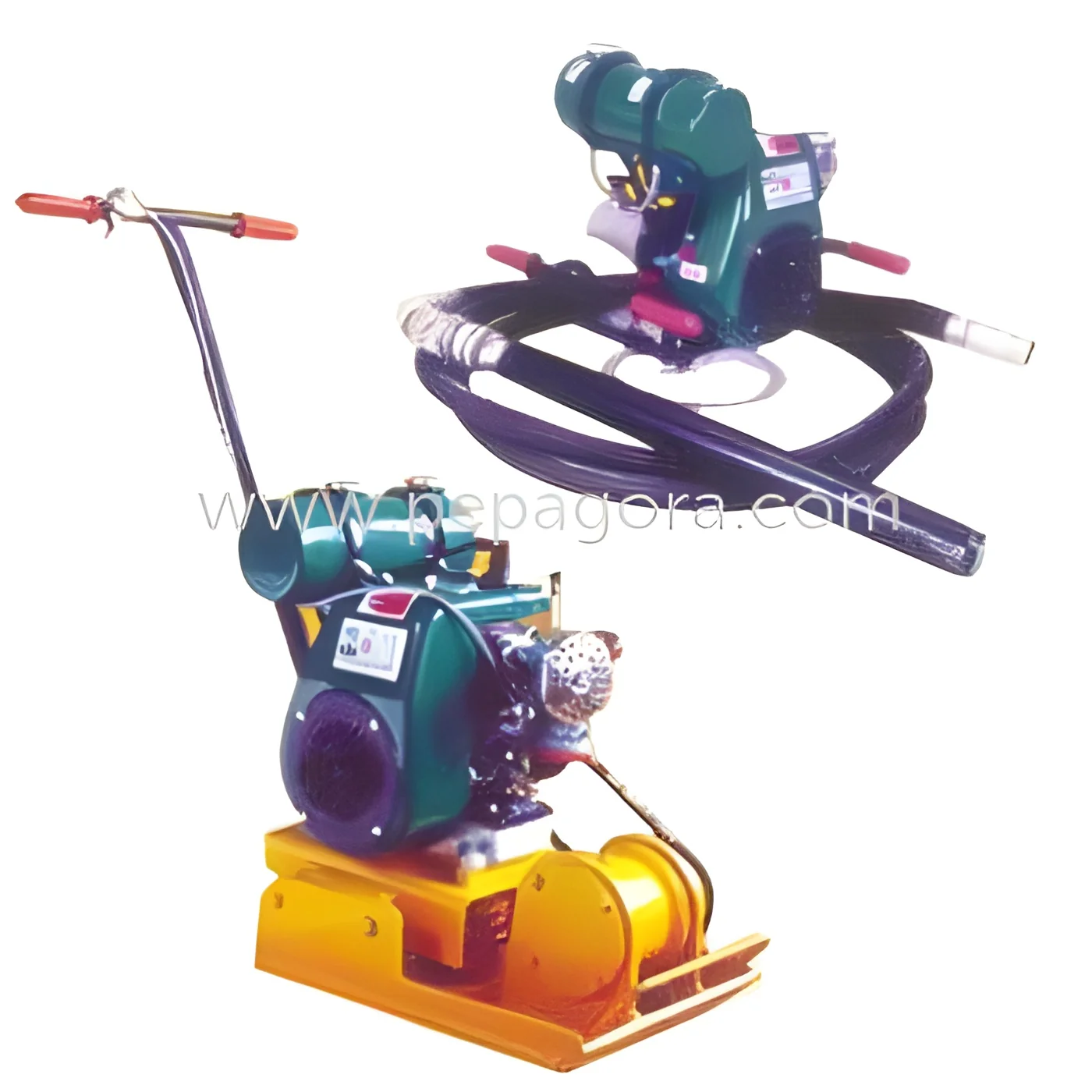
Rammers are compact, heavy-duty machines designed for soil compaction in various construction and civil engineering applications. These machines use a rapid vertical motion to compress and densify the ground, creating a stable base for foundations, pavements, and other structures. Their design typically includes a flat base plate and a powerful engine, allowing them to deliver high-impact force in a small area, making them ideal for tight spaces where larger machinery cannot operate effectively.
The primary uses of rammers include compacting granular soils and cohesive materials, preparing sites for paving, and stabilizing subgrades before laying down concrete or asphalt. They are crucial in construction projects, road repairs, and landscaping, ensuring that the ground is adequately prepared to support structures. In the market, rammers are relevant across various sectors, particularly in construction, landscaping, and infrastructure development, where ground stability is of utmost importance.
Key Features and Specifications
Rammers come equipped with a range of features and specifications that enhance their performance and usability. These machines are designed for efficiency, durability, and ease of operation, catering to the diverse needs of construction professionals.
Key specifications include:
1. Engine Type
- Gasoline or diesel engines are commonly used.
- Power output typically ranges from 4 to 10 horsepower.
2. Weight
- Rammers generally weigh between 200 to 400 pounds.
- Heavier units provide more effective compaction.
3. Impact Force
- Impact forces can range from 3,000 to 6,000 pounds.
- Higher forces lead to better ground penetration and density.
4. Operating Speed
- Typical operating speeds range from 25 to 50 blows per minute.
- Faster speeds enhance compaction efficiency.
5. Plate Size
- Base plate sizes can vary from 12 to 24 inches in width.
- Larger plates cover more area in less time.
6. Fuel Efficiency
- Fuel consumption rates vary but typically range from 0.5 to 1 gallon per hour.
- Efficient engines reduce operational costs.
7. Vibration Control
- Many models come with advanced vibration dampening systems.
- These features enhance operator comfort and reduce fatigue.
8. Safety Features
- Equipped with emergency shut-off switches and protective guards.
- Safety features are essential to prevent accidents during operation.
Rammers are engineered for high performance, ensuring they meet the rigorous demands of construction work while providing safety and efficiency.
Common Applications and Use Cases
Rammers are utilized in a variety of industries, each with specific applications that capitalize on their compaction capabilities.
1. Construction: Rammers are essential in building foundations, ensuring the soil is compacted for stability. They are used for compacting trenches and backfilling around pipes.
2. Roadwork: In road construction, rammers help compact the subgrade before laying asphalt. They are ideal for small patches and repairs.
3. Landscaping: Rammers are used in landscaping projects to compact soil before planting or laying sod, ensuring a level surface.
4. Utility Projects: When installing utilities underground, rammers effectively compact soil backfill to prevent future settling.
5. Earthworks: In excavation and earth-moving projects, rammers assist in preparing sites by compacting loose soil.
6. Sports Fields: Rammers are employed in the construction of sports fields to ensure a solid, even base for turf or grass.
7. Residential Projects: Homeowners and contractors use rammers for compacting soil in small-scale projects like patios and walkways.
Product Variants and Subcategories
Rammers come in various designs to meet different operational needs and project requirements.
Gas-Powered Rammers: These rammers are favored for their mobility and power. They are equipped with gasoline engines, making them suitable for outdoor applications without the need for electrical outlets.
Electric Rammers: Ideal for indoor jobs or areas with noise restrictions, electric rammers offer quieter operation. They are lightweight and easy to maneuver in tight spaces.
Hydraulic Rammers: These machines use hydraulic systems for enhanced power and control. They are often used in heavy-duty applications where higher compaction forces are needed.
Pneumatic Rammers: These rammers are powered by compressed air and are typically lighter, making them suitable for delicate compaction tasks in confined spaces.
Benefits and Advantages
Rammers provide several advantages that make them a valuable asset in construction and other industries.
1. Efficient Compaction: Rammers deliver high impact forces in a compact design, ensuring effective soil compaction in limited spaces.
2. Enhanced Mobility: Their lightweight nature allows for easy transportation and maneuverability on job sites.
3. Versatile Usage: Rammers can be used in various applications, from construction to landscaping, making them a multi-functional tool.
4. Operator Comfort: Many rammers feature vibration control systems that reduce operator fatigue during extended use.
5. Cost-Effective: With lower fuel consumption rates and reduced labor costs, rammers provide an economical solution for compaction tasks.
6. Safety Features: Equipped with safety systems, rammers help prevent accidents and ensure a safe working environment.
Buying Guide for B2B Buyers
When sourcing rammers for your business needs, certain factors should be considered to ensure you select the right equipment.
1. Quality Assessment: Evaluate the build quality and durability of the rammers. Look for reputable brands that adhere to industry standards.
2. Supplier Verification: Vet potential suppliers by checking their credentials, reviews, and past performance to ensure reliability.
3. Pricing and MOQ: Understand the pricing structure and minimum order quantities to make informed purchasing decisions that align with your budget.
4. Delivery and Lead Times: Consider the logistics of delivery. Ensure suppliers can meet your timelines to avoid project delays.
5. Compliance Requirements: Check for compliance with local regulations and certifications, such as CE, to ensure the equipment meets safety and quality standards.
Compliance and Certifications
Rammers must adhere to various quality and safety standards to ensure they are safe for use and effective in their applications.
Quality standards such as ISO 9001 focus on ensuring that manufacturers maintain consistent quality in their production processes. Compliance with these standards assures buyers of the reliability of the equipment.
Industry certifications like CE are crucial for rammers sold in European markets. This certification indicates that the products meet health, safety, and environmental protection standards.
Safety and testing requirements are also essential, as they ensure that rammers operate without posing risks to users. Manufacturers often conduct rigorous testing to verify that their products comply with safety regulations.
Regional compliance considerations should be taken into account based on the geographic area where the rammers will be used. Different regions may have specific regulations governing the operation of industrial equipment.
Why Source Rammers from Pepagora?
Pepagora is a trusted platform for sourcing rammers, offering a range of benefits for B2B buyers.
Verified Supplier Network: Pepagora connects buyers with verified suppliers, ensuring that all listed products meet stringent quality and safety standards. This verification process helps build trust and confidence in the purchasing process.
Streamlined RFQ Process: The Request for Quotation (RFQ) system simplifies the procurement process. Buyers can easily compare offers from multiple suppliers and choose the best deal for their needs.
Trade Assurance and Support: Pepagora provides buyer protection through trade assurance policies, ensuring that buyers receive the products as promised and that their investments are safeguarded.
Regional Coverage: With a strong presence in India, the GCC, and Southeast Asia, Pepagora offers extensive geographic coverage, making it easier for businesses in these regions to source rammers and other industrial equipment efficiently.

 IN
IN