
 IN
Crawler Cranes
3 products available
What are Crawler Cranes?
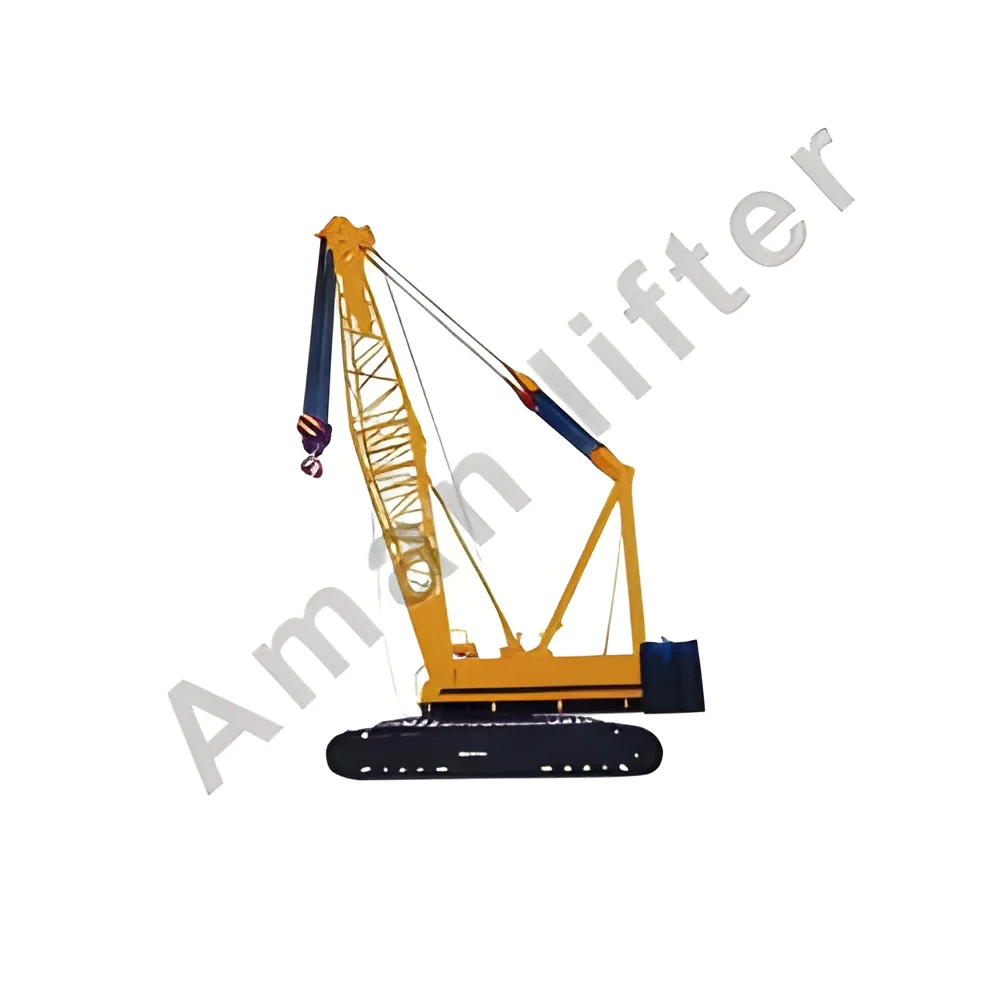
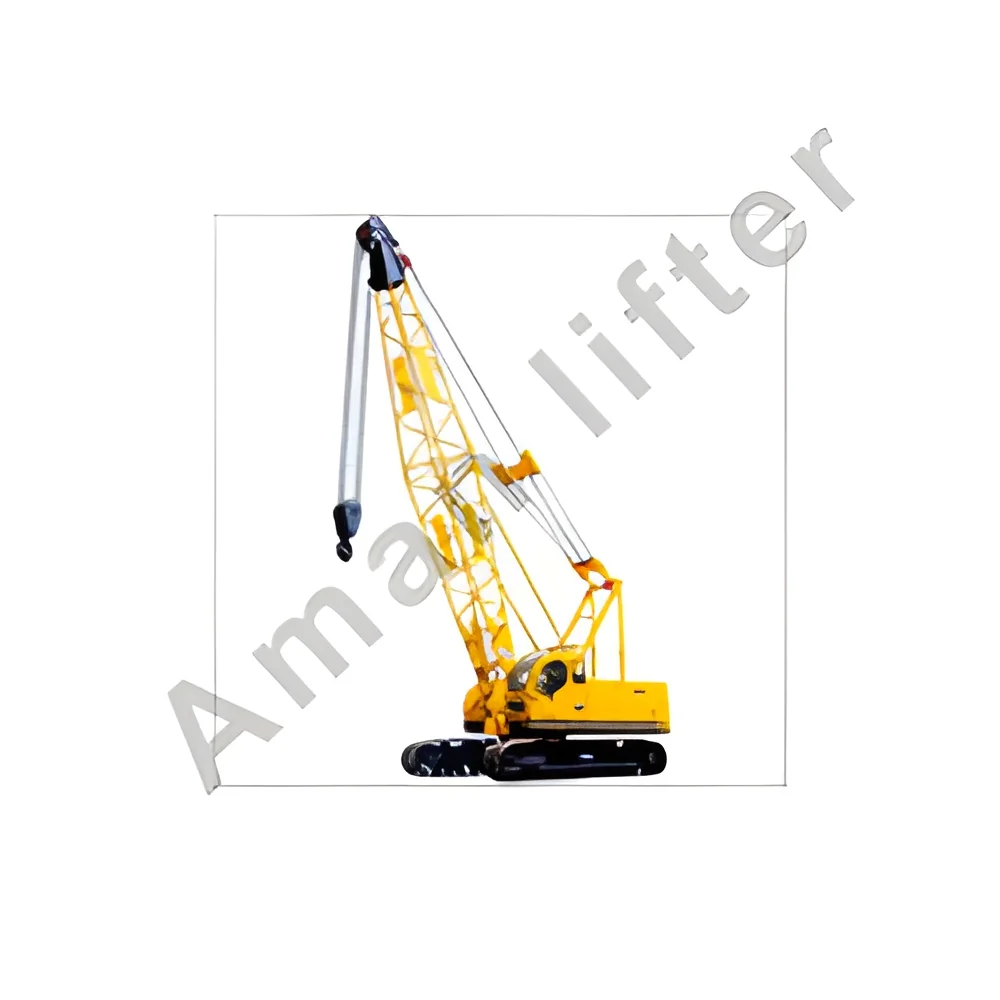
Crawler cranes are a type of heavy machinery designed for lifting and moving large loads on construction sites, particularly in areas where stability and mobility are crucial. These cranes feature a set of tracks, similar to those found on tanks, which distribute their weight evenly across soft or uneven ground. This design allows them to operate in challenging environments without the risk of tipping over, making them ideal for heavy lifting tasks.
Crawler cranes are commonly used in various applications, including construction, infrastructure development, and industrial projects. They excel in tasks that require lifting heavy equipment, materials, or structures, such as steel beams, concrete panels, and large machinery. This versatility makes them valuable assets in diverse sectors, including commercial construction, power generation, and oil and gas industries. As the demand for large-scale construction projects continues to grow, the relevance of crawler cranes in the market remains significant, with many businesses seeking reliable and efficient lifting solutions.
Key Features and Specifications
Crawler cranes are equipped with a range of features that enhance their performance and usability. These features are essential for ensuring that the cranes can handle the demands of various lifting operations.
Key specifications include:
1. Lifting Capacity
- The maximum weight that the crane can lift.
- Typically ranges from 30 tons to over 3,000 tons, depending on the model.
2. Boom Length
- The length of the crane's arm (boom) that extends to lift materials.
- Can vary from 30 meters to over 100 meters based on crane size.
3. Operating Weight
- The total weight of the crane, which affects its stability.
- Generally ranges from 50 tons to 4,500 tons.
4. Engine Power
- The horsepower of the crane’s engine, impacting its lifting performance.
- Usually between 100 HP to 1,500 HP.
5. Track Width
- The width of the crawler tracks that provide stability.
- Typically varies from 3 meters to 7 meters.
6. Speed
- The maximum travel speed of the crane on tracks.
- Ranges from 0.5 km/h to 2 km/h.
7. Swing Radius
- The circular area around the crane where it can operate.
- Typically ranges from 3 meters to 6 meters.
8. Control System
- The type of control mechanism, which can be manual or remote.
- Many modern cranes come with advanced electronic control systems for precision.
These specifications are critical in determining the right crawler crane for specific projects and applications.
Common Applications and Use Cases
Crawler cranes are utilized across various industries due to their versatility and efficiency.
1. Construction: In construction, crawler cranes are essential for erecting large structures, such as skyscrapers and bridges, where heavy lifting is required.
2. Oil and Gas: The oil and gas industry employs crawler cranes for setting up drilling rigs and other heavy equipment in remote locations.
3. Mining: Crawler cranes facilitate the movement of heavy machinery and materials in mining operations, often in rugged terrains.
4. Shipbuilding: In shipyards, crawler cranes are used to lift heavy sections of ships and other vessels during the assembly process.
5. Power Generation: Crawler cranes assist in the installation of large turbines and generators in power plants, ensuring safe and efficient handling of equipment.
6. Infrastructure Projects: These cranes play a vital role in large infrastructure projects, such as highway construction and railway installation, where heavy components need to be lifted.
7. Demolition: Crawler cranes are used in demolition projects to safely remove large structures or components, allowing for controlled dismantling.
Product Variants and Subcategories
Crawler cranes come in various models, each designed to meet specific operational needs.
Standard Crawler Cranes
These are the most common types, capable of handling a wide range of lifting tasks across different industries. They are versatile and can be configured with various boom lengths and attachments.
Heavy Lift Crawler Cranes
Designed for maximum lifting capacities, these cranes are ideal for projects that require the movement of extremely heavy loads, such as large industrial equipment and structural components.
Compact Crawler Cranes
These models are smaller and more maneuverable, making them suitable for urban construction sites where space is limited. They provide the same lifting capabilities as larger models but in a more compact form.
Benefits and Advantages
Crawler cranes offer numerous benefits that make them a preferred choice for heavy lifting operations.
Key benefits include:
1. Stability: The crawler track system provides excellent stability on uneven surfaces, reducing the risk of tipping.
2. Versatility: Crawler cranes can be used in various settings, from construction sites to remote locations, making them highly adaptable.
3. High Lifting Capacity: With the ability to lift significant weights, they are suitable for demanding projects that require heavy-duty performance.
4. Mobility: Crawler cranes can move around job sites without needing additional transportation, saving time and enhancing productivity.
5. Advanced Control Systems: Modern crawler cranes are equipped with sophisticated control systems for precise operation, improving overall efficiency.
6. Safety Features: Many models include state-of-the-art safety features to protect operators and workers on-site, enhancing operational safety.
Buying Guide for B2B Buyers
When sourcing crawler cranes, businesses should consider several key factors to ensure they select the right equipment for their needs.
1. Quality Assessment: Evaluate the quality of materials and construction of the cranes. Look for models built to withstand rigorous operational conditions and ensure longevity.
2. Supplier Verification: Vet suppliers thoroughly to ensure they have a reliable track record in delivering high-quality cranes and customer service.
3. Pricing and MOQ: Understand the pricing structure and minimum order quantities to ensure the purchase aligns with budget considerations and project needs.
4. Delivery and Lead Times: Inquire about delivery schedules and lead times, as timely access to equipment is critical for project planning.
5. Compliance Requirements: Ensure that the cranes meet industry regulations and compliance standards relevant to the geographical area of operation.
Compliance and Certifications
Crawler cranes are subject to various quality and safety standards to ensure they operate reliably and safely in diverse environments.
ISO 9001 is a widely recognized quality management standard that ensures manufacturers adhere to consistent quality in their production processes. Compliance with this standard is often a key consideration for buyers.
In addition, many crawler cranes are CE certified, which indicates they meet European safety and environmental requirements. This certification is crucial for ensuring that the equipment is safe for operators and the surrounding environment.
Safety and testing requirements are integral to the manufacturing process of crawler cranes. These cranes undergo rigorous testing to verify their lifting capabilities and overall performance.
Regional compliance considerations may vary, but adhering to local regulations is essential for operation in different markets, ensuring that cranes meet specific requirements for safety and efficiency.
Why Source Crawler Cranes from Pepagora?
Pepagora offers a trusted platform for sourcing crawler cranes, providing several key advantages to B2B buyers.
Verified Supplier Network: The platform connects buyers with a network of verified suppliers, ensuring that all listed products meet high-quality standards and are sourced from reputable manufacturers.
Streamlined RFQ Process: Pepagora simplifies the request for quotation process, allowing buyers to easily compare offers from multiple suppliers and make informed purchasing decisions.
Trade Assurance and Support: With trade assurance programs in place, buyers can feel secure knowing that their transactions are protected, and they receive dedicated support throughout the sourcing process.
Regional Coverage: Pepagora's extensive reach spans across India, the GCC, and Southeast Asia, providing access to a wide range of crawler cranes tailored to meet the specific needs of diverse markets. This broad geographic coverage ensures that buyers can find suitable options regardless of their location.

Frequently Asked Questions
What are Crawler Cranes?
Crawler cranes are heavy construction equipment designed for lifting and moving heavy loads. They are mounted on tracks, which provide stability and mobility on uneven terrain, making them ideal for construction sites, mining operations, and other industrial applications.
What are the different types of Crawler Cranes?
There are several types of crawler cranes, including telescopic cranes, lattice boom cranes, and stiff boom cranes. Each type is designed for specific lifting tasks and can vary in load capacity, height, and reach.
How do I choose the right Crawler Cranes?
Selecting the right crawler crane involves assessing the load capacity, reach, and working environment. It's important to consider the specific requirements of your project, including the weight of materials to be lifted and the terrain of the job site.
What are the standard specifications for Crawler Cranes?
Standard specifications for crawler cranes typically include maximum load capacity, boom length, and operational height. Additionally, specifications may cover the type of engine, track width, and operational speed.
What is the price range for Crawler Cranes?
The price of crawler cranes can vary widely based on their size, specifications, and manufacturer. Generally, prices can range from several lakhs to crores of Indian Rupees, depending on the features and capabilities.
What quality standards apply to Crawler Cranes?
Crawler cranes must comply with various quality and safety standards, such as ISO and Indian Bureau of Standards (BIS) regulations. These standards ensure the cranes are safe to operate and meet performance requirements.
Where can I find Crawler Cranes suppliers in India?
You can find crawler crane suppliers in India through B2B marketplaces, industry trade fairs, and networking with construction and equipment rental companies. Online platforms like Pepagora.com also provide listings of reputable manufacturers and suppliers.
Can Crawler Cranes be customized?
Yes, many manufacturers offer customization options for crawler cranes to meet specific project requirements. Customizations can include modifications to the boom length, load capacity, and additional features like attachments.
What is the typical minimum order quantity for Crawler Cranes?
The minimum order quantity (MOQ) for crawler cranes can vary by supplier and is often influenced by the type and specifications of the crane. Typically, MOQs may range from one unit to multiple units for bulk purchases.
What is the typical lead time for Crawler Cranes?
The lead time for crawler cranes can vary based on factors such as the manufacturer's production schedule and availability of components. Generally, lead times can range from a few weeks to several months, especially for customized orders.
Why Businesses Trust Pepagora
Thousands of companies trust Pepagora to source smarter and sell faster
Expand Your Sales Globally

Source Smarter,Grow Faster
