
 IN
Concrete Mixers
94 products available
What are Concrete Mixers?
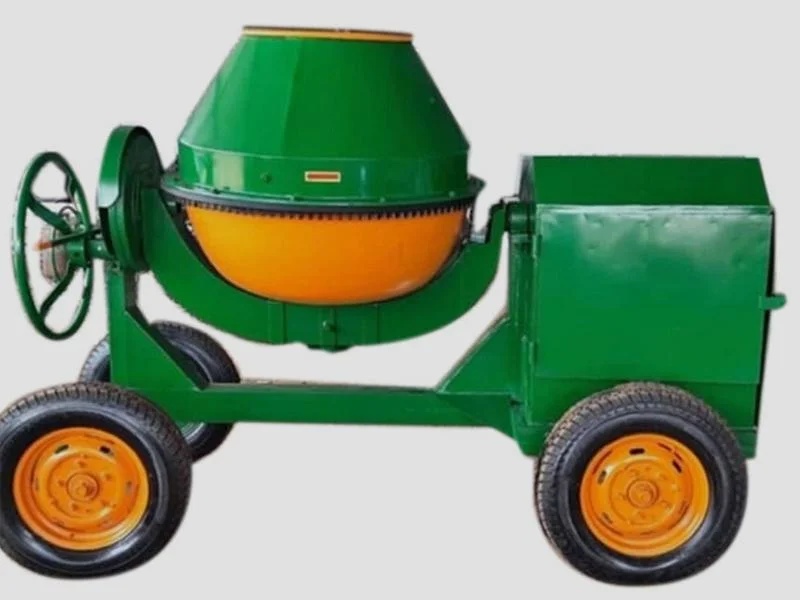
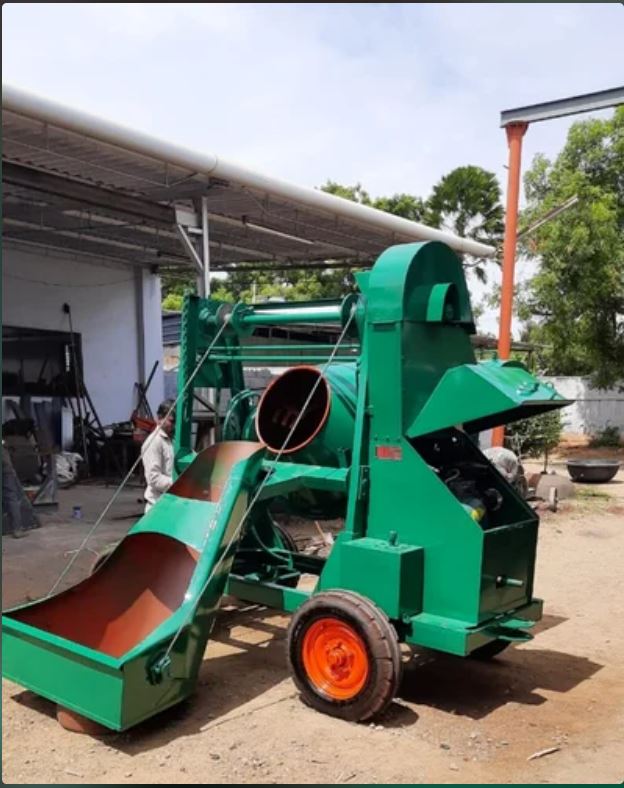
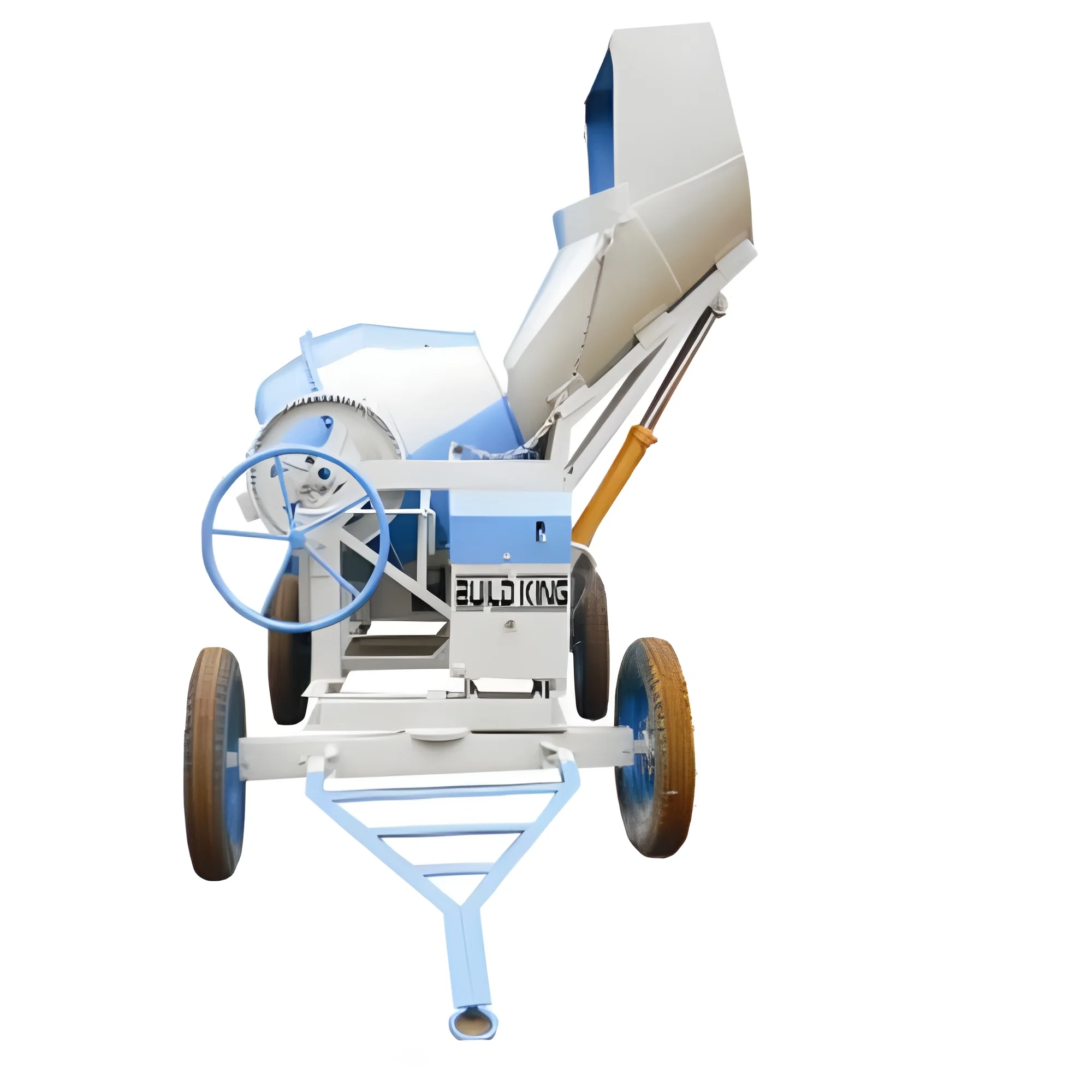
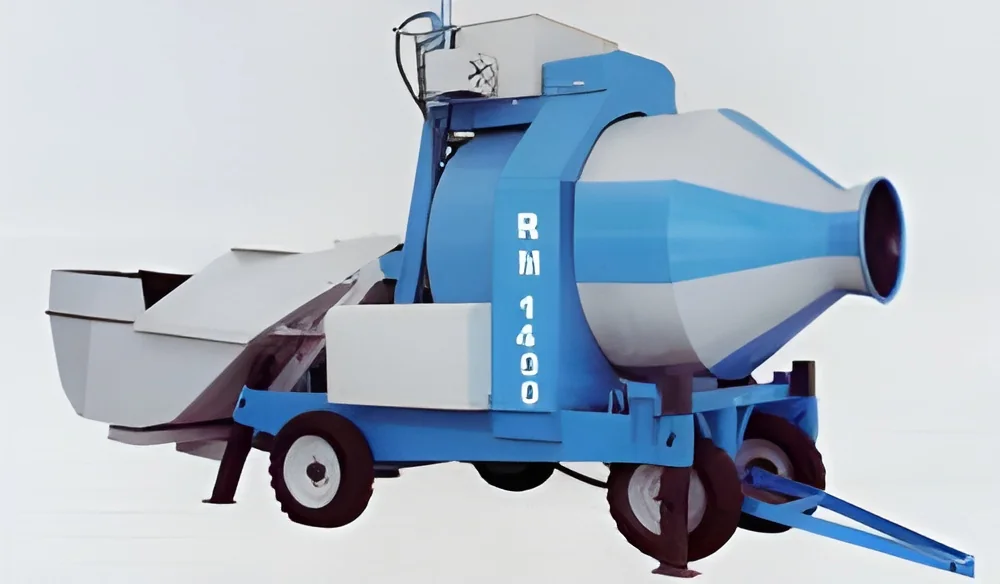
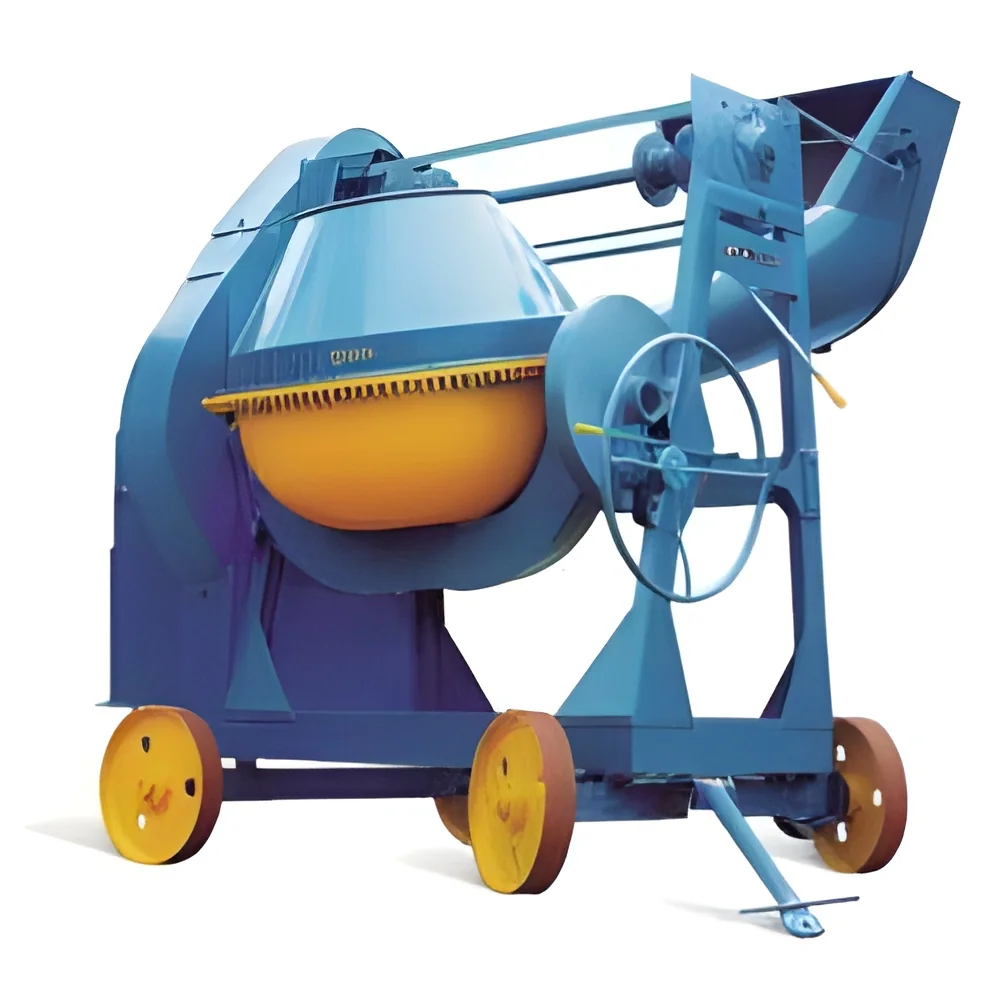
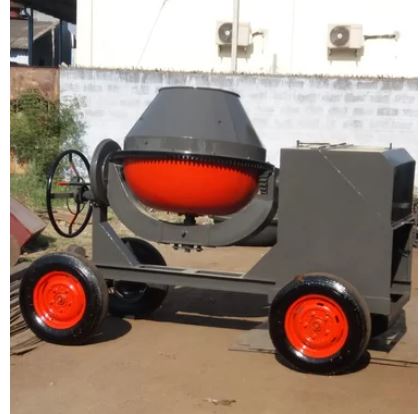
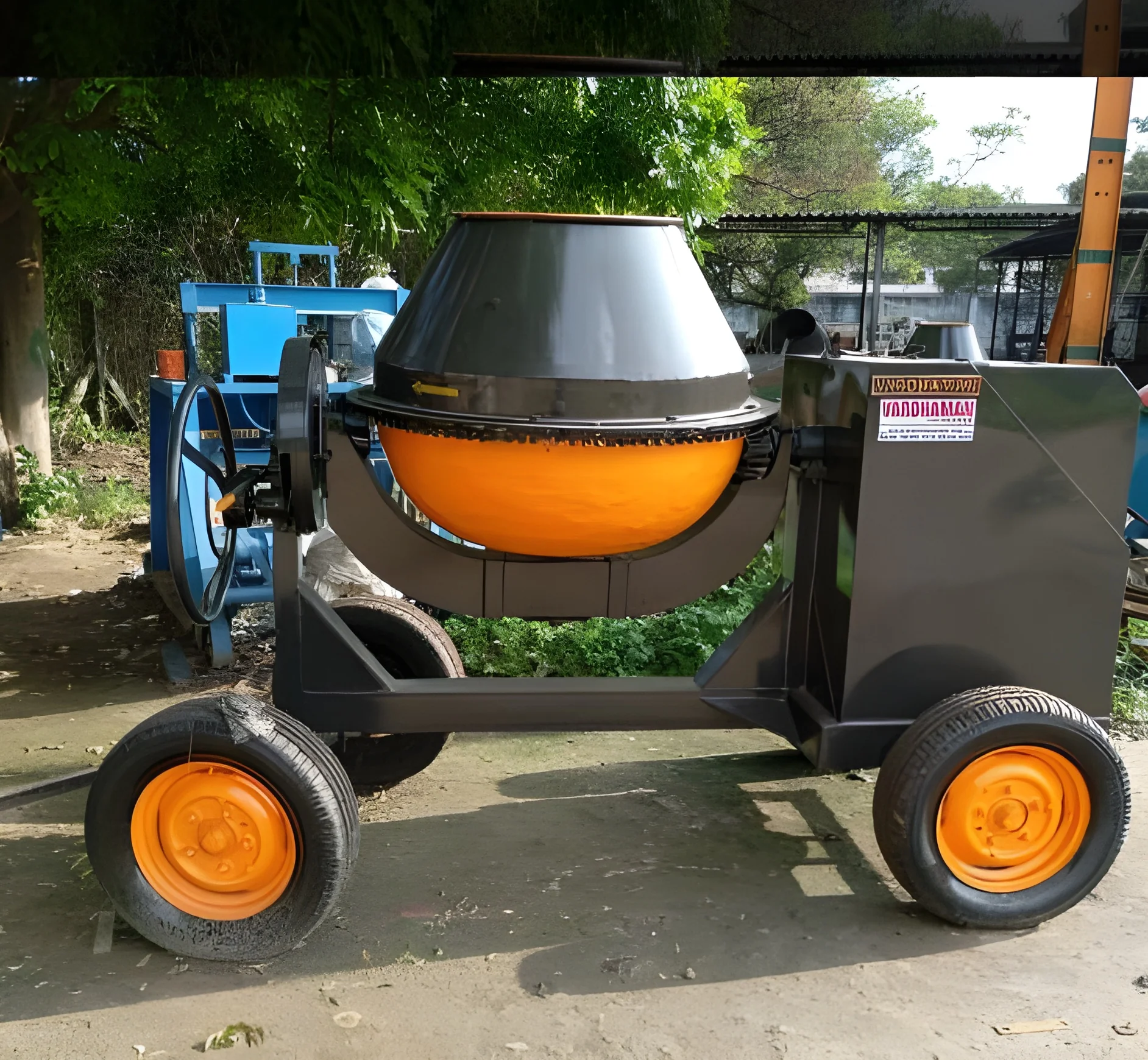
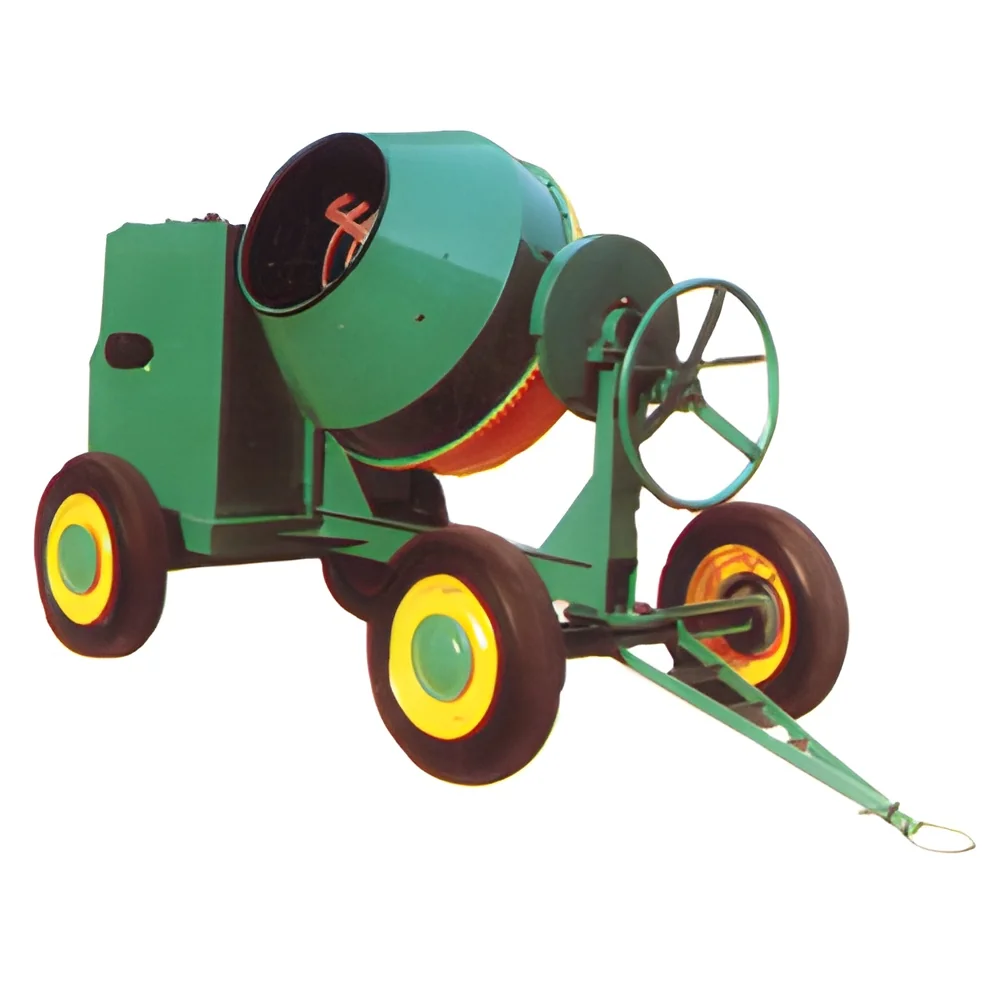
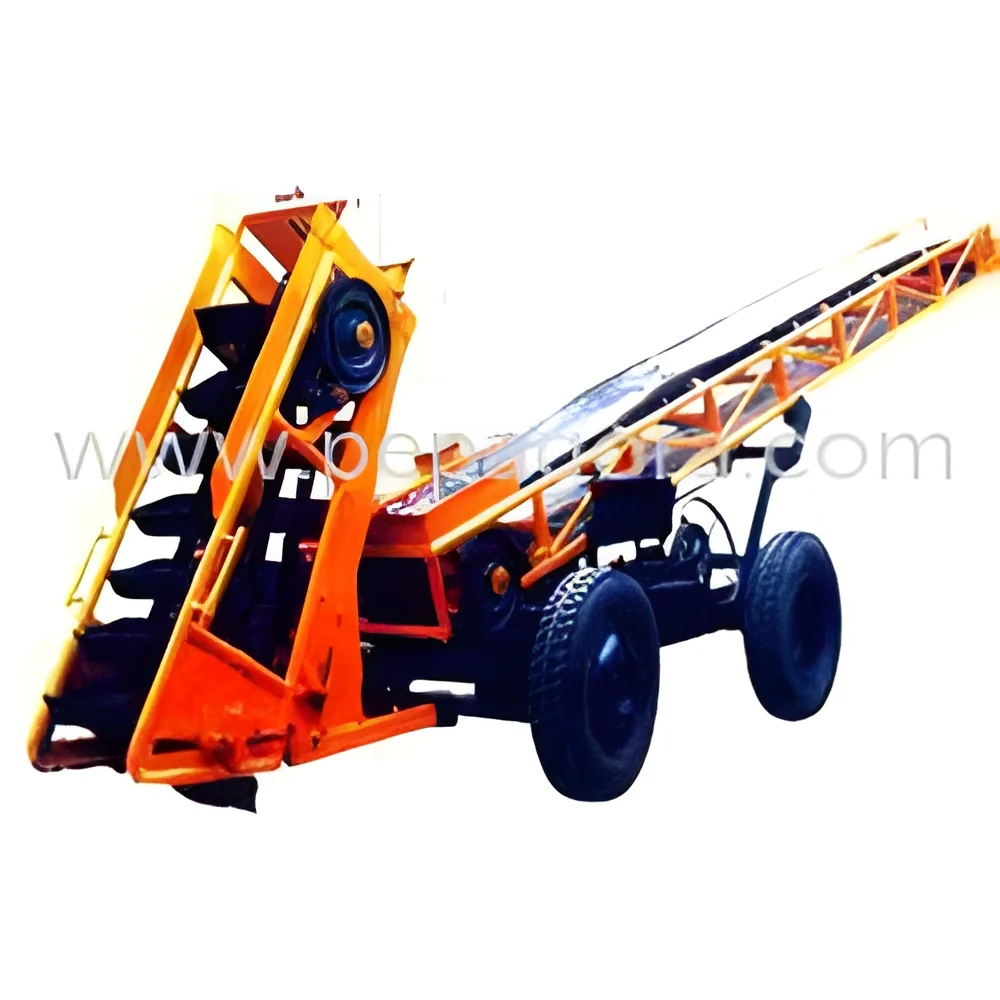
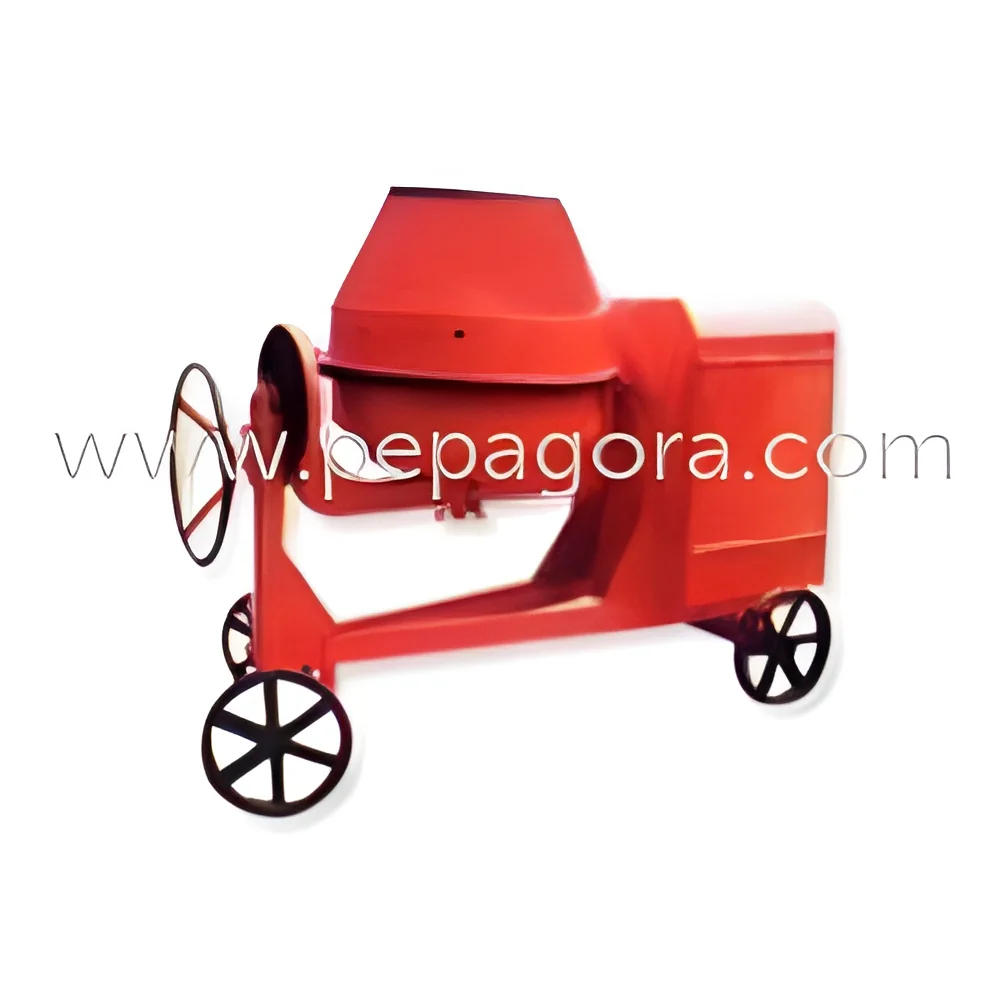
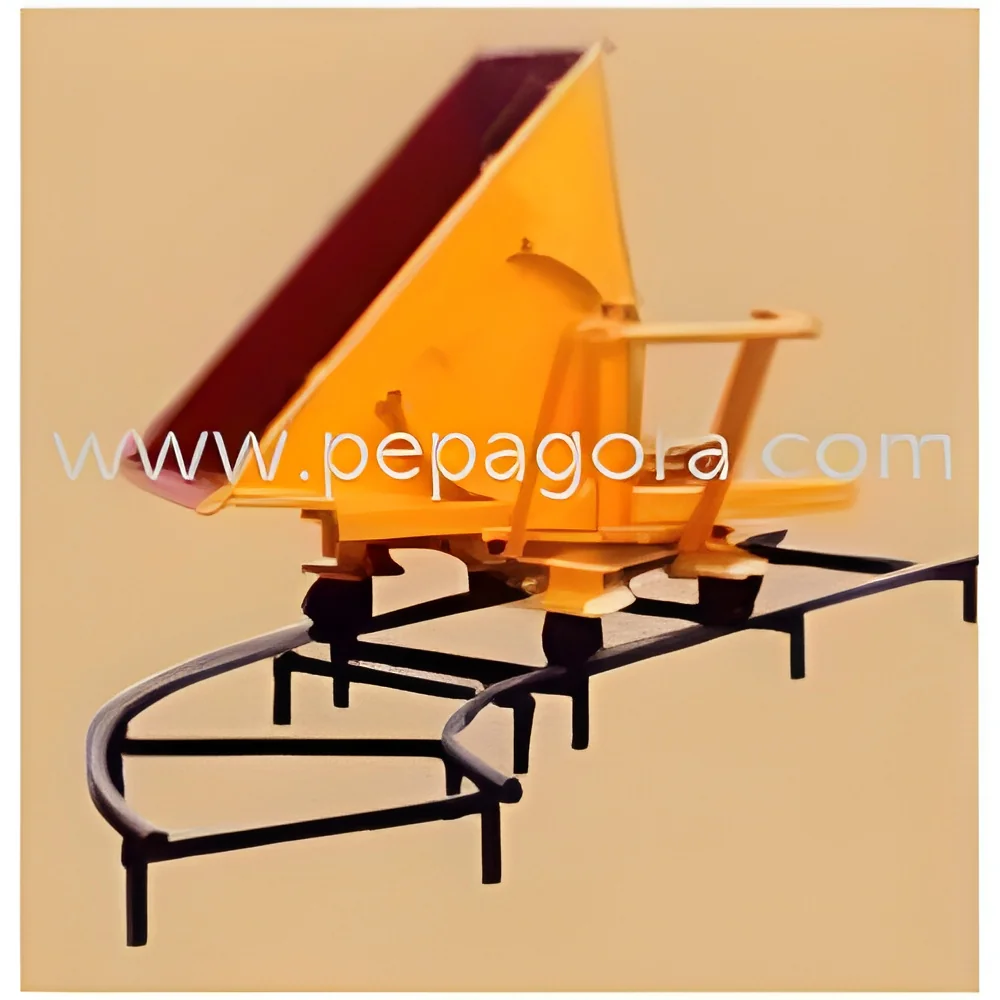
Concrete mixers are essential machines used in the construction industry to combine various ingredients such as cement, aggregates, water, and additives to create concrete. These mixers ensure that the materials are thoroughly blended to achieve the desired consistency and strength for construction projects. They can vary in size and complexity, from small handheld mixers for DIY projects to large, truck-mounted mixers for industrial applications.
The primary uses of concrete mixers span various construction activities, including residential building, road construction, and infrastructure development. They facilitate the efficient mixing of concrete on-site, reducing labor costs and material waste. In addition to construction, concrete mixers are also utilized in precast concrete production, where consistent quality and uniformity are crucial. With the growing demand for infrastructure development worldwide, concrete mixers have become indispensable tools in the construction sector.
Given the industry's relevance, concrete mixers are a key element in ensuring that construction projects are completed on time and within budget. As global construction activities continue to rise, the market for concrete mixers is expected to grow, driven by technological advancements and increasing construction demands.
Key Features and Specifications
Concrete mixers come with various features designed to enhance performance, durability, and usability. Understanding their specifications is essential for selecting the right mixer for specific applications.
Key specifications include:
1. Mixing Capacity
- Refers to the volume of concrete that can be mixed in a single batch.
- Typically ranges from 100 liters to over 2000 liters.
2. Power Source
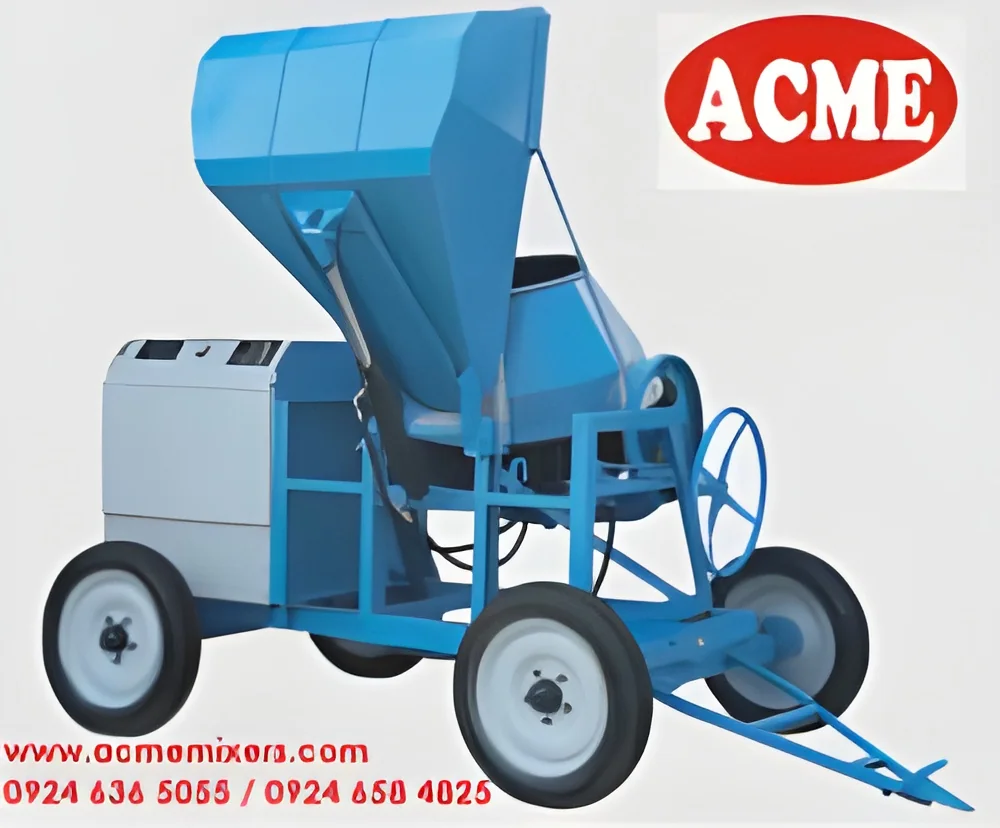
- Can be powered either by electric motors or diesel engines.
- Electric mixers are suitable for indoor use, while diesel mixers are often used outdoors.
3. Drum Type
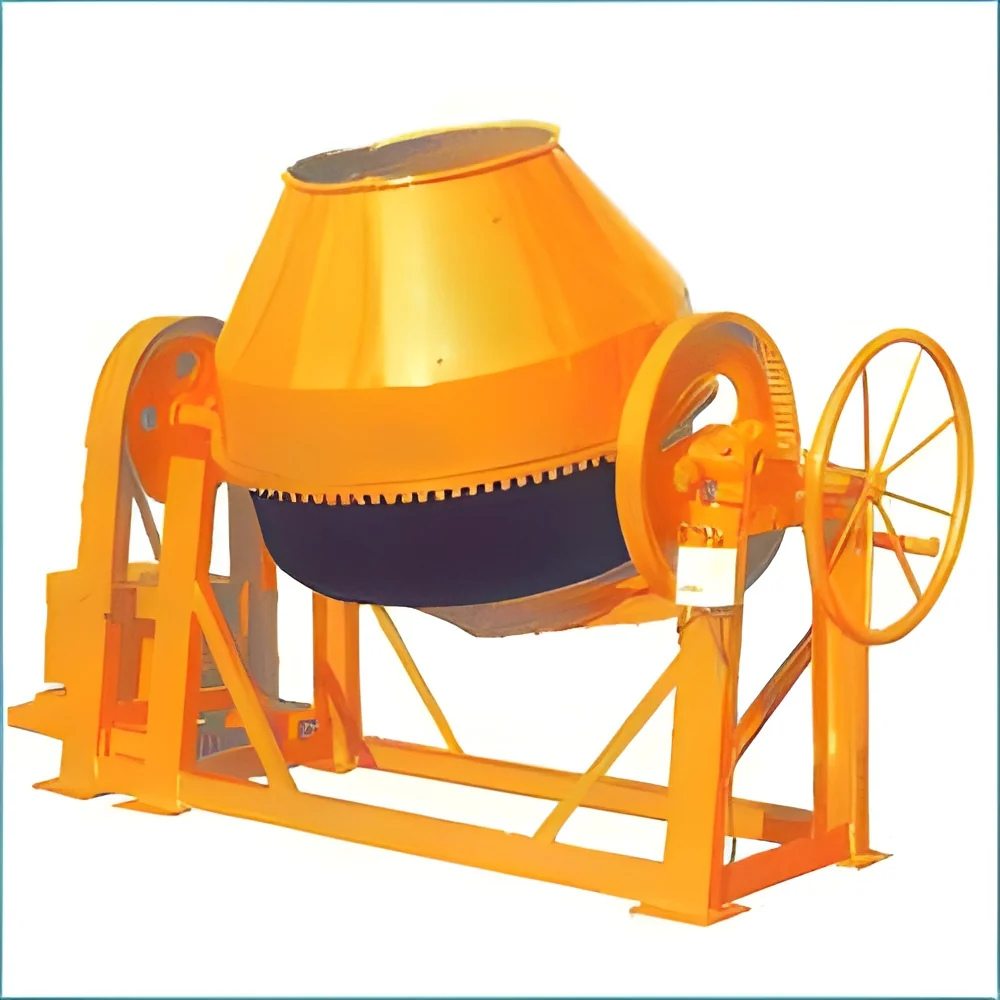
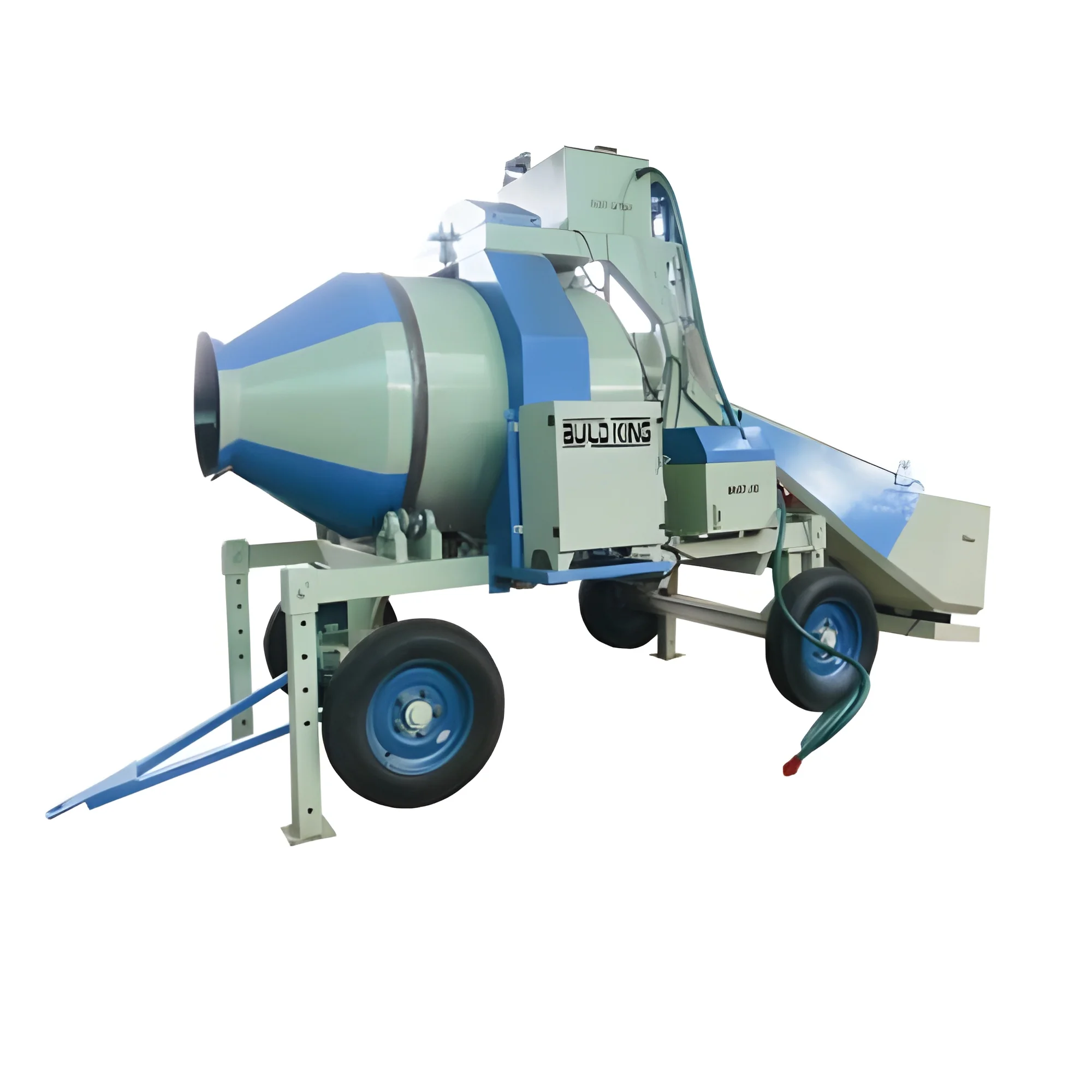
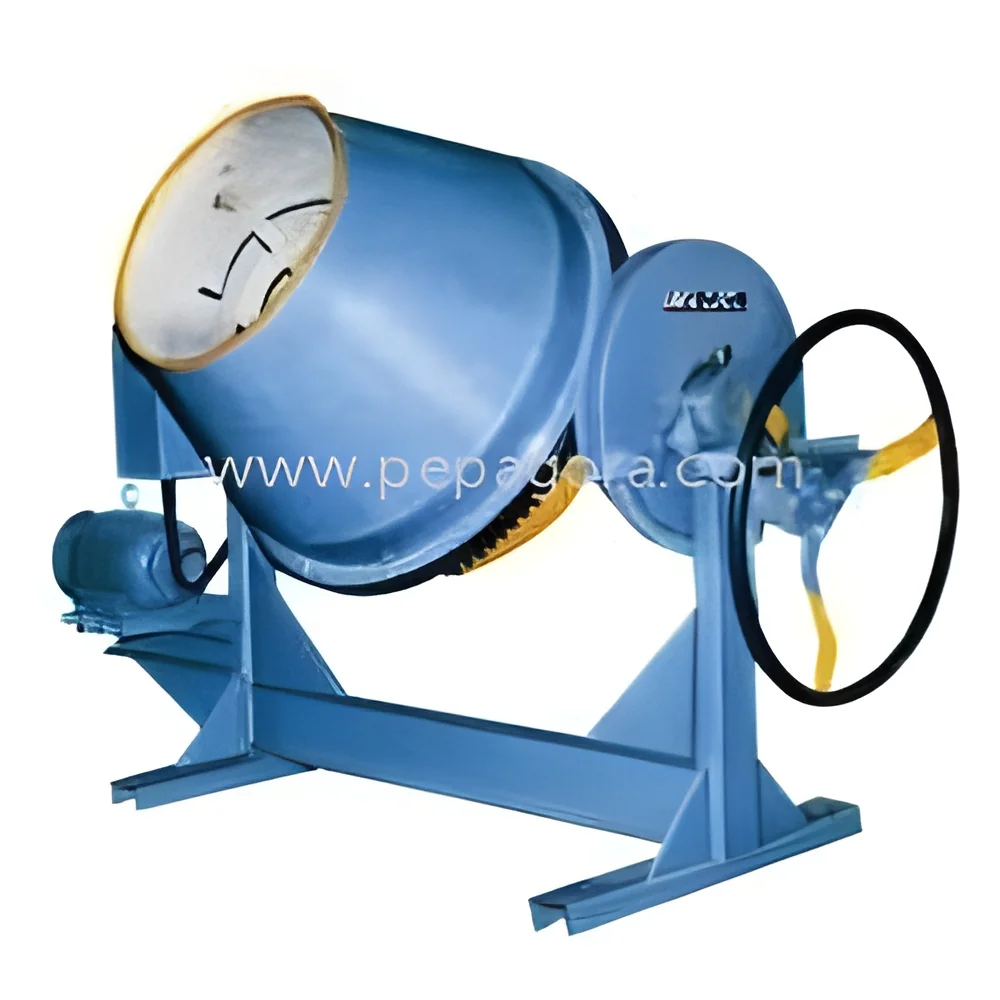
- Includes reversible drum mixers and twin-shaft mixers.
- Reversible drum mixers are suitable for small projects, while twin-shaft mixers provide high-quality mixing for large volumes.
4. Mixing Speed
- The speed at which the drum rotates.
- Generally adjustable to optimize mixing efficiency.
5. Weight
- Varies based on size and capacity.
- Lightweight models facilitate easy transport, while heavier models offer stability.
6. Mobility
- Can be stationary or portable.
- Portable mixers are ideal for projects requiring frequent relocation.
7. Discharge Method
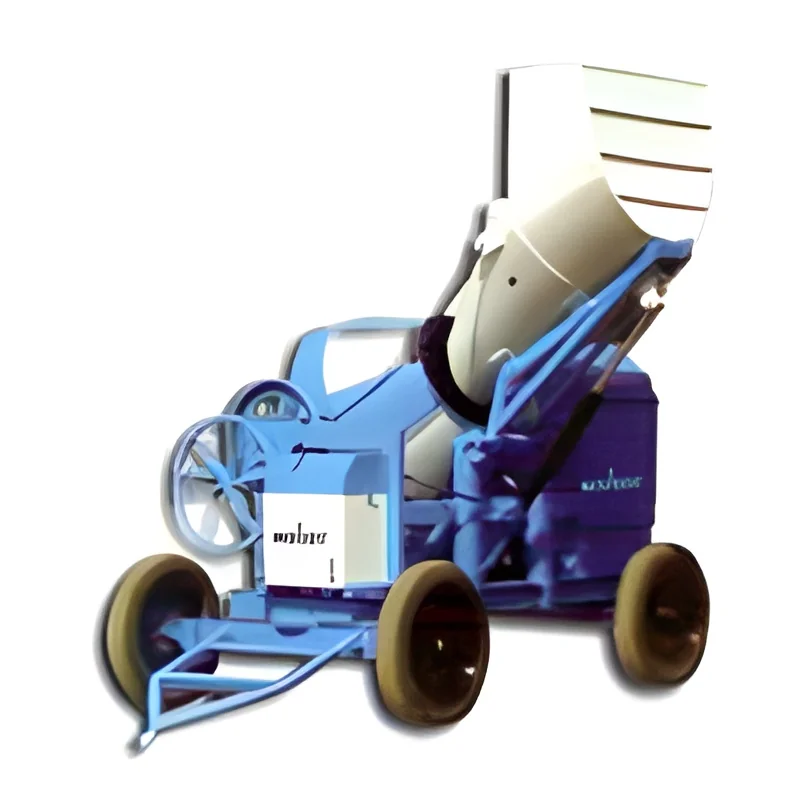
- Includes manual and automatic discharge options.
- Automatic systems enhance efficiency, especially in high-volume applications.
8. Safety Features
- May include emergency stop buttons, protective covers, and overload sensors.
- Essential for ensuring safe operation in construction environments.
Concrete mixers are crucial for achieving consistent concrete quality, making them a valuable investment for businesses in the construction industry.
Common Applications and Use Cases
Concrete mixers are versatile machines used across several industries.
1. Construction Industry: Concrete mixers are used for residential and commercial building projects, ensuring a uniform mix for foundations, walls, and other structures.
2. Road Construction: They play a critical role in producing concrete for pavements, bridges, and road repairs, enabling fast and efficient project completion.
3. Precast Concrete Manufacturing: In this sector, mixers ensure that concrete elements such as beams, blocks, and slabs meet specific quality standards.
4. Infrastructure Development: Large-scale projects like dams, tunnels, and airports rely on concrete mixers for consistent concrete supply.
5. Landscaping: Small mixers are often used in landscaping for pathways, patios, and decorative concrete applications.
6. Mining and Tunneling: In these sectors, concrete mixers are essential for shotcrete applications used in tunnel support and stabilization.
7. Agricultural Construction: They are also used in constructing silos, barns, and other structures in the agricultural sector.
Concrete mixers serve a diverse range of applications, making them an essential tool in many industries.
Product Variants and Subcategories
Concrete mixers come in a variety of types to meet specific needs in construction and manufacturing.
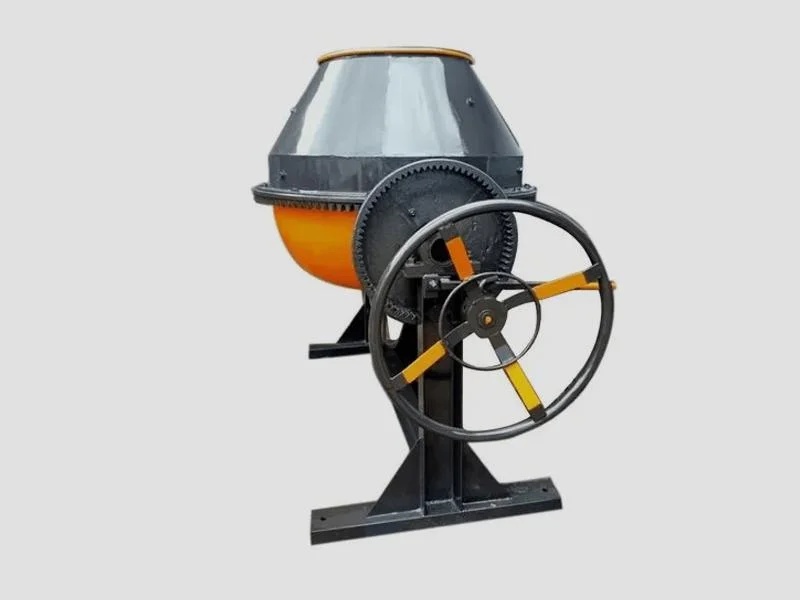
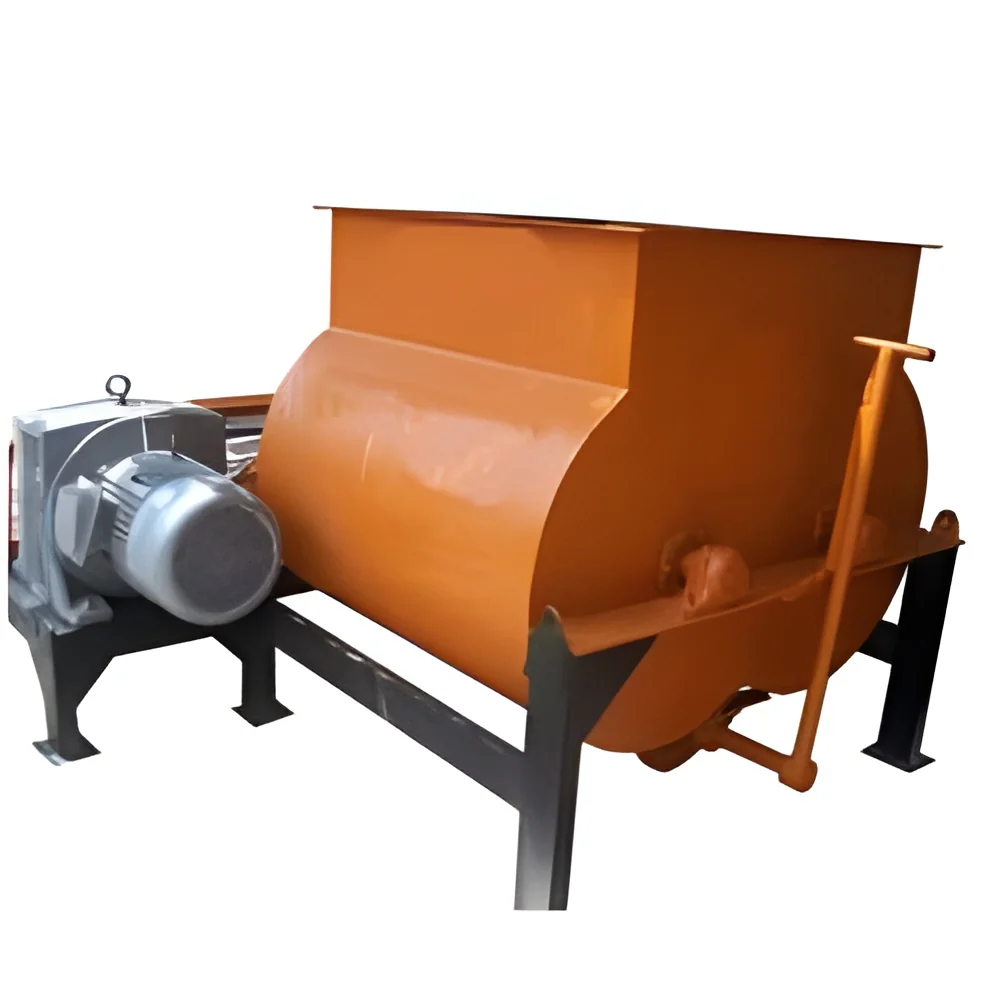
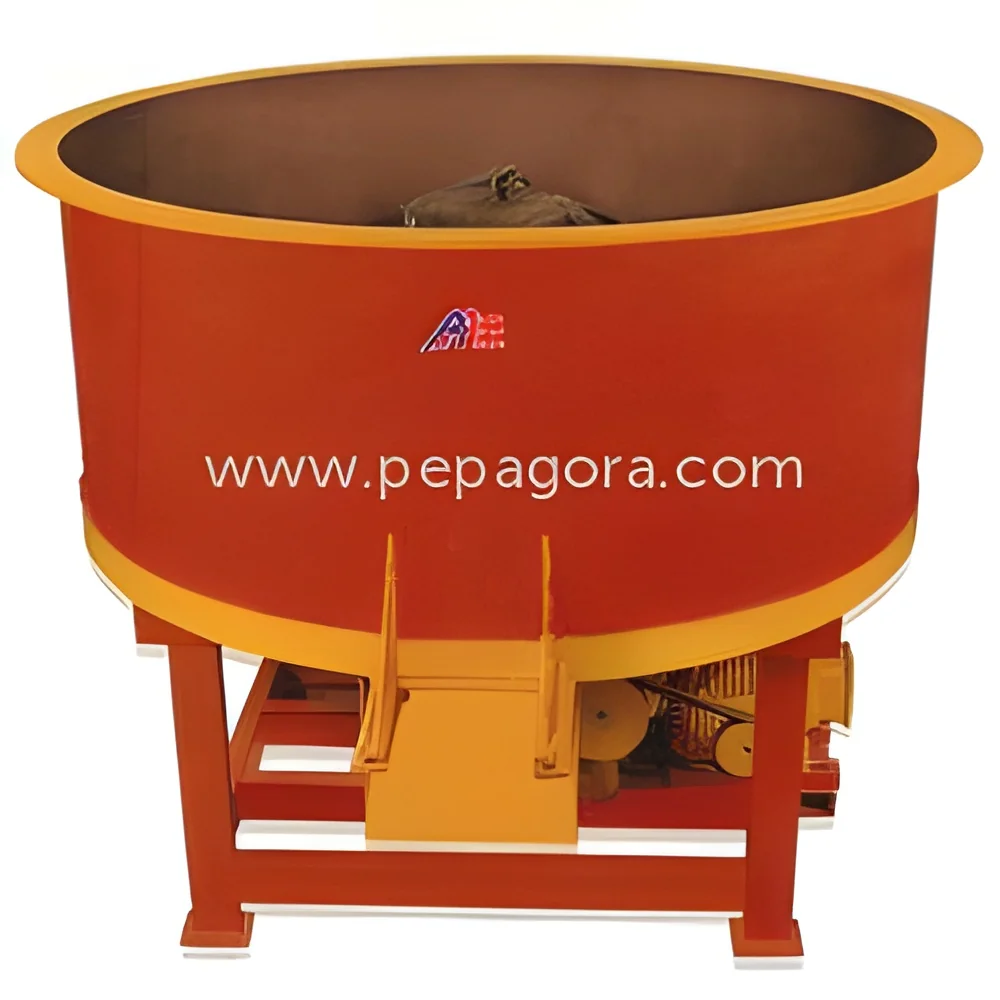
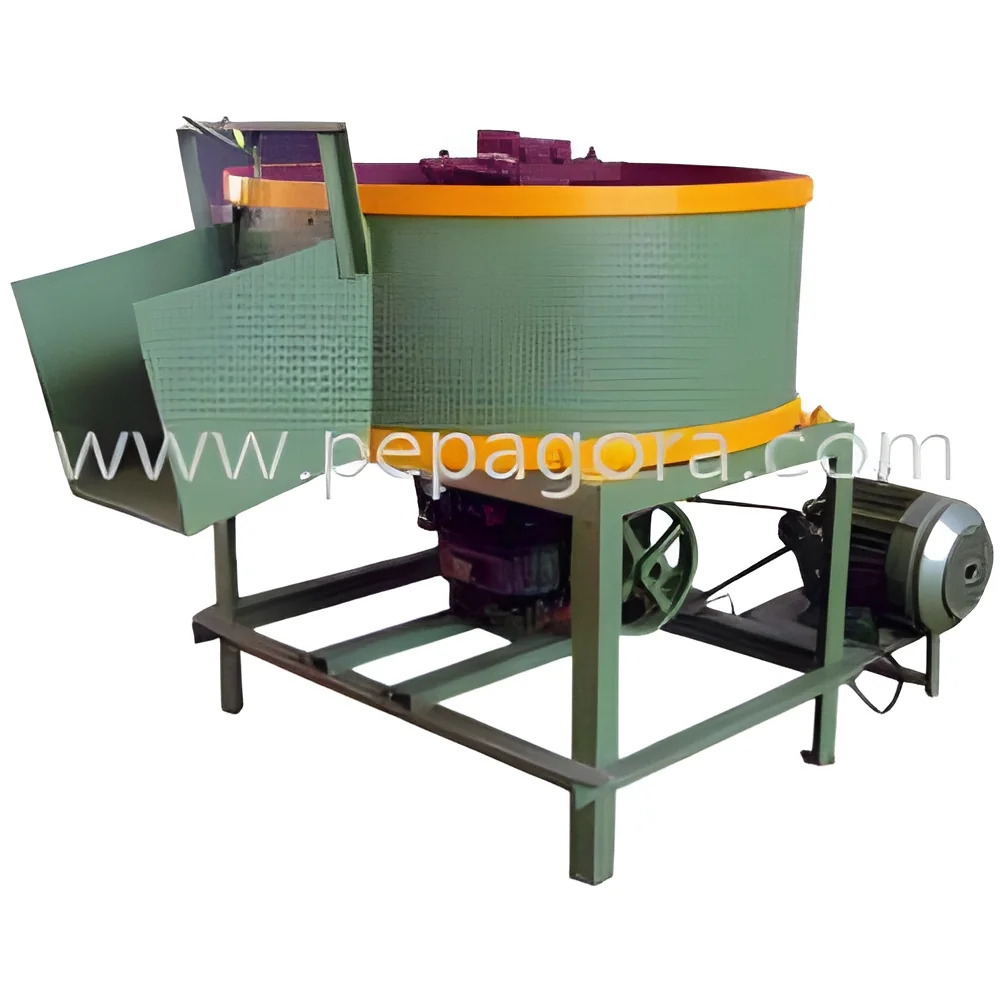
Stationary Mixers: These are designed for fixed locations and typically have higher capacities. They are ideal for large projects where a constant supply of mixed concrete is required.
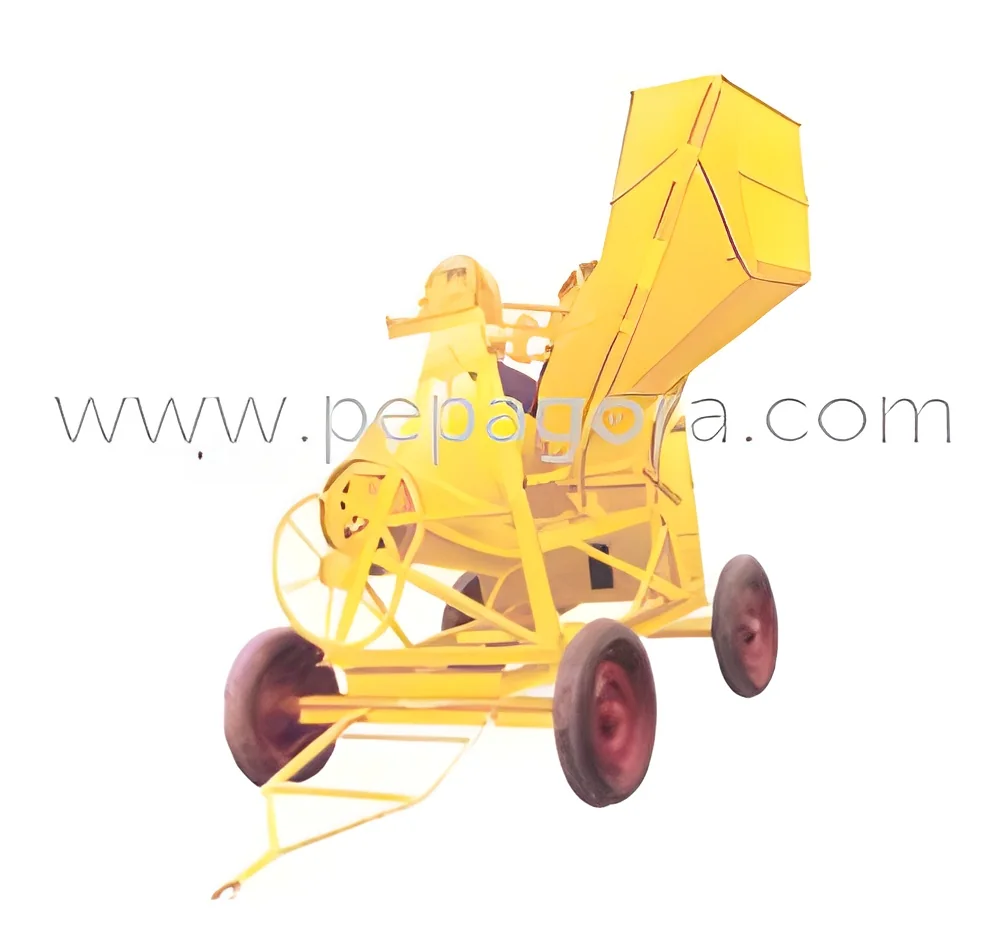
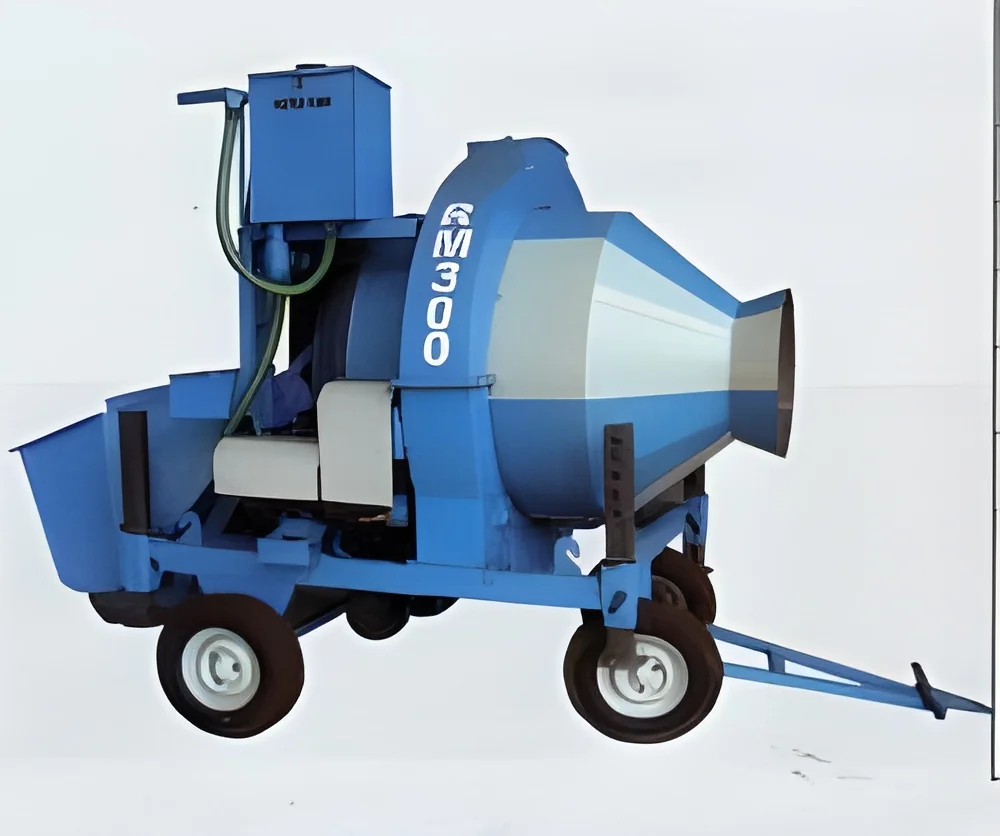
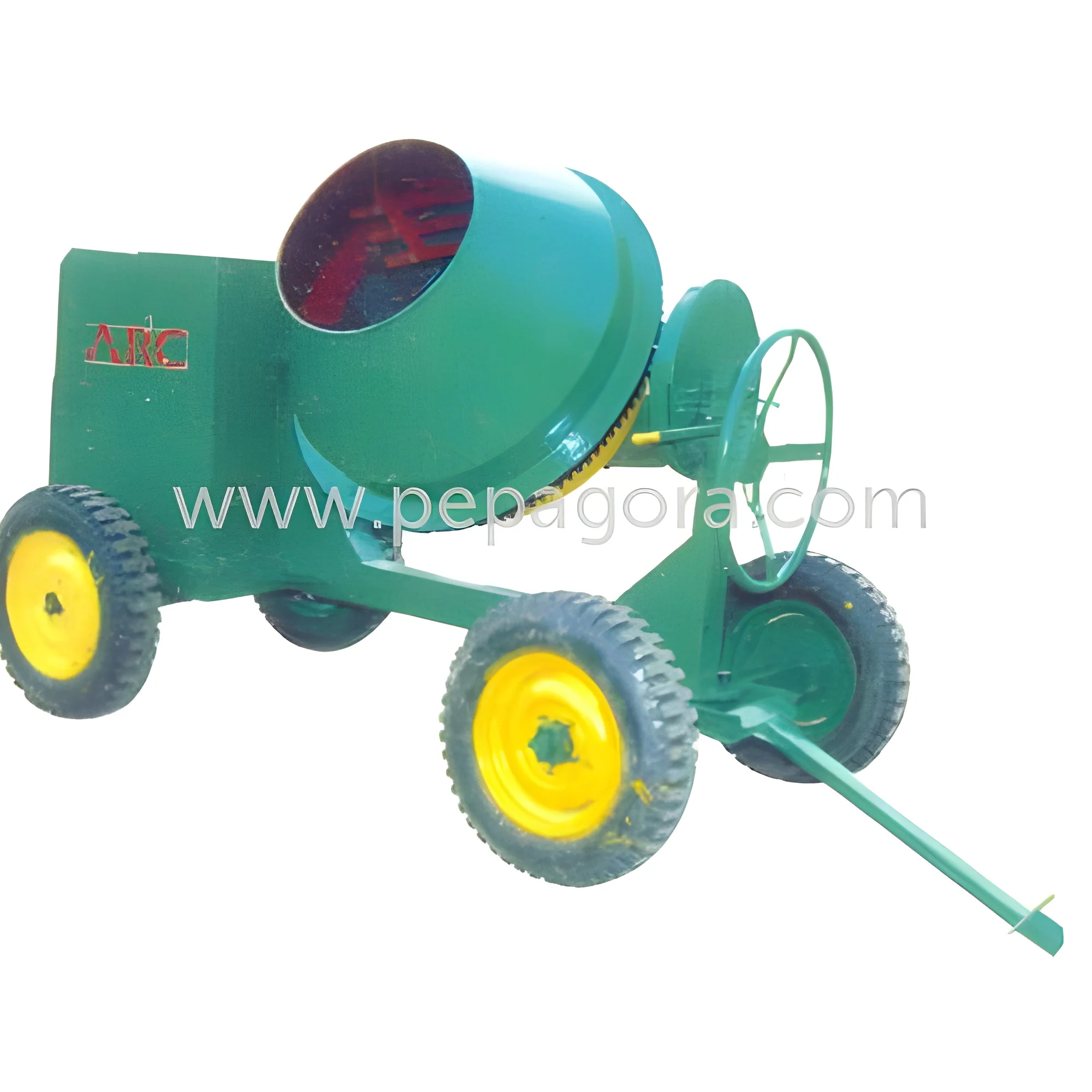
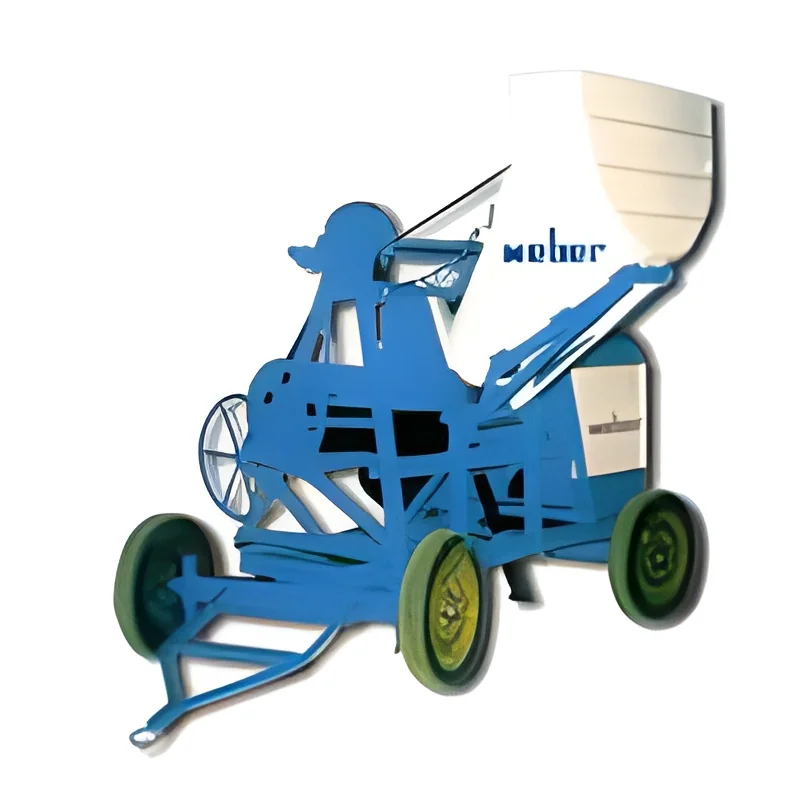
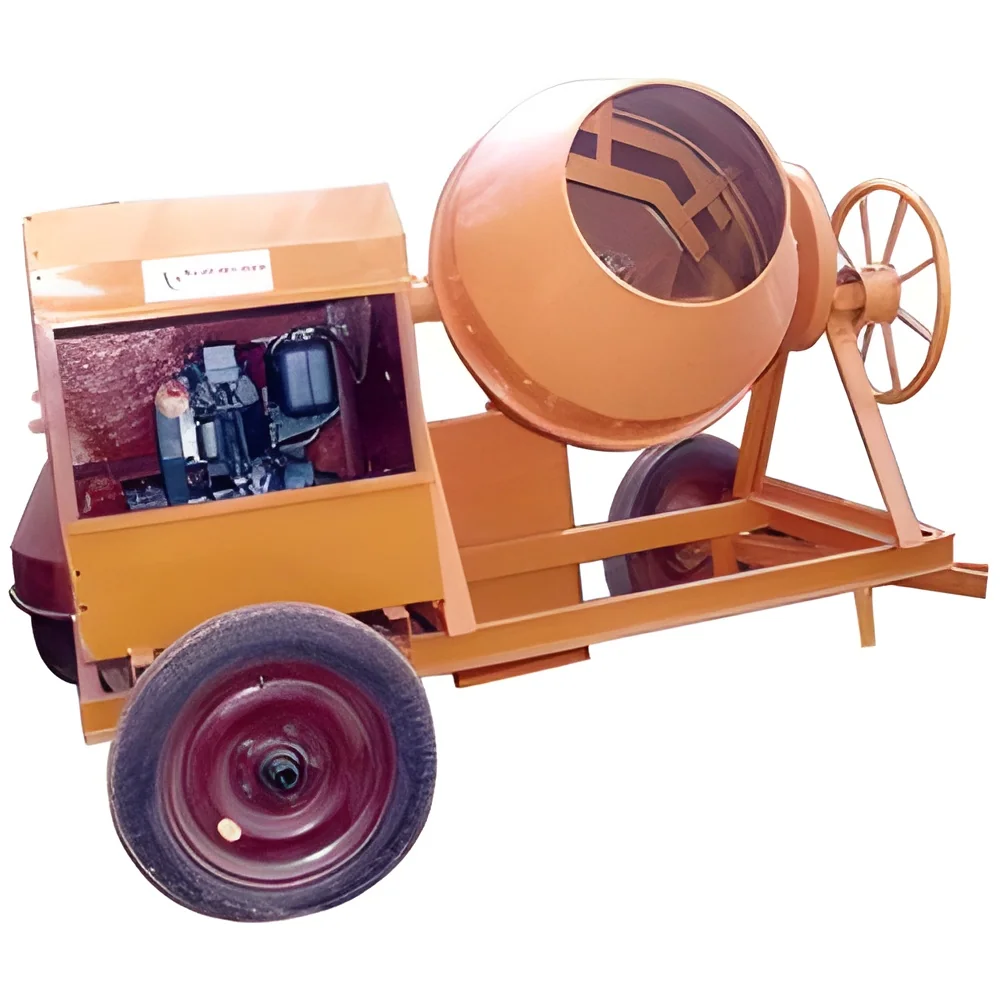
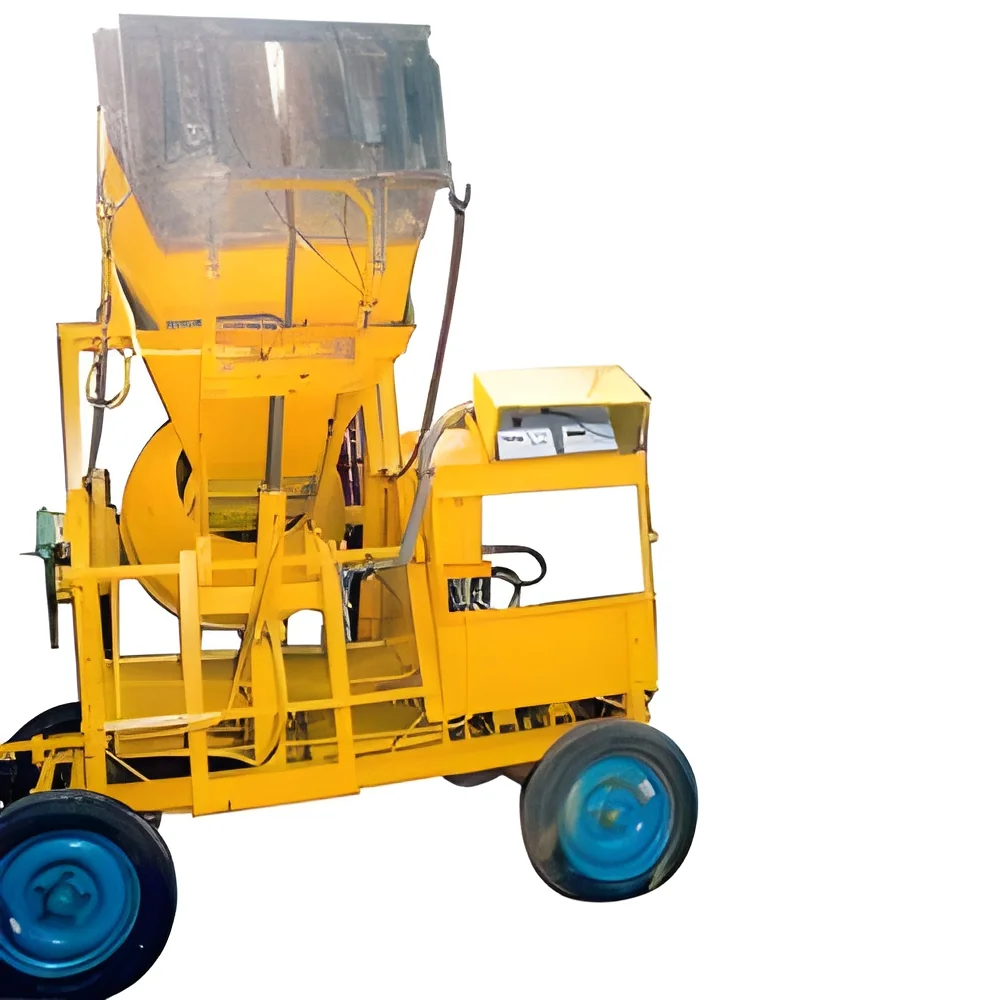
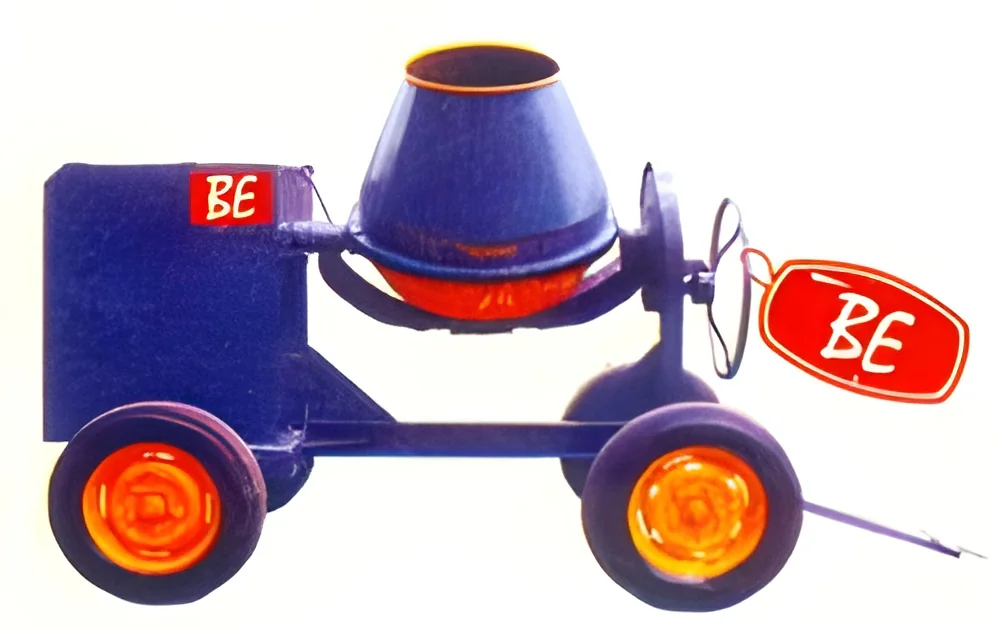
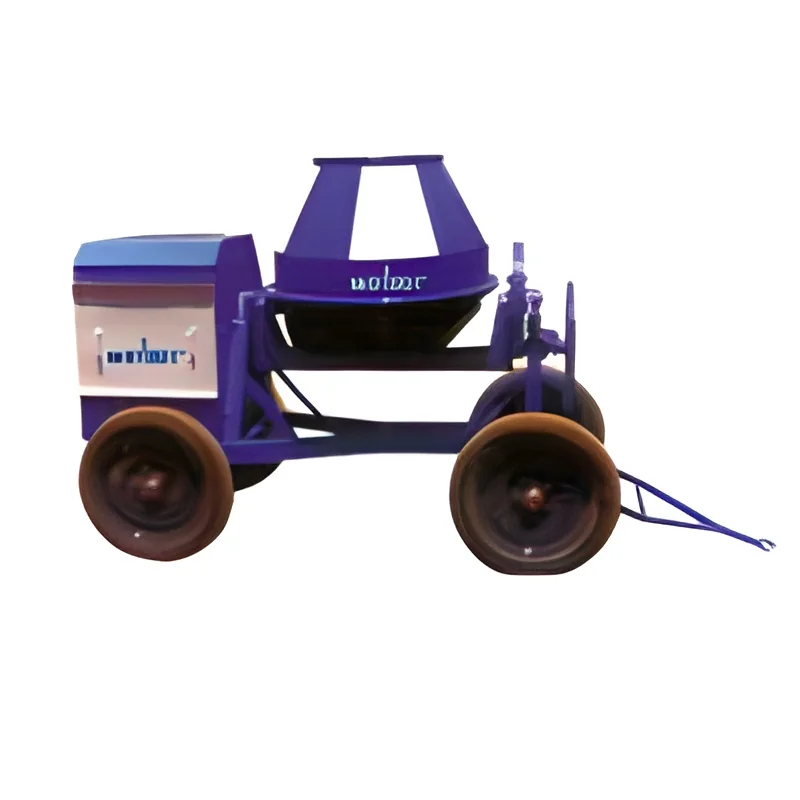
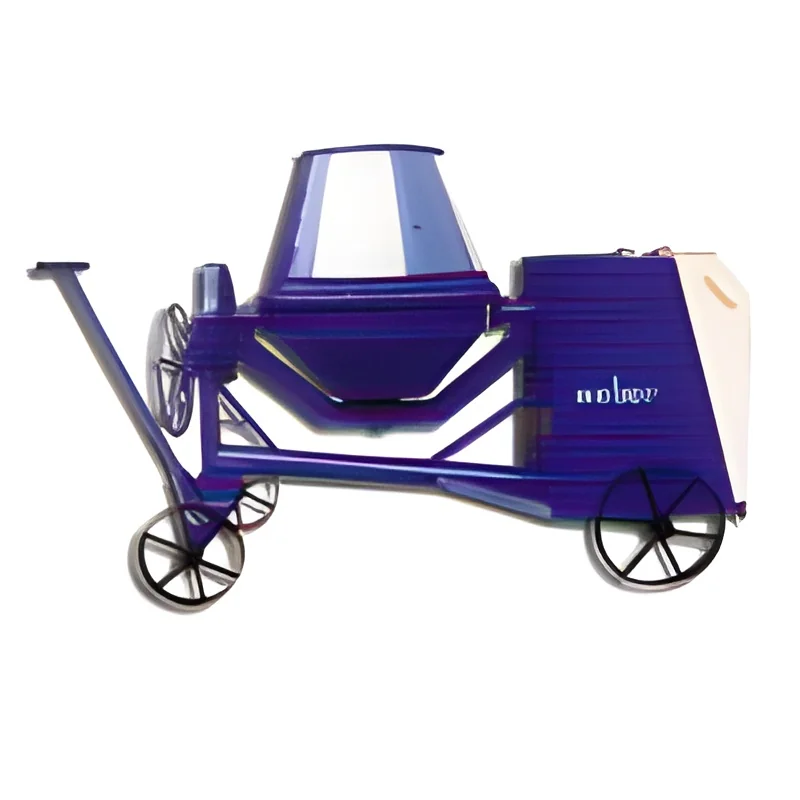
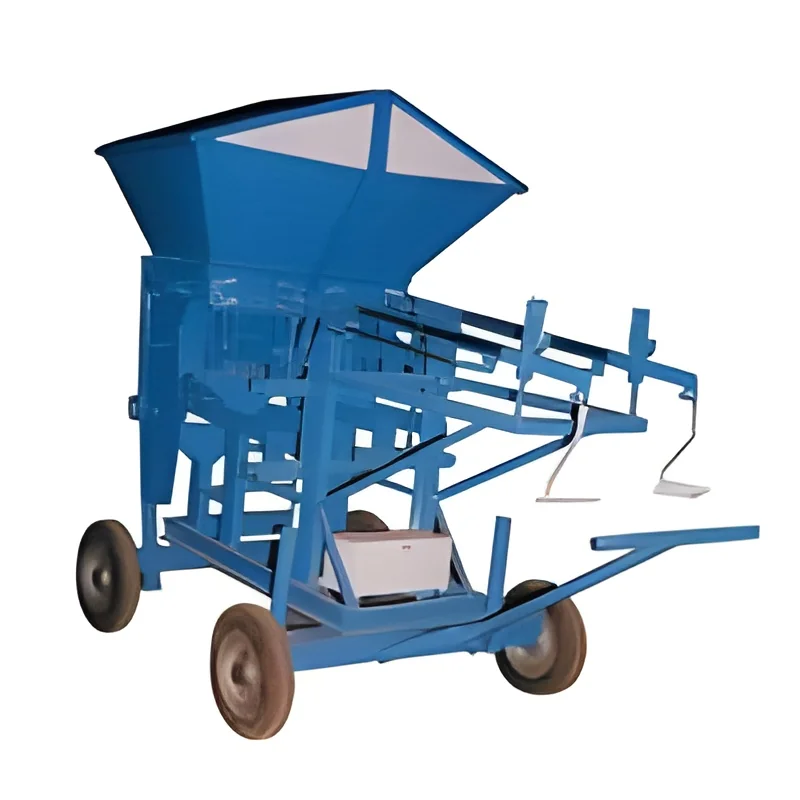
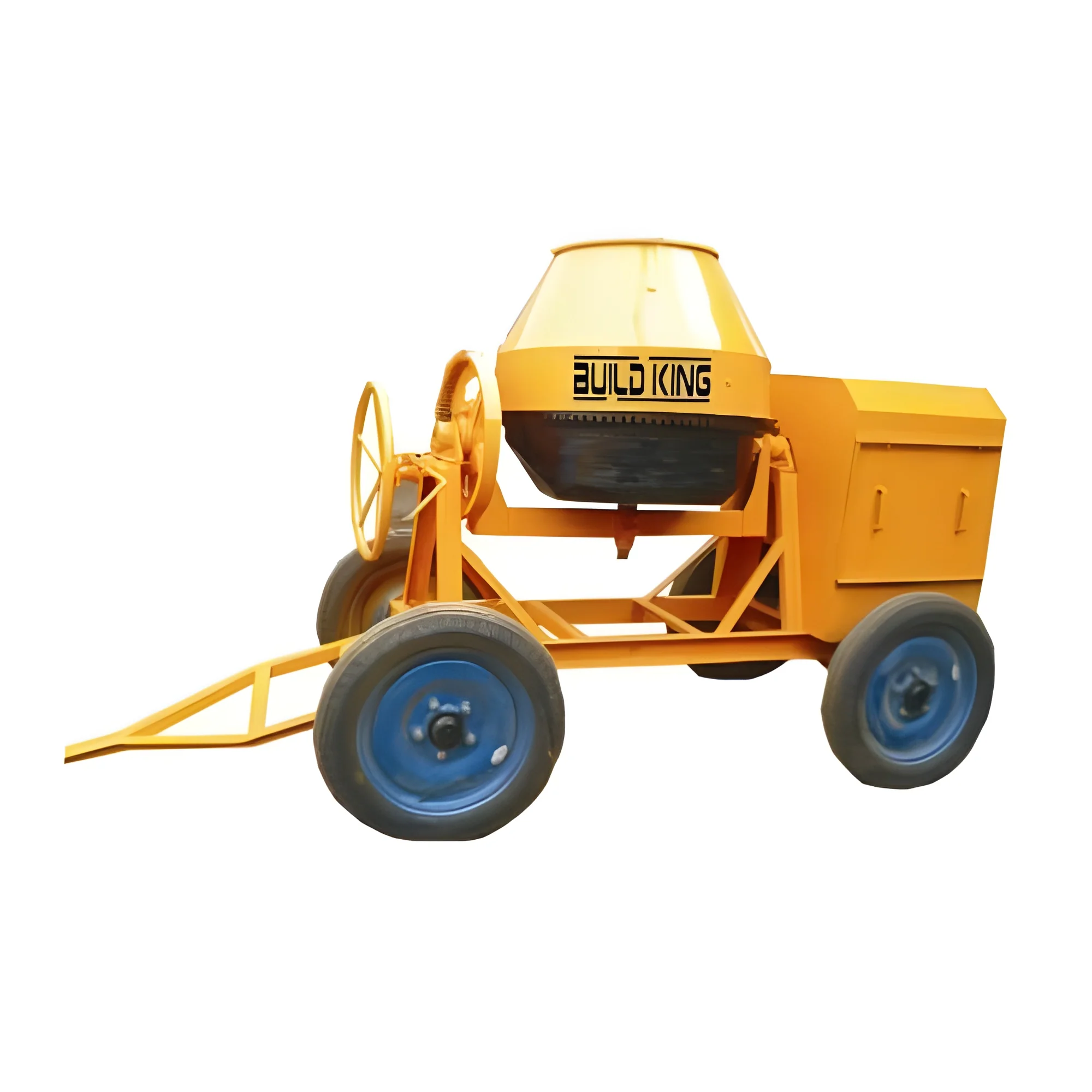
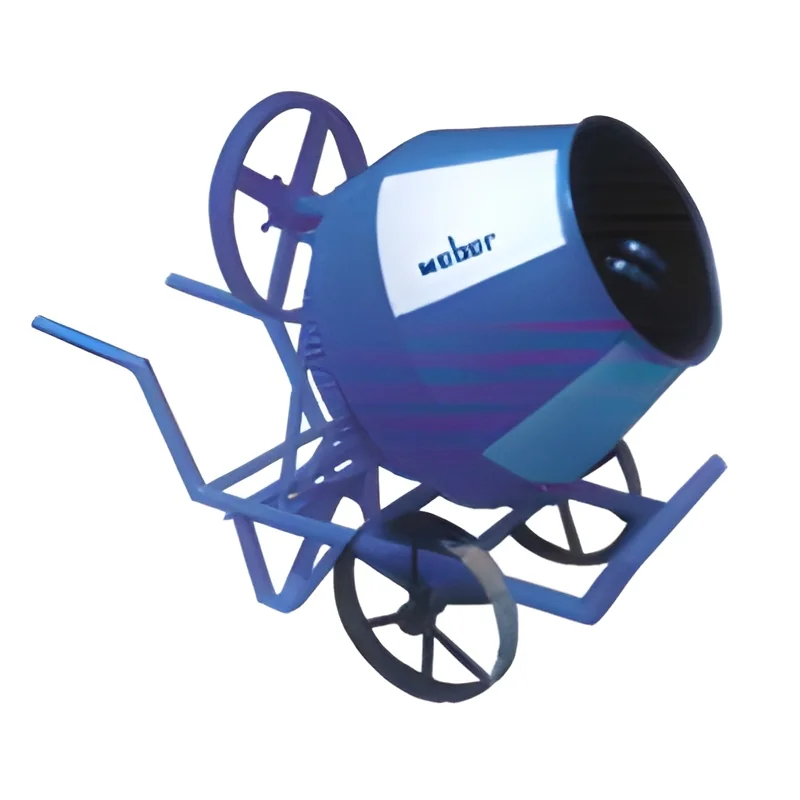
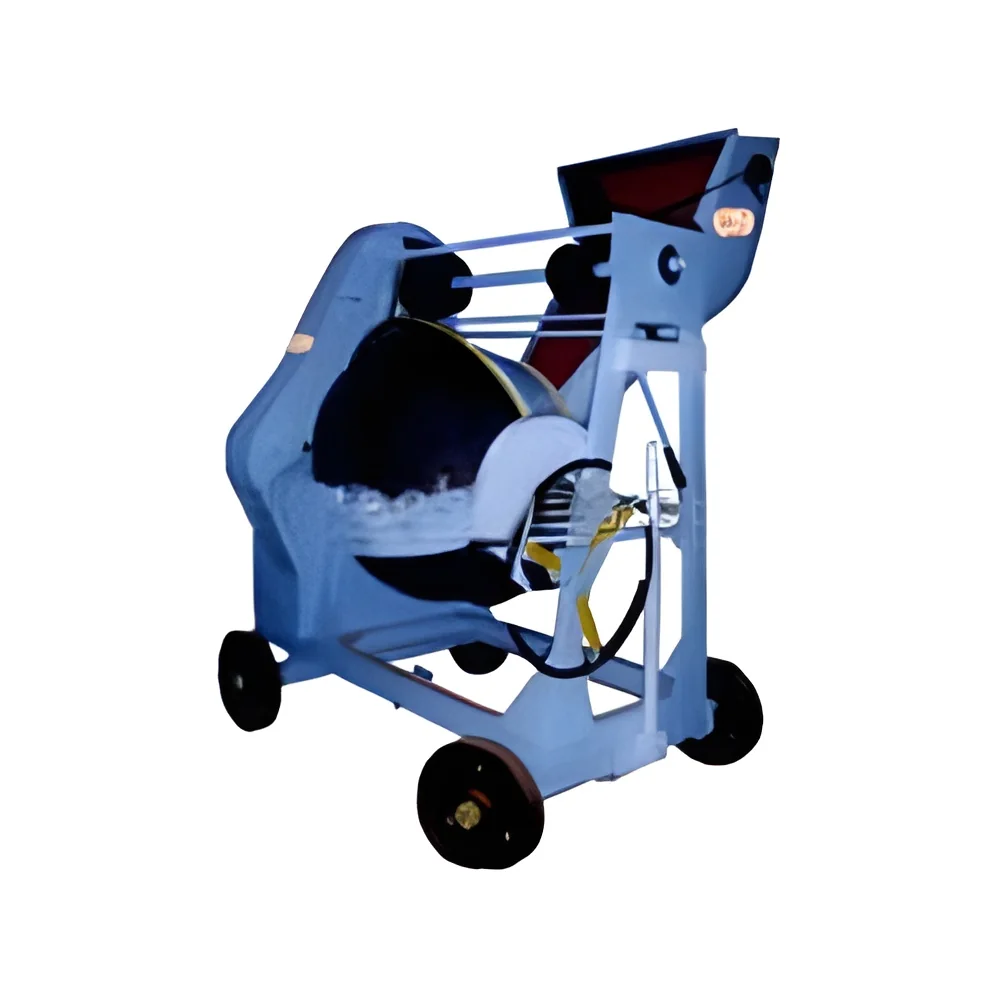
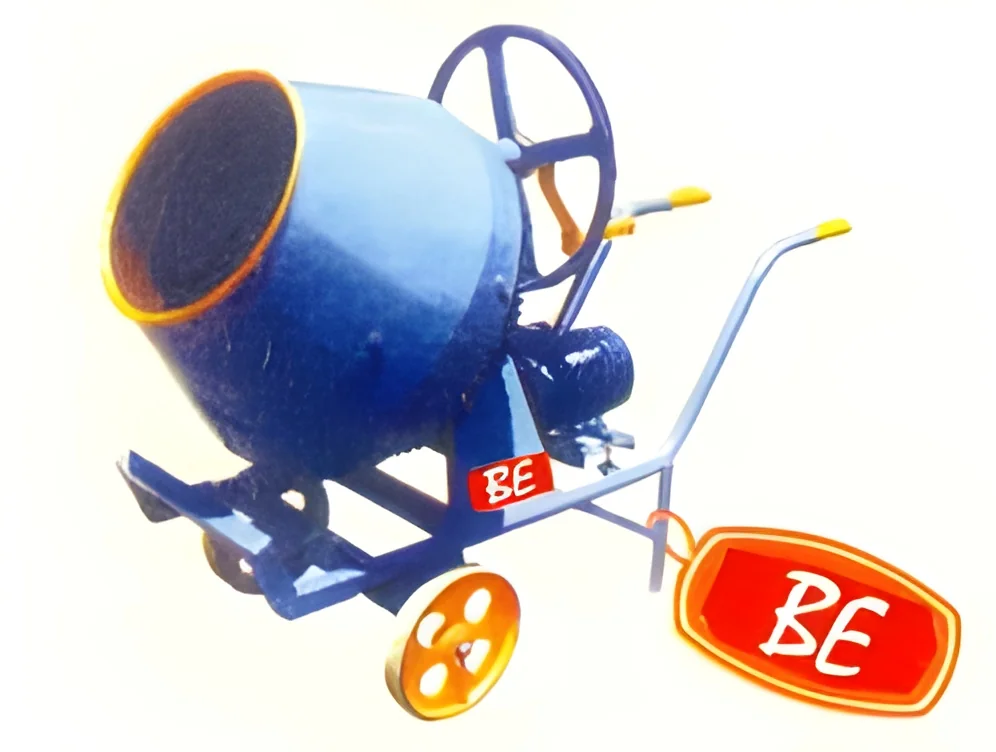
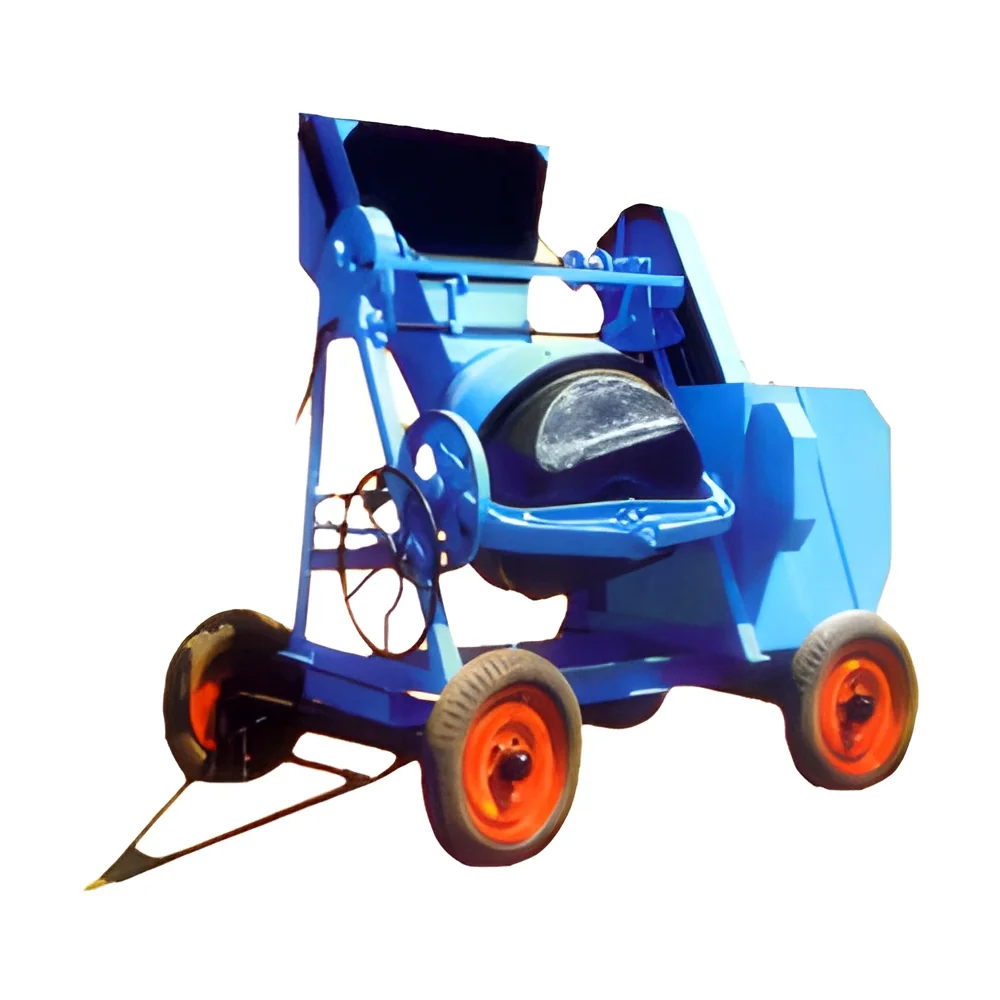
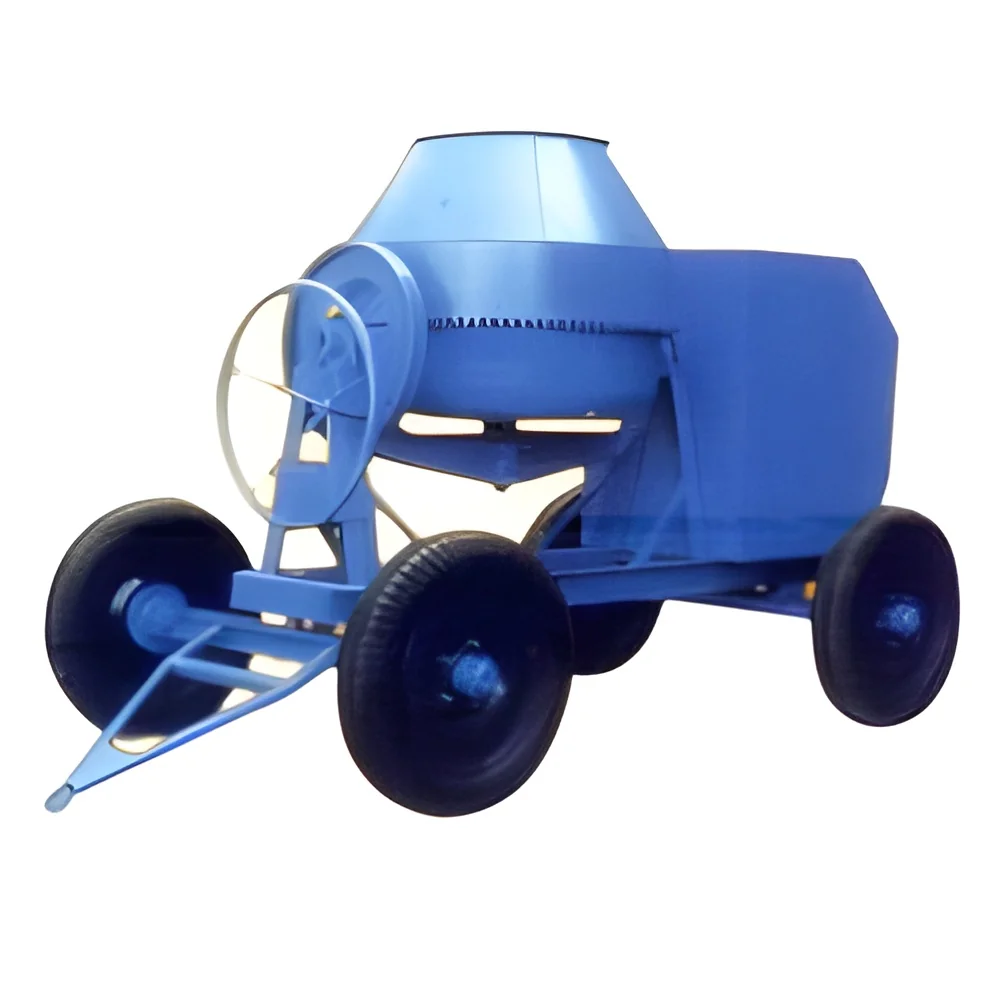
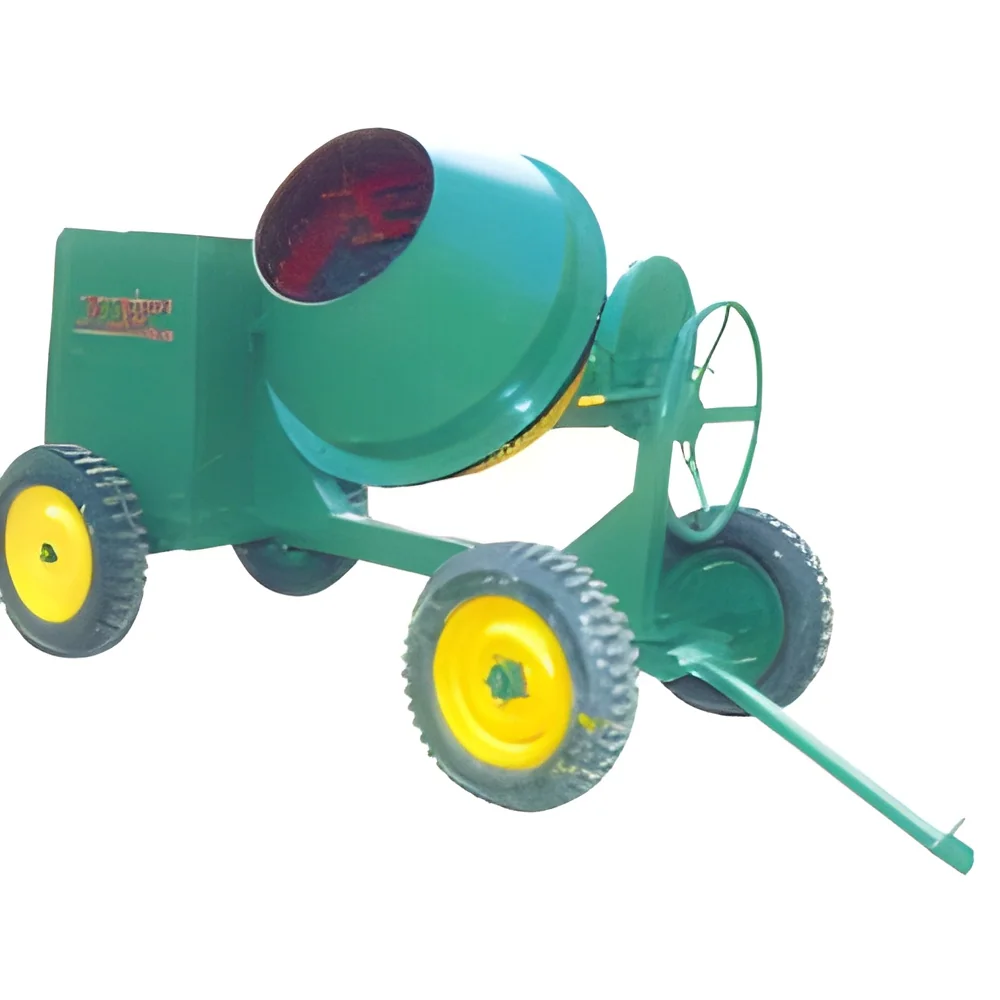
Portable Mixers: These are smaller, mobile units that can be transported easily to different job sites. They are perfect for smaller construction projects that require flexibility.
Volumetric Mixers: These mixers allow for the production of concrete on-demand, measuring the ingredients as they are mixed. This ensures precise control over the concrete mix and reduces waste.
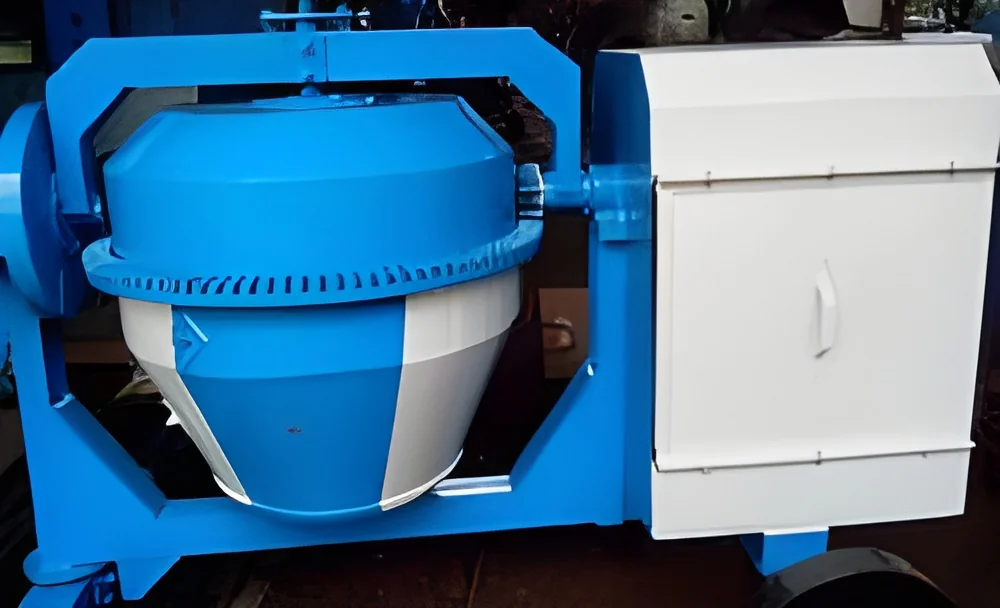
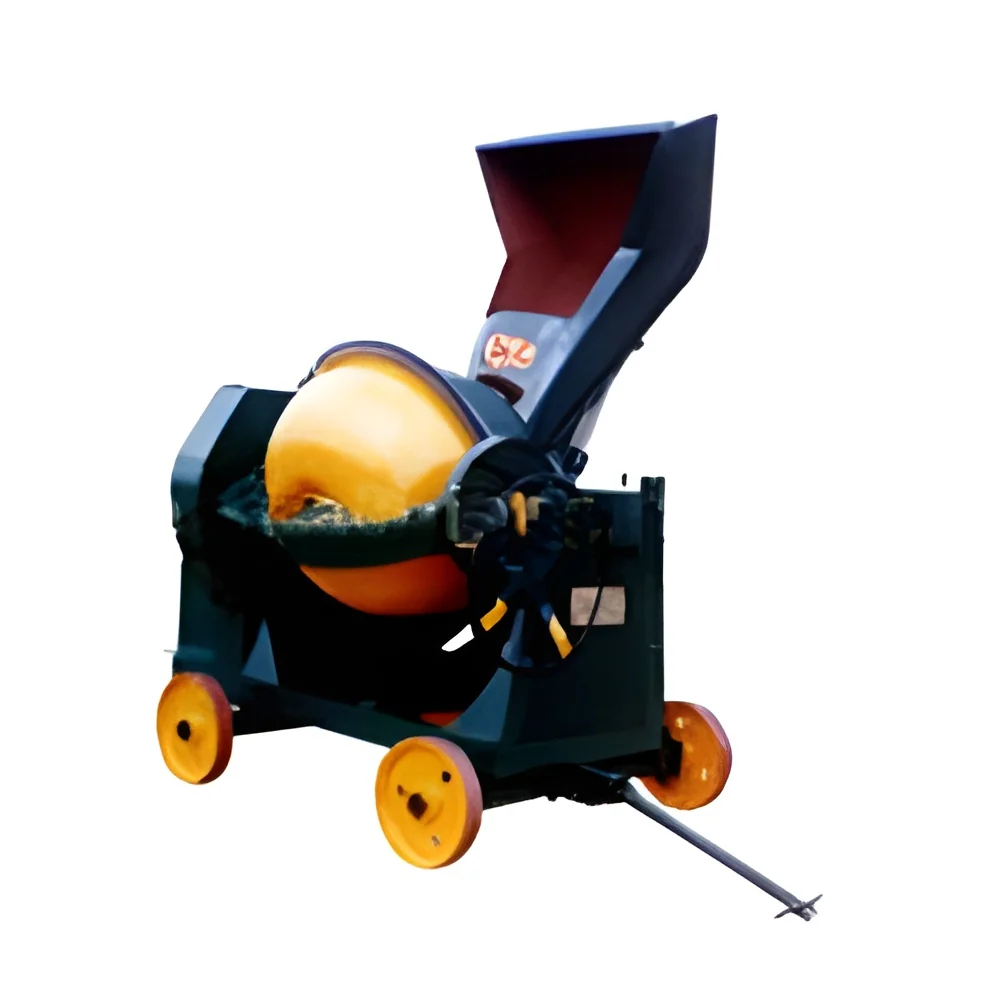
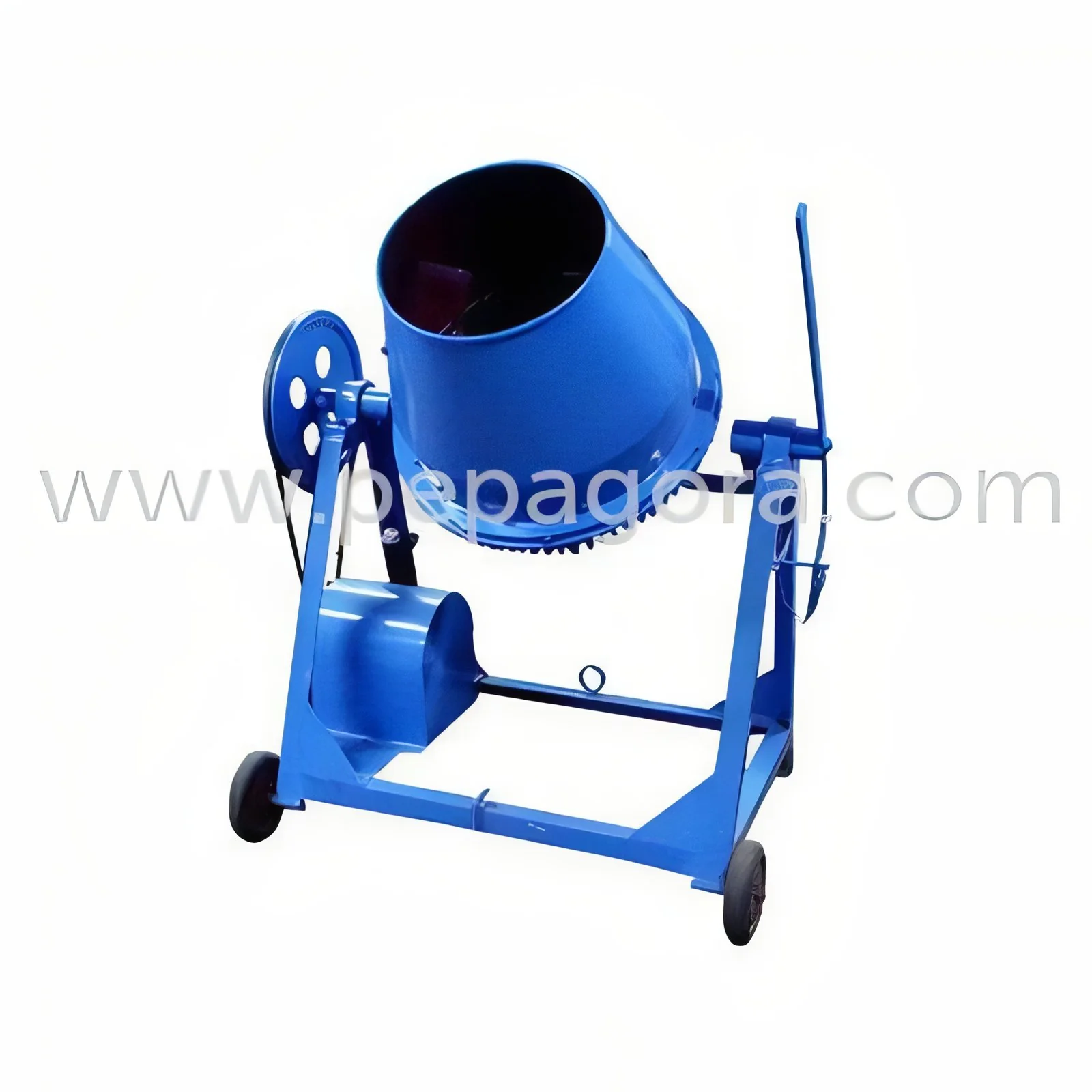
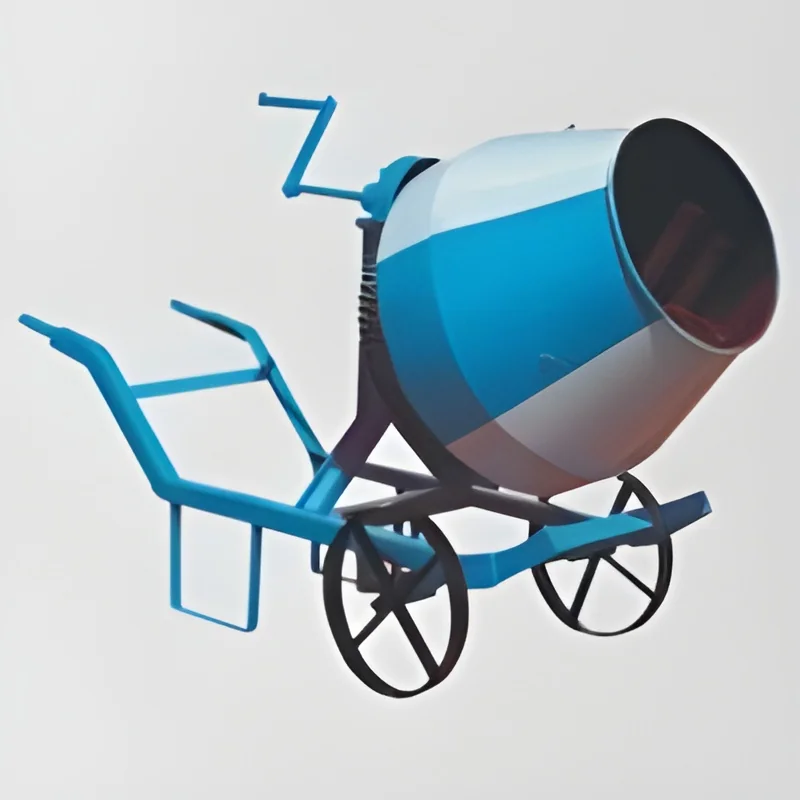
Drum Mixers: These mixers feature a rotating drum that combines ingredients. They are commonly used for smaller-scale projects and offer easy operation.
Twin-Shaft Mixers: Known for their efficiency and thorough mixing capabilities, twin-shaft mixers are suitable for large-scale applications requiring high-quality concrete.
Benefits and Advantages
Investing in concrete mixers offers several advantages for businesses in the construction industry.
1. Increased Efficiency: Concrete mixers significantly reduce the time required to mix concrete, allowing for faster project completion.
2. Consistent Quality: They ensure uniform mixing, resulting in high-quality concrete that meets project specifications.
3. Cost-Effectiveness: By allowing for on-site mixing, businesses can save on transportation costs and material waste.
4. Versatility: Different types of mixers can be utilized for various projects, from small residential builds to large infrastructure developments.
5. Enhanced Safety: Modern mixers come equipped with safety features that protect operators and reduce the risk of accidents on job sites.
6. Customization Options: Many manufacturers offer mixers that can be tailored to specific project needs, enhancing functionality.
These benefits make concrete mixers a valuable asset for construction companies aiming to improve productivity and quality.
Buying Guide for B2B Buyers
When sourcing concrete mixers, several factors should be considered to ensure optimal selection.
1. Quality Assessment: Evaluate mixers based on material quality, build, and user reviews. High-quality mixers tend to have longer lifespans and better performance.
2. Supplier Verification: Vet suppliers for credibility and experience in the market. Look for certifications and customer testimonials as indicators of reliability.
3. Pricing and MOQ: Understand the price range and minimum order quantities to align with budgetary constraints. Be cautious of deals that seem too good to be true.
4. Delivery and Lead Times: Confirm delivery schedules and lead times to ensure that the mixer arrives when needed for your project.
5. Compliance Requirements: Check for compliance with local regulations and industry standards, such as CE certification, to avoid legal issues later.
Taking these factors into account will help buyers make informed decisions when purchasing concrete mixers.
Compliance and Certifications
Compliance and certification are crucial aspects when selecting concrete mixers.
Quality standards such as ISO 9001 ensure that manufacturers adhere to rigorous quality management principles, enhancing product reliability and performance.
Industry certifications like CE indicate that the equipment meets European safety and environmental requirements, providing assurance to buyers regarding safety and compliance.
Safety and testing requirements are essential for ensuring that concrete mixers operate safely under various conditions. Regular inspections and adherence to safety protocols are necessary to maintain compliance.
Regional compliance considerations may vary based on local regulations, necessitating awareness of specific standards that apply in different areas.
Why Source Concrete Mixers from Pepagora?
Pepagora provides a trusted platform for sourcing concrete mixers with several key advantages.
Verified Supplier Network: Pepagora connects buyers with a network of verified suppliers, ensuring that businesses can source high-quality mixers from reputable manufacturers. This reduces the risk of purchasing substandard equipment.
Streamlined RFQ Process: The platform simplifies the request for quotation process, allowing buyers to easily compare offers from multiple suppliers. This efficiency helps in making informed purchasing decisions.
Trade Assurance and Support: Pepagora offers trade assurance to protect buyers against potential issues. This support builds confidence in transactions, ensuring a secure purchasing experience.
Regional Coverage: With a strong presence in India, the GCC, and Southeast Asia, Pepagora provides extensive geographic reach, making it easier for businesses to find the right mixers suited to their local market needs.
Leveraging these advantages positions Pepagora as a valuable partner for businesses looking to procure concrete mixers efficiently and effectively.











Frequently Asked Questions
What are Concrete Mixers?
Concrete Mixers are machines used for combining various ingredients to create concrete. They ensure a uniform mixture of cement, aggregates, and water, which is essential for the strength and durability of the final product.
What are the different types of Concrete Mixers?
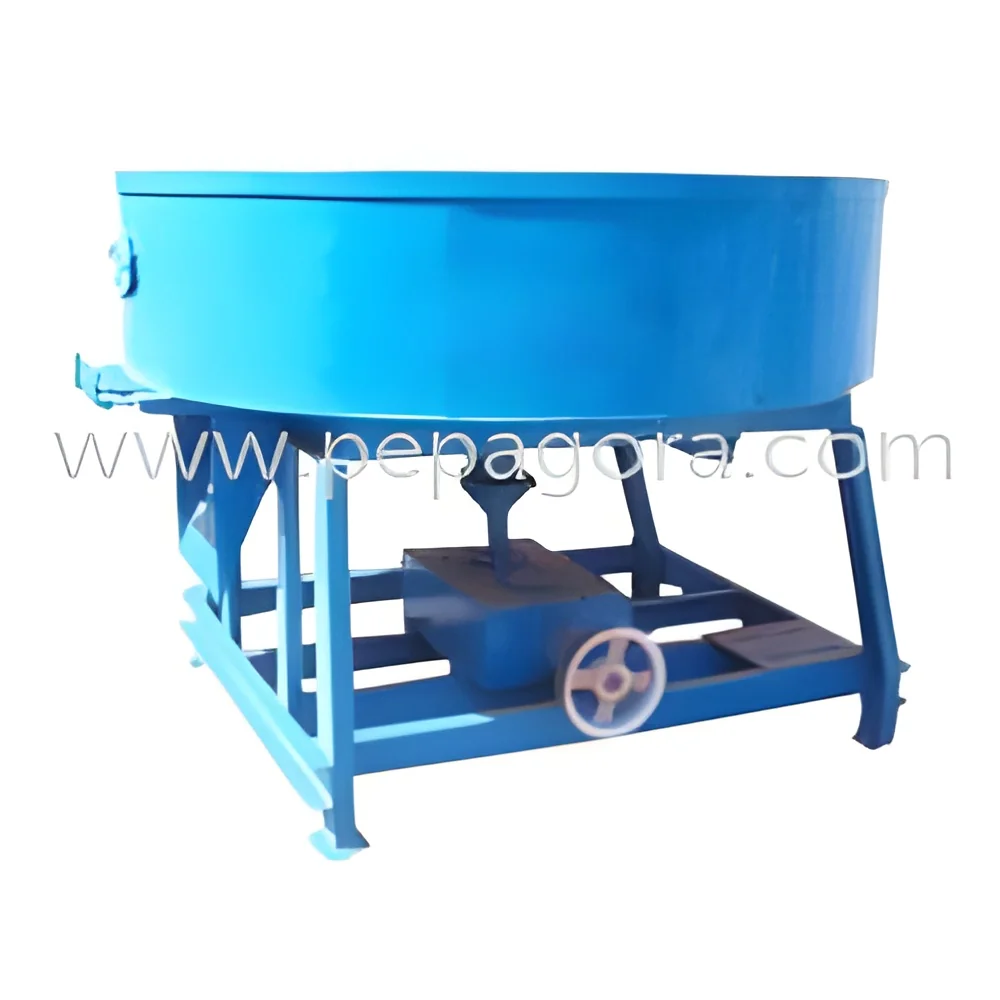
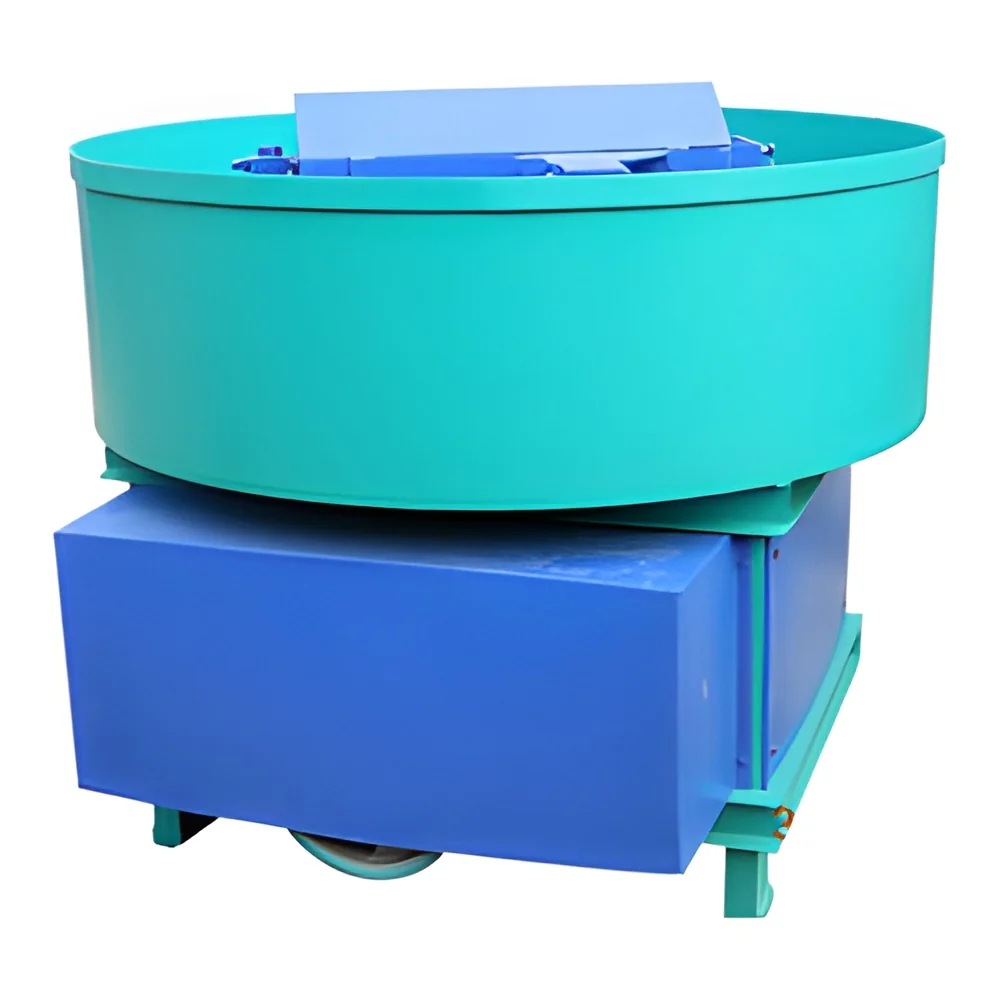
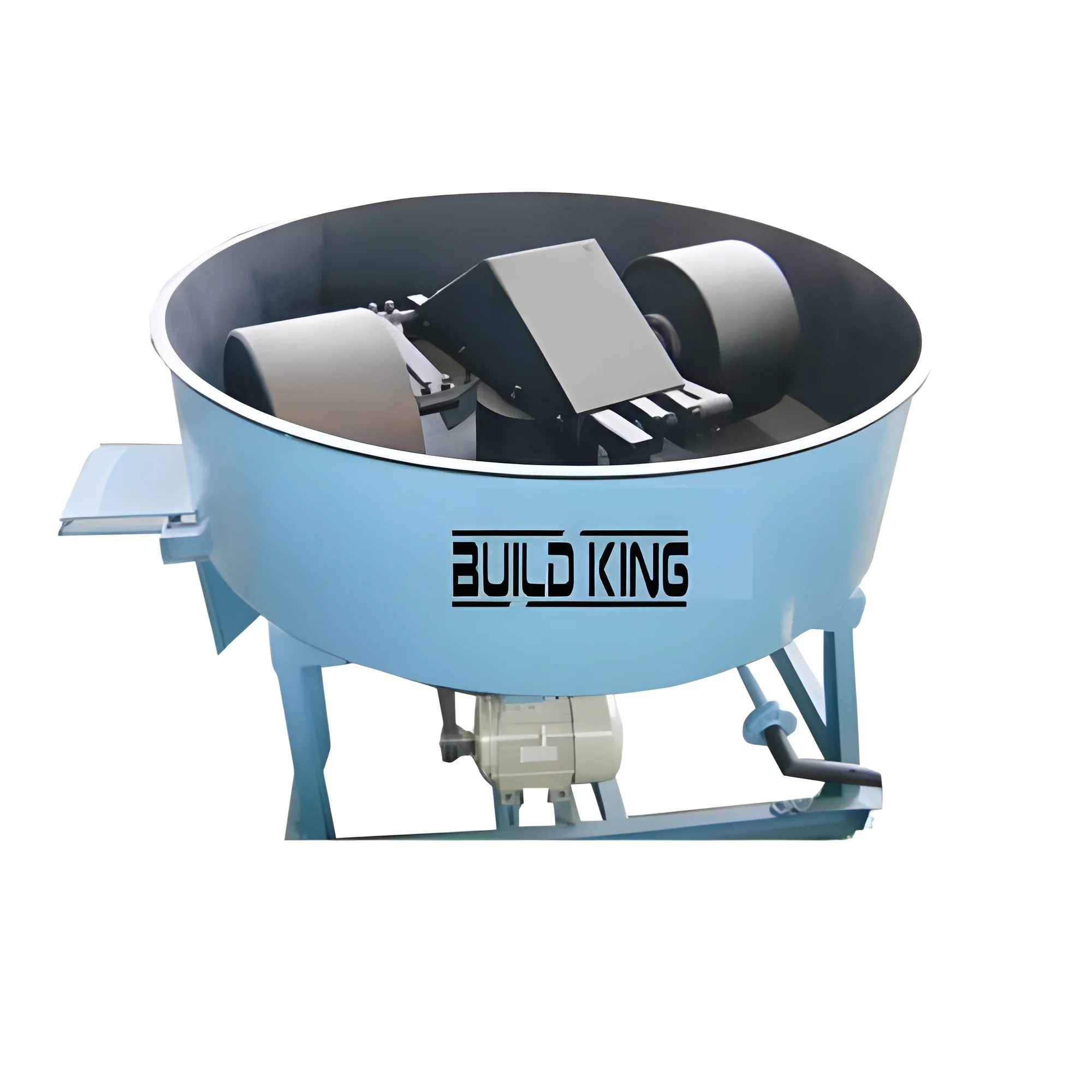
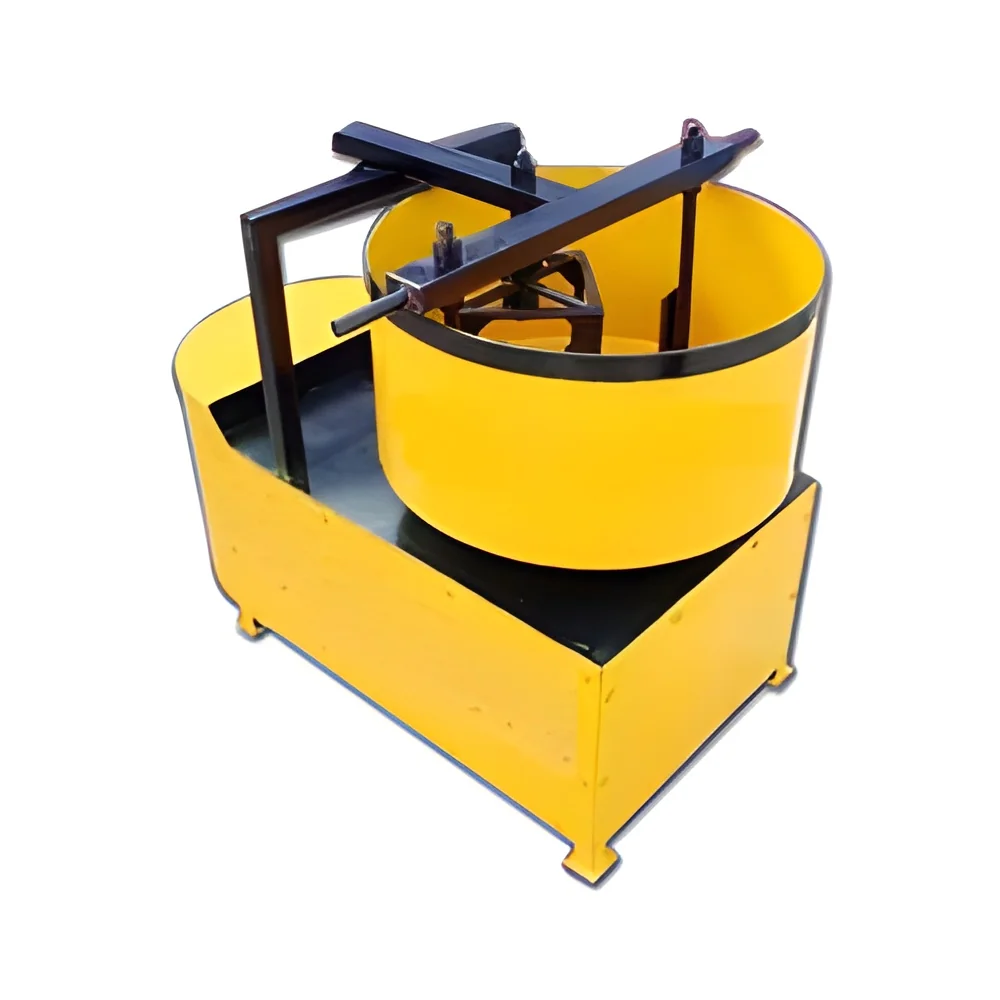
The main types of Concrete Mixers include drum mixers, pan mixers, and twin-shaft mixers. Each type has its own mechanism and is suited for specific applications, such as large construction projects or smaller jobs.
How do I choose the right Concrete Mixers?
Choosing the right Concrete Mixer depends on factors like project size, material requirements, and mixing capacity. Consider the specific needs of your project and consult with suppliers to find a suitable option.
What are the standard specifications for Concrete Mixers?
Standard specifications for Concrete Mixers often include mixing capacity, power rating, and construction material. It's important to check for certifications and compliance with industry standards for safety and performance.
What is the price range for Concrete Mixers?
The price range for Concrete Mixers can vary widely based on type, capacity, and features. Generally, you can expect to pay anywhere from a few thousand to several lakhs of Indian Rupees.
What quality standards apply to Concrete Mixers?
Concrete Mixers should comply with various quality standards, such as IS (Indian Standards) and ASTM (American Society for Testing and Materials) guidelines. Ensuring that the mixer meets these standards can significantly impact its performance and longevity.
Where can I find Concrete Mixers suppliers in India?
You can find Concrete Mixers suppliers in India through online B2B marketplaces like Pepagora.com. Additionally, local industrial equipment suppliers and trade shows can also provide various options.
Can Concrete Mixers be customized?
Yes, many manufacturers offer customization options for Concrete Mixers to meet specific project requirements. This can include modifications in size, mixing capacity, and additional features.
What is the typical minimum order quantity for Concrete Mixers?
The typical minimum order quantity (MOQ) for Concrete Mixers can vary by supplier and product type. Generally, MOQs can range from one unit for small mixers to larger quantities for commercial-grade equipment.
What is the typical lead time for Concrete Mixers?
The typical lead time for Concrete Mixers can vary depending on the manufacturer and customization requirements. Generally, it can range from a few weeks to several months, so it's advisable to confirm with the supplier.
Why Businesses Trust Pepagora
Thousands of companies trust Pepagora to source smarter and sell faster
Expand Your Sales Globally

Source Smarter,Grow Faster
