𝗪𝗵𝗮𝘁 𝗮𝗿𝗲 𝗖𝗼𝗻𝘀𝘁𝗿𝘂𝗰𝘁𝗶𝗼𝗻 𝗠𝗮𝗰𝗵𝗶𝗻𝗲𝗿𝘆?
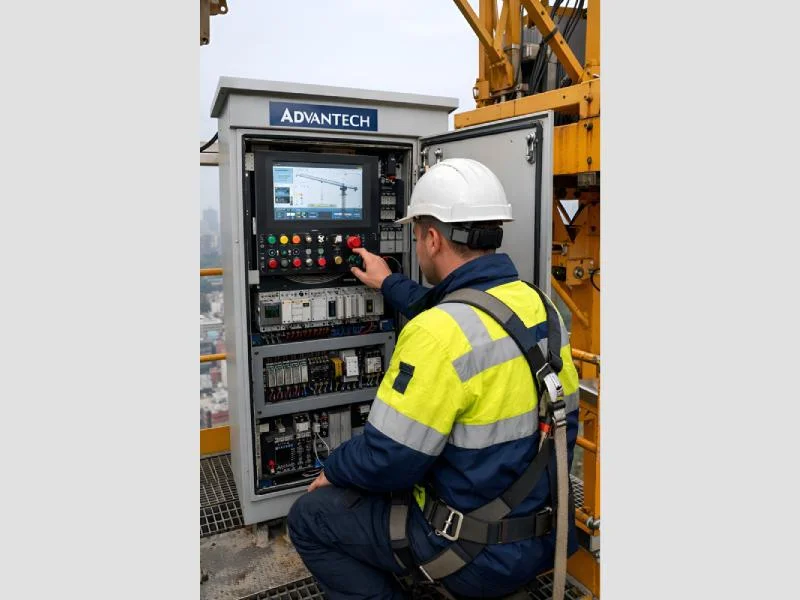
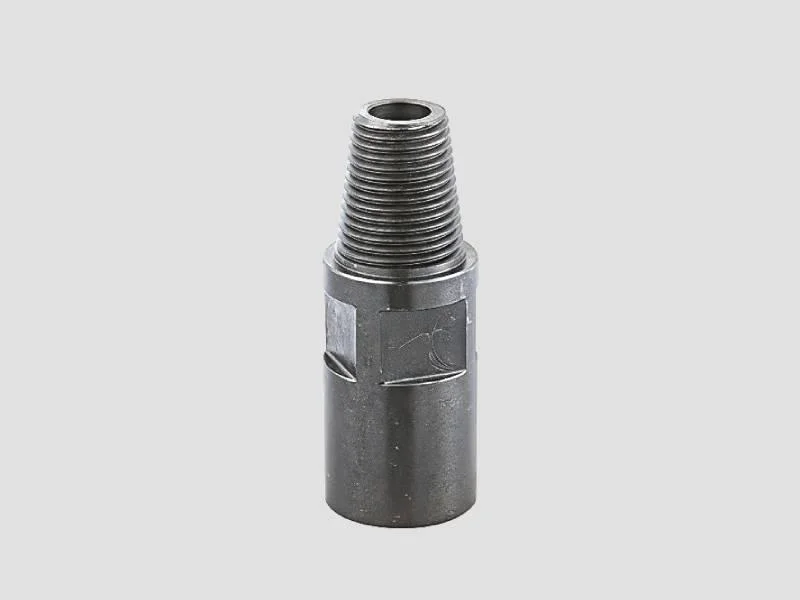
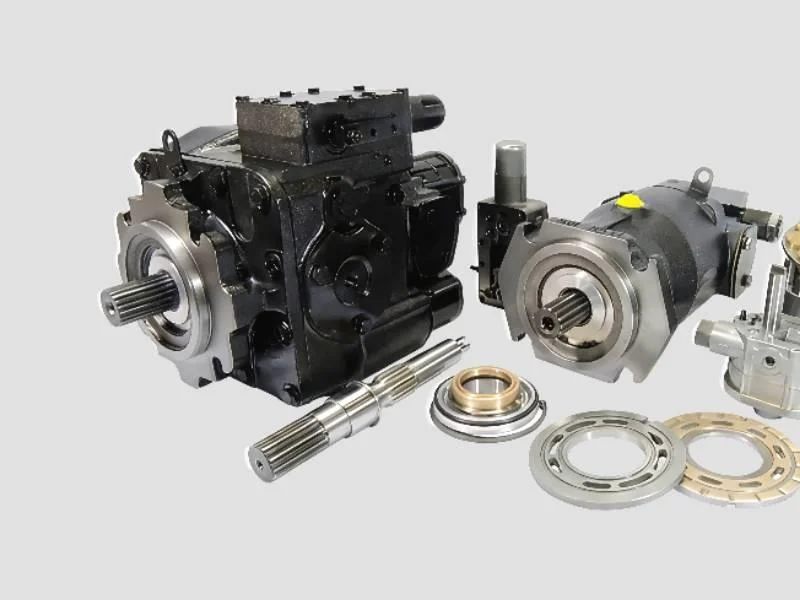
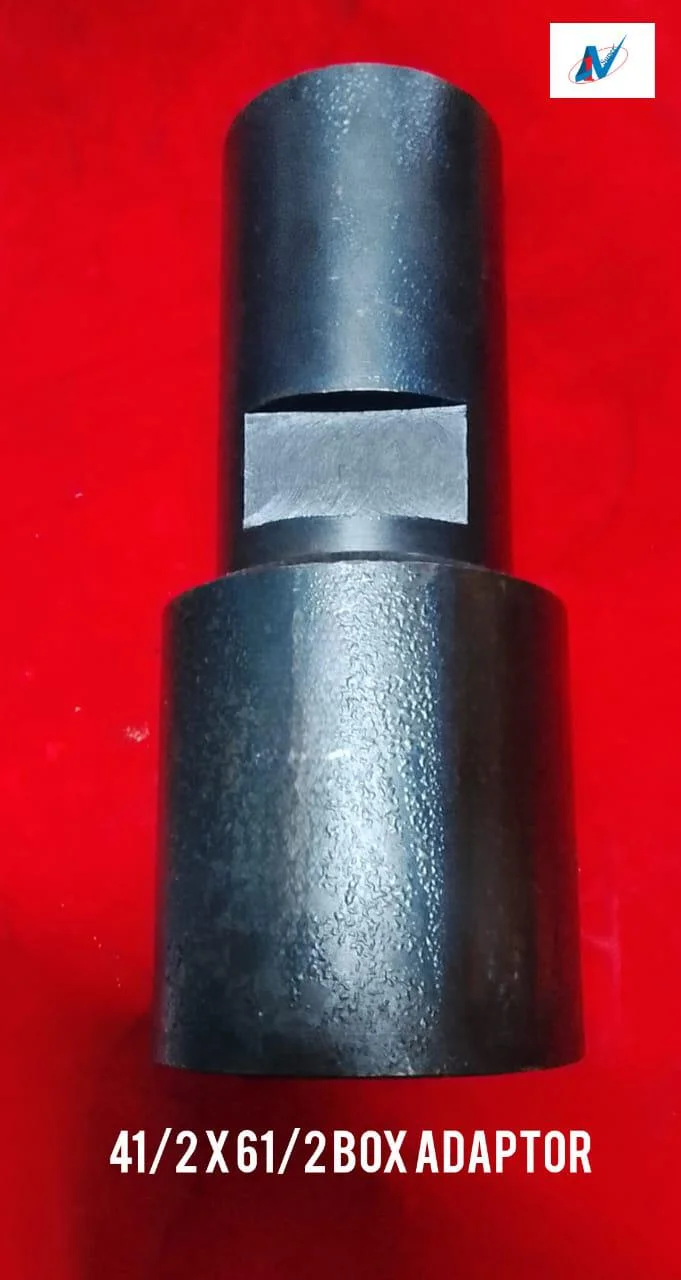
Construction machinery refers to a variety of heavy-duty equipment designed to perform specific tasks in the construction industry. This category includes machines such as excavators, bulldozers, cranes, and concrete mixers, among others. Each type of machinery plays a crucial role in enhancing productivity and efficiency on construction sites. They are engineered to handle large-scale operations, making them essential for any construction project, from residential buildings to infrastructure development.
The primary uses of construction machinery span various tasks, including earthmoving, material handling, lifting, and transporting. These machines are indispensable in tasks such as digging foundations, moving soil, pouring concrete, and erecting structures. Businesses across the construction sector rely on this equipment to ensure that projects are completed on time and within budget. The construction machinery market has seen significant growth, driven by increasing urbanization and infrastructure development worldwide.
Industry relevance is paramount, as construction machinery not only contributes to project efficiency but also enhances safety and compliance with industry regulations. Market trends indicate a growing demand for advanced machinery that incorporates technology for better performance and monitoring. As a result, manufacturers are consistently innovating to meet the needs of diverse construction applications.
𝗞𝗲𝘆 𝗙𝗲𝗮𝘁𝘂𝗿𝗲𝘀 𝗮𝗻𝗱 𝗦𝗽𝗲𝗰𝗶𝗳𝗶𝗰𝗮𝘁𝗶𝗼𝗻𝘀
Construction machinery comes with a variety of features tailored to enhance performance and usability. Understanding these specifications is crucial for businesses looking to invest in the right equipment.
Key specifications include:
1. Engine Power
- Typically measured in horsepower (HP) or kilowatts (kW)
- Ranges from 50 HP for smaller machines to over 600 HP for large excavators
2. Operating Weight
- The total weight of the machinery when fully equipped
- Can vary from 1 ton for mini excavators to over 100 tons for large bulldozers
3. Maximum Lift Capacity
- The maximum weight the machine can lift
- Ranges from 1 ton for smaller cranes to 50 tons or more for larger models
4. Reach and Depth
- Maximum digging depth and reach for excavators
- Can extend from 10 feet for compact machines to over 30 feet for larger excavators
5. Fuel Efficiency
- Measured in liters per hour or gallons per hour
- Varies by machine size and type; advanced models may offer better fuel savings
6. Speed and Mobility
- Maximum travel speed of the machinery
- Typically ranges from 2 km/h for crawler machines to 40 km/h for wheeled models
7. Safety Features
- Includes ROPS (Roll Over Protective Structure) and alarms
- Essential for ensuring operator safety in hazardous environments
8. Technology Integration
- Advanced models may include GPS, telematics, and remote monitoring
- Enhances operational efficiency and maintenance tracking
In summary, understanding these key features and specifications helps businesses make informed decisions when purchasing construction machinery, ensuring compatibility with their project requirements.
𝗖𝗼𝗺𝗺𝗼𝗻 𝗔𝗽𝗽𝗹𝗶𝗰𝗮𝘁𝗶𝗼𝗻𝘀 𝗮𝗻𝗱 𝗨𝘀𝗲 𝗖𝗮𝘀𝗲𝘀
Construction machinery serves various industries and has a wide range of applications.
1. Civil Engineering: Machinery like cranes and excavators is used for building roads, bridges, and tunnels, ensuring projects meet strict deadlines and regulatory standards.
2. Residential Construction: Equipment such as concrete mixers and bulldozers are essential for constructing homes, allowing for efficient material handling and site preparation.
3. Mining: Heavy machinery including haul trucks and drills are used to extract minerals and resources, enabling large-scale operations in rugged terrains.
4. Landscaping: Smaller machinery like mini excavators and compactors help in site grading and leveling, which is essential for landscaping projects.
5. Infrastructure Development: Machinery is critical in building essential infrastructure such as airports and railways, ensuring smooth transportation networks.
6. Demolition: Specialized machinery like wrecking balls and hydraulic excavators are employed for the safe demolition of buildings and structures.
7. Agricultural Construction: Machinery aids in building farm structures, irrigation systems, and other essential agricultural infrastructures.
𝗣𝗿𝗼𝗱𝘂𝗰𝘁 𝗩𝗮𝗿𝗶𝗮𝗻𝘁𝘀 𝗮𝗻𝗱 𝗦𝘂𝗯𝗰𝗮𝘁𝗲𝗴𝗼𝗿𝗶𝗲𝘀
Construction machinery includes a diverse range of products tailored to meet various operational needs.
Excavators
These machines are designed for digging and earthmoving tasks. They come in various sizes, from compact models for small jobs to large excavators for heavy-duty applications. Their versatility makes them suitable for urban construction projects and rural site development.
Bulldozers
Bulldozers are powerful machines equipped with a large blade for pushing material. They are commonly used for grading and leveling land, making them vital for site preparation in both residential and commercial construction.
Cranes
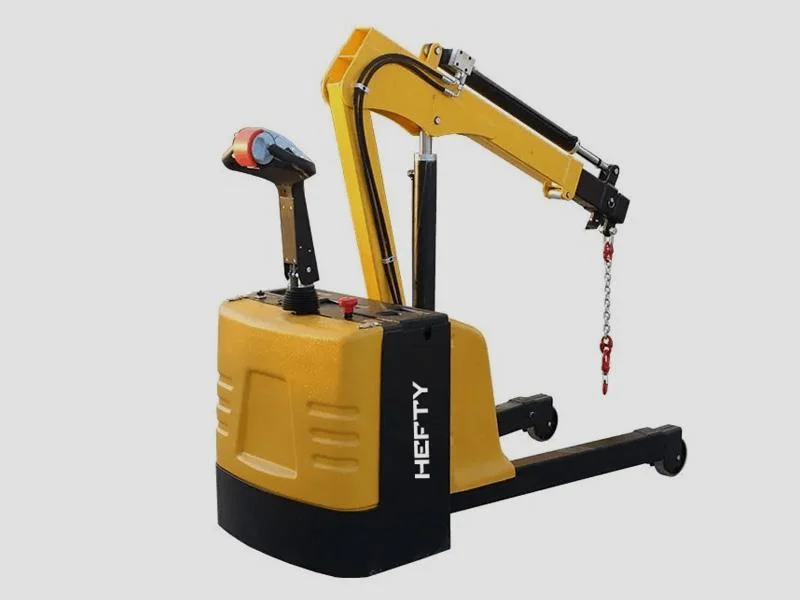
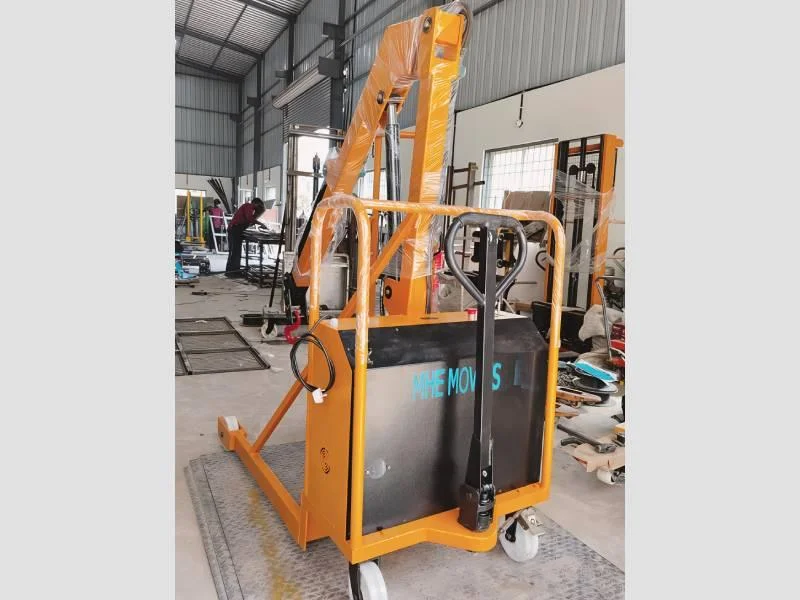
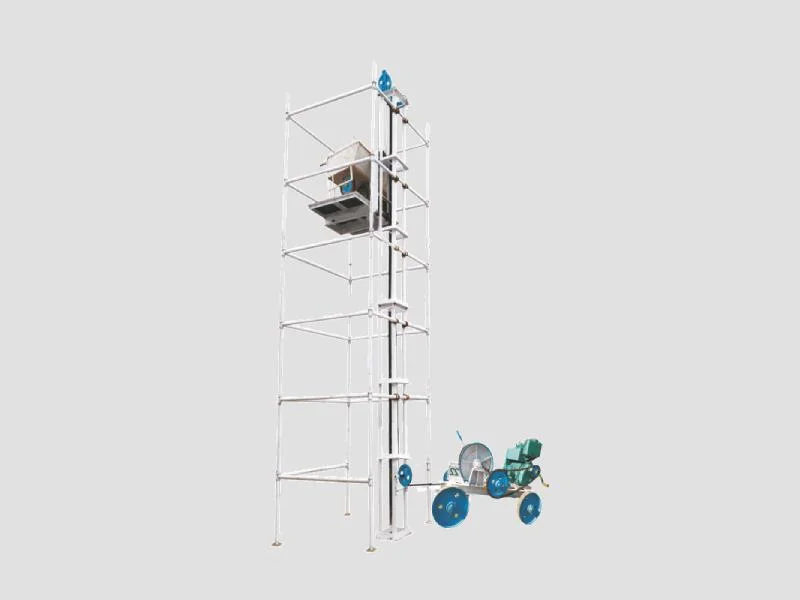
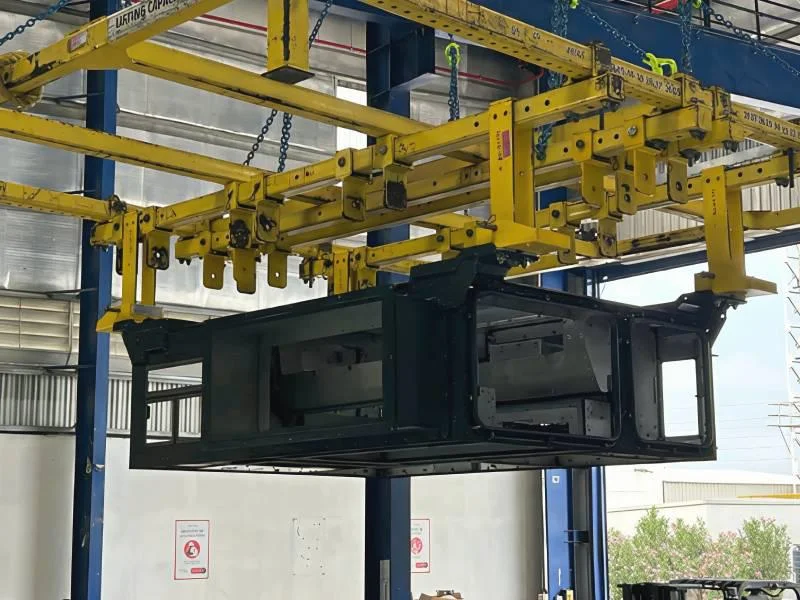
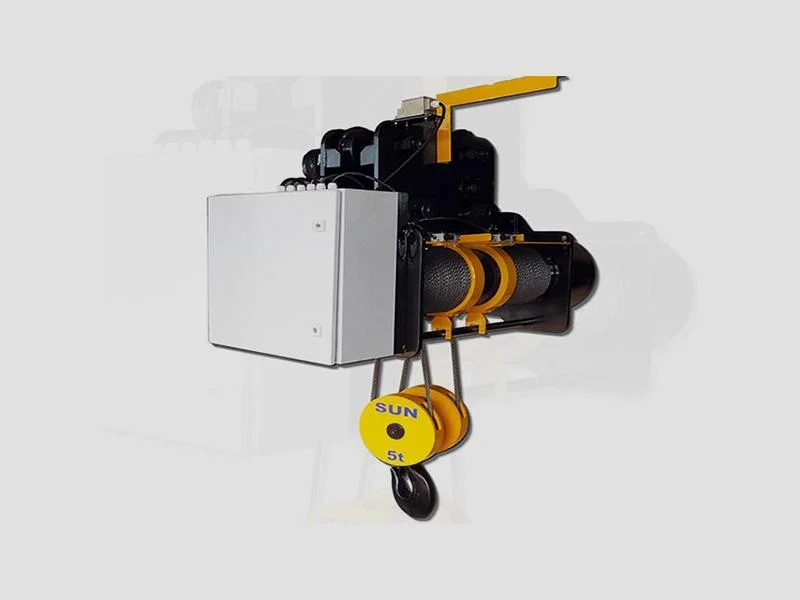
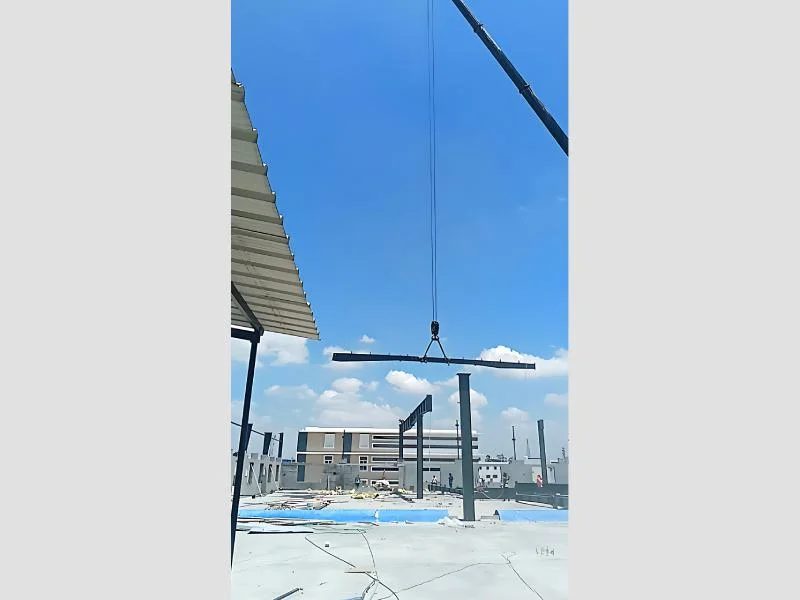
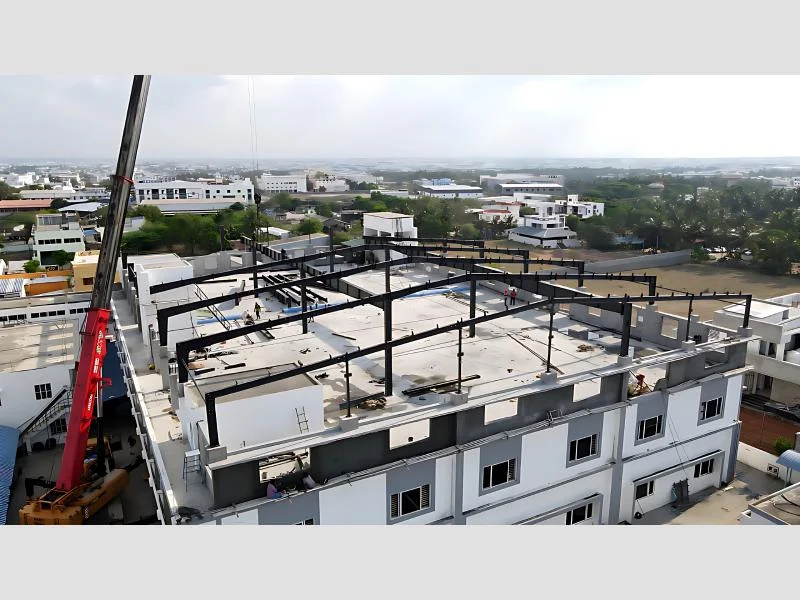
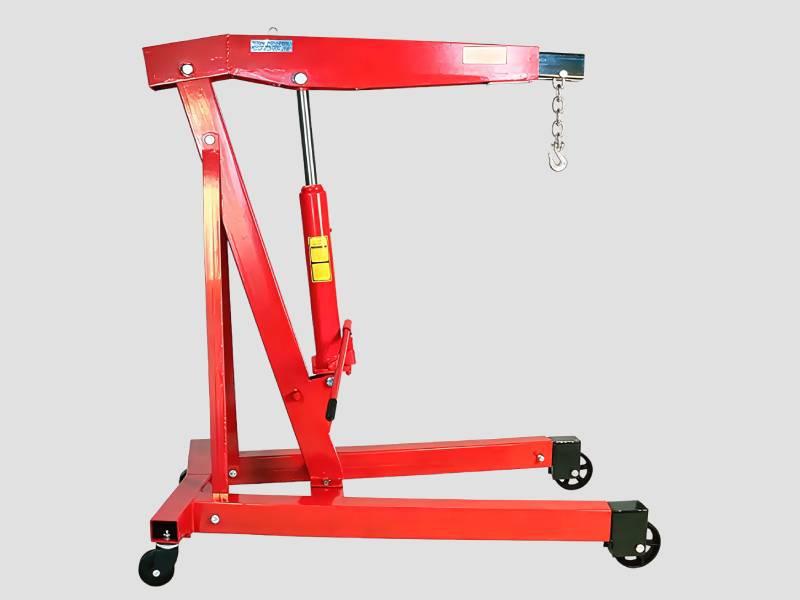
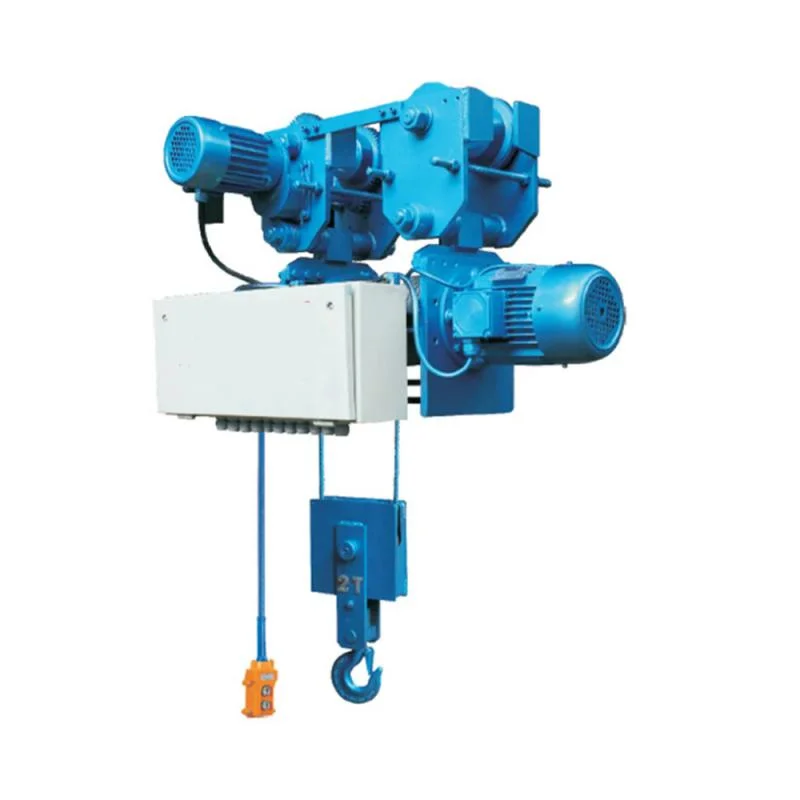
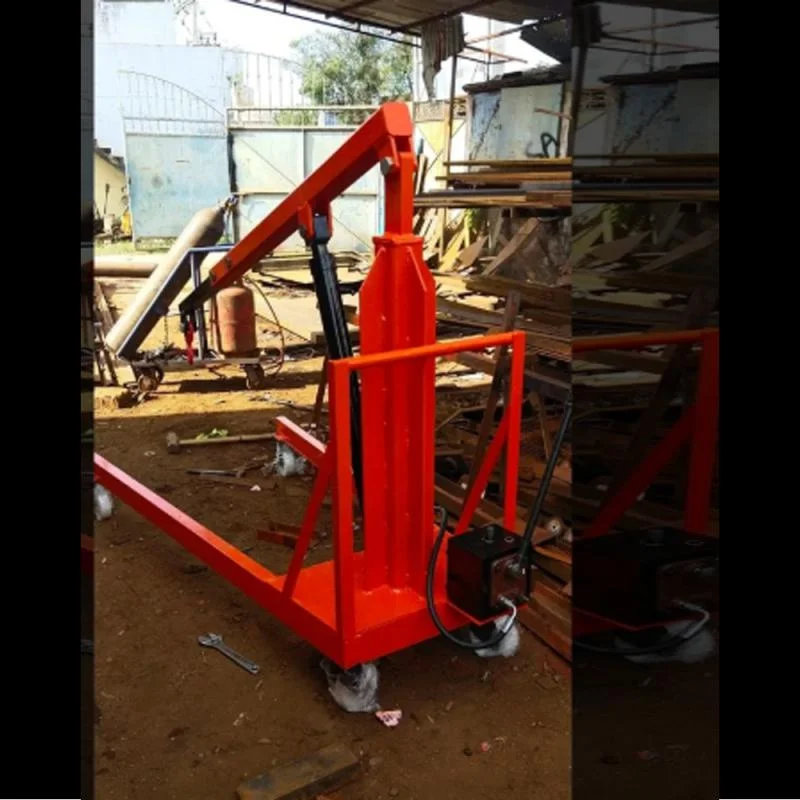
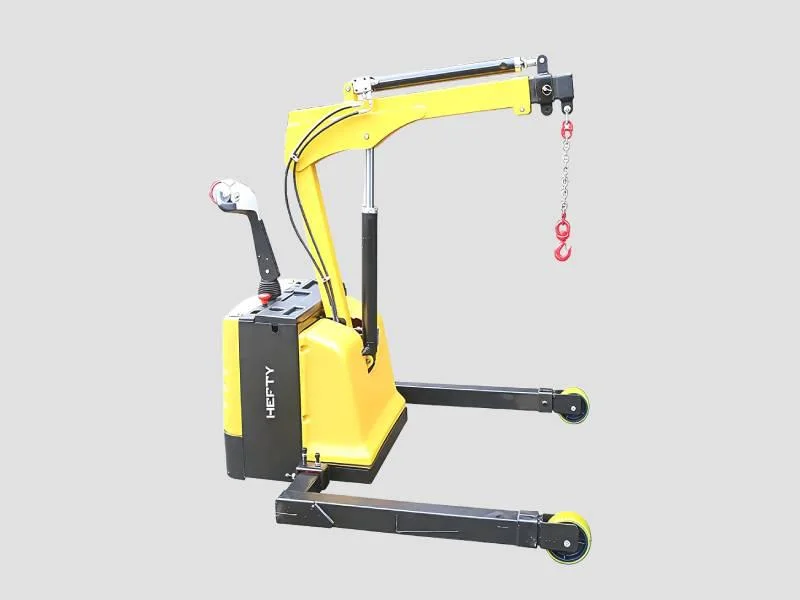
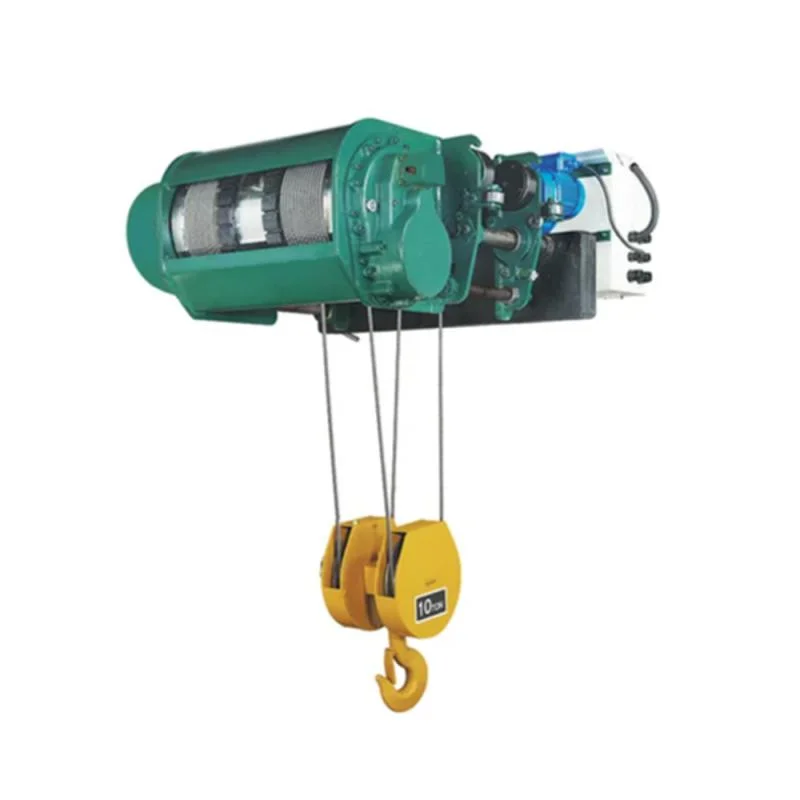
Cranes are essential for lifting heavy loads at construction sites. They come in various types, including tower cranes and mobile cranes, each designed for specific lifting tasks and site conditions.
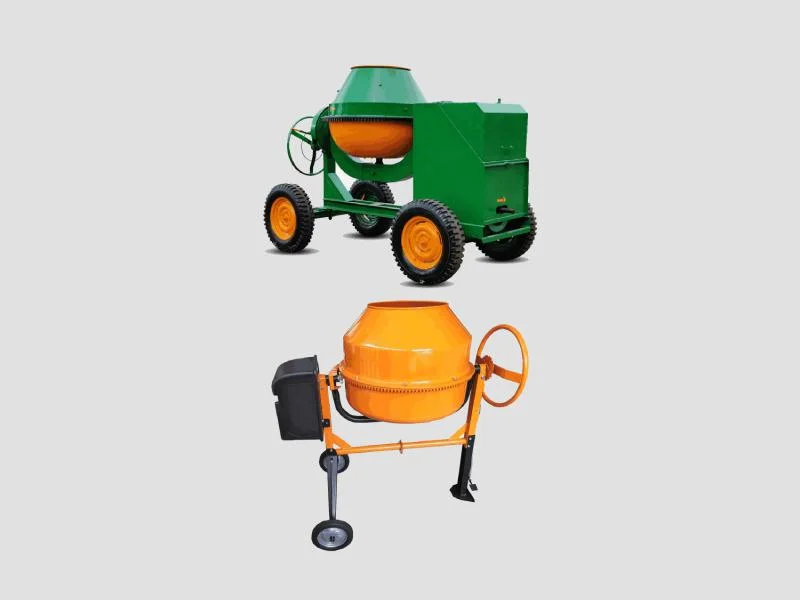
Concrete Mixers
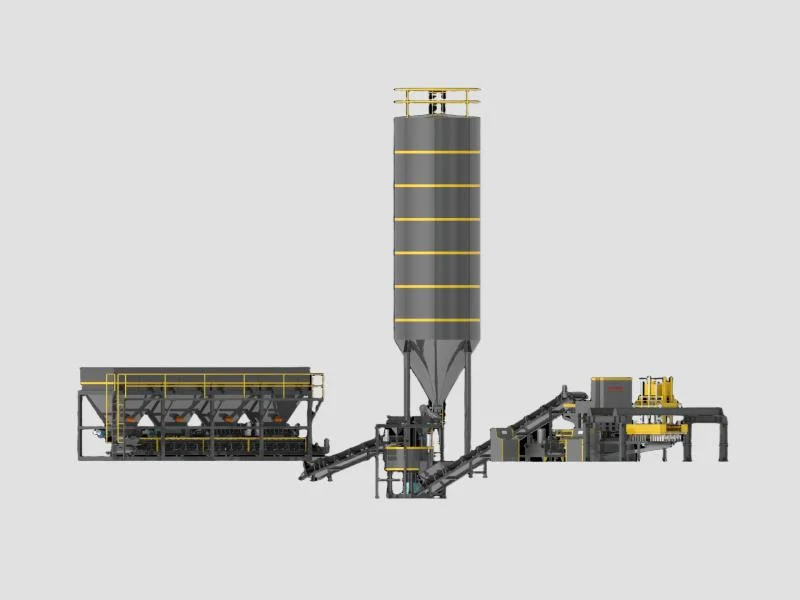
These machines are designed to mix and transport concrete to construction sites efficiently. Their mobile designs allow for flexibility and quick setup, which is crucial for large construction projects.
𝗕𝗲𝗻𝗲𝗳𝗶𝘁𝘀 𝗮𝗻𝗱 𝗔𝗱𝘃𝗮𝗻𝘁𝗮𝗴𝗲𝘀
Investing in construction machinery provides multiple benefits for businesses in the construction industry.
1. Increased Efficiency: Machinery accelerates construction processes, enabling faster project completion and reduced labor costs.
2. Enhanced Safety: Modern machinery often incorporates safety features that protect operators and workers, minimizing the risk of accidents on site.
3. Improved Precision: Advanced technology in machinery allows for more accurate operations, which leads to higher quality work and fewer errors.
4. Reduced Labor Dependency: With machinery handling heavy lifting and repetitive tasks, businesses can rely less on manual labor, which can be affected by labor shortages.
5. Cost-Effectiveness: Although the initial investment may be significant, the long-term savings on labor and time can be substantial.
6. Versatility: Many machines are designed for multiple functions, allowing businesses to use one piece of equipment for various tasks.
𝗕𝘂𝘆𝗶𝗻𝗴 𝗚𝘂𝗶𝗱𝗲 𝗳𝗼𝗿 𝗕𝟮𝗕 𝗕𝘂𝘆𝗲𝗿𝘀
When sourcing construction machinery, it is vital for B2B buyers to consider several key factors to ensure a successful purchase.
1. Quality Assessment: Buyers should evaluate the build quality of machinery, looking for reputable manufacturers with a history of reliability and performance.
2. Supplier Verification: Vetting suppliers is crucial. Buyers should check for certifications, customer reviews, and industry reputation to ensure they are dealing with trusted partners.
3. Pricing and MOQ: Understanding the pricing structure and minimum order quantities is essential. This helps buyers budget effectively and negotiate better terms with suppliers.
4. Delivery and Lead Times: Buyers must consider logistics, including delivery schedules and lead times, to ensure they receive machinery when needed for their projects.
5. Compliance Requirements: It is important to be aware of regulatory standards and certifications required for construction machinery in the relevant region. This ensures compliance and avoids potential legal issues.
𝗖𝗼𝗺𝗽𝗹𝗶𝗮𝗻𝗰𝗲 𝗮𝗻𝗱 𝗖𝗲𝗿𝘁𝗶𝗳𝗶𝗰𝗮𝘁𝗶𝗼𝗻𝘀
Compliance with industry standards and certifications is essential for construction machinery. Key standards such as ISO 9001 ensure quality management systems are in place, promoting consistency and reliability in manufacturing processes.
Additionally, CE certification indicates that the machinery meets European safety, health, and environmental protection standards. This certification is crucial for companies operating within the European market, providing assurance to buyers regarding safety and quality.
Safety and testing requirements are integral to the manufacturing process, ensuring that machinery can withstand rigorous use while minimizing risks. Buyers should also consider regional compliance, as different countries may have specific regulations governing the use and safety of construction machinery.
𝗪𝗵𝘆 𝗦𝗼𝘂𝗿𝗰𝗲 𝗖𝗼𝗻𝘀𝘁𝗿𝘂𝗰𝘁𝗶𝗼𝗻 𝗠𝗮𝗰𝗵𝗶𝗻𝗲𝗿𝘆 𝗳𝗿𝗼𝗺 𝗣𝗲𝗽𝗮𝗴𝗼𝗿𝗮?
Pepagora provides a trusted platform for sourcing construction machinery with several key advantages.
The verified supplier network ensures that buyers have access to reputable manufacturers, reducing the risks associated with purchasing machinery. This network allows for greater transparency and trust in the sourcing process.
The streamlined RFQ (Request for Quotation) process simplifies the procurement journey. Buyers can easily submit requests and receive competitive quotes, allowing them to compare options efficiently.
Trade assurance and support further enhance the buyer's experience. Pepagora offers protection mechanisms that safeguard transactions, ensuring that buyers receive the machinery they ordered in satisfactory condition.
Finally, Pepagora's regional coverage spans India, the GCC, and Southeast Asia, making it easier for businesses to find suitable suppliers in their local markets. This broad reach facilitates quicker deliveries and fosters better communication between buyers and suppliers.

 IN
IN