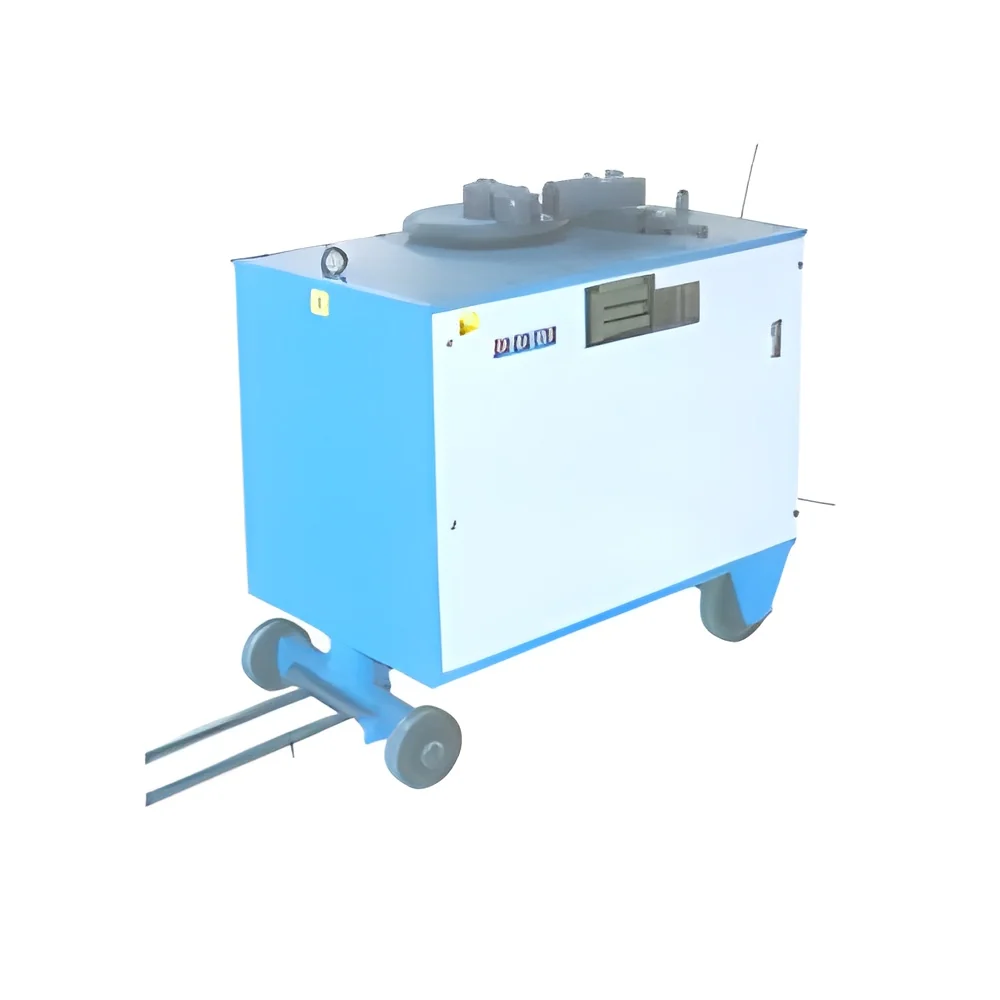
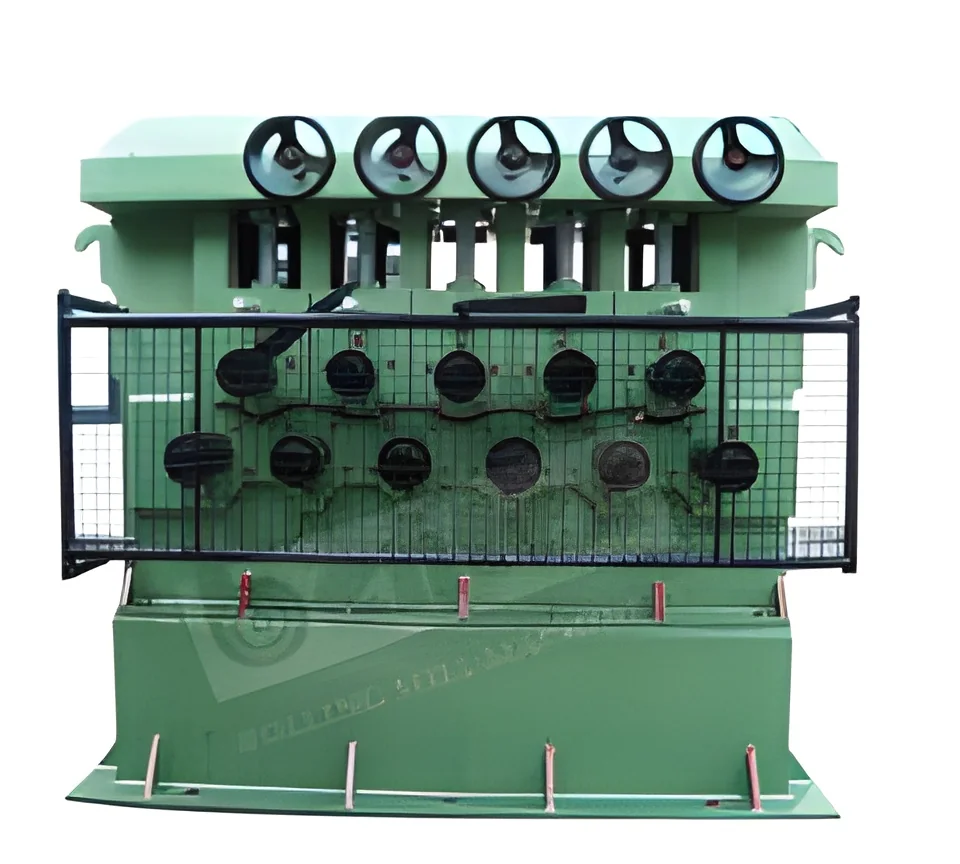
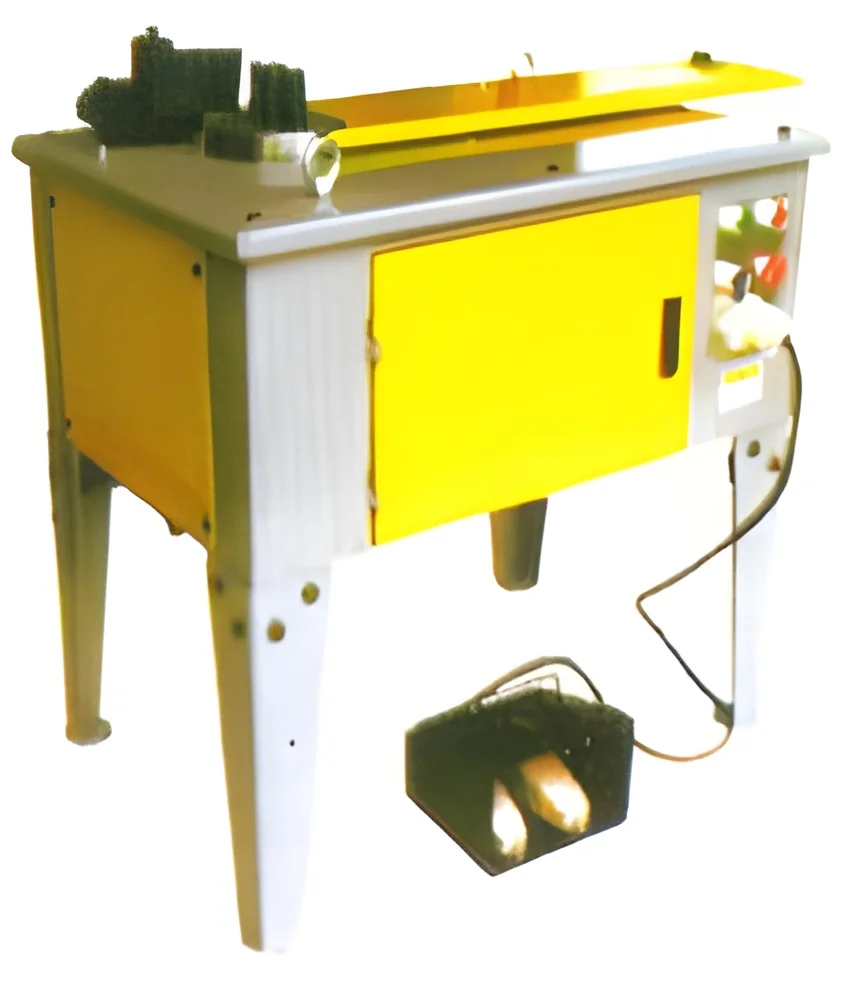
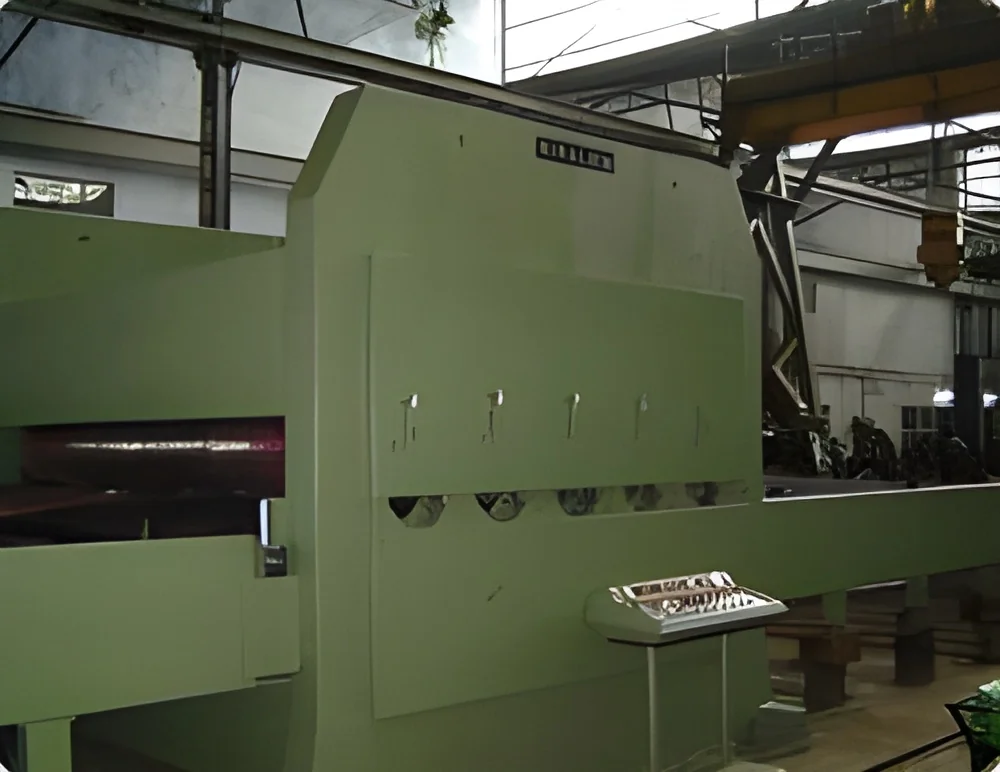
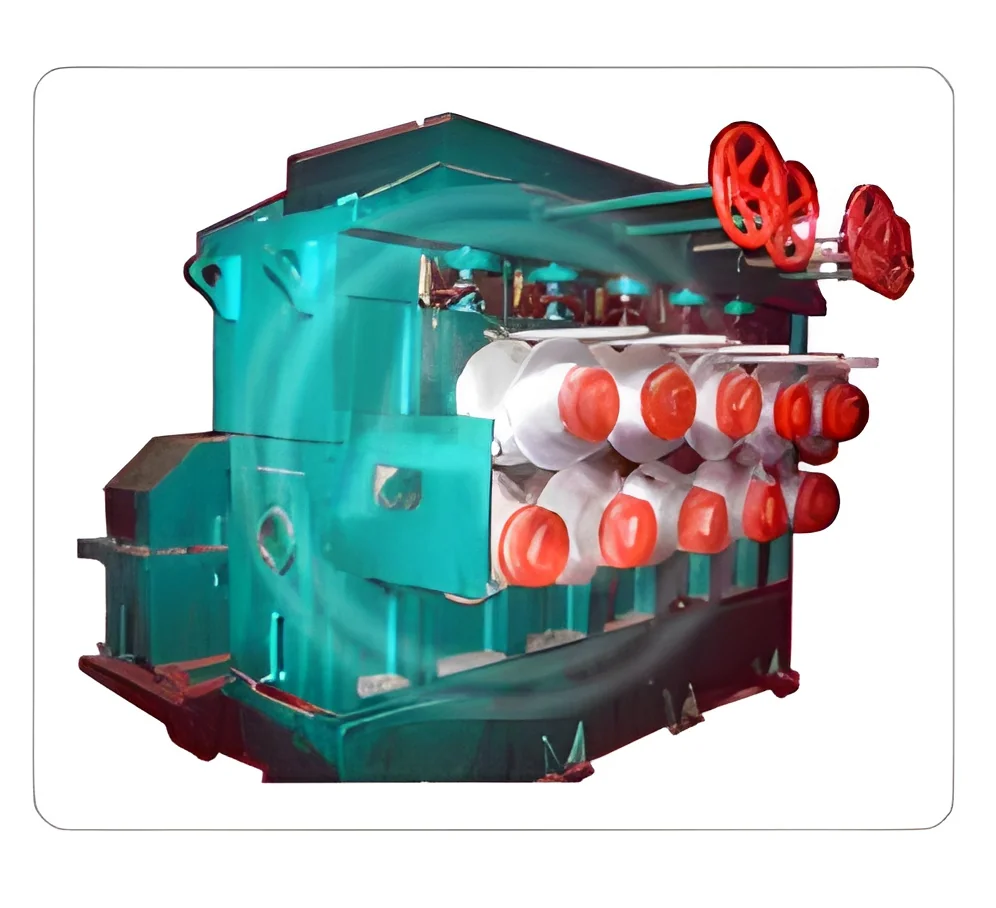
What are Rebar Processing Machines?
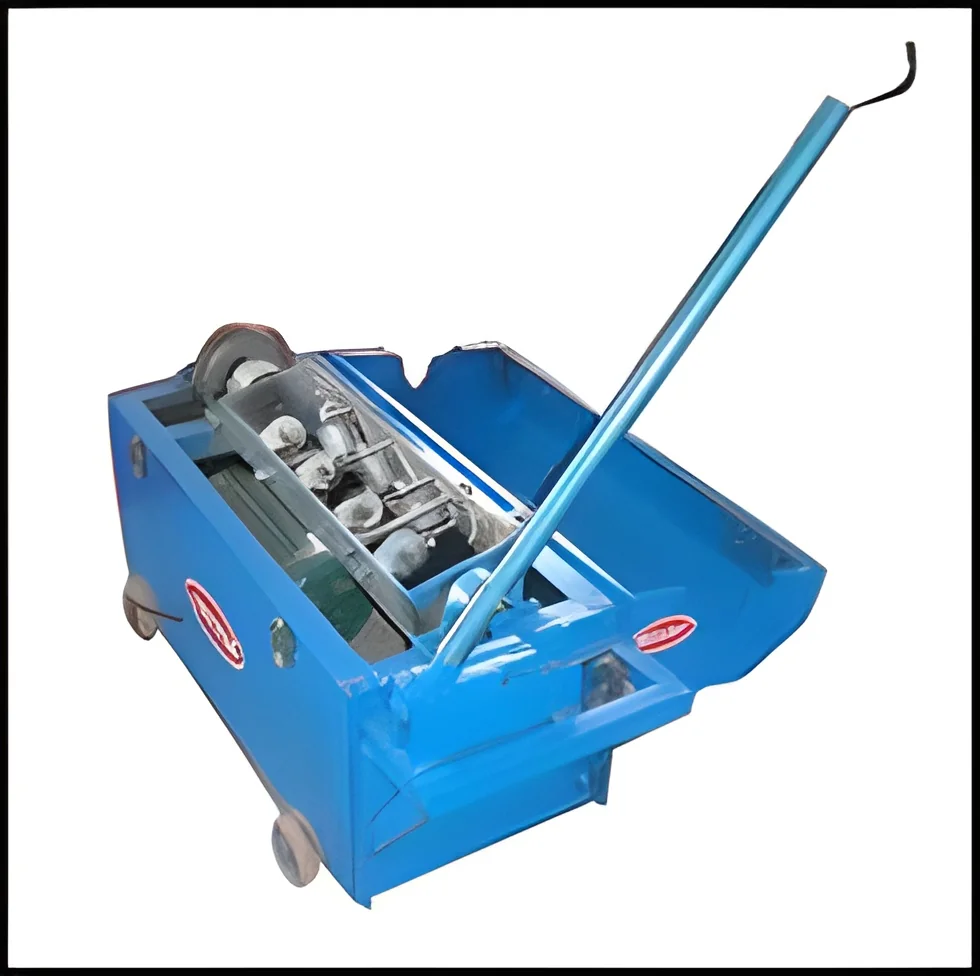
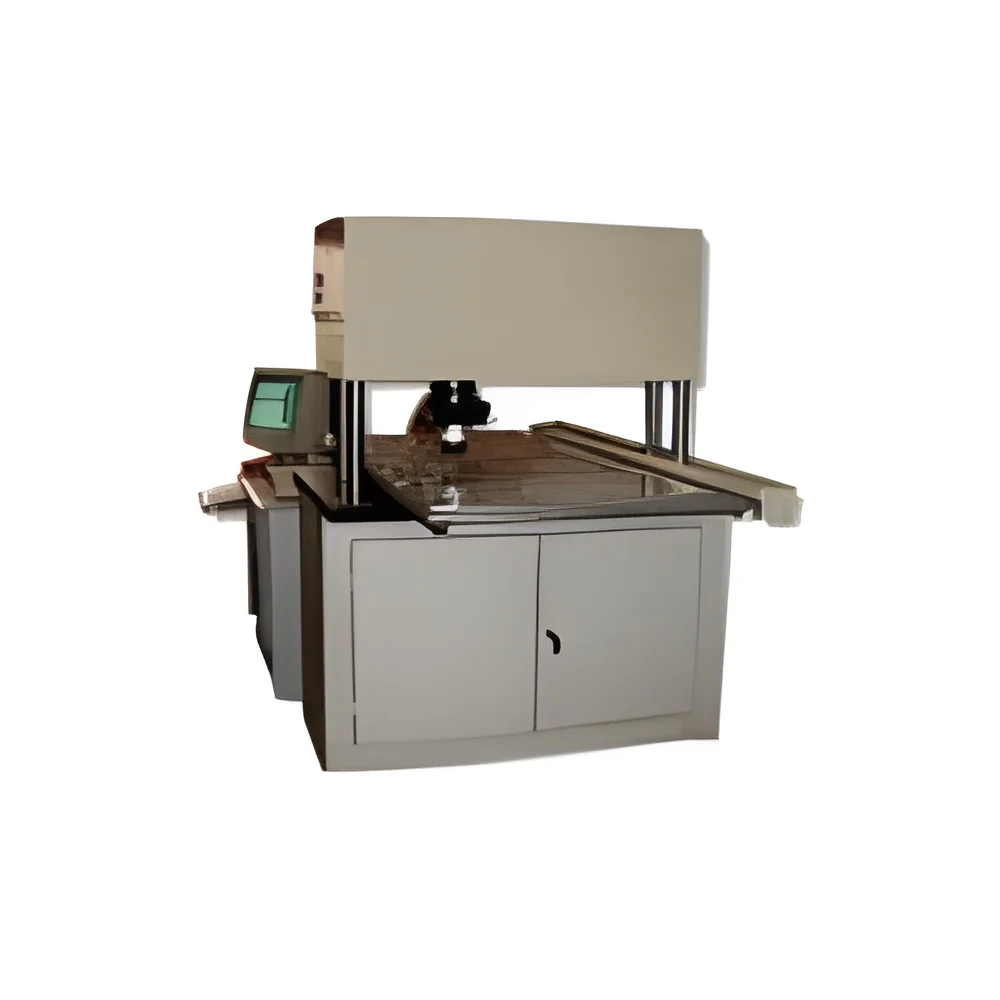
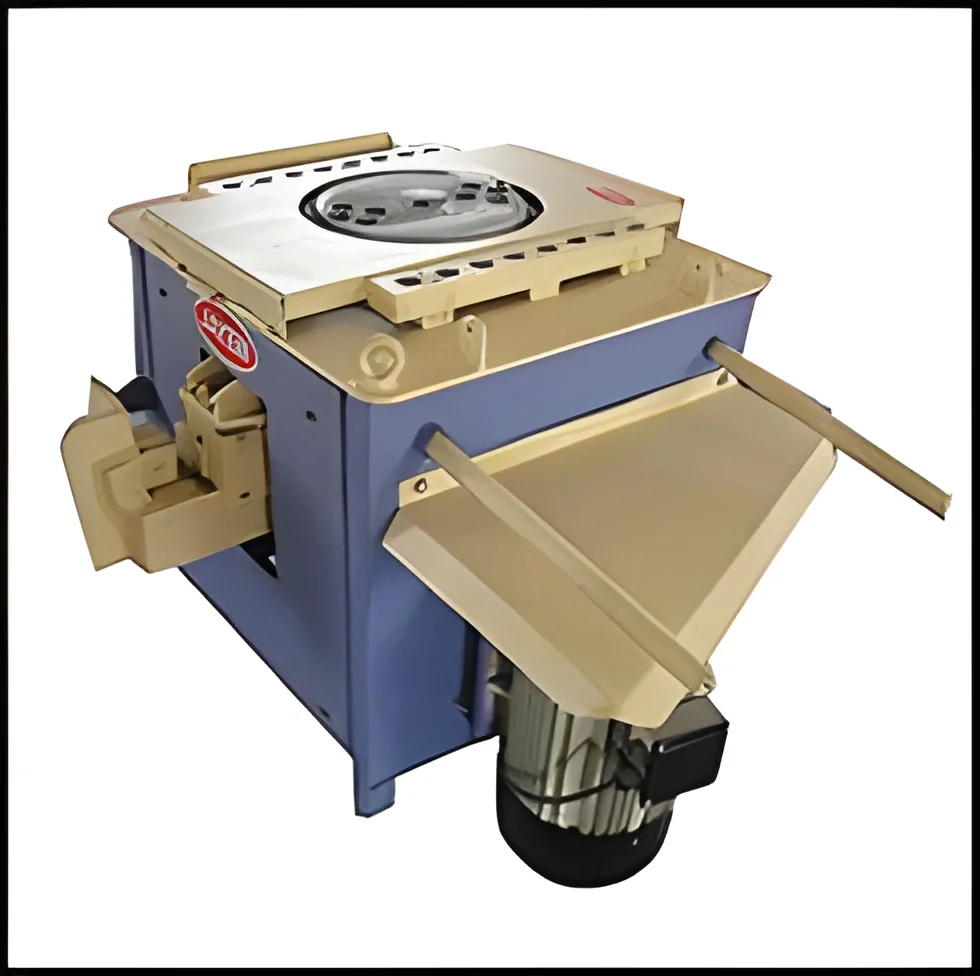
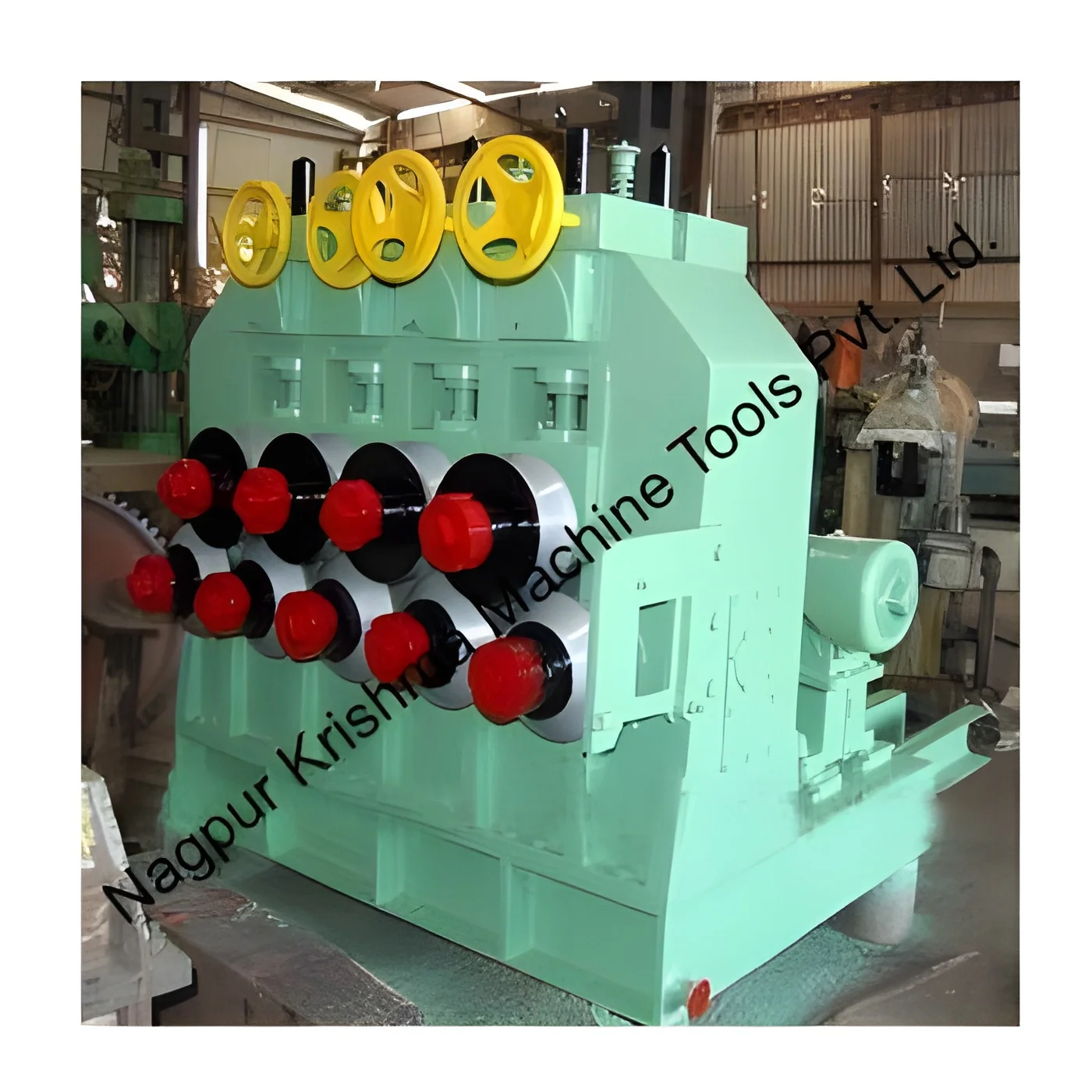
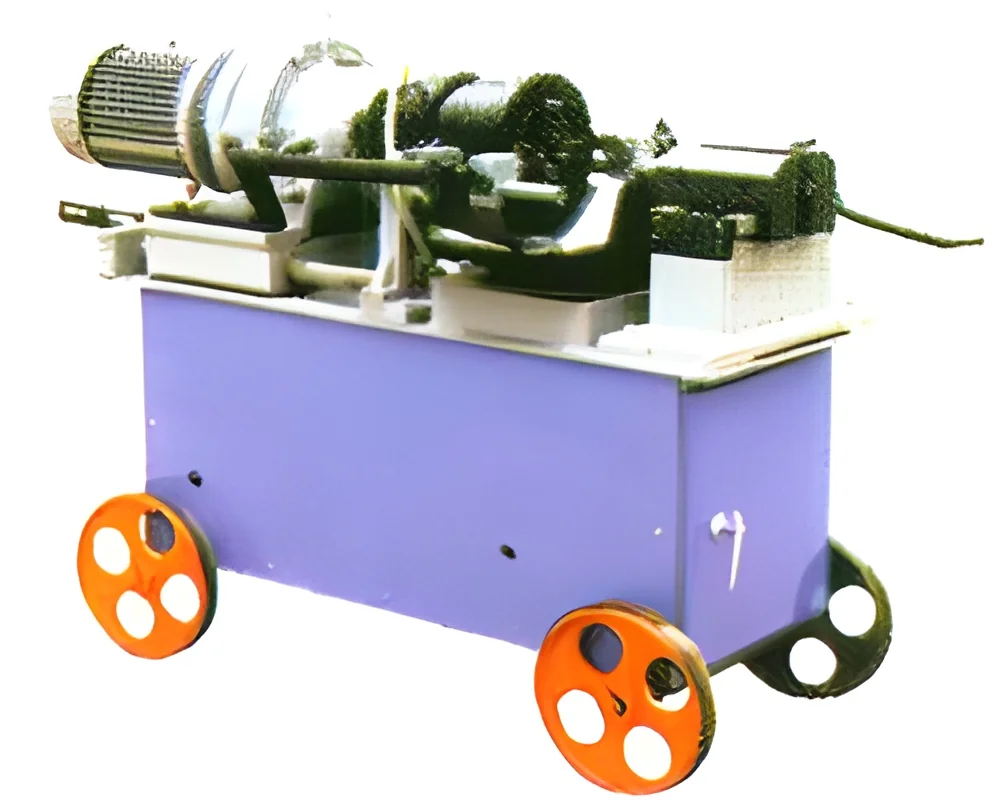
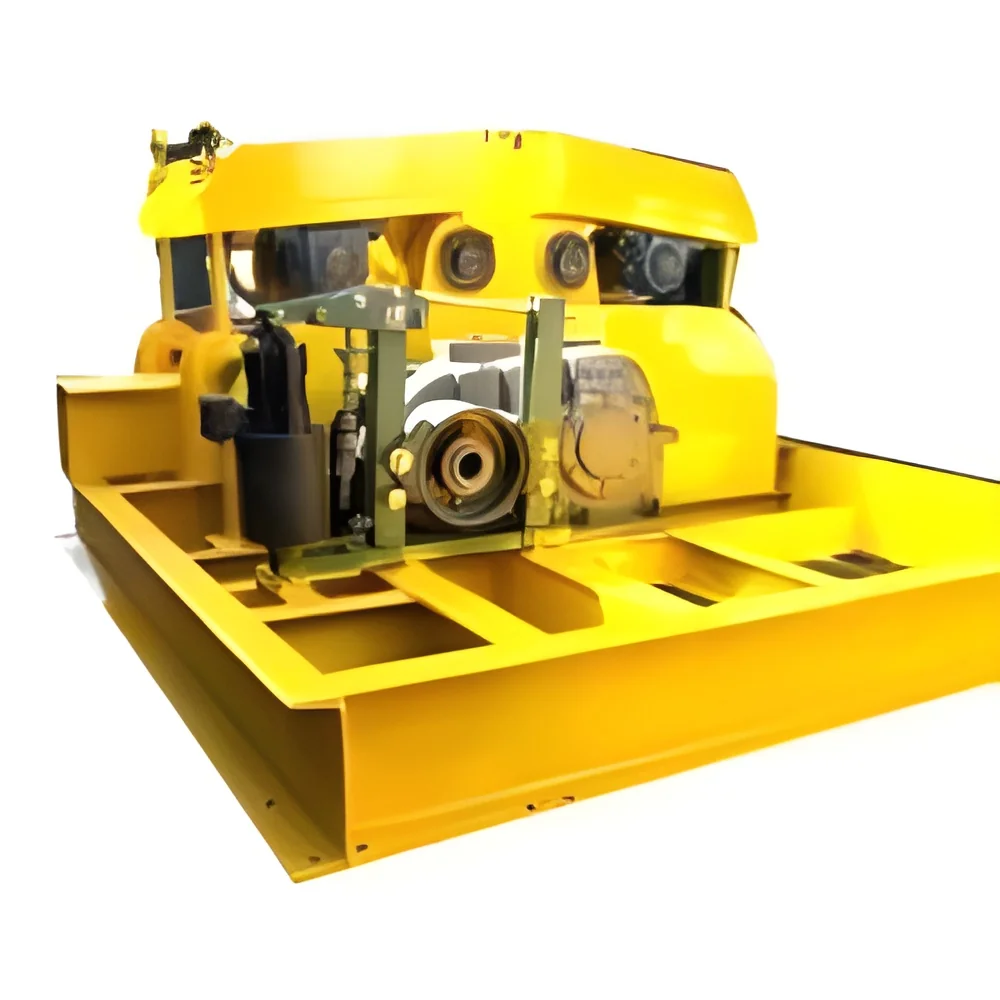
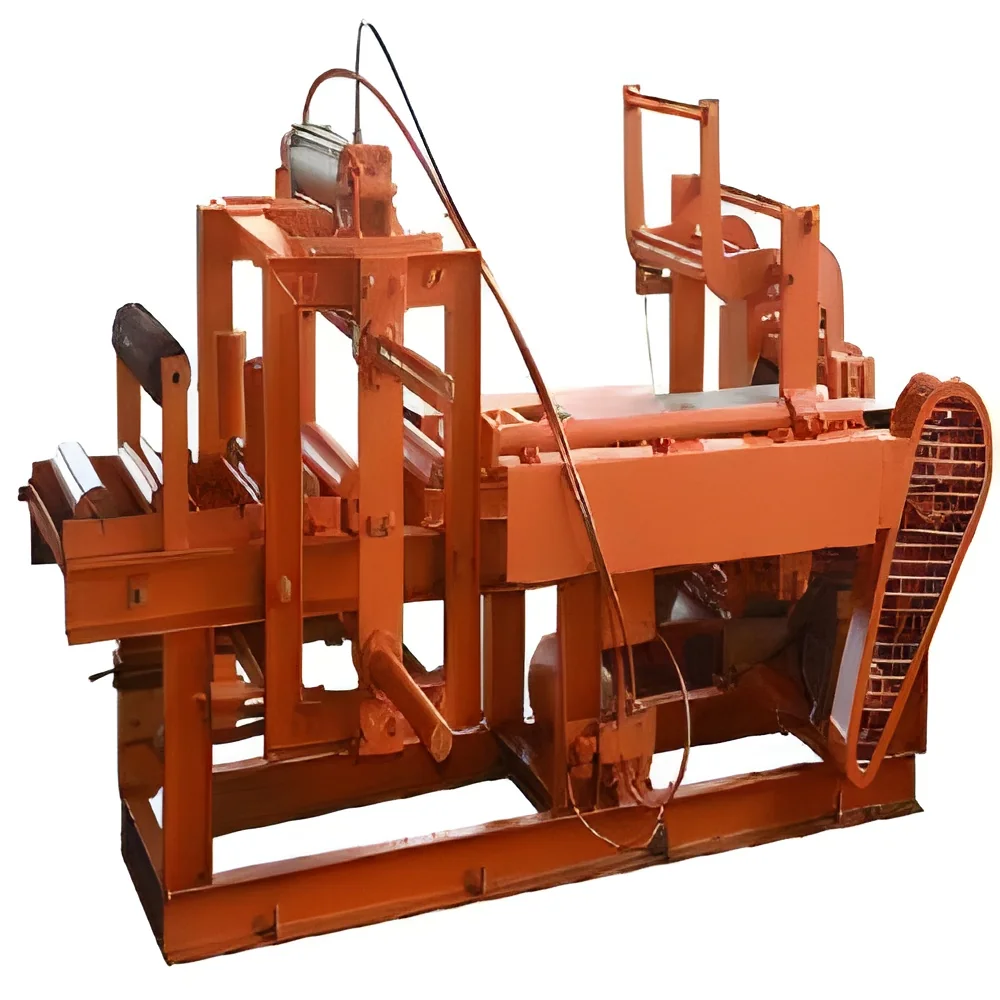
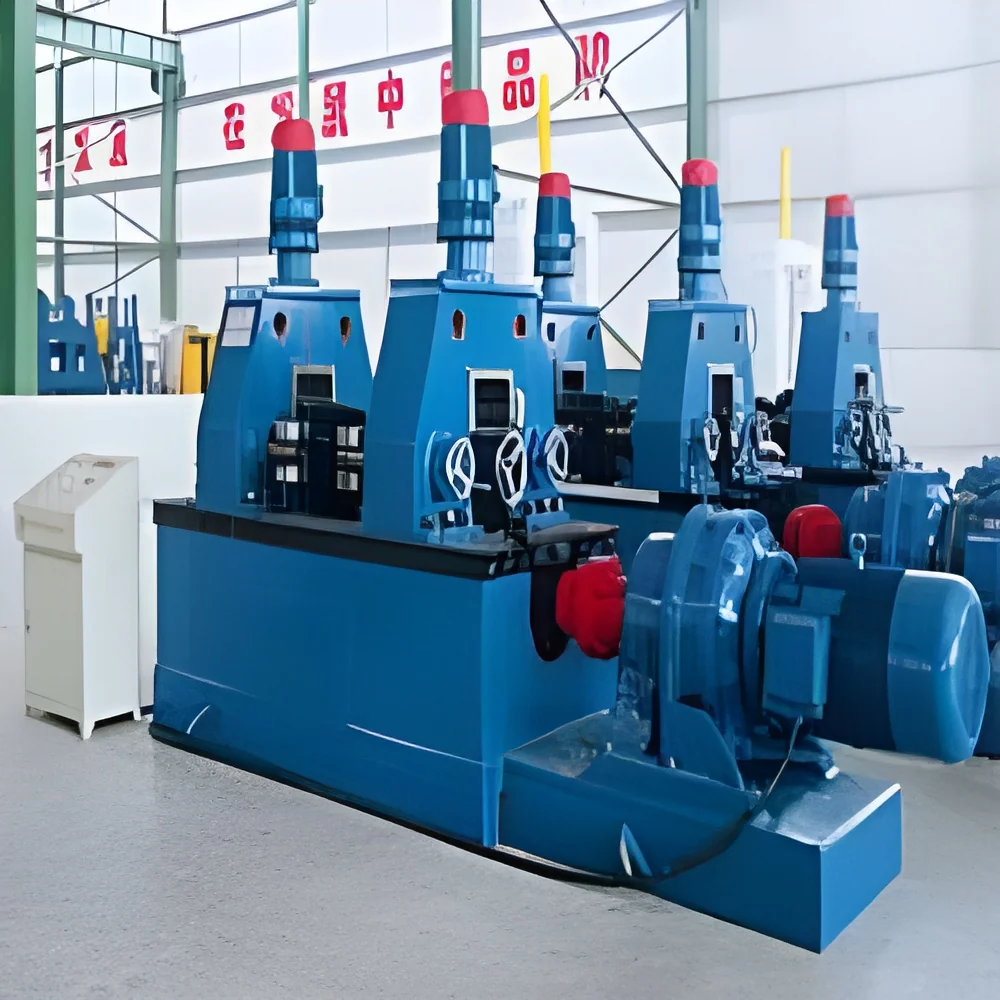
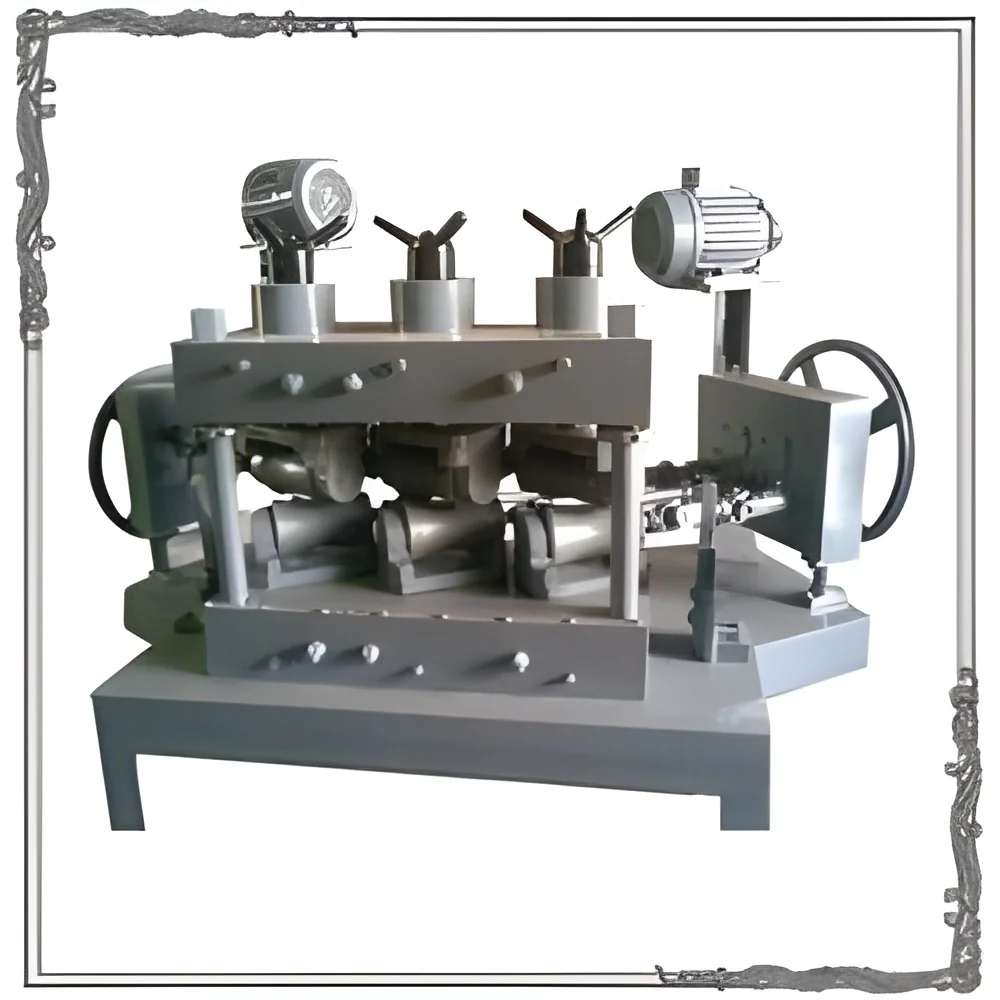
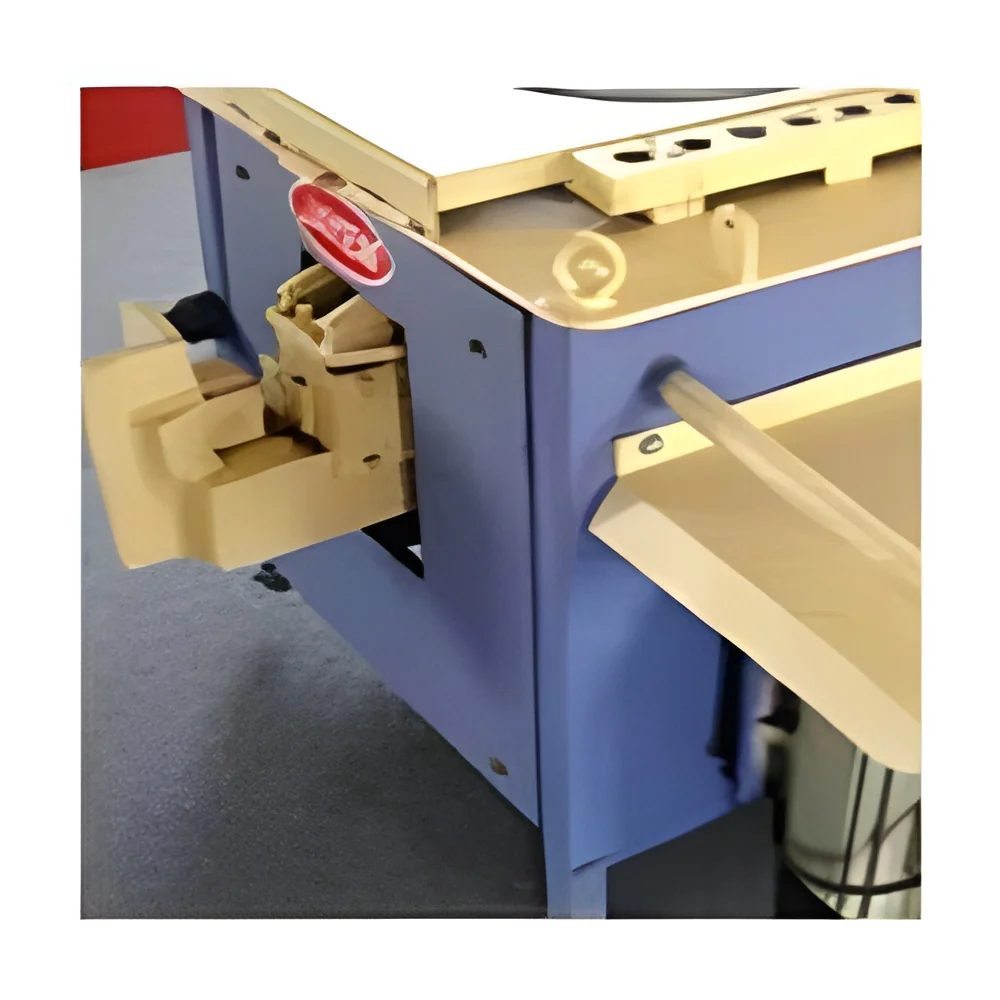
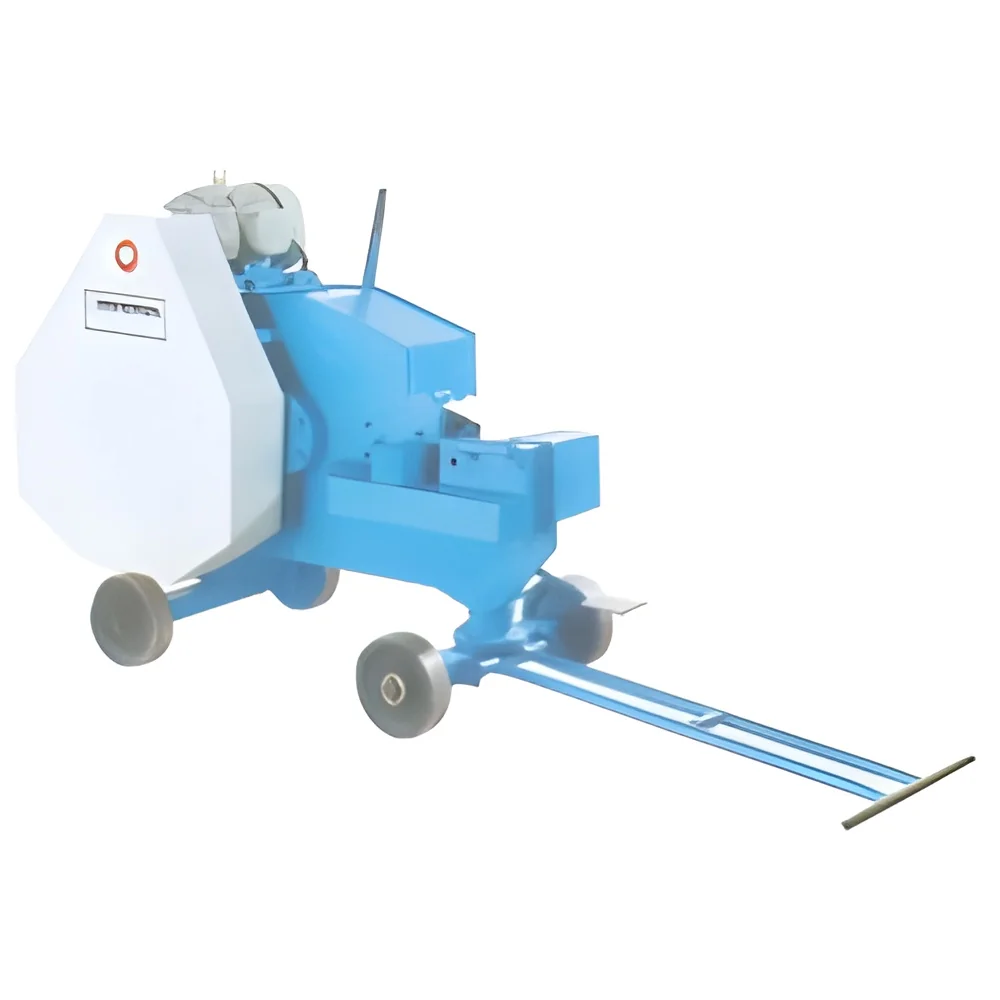
Rebar processing machines are specialized industrial equipment designed to cut, bend, and shape reinforcing bars, commonly referred to as rebar, used in construction projects. These machines are essential for preparing rebar to meet specific structural requirements, ensuring that the material is ready for integration into concrete structures. By automating these processes, rebar processing machines significantly enhance efficiency and precision, while minimizing manual labor.
The primary uses of rebar processing machines encompass a wide range of applications in the construction industry. They are utilized in the fabrication of rebar for commercial buildings, bridges, tunnels, and various infrastructure projects. Businesses that rely on these machines include construction firms, precast concrete manufacturers, and steel fabricators. The relevance of rebar processing machines in the industry is underscored by the increasing demand for durable and reliable construction solutions, making these machines a vital component in the supply chain.
Key Features and Specifications
Rebar processing machines come with a variety of features designed to enhance their performance and usability. These features are tailored to meet the demands of modern construction practices, ensuring that users can achieve optimal results.
Key specifications include:
1. Cutting Capacity
- Capable of cutting rebar of varying diameters, typically ranging from 6 mm to 40 mm.
2. Bending Radius
- The machines can bend rebar at specific angles, usually from 0 to 180 degrees.
3. Power Supply
- Operate on various power sources, including single-phase and three-phase electrical systems.
4. Automation Level
- Available in manual, semi-automatic, and fully automatic configurations to suit different operational needs.
5. Speed of Operation
- Cutting and bending speeds can vary, often allowing for rapid processing to meet high demand.
6. Control System
- Equipped with user-friendly control panels for ease of operation and precision settings.
7. Safety Features
- Incorporate safety guards and emergency stop functions to protect operators.
8. Portability
- Some models are designed to be portable for use at various job sites.
In summary, the features and specifications of rebar processing machines are designed to enhance their functionality, making them indispensable tools for modern construction needs.
Common Applications and Use Cases
Rebar processing machines serve numerous industries, contributing to the efficiency and quality of construction projects.
1. Construction Industry: These machines are widely used for the fabrication of rebar required in structural elements such as beams, columns, and slabs.
2. Precast Concrete Manufacturing: Manufacturers utilize rebar processing machines to prepare reinforcement for precast products, ensuring structural integrity.
3. Infrastructure Projects: Bridges and highways require precise rebar processing to maintain safety and durability standards.
4. Residential Construction: Builders use these machines to customize rebar for various home construction applications.
5. Industrial Facilities: Factories and warehouses often require reinforced concrete structures, utilizing rebar processing machines for fabrication.
6. Civil Engineering: Engineers rely on these machines for specialized projects that require specific rebar configurations.
7. Road Construction: Rebar processing is essential for creating durable roadways and pavements that withstand heavy traffic loads.
Product Variants and Subcategories
Rebar processing machines come in various models to cater to different operational requirements and scales of production.
Manual Rebar Benders
These machines are operated manually, ideal for smaller projects or workshop environments. They provide flexibility in bending angles and are cost-effective for limited use.
Automatic Rebar Cutters
Designed for high-volume operations, these machines automate the cutting process, increasing productivity and ensuring uniformity in rebar lengths.
Semi-Automatic Rebar Processing Machines
These machines combine manual input with automated features, offering versatility for medium to large-scale operations. They are suitable for businesses looking to balance efficiency with cost.
High-Speed Rebar Processing Machines
Engineered for rapid cutting and bending, these machines are ideal for construction sites with demanding timelines, improving turnaround times significantly.
Benefits and Advantages
Rebar processing machines provide substantial benefits that enhance productivity and operational efficiency.
1. Increased Efficiency: Automating the cutting and bending processes reduces labor costs and time, leading to higher output.
2. Precision and Accuracy: These machines ensure consistent dimensions and angles, minimizing errors and waste.
3. Enhanced Safety: Equipped with safety features, they help protect operators from injury while handling heavy materials.
4. Versatility: Capable of processing various rebar sizes and shapes, they can adapt to different project requirements.
5. Improved Quality Control: Automated operations lead to uniform quality in rebar preparation, meeting industry standards.
6. Cost-effectiveness: Investing in rebar processing machines can lead to long-term savings by reducing labor costs and material waste.
Buying Guide for B2B Buyers
When sourcing rebar processing machines, several key factors must be considered to ensure a wise investment.
1. Quality Assessment: Evaluate machines based on durability, performance, and manufacturer reputation. Look for machines that meet industry standards for reliability.
2. Supplier Verification: Research and verify potential suppliers to ensure they have a proven track record of delivering quality equipment and support.
3. Pricing and MOQ: Consider the price range and minimum order quantities offered by suppliers to find options that fit your budget and project scale.
4. Delivery and Lead Times: Assess the logistics of delivery, including lead times, to ensure that machines will arrive when needed for your operations.
5. Compliance Requirements: Check for compliance with local regulations and industry standards to avoid legal issues and ensure safety.
Compliance and Certifications
Rebar processing machines must adhere to specific quality standards and certifications that ensure safety and performance.
ISO 9001: This standard focuses on quality management systems, ensuring that manufacturers maintain high levels of quality in their processes.
CE Certification: This certification indicates that the machines meet European safety, health, and environmental protection standards, making them suitable for international markets.
Safety and Testing Requirements: Machines should undergo rigorous testing to verify their safety features and operational reliability before being placed on the market.
Regional Compliance Considerations: Depending on the region, there may be additional compliance requirements that machines need to meet, which must be verified by buyers during procurement.
Why Source Rebar Processing Machines from Pepagora?
Pepagora offers a reliable platform for sourcing rebar processing machines, providing several key advantages for B2B buyers.
Verified Supplier Network: Pepagora connects buyers with verified suppliers, ensuring that all listed manufacturers meet stringent quality and reliability standards.
Streamlined RFQ Process: The request for quotation process is efficient, allowing buyers to quickly obtain competitive pricing and options tailored to their needs.
Trade Assurance and Support: Pepagora provides trade assurance to buyers, offering a layer of protection against potential issues during the purchasing process.
Regional Coverage: With a robust presence in India, the GCC, and Southeast Asia, Pepagora's network enables buyers to source locally while accessing a wide range of products and services.

 IN
IN