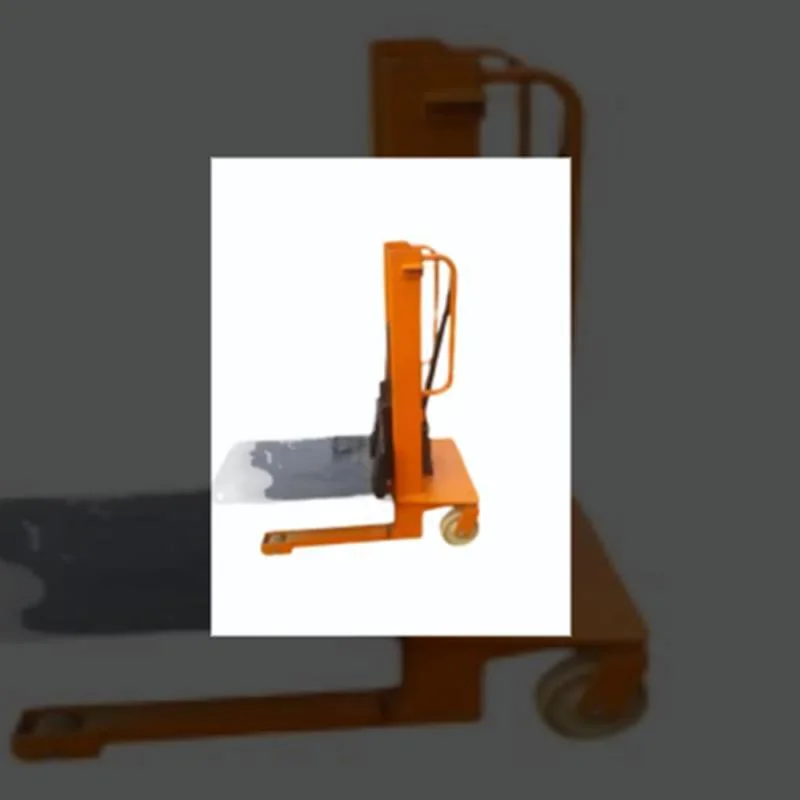
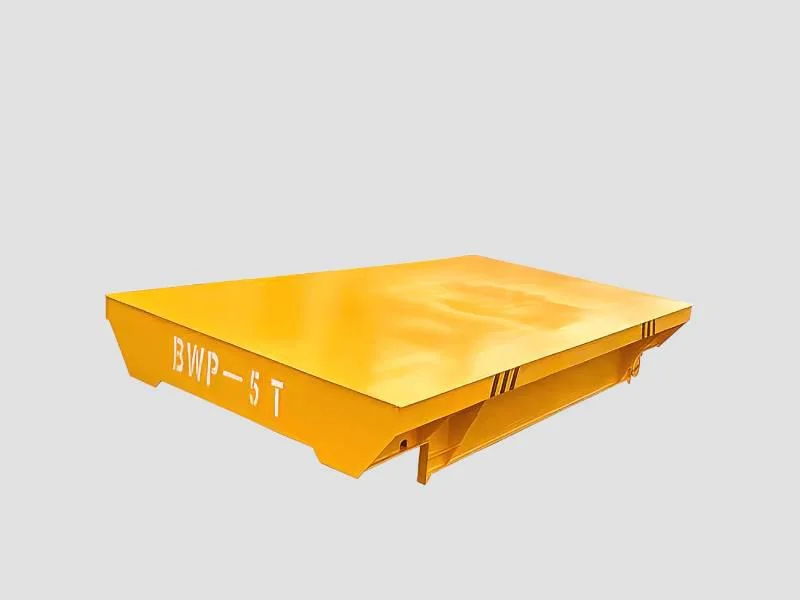
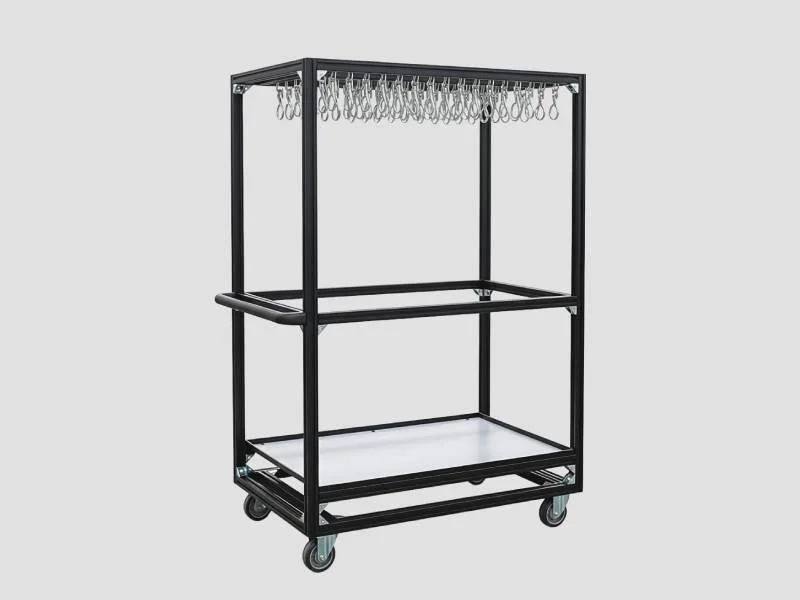
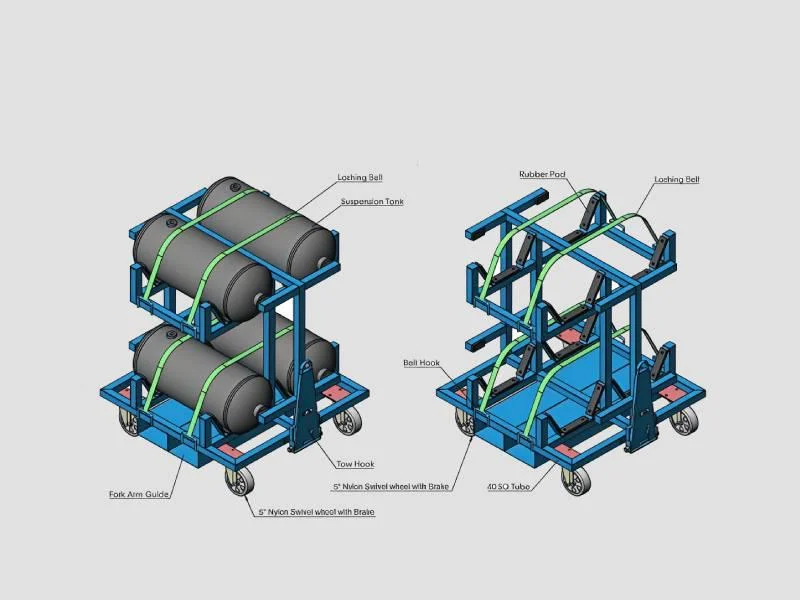
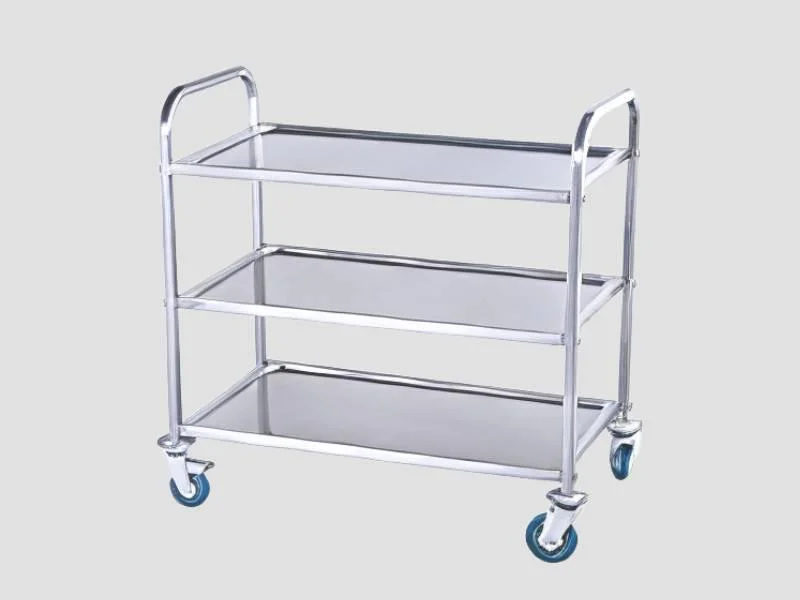
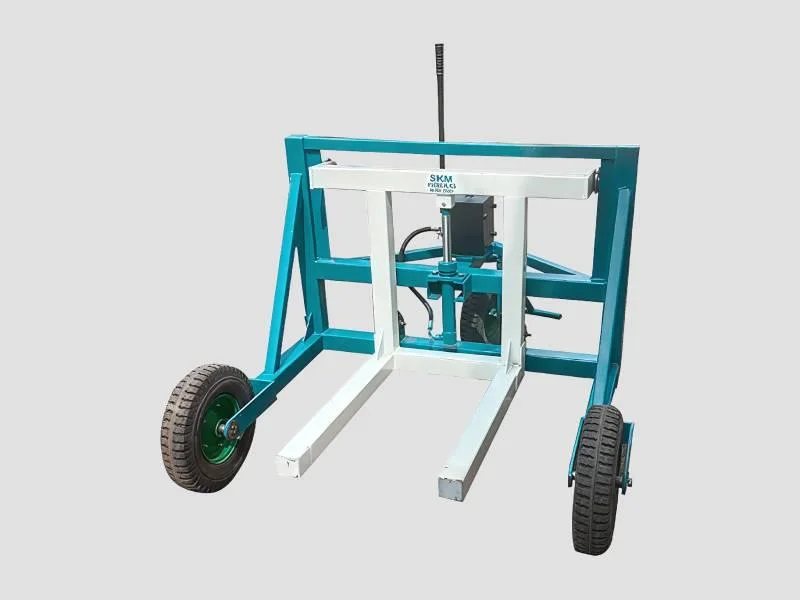
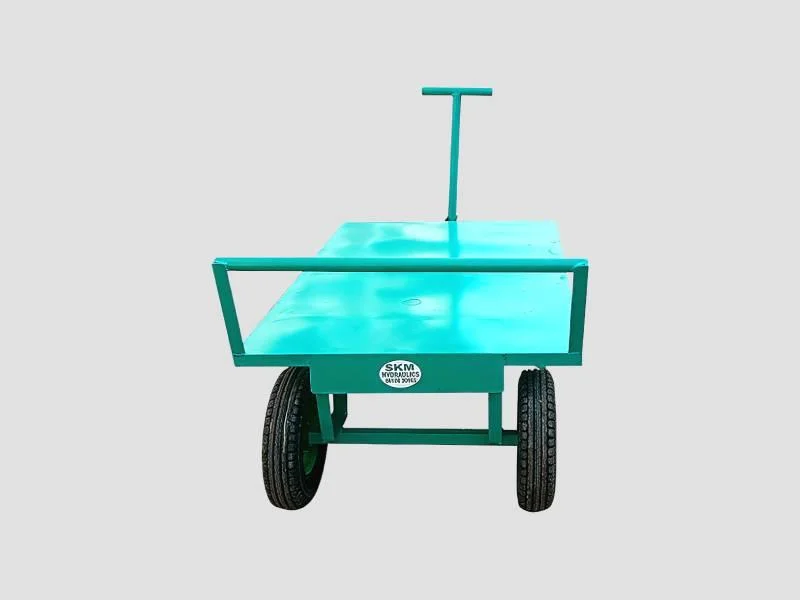
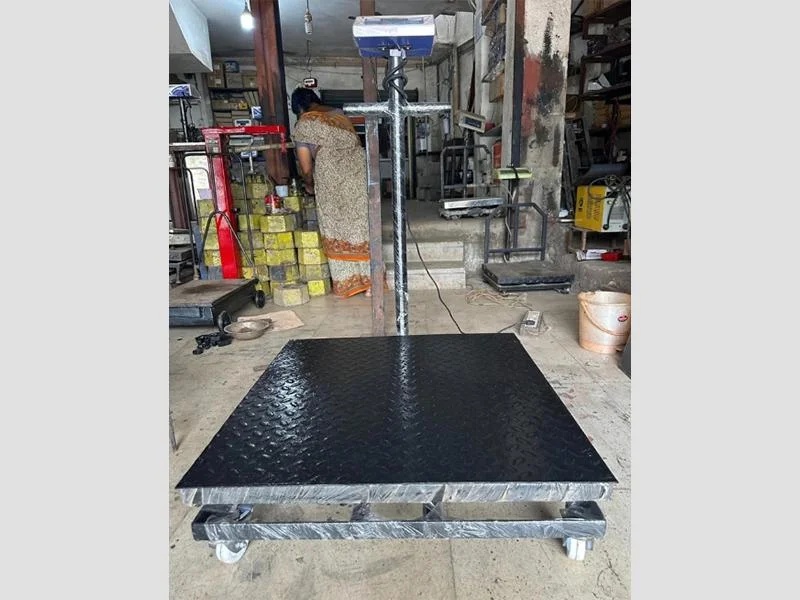
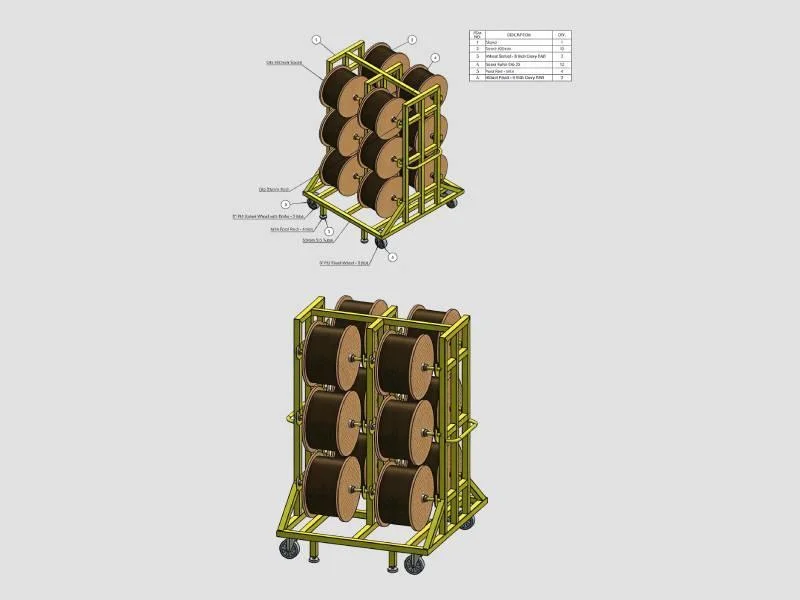
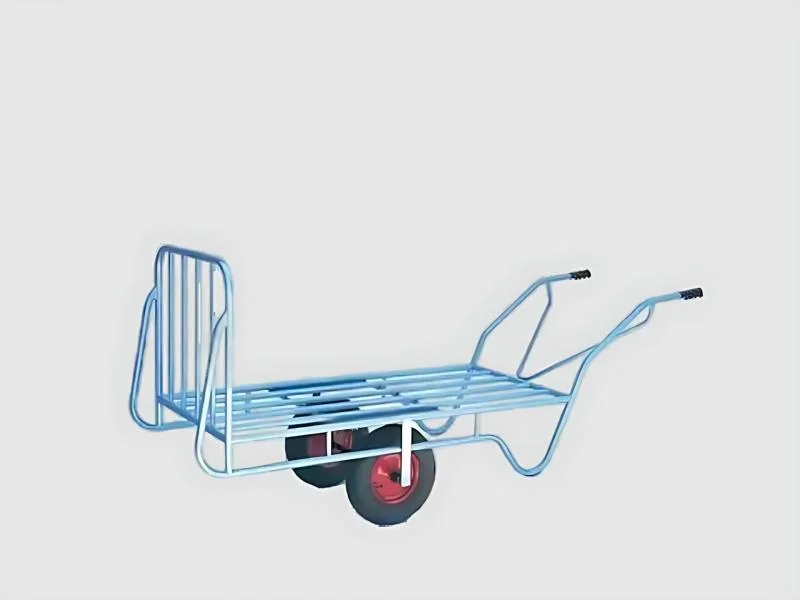
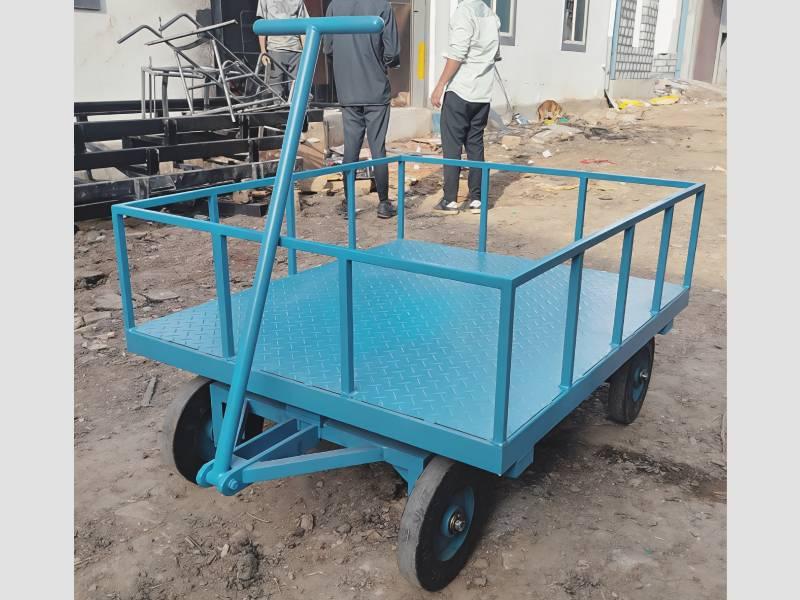
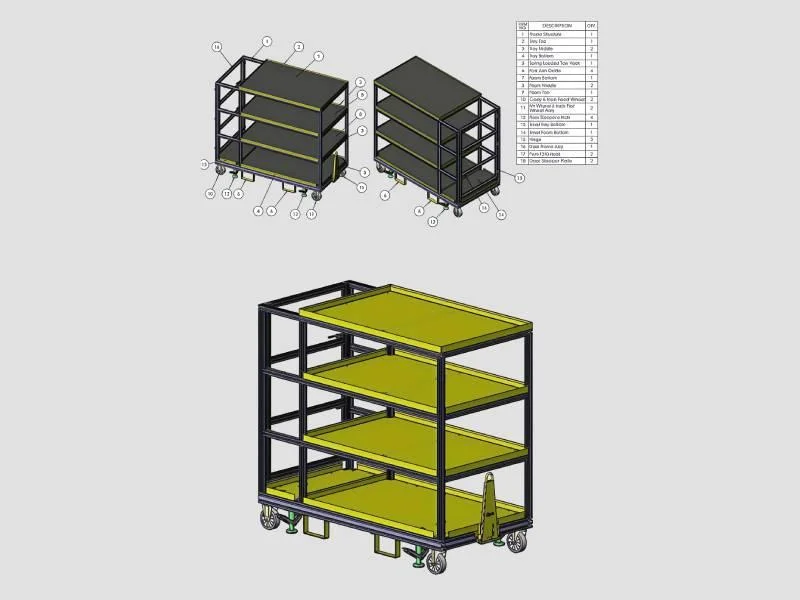
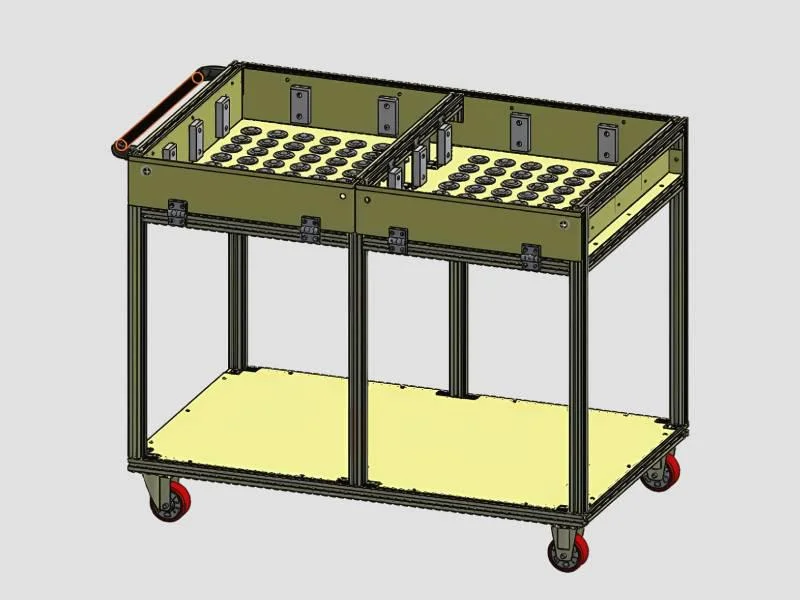
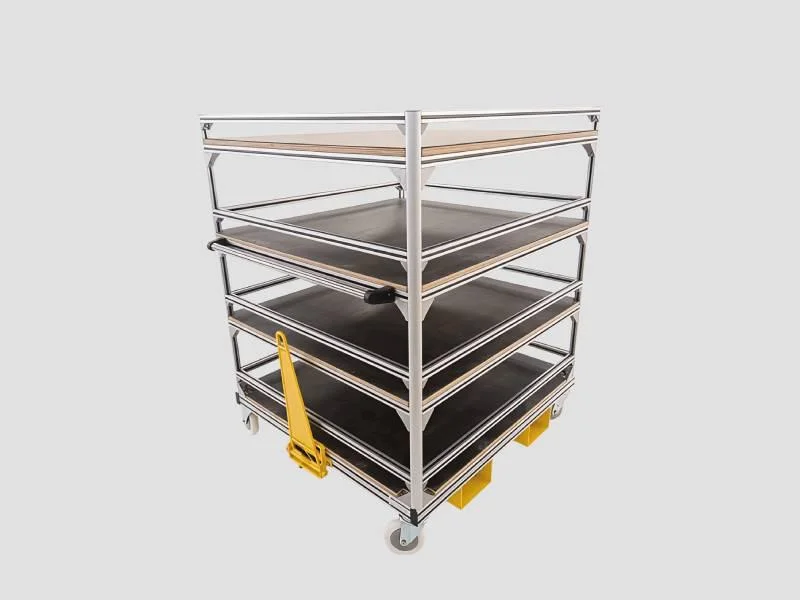
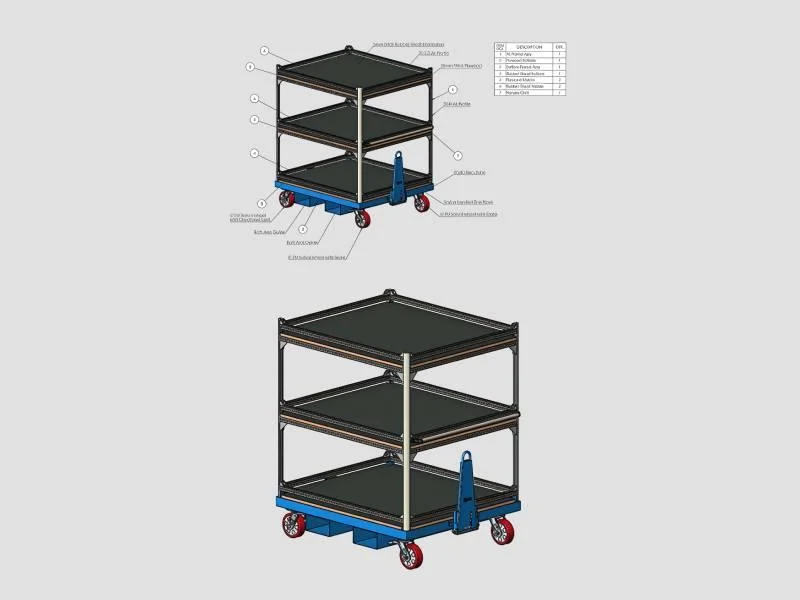
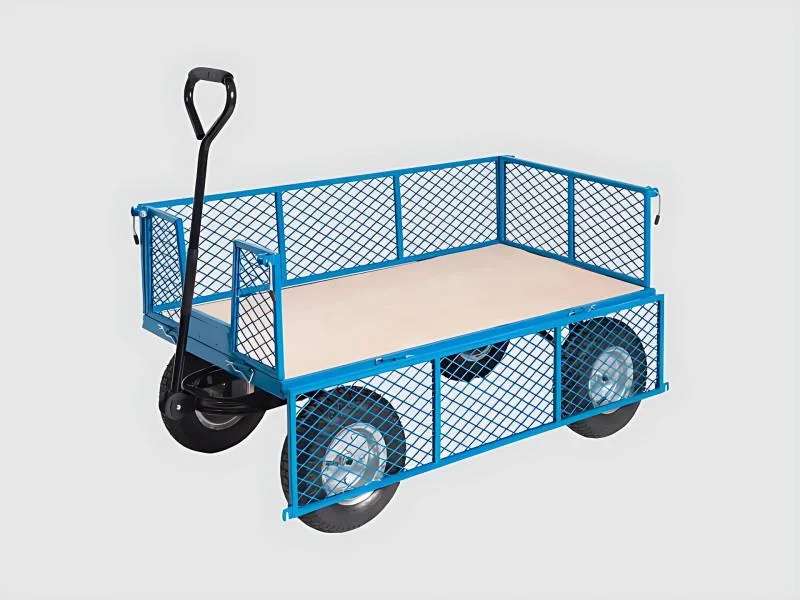
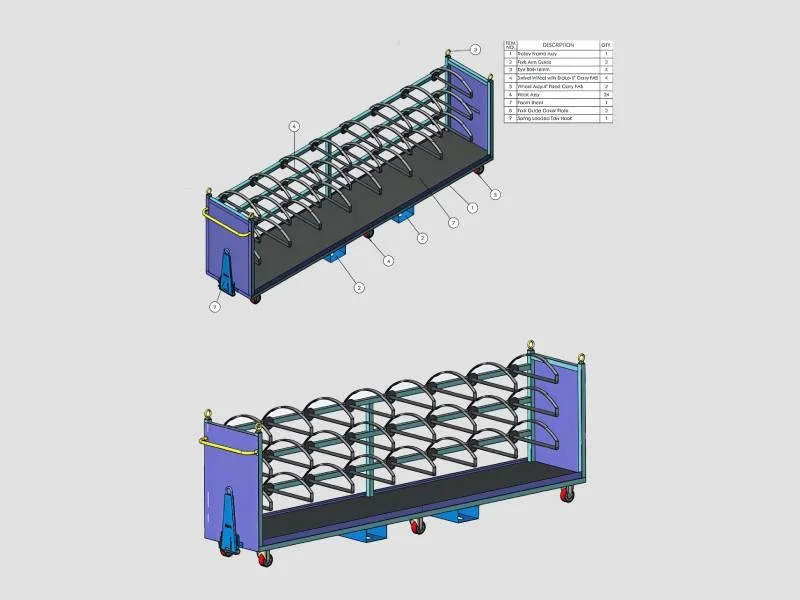
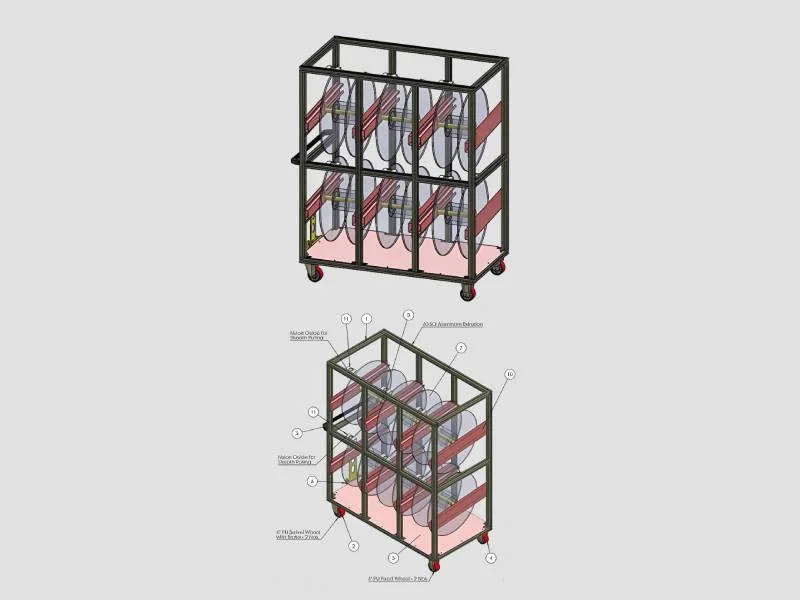
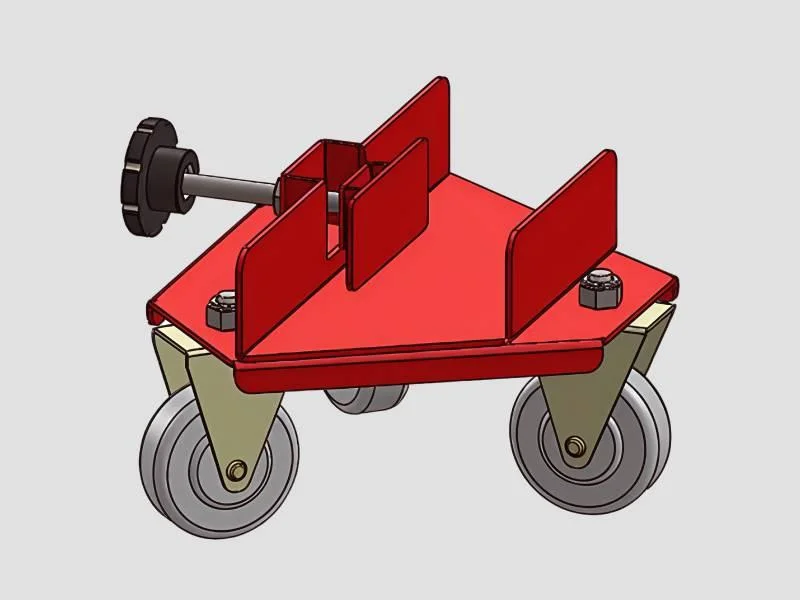
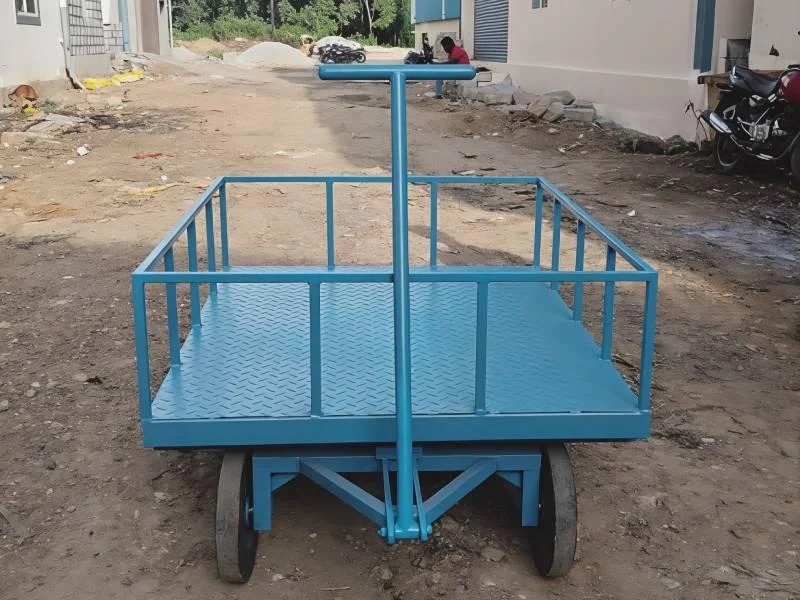
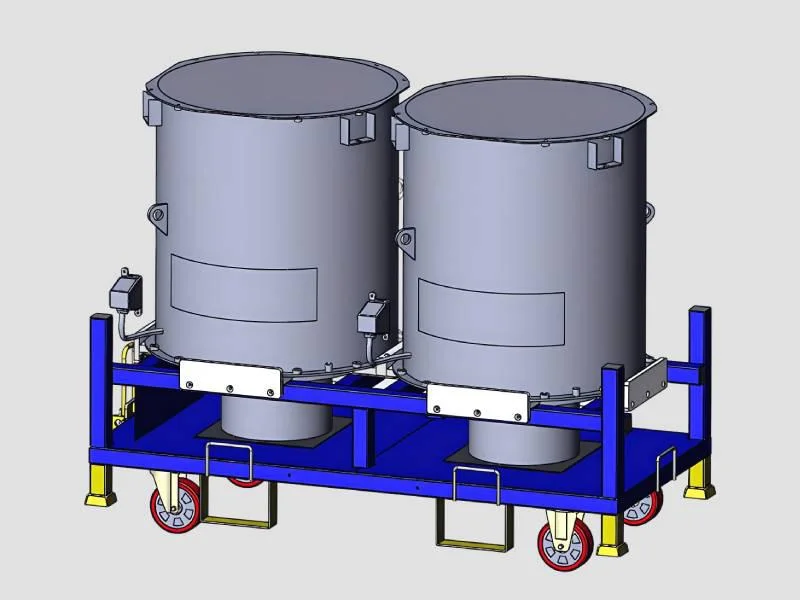
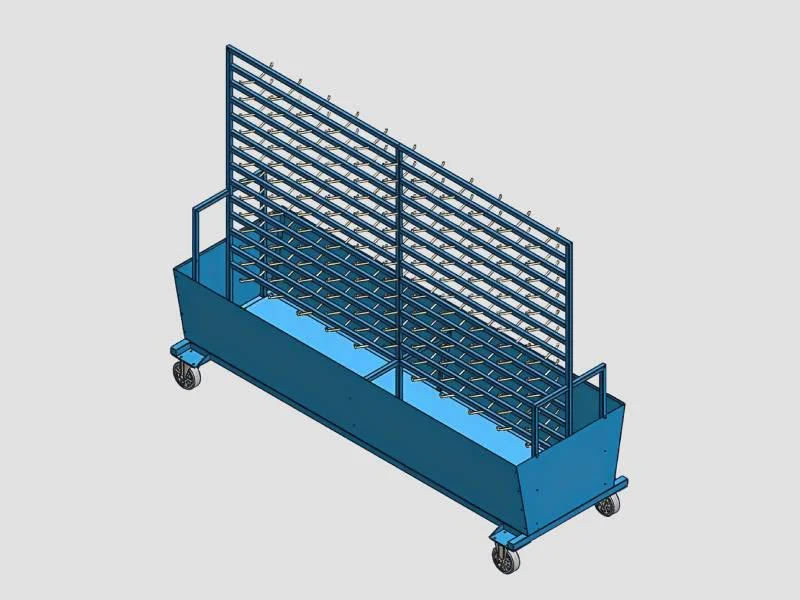
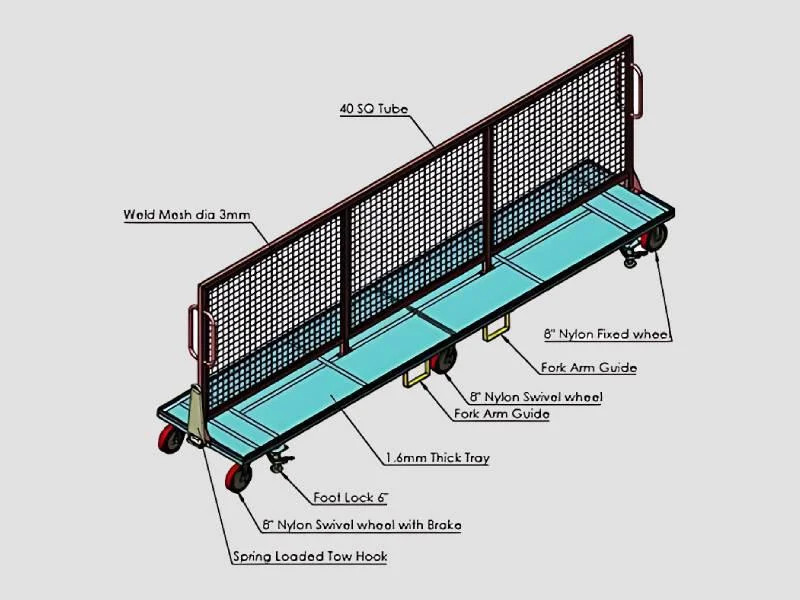
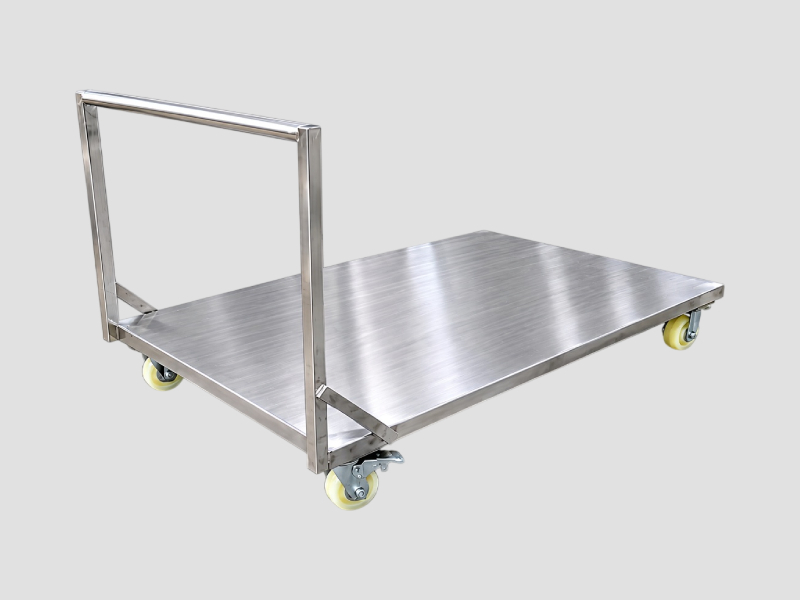
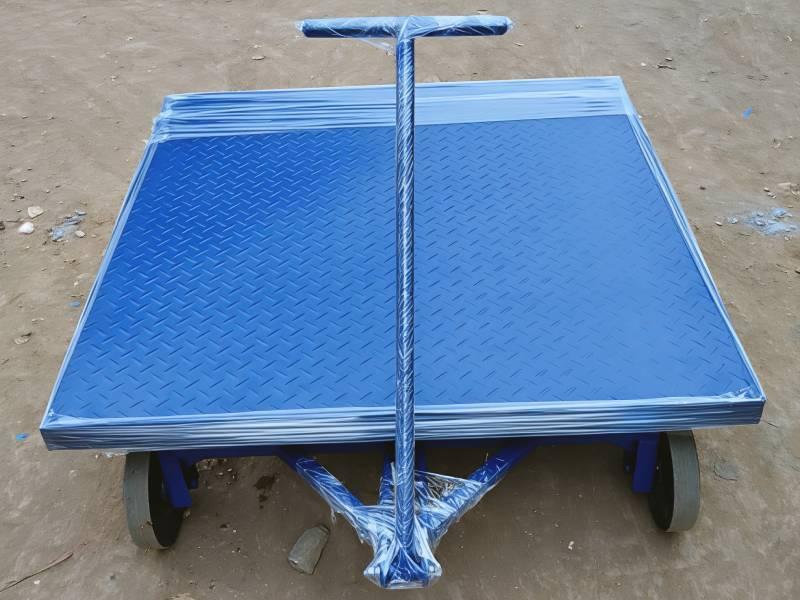
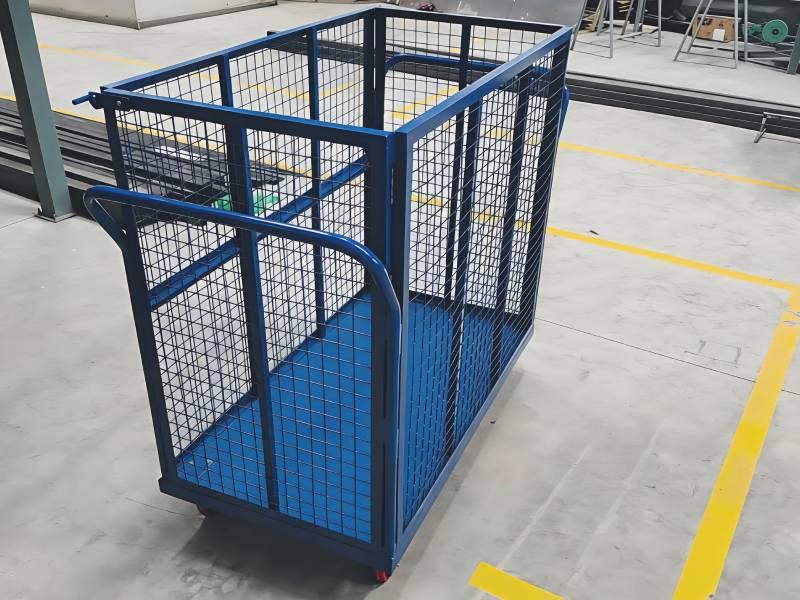
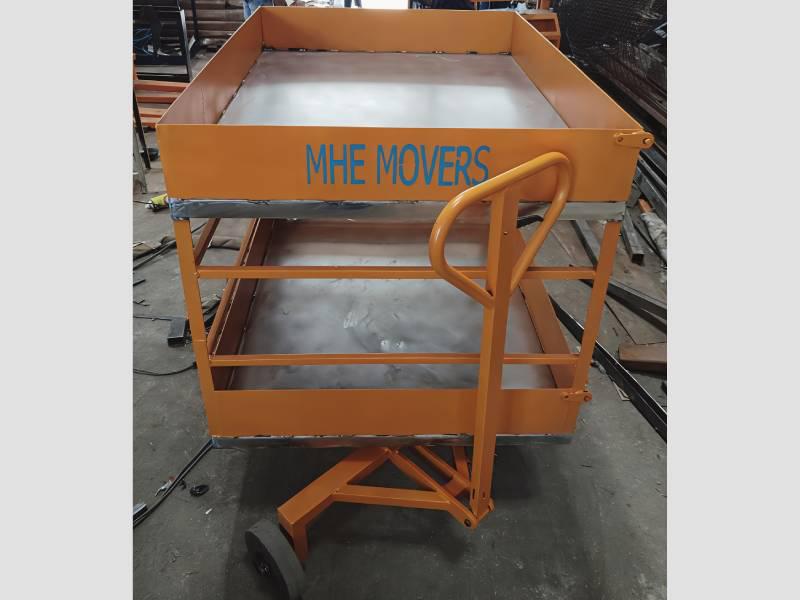
What are Construction Trolleys?
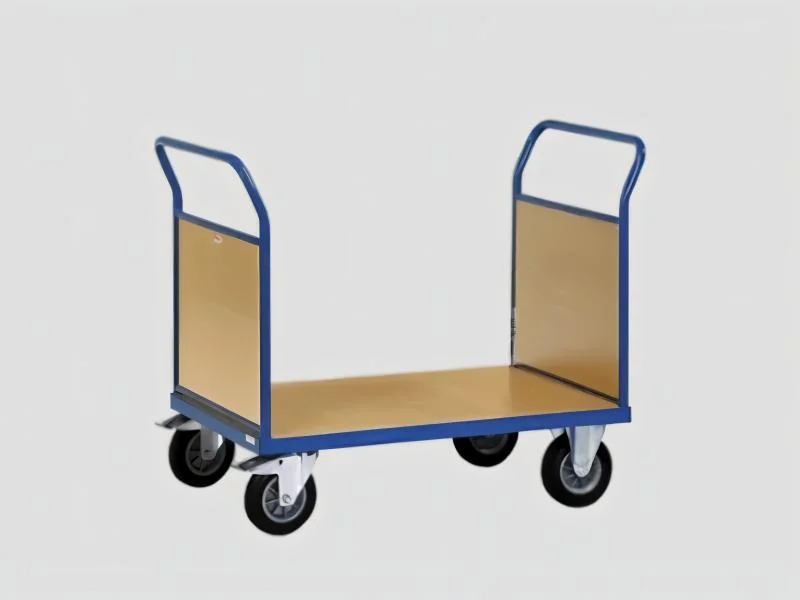
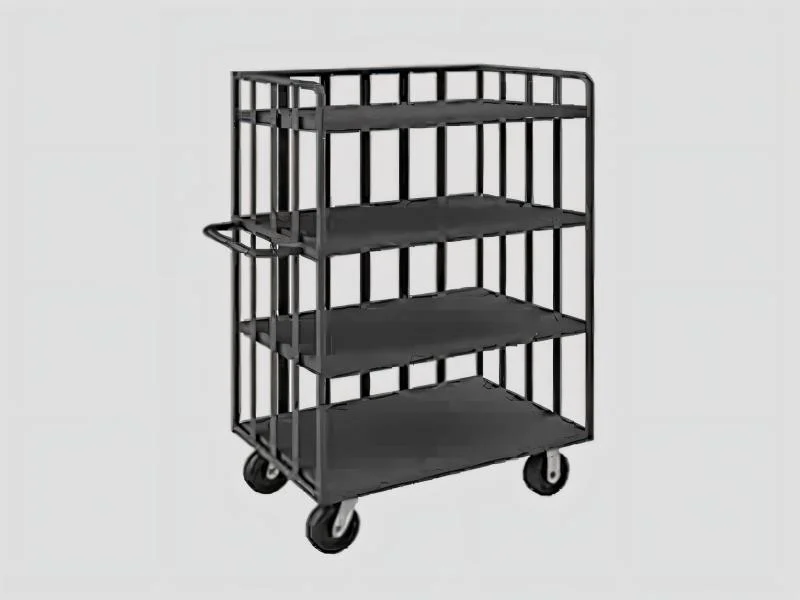
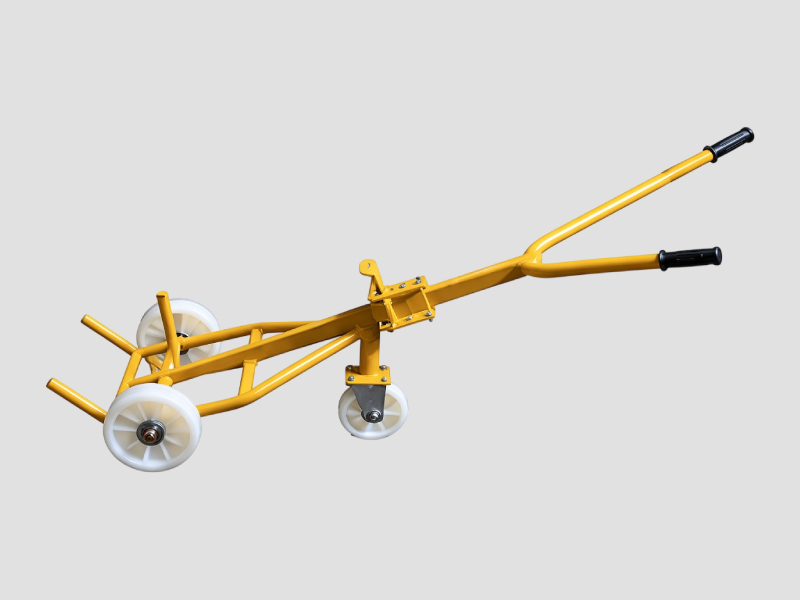
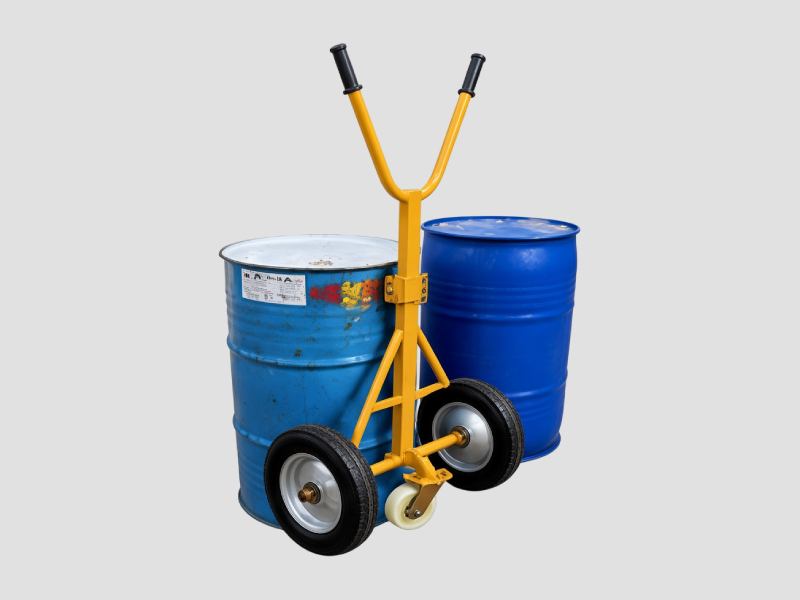
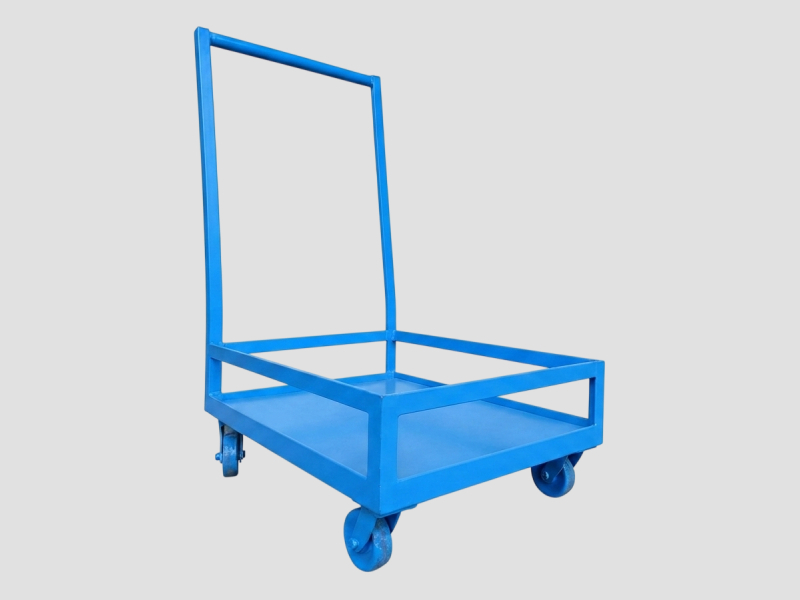
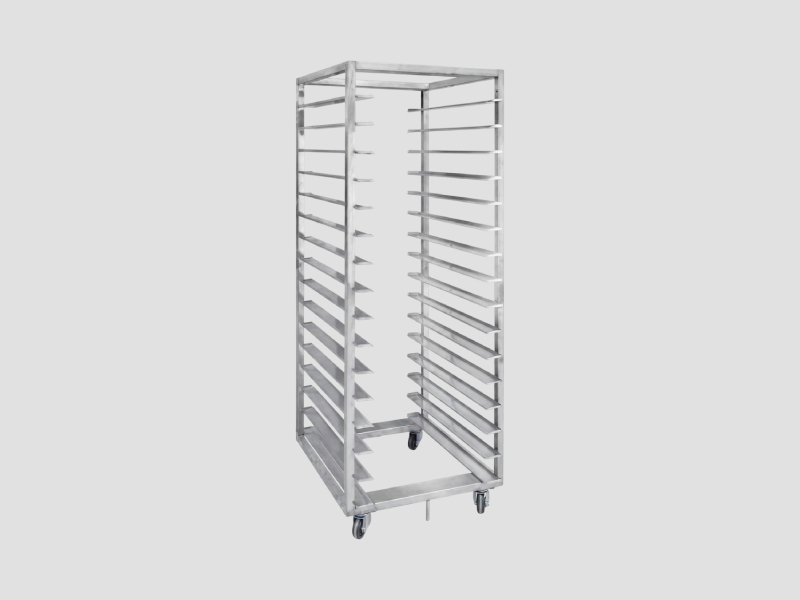
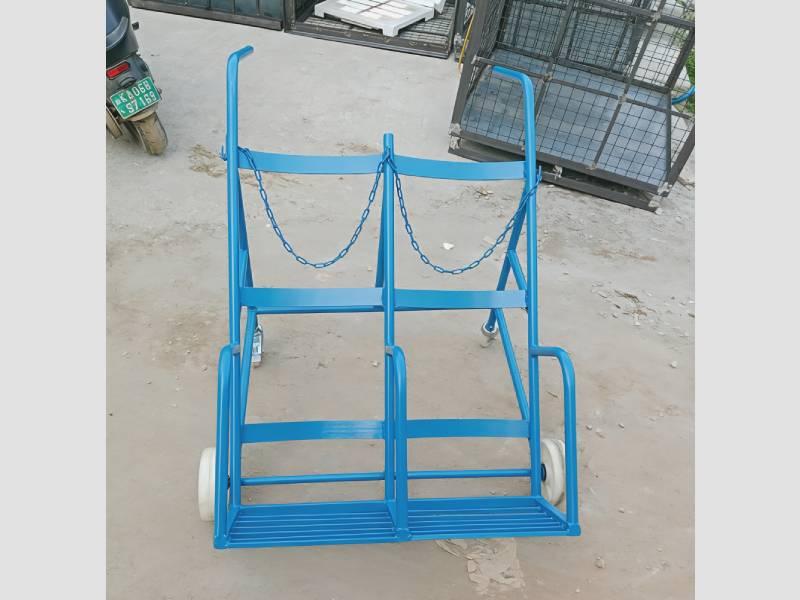
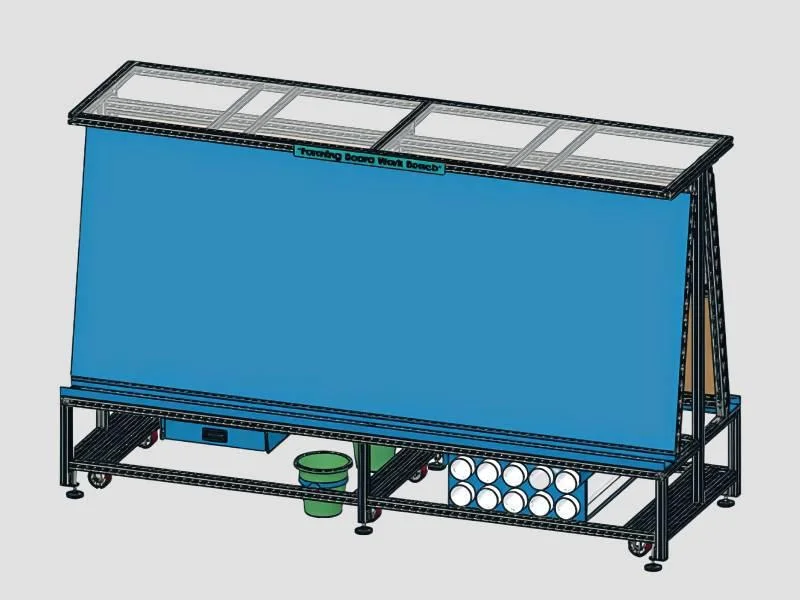
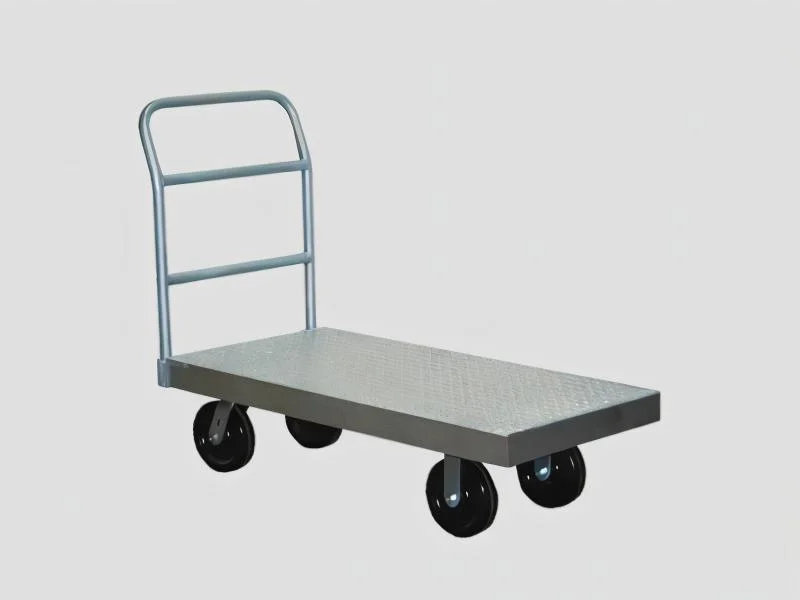
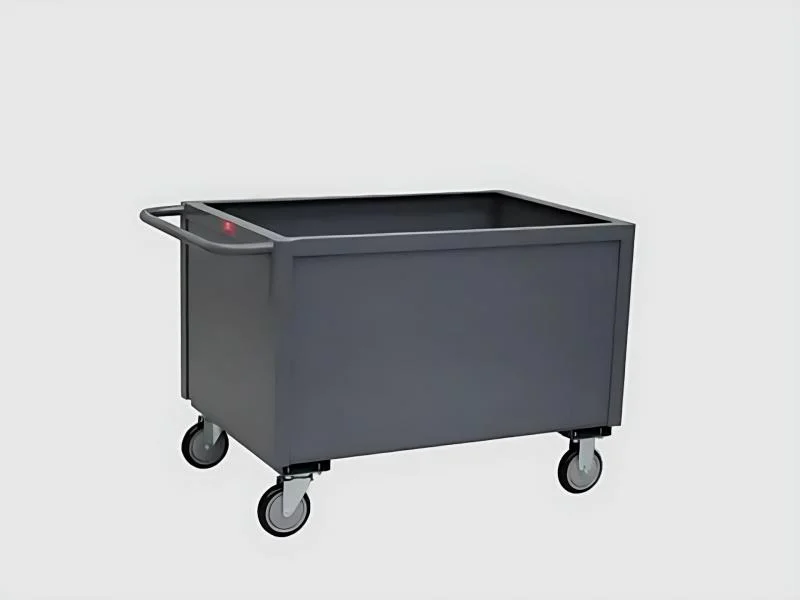
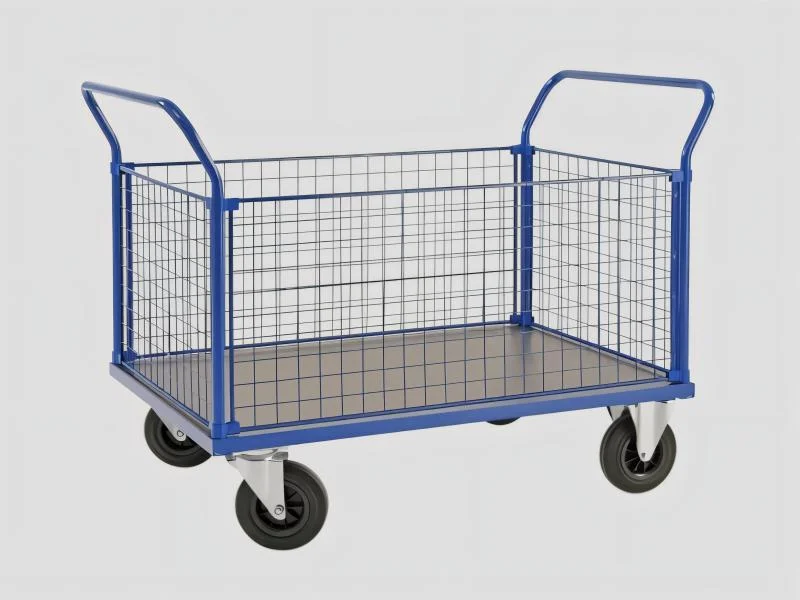
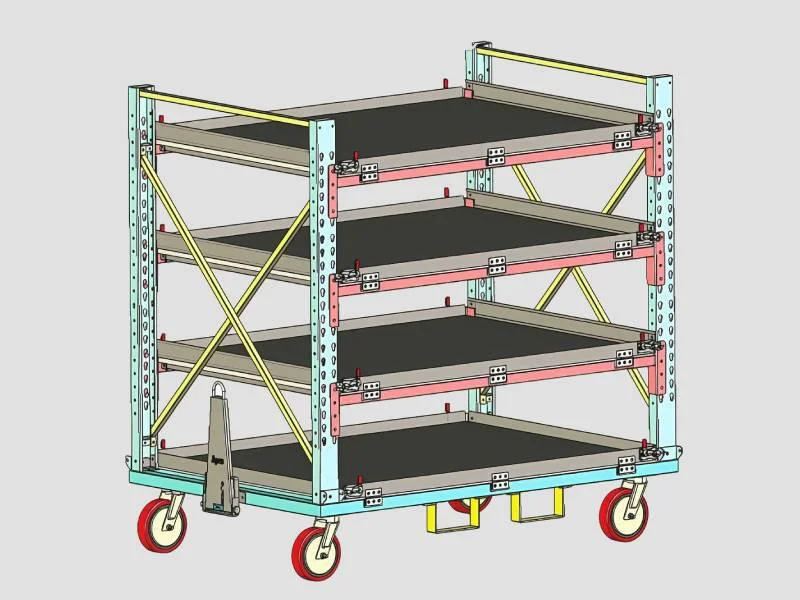
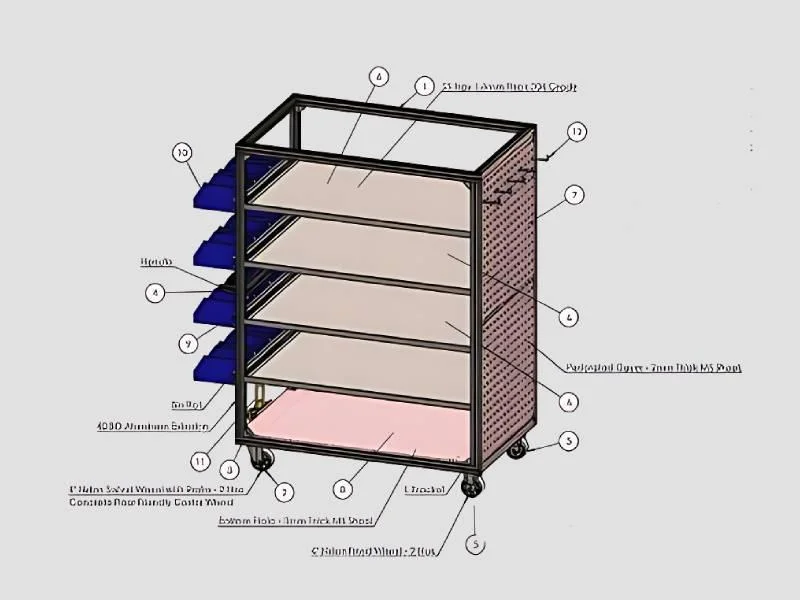
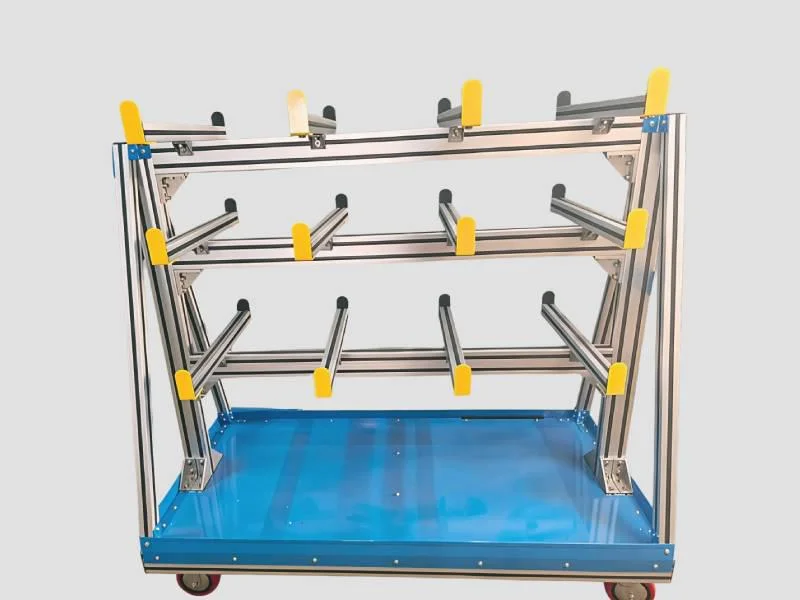
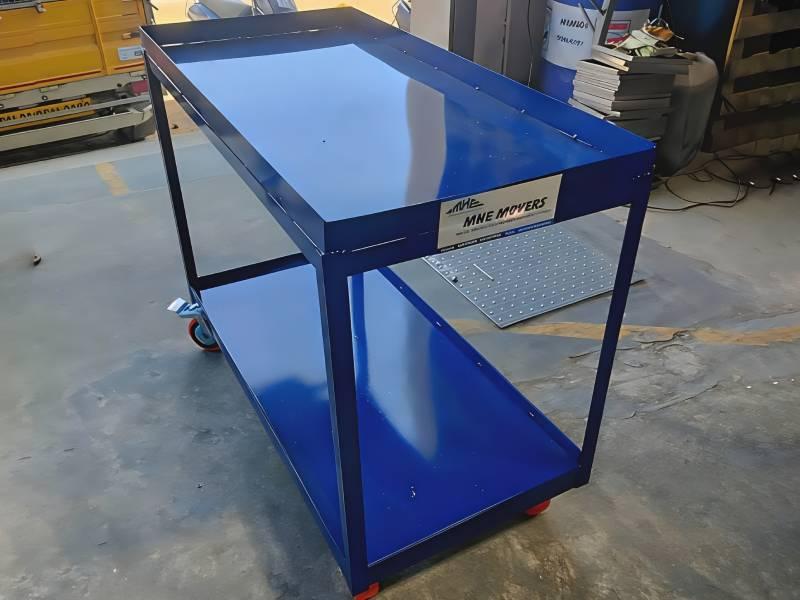
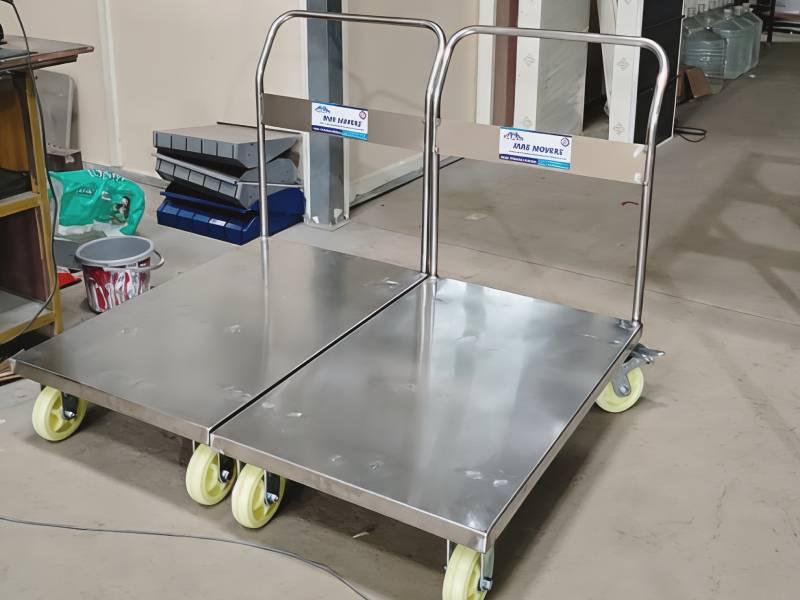
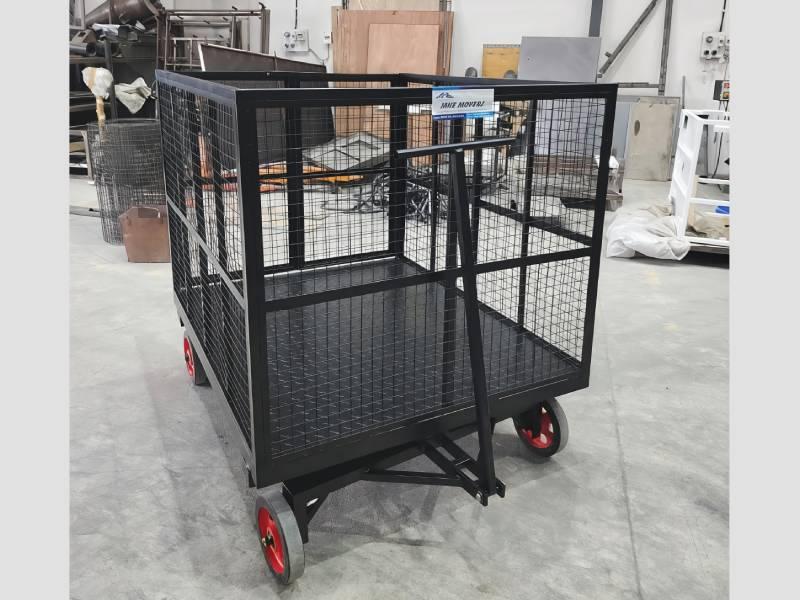
Construction trolleys are essential equipment designed to facilitate the movement of materials and tools across construction sites. These trolleys are typically equipped with wheels and a sturdy platform, allowing for easy transportation of heavy loads. They come in various designs and capacities to accommodate different types of materials, ranging from bricks and concrete to tools and equipment.
The primary uses of construction trolleys include transporting construction materials, tools, and debris, as well as providing a mobile workstation for construction personnel. They are commonly utilized in residential, commercial, and industrial construction projects. By enabling faster and more efficient movement of materials, these trolleys significantly enhance productivity on site, reducing manual labor and time delays.
In today's competitive construction market, the demand for construction trolleys is on the rise. As projects become increasingly complex and labor costs escalate, the need for effective material handling solutions has never been more crucial. Construction trolleys play a vital role in ensuring that projects are completed on time and within budget, making them a valuable investment for contractors and construction firms.
Key Features and Specifications
Construction trolleys are designed with various features that enhance their utility and performance. When choosing the right trolley, it is essential to consider the specifications that best meet your operational needs.
Key specifications include:
1. Load Capacity
- The maximum weight the trolley can safely carry.
- Typical ranges are between 100 kg to 500 kg.
2. Material
- The type of material used for the trolley's construction.
- Common materials include steel, aluminum, and plastic.
3. Wheel Type
- The design and material of the wheels used for mobility.
- Options include rubber, plastic, and pneumatic wheels.
4. Dimensions
- The overall size of the trolley, including length, width, and height.
- Standard dimensions vary based on the design, typically around 100 cm in length.
5. Handle Type
- The design and ergonomics of the handle for ease of use.
- Options include fixed, adjustable, and foldable handles.
6. Weight
- The overall weight of the trolley itself.
- Lightweight designs often weigh around 10 kg, while heavier models can exceed 30 kg.
7. Finish
- The type of coating or finish that protects the trolley from corrosion.
- Common finishes include powder coating and galvanization.
8. Safety Features
- Additional features that enhance safety during operation.
- May include brake systems or safety guards.
In summary, understanding the key features and specifications of construction trolleys is crucial for selecting the right equipment for your needs. These specifications ensure that you choose a trolley that is both practical and efficient for your specific applications.
Common Applications and Use Cases
Construction trolleys serve various industries, each with unique applications that benefit from their use.
1. Construction Industry: Construction trolleys are widely used for transporting bricks, concrete mixes, and heavy equipment across construction sites, enhancing workflow and reducing manual labor.
2. Warehousing: In warehouses, these trolleys are utilized for moving goods and supplies efficiently, streamlining inventory management and order fulfillment processes.
3. Landscaping: Landscaping professionals use construction trolleys to transport soil, plants, and tools, making it easier to manage large areas and projects.
4. Manufacturing: In manufacturing settings, construction trolleys facilitate the movement of raw materials and finished products, improving operational efficiency.
5. Event Setup: For event planning and setup, trolleys are employed to transport equipment, decorations, and supplies, ensuring timely and organized arrangements.
6. Retail: Retailers may use construction trolleys to move stock and supplies from storage areas to sales floors, optimizing restocking processes.
7. Agriculture: In agricultural settings, these trolleys assist in transporting feed, tools, and harvested crops, supporting efficient farm management.
Product Variants and Subcategories
Construction trolleys come in various configurations to meet different operational requirements. While specific subcategories may not be available, several variants can be identified based on design and use.
Heavy-Duty Construction Trolley
This variant is designed to carry larger, heavier loads, making it ideal for construction sites where robust material handling is essential. It features reinforced frames and larger wheels for improved stability and mobility over rough terrain.
Foldable Construction Trolley
This design offers the advantage of portability and storage efficiency. It can be easily collapsed when not in use, making it suitable for smaller job sites or for users who need to transport their trolley frequently.
Multi-Purpose Construction Trolley
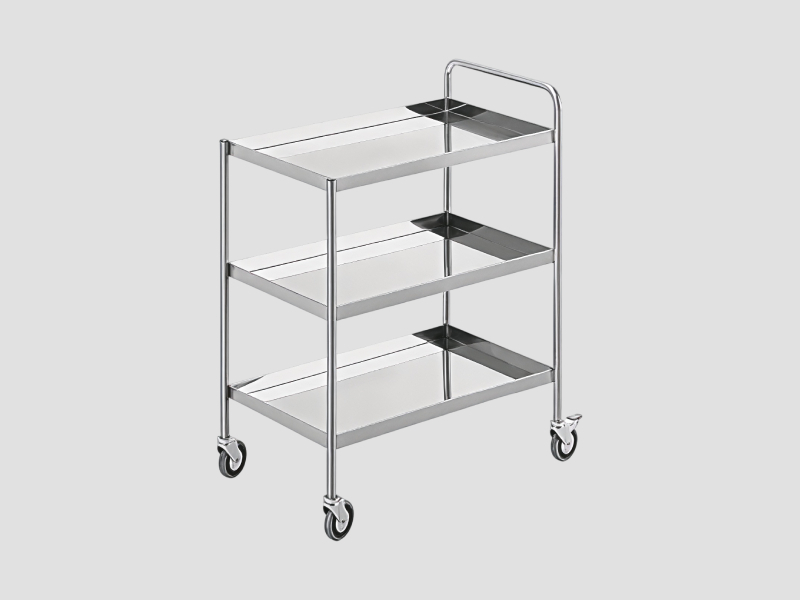
A versatile option that can be adapted for different tasks, including carrying tools, materials, and equipment. It often includes adjustable shelves or compartments to enhance functionality.
Benefits and Advantages
Investing in construction trolleys provides numerous benefits for businesses operating in the construction and related industries.
Key benefits include:
1. Improved Efficiency: Construction trolleys streamline the movement of materials, reducing the time needed for manual transportation.
2. Enhanced Safety: By minimizing manual lifting and carrying, these trolleys reduce the risk of injuries associated with heavy lifting.
3. Increased Productivity: With faster material handling, teams can focus on core construction tasks, resulting in timely project completion.
4. Cost-Effectiveness: By optimizing labor and time, construction trolleys can lead to significant cost savings on projects.
5. Versatility: The various types of trolleys available make them suitable for a wide range of applications across different industries.
6. Durability: Construction trolleys are built to withstand the rigors of job sites, ensuring long-term use and reliability.
Buying Guide for B2B Buyers
When sourcing construction trolleys, it is essential to consider several factors to ensure you select the best option for your business needs.
1. Quality Assessment: Evaluate the materials and construction of the trolley to ensure it can withstand the demands of your specific applications. Look for trolleys with robust frames and high load capacities.
2. Supplier Verification: It is crucial to vet suppliers thoroughly. Check their reputation, customer reviews, and past project experiences to ensure reliability.
3. Pricing and MOQ: Consider your budget and the minimum order quantities (MOQ) offered by suppliers. Balancing cost with quality is essential for making an informed purchase.
4. Delivery and Lead Times: Inquire about delivery schedules and lead times to ensure that the trolleys can be provided when needed for your projects.
5. Compliance Requirements: Verify that the trolleys meet any relevant industry standards or regulations. This may include safety certifications or environmental compliance.
Compliance and Certifications
Construction trolleys must adhere to various quality standards and certifications to ensure safety and reliability. ISO 9001 is a widely recognized standard that focuses on quality management systems, ensuring that products meet consistent quality requirements.
In addition, CE certification indicates that the product meets European health, safety, and environmental protection standards. This certification is crucial for companies looking to operate in European markets.
Safety and testing requirements are also critical. Trolleys should undergo rigorous testing to ensure they can handle specified loads without failure. Regional compliance considerations may vary, so it is essential for buyers to understand local regulations that govern the use and safety of construction equipment.
Why Source Construction Trolleys from Pepagora?
Pepagora offers a reliable platform for sourcing construction trolleys, providing several key advantages to B2B buyers.
Verified Supplier Network: Pepagora connects buyers with a network of verified suppliers, ensuring that you can trust the quality and reliability of the products offered. Supplier vetting helps mitigate risks associated with sourcing.
Streamlined RFQ Process: The request for quotation (RFQ) system simplifies the procurement process. Buyers can easily request quotes from multiple suppliers, allowing for better pricing and comparison.
Trade Assurance and Support: Pepagora provides buyer protection through trade assurance programs, ensuring that your transactions are secure and that you receive the products as promised.
Regional Coverage: With a strong presence in India, the GCC, and Southeast Asia, Pepagora offers extensive geographic coverage, making it easier for businesses to find suitable suppliers in their region.
By choosing Pepagora as your sourcing partner, you can enhance your procurement process and ensure that you have access to high-quality construction trolleys tailored to your needs.

 IN
IN