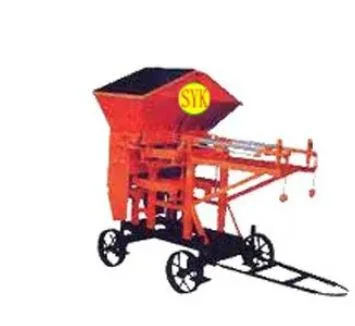
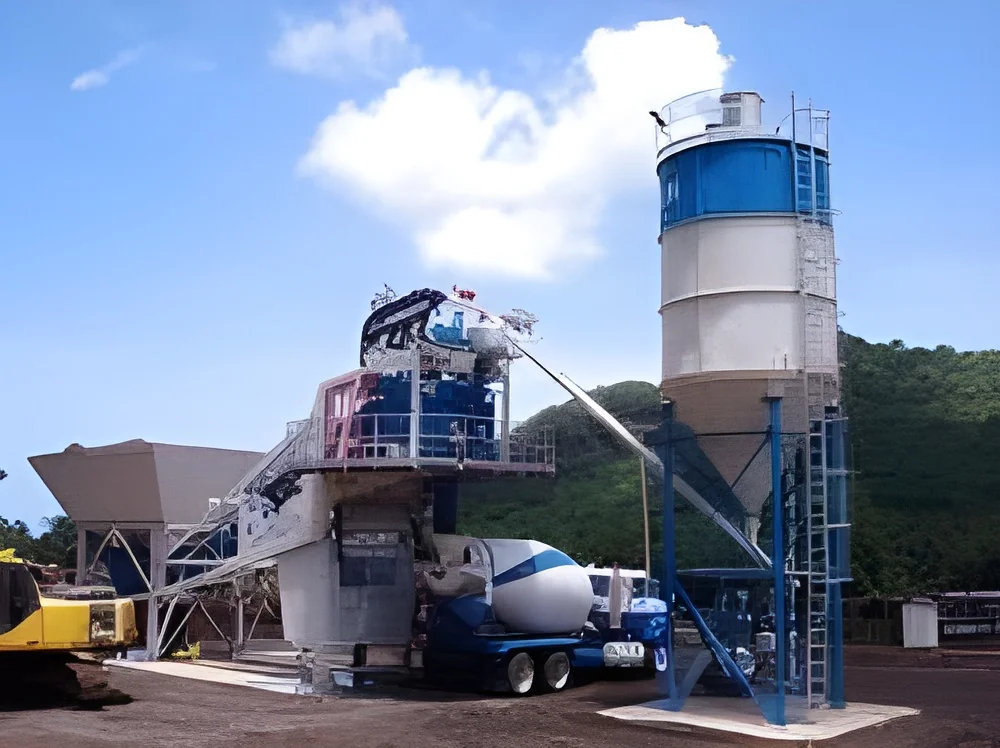
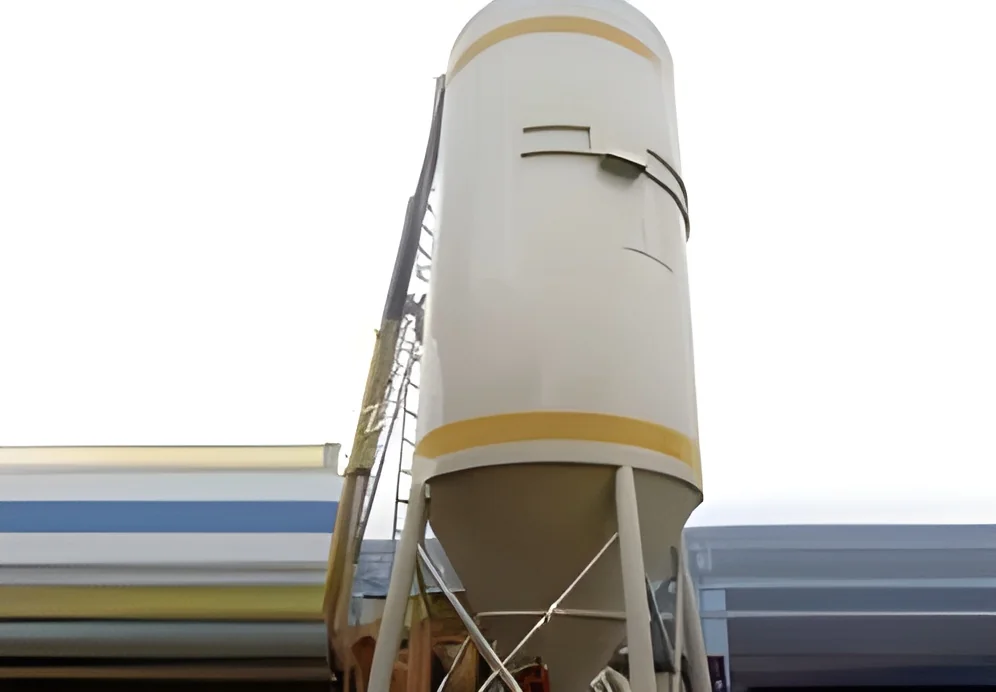
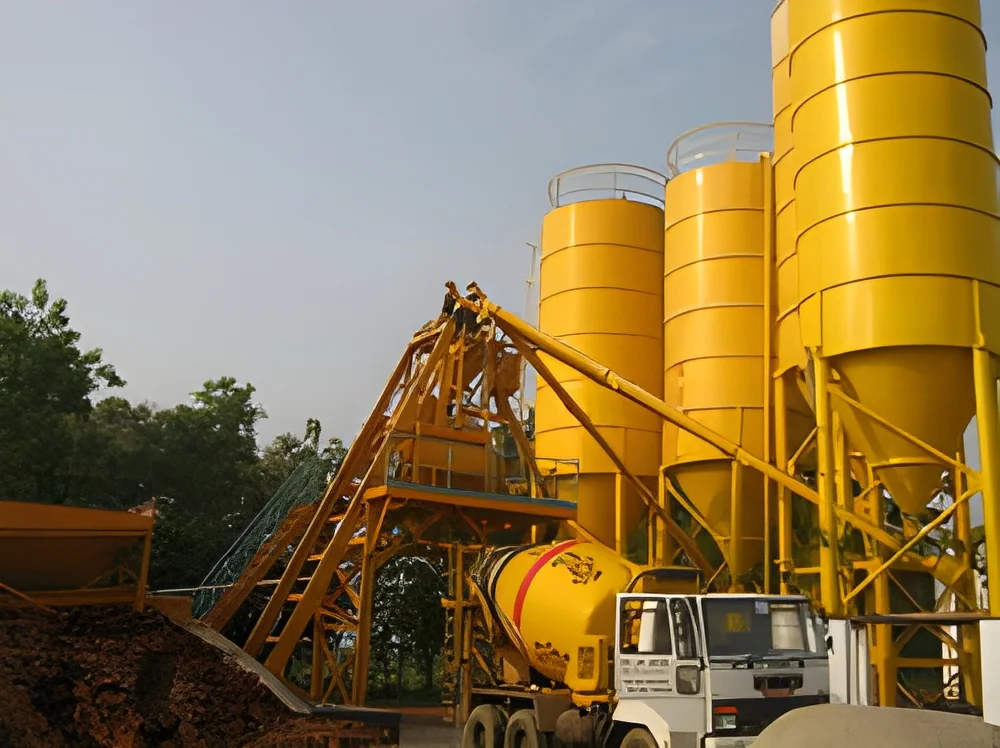
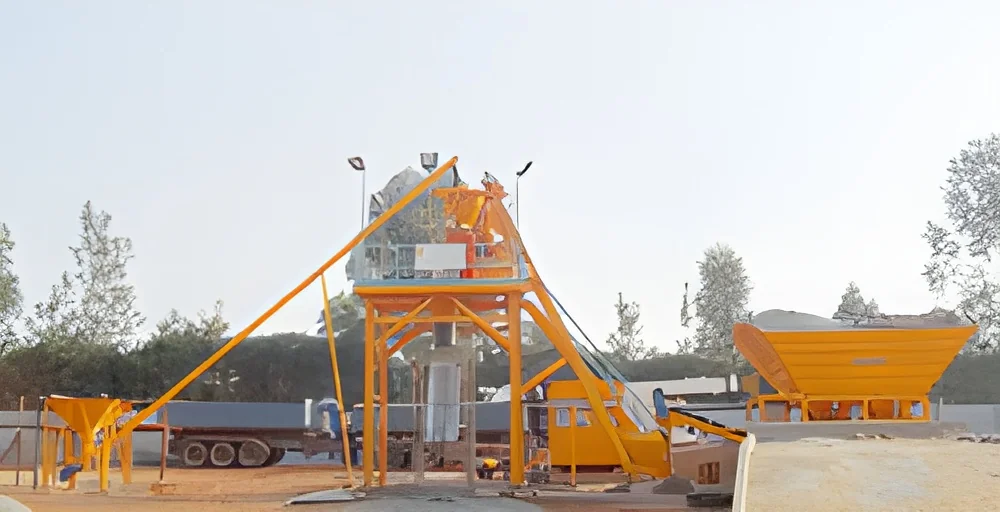
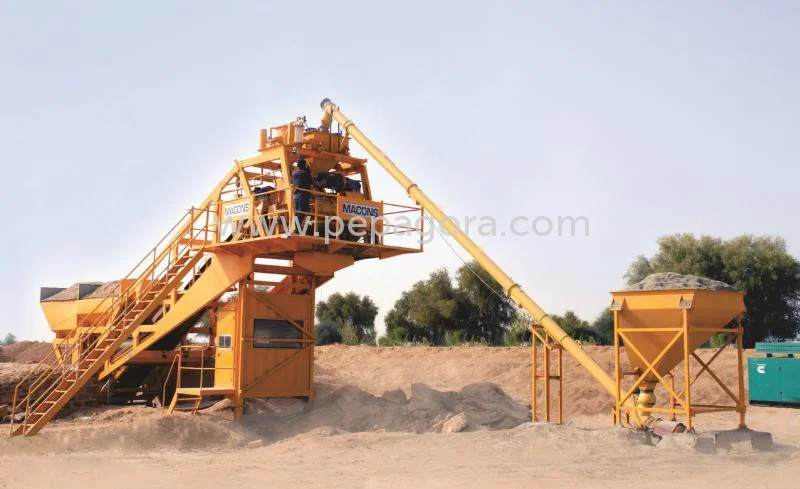
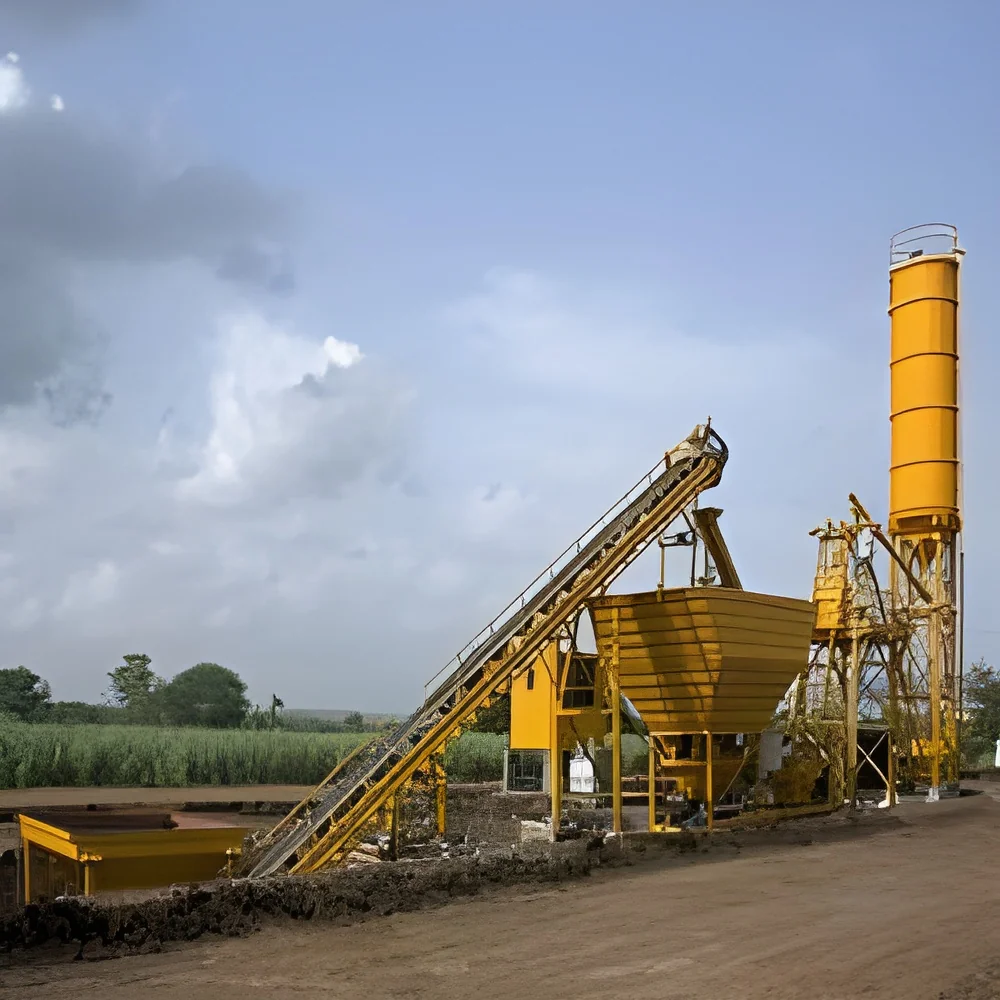
What are Concrete Batching Plants?
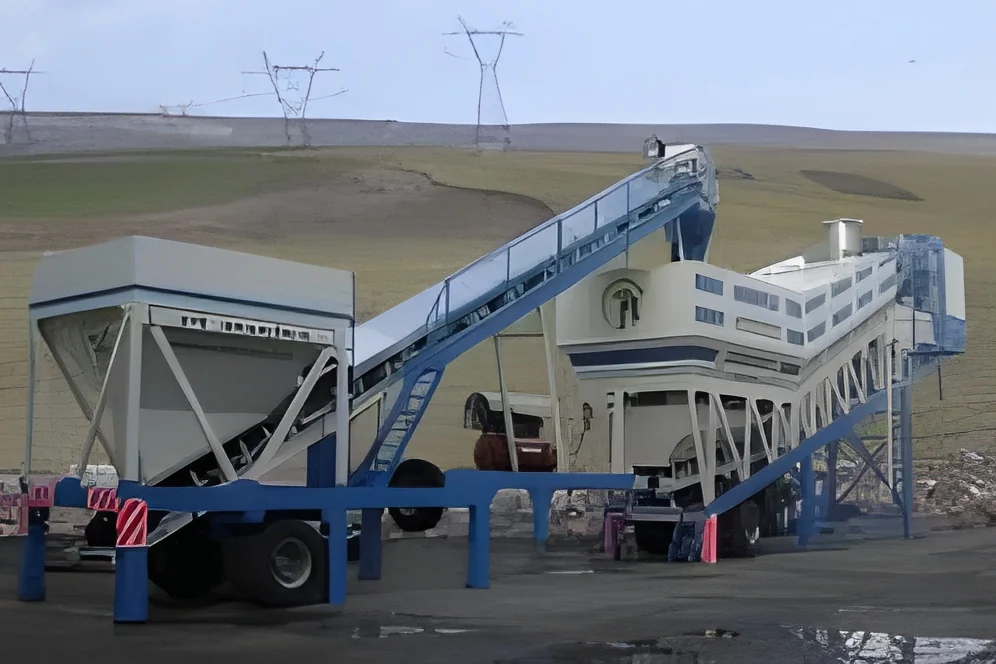
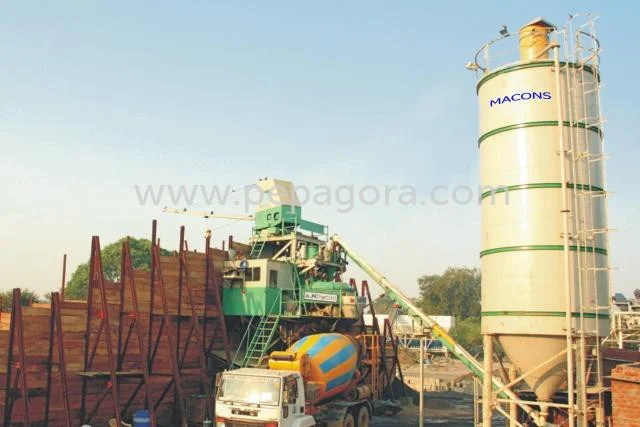
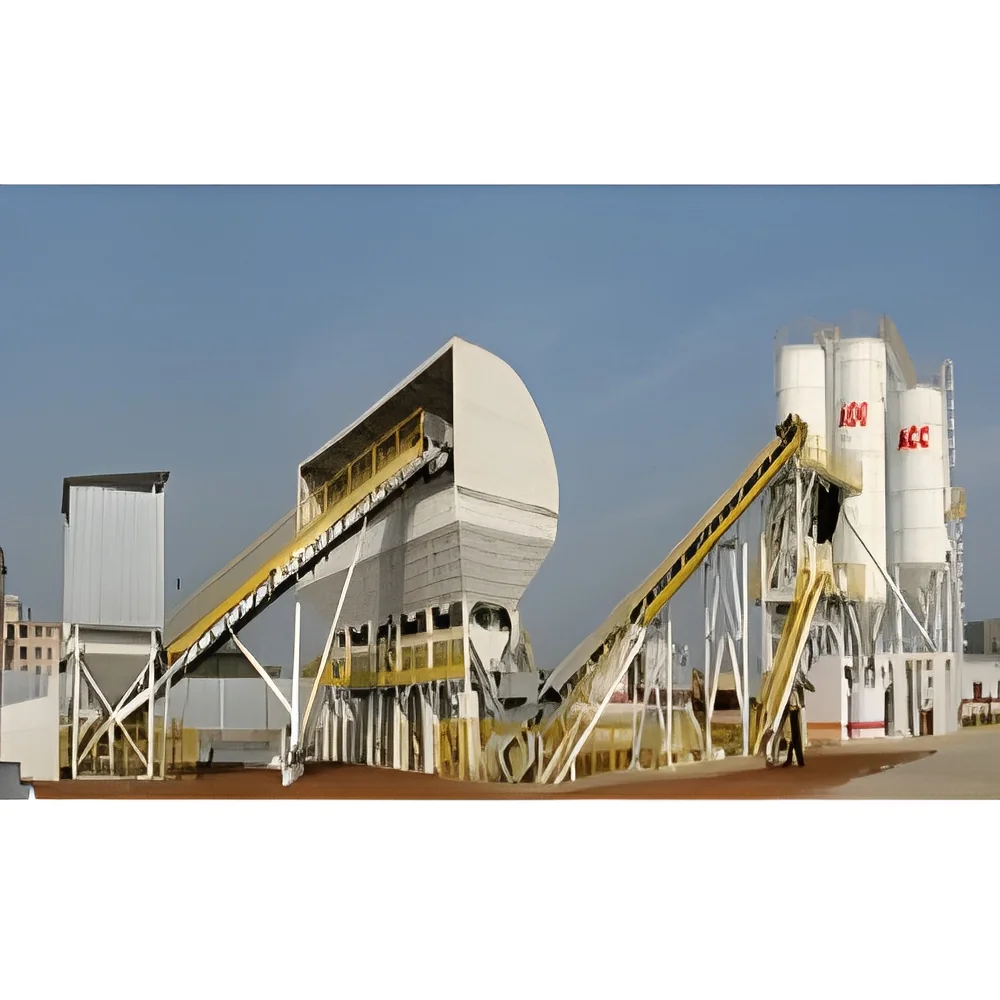
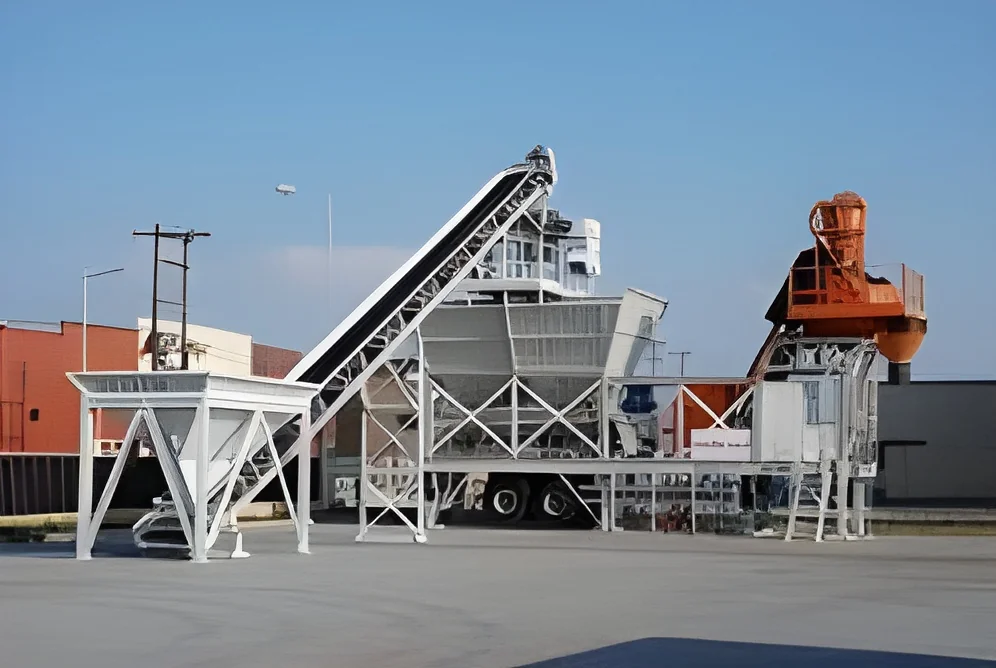
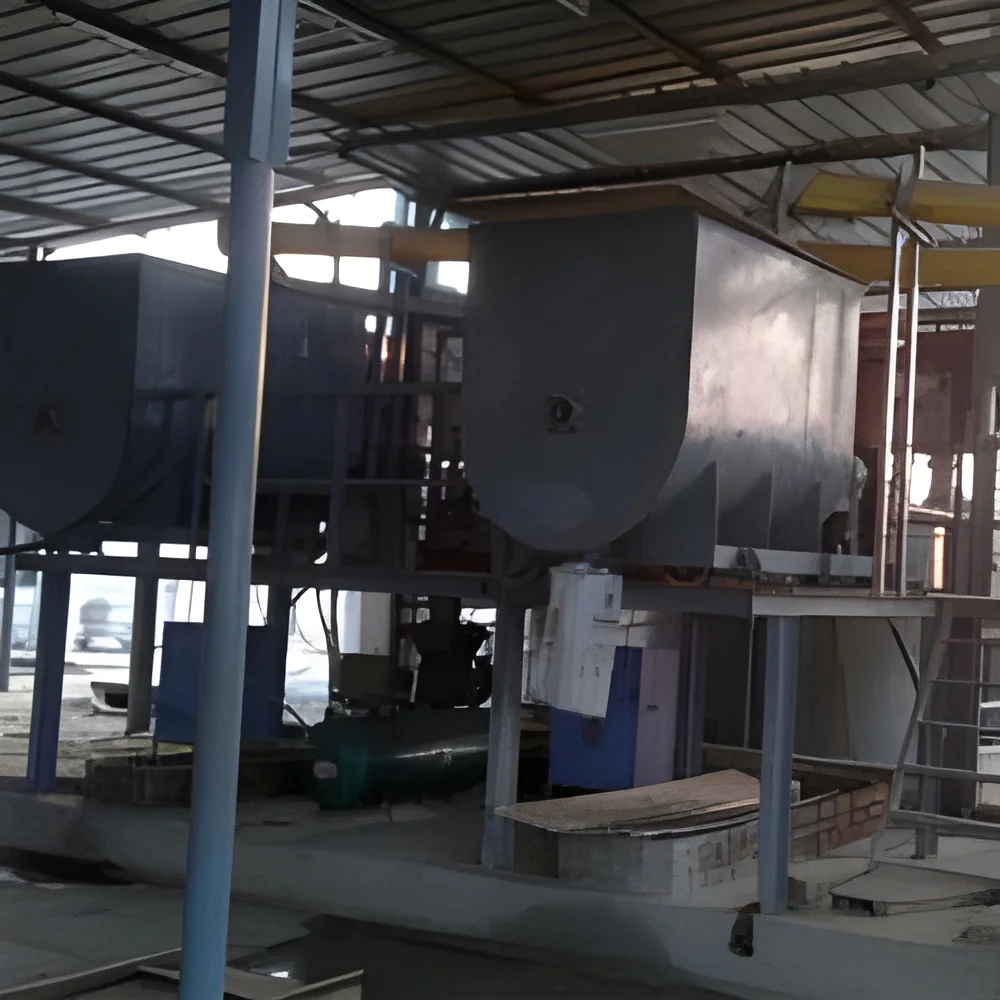
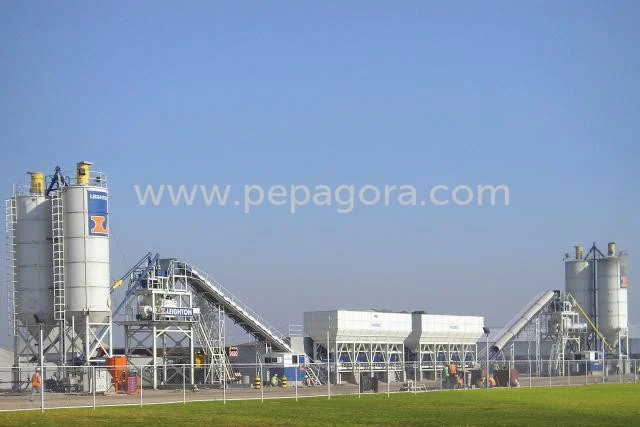
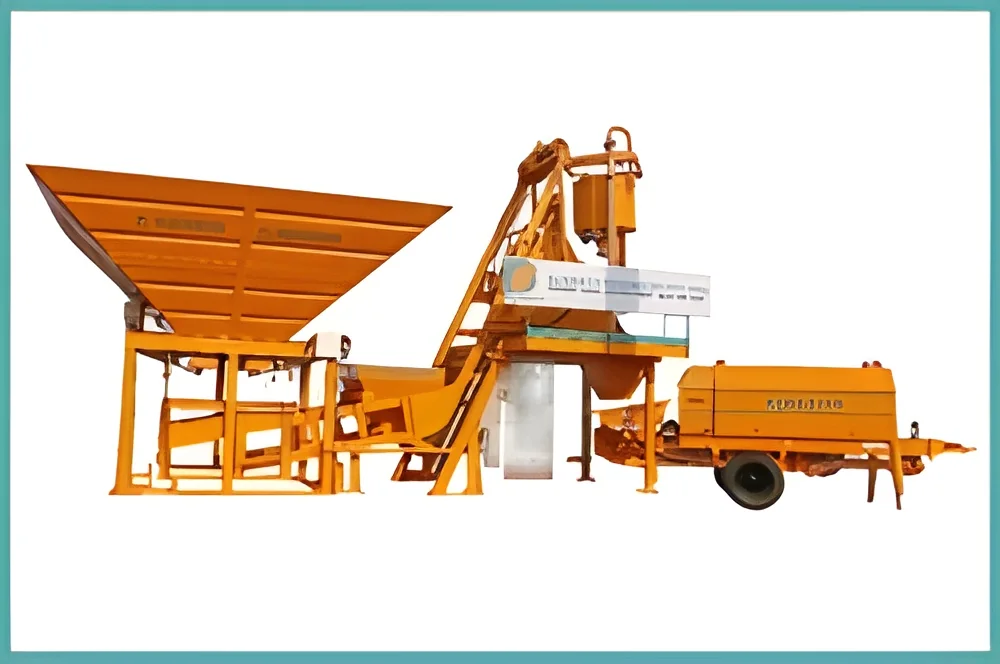
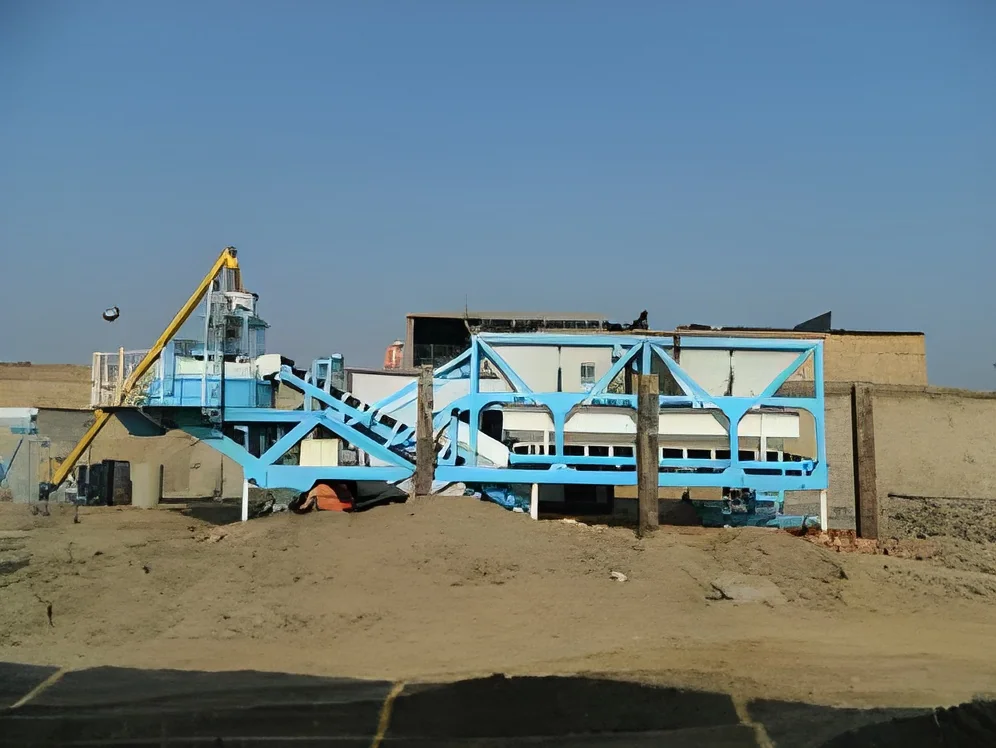
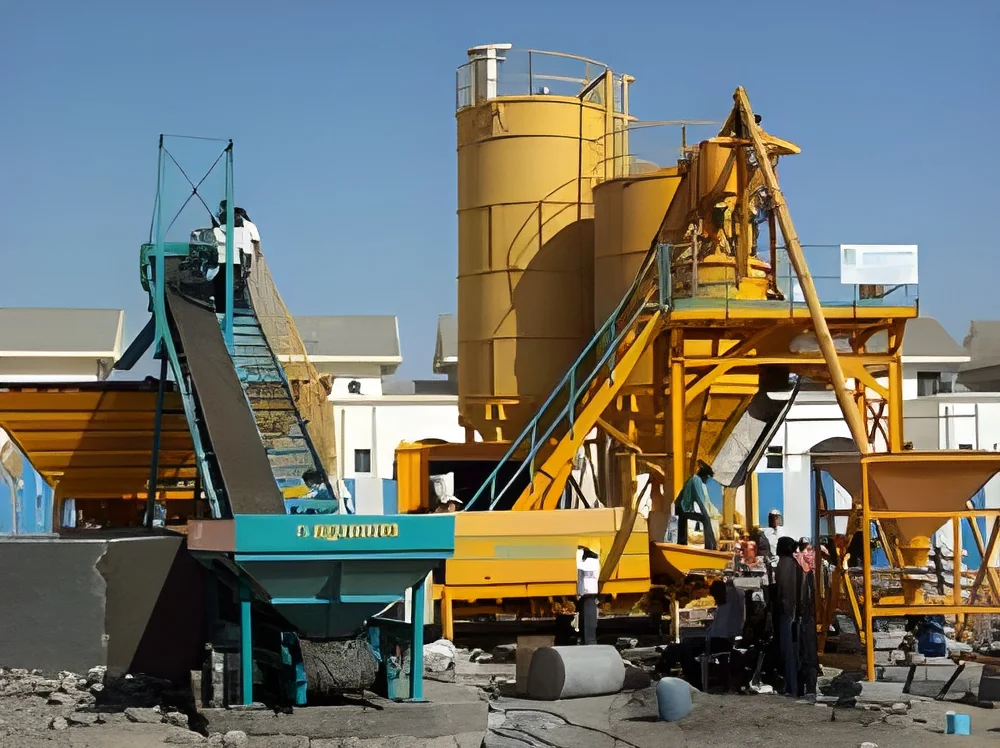
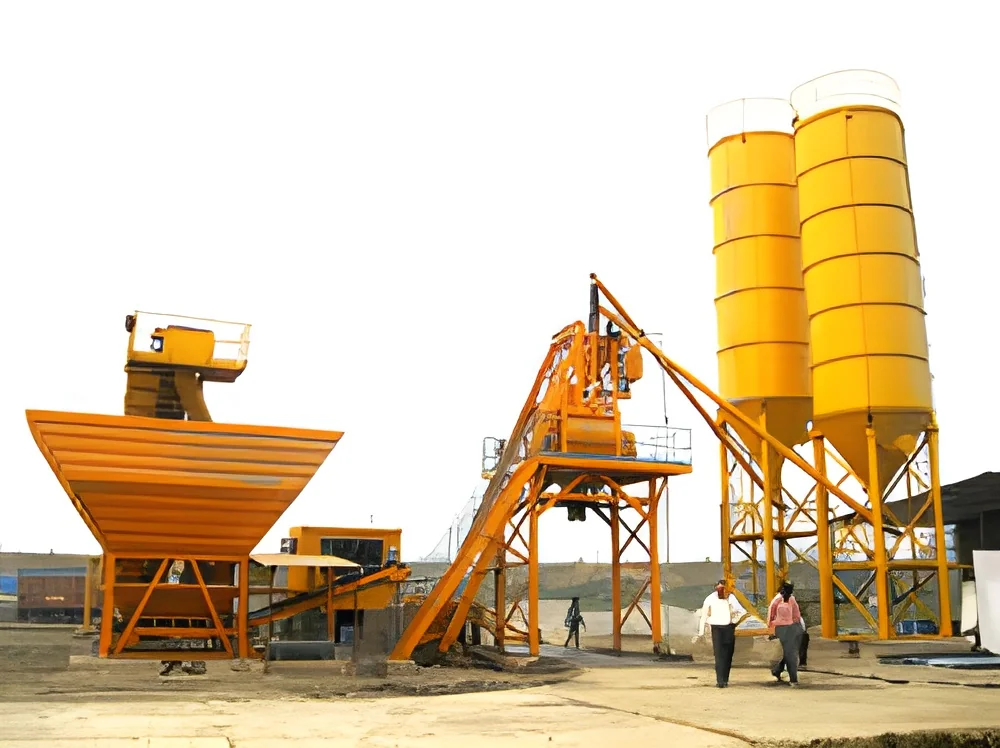
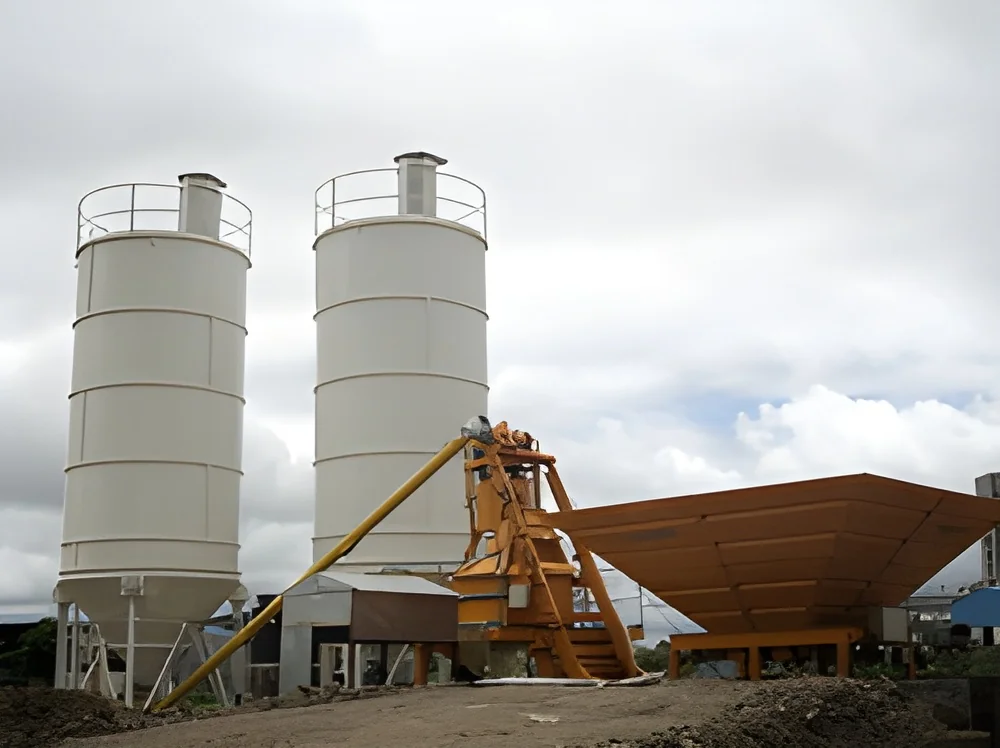
Concrete batching plants are industrial facilities designed for the production of concrete. They combine various ingredients including cement, water, aggregates, and sometimes additives to create concrete for construction projects. These plants can be stationary or mobile, allowing for flexibility in production locations. The mixing process can be performed in different ways, depending on the specific requirements of the project.
The primary uses of concrete batching plants include supplying ready-mix concrete for large construction projects, such as highways, bridges, and buildings. They are essential in construction, providing a consistent and reliable supply of concrete that meets specific engineering standards. In the current market, the demand for concrete batching plants is driven by the growing construction industry and infrastructure development across various regions.
The relevance of concrete batching plants in the industry cannot be overstated. They play a crucial role in ensuring efficient and precise concrete production, thereby impacting the overall quality and durability of construction projects. As urbanization continues to rise globally, the market for concrete batching plants is expected to grow, with increasing investments in infrastructure and housing.
Key Features and Specifications
Concrete batching plants are equipped with several key features that enhance their performance and reliability. These specifications cater to diverse operational needs, ensuring that the production of concrete is consistent and efficient.
Key specifications include:
1. Production Capacity
- Varies based on plant size and configuration
- Can range from 30 to 300 cubic meters per hour
2. Mixer Type
- Includes twin-shaft and planetary mixers
- Designed for thorough mixing and high-quality output
3. Control System
- Automated and manual options available
- Allows for precise monitoring and adjustments during production
4. Aggregate Storage
- Multiple bins for different types of aggregates
- Capacity can vary, typically ranging from 20 to 100 tons
5. Water Supply System
- Includes batching and dosing equipment
- Ensures accurate water measurement for concrete consistency
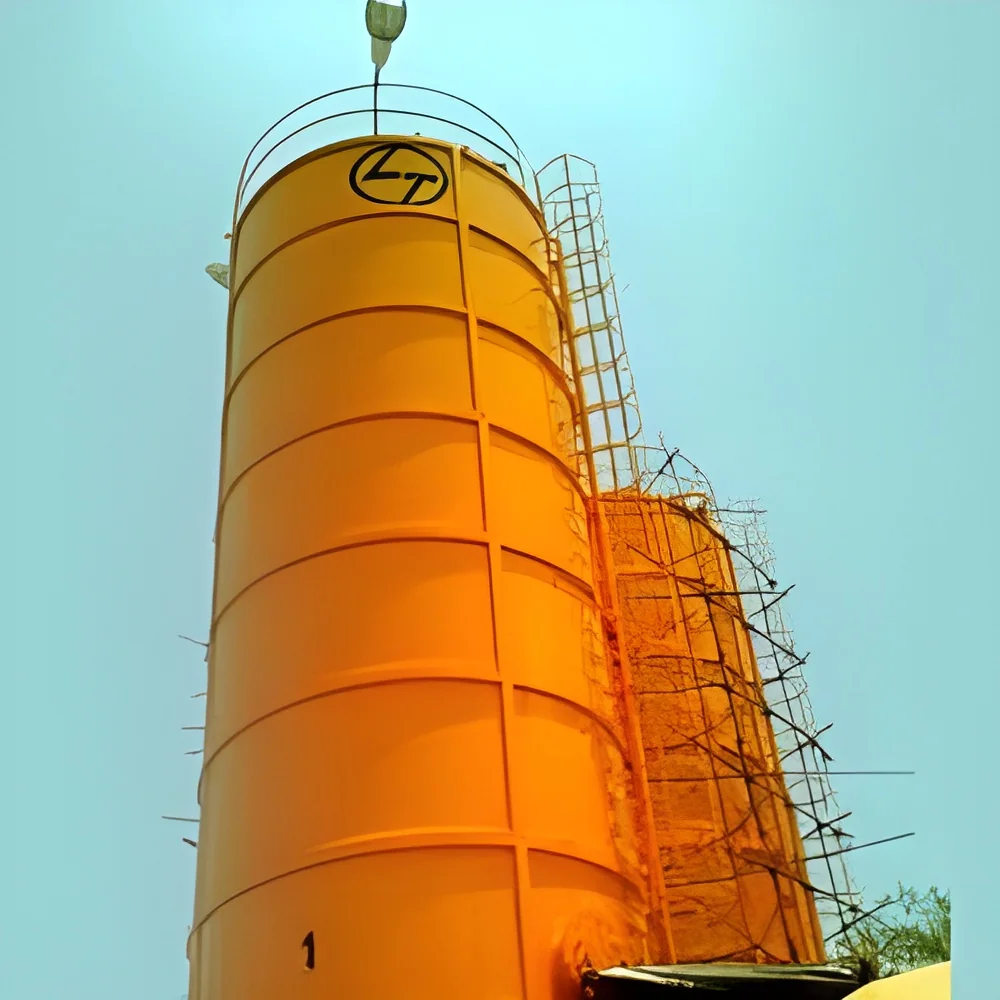
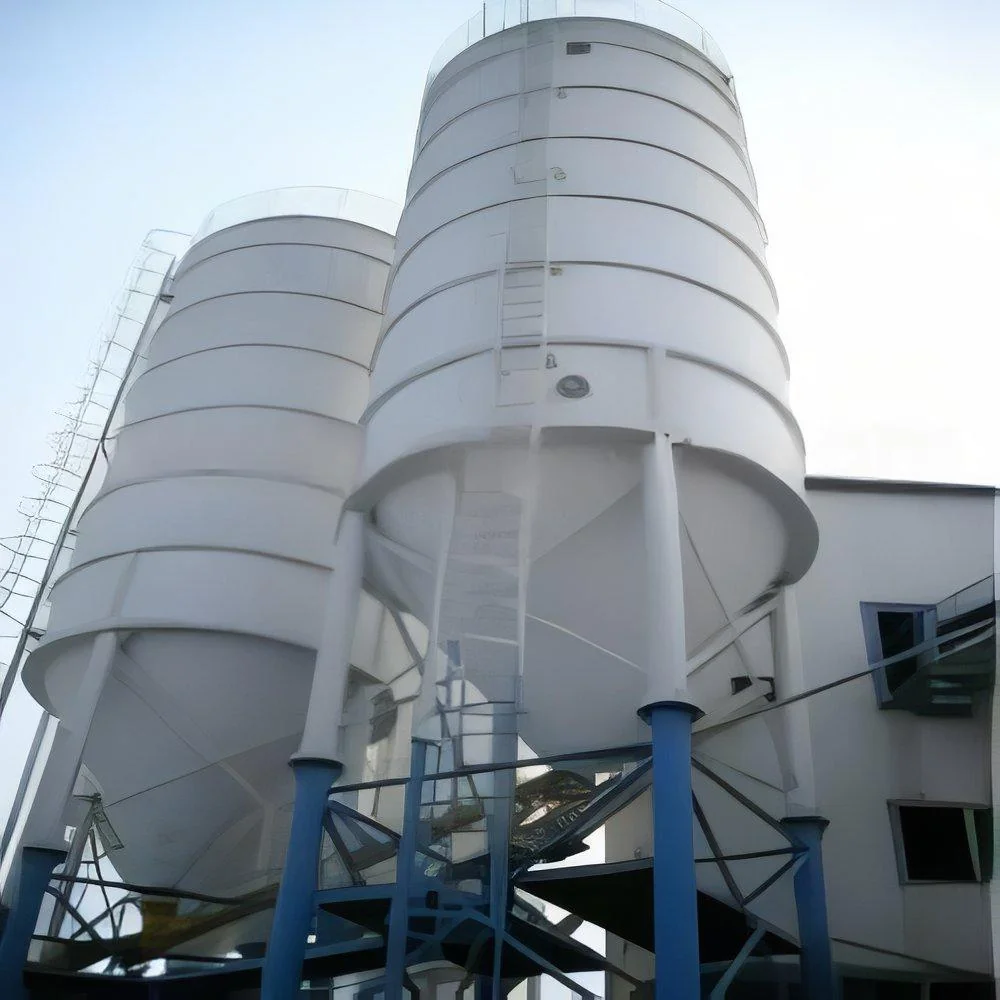
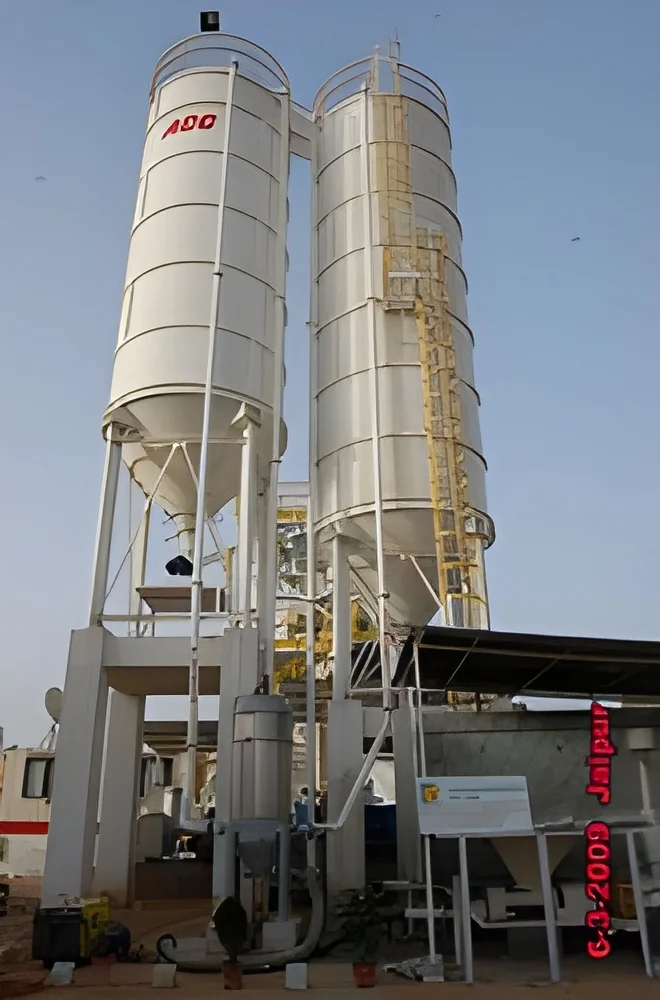
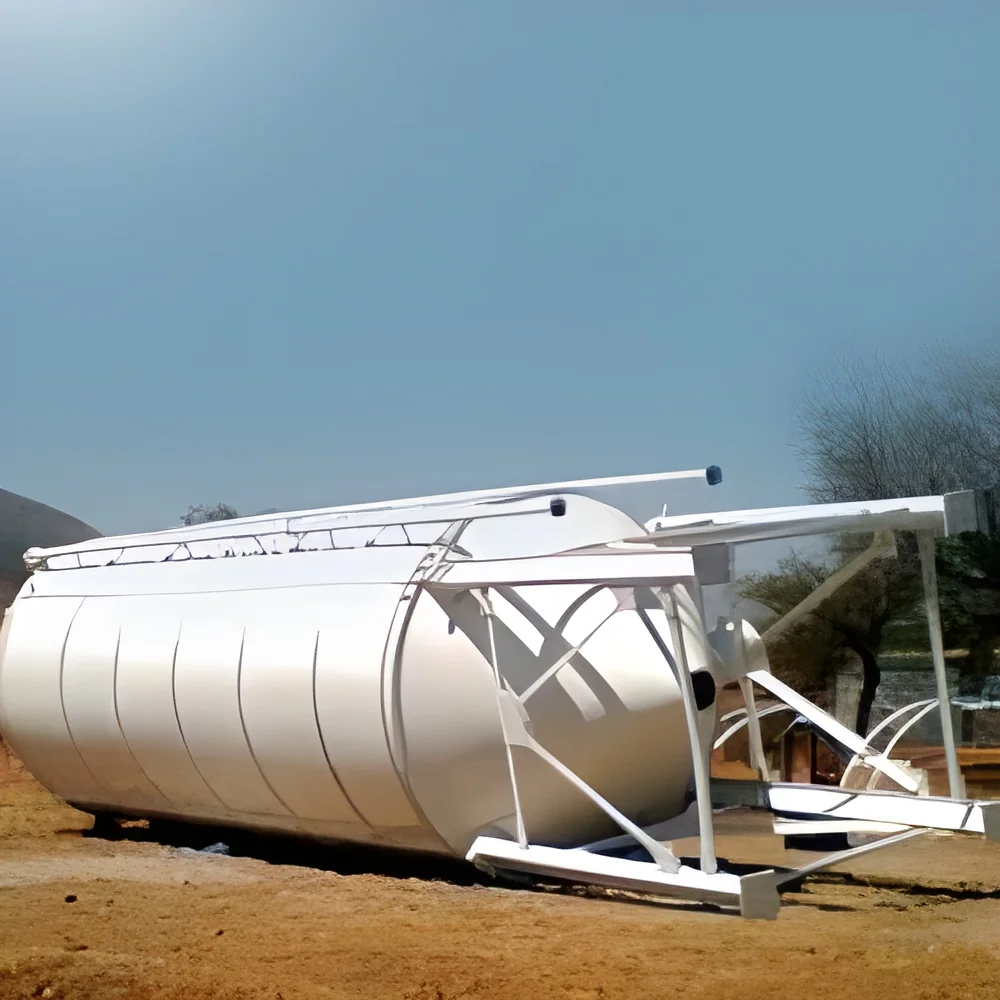
6. Cement Silo
- Capacity typically ranges from 50 to 150 tons
- Essential for storing bulk cement safely
7. Dust Collection System
- Reduces environmental impact
- Ensures compliance with air quality regulations
8. Mobility Options
- Stationary and mobile configurations available
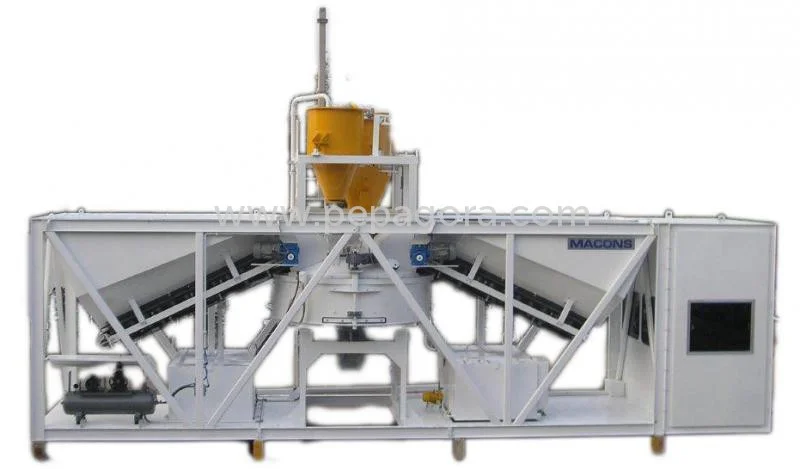
- Mobile plants offer flexibility for site-to-site transport
In summary, these specifications contribute to the overall performance and efficiency of concrete batching plants, making them suitable for a wide range of construction applications.
Common Applications and Use Cases
Concrete batching plants serve a variety of industries that require concrete for their operations.
1. Construction: These plants are widely used to provide ready-mix concrete for residential, commercial, and civil engineering projects, ensuring high-quality material on site.
2. Infrastructure Development: They play a critical role in supplying concrete for large infrastructure projects such as bridges, roads, and tunnels, where reliability and consistency are paramount.
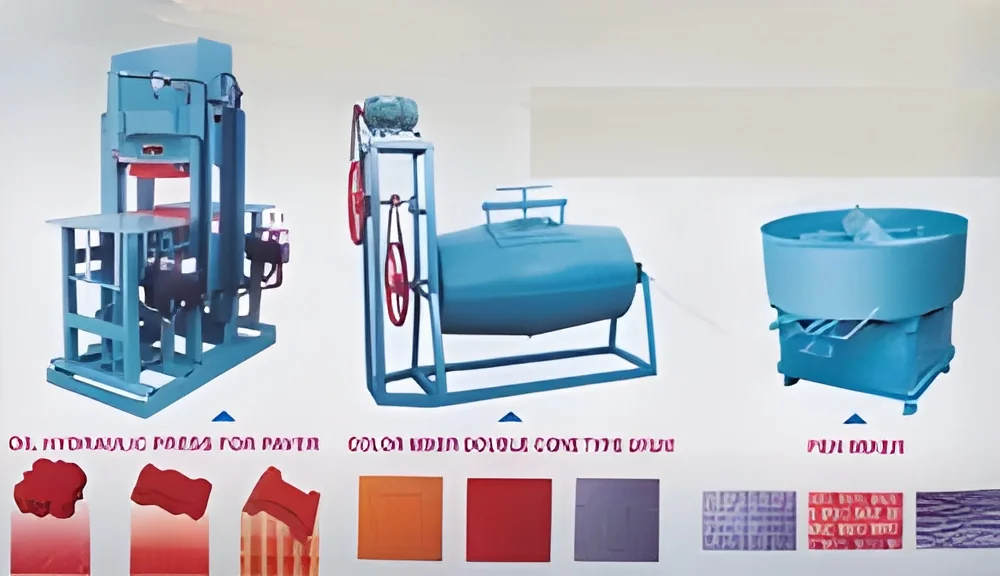
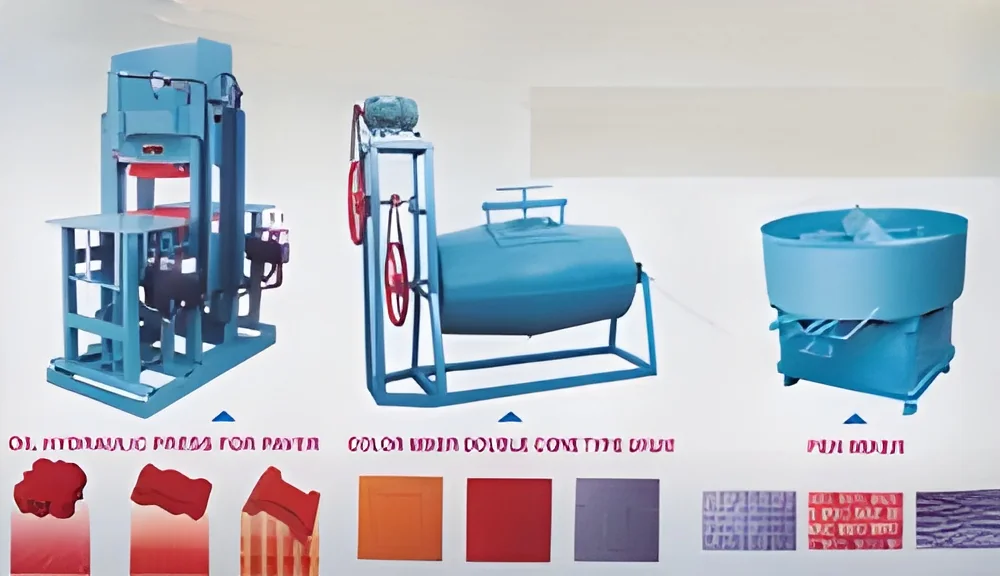
3. Precast Concrete Production: Batching plants supply concrete for precast operations, enabling the manufacturing of concrete products like blocks, slabs, and beams in a controlled environment.
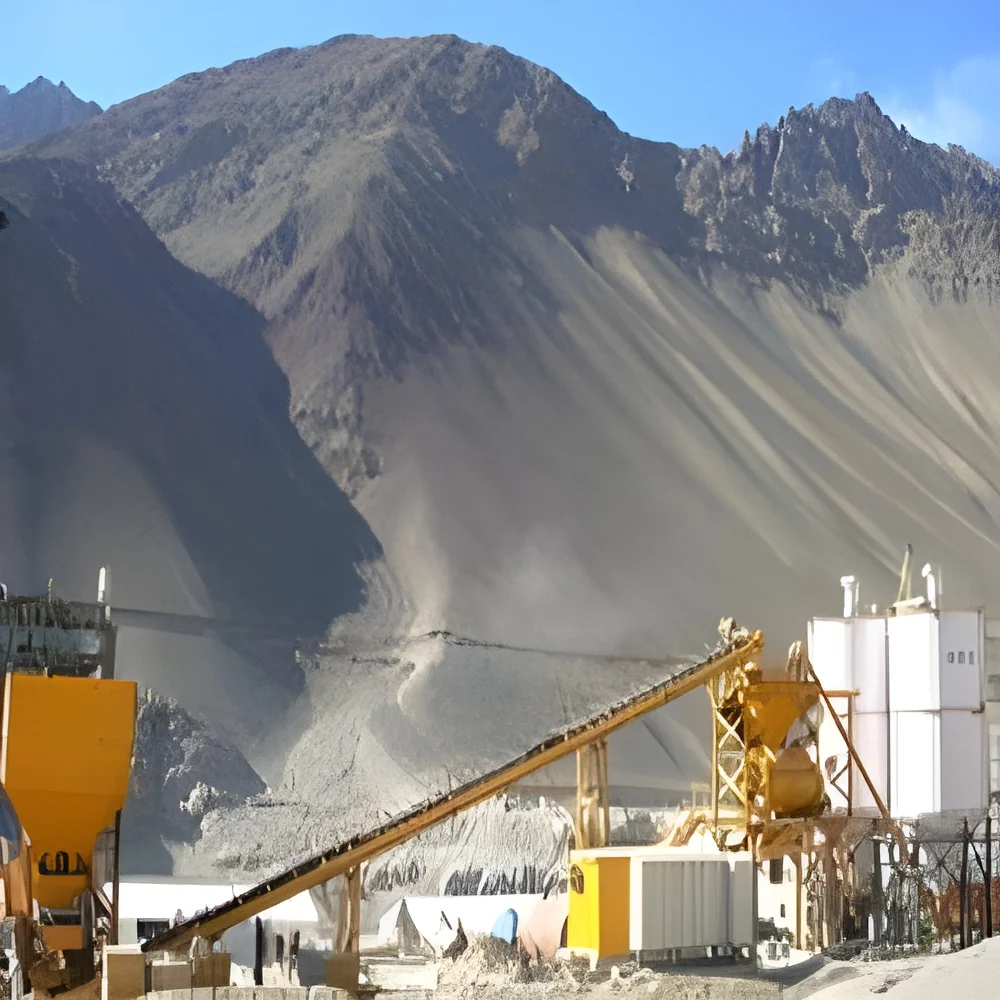
4. Mining: In some cases, concrete is used in mining operations for underground support and infrastructure, making batching plants essential for timely concrete supply.
5. Landscaping: Batching plants can provide specialized concrete mixtures for decorative elements in landscaping projects, enhancing aesthetic appeal.
6. Industrial Applications: Concrete is also employed in various industrial applications, such as foundations for machinery and equipment, requiring tailored production from batching facilities.
7. Agricultural Uses: Some concrete batching plants cater to agricultural needs, providing materials for silos, barns, and other structures.
Product Variants and Subcategories
Concrete batching plants come in diverse configurations to meet specific operational needs.
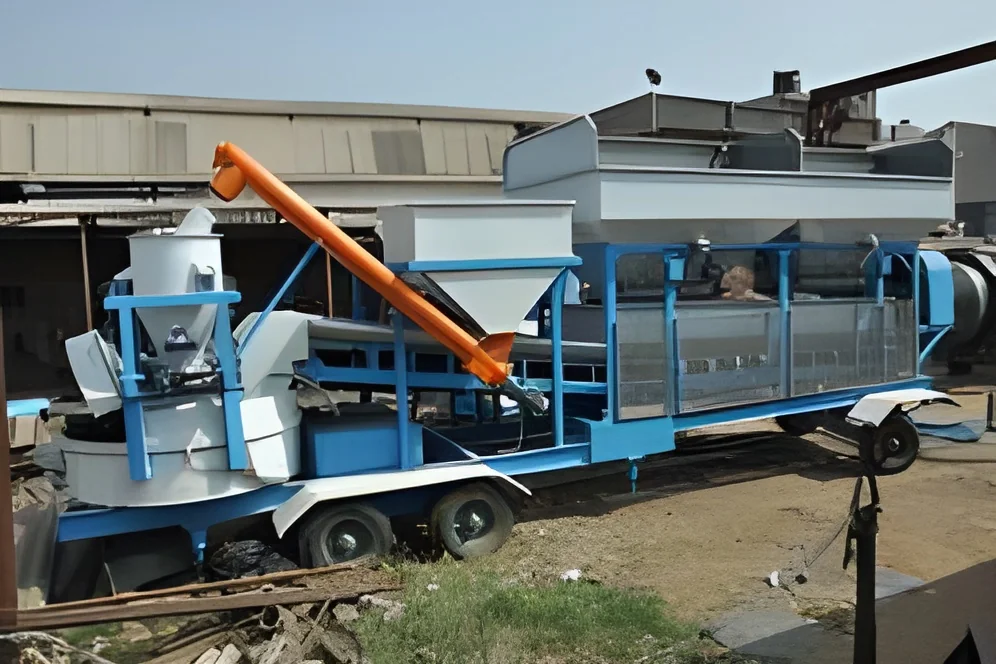
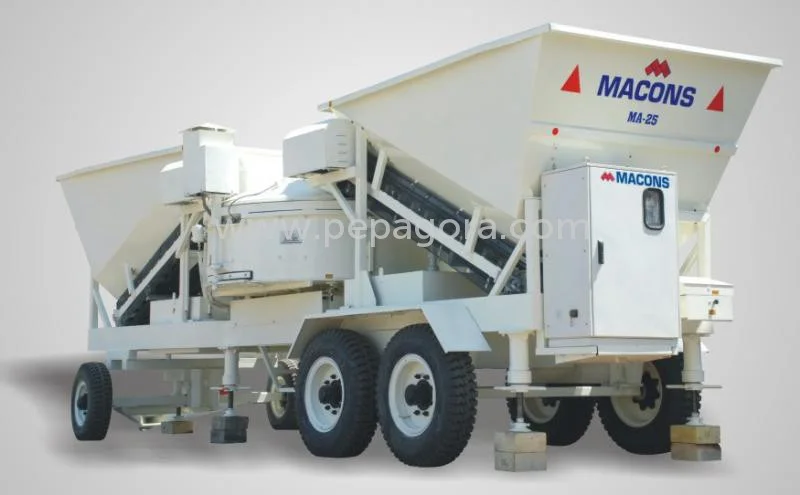
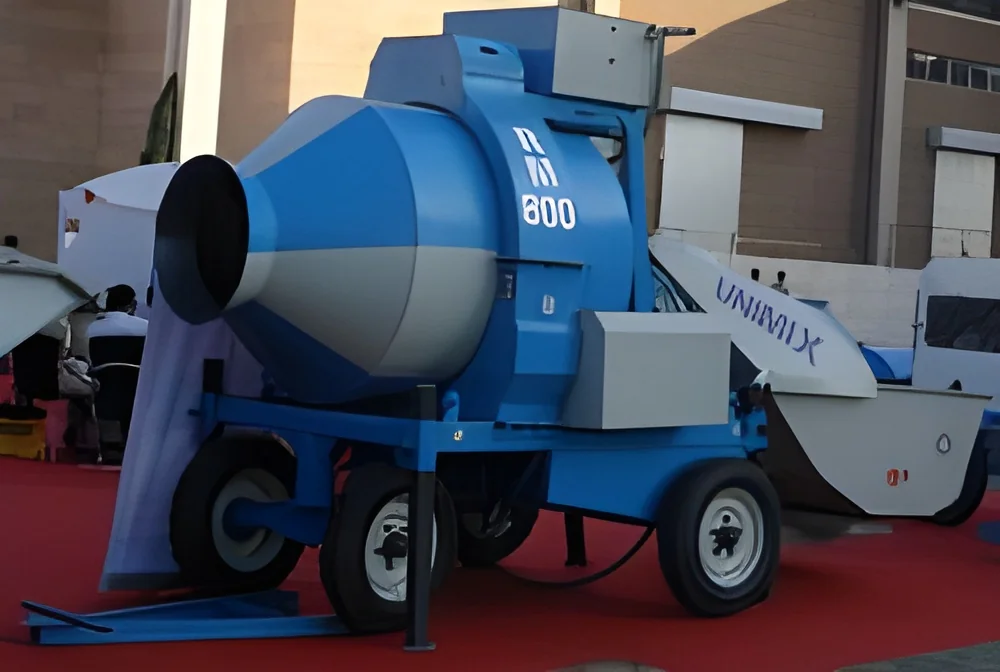
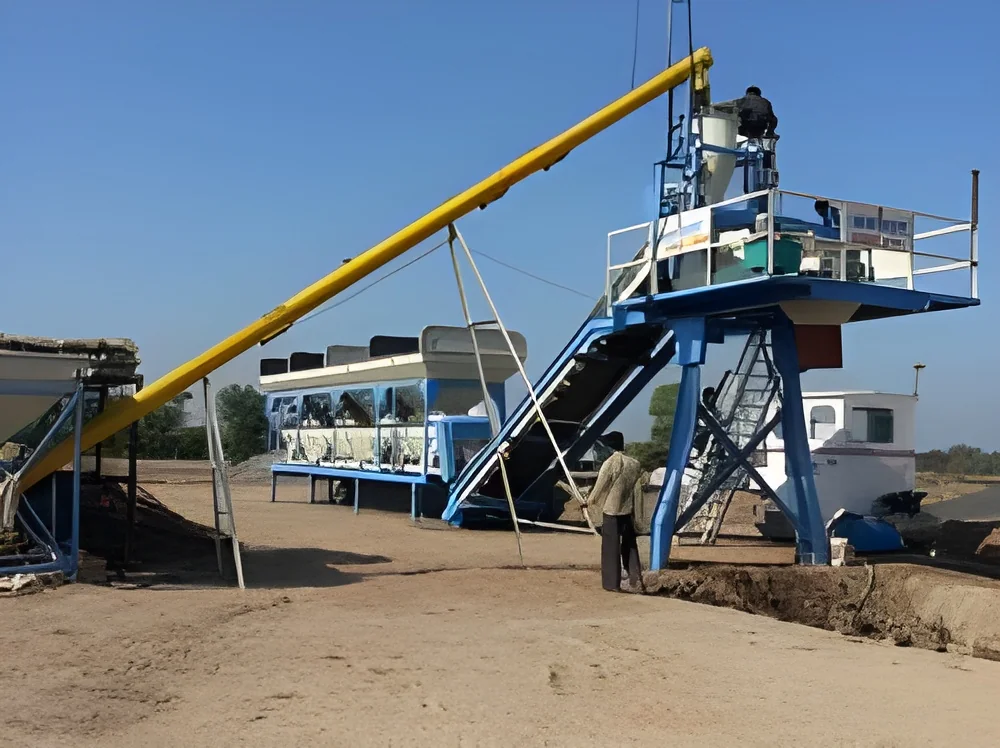
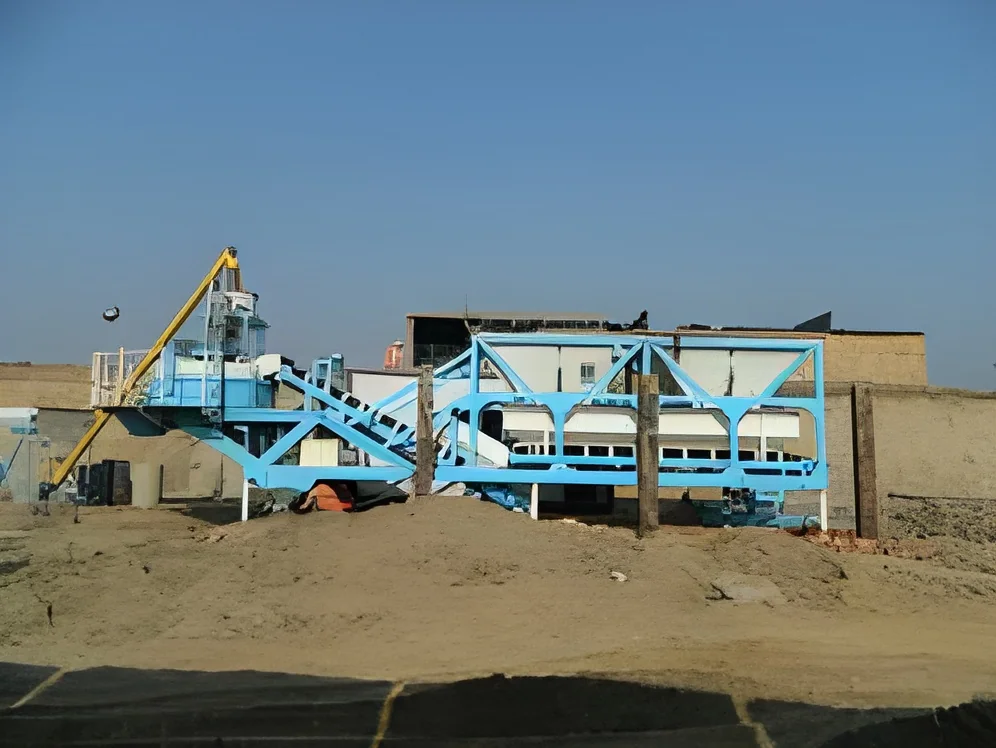
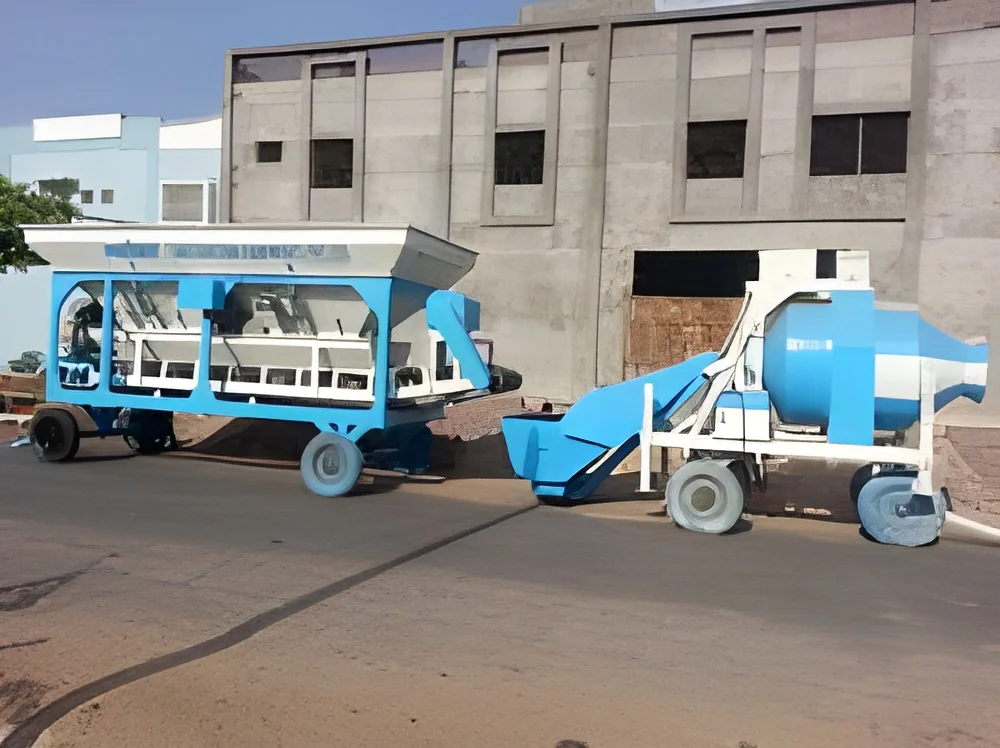
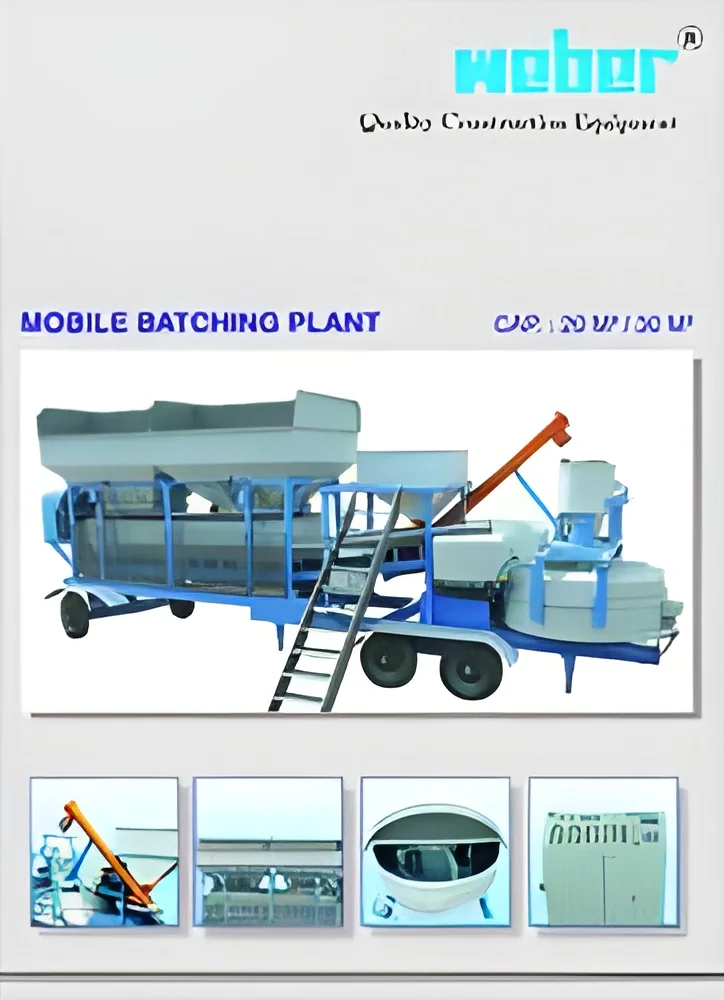
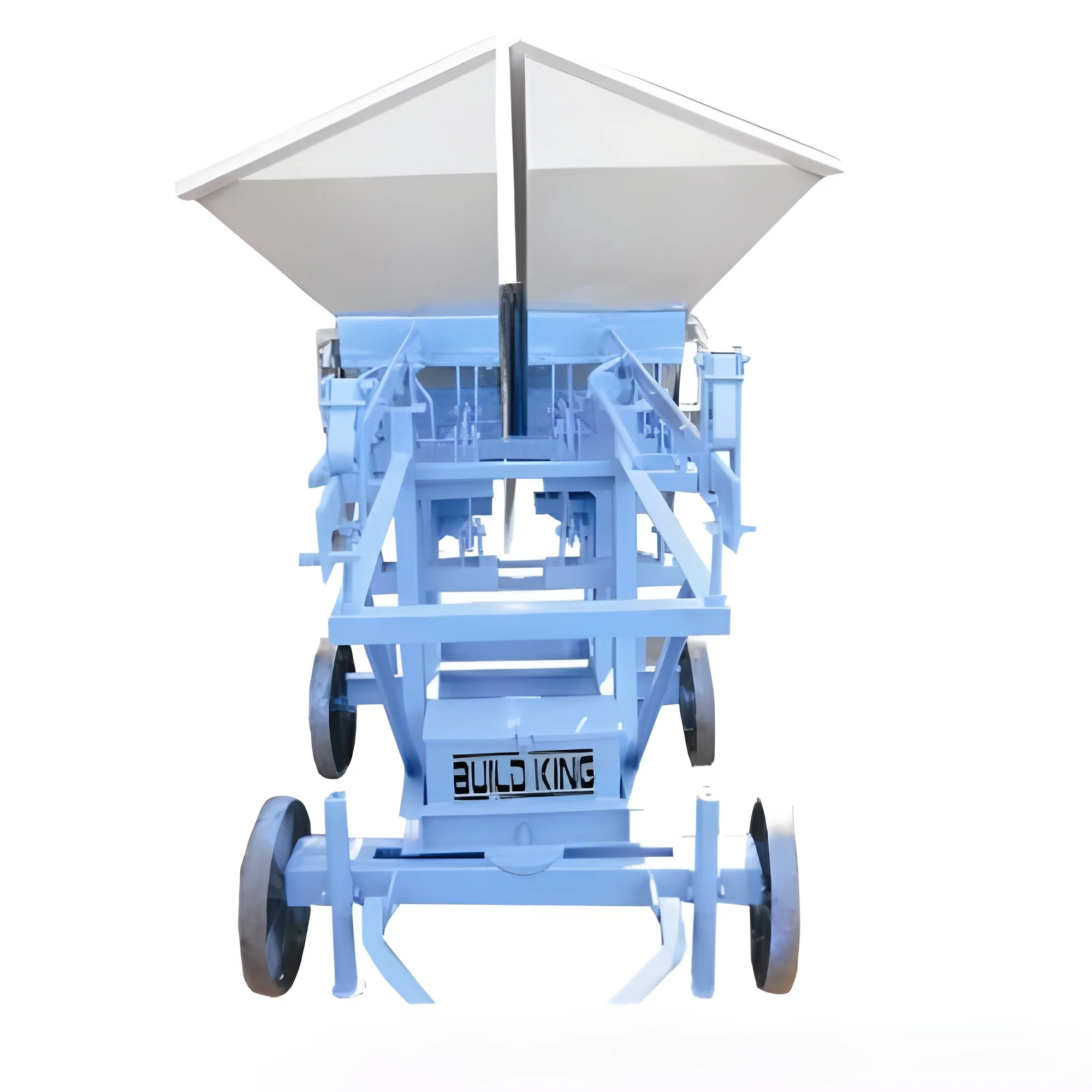
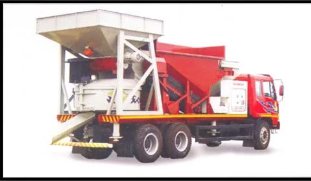
Mobile Concrete Batching Plants: These plants are designed for flexibility, allowing for quick setup and relocation between job sites. Ideal for projects with varying locations, they ensure efficient concrete production on demand.
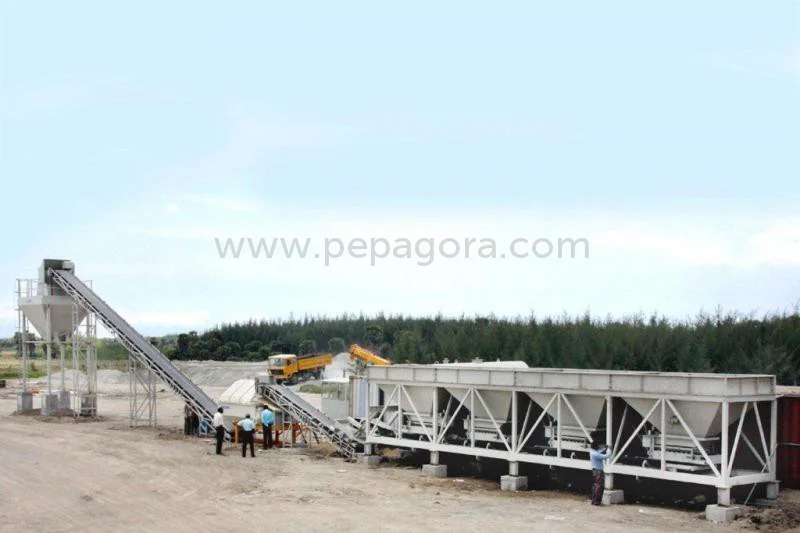
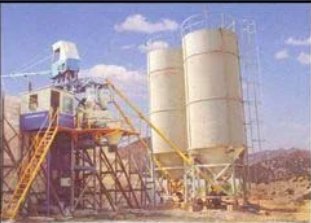
Stationary Concrete Batching Plants: These are typically larger and designed for high-capacity production. They are suitable for large-scale projects where a consistent supply of concrete is required.
Benefits and Advantages
Concrete batching plants offer numerous advantages to businesses in the construction sector.
Key benefits include:
1. Consistency: Batching plants ensure uniformity in concrete mixes, which is crucial for structural integrity and performance.
2. Efficiency: Automated processes reduce labor costs and increase production speed, allowing for timely project completion.
3. Customization: Batching plants can produce specific concrete mixes tailored to project requirements, enhancing versatility.
4. Quality Control: Advanced monitoring systems help maintain high-quality standards throughout the mixing process.
5. Reduced Waste: Precise measurement of materials minimizes waste, contributing to cost savings and environmental sustainability.
6. Scalability: Businesses can expand their operations by investing in larger plants or additional mobile units based on demand.
Buying Guide for B2B Buyers
When sourcing concrete batching plants, there are several critical factors to consider.
1. Quality Assessment: Evaluate the build quality and material standards of the batching plants. Look for certifications and customer reviews to gauge reliability.
2. Supplier Verification: Ensure that suppliers have a proven track record and reliable references. Check for industry certifications and compliance with quality standards.
3. Pricing and MOQ: Understand pricing structures and minimum order quantities. This helps in budgeting and planning for procurement.
4. Delivery and Lead Times: Assess logistics capabilities and delivery timelines. Ensure that suppliers can meet your project's schedule.
5. Compliance Requirements: Familiarize yourself with local regulations and standards that the batching plants must adhere to, including safety and environmental regulations.
Compliance and Certifications
Concrete batching plants must meet several quality standards to ensure safety and performance. ISO 9001 is a key certification that focuses on quality management systems, ensuring that manufacturers maintain consistent quality in their products.
Additionally, CE certification is vital for compliance in European markets, indicating that the equipment meets health, safety, and environmental protection standards.
Safety and testing requirements also play a significant role in the operation of concrete batching plants. Regular inspections and adherence to safety protocols are essential for operational integrity.
Regional compliance considerations may vary, and buyers should ensure that the plants meet specific local regulations, particularly concerning emissions and noise control.
Why Source Concrete Batching Plants from Pepagora?
Pepagora offers a reliable platform for sourcing concrete batching plants, providing several key advantages that make the procurement process efficient and straightforward.
Verified Supplier Network: Pepagora has a rigorous supplier verification process, ensuring that buyers can trust the quality and reliability of the suppliers listed on its platform.
Streamlined RFQ Process: The request for quotation system is designed to simplify the procurement process. Buyers can easily submit their requirements and receive competitive quotes from multiple suppliers.
Trade Assurance and Support: Pepagora offers buyer protection through trade assurance, providing peace of mind during transactions. The platform also offers support for any inquiries or issues that may arise.
Regional Coverage: With a strong presence in India, the GCC region, and Southeast Asia, Pepagora facilitates access to a diverse range of concrete batching plants, catering to various market needs and preferences.

 IN
IN