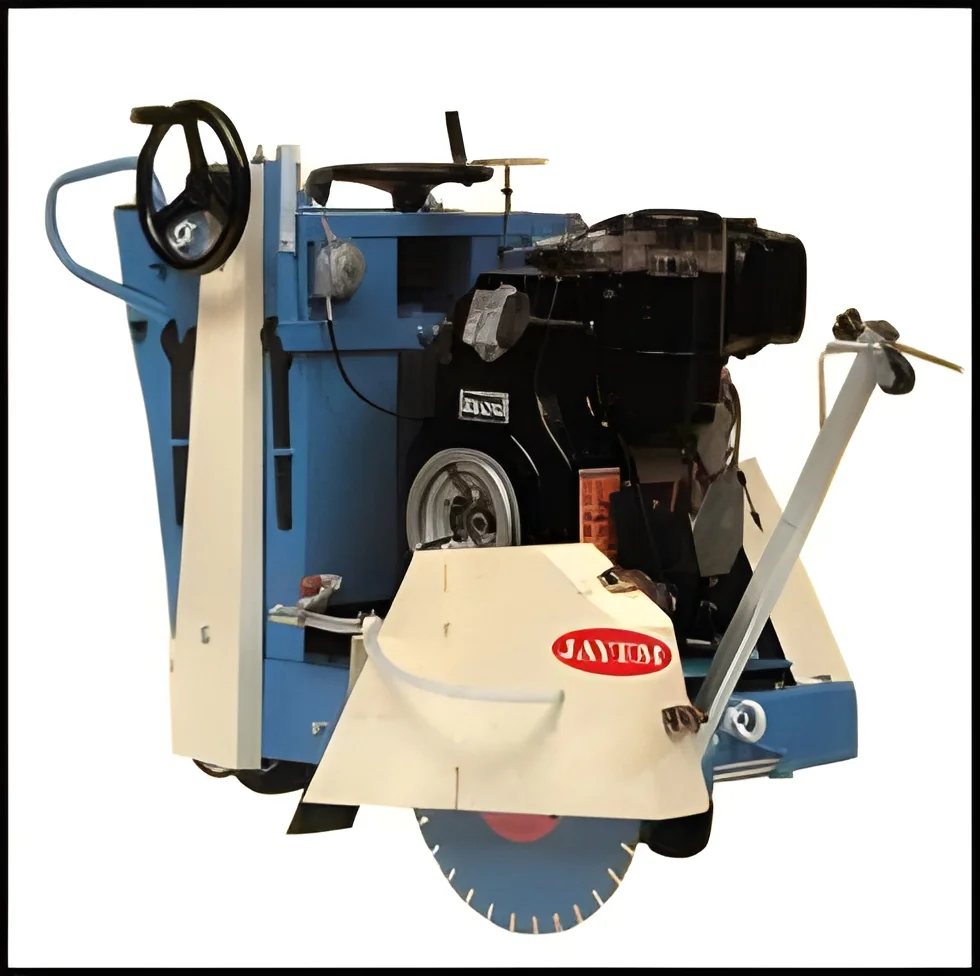
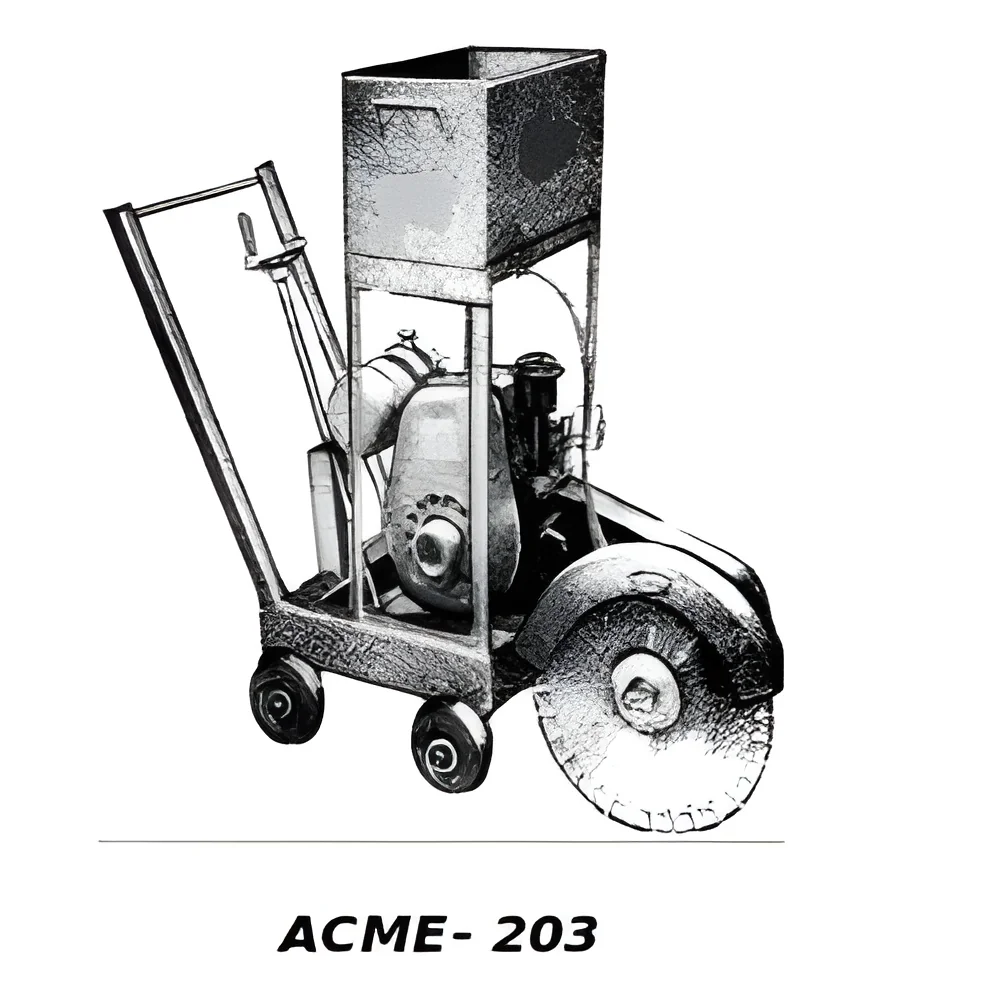
What are Curb Cutting Machines?
Curb cutting machines are specialized equipment designed to create openings in curbs, allowing for improved access to sidewalks and roads. These machines are essential for municipal projects, road maintenance, and construction activities where curb adjustments or modifications are required. They facilitate precise cutting of concrete or asphalt, ensuring clean edges and minimizing damage to surrounding surfaces.
The primary uses of curb cutting machines include the installation of wheelchair ramps, drainage systems, and other accessibility features. They are invaluable for contractors working on urban infrastructure, as they enable compliance with accessibility standards and enhance public safety. The demand for curb cutting machines is growing as cities strive to become more inclusive and as regulations requiring accessibility improvements become more stringent.
In the current market, curb cutting machines are relevant to several sectors, including construction, landscaping, and municipal services. As urban development continues to expand, the need for these machines will likely increase, making them a critical investment for businesses involved in infrastructure projects.
Key Features and Specifications
Curb cutting machines come equipped with various features that enhance their functionality and efficiency. Understanding these specifications is crucial for businesses looking to invest in this equipment.
Key specifications include:
1. Cutting Depth
- Allows for adjustable cutting depths to accommodate different curb heights.
- Typically ranges from 1 to 8 inches.
2. Engine Power
- Provides the necessary power for efficient cutting operations.
- Commonly available in engine sizes from 5 to 20 horsepower.
3. Blade Type
- Options include diamond blades and concrete blades for optimal performance on various materials.
- Blade diameter usually ranges from 12 to 18 inches.
4. Weight
- Affects portability and ease of use on job sites.
- Weight can vary from 150 to 600 pounds depending on the model.
5. Mobility
- Features such as wheels and handles for easy maneuverability.
- Some models offer tracks for better stability on uneven surfaces.
6. Safety Features
- Includes emergency shut-off switches and blade guards for operator safety.
- Compliance with safety standards is crucial.
7. Durability
- Built with robust materials to withstand harsh working conditions.
- Typically includes weather-resistant components.
8. Maintenance Requirements
- Designed for easy access to components for routine maintenance.
- Regular maintenance ensures optimal performance and longevity.
In summary, the right specifications will depend on the intended applications and operating conditions. It is essential to evaluate these features when selecting a curb cutting machine.
Common Applications and Use Cases
Curb cutting machines serve various industries, each with specific applications.
1. Construction: These machines are used to create curb cuts for wheelchair ramps, ensuring compliance with ADA regulations and improving accessibility.
2. Municipal Services: Local governments utilize curb cutting machines for urban infrastructure projects, including road repairs and drainage enhancements.
3. Landscaping: Professionals in landscaping use these machines to install features like decorative curbs and planters, enhancing outdoor aesthetics.
4. Road Maintenance: Curb cutting machines play a vital role in maintaining road surfaces, helping to create safe and effective drainage solutions.
5. Utility Installation: Utility companies use curb cutting machines to gain access to underground utilities, facilitating repairs and installations.
6. Parking Lot Development: In parking lot construction, these machines are essential for designing accessible parking spaces and traffic flow management.
7. Sidewalk Construction: Curb cutting machines are often employed alongside sidewalk construction projects to ensure seamless transitions between curbs and walkways.
Product Variants and Subcategories
Curb cutting machines come in a variety of types to meet diverse operational needs.
Walk-Behind Curb Cutting Machines: These machines are designed for manual operation and offer excellent control for precise cutting in smaller areas. Ideal for landscaping and small construction projects.
Ride-On Curb Cutting Machines: These larger machines allow operators to sit while working, increasing efficiency for larger projects. They are perfect for municipal work and extensive road repairs.
Electric Curb Cutting Machines: Environmentally friendly options that reduce emissions and noise. These machines are suitable for indoor projects or areas where noise regulations are strict.
Pneumatic Curb Cutting Machines: Utilizing air pressure for operation, these machines are lightweight and portable, making them ideal for small jobs and tight spaces.
Benefits and Advantages
Investing in curb cutting machines offers several advantages for businesses involved in construction and infrastructure.
1. Enhanced Accessibility: Curb cutting machines enable compliance with accessibility standards, ensuring that public spaces are usable for everyone.
2. Improved Efficiency: These machines speed up the cutting process, reducing labor time and increasing productivity on job sites.
3. Cost-Effectiveness: By minimizing manual labor and enhancing precision, curb cutting machines help reduce overall project costs.
4. Versatility: Suitable for various materials, including concrete and asphalt, making them adaptable to different project requirements.
5. Safety Features: Equipped with safety mechanisms, these machines help protect operators and reduce the risk of accidents on job sites.
6. Long-Term Durability: Built to withstand heavy usage, curb cutting machines provide a reliable solution for ongoing infrastructure needs.
Buying Guide for B2B Buyers
When sourcing curb cutting machines, businesses should consider several critical factors to ensure they make an informed decision.
1. Quality Assessment: Evaluate the build quality and performance of the machines. Look for reputable brands with a history of reliability and customer satisfaction.
2. Supplier Verification: Conduct thorough research to vet suppliers. Check for industry certifications and customer reviews to ascertain credibility.
3. Pricing and MOQ: Understand the pricing structure and minimum order quantities (MOQ). Compare costs across different suppliers to find the best deal while ensuring quality.
4. Delivery and Lead Times: Inquire about delivery times and logistics to ensure timely project completion. Consider the supplier’s ability to meet your deadlines.
5. Compliance Requirements: Ensure that the machines meet relevant industry regulations and safety standards. This includes checking for necessary certifications like CE.
Compliance and Certifications
Curb cutting machines must adhere to various quality standards and certifications to ensure they meet safety and performance criteria.
Relevant quality standards include ISO 9001, which outlines requirements for a quality management system, ensuring consistent product quality and customer satisfaction.
Industry certifications such as CE demonstrate compliance with European health, safety, and environmental protection standards. This certification is crucial for machines intended for use in the European market.
Safety and testing requirements are paramount in this industry. Machines should undergo rigorous testing to ensure they operate safely and effectively in various conditions.
Regional compliance considerations may vary, so it is essential to verify that machines meet local regulations and standards, particularly regarding emissions and noise levels.
Why Source Curb Cutting Machines from Pepagora?
Pepagora provides a trusted platform for sourcing curb cutting machines, offering several key advantages for businesses.
Verified Supplier Network: Pepagora partners with a wide range of verified suppliers, ensuring that buyers have access to high-quality machines from reputable manufacturers.
Streamlined RFQ Process: The request for quotation (RFQ) system simplifies the procurement process, allowing buyers to easily compare offers and choose the best option.
Trade Assurance and Support: Pepagora emphasizes buyer protection, providing support throughout the purchasing process to address any issues that may arise.
Regional Coverage: With a strong presence in India, the GCC, and Southeast Asia, Pepagora facilitates access to curb cutting machines across diverse markets, catering to various regional needs.

 IN
IN