
 IN
Concrete Pumps
90 products available
What are Concrete Pumps?
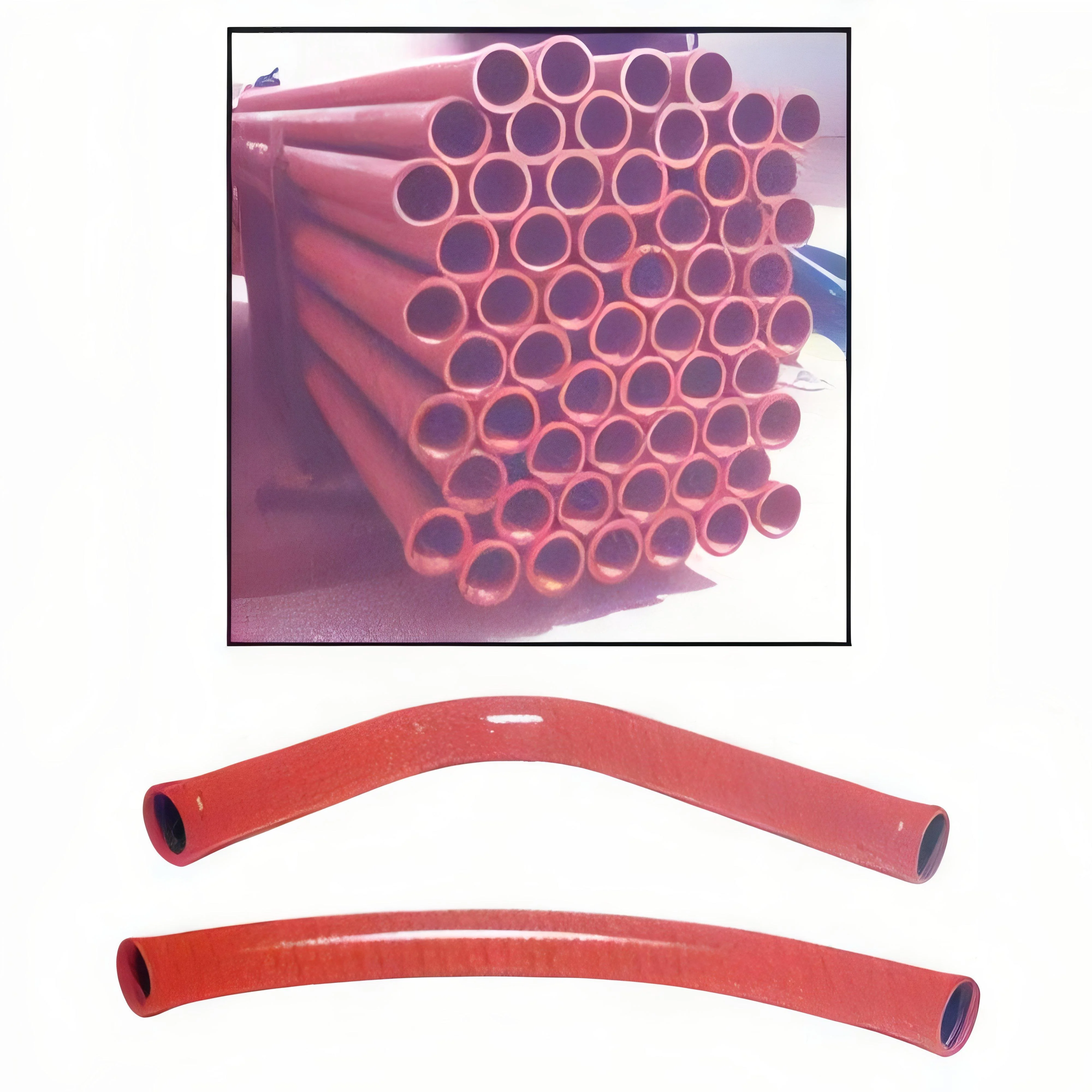
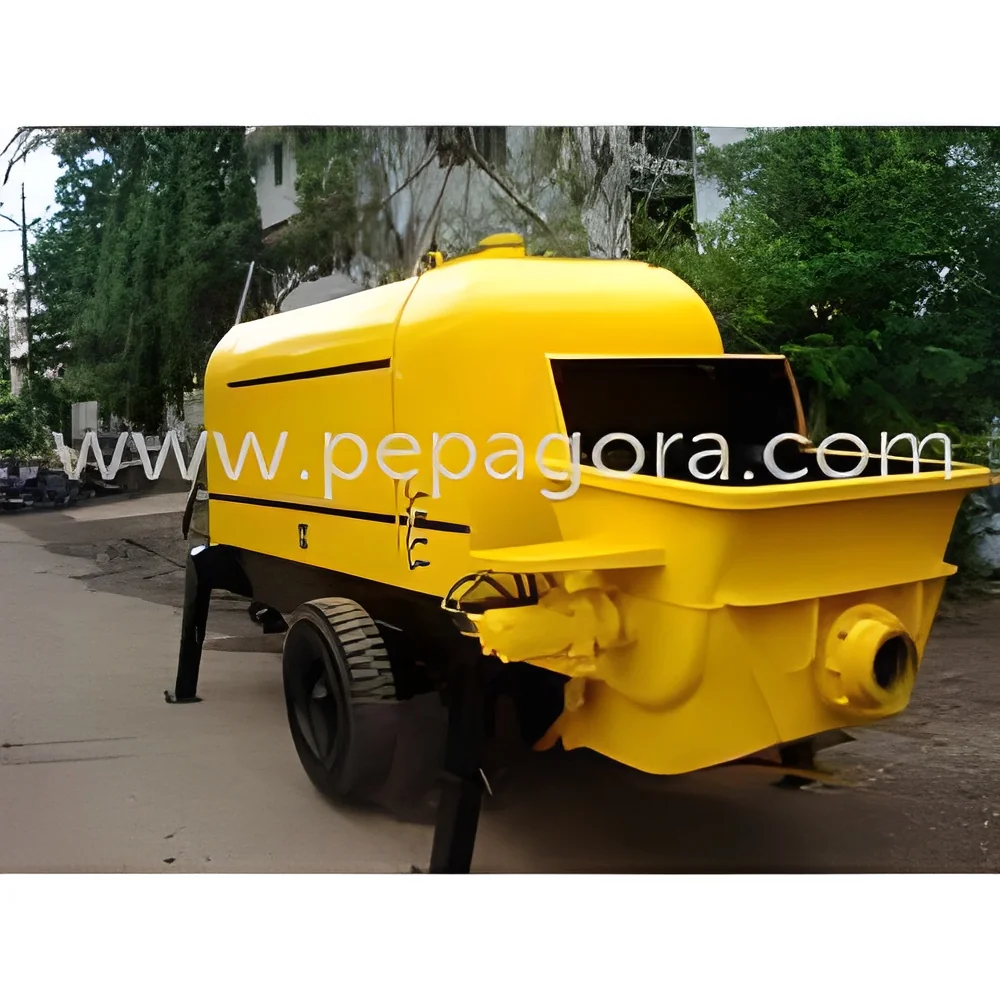
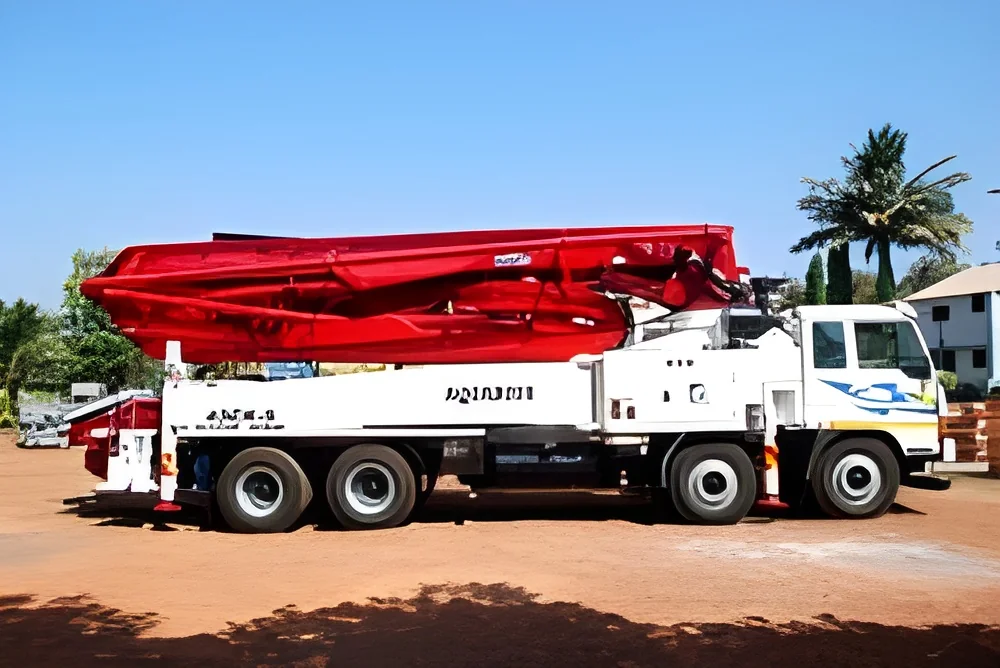
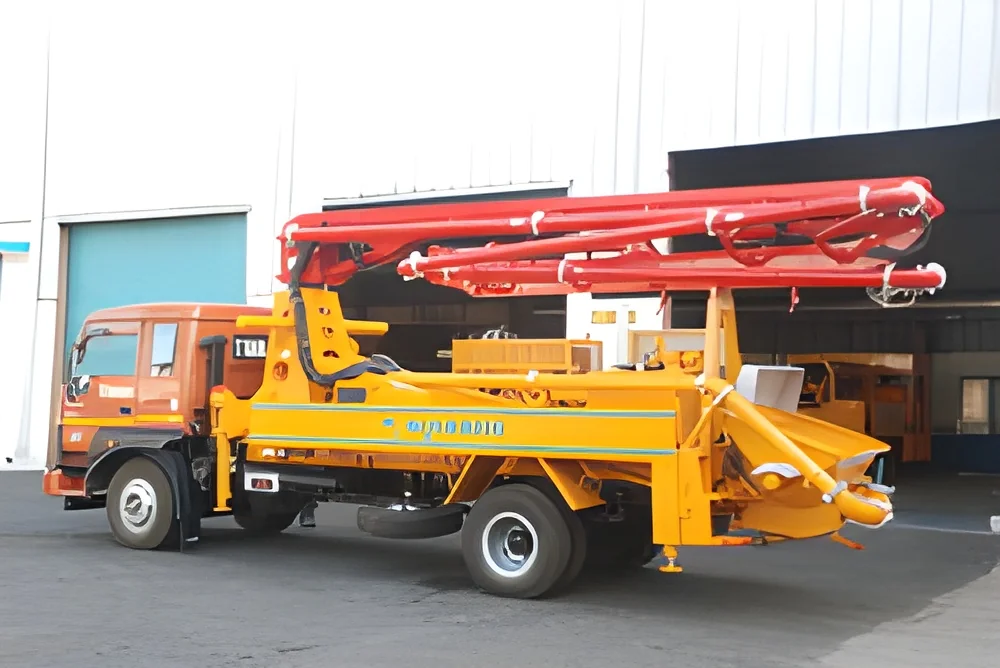
Concrete pumps are sophisticated pieces of equipment designed to transport liquid concrete from a mixer to the construction site with precision and efficiency. They utilize a series of pipes and hoses to convey concrete, making the process faster and more reliable than traditional methods of manual pouring. These pumps can either be mounted on trucks or used as stationary units, allowing for flexibility in various construction environments.
The primary uses of concrete pumps include high-rise building construction, road paving, and other infrastructure projects. They are essential for applications where concrete must be placed in hard-to-reach areas. Their ability to deliver concrete over long distances and heights makes them invaluable in urban construction settings. As the demand for efficient construction methods grows, concrete pumps have become integral to modern building practices, enhancing productivity and safety on job sites.
Key Features and Specifications
Concrete pumps come equipped with a range of features designed to optimize performance and usability. These specifications influence the selection of concrete pumps for specific projects.
Key specifications include:
1. Pumping Capacity
- The volume of concrete that can be pumped per hour, typically ranging from 20 to 160 cubic meters.
2. Maximum Pressure
- The highest pressure the pump can achieve, often between 70 to 150 bar.
3. Delivery Distance
- The maximum distance concrete can be pumped horizontally and vertically, which can reach up to 200 meters.
4. Engine Power
- The power of the engine, usually measured in horsepower or kilowatts, ranging from 100 to 400 hp.
5. Hose Diameter
- The diameter of the delivery hose, commonly between 3 to 5 inches.
6. Weight
- The total weight of the pump, which can affect transportation and setup, generally between 3,000 to 10,000 kg.
7. Mobility
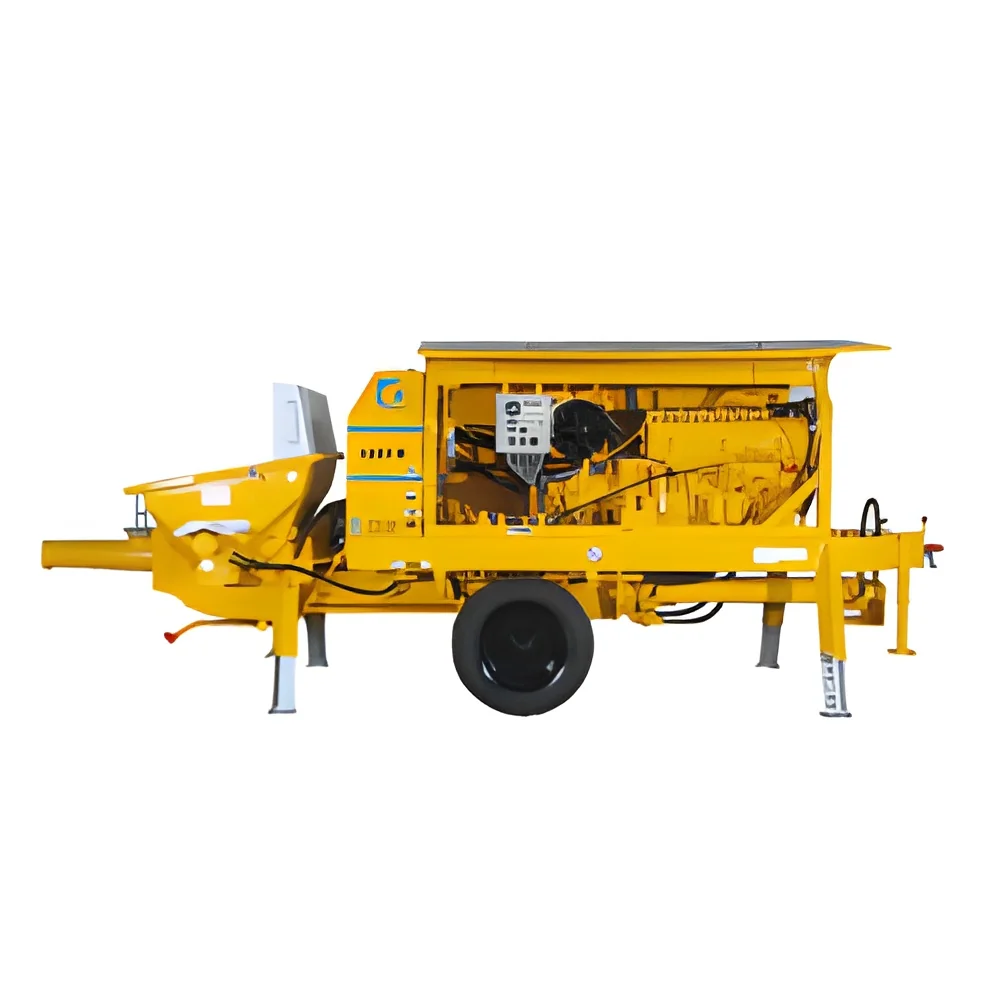
- Types of mobility include truck-mounted, trailer-mounted, or stationary options.
8. Control System
- The method of control, which can be manual or automated, enhancing ease of operation.
These specifications play a crucial role in determining the appropriate concrete pump for various applications, ensuring efficiency and reliability.
Common Applications and Use Cases
Concrete pumps are utilized across various industries, showcasing their versatility and importance in construction.
1. Construction: In building projects, concrete pumps facilitate the quick and efficient placement of concrete for foundations, walls, and ceilings.
2. Infrastructure: They are critical in road construction, allowing for the rapid pouring of concrete for pavements and bridges.
3. Mining: Concrete pumps are used in shotcrete applications to support tunnels and mine shafts, enhancing safety and stability.
4. Landscaping: In landscaping projects, concrete pumps assist in the pouring of decorative concrete and hardscaping features.
5. Oil and Gas: They are employed in the construction of well pads and other infrastructure within the oil and gas industry.
6. Precast Concrete: Concrete pumps play a vital role in the production of precast elements, enabling efficient filling of molds.
7. Repair and Maintenance: They are also used in repair projects, allowing for quick concrete placement in existing structures.
Product Variants and Subcategories
Concrete pumps are available in various configurations to meet diverse project needs.
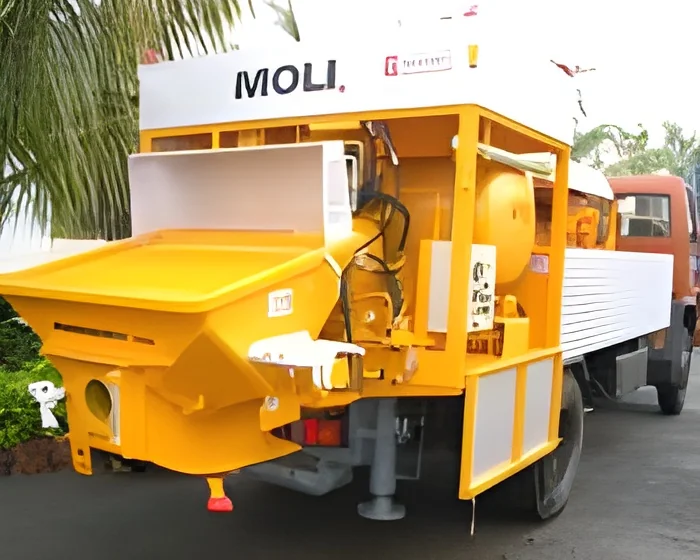
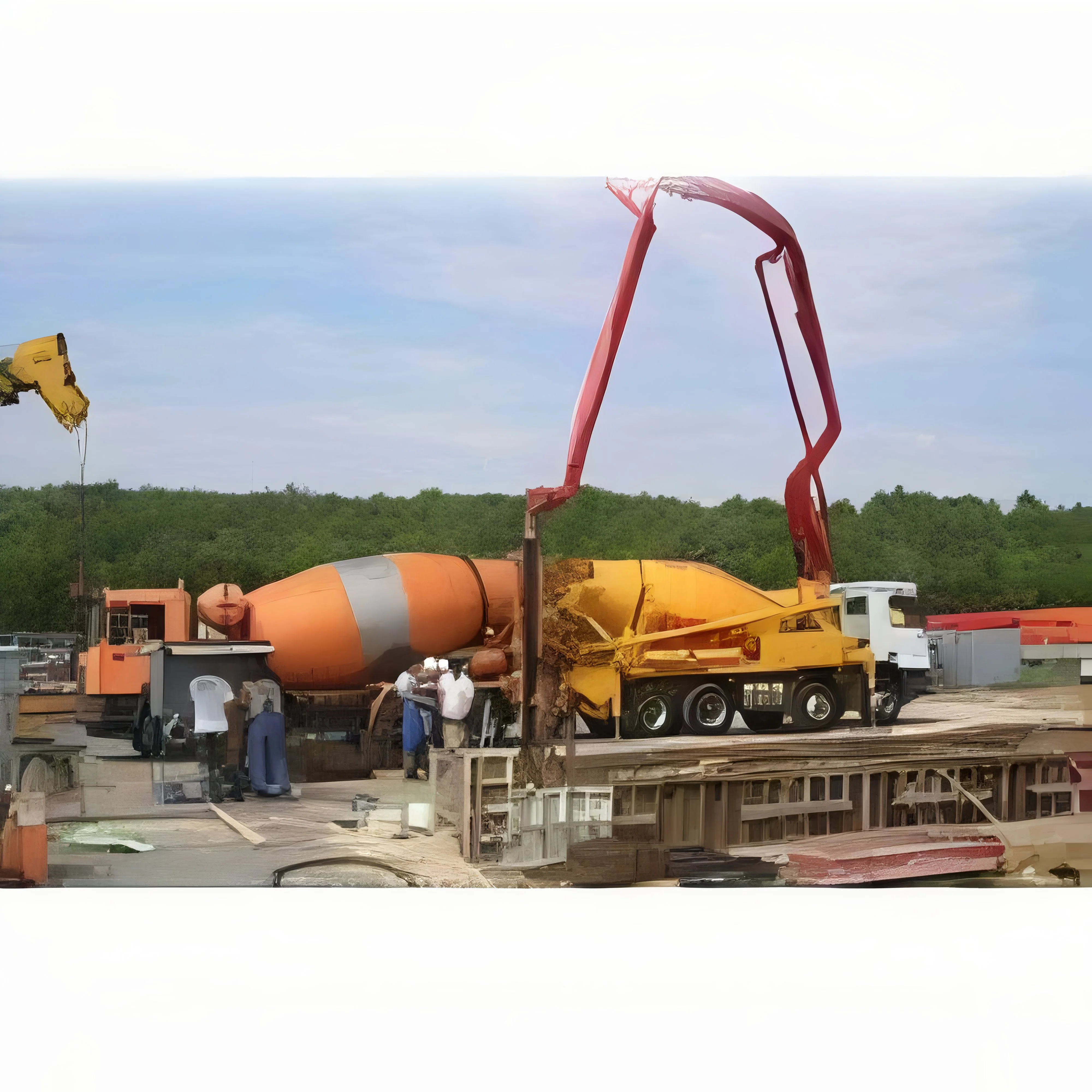
Truck-mounted Concrete Pumps
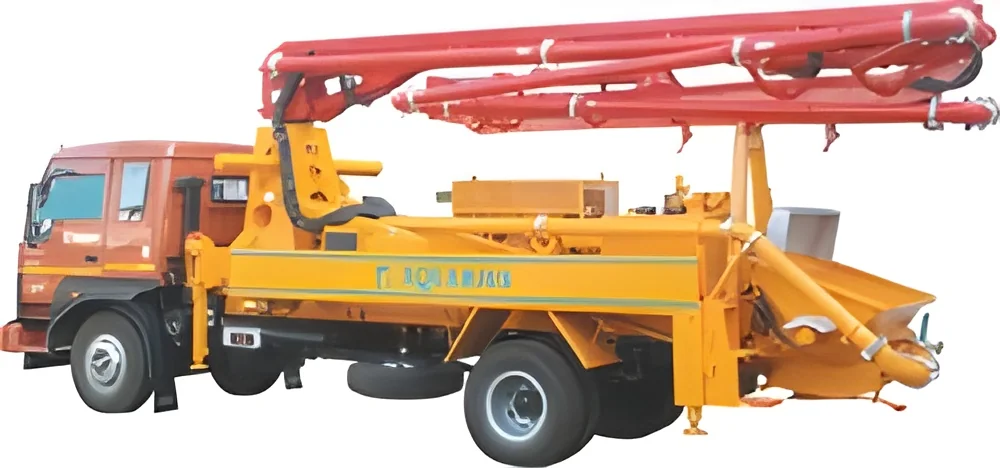
These pumps are built onto a truck chassis, offering mobility and ease of use on construction sites. They are ideal for large projects where concrete needs to be delivered over long distances.
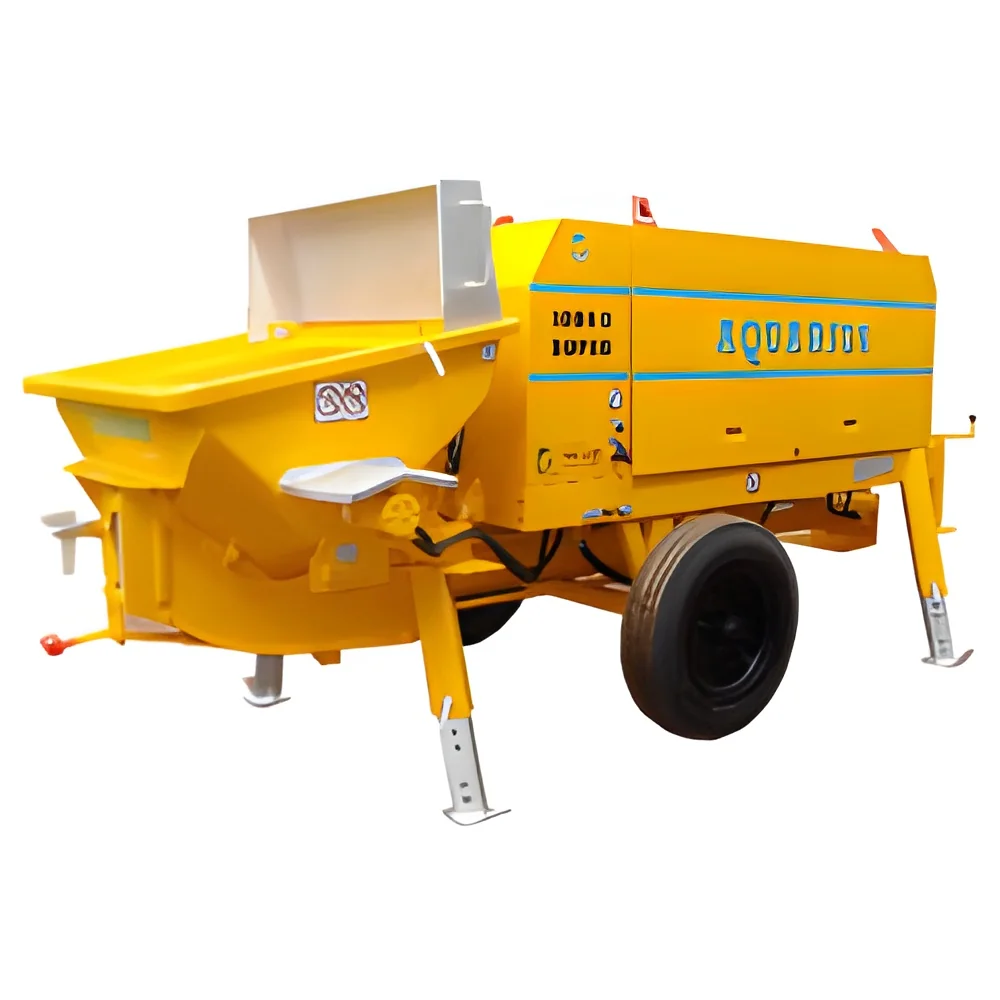
Trailer-mounted Concrete Pumps
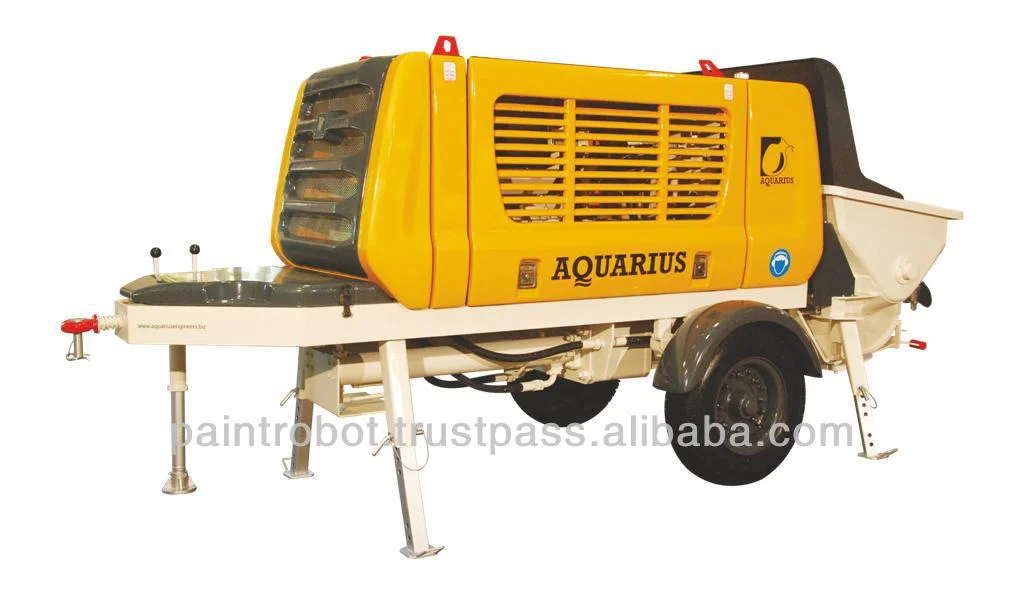
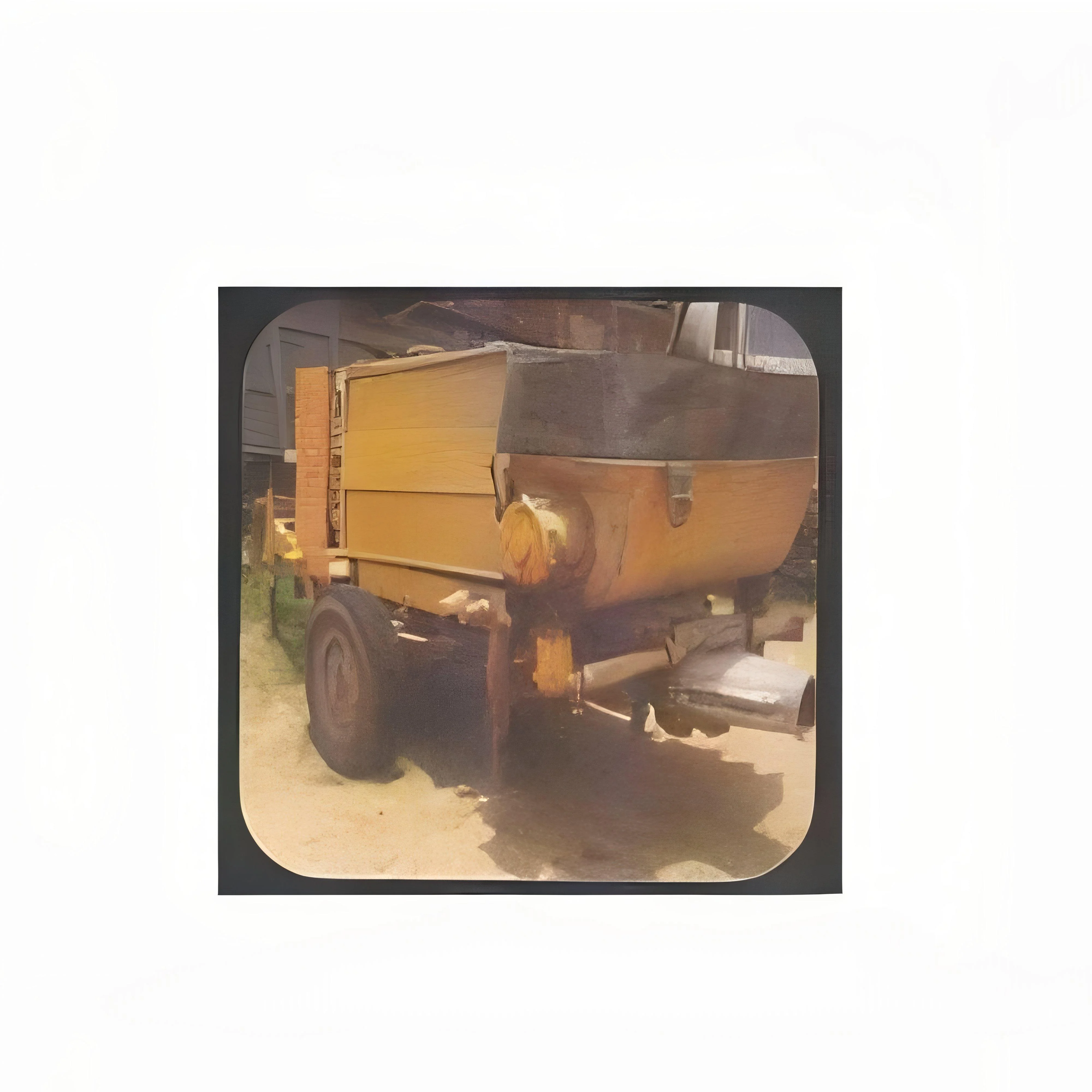
These stationary units can be towed to job sites and are suitable for projects requiring high output and long-distance concrete pumping. They are often used in remote locations.
Stationary Concrete Pumps
These pumps are installed at a fixed location and connected to a network of pipes for concrete delivery. They are typically used in large-scale constructions where high volume pumping is needed.
Benefits and Advantages
Concrete pumps offer numerous advantages over traditional concrete pouring methods.
Key benefits include:
1. Increased Efficiency: Concrete pumps speed up the construction process by delivering concrete quickly and accurately.
2. Reduced Labor Costs: With fewer workers needed for placement, labor costs are significantly lowered.
3. Enhanced Safety: By minimizing manual handling and reducing the risk of spills, concrete pumps improve safety on job sites.
4. Versatility: They can handle a variety of concrete mixes and can be used in diverse applications.
5. Better Accessibility: Concrete pumps can reach difficult locations, ensuring that concrete is placed where it is needed most.
6. Improved Quality: The precision of pumping helps maintain the integrity and quality of the concrete mix.
Buying Guide for B2B Buyers
When sourcing concrete pumps, several factors should be considered to ensure the right choice for your project needs.
1. Quality Assessment: Evaluate the quality of the pumps by reviewing manufacturer standards and customer reviews. Look for durability and reliability.
2. Supplier Verification: Vet suppliers to ensure they are reputable and provide high-quality products. Check for certifications and industry experience.
3. Pricing and MOQ: Understand the cost structures and minimum order quantities required by suppliers, which can vary significantly.
4. Delivery and Lead Times: Inquire about logistics and delivery schedules to meet project timelines effectively.
5. Compliance Requirements: Ensure that the pumps meet all relevant regulatory and safety standards, including certifications such as CE.
Compliance and Certifications
Concrete pumps must adhere to various quality and safety standards to ensure reliability and compliance in the industry.
ISO 9001 certification is significant, as it demonstrates a commitment to quality management systems. This certification ensures that manufacturers consistently meet customer and regulatory requirements.
The CE certification indicates that the product meets European safety, health, and environmental protection standards. This is essential for companies looking to operate in or export to Europe.
Safety and testing requirements are critical, particularly regarding the operation of concrete pumps. Regular inspections and maintenance are necessary to uphold safety standards.
Regional compliance considerations may vary, so it is essential to be aware of local regulations and standards that apply to concrete pumps in specific markets.
Why Source Concrete Pumps from Pepagora?
Pepagora offers a trusted platform for sourcing concrete pumps with several key advantages.
Verified Supplier Network: Pepagora ensures that all suppliers are vetted for quality and reliability. This network provides buyers with peace of mind when making purchasing decisions.
Streamlined RFQ Process: The request for quotation process is efficient, allowing buyers to receive multiple quotes quickly and compare options without hassle.
Trade Assurance and Support: Pepagora provides trade assurance, offering buyer protection and support throughout the purchasing process. This includes assistance with negotiations and dispute resolution.
Regional Coverage: With a strong presence in India, the GCC, and Southeast Asia, Pepagora facilitates access to a broad market, ensuring buyers can find the right products for their needs.
By choosing Pepagora, businesses can confidently source concrete pumps while benefiting from a comprehensive support system tailored to their requirements.




Frequently Asked Questions
What are Concrete Pumps?
Concrete pumps are mechanical devices used to transport liquid concrete from a mixer to a specific site in a construction area. They facilitate the efficient pouring of concrete in areas that are hard to reach, ensuring a smooth and continuous flow during construction.
What are the different types of Concrete Pumps?
There are primarily two types of concrete pumps: boom pumps and line pumps. Boom pumps are mounted on trucks and are equipped with a robotic arm to place concrete accurately, while line pumps use hoses to transport concrete horizontally or vertically, making them suitable for smaller jobs.
How do I choose the right Concrete Pumps?
Choosing the right concrete pump involves considering factors such as the type of project, the distance the concrete needs to be pumped, and the volume of concrete required. Additionally, evaluating the pump's specifications and compatibility with your mixer can help ensure optimal performance.
What are the standard specifications for Concrete Pumps?
Standard specifications for concrete pumps typically include the maximum output, maximum pressure, and hose diameter. Other important specifications may include the pump's power source, weight, and dimensions, which can vary based on the model and manufacturer.
What is the price range for Concrete Pumps?
The price range for concrete pumps can vary significantly based on the type, brand, and specifications. On average, small line pumps may start from around INR 5 lakhs, while larger boom pumps can cost upwards of INR 25 lakhs or more.
What quality standards apply to Concrete Pumps?
Concrete pumps must adhere to certain quality standards, including compliance with IS (Indian Standards) and international standards such as ASTM. These standards ensure durability, safety, and performance efficiency, which are critical for construction applications.
Where can I find Concrete Pumps suppliers in India?
You can find concrete pump suppliers in India through various online B2B marketplaces, construction equipment expos, and trade fairs. Platforms like Pepagora.com provide a comprehensive list of manufacturers and suppliers, making it easier to compare options.
Can Concrete Pumps be customized?
Yes, many manufacturers offer customization options for concrete pumps to meet specific project requirements. Customizations may include modifications in size, output capacity, and added features to enhance performance.
What is the typical minimum order quantity for Concrete Pumps?
The typical minimum order quantity (MOQ) for concrete pumps can vary by supplier but usually starts from one unit for standard models. For larger or customized orders, the MOQ may be higher, depending on the manufacturer's policies.
What is the typical lead time for Concrete Pumps?
The typical lead time for concrete pumps can range from a few weeks to several months, depending on the type of pump and the supplier's inventory levels. Custom orders may require additional time for manufacturing and quality checks.
Why Businesses Trust Pepagora
Thousands of companies trust Pepagora to source smarter and sell faster
Expand Your Sales Globally

Source Smarter,Grow Faster
