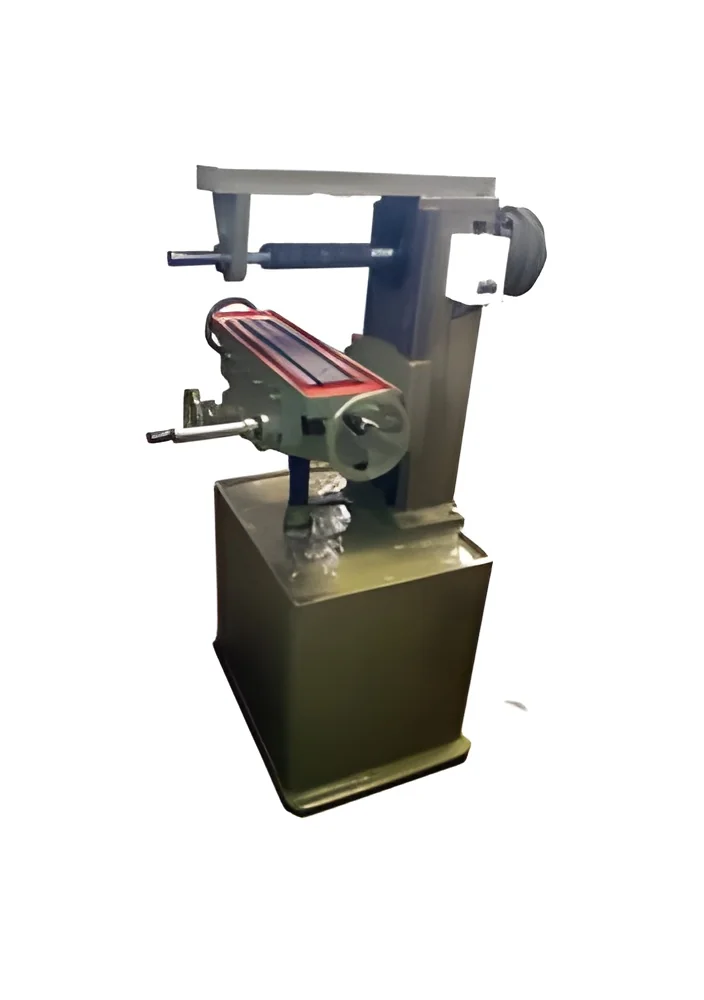
What are Cold Milling Machines?
Cold milling machines are specialized construction equipment used for the removal of surface layers from roads, highways, and other paved surfaces. They operate by utilizing a rotating drum fitted with sharp, tough teeth that grind away the asphalt or concrete. This process is essential for maintaining the roadway's surface, allowing for the repair of underlying layers, and ensuring a smooth finish for new asphalt applications. Cold milling is known for its efficiency and precision, making it a preferred choice in the construction and road maintenance industries.
These machines are primarily employed in the road construction and maintenance sector, where they are used to rehabilitate and renew existing pavements. They are also utilized for surface preparation before laying new asphalt, ensuring that the new layers adhere effectively. The cold milling process is relevant in various contexts, including urban infrastructure projects and highway expansions, where high-quality surface conditions are critical for safety and longevity.
Key Features and Specifications
Cold milling machines come equipped with several features that enhance their performance and efficiency. These machines vary widely in size, power, and capabilities, catering to different project requirements. Understanding their specifications is crucial for selecting the right equipment for specific applications.
Key specifications include:
1. Engine Power
- Typically ranges from 100 to 600 horsepower
- Determines the machine's efficiency in performing milling tasks
2. Milling Width
- Available in widths from 1 meter to 2.5 meters
- Affects the area covered in a single pass
3. Maximum Cutting Depth
- Can reach depths of up to 300 mm
- Enables removal of significant pavement thickness
4. Weight
- Varies from 8 to 30 tons
- Influences machine stability and ease of transport
5. Drum Speed
- Adjustable speeds typically from 100 to 200 RPM
- Allows for customizing milling based on material and conditions
6. Transport Dimensions
- Varies based on model, affecting mobility on job sites
- Important for maneuverability in urban areas
7. Dust Suppression System
- Integrated systems to minimize airborne particles
- Enhances safety and environmental compliance
8. Control Technology
- Features like automated grade control and GPS
- Improves precision and reduces operator fatigue
These specifications collectively define the operational capabilities of cold milling machines, enabling businesses to choose the right model for their projects.
Common Applications and Use Cases
Cold milling machines serve a wide array of industries beyond road construction, demonstrating their versatility and importance.
1. Road Construction: They are essential in the construction of new roads, where the milling process prepares the surface for new asphalt layers, ensuring better adhesion and longevity.
2. Airport Runway Repair: Cold milling is utilized to maintain and rehabilitate runway surfaces, allowing for efficient removal of old material while minimizing disruptions to airport operations.
3. Urban Infrastructure: In cities, cold milling machines are used for selective removal of pavement, enabling utility work or repairs without needing to replace entire road sections.
4. Parking Lot Maintenance: These machines help in resurfacing parking lots by removing damaged asphalt and preparing for new layers, thus extending the lifespan of the surface.
5. Bridge Deck Rehabilitation: They play a key role in maintaining bridge surfaces by milling off old, worn material, which can then be replaced with new asphalt.
6. Industrial Facility Maintenance: Cold milling is used in industrial areas to repair access roads and surfaces, ensuring safety and operational efficiency.
7. Highway Maintenance: Regular milling of highway surfaces keeps them in optimal condition, allowing for safe travel and reducing the need for more extensive repairs later.
Product Variants and Subcategories
Cold milling machines come in various types, each designed to meet specific project needs.
Standard Cold Milling Machines
These are the most commonly used machines, designed for general surface milling tasks on roads and highways. They are versatile and can handle a variety of materials.
High-Performance Cold Milling Machines
These machines are equipped with advanced technology for enhanced efficiency and precision. They are ideal for larger projects requiring high output and quick turnaround.
Compact Cold Milling Machines
Designed for smaller projects or urban environments, these machines are easier to maneuver and can operate in confined spaces while still delivering effective milling.
Benefits and Advantages
Cold milling machines offer numerous advantages that enhance their value in construction and maintenance projects.
1. Efficiency: Cold milling machines can complete large surface areas quickly, reducing labor and time costs.
2. Precision: Advanced control technology allows for accurate milling depths, ensuring that the surface preparation meets project specifications.
3. Environmental Sustainability: The milling process generates recyclable materials, reducing waste and promoting sustainable practices in construction.
4. Cost-Effectiveness: By enabling effective repairs and surface preparation, cold milling machines can prolong the lifespan of roads, reducing the need for extensive repairs.
5. Versatility: They can be used on various surfaces, including asphalt and concrete, making them suitable for diverse applications.
6. Enhanced Safety: By removing damaged surfaces, cold milling machines improve road safety for vehicles and pedestrians alike.
Buying Guide for B2B Buyers
When sourcing cold milling machines, it is essential for B2B buyers to consider several important factors.
1. Quality Assessment: Buyers should evaluate the build quality and reliability of the machines. Look for brands that adhere to industry standards to ensure performance.
2. Supplier Verification: It is crucial to verify suppliers for their reputation and track record. Check for reviews and testimonials from previous clients to gauge their trustworthiness.
3. Pricing and MOQ: Understand the pricing structure and minimum order quantities. This will help in budgeting and in negotiating favorable terms.
4. Delivery and Lead Times: Assess the logistics involved in delivery to ensure the machines arrive on time to meet project deadlines.
5. Compliance Requirements: Be aware of the regulatory standards that apply in your region. Ensuring machines meet these standards is vital for legal compliance and safety.
Compliance and Certifications
Cold milling machines must adhere to various quality standards and certifications to ensure their safety and effectiveness.
ISO 9001 is a widely recognized standard for quality management systems, ensuring that manufacturers maintain high-quality processes throughout production.
CE certification indicates that the machines meet European safety, health, and environmental protection standards, making them suitable for use in those regions.
In addition to these certifications, safety and testing requirements must be met to ensure that the machines operate efficiently and safely.
Regional compliance considerations may vary, so it is vital to understand local regulations that could impact the operation and use of cold milling machines.
Why Source Cold Milling Machines from Pepagora?
Pepagora provides a trusted platform for sourcing cold milling machines, offering several key advantages that set it apart from competitors.
Verified Supplier Network: Pepagora connects buyers with a network of verified suppliers, ensuring that all listed machines meet industry standards and quality requirements.
Streamlined RFQ Process: The platform simplifies the request for quotation process, allowing buyers to easily obtain and compare prices from multiple suppliers, facilitating informed purchasing decisions.
Trade Assurance and Support: Pepagora offers trade assurance, providing buyers with protection against potential issues during transactions. Their support team is also available to assist with any inquiries.
Regional Coverage: With a broad geographic reach across India, the GCC, and Southeast Asia, Pepagora enables buyers to access local suppliers and services, ensuring timely delivery and support for their projects.

 IN
IN