
 IN
Mobile Cranes
17 products available
What are Mobile Cranes?
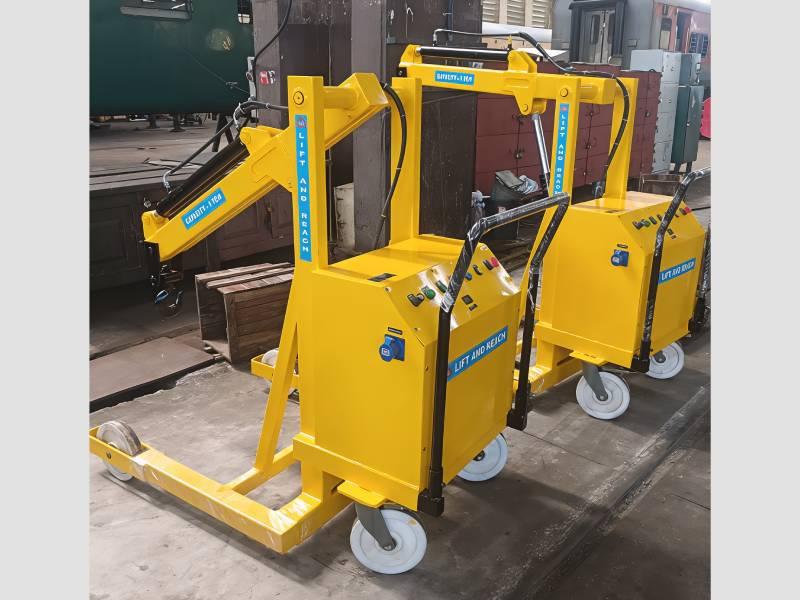
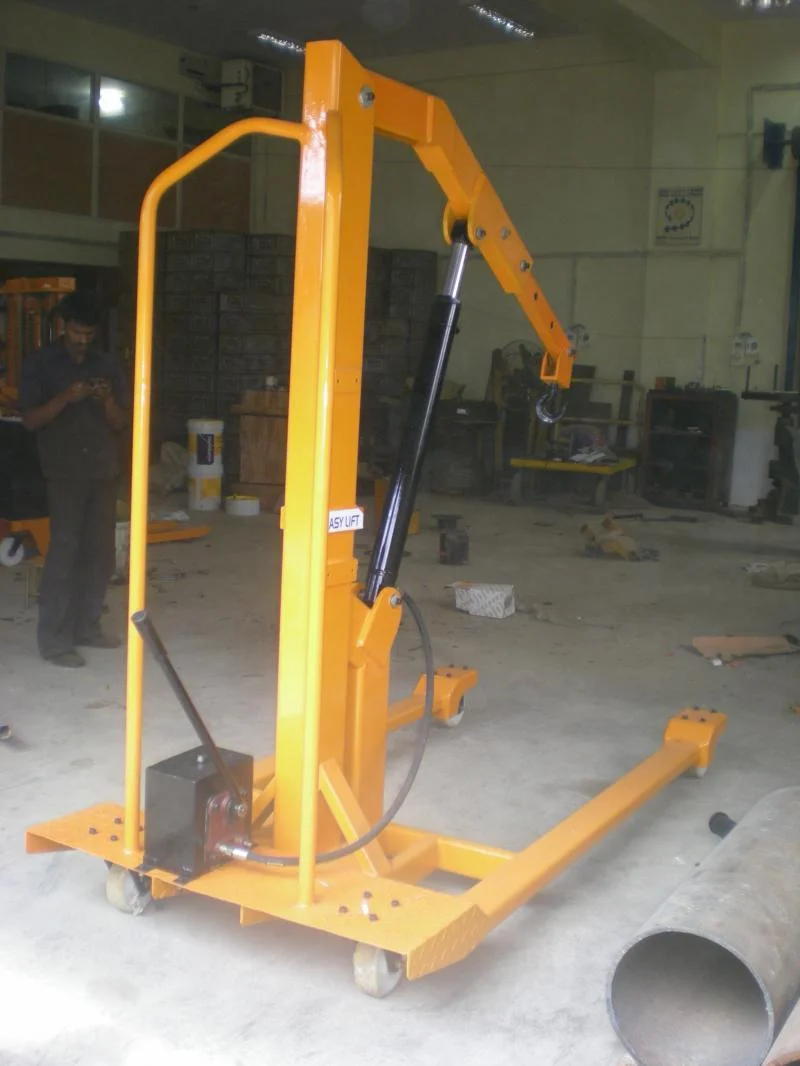
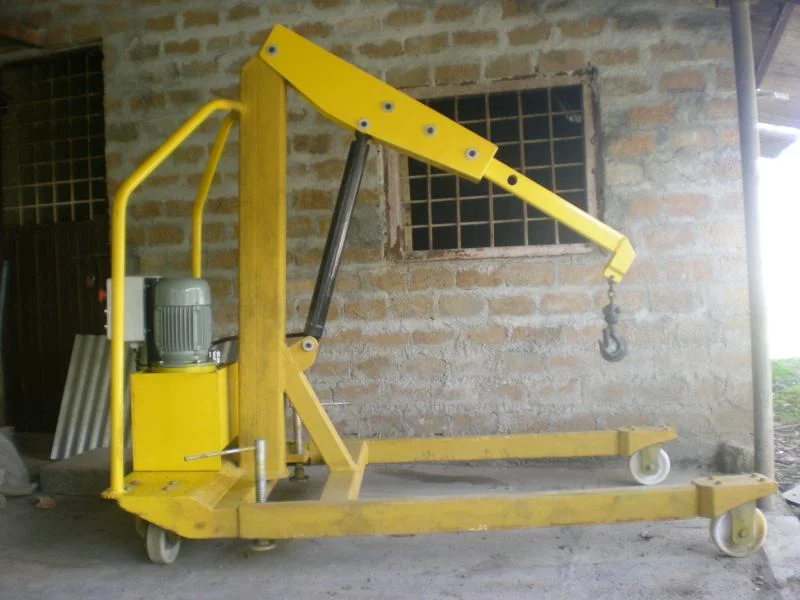
Mobile cranes are versatile lifting machines designed for transporting, lifting, and moving heavy loads in various environments. They typically feature a telescopic boom that can extend and retract, allowing for greater reach and flexibility. These cranes are mounted on wheeled chassis, enabling them to move easily over different terrains and job sites. Their design incorporates advanced hydraulic systems that provide efficient power and control during operations.
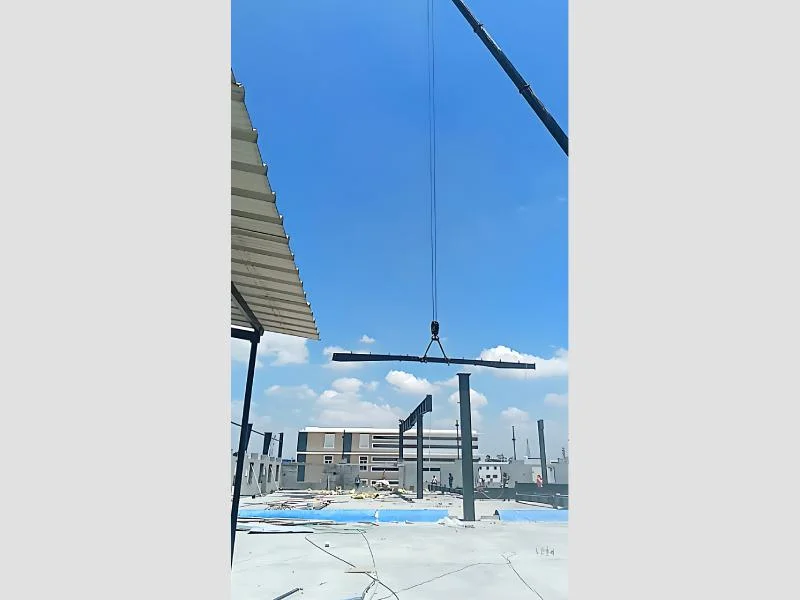
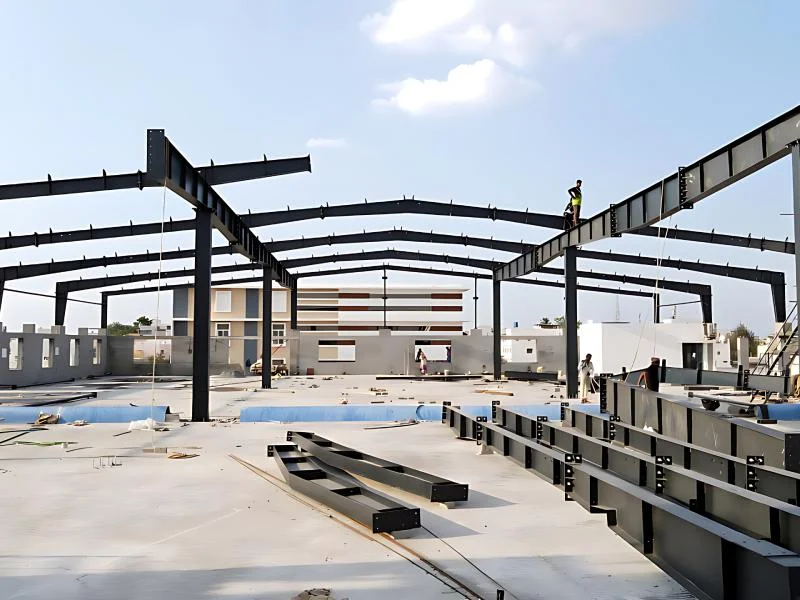
Mobile cranes are extensively used across a range of industries including construction, manufacturing, and logistics. In construction, for example, they play a crucial role in lifting steel beams, concrete panels, and other heavy materials. In logistics, they assist in loading and unloading goods and equipment from trucks and shipping containers. The adaptability of mobile cranes makes them indispensable in various applications, further solidifying their relevance in the industrial market.
Key Features and Specifications
Mobile cranes are equipped with a variety of features that enhance their performance and usability. When evaluating a mobile crane, understanding its specifications is essential for selecting the right equipment for specific tasks.
Key specifications include:
1. Lifting Capacity
- This specification indicates the maximum weight the crane can lift safely.
- Typical ranges vary from a few tons to over 100 tons.
2. Boom Length
- The boom length affects the crane's reach and height capabilities.
- Standard boom lengths range from 20 meters to over 60 meters.
3. Radius
- The radius is the distance from the center of the crane to the load.
- It typically ranges from 3 meters to 50 meters, depending on the model.
4. Transport Weight
- This is the total weight of the crane when it is not loaded.
- Transport weights can range from 10 tons to 90 tons or more.
5. Engine Power
- Engine power is crucial for operational efficiency and mobility.
- Mobile cranes usually feature engines ranging from 100 to 600 horsepower.
6. Stabilization System
- This feature ensures the crane remains stable during operation.
- Common systems include outriggers and counterweights.
7. Operating Speed
- This refers to how quickly the crane can lift and lower loads.
- Typical operating speeds can range from 0.5 m/min to 10 m/min.
8. Control System
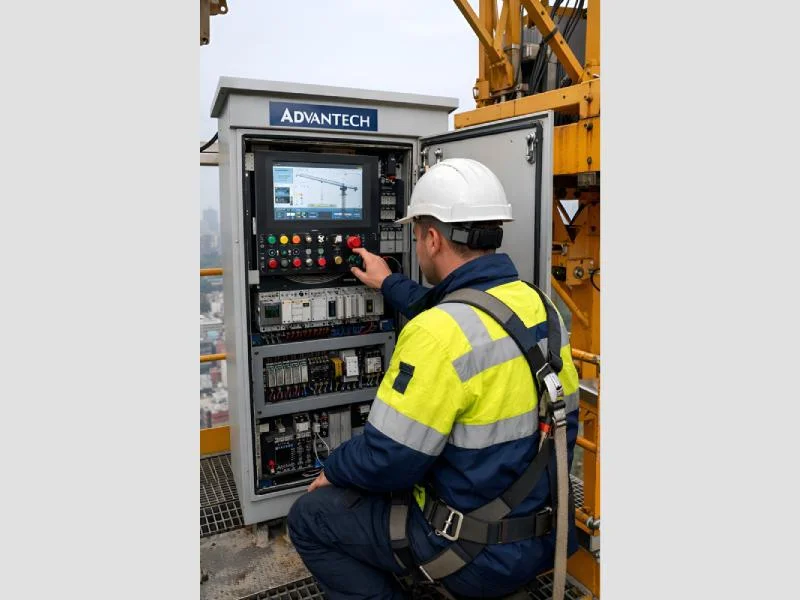
- Modern mobile cranes often include advanced control systems for precise operation.
- Features may include remote controls and programmable settings.
In summary, understanding these key features and specifications enables businesses to choose mobile cranes that best fit their operational needs.
Common Applications and Use Cases
Mobile cranes are utilized in a variety of industries, showcasing their versatility and effectiveness.
1. Construction: Mobile cranes are essential for lifting large construction materials like steel frames and concrete slabs. They facilitate the assembly of buildings and infrastructure projects.
2. Manufacturing: In manufacturing, mobile cranes are used to move heavy machinery and materials within factories. They assist in loading and unloading products for shipping.
3. Oil and Gas: Mobile cranes are critical in the oil and gas industry for moving heavy equipment and materials at drilling sites and refineries.
4. Shipping and Logistics: These cranes are vital in ports and warehouses for loading and unloading containers from ships and trucks.
5. Mining: In mining operations, mobile cranes are employed to transport heavy equipment and materials, enhancing operational efficiency.
6. Events and Entertainment: Mobile cranes are often used to set up stages and equipment for concerts and festivals, providing essential support for large-scale events.
7. Utilities: In the utilities sector, mobile cranes are used for maintenance and installation of power lines and telecommunications equipment.
Product Variants and Subcategories
Mobile cranes come in various configurations, each tailored for specific applications.
All Terrain Cranes: These cranes are designed for versatility, capable of operating on both rough terrain and paved surfaces. They are ideal for construction sites where ground conditions vary.
Truck Mounted Cranes: Mounted on trucks, these cranes offer mobility and quick setup, making them suitable for urban projects requiring frequent moves.
Rough Terrain Cranes: These cranes are specifically engineered for off-road conditions, featuring large tires and powerful engines, perfect for construction and mining applications.
Crawler Cranes: Equipped with tracks instead of wheels, crawler cranes provide excellent stability on soft ground. They are often used in heavy lifting applications where stability is crucial.
Benefits and Advantages
Mobile cranes offer numerous benefits that enhance operational efficiency and safety.
1. Versatility: Mobile cranes can be used in a wide range of applications across various industries, making them a valuable asset.
2. Mobility: Their wheeled design allows for easy transportation from one location to another, reducing downtime.
3. High Lifting Capacity: Mobile cranes can lift heavy loads, which is essential for construction and industrial operations.
4. Advanced Technology: Many mobile cranes are equipped with modern control systems that enhance operational precision and safety.
5. Quick Setup: Mobile cranes can be set up quickly on-site, allowing for faster project timelines.
6. Cost Efficiency: By consolidating multiple lifting tasks into one machine, mobile cranes can reduce operational costs and improve productivity.
Buying Guide for B2B Buyers
When sourcing mobile cranes, several factors should be considered to ensure an informed purchase.
1. Quality Assessment: Evaluate the build quality and materials used in the crane's construction. Look for models that meet or exceed industry standards for durability and performance.
2. Supplier Verification: Vet potential suppliers to ensure they have a good reputation and track record. Check reviews and obtain references from previous buyers.
3. Pricing and MOQ: Understand the pricing structure and minimum order quantities. Compare quotes from different suppliers to find the best deal.
4. Delivery and Lead Times: Consider the logistics of delivery. Confirm lead times to ensure the crane arrives when needed.
5. Compliance Requirements: Ensure that the mobile crane complies with regional safety and operational regulations. This may include certifications like CE or other local standards.
Compliance and Certifications
Mobile cranes must adhere to specific quality standards and certifications to ensure safety and reliability. Relevant quality standards include ISO 9001, which focuses on quality management systems to enhance customer satisfaction.
In addition to ISO certifications, mobile cranes are often required to have CE marking, indicating compliance with European safety standards. This certification ensures that the cranes meet essential health, safety, and environmental protection requirements.
Safety and testing requirements are crucial in the manufacturing of mobile cranes. Manufacturers must conduct rigorous testing to verify that cranes can withstand operational stresses and safety hazards.
Furthermore, regional compliance considerations may vary. Buyers should be aware of local regulations that govern construction equipment to avoid legal issues and ensure safety on job sites.
Why Source Mobile Cranes from Pepagora?
Pepagora provides a trusted platform for sourcing mobile cranes, offering several key advantages for B2B buyers.
Verified Supplier Network: Pepagora has established a network of verified suppliers, ensuring that buyers can source high-quality mobile cranes with confidence. Each supplier undergoes a thorough vetting process to guarantee reliability.
Streamlined RFQ Process: The request for quotation process is designed to be user-friendly. Buyers can easily submit their requirements and receive competitive quotes from multiple suppliers, saving time and effort.
Trade Assurance and Support: Pepagora offers trade assurance to protect buyers throughout the purchasing process. This includes support for any issues that may arise, ensuring a smooth transaction.
Regional Coverage: With a strong presence in India, the GCC, and Southeast Asia, Pepagora provides extensive coverage, making it easier for buyers to access mobile cranes tailored to their regional needs. This geographic reach enhances convenience and accessibility for B2B buyers looking for reliable lifting solutions.


Frequently Asked Questions
What are Mobile Cranes?
Mobile cranes are versatile lifting machines that can be easily transported to various job sites. They are equipped with a boom that can be raised and lowered, allowing for the lifting and moving of heavy loads over short distances.
What are the different types of Mobile Cranes?
There are several types of mobile cranes, including telescopic cranes, truck-mounted cranes, and rough-terrain cranes. Each type is designed for specific applications and terrains, offering different lifting capacities and maneuverability.
How do I choose the right Mobile Cranes?
When selecting mobile cranes, consider factors such as load capacity, boom length, and the type of terrain where the crane will be used. Additionally, assess the specific requirements of your project to ensure the crane meets your operational needs.
What are the standard specifications for Mobile Cranes?
Standard specifications for mobile cranes typically include the maximum lifting capacity, boom length, operating radius, and weight. It's important to refer to manufacturer guidelines to understand specific technical details and safety features.
What is the price range for Mobile Cranes?
The price of mobile cranes can vary widely based on type, specifications, and brand, typically ranging from a few lakhs to several crores in Indian Rupees. Factors such as new versus used equipment and additional features can also influence pricing.
What quality standards apply to Mobile Cranes?
Mobile cranes must adhere to various safety and quality standards set by organizations such as ISO and local regulatory bodies. Compliance with these standards ensures the cranes are safe for operation and suitable for lifting heavy loads.
Where can I find Mobile Cranes suppliers in India?
You can find mobile cranes suppliers in India through online B2B marketplaces such as Pepagora.com, industry trade shows, and local equipment dealers. It's advisable to research suppliers based on their reputation and customer reviews.
Can Mobile Cranes be customized?
Yes, many manufacturers offer customization options for mobile cranes to meet specific project requirements. Customizations may include modifications to the boom length, lifting capacity, and additional features tailored to your operational needs.
What is the typical minimum order quantity for Mobile Cranes?
The minimum order quantity (MOQ) for mobile cranes can vary by supplier and type of crane. Typically, for large equipment like cranes, the MOQ may be one unit, but it's best to confirm with individual manufacturers.
What is the typical lead time for Mobile Cranes?
The lead time for mobile cranes can range from a few weeks to several months, depending on the manufacturer's production schedule and whether the crane is standard or customized. It's recommended to discuss lead times directly with suppliers for accurate timelines.
Why Businesses Trust Pepagora
Thousands of companies trust Pepagora to source smarter and sell faster
Expand Your Sales Globally

Source Smarter,Grow Faster
