What are Asphalt Mixers?
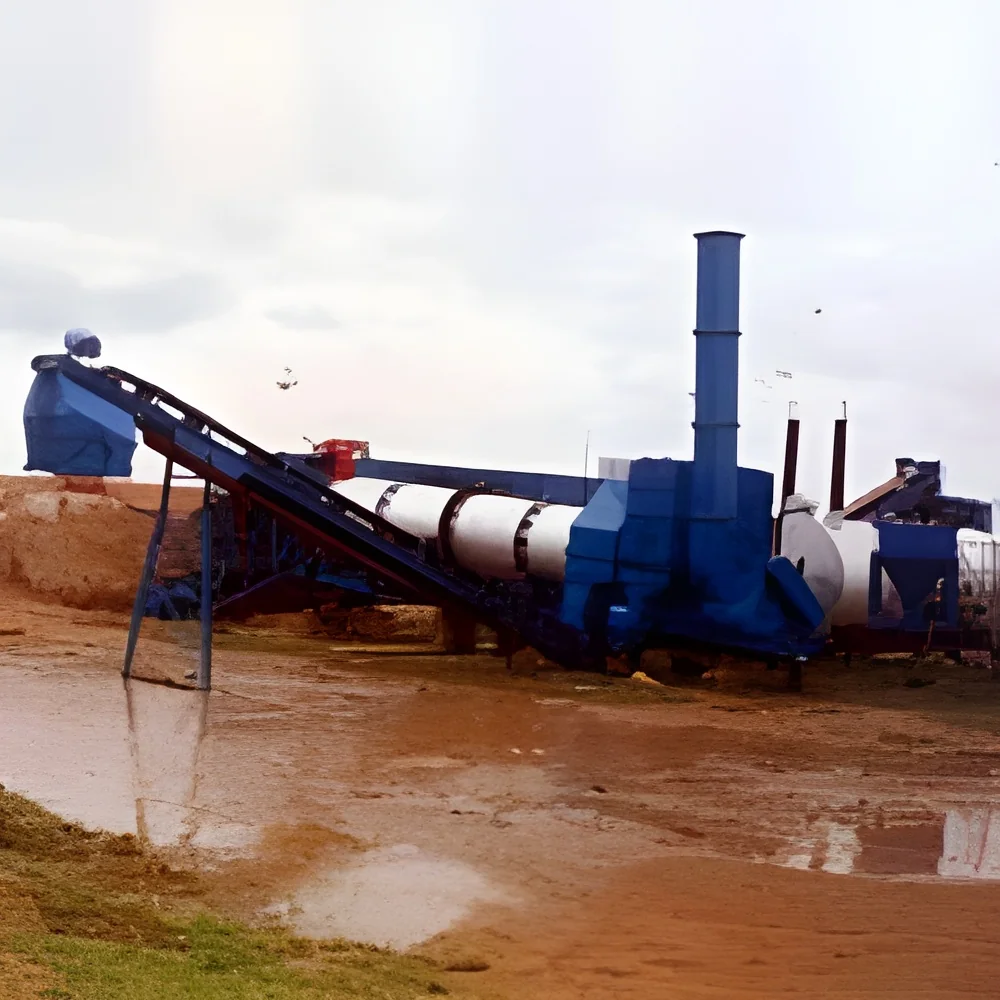
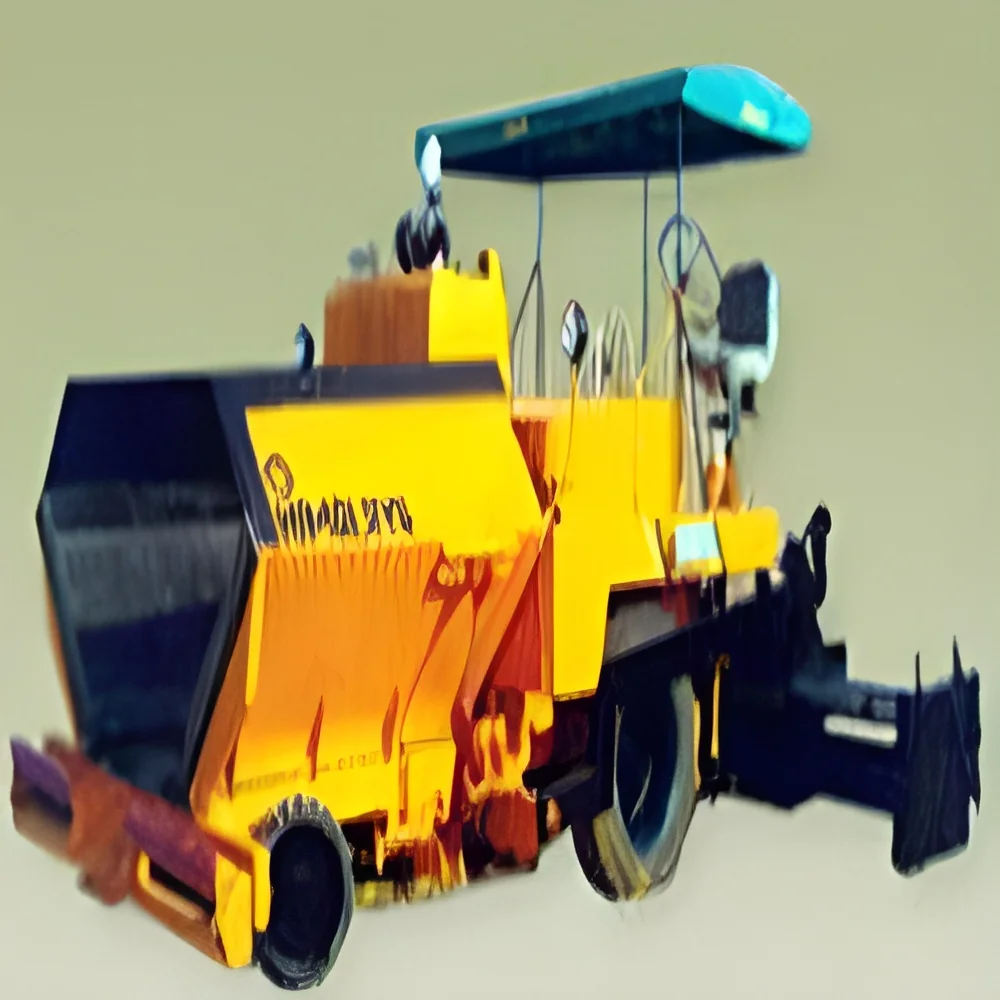
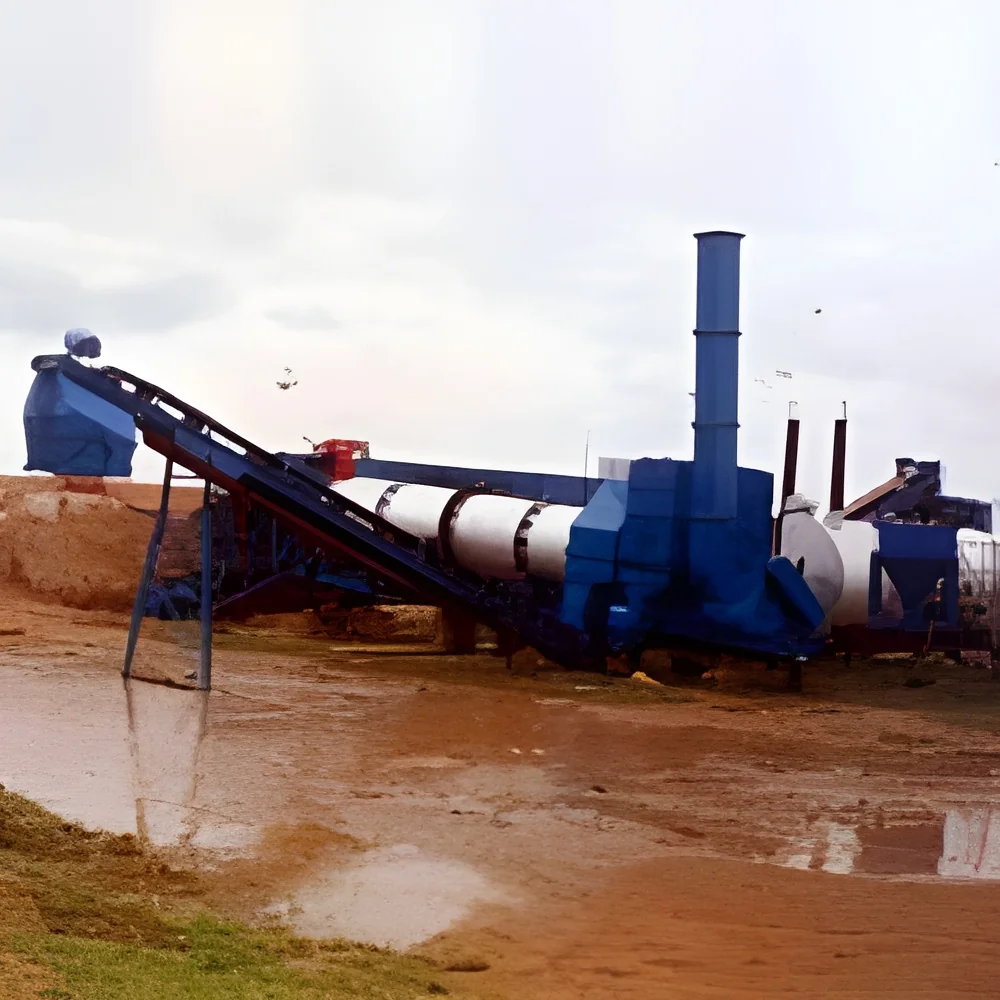
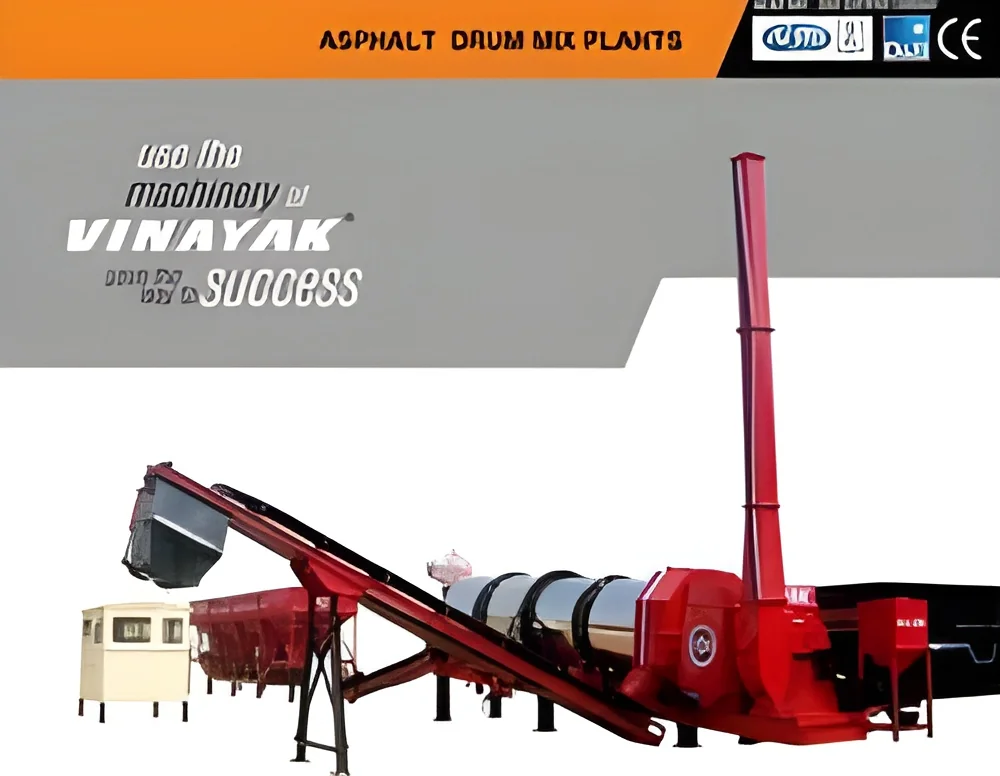
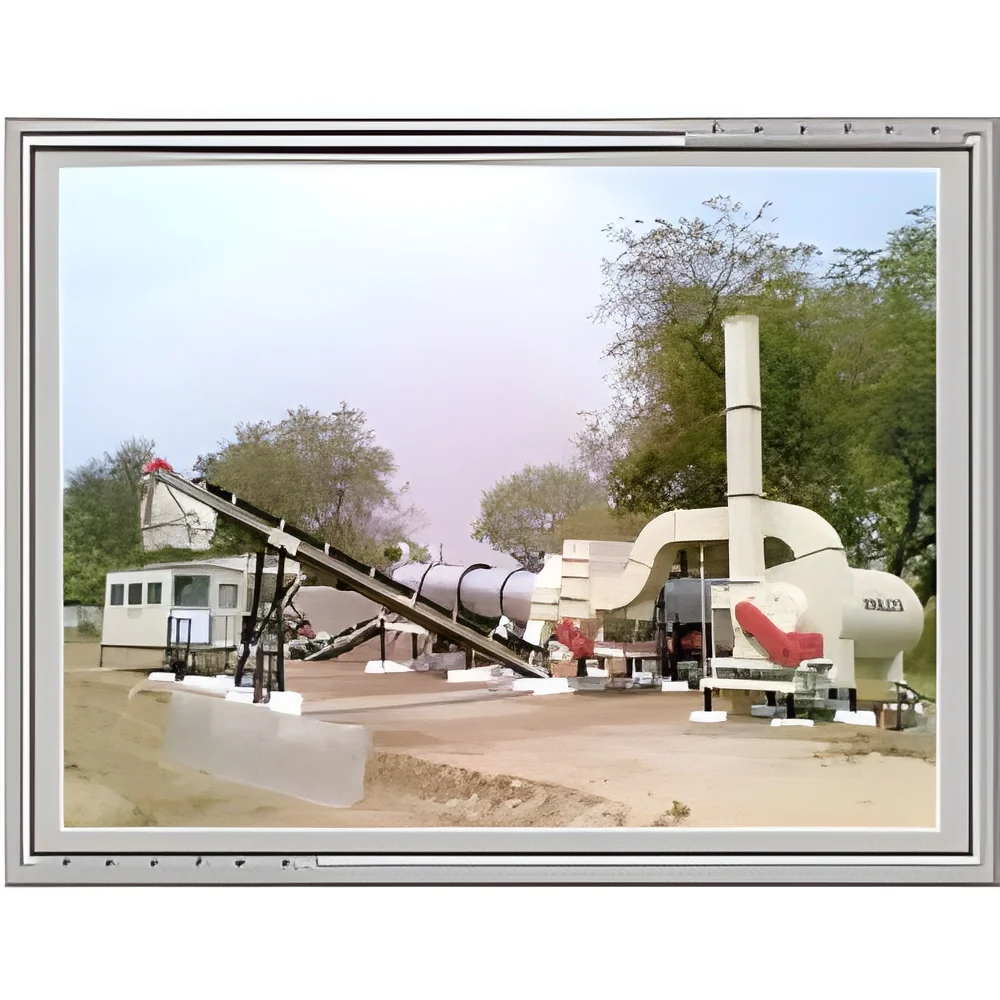
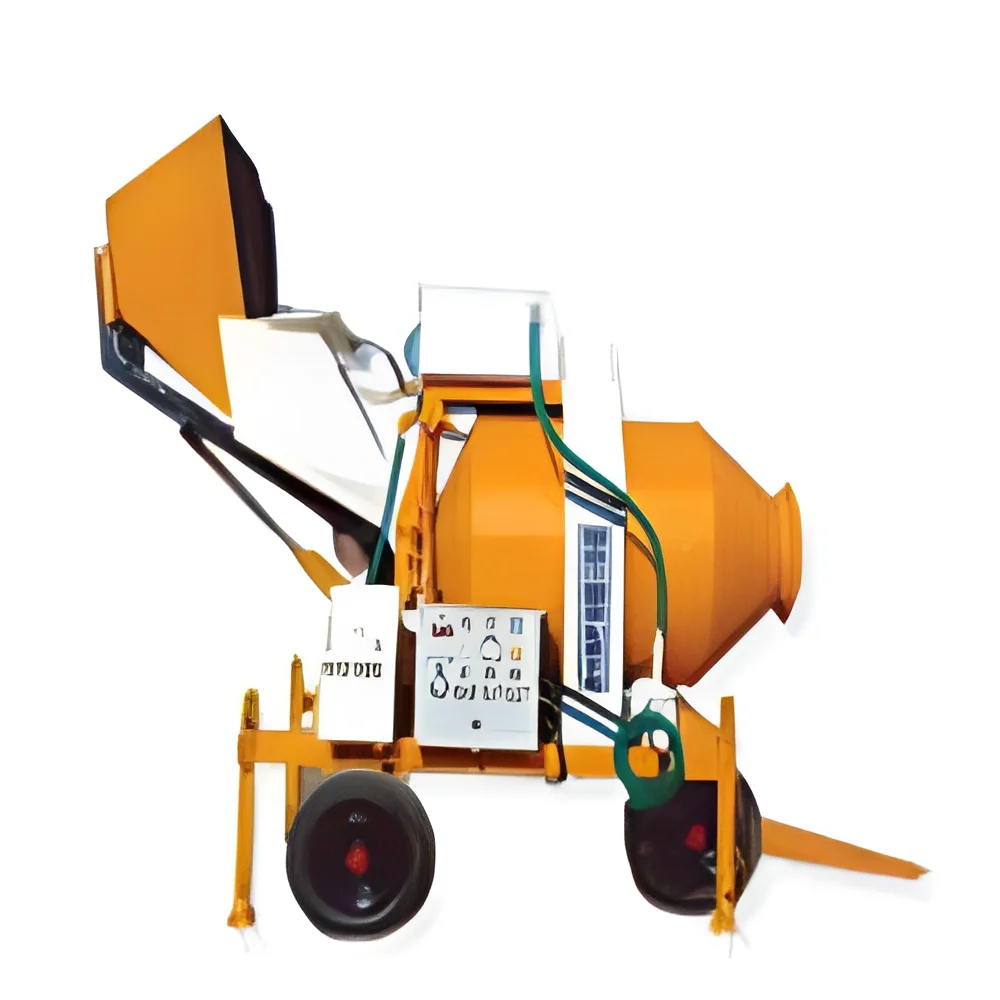
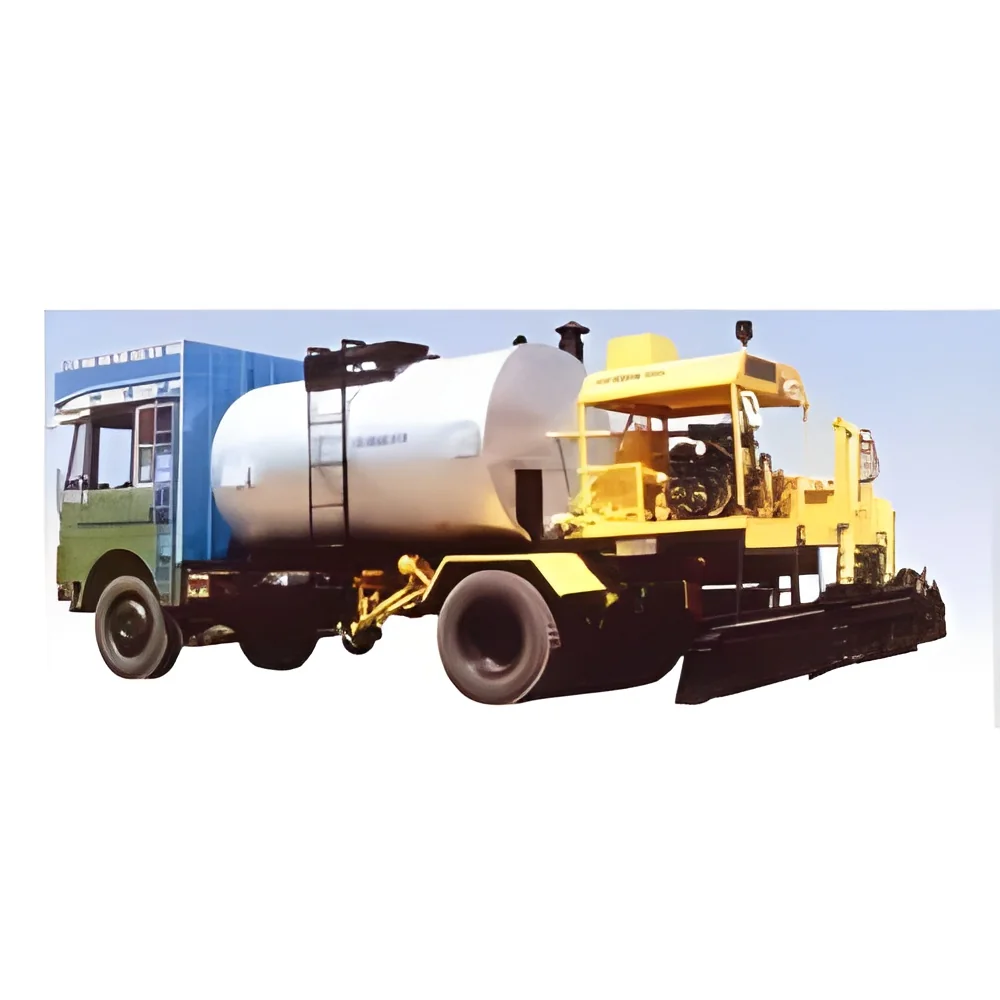
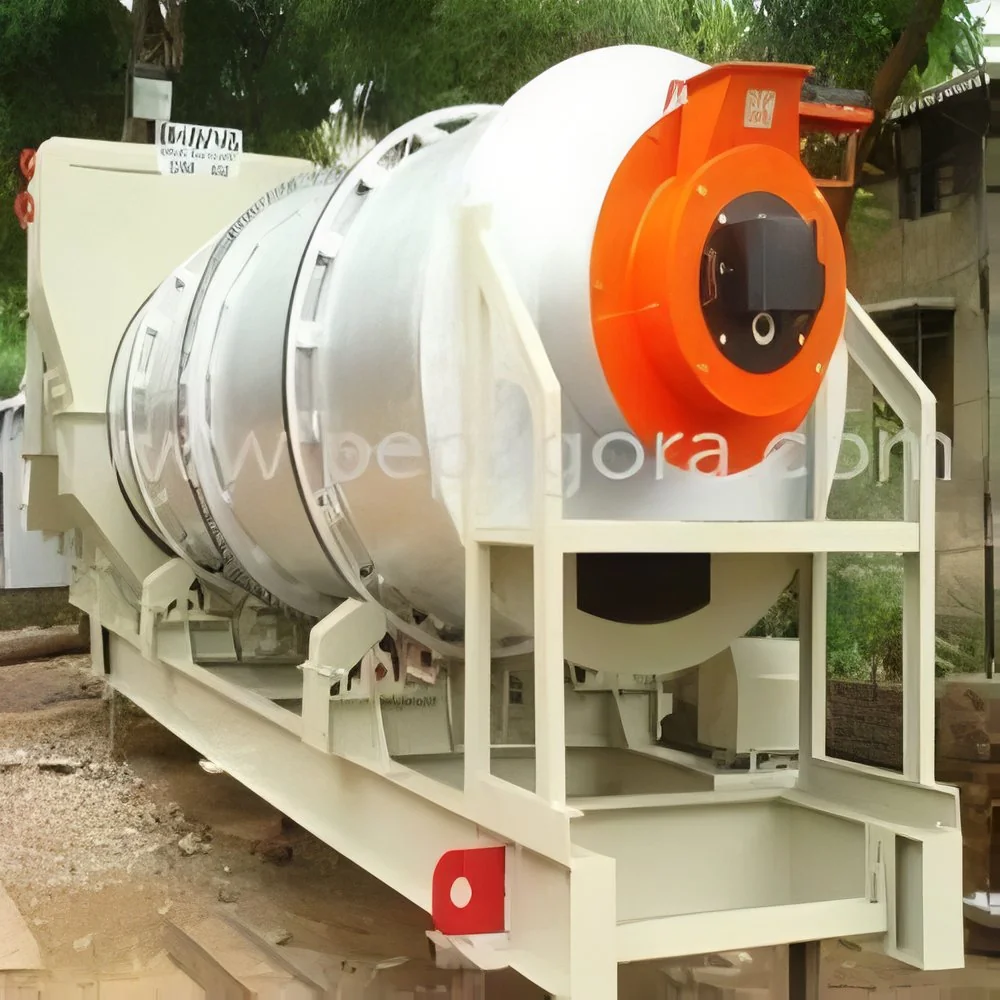
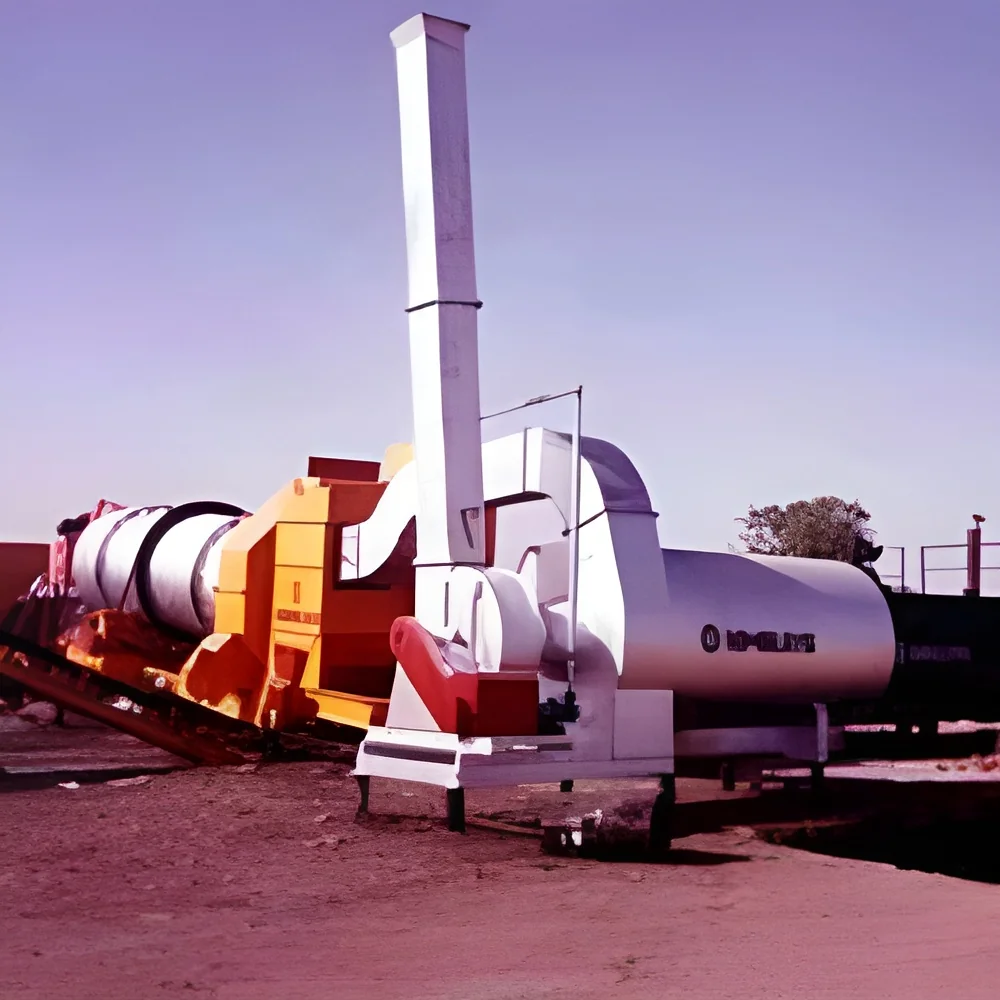
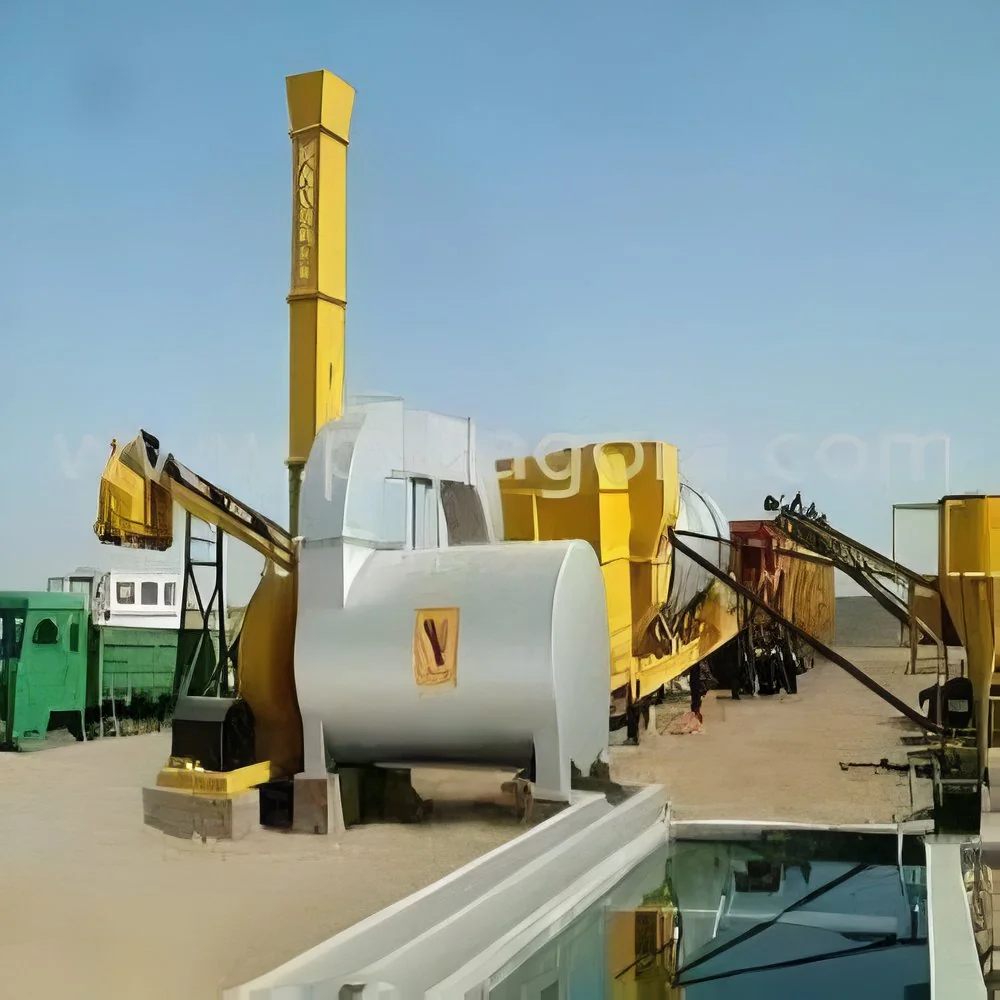
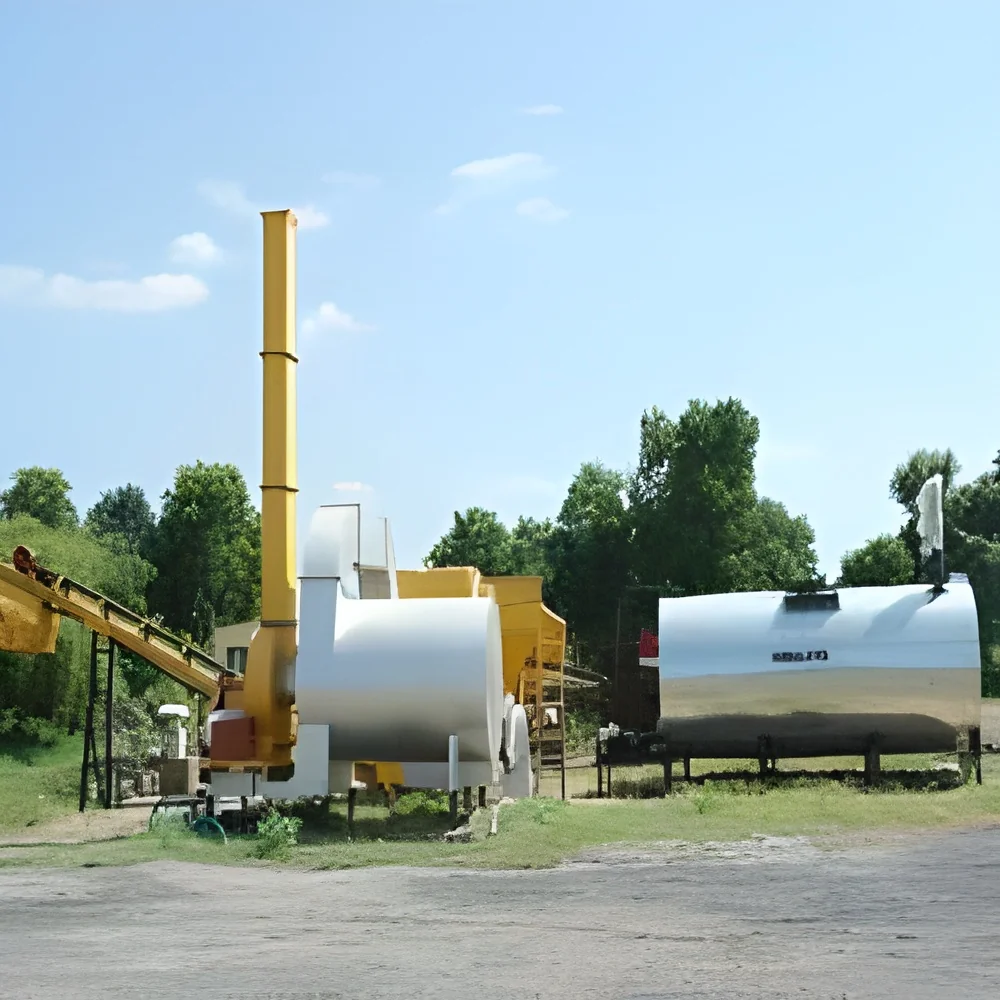
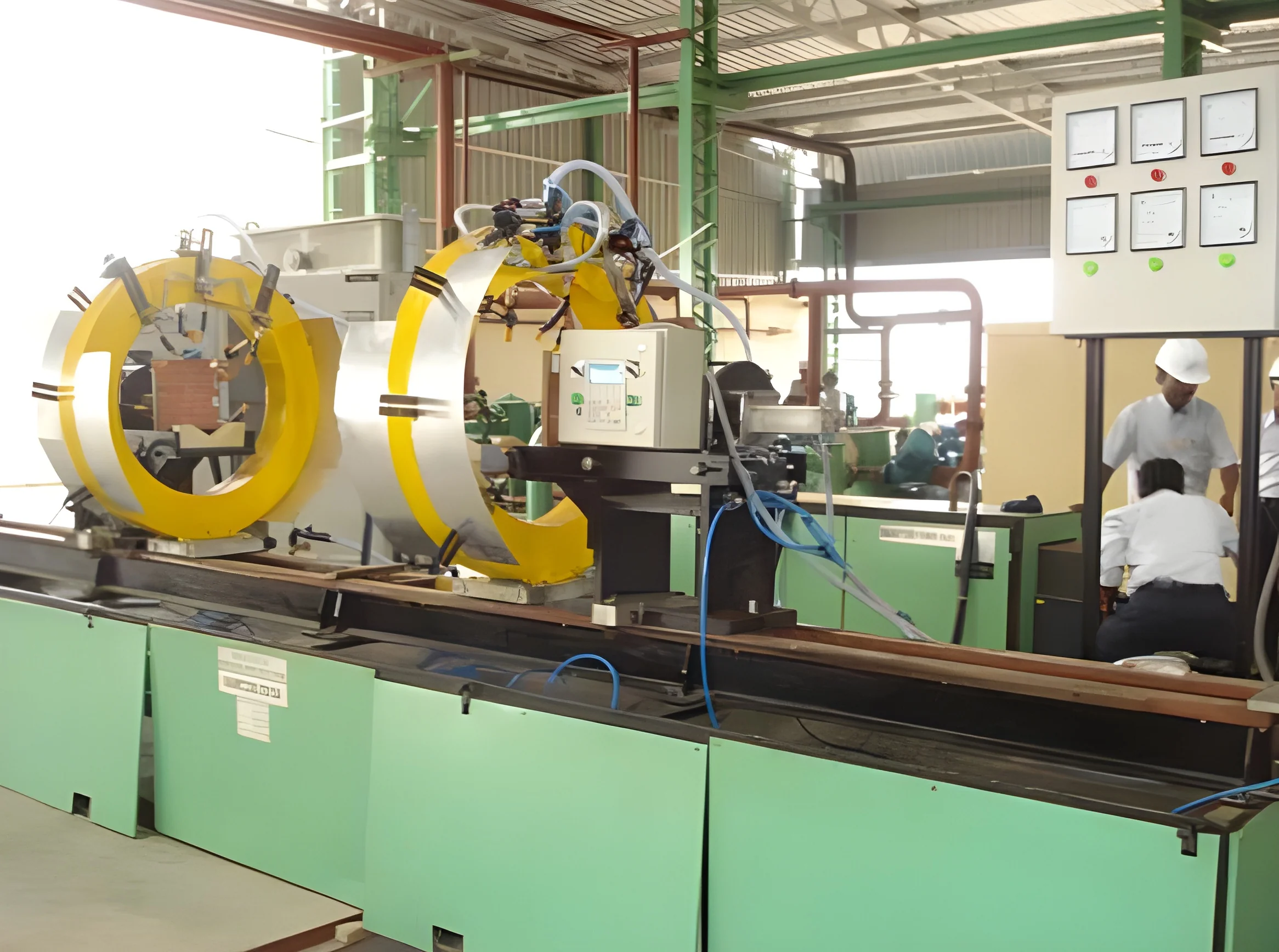
Asphalt mixers are essential machines used in the production of asphalt, which is a key material in road construction and maintenance. These machines blend aggregates, bitumen, and additives to create a homogenous mix suitable for paving applications. The principal function of an asphalt mixer is to ensure that the mixture is uniform and meets the required specifications for various construction projects.
The primary uses of asphalt mixers include the production of asphalt concrete for roads, highways, parking lots, and airport runways. They are widely utilized in both public and private sector construction projects. Asphalt mixers play a crucial role in ensuring that the asphalt produced possesses the right properties for durability and performance under traffic loads. As infrastructure development continues to grow globally, the demand for efficient and reliable asphalt mixers is increasing, making them a vital component in the construction industry.
Key Features and Specifications
Asphalt mixers are designed with a range of features that enhance their efficiency and reliability. Buyers should consider these specifications when selecting an asphalt mixer for their projects.
Key specifications include:
1. Mixing Capacity
- This specification indicates the maximum amount of asphalt mix the machine can produce in one batch.
- Common capacities range from 20 tons to over 200 tons per hour.
2. Power Source
- Asphalt mixers can be powered by diesel, electricity, or a combination of both.
- Power ratings typically range from 50 kW to 300 kW depending on the capacity.
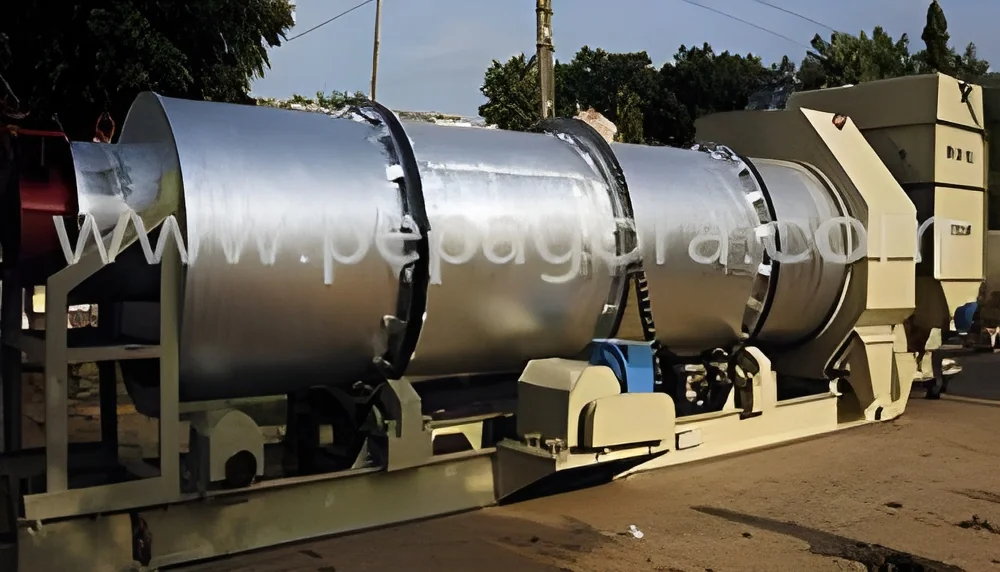
3. Drum Type
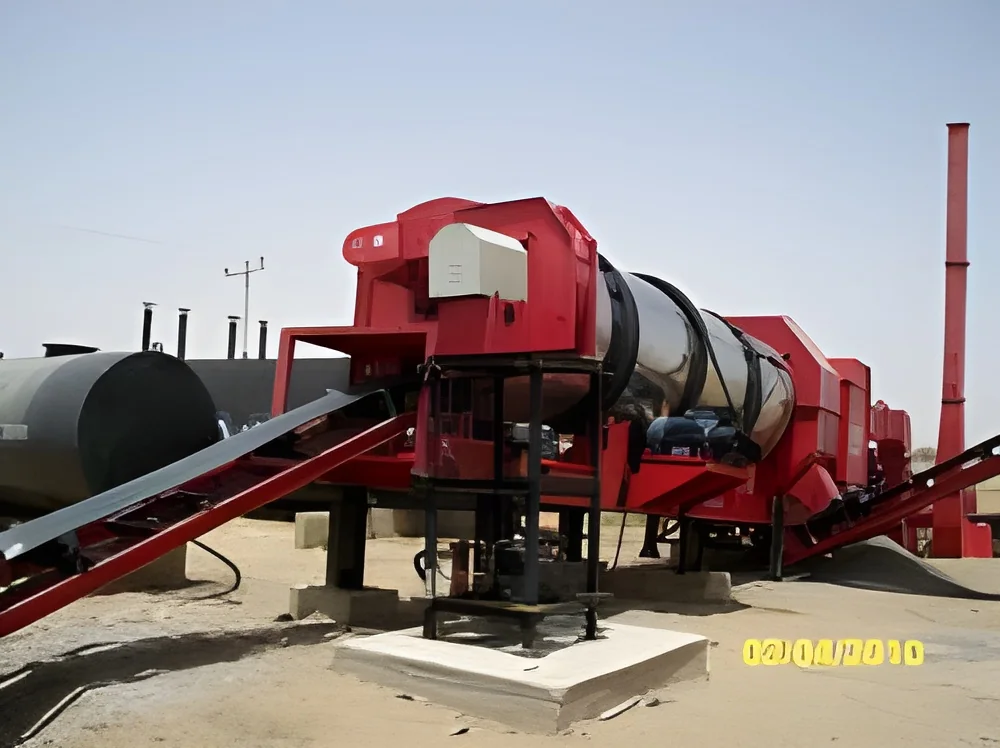
- There are primarily two types of drums: batch and continuous.
- Batch mixers produce asphalt in discrete batches, while continuous mixers produce a steady flow of asphalt.
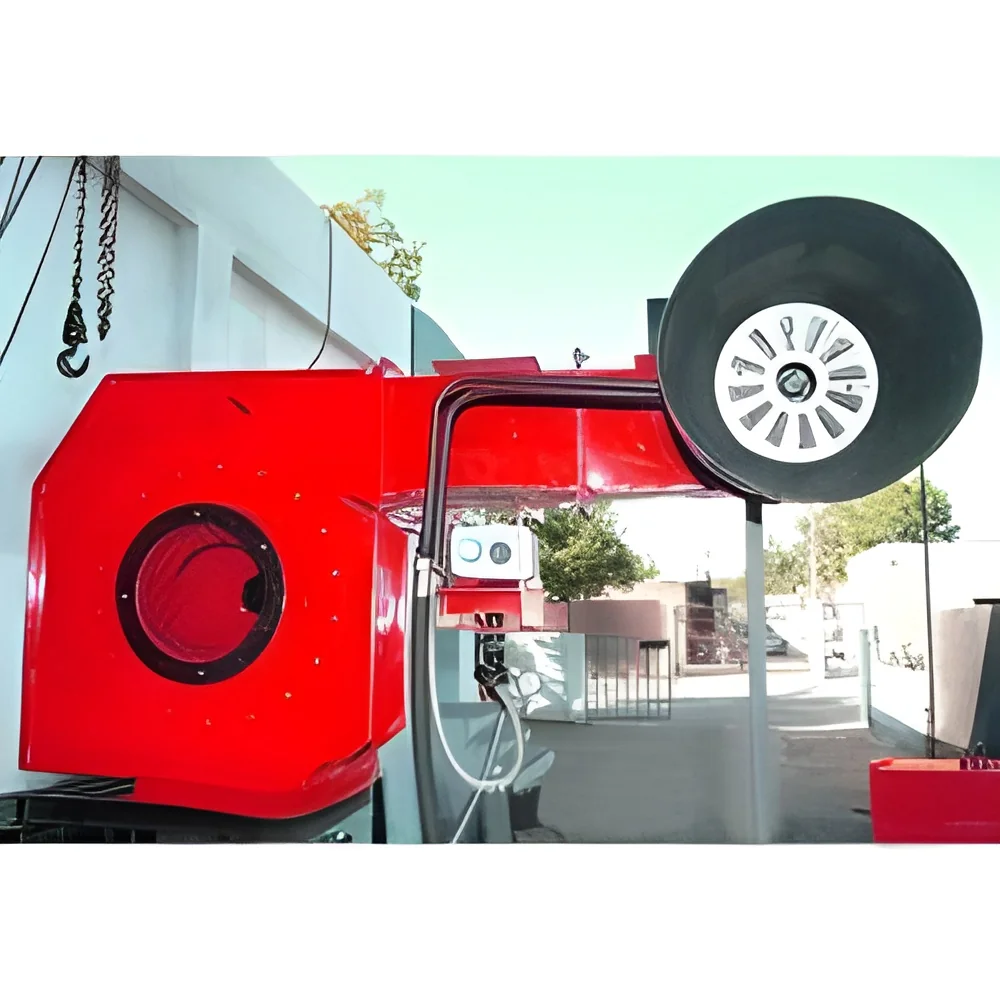
4. Heating System
- Efficient heating systems are crucial for maintaining the right temperature for mixing.
- Options include direct flame and indirect heating methods.
5. Control System
- Modern asphalt mixers come equipped with advanced control systems for precise monitoring.
- Features may include automated mixing controls, temperature sensors, and digital displays.
6. Mobility
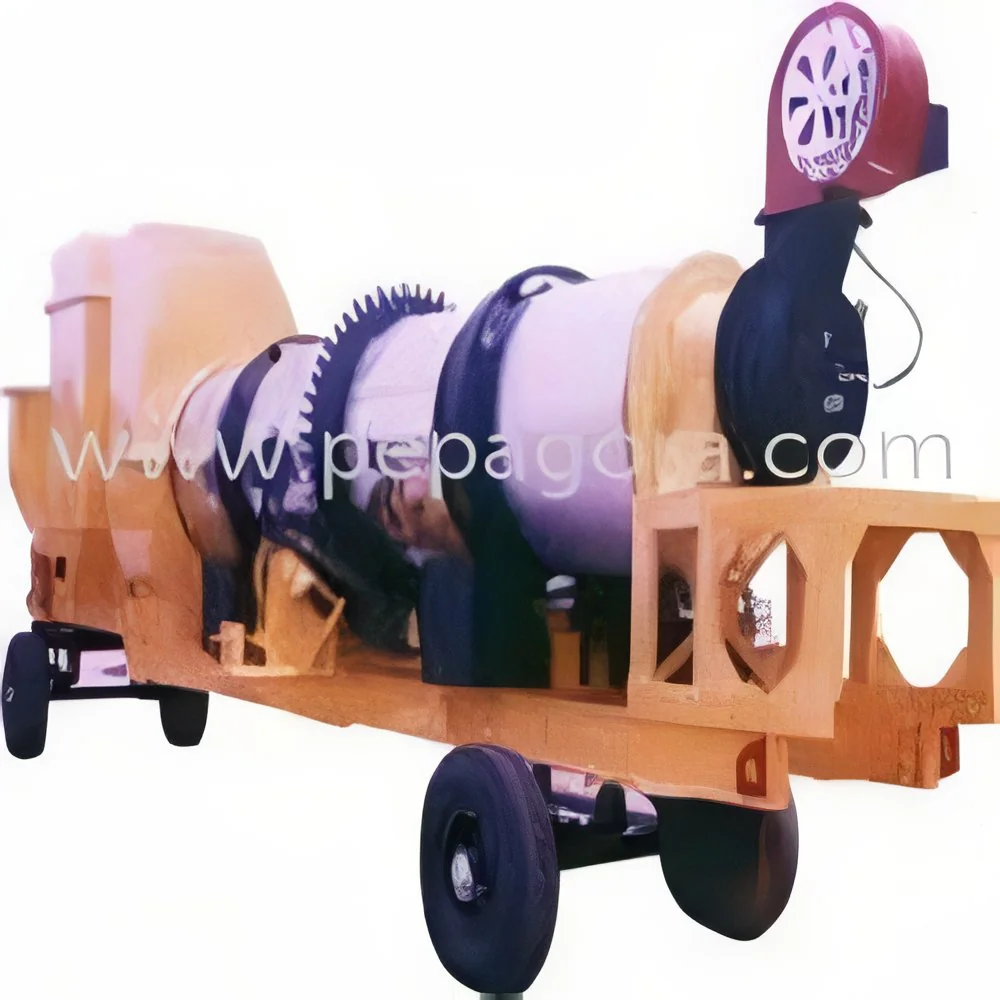
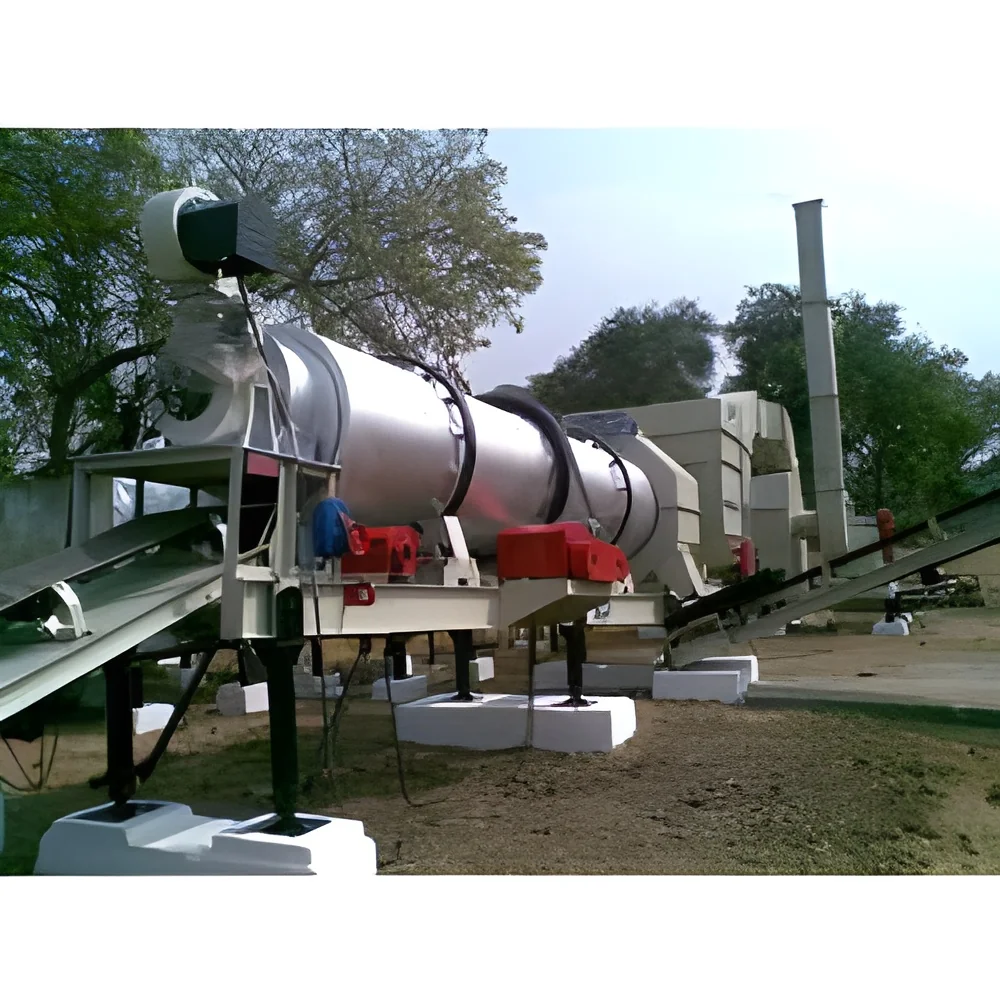
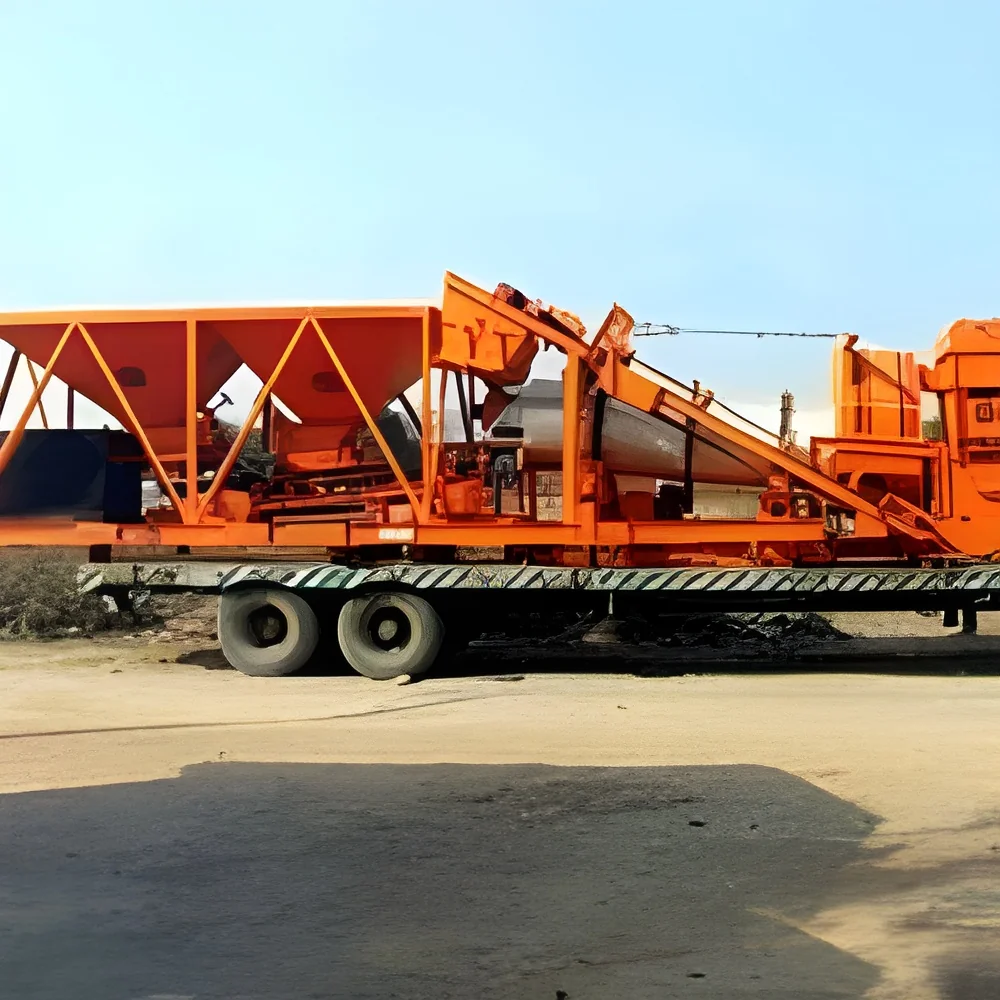
- Asphalt mixers can be stationary or mobile, with mobile units providing flexibility on construction sites.
- Mobile mixers often come with trailers or tracks.
7. Dust Control
- Effective dust control systems are essential to comply with environmental regulations.
- Features may include bag filters and water spraying systems.
8. Safety Features
- Safety is a priority, with features such as emergency shut-off switches and protective guards.
- Compliance with safety standards is crucial for operational reliability.
These specifications are vital to ensure that the asphalt mixers meet the operational demands of various construction projects.
Common Applications and Use Cases
Asphalt mixers are utilized across multiple industries, underscoring their versatility.
1. Road Construction: Asphalt mixers are primarily used in the construction and repair of roads, ensuring that the asphalt produced meets traffic load requirements.
2. Airport Paving: The aviation industry relies on high-quality asphalt for runway construction and maintenance, where durability is critical.
3. Parking Lot Construction: Asphalt mixers are used to create smooth surfaces suitable for high traffic volumes in commercial and residential parking areas.
4. Highway Maintenance: Regular maintenance of highways involves resurfacing with asphalt, necessitating the use of reliable mixers to produce the right asphalt mixture.
5. Urban Infrastructure: As cities expand, asphalt mixers play a key role in the development of streets and public spaces, ensuring long-lasting surfaces.
6. Commercial Developments: Large-scale commercial projects require precise asphalt mixtures for parking lots and access roads.
7. Municipal Projects: Local governments utilize asphalt mixers for various public works projects, including recreational facilities and community roads.
Product Variants and Subcategories
Asphalt mixers come in various designs to cater to different construction needs.
Batch Asphalt Mixers
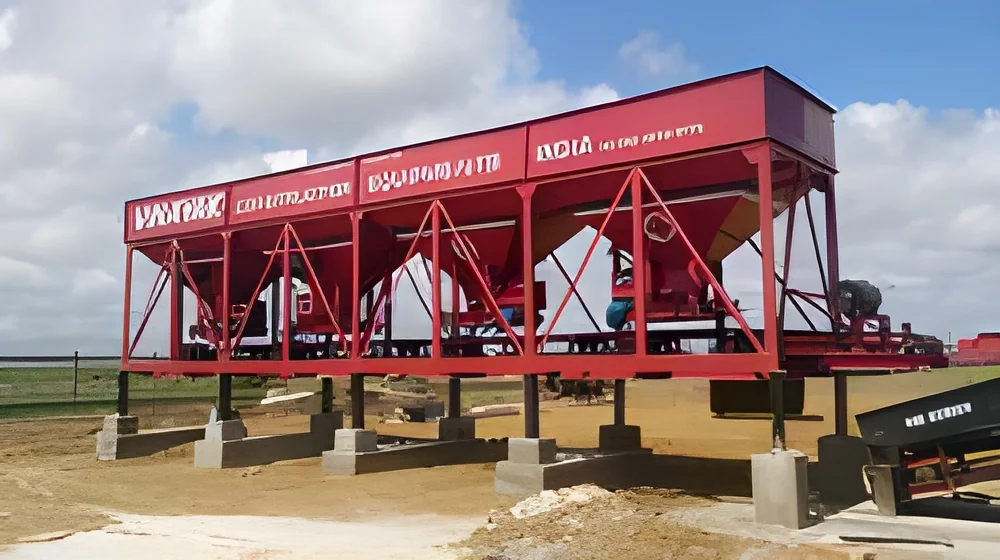
These mixers produce asphalt in batches, allowing for high-quality mixing and temperature control. They are ideal for projects requiring specific asphalt formulations and are commonly used for road construction.
Continuous Asphalt Mixers
Designed for high-volume production, continuous mixers offer a steady supply of asphalt. They are suitable for large projects where time efficiency is crucial and are often used in highway construction.
Mobile Asphalt Mixers
These mixers are equipped for mobility, allowing contractors to move them easily to different job sites. They are perfect for smaller projects or remote locations where stationary mixers may not be feasible.
Benefits and Advantages
Choosing asphalt mixers brings numerous advantages to construction projects.
1. Enhanced Quality: Asphalt mixers ensure uniform mixing, which leads to higher quality asphalt and better performance in road applications.
2. Increased Efficiency: The ability to produce large quantities of asphalt in a short time frame helps in speeding up construction processes.
3. Cost-Effectiveness: Investing in a reliable asphalt mixer can lead to long-term cost savings by reducing material waste and improving overall project efficiency.
4. Versatility: Asphalt mixers can be used for various applications, making them suitable for diverse construction tasks.
5. Improved Compliance: Advanced mixers are built to meet industry standards, ensuring that the produced asphalt complies with local regulations.
6. Reduced Environmental Impact: Modern asphalt mixers often include dust control systems that help minimize environmental pollution during production.
Buying Guide for B2B Buyers
When considering the purchase of asphalt mixers, buyers should evaluate several key factors to make informed decisions.
1. Quality Assessment: Look for mixers that meet established quality standards. Assess the materials used in construction and the reputation of the manufacturer in the industry.
2. Supplier Verification: It is crucial to vet suppliers thoroughly. Check for certifications, customer reviews, and their track record in delivering reliable products.
3. Pricing and MOQ: Understand the pricing structure and minimum order quantities. This will help in budgeting and ensuring that the investment aligns with project needs.
4. Delivery and Lead Times: Consider the logistics involved in acquiring the mixer. Confirm lead times to ensure timely delivery for project requirements.
5. Compliance Requirements: Be aware of any regulatory standards that the asphalt mixer must meet, including safety and environmental regulations.
Compliance and Certifications
Asphalt mixers must adhere to various compliance and certification standards that ensure quality and safety.
ISO 9001 is a widely recognized quality management standard that many manufacturers follow to ensure consistent quality in their products.
CE certification indicates that the asphalt mixer meets European Union safety, health, and environmental protection requirements.
Safety testing is essential to ensure that the equipment operates without risk to users and complies with industry safety standards.
Additional regional compliance considerations may vary based on local regulations, so it is essential for buyers to understand the specific requirements in their area.
Why Source Asphalt Mixers from Pepagora?
Pepagora is a reliable platform for sourcing asphalt mixers, offering several advantages to B2B buyers.
Verified Supplier Network: Pepagora connects buyers with a network of verified suppliers, ensuring that vendors meet quality and reliability standards.
Streamlined RFQ Process: The platform facilitates a straightforward request for quotation process, making it easier for buyers to compare options and obtain competitive pricing.
Trade Assurance and Support: Pepagora provides buyer protection through trade assurance, helping to mitigate risks associated with purchasing equipment.
Regional Coverage: With a focus on markets in India, the GCC, and Southeast Asia, Pepagora ensures that buyers can find suitable suppliers within their geographic region, enhancing convenience and accessibility.

 IN
IN