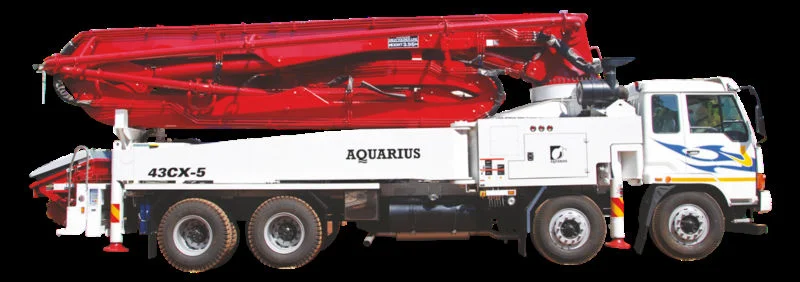
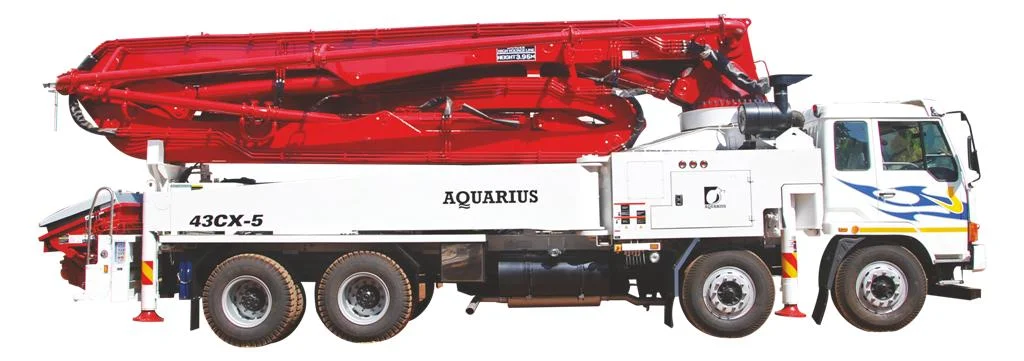
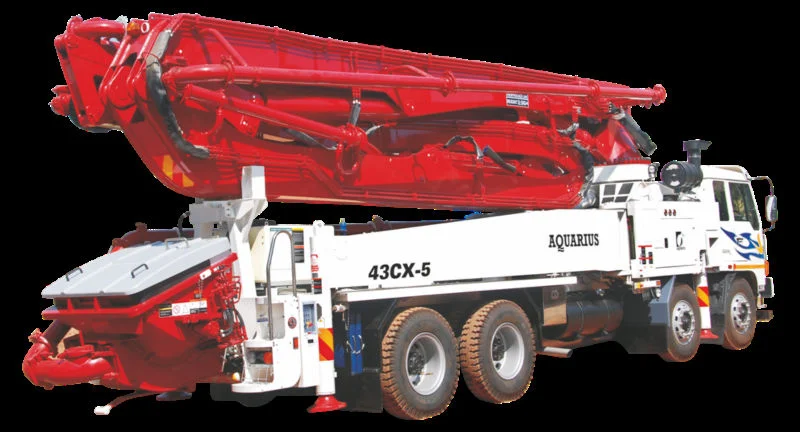
What are Concrete Pumps (Boom, Line)?
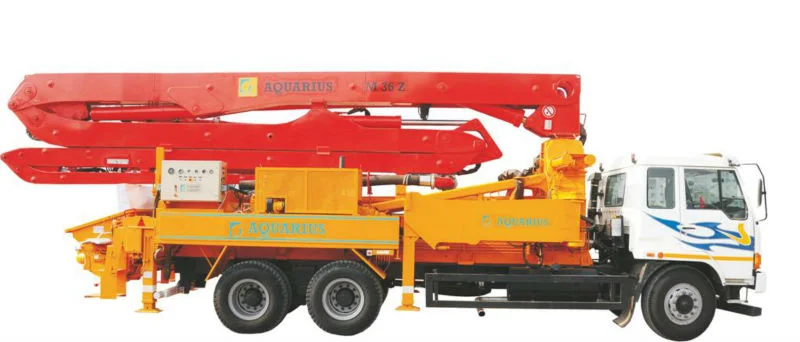
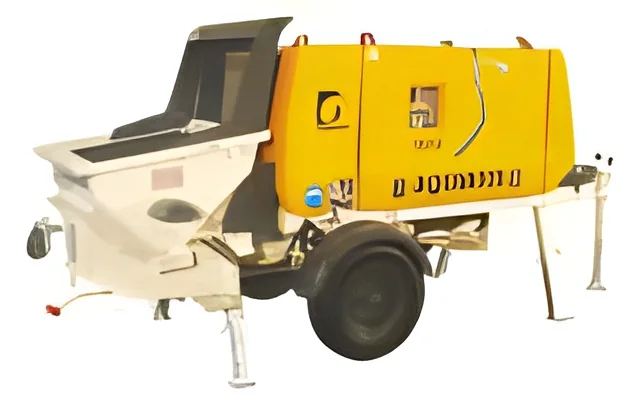
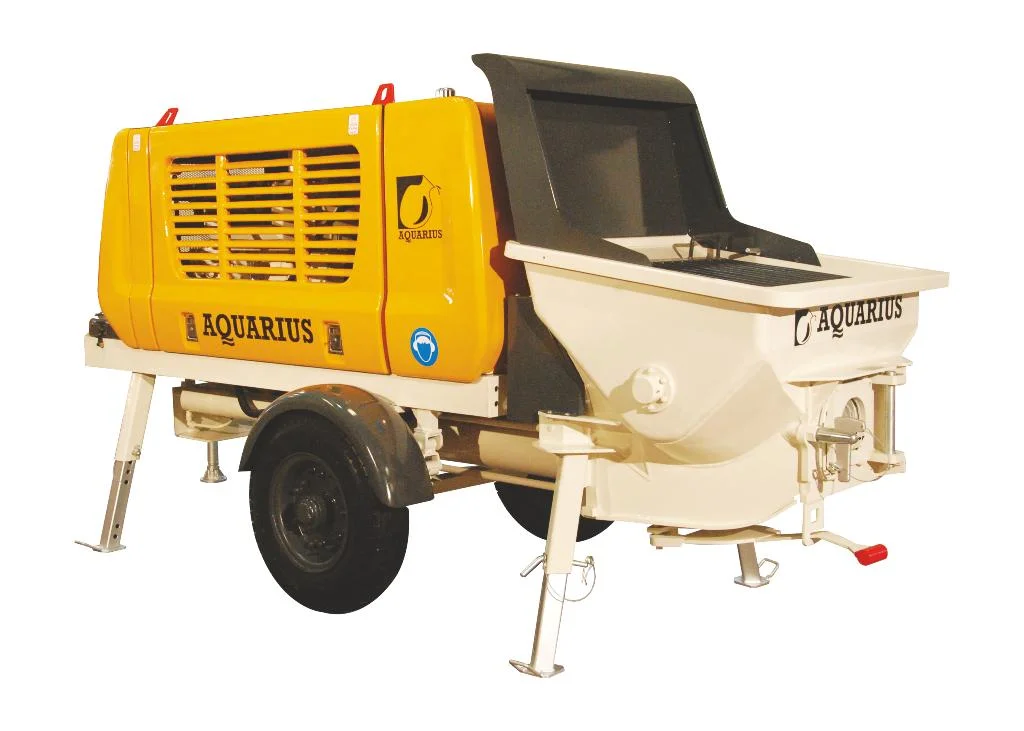
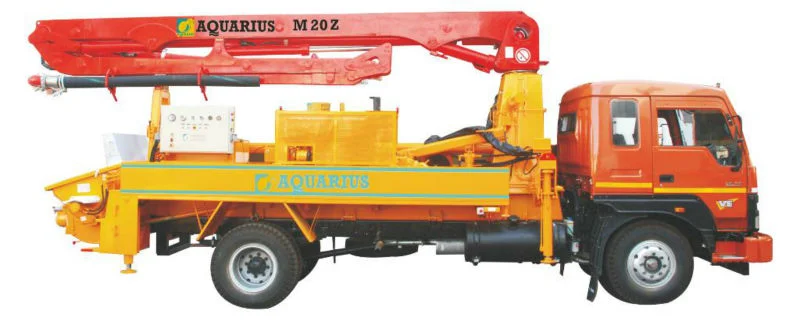
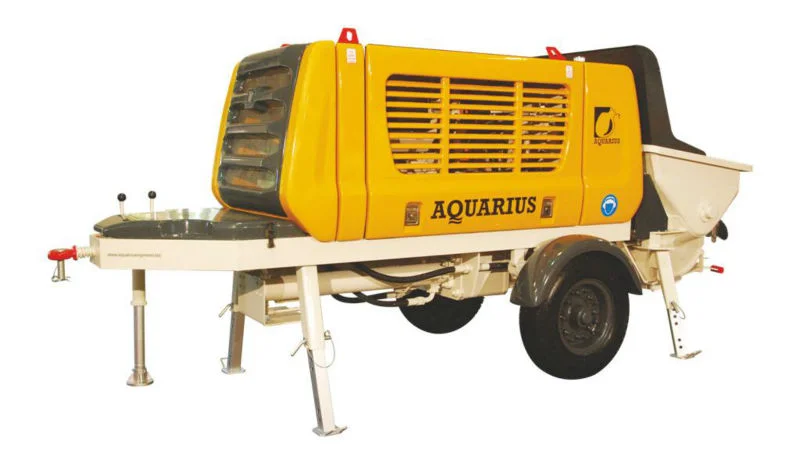
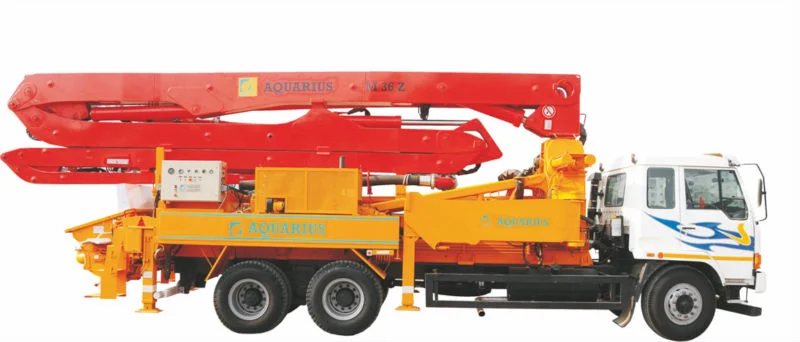
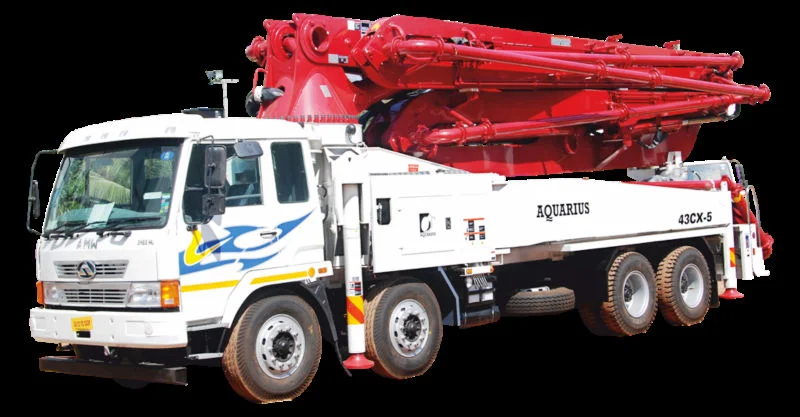
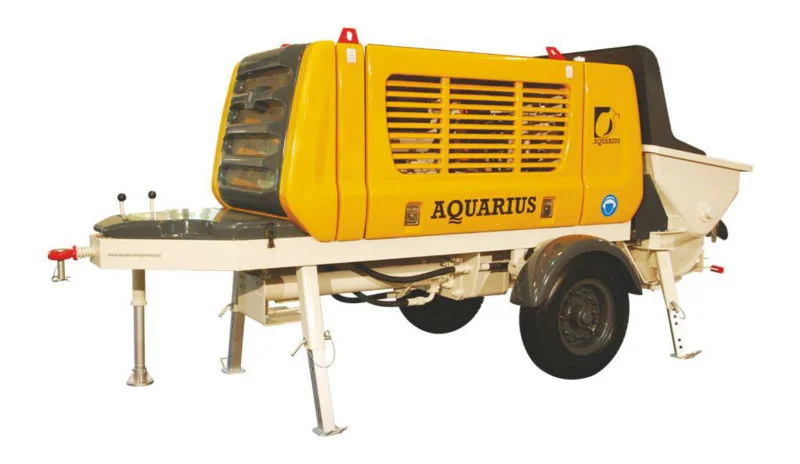
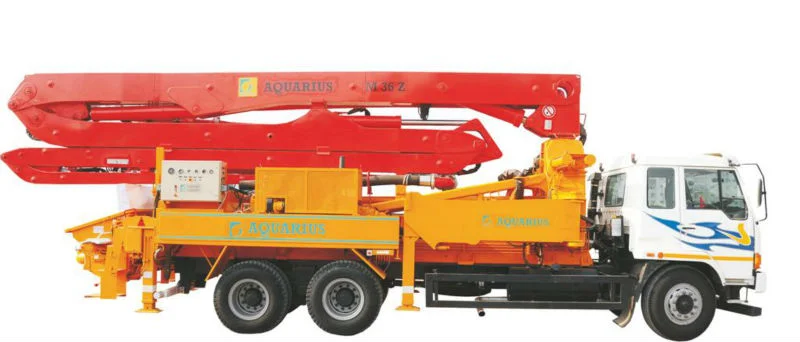
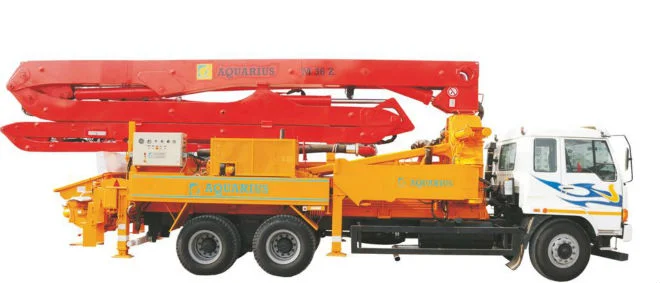
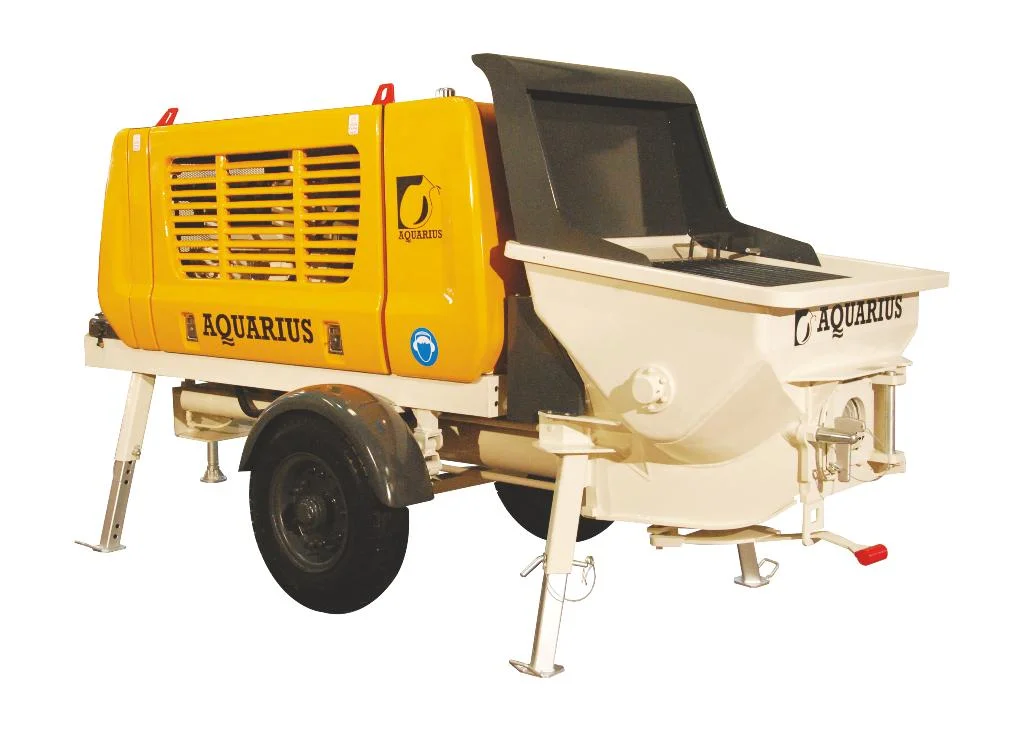
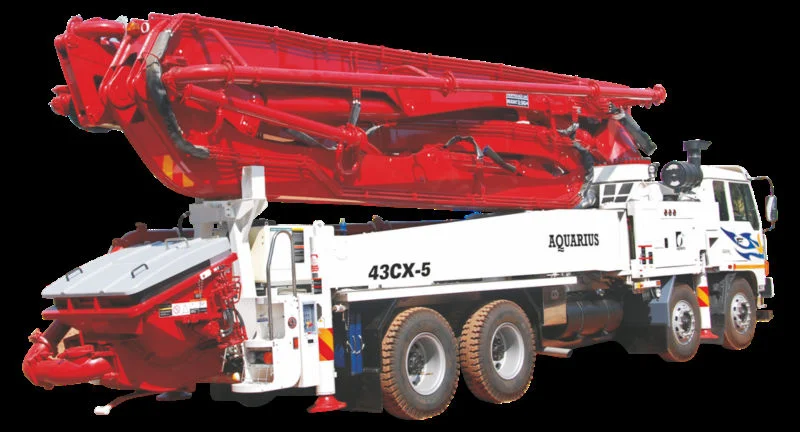
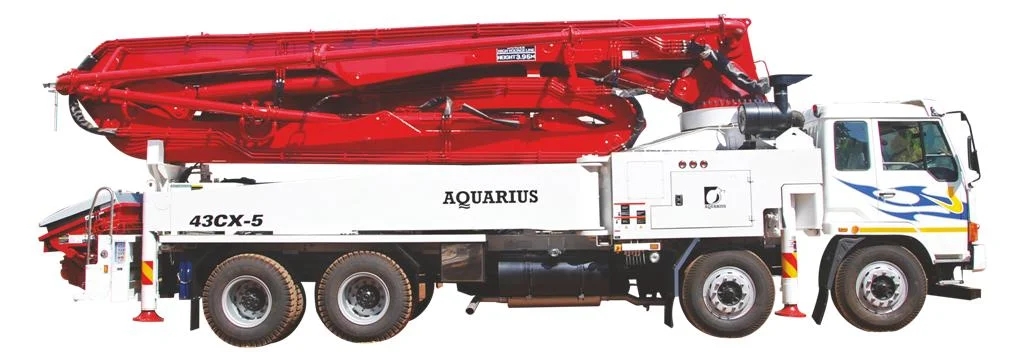
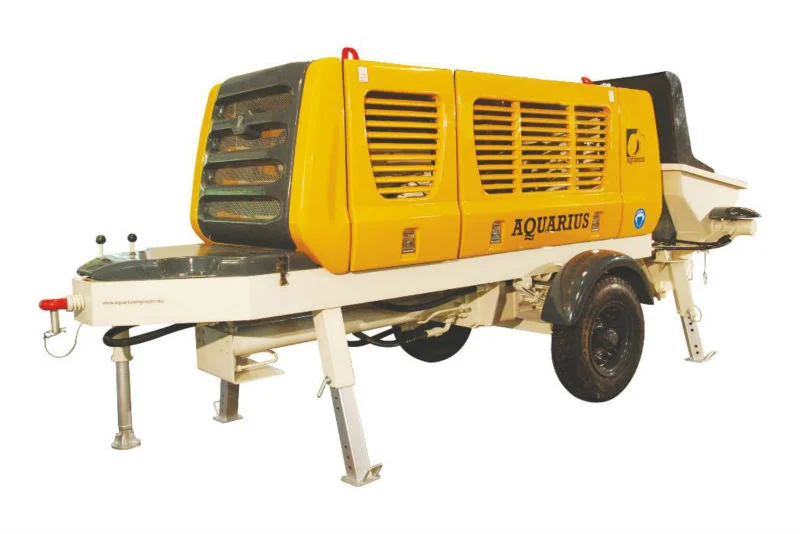
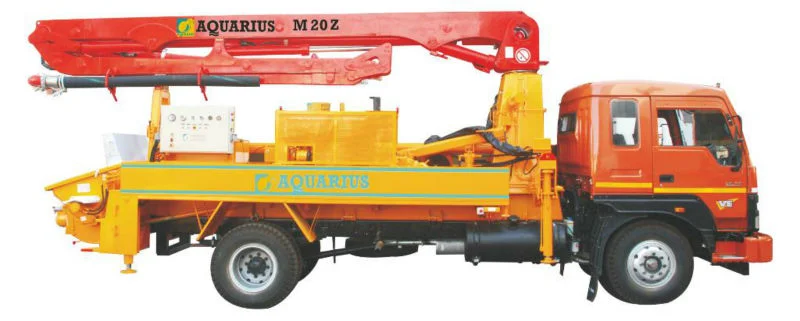
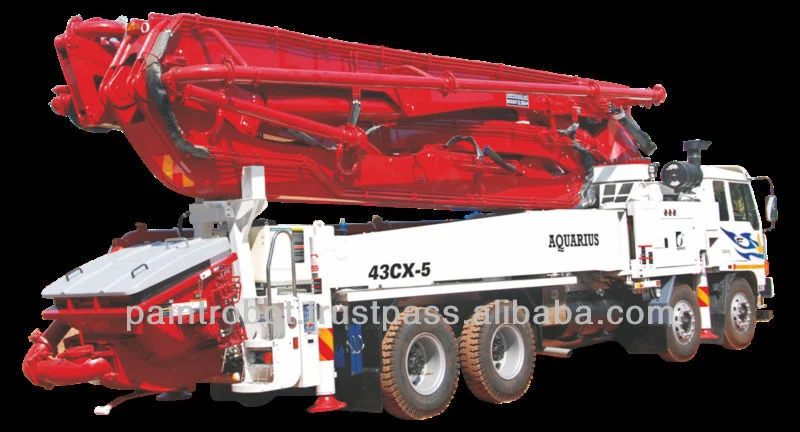
Concrete pumps are specialized equipment designed to transport liquid concrete from a mixing truck to the construction site. They operate by using a system of pipes and hoses to move concrete through pressure, ensuring efficient and precise placement. There are two main types of concrete pumps: boom pumps, which have an articulating arm that can reach high and difficult-to-access areas, and line pumps, which use a series of pipes to convey concrete over shorter distances.
These pumps are primarily used in various construction projects, including high-rise buildings, bridges, tunnels, and residential developments. They help reduce labor costs and improve the speed of concrete placement compared to traditional methods. As the construction industry continues to grow, the demand for concrete pumps remains strong, making them a critical component in modern construction practices.
In the current market, concrete pumps are essential for enhancing productivity and efficiency. With advancements in technology, these pumps have become more reliable and user-friendly, attracting a wider range of users. Companies are increasingly investing in concrete pumps to meet project demands and improve overall operational efficiency.
šš²š šš²š®šššæš²š š®š»š± š¦š½š²š°š¶š³š¶š°š®šš¶š¼š»š
Concrete pumps come with various features that enhance their performance and usability. Understanding these specifications is essential for making an informed purchasing decision.
Key specifications include:
1. Pumping Capacity
- This refers to the volume of concrete a pump can move in a specific period, usually measured in cubic meters per hour. Common ranges are from 20 to 150 cubic meters per hour.
2. Maximum Horizontal Reach
- This specification indicates how far the concrete can be pumped horizontally from the pump's location. It typically ranges from 30 to 100 meters.
3. Maximum Vertical Reach
- This refers to the highest point to which concrete can be pumped. Boom pumps can reach heights of 20 to 60 meters or more.
4. Hose Diameter
- The diameter of the hoses used in line pumps affects the flow of concrete. Common sizes range from 2 to 5 inches.
5. Power Source
- Concrete pumps may operate on diesel or electric power, impacting their suitability for different sites and project requirements.
6. Weight
- The weight of the pump is an important consideration for transportation and mobility. It can vary significantly based on model and specifications.
7. Control System
- Modern concrete pumps are equipped with advanced control systems that allow operators to manage the pumping process more effectively.
8. Safety Features
- Essential safety features include emergency stop buttons, pressure relief valves, and stability controls to prevent accidents during operation.
In summary, understanding the key features and specifications of concrete pumps is crucial for selecting the right model for specific construction needs.
šš¼šŗšŗš¼š» šš½š½š¹š¶š°š®šš¶š¼š»š š®š»š± šØšš² šš®šš²š
Concrete pumps play a vital role in various industries, ensuring efficient concrete placement in diverse settings.
1. Construction: In commercial and residential construction, concrete pumps are used to pour foundations, floors, and walls, significantly speeding up the process.
2. Infrastructure: These pumps are essential for large infrastructure projects like bridges, highways, and tunnels, where precise concrete placement is crucial.
3. Industrial: In industrial applications, concrete pumps are used for creating slabs, piers, and other structural components.
4. Precast Manufacturing: Concrete pumps are utilized in precast concrete operations for producing components such as beams and panels.
5. Mining: In the mining industry, concrete pumps are used for shotcrete applications to stabilize underground structures.
6. Agricultural: Some applications in agriculture involve using concrete pumps for constructing silos and storage facilities.
7. Environmental: Concrete pumps can also be involved in environmental projects, such as constructing barriers or foundations for waste management facilities.
š£šæš¼š±šš°š š©š®šæš¶š®š»šš š®š»š± š¦ššÆš°š®šš²š“š¼šæš¶š²š
Concrete pumps come in different variants, catering to diverse construction needs.
Boom Pumps
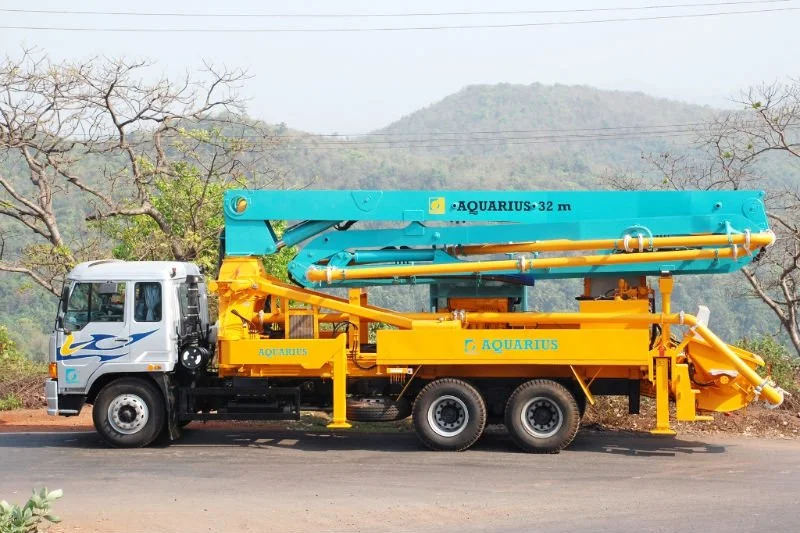
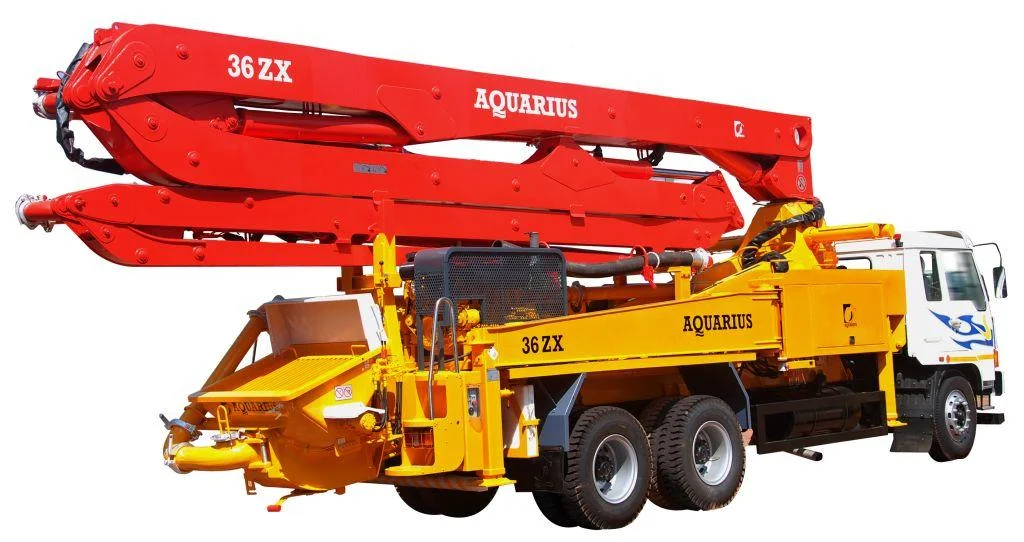
Boom pumps feature a hydraulic arm that allows for high reach and precise placement of concrete. They are ideal for large construction sites where height and distance are factors. They provide flexibility in positioning and can navigate obstacles effectively.
Line Pumps
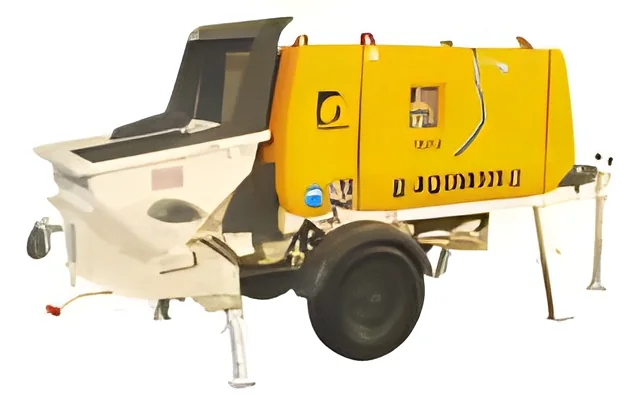
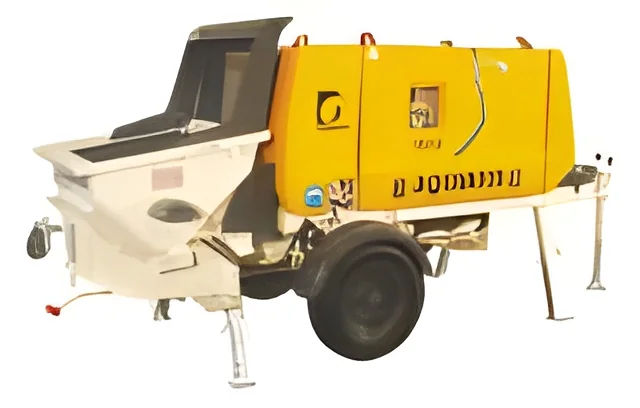
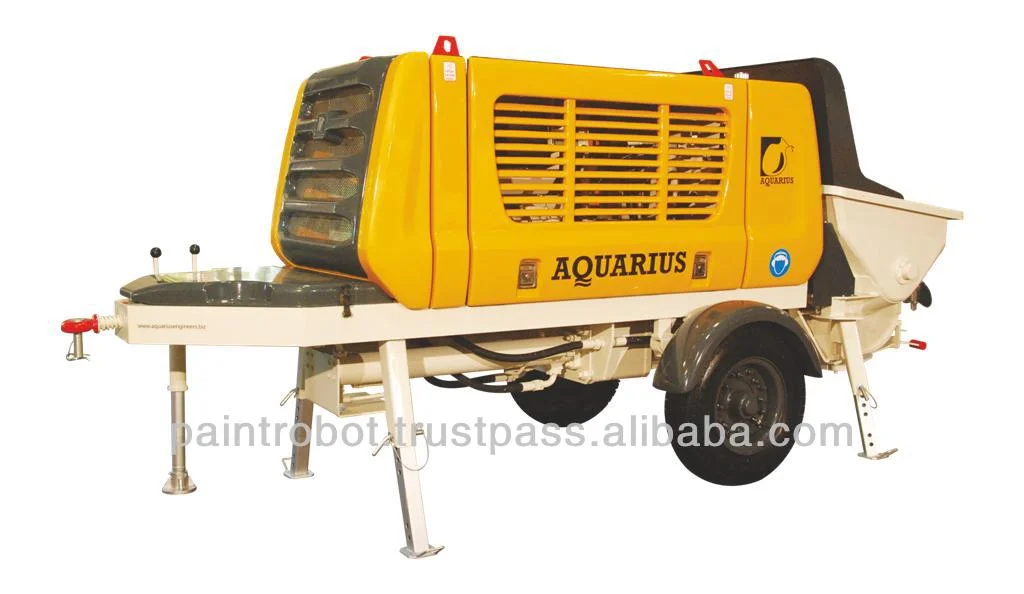
Line pumps are designed for lower volume applications and short-distance concrete placement. They are often used for smaller projects or in situations where space is limited. Line pumps are portable and can easily be set up and operated.
šš²š»š²š³š¶šš š®š»š± šš±šš®š»šš®š“š²š
Investing in concrete pumps offers numerous advantages for construction projects.
1. Increased Efficiency: Concrete pumps significantly reduce the time required for concrete placement, allowing projects to progress faster.
2. Labor Savings: Utilizing concrete pumps minimizes the need for manual labor, reducing costs associated with workforce management.
3. Precision Placement: The ability to control the flow and direction of concrete ensures accurate placement, reducing waste and optimizing material usage.
4. Versatility: Concrete pumps can be used in various applications, making them suitable for different project types and sizes.
5. Improved Safety: With remote operation capabilities, concrete pumps enhance safety by reducing the risk of accidents associated with manual pouring.
6. Reduced Environmental Impact: Efficient concrete placement minimizes waste and helps in adhering to project timelines, contributing to sustainable construction practices.
šššš¶š»š“ ššš¶š±š² š³š¼šæ šš®š šššš²šæš
When sourcing concrete pumps, it is essential for B2B buyers to consider several key factors.
1. Quality Assessment: Ensure the concrete pump meets industry standards and has a solid reputation for reliability and performance. Look for certifications and user reviews.
2. Supplier Verification: Vet suppliers thoroughly to ensure they are reputable and provide quality products. Check their history, customer feedback, and warranty options.
3. Pricing and MOQ: Understand the pricing structure and minimum order quantities. Compare different suppliers to find the best value for your investment.
4. Delivery and Lead Times: Clarify the expected delivery schedules and lead times to ensure timely project execution. Consider any potential logistics challenges.
5. Compliance Requirements: Verify that the pump complies with local regulations and safety standards. This may include certifications such as CE to ensure quality and reliability.
šš¼šŗš½š¹š¶š®š»š°š² š®š»š± šš²šæšš¶š³š¶š°š®šš¶š¼š»š
Concrete pumps must adhere to various compliance and certification standards to ensure safety and quality.
Relevant quality standards like ISO 9001 pertain to quality management systems. Compliance with these standards indicates a commitment to quality assurance in manufacturing processes.
Industry certifications, such as CE marking, signify that the equipment meets European safety and performance standards. This certification is essential for buyers in the European market.
Safety and testing requirements are critical, particularly for equipment operating under high pressure. Regular inspections and adherence to safety protocols help prevent accidents.
Regional compliance considerations vary by location, impacting the specifications and certifications required. It is essential for buyers to be aware of local regulations when sourcing concrete pumps.
Why Source Concrete Pumps (Boom, Line) from Pepagora?
Pepagora offers a reliable platform for sourcing concrete pumps, ensuring buyers access high-quality products from verified suppliers.
Verified Supplier Network: Pepagora has a robust network of suppliers who have been thoroughly vetted for quality and reliability. This reduces the risk of purchasing substandard equipment.
Streamlined RFQ Process: The request for quotation process on Pepagora is efficient and user-friendly, allowing buyers to receive competitive quotes quickly and easily.
Trade Assurance and Support: Pepagora provides trade assurance, protecting buyers from potential risks associated with transactions. This support enhances buyer confidence.
Regional Coverage: With a presence in India, the GCC, and Southeast Asia, Pepagora offers comprehensive geographic coverage, ensuring buyers can access concrete pumps suited to their specific regional needs.