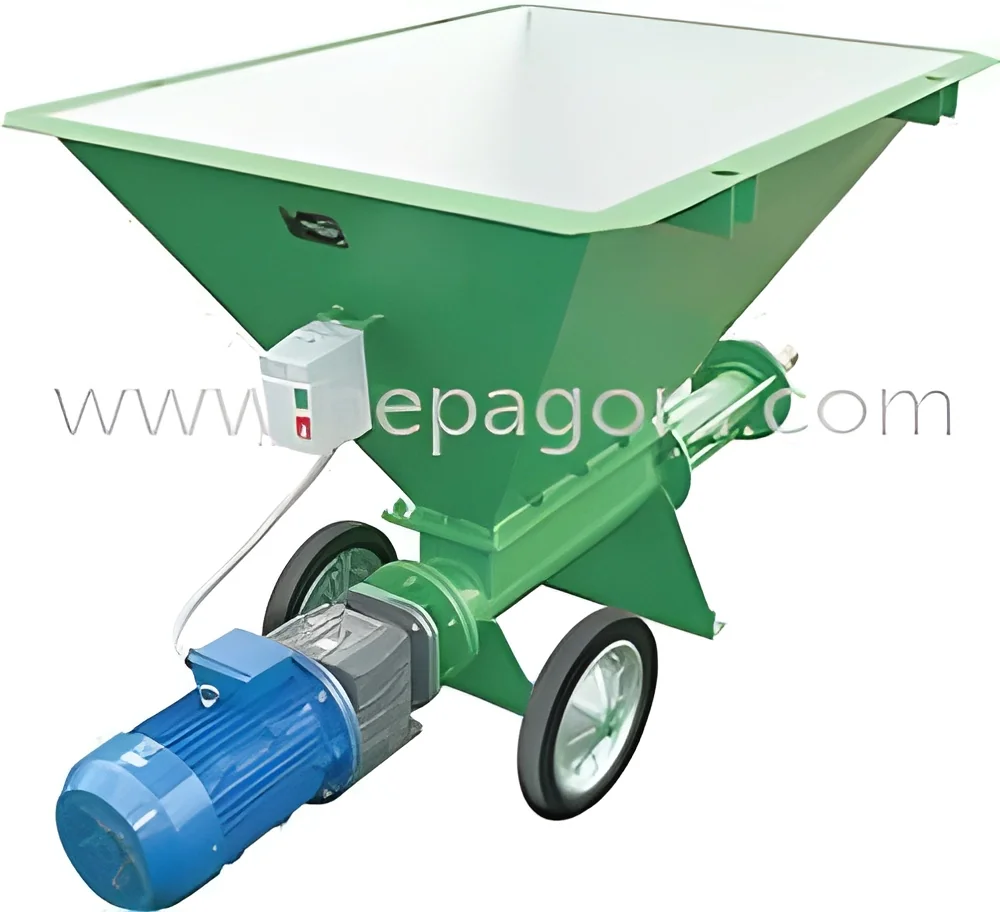
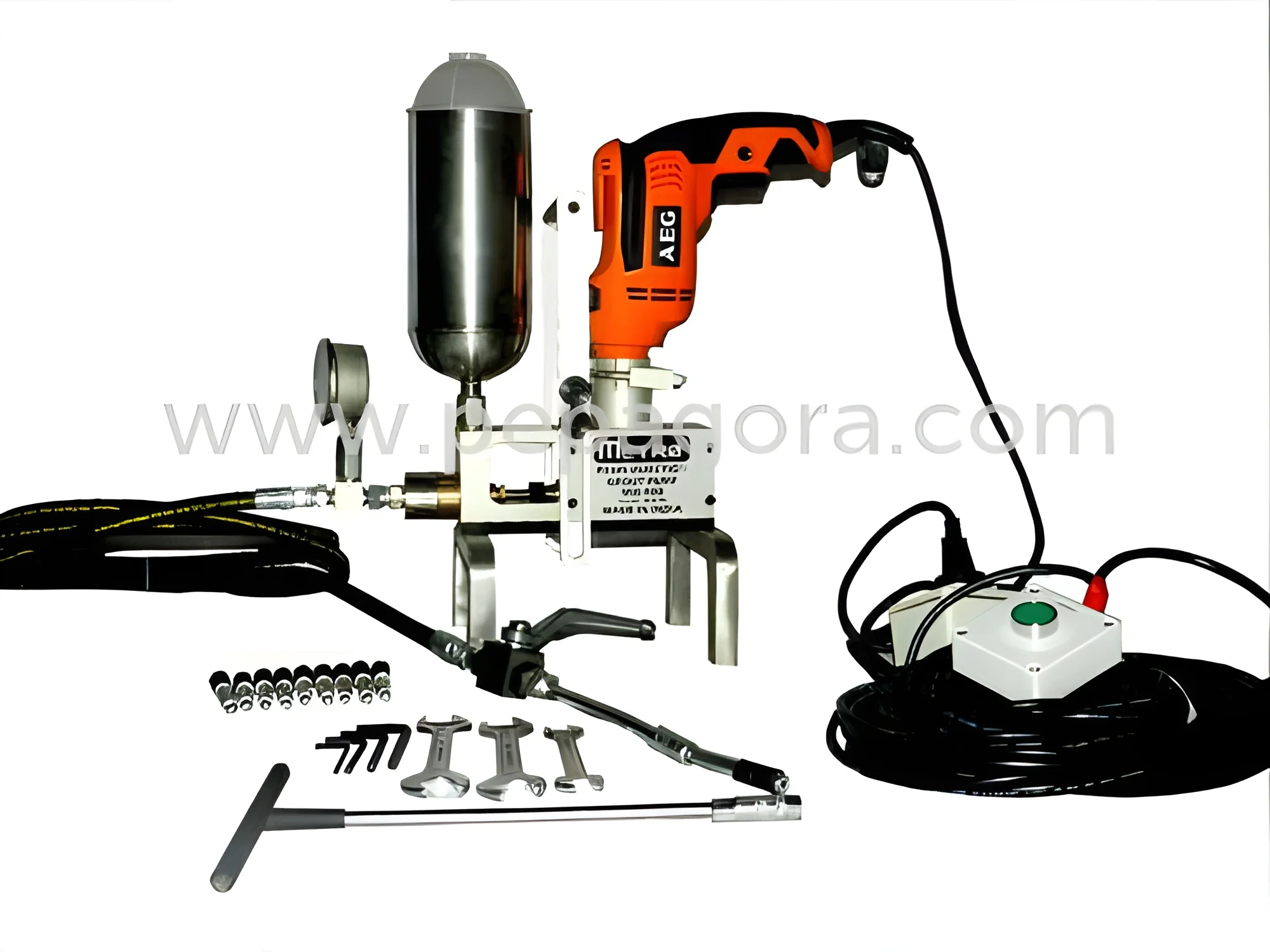
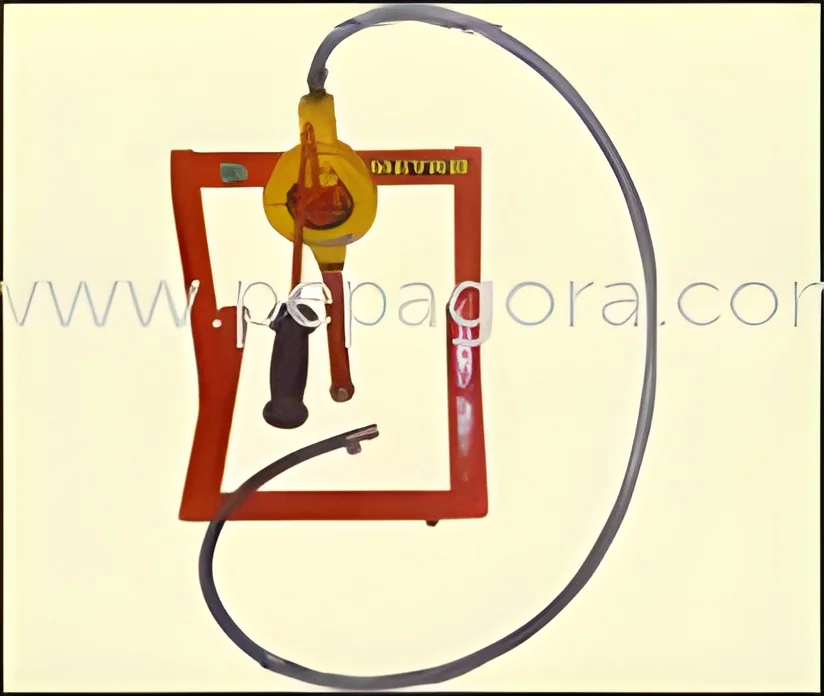
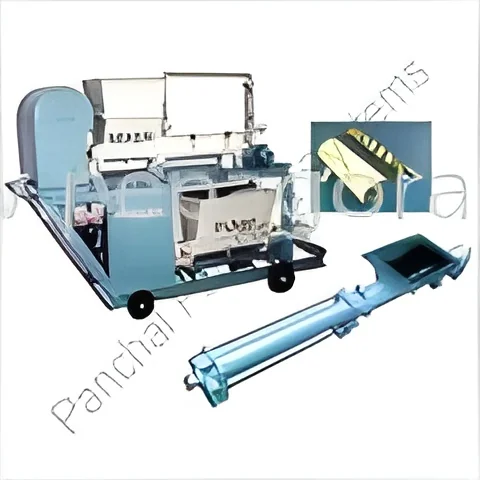
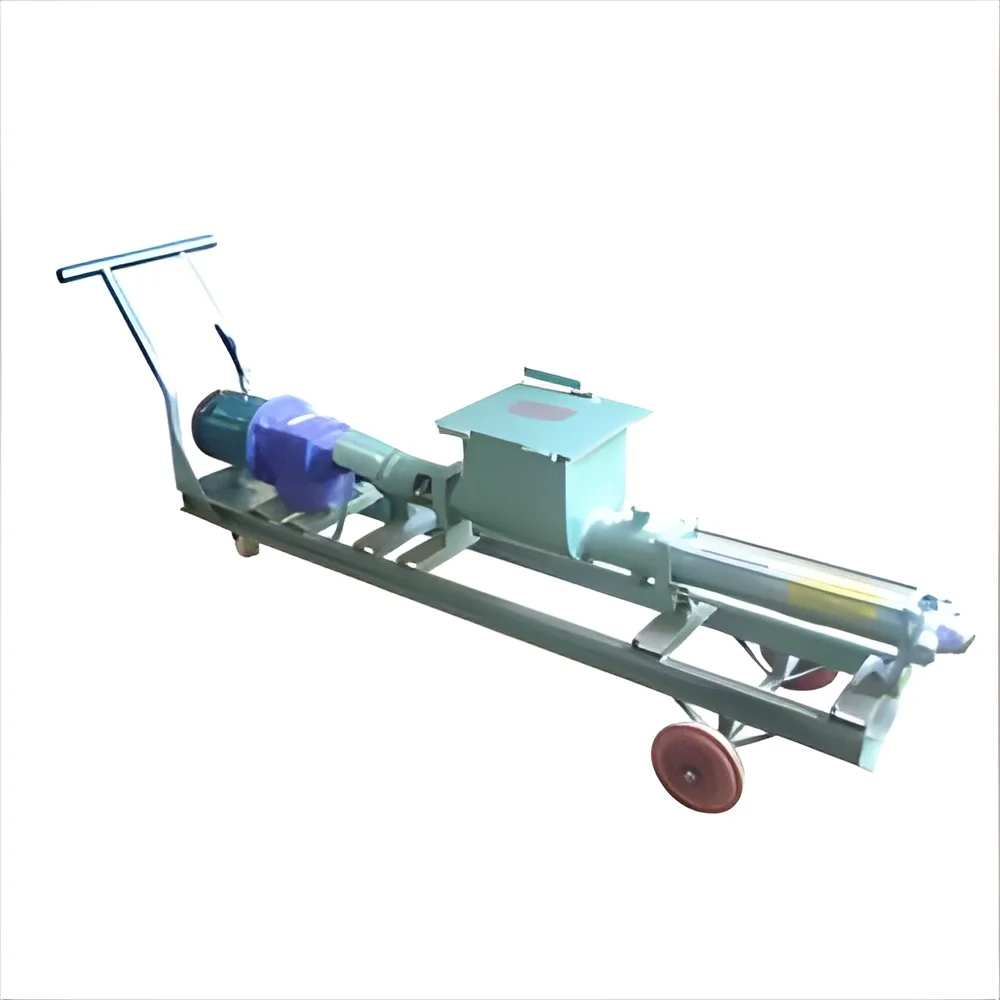
What are Grouting Equipment?
Grouting equipment is essential machinery used for the process of injecting a mixture of cement, sand, and water, known as grout, into voids or spaces within structures. This process is crucial for providing support, sealing, and waterproofing in various construction applications. Grouting equipment ranges from manual tools to advanced machinery designed for large-scale projects, ensuring that the grout is delivered efficiently and effectively.
The primary uses of grouting equipment include soil stabilization, rock anchoring, and filling voids in concrete structures. Businesses in construction, civil engineering, and infrastructure development rely on these machines to enhance the durability and longevity of their projects. Grouting is particularly important in situations involving underground construction, where maintaining structural integrity is critical. The relevance of grouting equipment in today's market is underscored by the rising demand for construction and maintenance of infrastructure, which necessitates reliable and effective grouting solutions.
Key Features and Specifications
Grouting equipment comes with various features and specifications tailored to meet industry demands. These specifications ensure that the equipment performs effectively under different conditions and requirements, making them versatile for multiple applications.
Key specifications include:
1. Pumping Capacity
- This specification determines the volume of grout that can be pumped per minute.
- Typical ranges vary from 0.5 to 10 cubic meters per hour.
2. Pressure Rating
- This specifies the maximum pressure the equipment can handle during operations.
- Pressure ratings usually fall between 30 to 150 bar, depending on the model.
3. Power Source
- Grouting equipment can be powered by electric motors, diesel engines, or hydraulic systems.
- Electric models are preferred for indoor use, while diesel is suitable for outdoor applications.
4. Hose Length
- The length of the delivery hose can vary significantly, allowing for flexibility in application.
- Common lengths range from 10 to 50 meters.
5. Weight
- The weight of the equipment affects portability and ease of use on-site.
- Most units weigh between 100 to 500 kilograms.
6. Mixing Capability
- Some grouting machines come with built-in mixers, facilitating on-site preparation.
- Mixing capabilities can handle various grout types, including pre-mixed and site-mixed options.
7. Control System
- Advanced models feature automated control systems for consistent grout application.
- Manual controls are available for simpler operations.
8. Safety Features
- Essential safety features may include pressure relief valves, emergency shut-off switches, and protective guards.
- Compliance with safety standards is crucial for operator safety.
In summary, understanding these specifications helps businesses select the right grouting equipment according to their specific project needs.
Common Applications and Use Cases
Grouting equipment serves a wide range of industries, each with unique applications that enhance project outcomes.
1. Construction: In construction, grouting is used for filling voids in foundations, anchoring structural elements, and ensuring that buildings are stable and secure.
2. Civil Engineering: Grouting equipment is employed in civil engineering for soil stabilization projects, allowing for the reinforcement of soil to support roads and bridges.
3. Mining: In mining operations, grouting helps in stabilizing rock formations, preventing collapses, and ensuring the safety of tunnels and shafts.
4. Oil and Gas: Grouting is vital in the oil and gas sector for sealing and protecting pipelines and ensuring the integrity of drilling sites.
5. Environmental: In environmental applications, grouting is used to contain and prevent the migration of contaminants in soil and groundwater.
6. Infrastructure Repair: Grouting equipment plays a key role in repairing existing structures, such as bridges and dams, by filling cracks and voids to restore strength.
7. Hydrogeology: Grouting is also utilized in hydrogeological studies to control groundwater flow and improve the stability of boreholes.
Product Variants and Subcategories
Grouting equipment comes in various forms, catering to different operational needs and project scales.
Electric Grouting Pumps
These pumps are designed for indoor use, providing a clean and efficient solution for small to medium-sized projects. They are powered by electricity, ensuring low emissions and noise levels.
Hydraulic Grouting Machines
Hydraulic models are known for their high efficiency and robust performance. They are suitable for larger projects, offering the ability to pump grout at higher pressures.
Portable Grouting Systems
These lightweight and compact systems are ideal for remote locations or projects requiring mobility. They can be easily transported and set up on-site.
Stationary Grouting Equipment
Stationary units offer high capacity and are best suited for large-scale applications where continuous grouting is required, often found in civil engineering projects.
Benefits and Advantages
Investing in grouting equipment brings multiple advantages that can enhance project efficiency and effectiveness.
1. Increased Structural Integrity: Grouting reinforces structures, providing additional support and stability, which is crucial for safety.
2. Enhanced Waterproofing: Proper grouting prevents water infiltration, protecting structures from damage and increasing their lifespan.
3. Versatility: Grouting equipment is adaptable for various applications, making it suitable for different industries and project types.
4. Time Efficiency: Automated features and high pumping capacities reduce the time required for grouting, enabling faster project completion.
5. Cost-Effectiveness: By preventing future structural issues, effective grouting can save significant repair costs over time.
6. Improved Safety: Grouting equipment is designed with safety features that protect operators and ensure compliance with industry standards.
Buying Guide for B2B Buyers
When sourcing grouting equipment, it is essential to consider several factors to make an informed decision.
1. Quality Assessment: Evaluate the quality of the equipment by reviewing manufacturer specifications, user testimonials, and compliance with industry standards.
2. Supplier Verification: Vet suppliers by checking their reputation, years in business, and customer feedback to ensure reliability and support.
3. Pricing and MOQ: Understand the pricing structure and minimum order quantities, as these can vary widely among suppliers and affect budgeting.
4. Delivery and Lead Times: Confirm delivery schedules and lead times to ensure that the equipment arrives when needed for project timelines.
5. Compliance Requirements: Ensure that the equipment meets local and international regulations and standards, which may include safety and environmental considerations.
Compliance and Certifications
Grouting equipment is subject to various compliance and certification requirements that ensure safety and quality standards are met.
ISO 9001 is a widely recognized standard that outlines quality management systems. Equipment that complies with this standard ensures consistent performance and quality.
CE certification is essential for equipment sold in the European market, indicating compliance with health, safety, and environmental protection standards.
Safety and testing requirements are critical, especially for equipment used in high-risk environments. Regular inspections and adherence to safety protocols help mitigate risks.
Regional compliance considerations may vary, requiring buyers to be aware of local regulations that could impact equipment use and sourcing.
Why Source Grouting Equipment from Pepagora?
Pepagora offers a trusted platform for sourcing grouting equipment, providing several key advantages to B2B buyers.
Verified Supplier Network: Pepagora connects buyers with a network of verified suppliers, ensuring that they receive quality products backed by reliable service.
Streamlined RFQ Process: The platform simplifies the request for quotation process, allowing buyers to easily compare offers and make informed purchasing decisions.
Trade Assurance and Support: Buyers can benefit from trade assurance features that protect their interests, ensuring they receive the products as promised.
Regional Coverage: Pepagora has a broad geographic reach, serving clients in India, the GCC, and Southeast Asia, making it accessible for businesses across various markets.

 IN
IN