
 IN
Gear Shafts
397 products available
What are Gear Shafts?
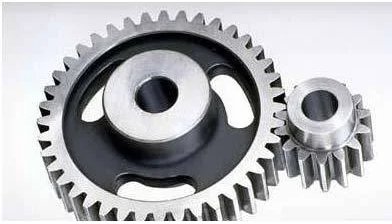
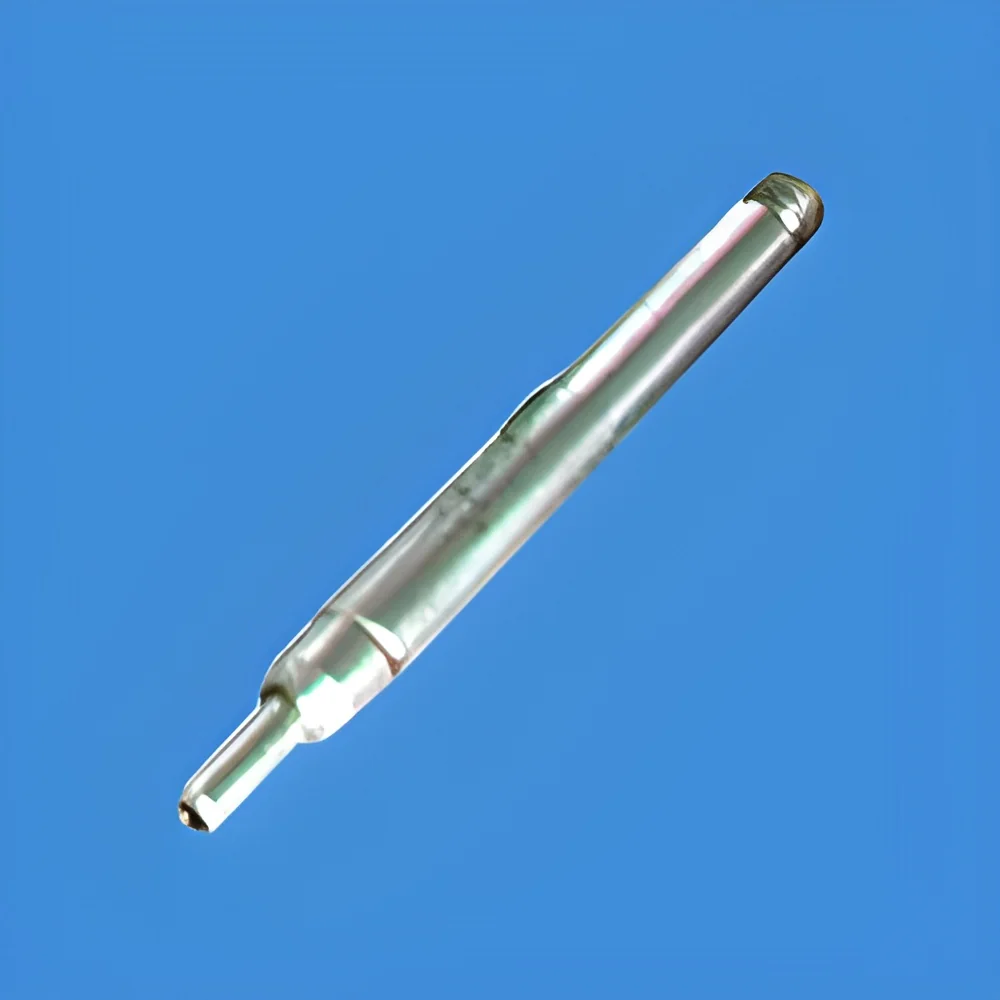
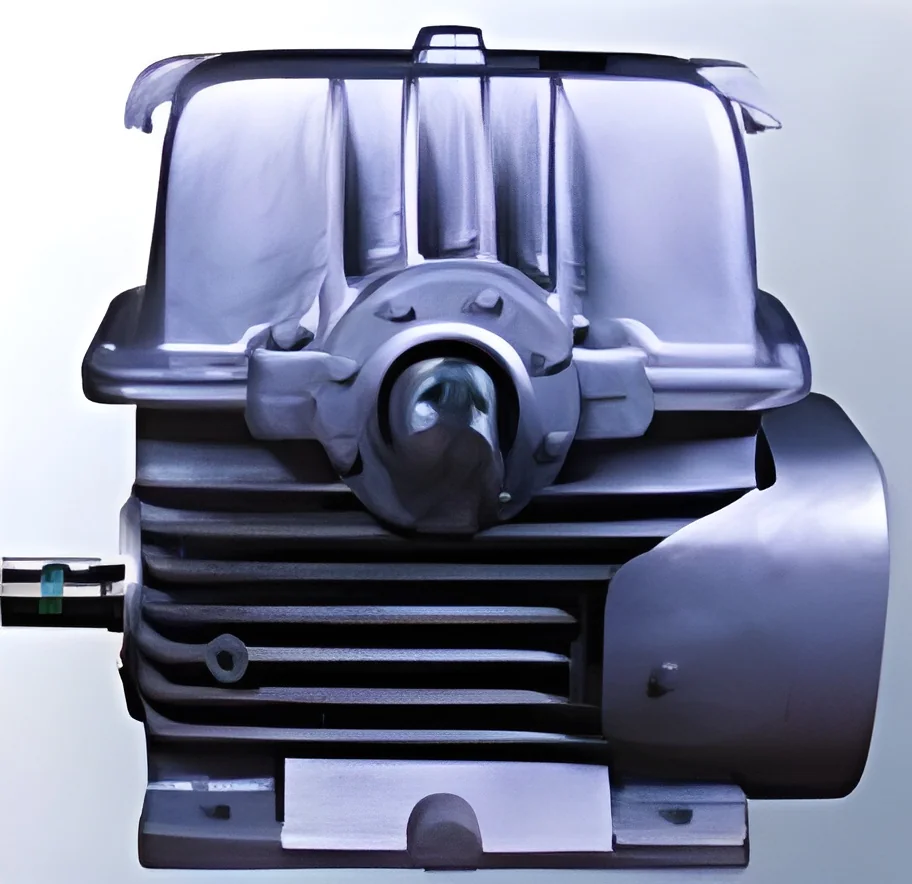
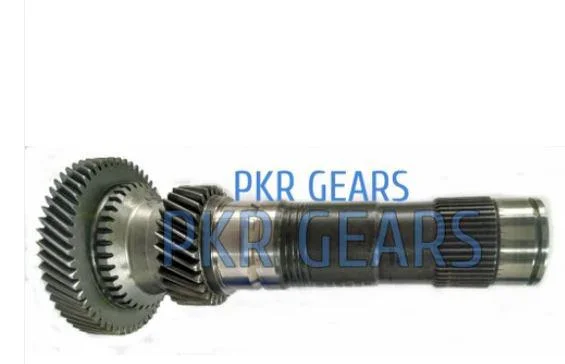
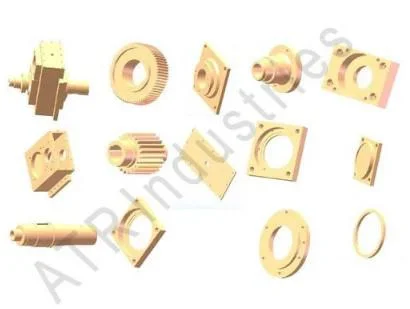
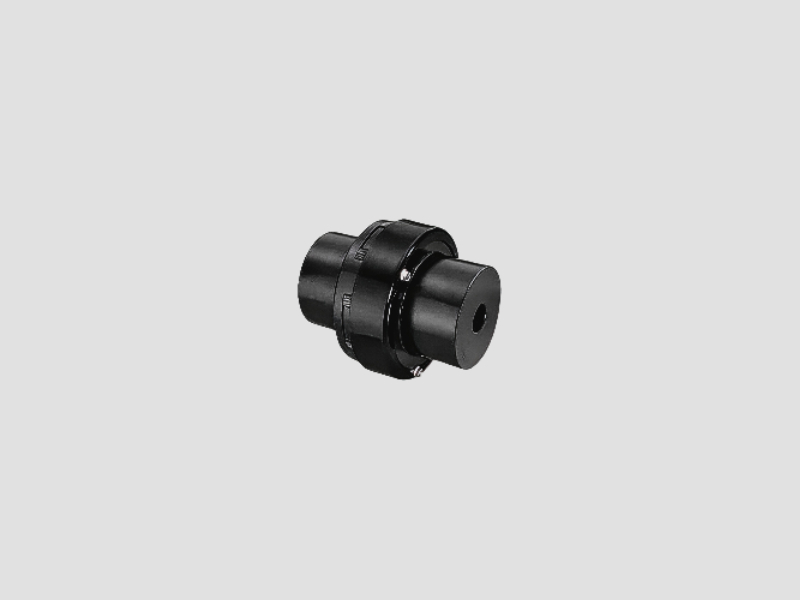
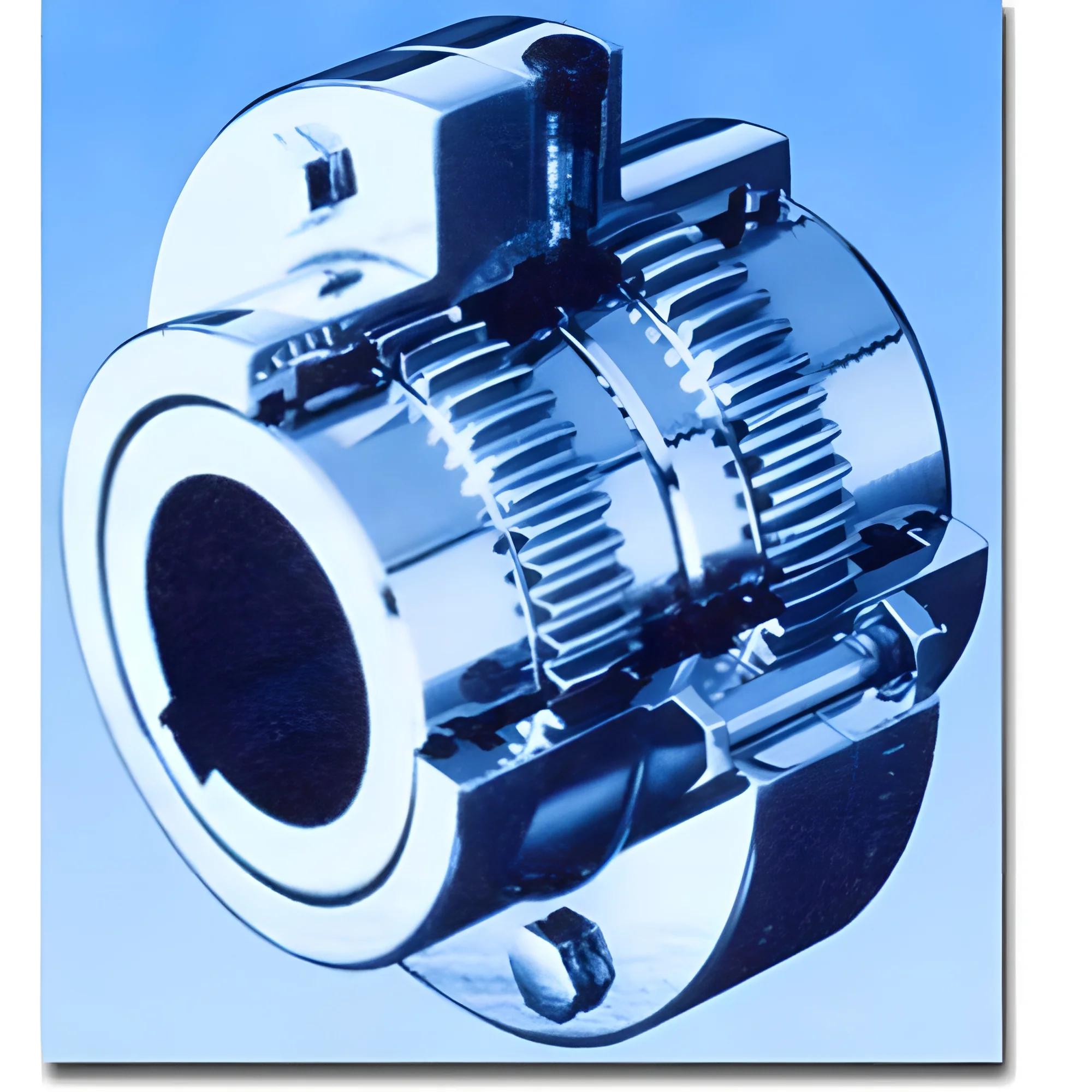
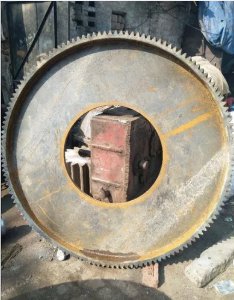
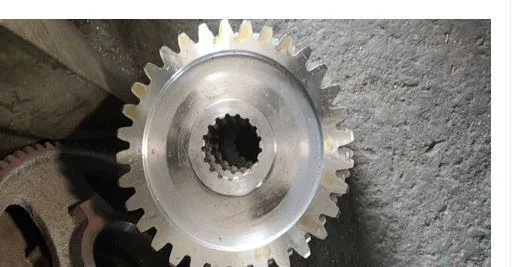
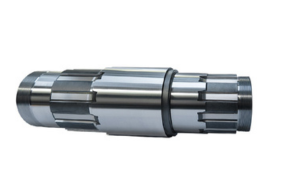
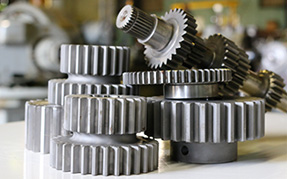
Gear shafts are mechanical components used in various machinery to transmit torque and rotational motion. They serve as the backbone of gear systems, connecting gears and enabling them to function effectively. Gear shafts are typically cylindrical in shape and are designed to withstand significant stress and strain during operation. They can be manufactured from a variety of materials including steel, aluminum, and composites, depending on the application requirements.
The primary uses of gear shafts are found in automotive, aerospace, industrial machinery, and robotics. In these applications, gear shafts play a crucial role in power transmission, facilitating the movement of machinery and equipment. They are integral to the functioning of gear trains, which are essential for reducing speed and increasing torque. The relevance of gear shafts extends to a wide range of industries, making them a critical component in modern engineering and manufacturing processes.
Key Features and Specifications
Gear shafts come with a variety of features that enhance their performance and efficiency. These features are tailored to meet the demands of different industrial applications. Understanding these specifications is vital for selecting the right gear shaft for specific needs.
Key specifications include:
1. Material Composition
- Typically made from steel, aluminum, or composites
- Chosen based on strength, weight, and corrosion resistance
2. Diameter
- Varies depending on application requirements
- Standard diameters range from a few millimeters to several centimeters
3. Length
- Customizable based on design specifications
- Ensures proper fit within machinery
4. Load Capacity
- Measured in terms of maximum torque the shaft can withstand
- Important for determining suitability for heavy-duty applications
5. Surface Finish
- Can include processes like grinding, polishing, or coating
- Affects friction and wear characteristics
6. Tolerance Levels
- Precision machining ensures accurate fit
- Critical for high-speed applications
7. End Configurations
- Includes various designs such as splines, keyways, or threaded ends
- Facilitates connection to other components
8. Compliance Standards
- Must adhere to industry-specific standards such as CE certification
- Ensures reliability and safety in operation
In summary, selecting the right gear shaft involves understanding these key specifications to meet the specific demands of various applications.
Common Applications and Use Cases
Gear shafts are utilized across numerous industries, demonstrating their versatility and importance.
1. Automotive Industry: Gear shafts are essential in vehicles, where they are used in transmissions and differential systems to control speed and torque.
2. Aerospace Industry: In aircraft, gear shafts are critical for engine systems and landing gear mechanisms, ensuring reliability under high-stress conditions.
3. Industrial Equipment: Gear shafts are found in heavy machinery, such as excavators and cranes, where they facilitate large-scale operations.
4. Robotics: In robotic systems, gear shafts enable precise movements and control, allowing for complex tasks to be performed efficiently.
5. Marine Applications: Gear shafts are used in ships and submarines to drive propellers and other mechanical systems, requiring durability and corrosion resistance.
Benefits and Advantages
Gear shafts offer several advantages that make them an essential component in mechanical systems.
1. Durability: Gear shafts are designed to withstand high stress and wear, ensuring a long service life in demanding applications.
2. Efficiency: Properly designed gear shafts improve the efficiency of power transmission, reducing energy losses in mechanical systems.
3. Customization: Gear shafts can be tailored to specific applications, allowing for enhanced performance based on unique requirements.
4. Versatility: They are suitable for a wide range of applications across various industries, making them highly adaptable.
5. Cost-effectiveness: High-quality gear shafts can reduce maintenance costs and downtime, contributing to overall operational efficiency.
Buying Guide for B2B Buyers
When sourcing gear shafts, B2B buyers should consider several key factors to ensure they select the right product for their needs.
1. Quality Assessment: Evaluate the quality of gear shafts based on material, manufacturing processes, and performance specifications. Look for certifications that guarantee reliability.
2. Supplier Verification: Vet suppliers by checking their reputation, customer reviews, and industry experience. Ensure they have a proven track record of delivering quality products.
3. Pricing and MOQ: Understand the pricing structure and minimum order quantity (MOQ) requirements. Compare prices to ensure you receive competitive quotes.
4. Delivery and Lead Times: Discuss logistics and expected lead times with suppliers. Timely delivery is crucial for maintaining production schedules.
5. Compliance Requirements: Ensure that gear shafts meet necessary regulatory and safety standards. This includes compliance with relevant certifications such as CE.
Compliance and Certifications
Gear shafts must adhere to various quality standards and certifications to ensure they are safe and reliable for industrial use. ISO 9001 is a key standard that reflects the quality management systems essential for manufacturing processes. Additionally, compliance with CE certification indicates that gear shafts meet European safety and performance requirements.
Safety and testing requirements are critical in industries like aerospace and automotive, where failure can have severe consequences. Ensuring that gear shafts undergo rigorous testing can help mitigate risks associated with their use.
Regional compliance considerations are also important. Different regions may have specific regulations regarding materials and manufacturing processes, which must be adhered to by suppliers to ensure their products are market-ready.
Why Source Gear Shafts from Pepagora?
Pepagora offers a trusted platform for sourcing gear shafts, providing several key advantages to B2B buyers. First, the verified supplier network ensures that buyers have access to reputable manufacturers who meet quality standards. This reduces the risks associated with sourcing from unknown suppliers.
The streamlined RFQ process allows buyers to submit requests for quotes efficiently, making it easier to compare options and make informed decisions. This system enhances transparency in pricing and product availability.
Trade assurance and support offered by Pepagora protect buyers throughout the sourcing process. This includes assistance with logistics, payments, and dispute resolution, ensuring a smooth transaction.
Additionally, Pepagora's regional coverage extends to India, the GCC, and Southeast Asia, enabling buyers to connect with local suppliers that understand the specific needs of their markets. This geographic reach enhances accessibility and fosters strong business relationships across regions.

Frequently Asked Questions
What are Gear Shafts?
Gear shafts are mechanical components designed to transmit torque and rotational motion in machinery. They are typically made from high-strength materials and are integral to the functioning of gear systems, ensuring efficient power transmission.
What are the different types of Gear Shafts?
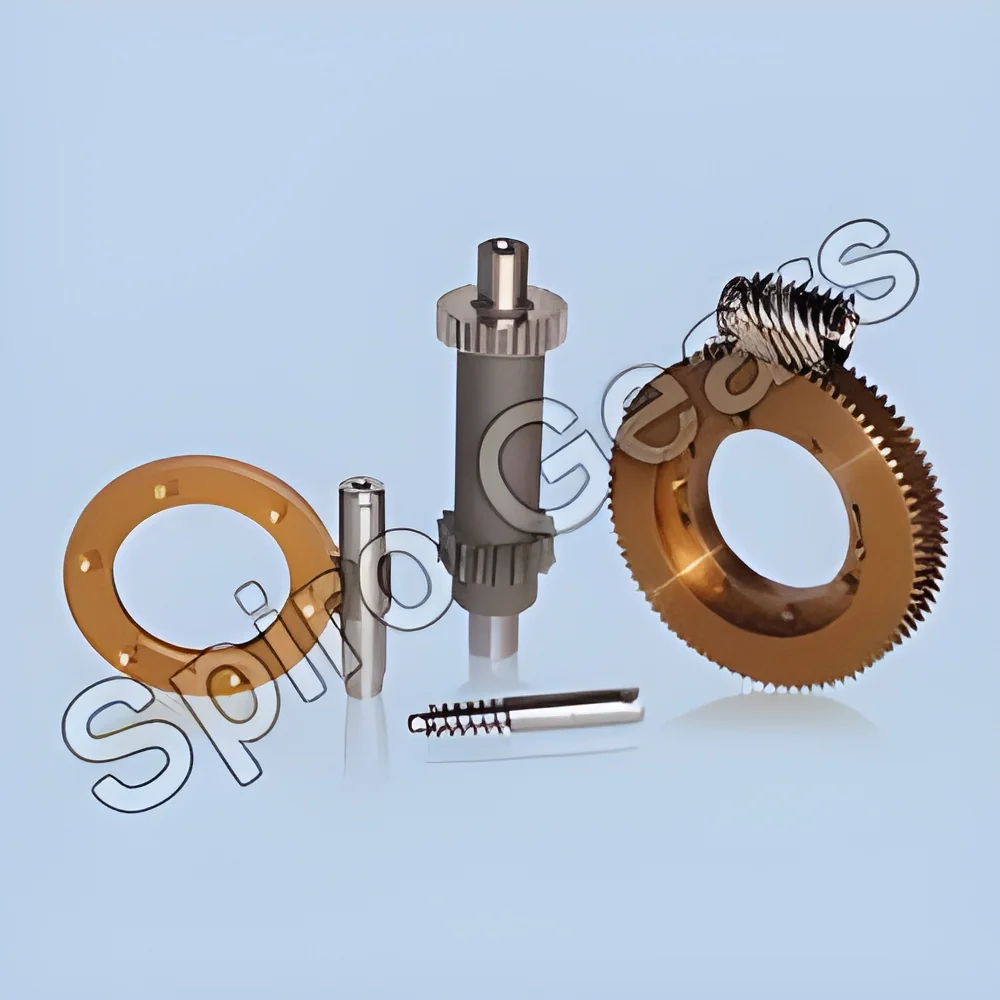
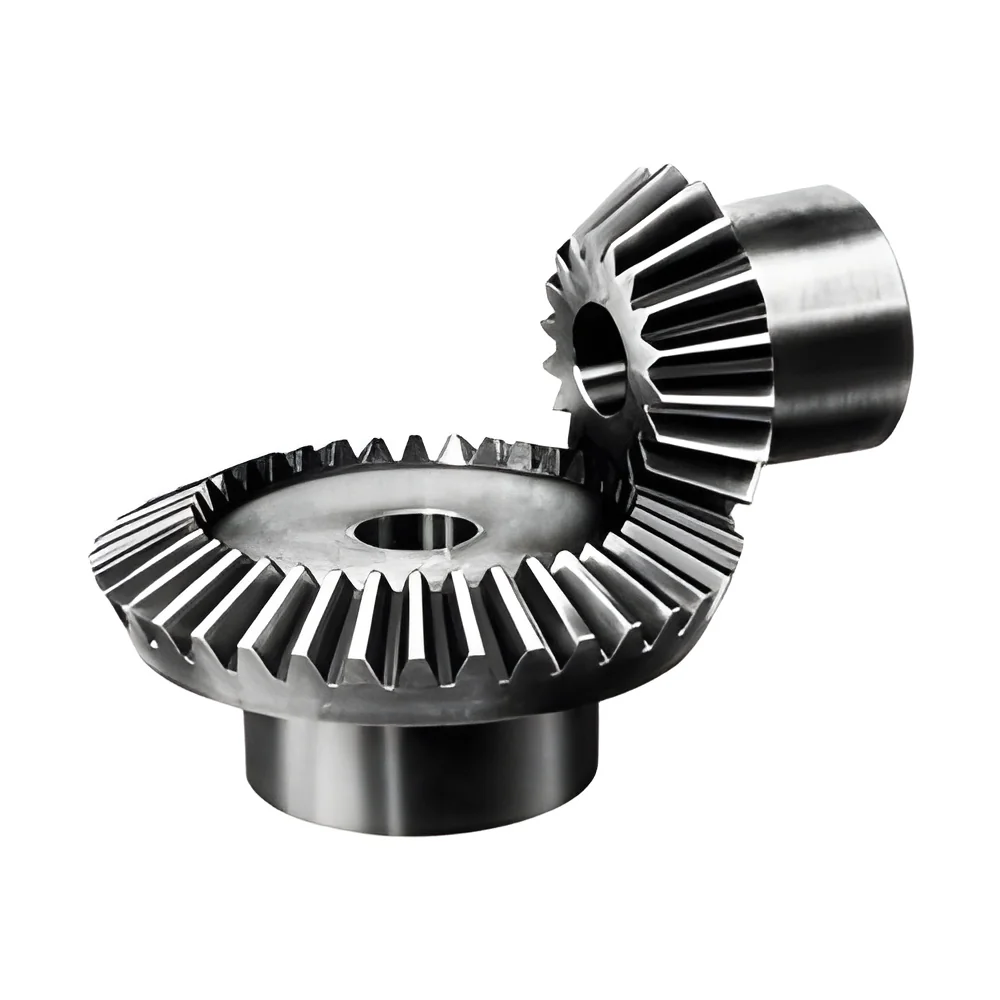
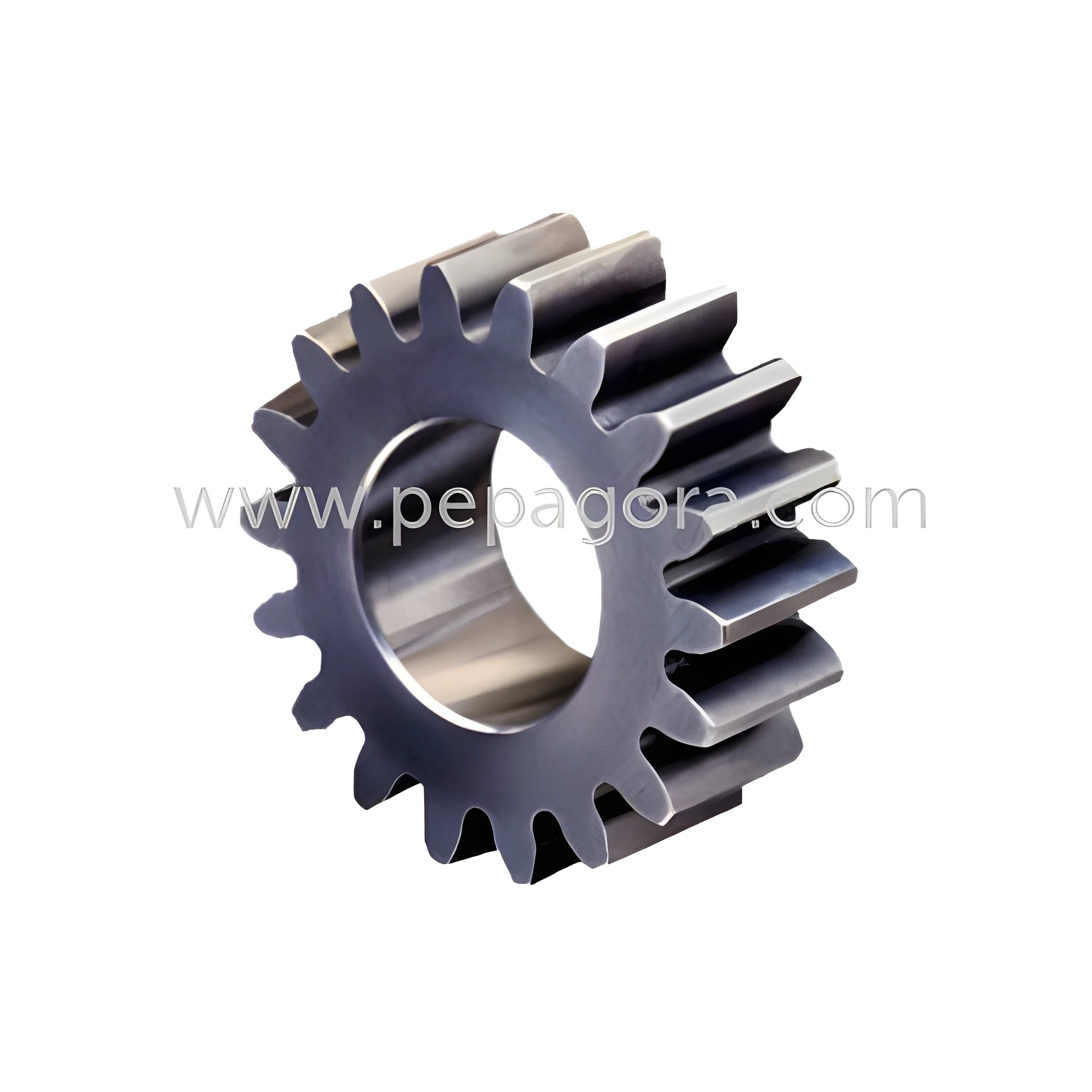
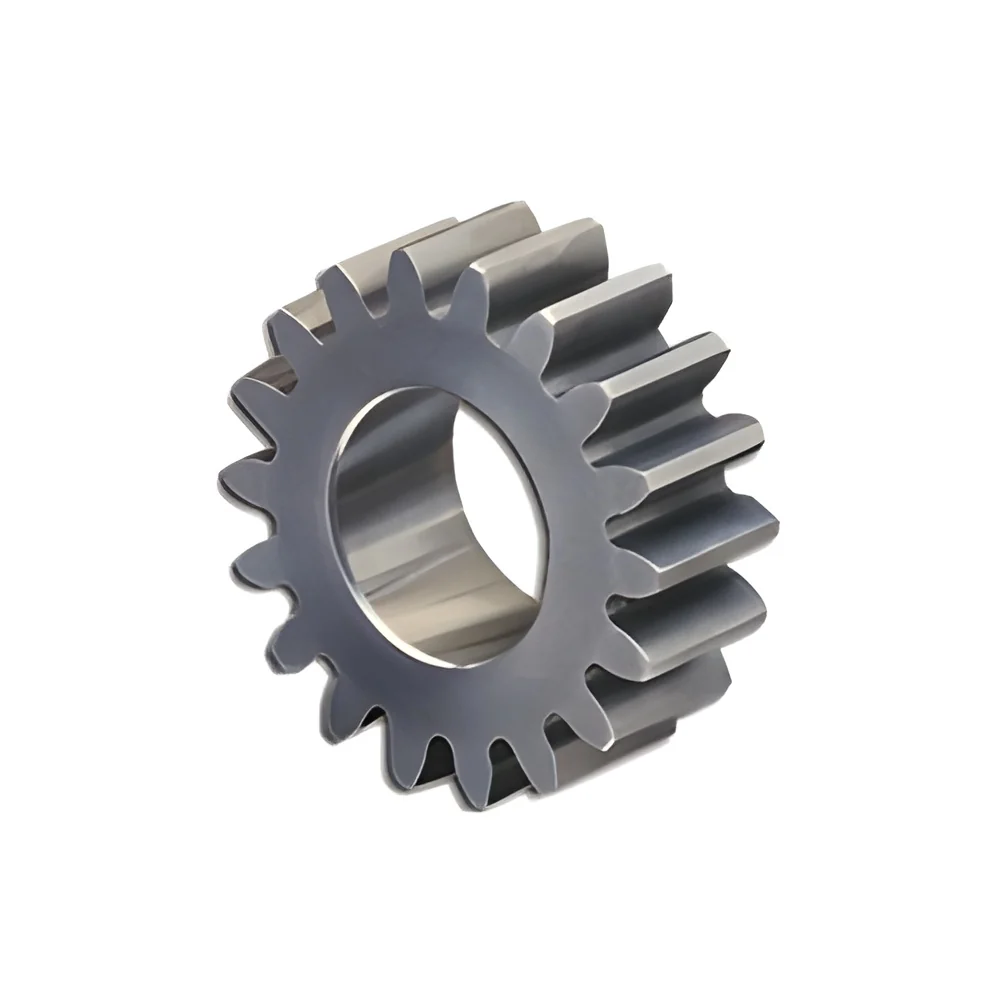
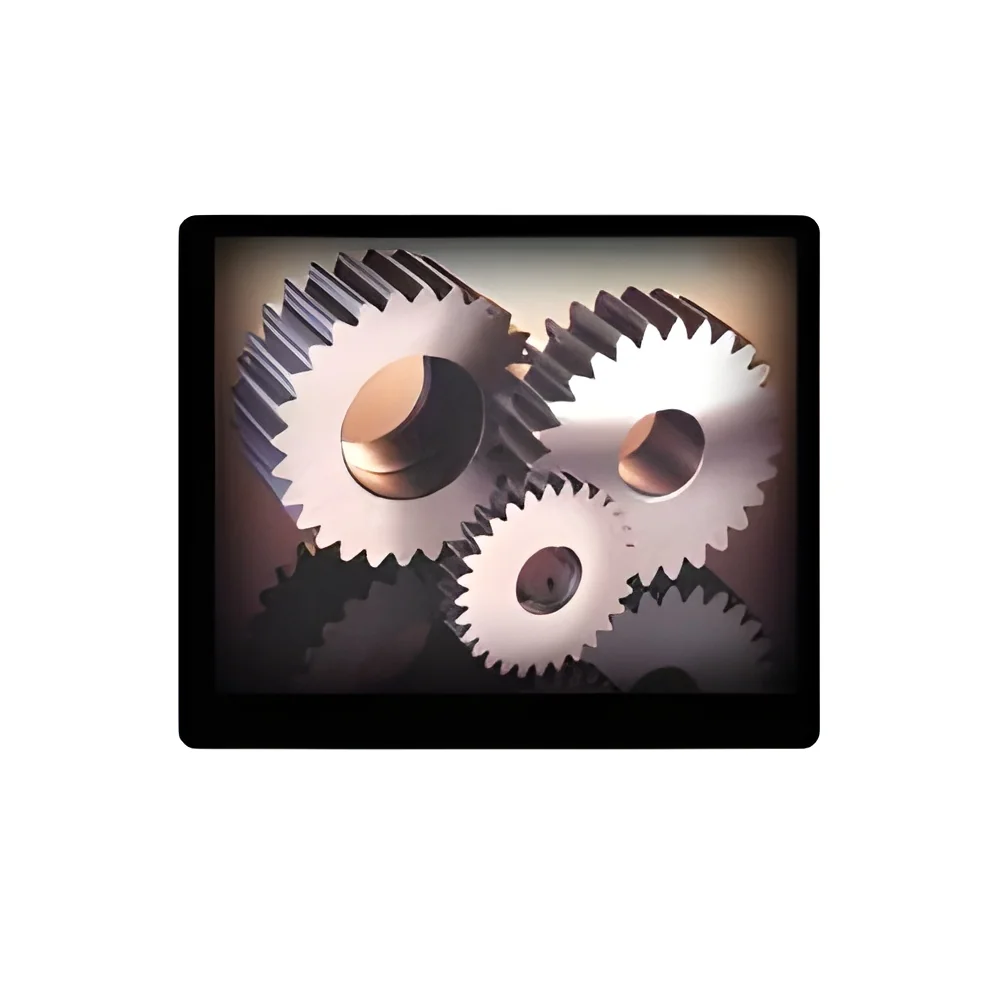
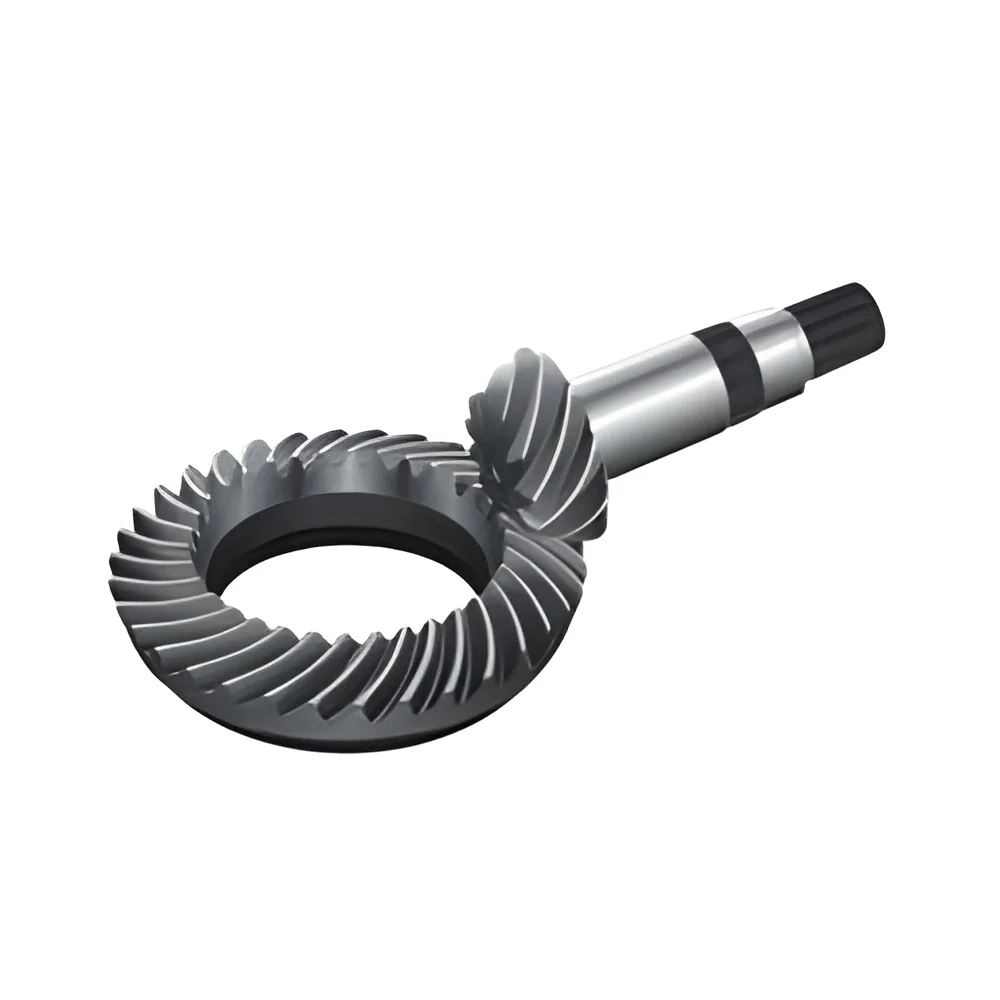
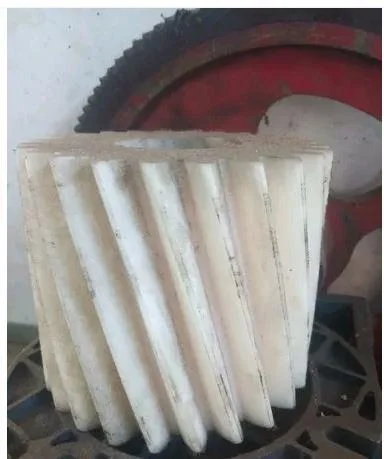
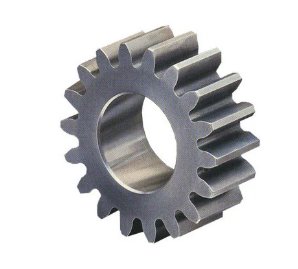
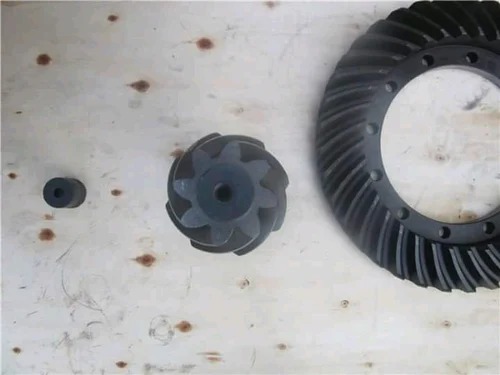
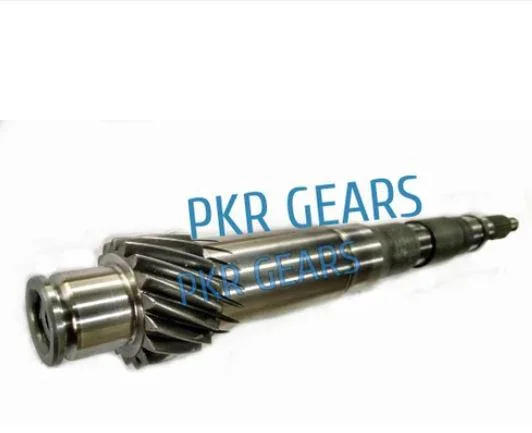
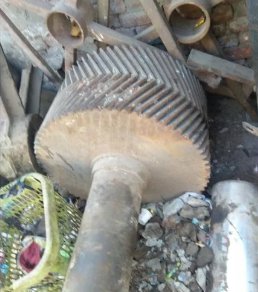
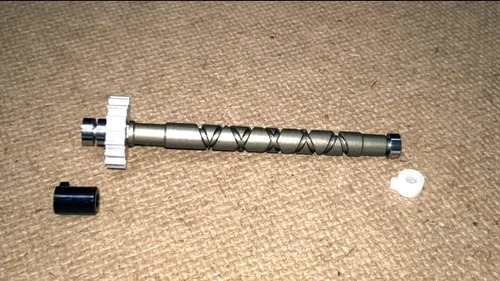
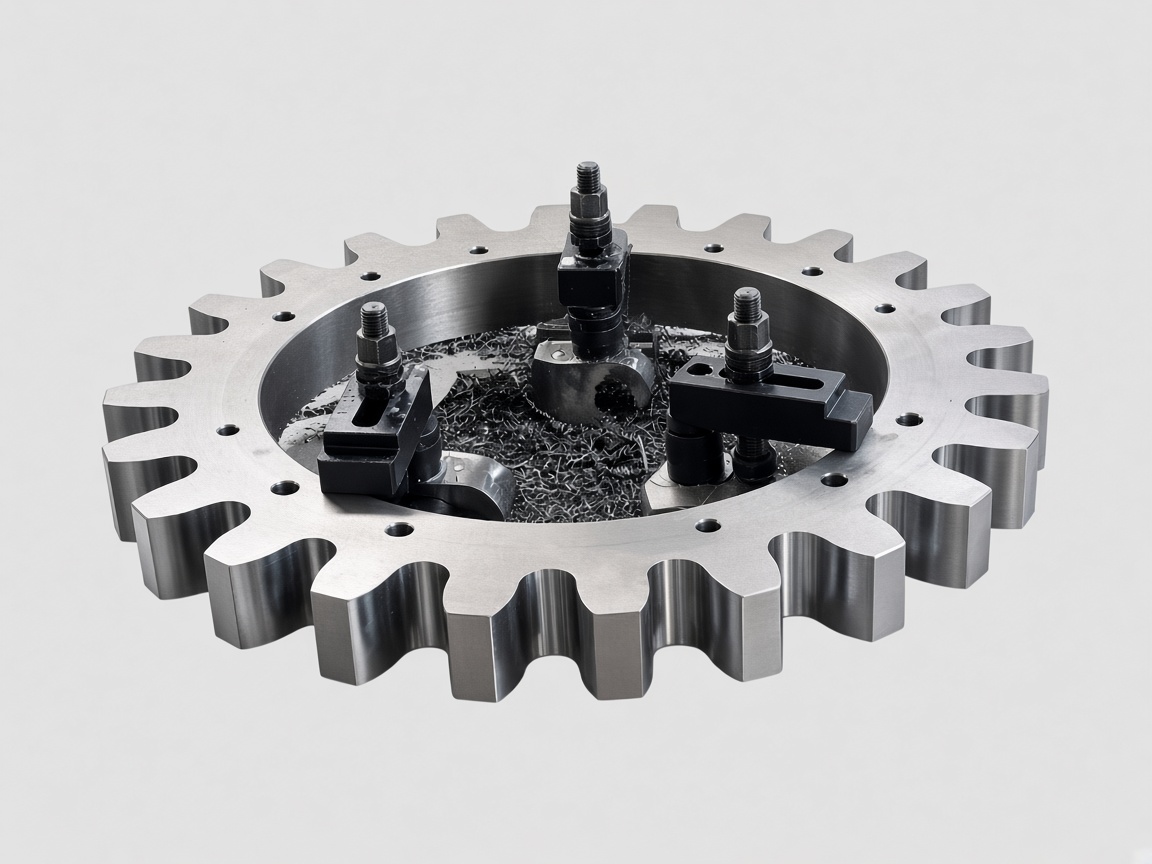
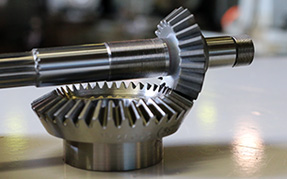
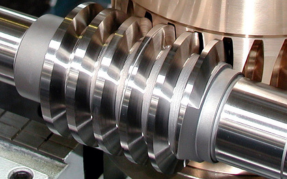
The different types of gear shafts include spur gear shafts, helical gear shafts, bevel gear shafts, and worm gear shafts. Each type is designed to accommodate specific gear configurations and applications, affecting factors such as load capacity and torque transmission.
How do I choose the right Gear Shafts?
Choosing the right gear shafts involves considering factors such as load requirements, material strength, and compatibility with existing machinery. It is also essential to assess the operating environment and any specific design requirements for optimal performance.
What are the standard specifications for Gear Shafts?
Standard specifications for gear shafts typically include dimensions, material composition, surface finish, and heat treatment processes. These specifications ensure compatibility with gears and other components within a mechanical system.
What is the price range for Gear Shafts?
The price range for gear shafts can vary significantly based on factors such as size, material, and manufacturing processes. Generally, prices can start from a few hundred rupees and go up to several thousand rupees per piece, depending on the complexity and specifications.
What quality standards apply to Gear Shafts?
Quality standards for gear shafts often include ISO 9001 certifications and adherence to specific industry standards, such as AGMA or DIN. These standards ensure that the gear shafts meet performance, durability, and safety requirements.
Where can I find Gear Shafts suppliers in India?
You can find gear shafts suppliers in India through B2B marketplaces like Pepagora, trade shows, and industrial directories. Networking within industrial sectors can also help you identify reputable manufacturers and suppliers.
Can Gear Shafts be customized?
Yes, gear shafts can be customized based on specific requirements, including dimensions, material selection, and design features. Many manufacturers offer customization options to meet the unique needs of different applications.
What is the typical minimum order quantity for Gear Shafts?
The typical minimum order quantity (MOQ) for gear shafts varies by manufacturer but usually ranges from 10 to 100 units. It is advisable to check with individual suppliers for their specific MOQ policies.
What is the typical lead time for Gear Shafts?
The typical lead time for gear shafts can range from a few weeks to several months, depending on factors such as order volume, customization requirements, and supplier capabilities. It is best to confirm lead times with the supplier before placing an order.
Why Businesses Trust Pepagora
Thousands of companies trust Pepagora to source smarter and sell faster
Expand Your Sales Globally

Source Smarter,Grow Faster
