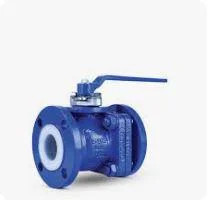
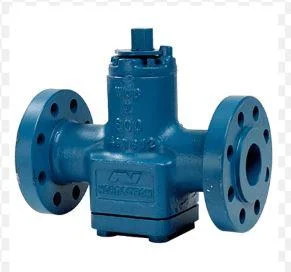
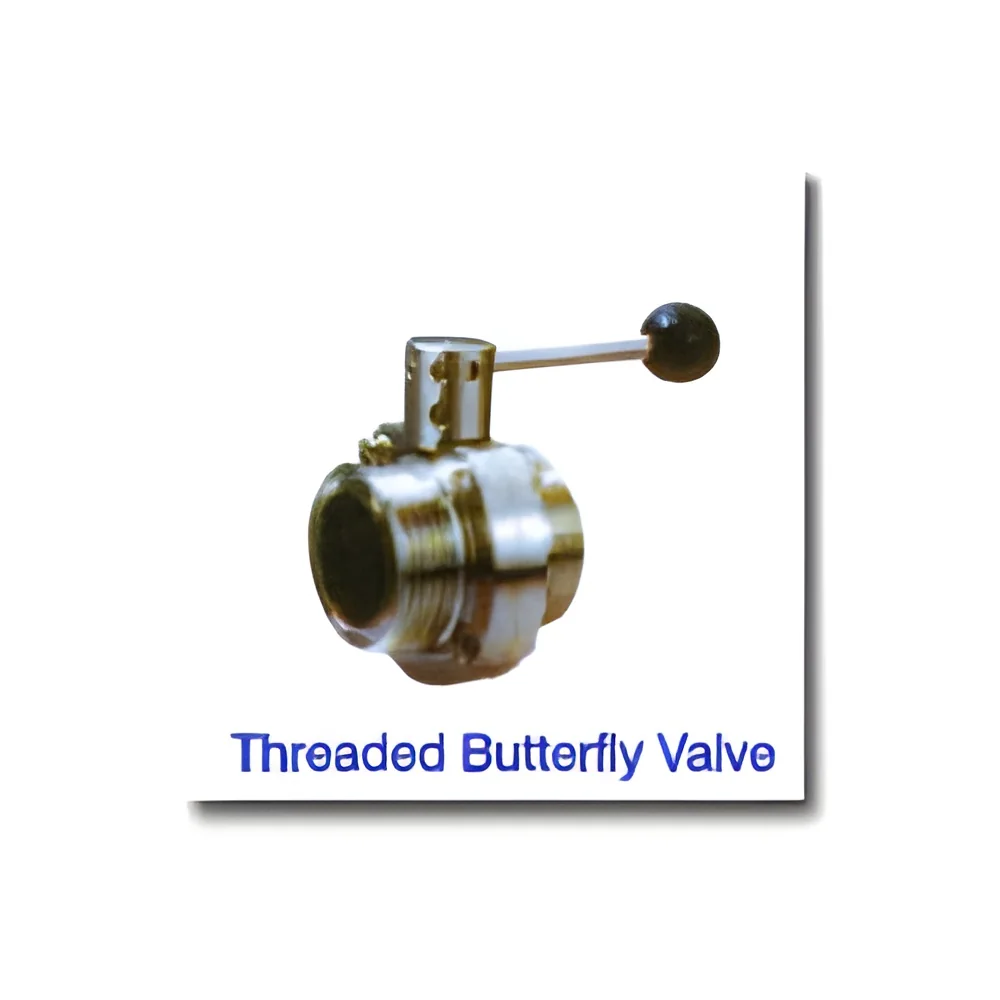
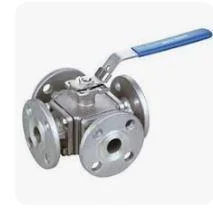
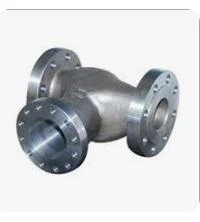
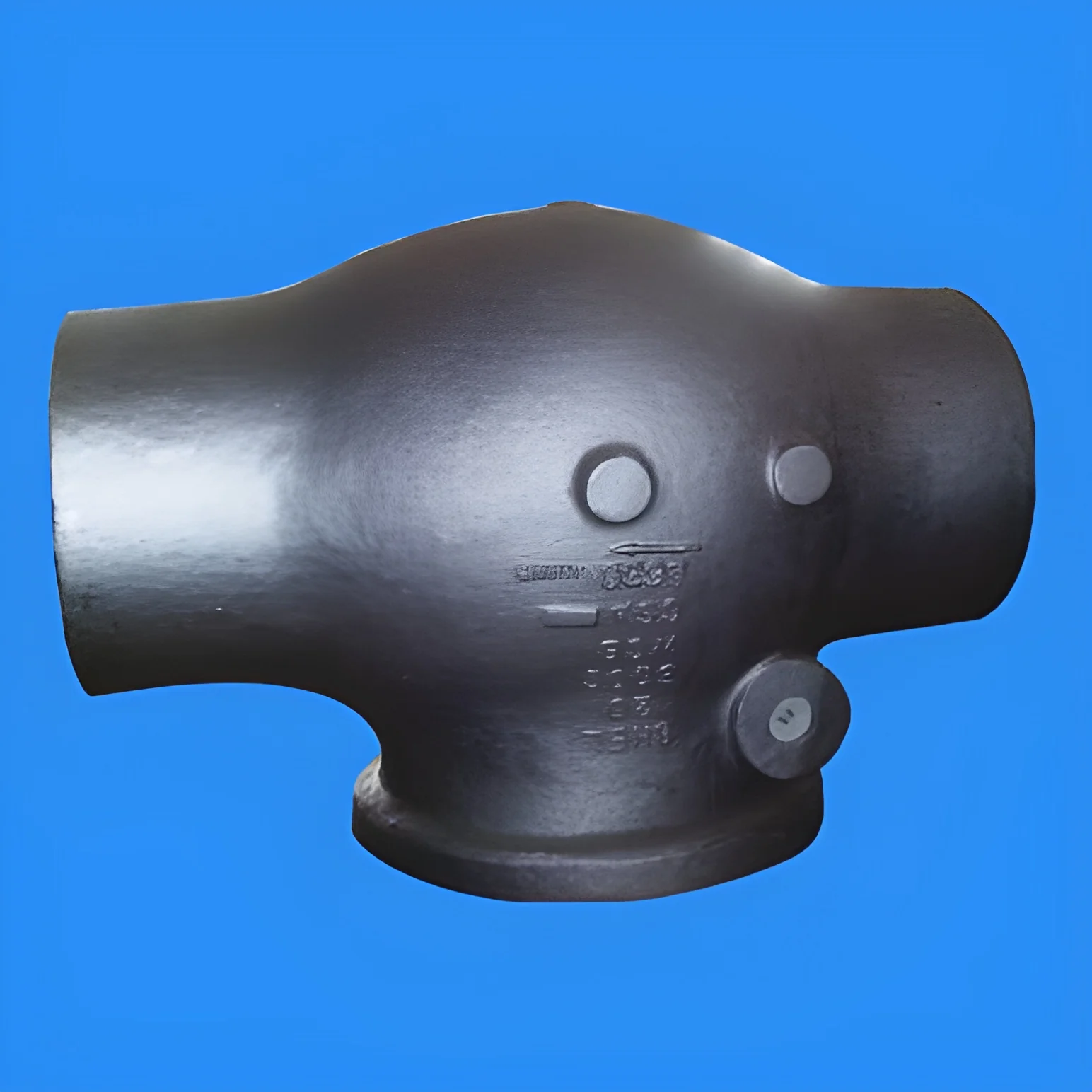
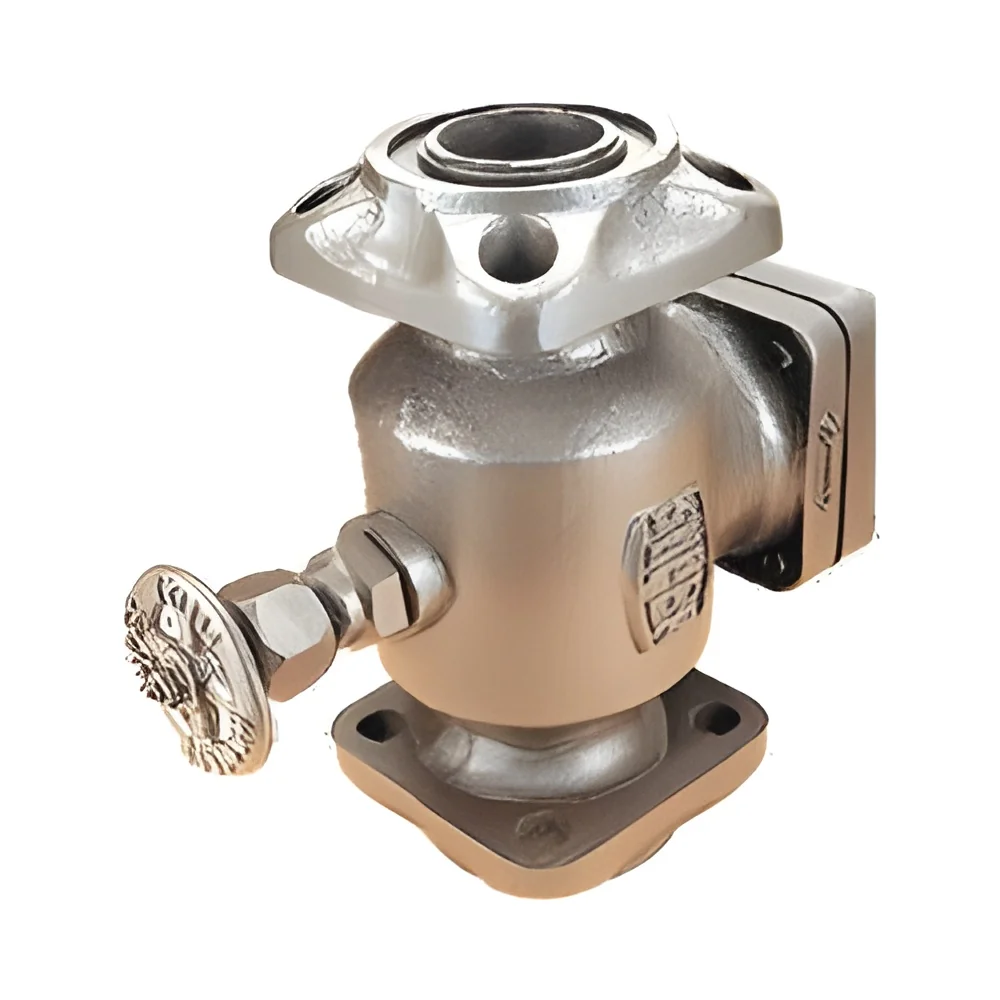
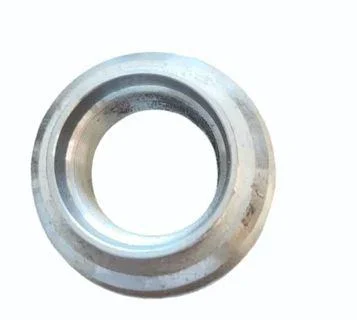
What are Flow Control Valves?
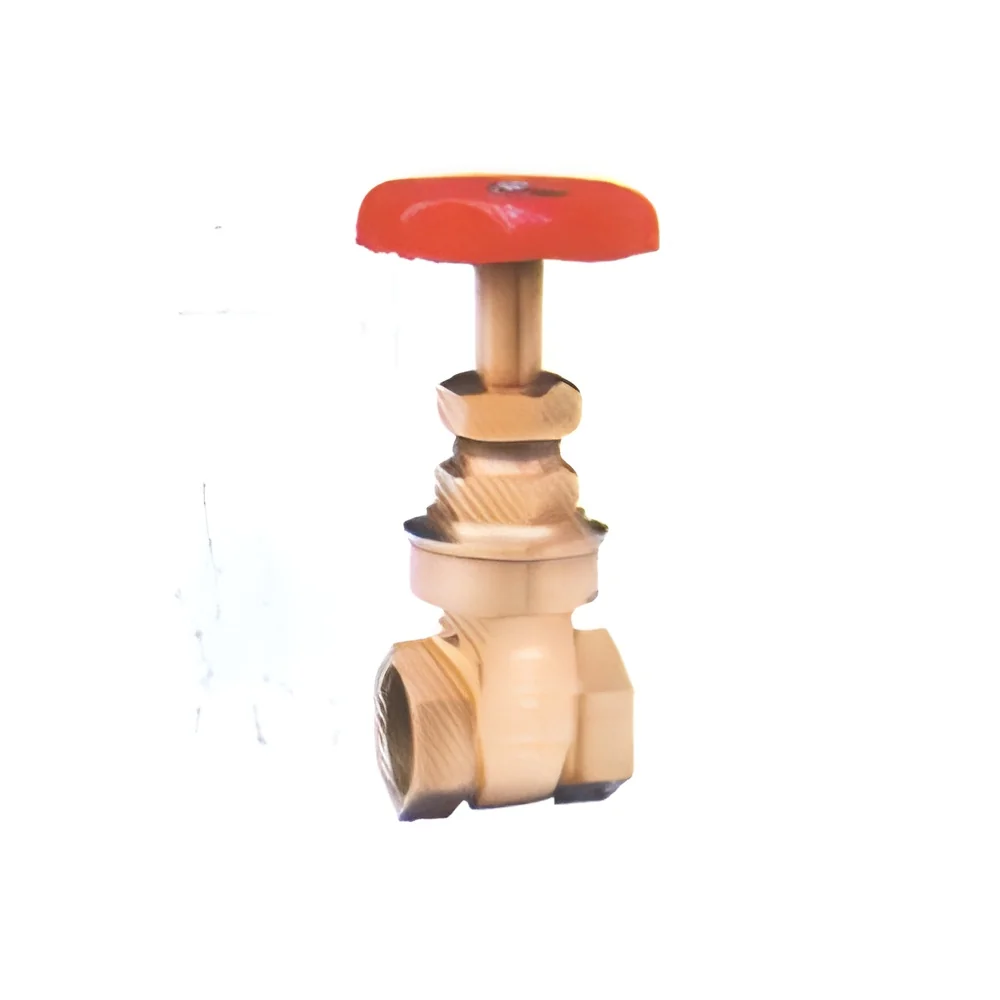
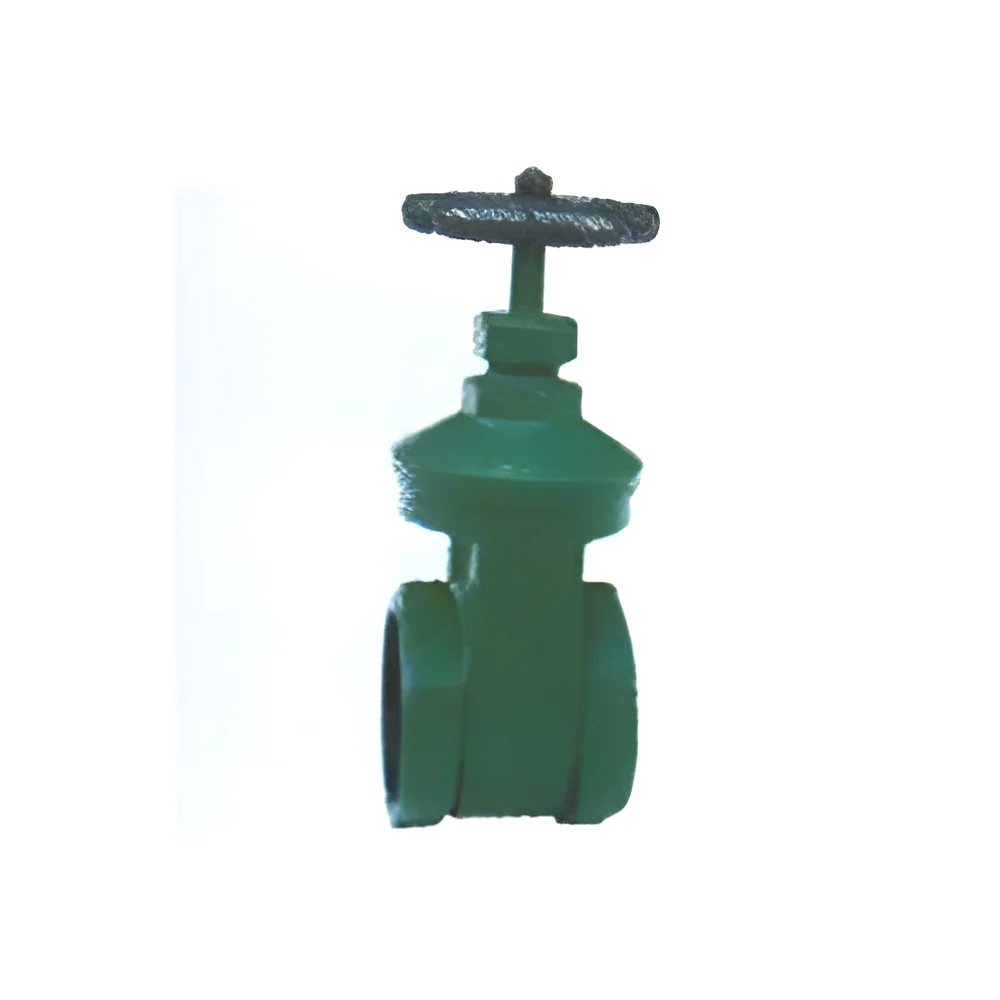
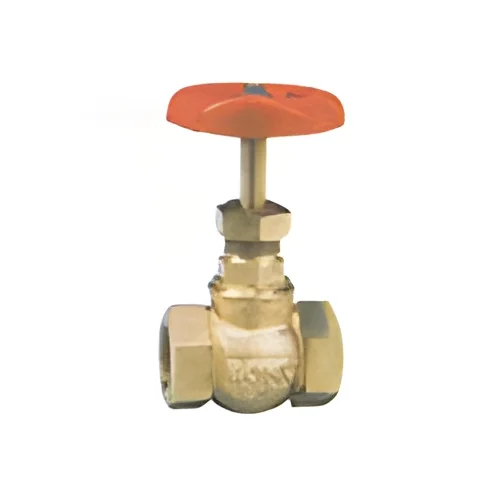
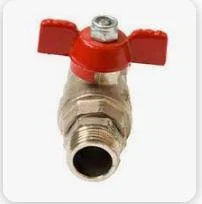
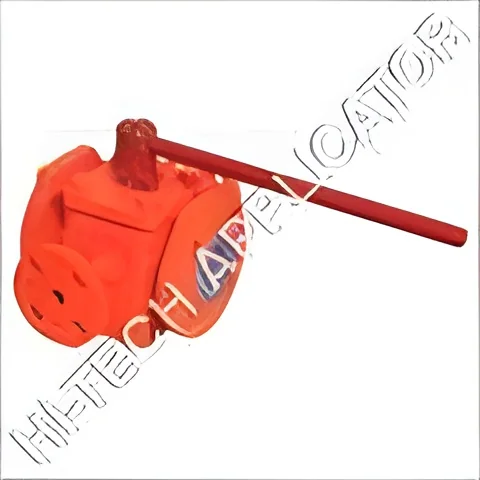
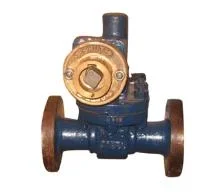
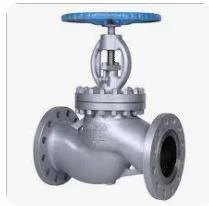
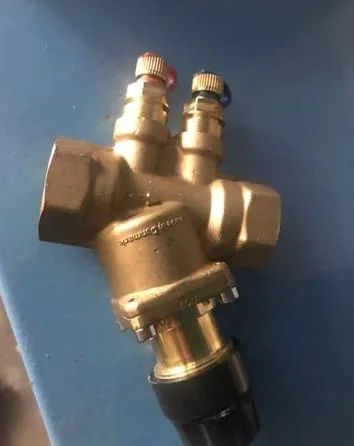
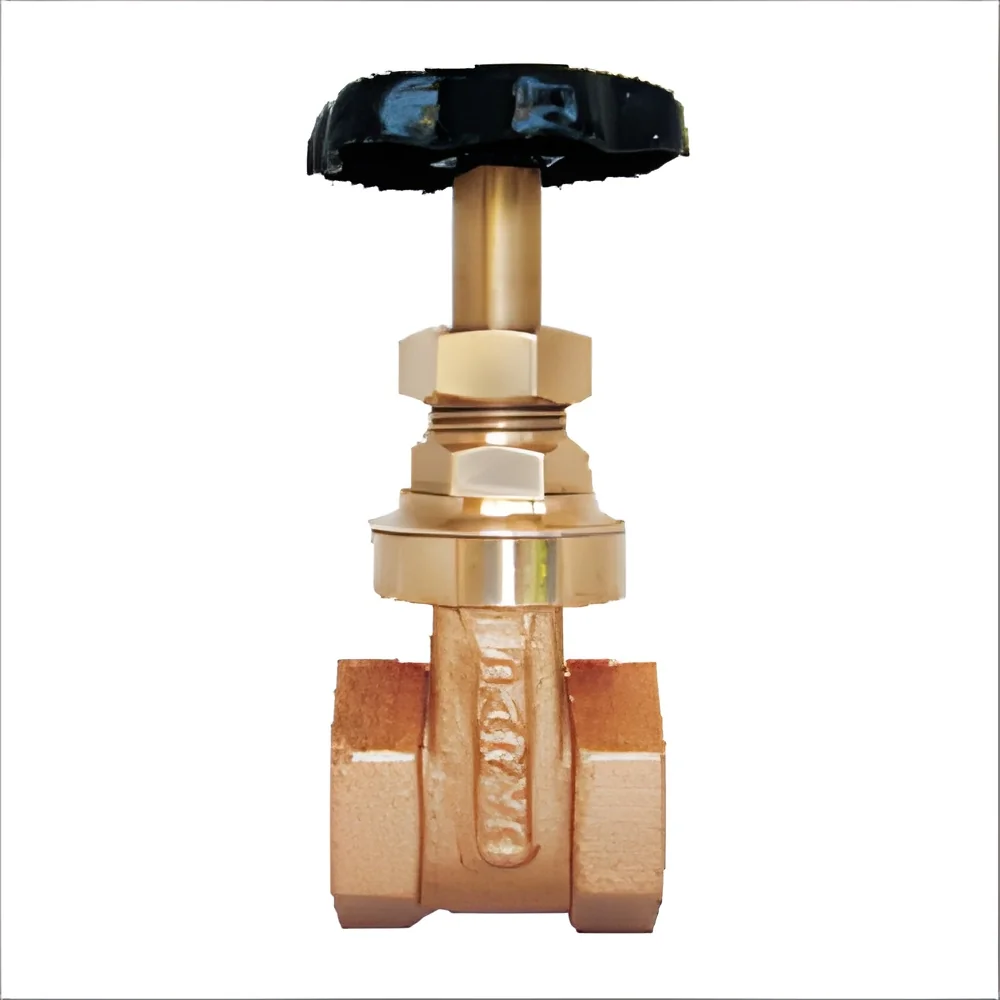
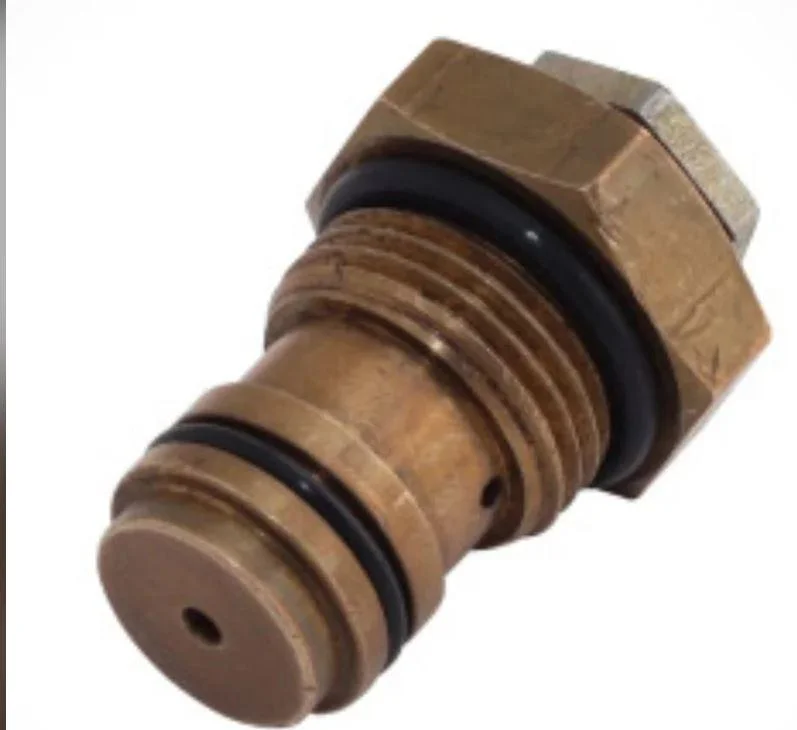
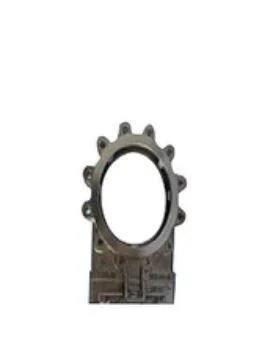
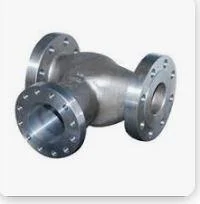
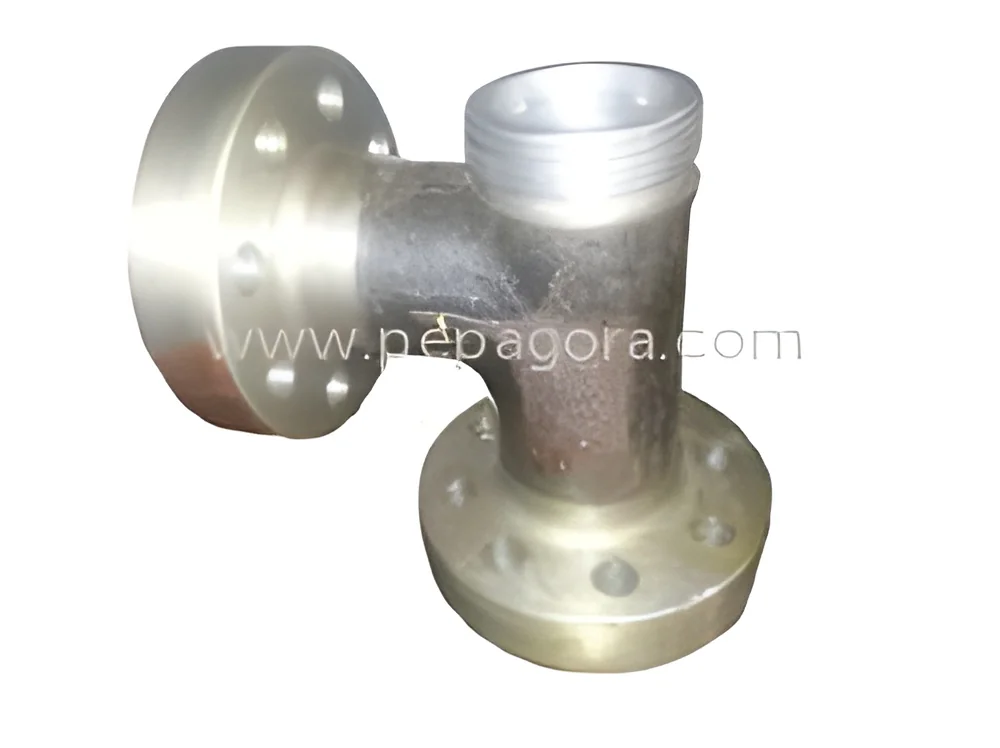
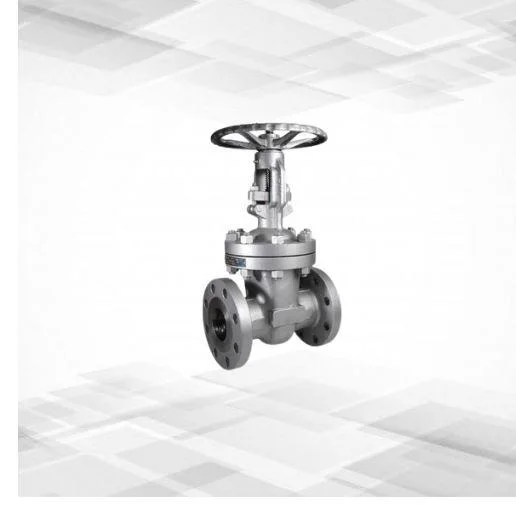
Flow control valves are essential components in various industrial systems, designed to regulate the flow of liquids or gases. By adjusting the size of the flow passage, these valves can effectively control pressure and flow rate, ensuring optimal performance within a system. Flow control valves can come in various forms, such as needle valves, ball valves, and gate valves, each serving specific operational needs based on the application.
These valves are widely used across multiple sectors, including manufacturing, chemical processing, water treatment, and HVAC systems. In manufacturing, they help maintain precise flow rates in production processes, while in chemical applications, they prevent overpressure conditions. With the growing demand for automation and process optimization, flow control valves play a crucial role in enhancing efficiency and safety in industrial operations.
The relevance of flow control valves in today's market is underscored by the increasing complexity and scale of industrial systems. As industries look for ways to optimize performance and reduce costs, the demand for reliable and high-performance flow control solutions continues to rise. This growth is propelling innovations in valve technology, making it essential for businesses to stay informed about the latest advancements and best practices in valve selection and application.
Key Features and Specifications
Flow control valves come with a variety of features and specifications that define their performance and suitability for different applications. Understanding these specifications is vital for businesses looking to integrate these valves into their systems.
Key specifications include:
1. Valve Type
- Various types available, including needle, ball, and gate valves.
- Each type has unique operating mechanisms and applications.
2. Size Range
- Available in different sizes to accommodate various pipe diameters.
- Common sizes include ¼ inch to 4 inches, depending on the model.
3. Pressure Rating
- Designed to withstand specific pressure limits, typically ranging from 150 psi to 3000 psi.
- Important for ensuring safety and reliability in high-pressure applications.
4. Temperature Tolerance
- Suitable for different temperature ranges, often from -20°F to 400°F.
- Critical for applications involving hot or cold fluids.
5. Material Construction
- Made from materials such as brass, stainless steel, or PVC.
- Material choice affects durability and compatibility with fluids.
6. Actuation Method
- Can be manual or automatic, with options for electric or pneumatic actuation.
- The choice depends on operational needs and automation levels.
7. Flow Coefficient (Cv)
- Indicates the flow capacity of the valve.
- Higher Cv values signify greater flow capability.
8. Compliance Standards
- Must meet specific industry standards for quality and safety, such as CE certification.
- Compliance ensures reliability and performance in regulatory environments.
In summary, understanding the key features and specifications of flow control valves is essential for making informed purchasing decisions. Businesses should consider their specific operational requirements when evaluating valve options.
Common Applications and Use Cases
Flow control valves find applications across numerous industries, each with unique requirements and operational scenarios.
1. Manufacturing: In manufacturing processes, these valves regulate fluid flow in production lines, ensuring consistent operation and product quality. They are vital in processes such as injection molding and assembly lines.
2. Chemical Processing: Flow control valves are crucial for managing the flow of chemicals and preventing hazardous conditions. They help maintain safe pressure levels and accurate dosing in chemical reactors and mixing systems.
3. Water Treatment: In water and wastewater treatment facilities, these valves control the flow of water and chemicals, contributing to effective treatment processes and maintaining environmental compliance.
4. HVAC Systems: In heating, ventilation, and air conditioning systems, flow control valves manage the distribution of air and fluids, optimizing system performance and energy efficiency.
5. Oil and Gas: Flow control valves are essential in the oil and gas industry, regulating the flow of hydrocarbons and ensuring safety in pipelines and processing facilities.
6. Pharmaceuticals: In the pharmaceutical industry, these valves control fluid flow in production processes, ensuring precise measurements and compliance with regulatory standards.
7. Food and Beverage: Flow control valves are used to manage the flow of liquids and gases in food processing, helping maintain quality and safety in production.
Product Variants and Subcategories
Flow control valves come in several variants, each tailored for specific applications and environments. Understanding these variants can help businesses choose the right solution for their needs.
Manual Flow Control Valves: These valves are operated by hand, allowing for precise flow adjustments. They are suitable for applications where constant monitoring is not required.
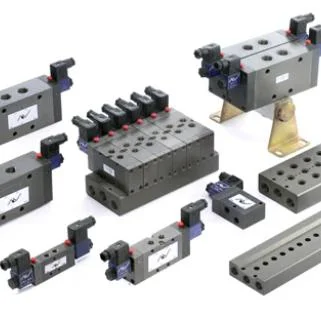
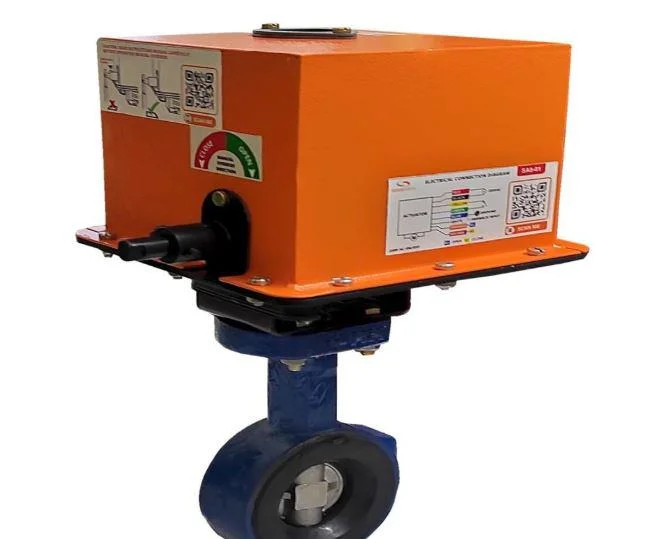
Electric Flow Control Valves: These valves use electric actuators for automated control. They offer enhanced precision and are ideal for systems requiring remote operation and integration with automation technology.
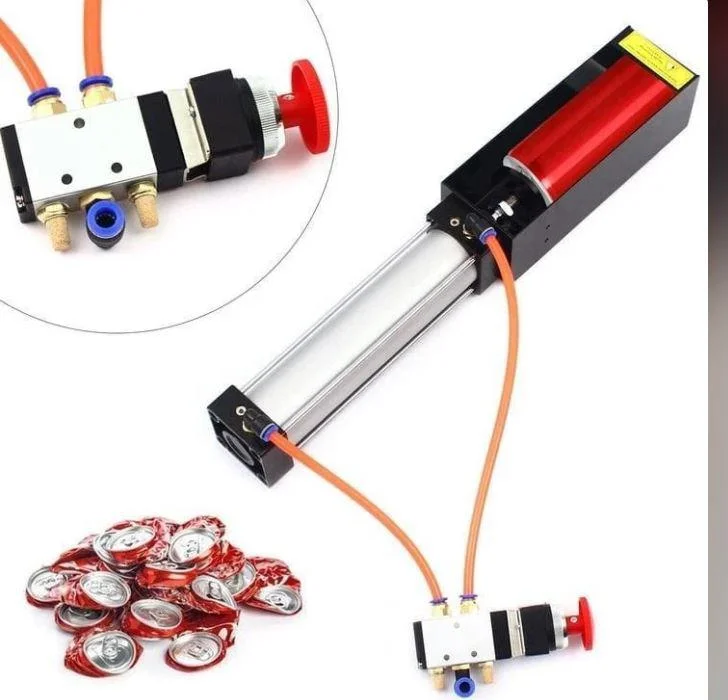
Pneumatic Flow Control Valves: Utilizing compressed air for actuation, these valves provide rapid response times and are commonly used in automated processes and systems.
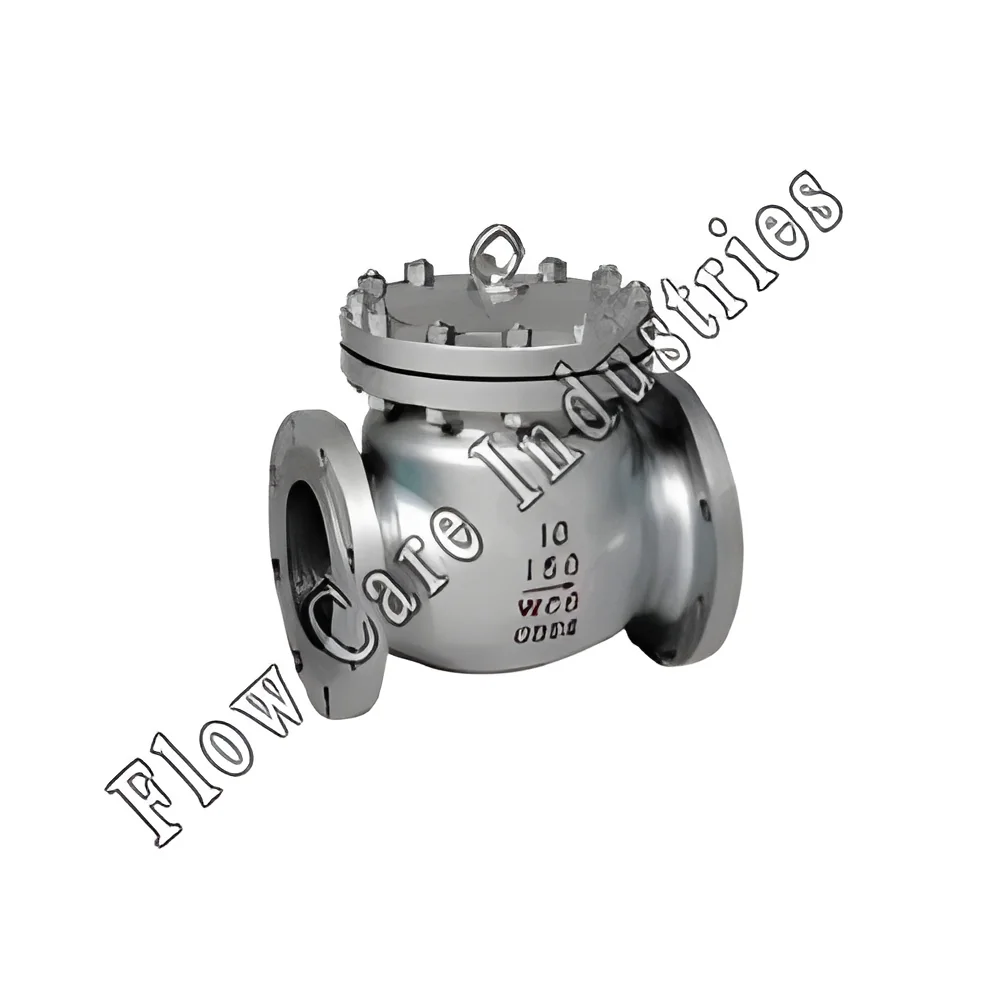
Check Valves: These are designed to prevent backflow in a system, ensuring that fluids flow in one direction. They are often used in conjunction with flow control valves to enhance system reliability.
Pressure Relief Valves: These valves automatically release pressure when it exceeds a preset limit, protecting equipment and systems from damage. They are critical in high-pressure applications.
Benefits and Advantages
Flow control valves provide numerous benefits that enhance operational efficiency and safety in various applications.
1. Precision Control: These valves allow for accurate adjustments to flow rates, ensuring optimal performance in industrial processes.
2. Safety Assurance: By regulating flow and pressure, flow control valves help prevent hazardous conditions, reducing the risk of accidents and equipment failure.
3. Improved Efficiency: Enhanced flow management leads to better resource utilization, reducing waste and operational costs in manufacturing and processing.
4. Versatility: Flow control valves can be used across multiple industries, making them a flexible solution for diverse applications.
5. Automation Compatibility: Many flow control valves can be integrated with automation systems, allowing for remote monitoring and control, which enhances overall system efficiency.
6. Compliance Support: With proper certifications, these valves help businesses meet regulatory requirements, ensuring safety and quality in operations.
Buying Guide for B2B Buyers
When sourcing flow control valves, businesses should consider several critical factors to ensure they choose the right product.
1. Quality Assessment: Evaluate the quality of the valves by looking for industry certifications such as CE. High-quality valves are essential for reliability and performance.
2. Supplier Verification: It is important to vet suppliers thoroughly to ensure they have a proven track record and can provide reliable products. Check references and reviews from other buyers.
3. Pricing and MOQ: Understand the pricing structures and minimum order quantities (MOQ) before making a purchase. This will help in budgeting and ensuring that you can meet your operational needs.
4. Delivery and Lead Times: Consider logistical factors such as delivery times to ensure that the valves will arrive when needed. Timely delivery is crucial for maintaining production schedules.
5. Compliance Requirements: Ensure that the chosen valves meet all relevant regulatory standards to avoid legal issues and ensure safety in operations.
Compliance and Certifications
Flow control valves must adhere to various compliance and certification standards to ensure safety and reliability. One of the key standards is ISO 9001, which focuses on quality management systems. Compliance with this standard ensures that manufacturers maintain consistent quality in their products.
Another important certification is CE marking, which indicates that the product meets EU safety, health, and environmental protection standards. This certification is particularly relevant for businesses operating within the European market.
Safety and testing requirements are also critical when it comes to flow control valves. Manufacturers must conduct rigorous testing to ensure that the valves can withstand operational stresses and perform as expected. This includes pressure testing and performance evaluations under various conditions.
Additionally, businesses must consider regional compliance requirements, as different regions may have specific regulations governing the use of flow control valves. Understanding these regulations is essential for ensuring compliance and avoiding potential legal issues.
Why Source Flow Control Valves from Pepagora?
Pepagora is a trusted platform for sourcing flow control valves, offering several key advantages that benefit B2B buyers.
Verified Supplier Network: Pepagora connects buyers with a network of verified suppliers, ensuring that businesses can source high-quality valves from reputable manufacturers. This network provides peace of mind when making purchasing decisions.
Streamlined RFQ Process: The platform features a streamlined Request for Quotation (RFQ) process, allowing buyers to easily request and compare quotes from multiple suppliers. This process simplifies procurement and helps in making informed choices.
Trade Assurance and Support: Pepagora provides trade assurance, protecting buyers with guarantees on quality and performance. Additionally, dedicated support is available to assist with any inquiries or issues that may arise during the purchasing process.
Regional Coverage: With a strong presence in India, the GCC, and Southeast Asia, Pepagora offers extensive regional coverage. This geographic reach ensures that businesses can access flow control valves that meet their specific operational needs, regardless of location.

 IN
IN


 India
India