IN
IN₹
Apparel & Fashion
Description
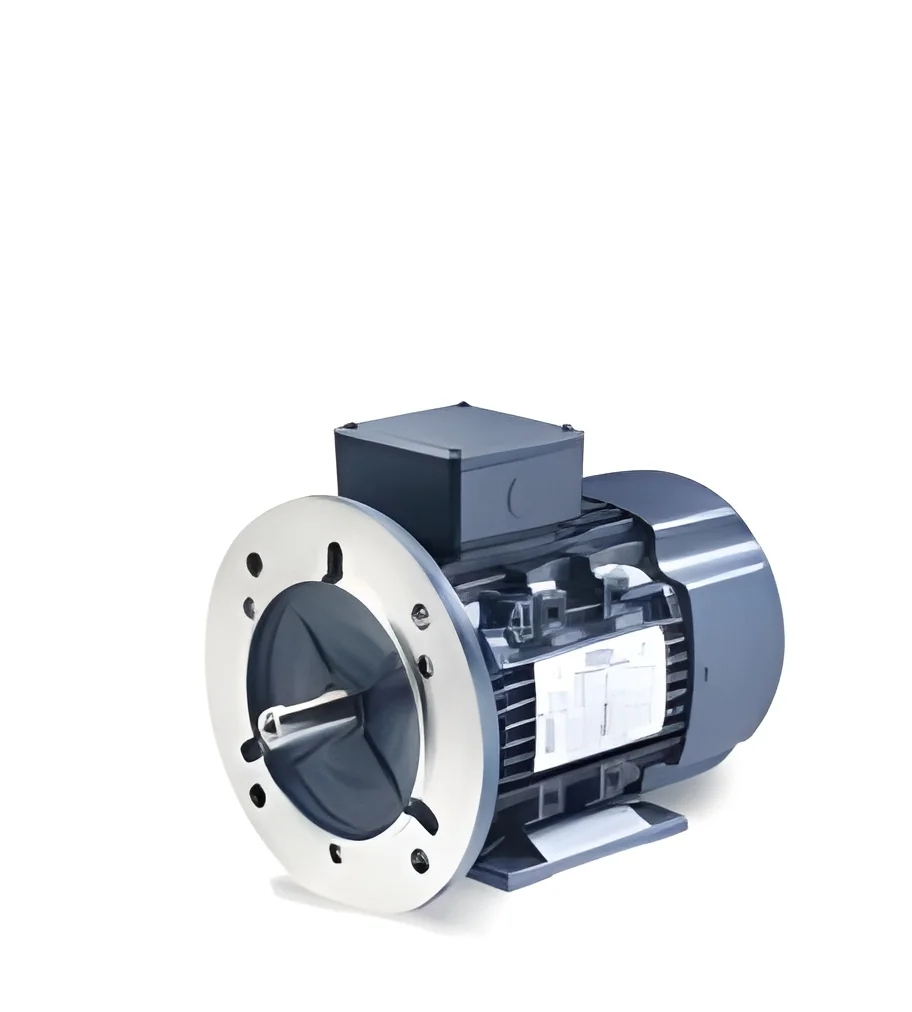
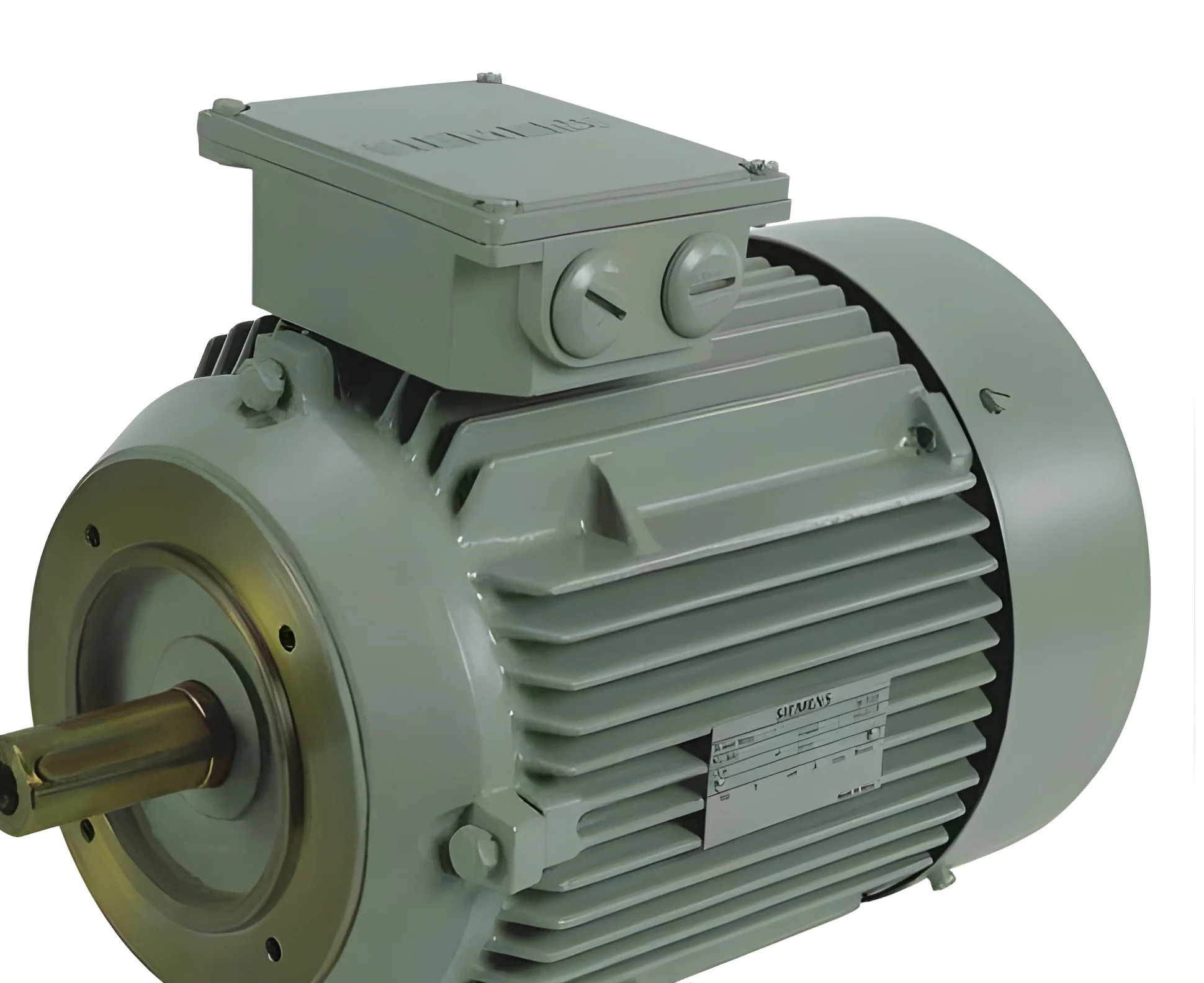
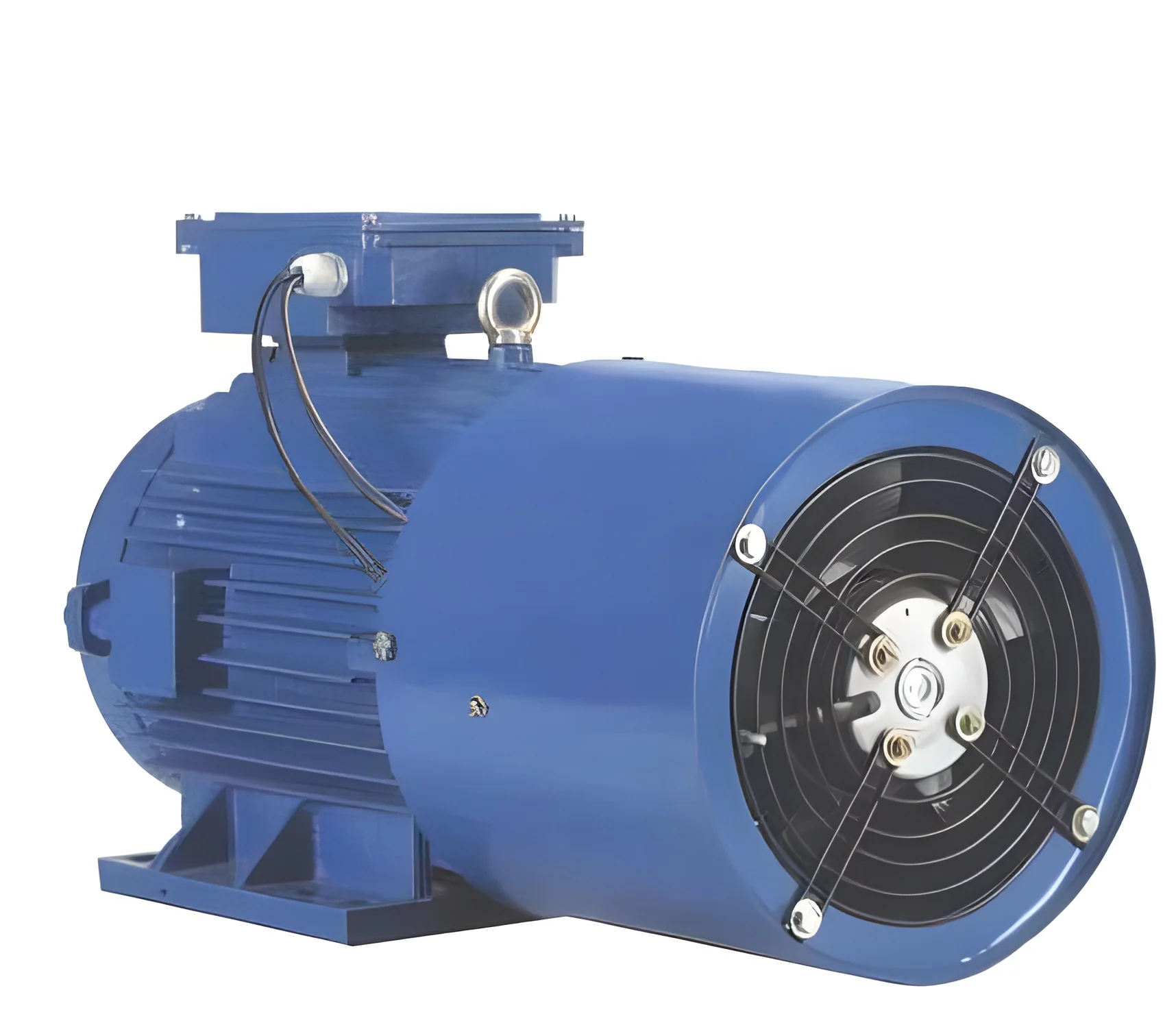
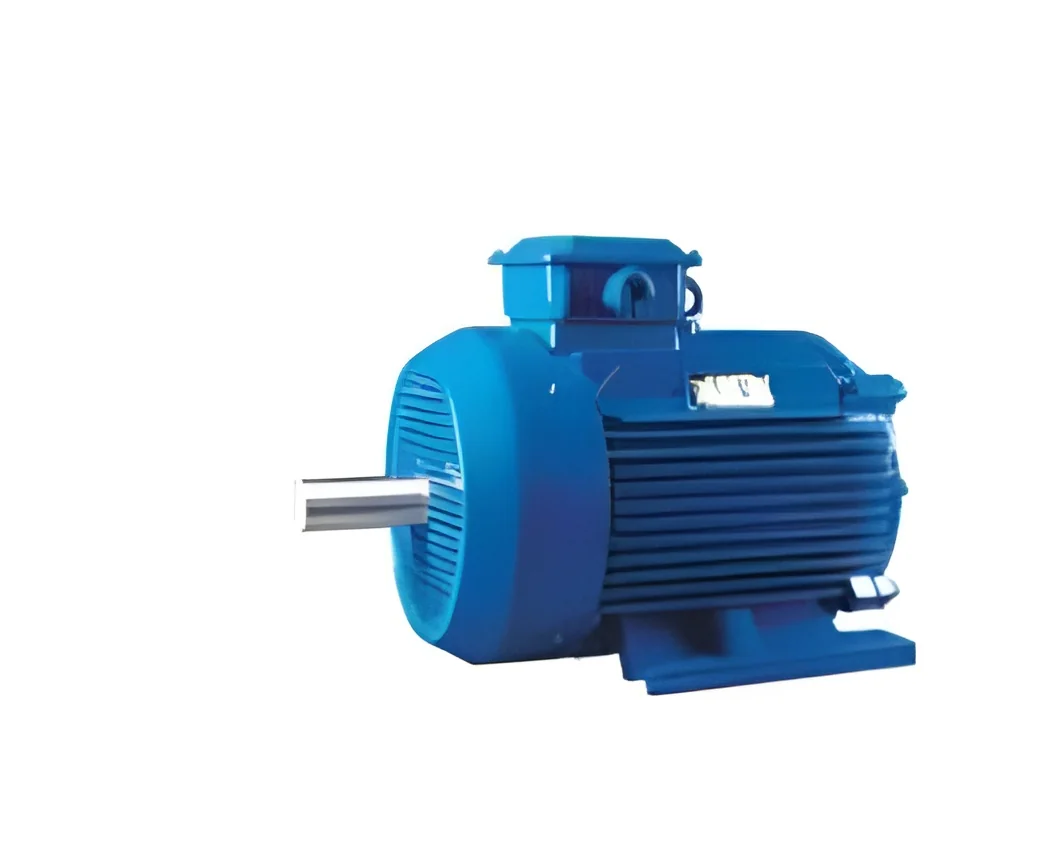
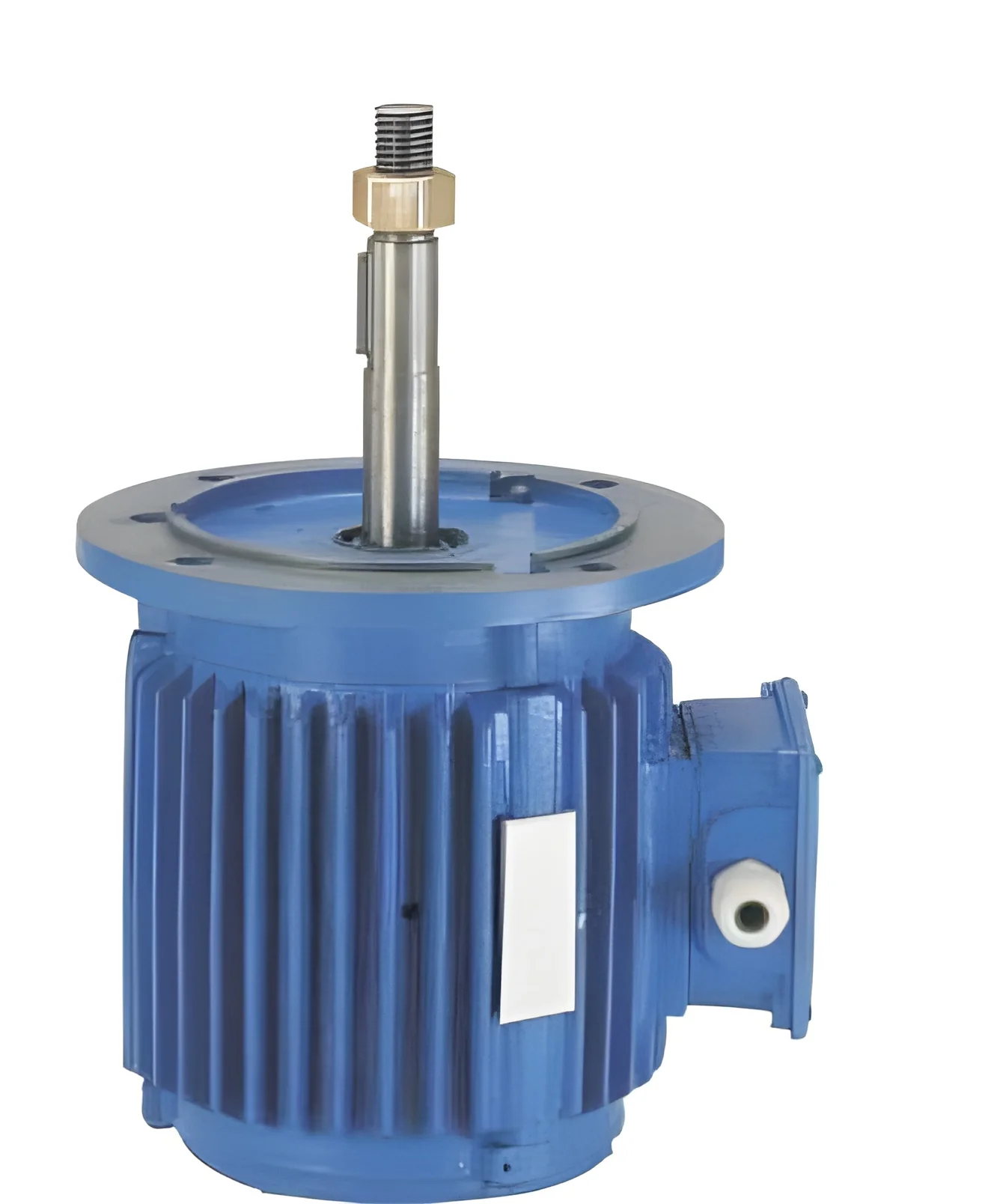
Cooling tower motors are specialized industrial electric motors designed explicitly to drive the axial or propeller fans within cooling towers. These components are the workhorses of thermal management, responsible for moving air to facilitate the evaporation and heat transfer that cools water circulating through industrial or HVAC systems. Built for resilience, they operate continuously in exposed, often corrosive outdoor environments, featuring robust construction with high corrosion resistance and protective enclosures. Their design prioritizes energy efficiency and the ability to handle variable loads and frequent cycling, ensuring stable performance that is crucial for maintaining the precise temperature control required in critical cooling applications.

These motors are indispensable across a wide spectrum of industries where effective heat rejection is non-negotiable. In power generation, they are vital for condensing steam in thermal power stations. The chemical processing ind...
Cooling tower motors are specialized industrial electric motors designed explicitly to drive the axial or propeller fans within cooling towers. These components are the workhorses of thermal management, responsible for moving air to facilitate the evaporation and heat transfer that cools water circulating through industrial or HVAC systems. Built for resilience, they operate continuously in exposed, often corrosive outdoor environments, featuring robust construction with high corrosion resistance and protective enclosures. Their design prioritizes energy efficiency and the ability to handle variable loads and frequent cycling, ensuring stable performance that is crucial for maintaining the precise temperature control required in critical cooling applications.

These motors are indispensable across a wide spectrum of industries where effective heat rejection is non-negotiable. In power generation, they are vital for condensing steam in thermal power stations. The chemical processing industry depends on them to maintain safe operating temperatures for reactors and distillation columns. Large-scale commercial HVAC systems in data centers, hospitals, and shopping complexes use them to reject heat from building chillers. Furthermore, manufacturing sectors such as steel production, plastic molding, and food & beverage processing utilize these motors to cool machinery, hydraulic systems, and process water, directly impacting production continuity and product quality.

The business value of a high-quality cooling tower motor lies in its direct contribution to operational reliability and cost management. A reliable motor minimizes unplanned downtime, which can be extremely costly in continuous process industries. Its energy-efficient operation translates to significant long-term savings on electricity. The durable construction reduces maintenance frequency and costs, while its suitability for harsh environments extends the service life of the entire cooling system. Investing in a well-designed motor ensures optimal thermal performance, protects downstream equipment from overheating damage, and provides peace of mind through consistent, dependable operation year after year.

Key Features:
- Engineered for continuous, heavy-duty operation in outdoor and corrosive environments.
- High corrosion resistance with protective enclosures for extended durability.
- Optimized for energy-efficient performance, reducing overall system power consumption.
- Designed to handle variable loads and frequent start-stop cycles without performance loss.
- Built with robust construction to ensure stable operation and long service life.

Benefits:
- Ensures reliable heat dissipation, maintaining critical system temperatures and preventing overheating.
- Reduces operational costs through energy-efficient performance and lower electricity bills.
- Minimizes maintenance requirements and downtime due to durable, long-lasting construction.
- Protects valuable industrial equipment by enabling consistent and effective cooling.
- Provides a dependable solution for harsh environments, ensuring continuous operation and process stability.
Specifications
| Additional Information | |
|---|---|
| Country of Origin | India |
Application
These robust motors are engineered for continuous duty in demanding environments, powering axial fans that expel heat from water in cooling towers. Their primary role is to maintain optimal system temperatures, which is vital for process efficiency and equipment longevity across various sectors.
By ensuring consistent airflow and heat rejection, these motors support the core function of cooling towers in large-scale thermal management. Their application is fundamental in settings where precise temperature control directly impacts operational safety, product quality, and energy consumption, making them a critical component in industrial infrastructure.
- Power generation plants utilize these motors in cooling towers to condense steam and maintain turbine efficiency.
- Chemical and petrochemical facilities rely on them for process cooling, ensuring safe reaction temperatures and equipment operation.
- Large commercial HVAC systems in data centers, hospitals, and malls use these motors to reject heat from chillers.
- Manufacturing plants, especially in steel, plastic, and food processing, employ them for equipment and coolant cooling.
- Water treatment plants integrate these motors into cooling systems to manage temperatures during various treatment processes.
Trade Details
| Available Stock | In Stock |
| Sample Availability | No |
Payment Terms
| Payment Terms |
|
Company Profile

ELCEN MACHINES PVT. LTD., Gujarat
 Gujarat, India
Gujarat, IndiaManufacturer•Importer / Exporter
Factory Details
Factory SizeBelow 1000 sqm
Cooling Tower Motors
Cooling tower motors are industrial electric motors designed to drive cooling tower fans, ensuring efficient heat dissipation and reliable operation in HVAC and industrial water-cooling systems.
Min. Order Quantity: 1
Shipping
Shipping fee and delivery date to be negotiated. Contact supplier now for more details.
ELCEN MACHINES PVT. LTD.
 Gujarat, India
Gujarat, IndiaManufacturer