
 IN
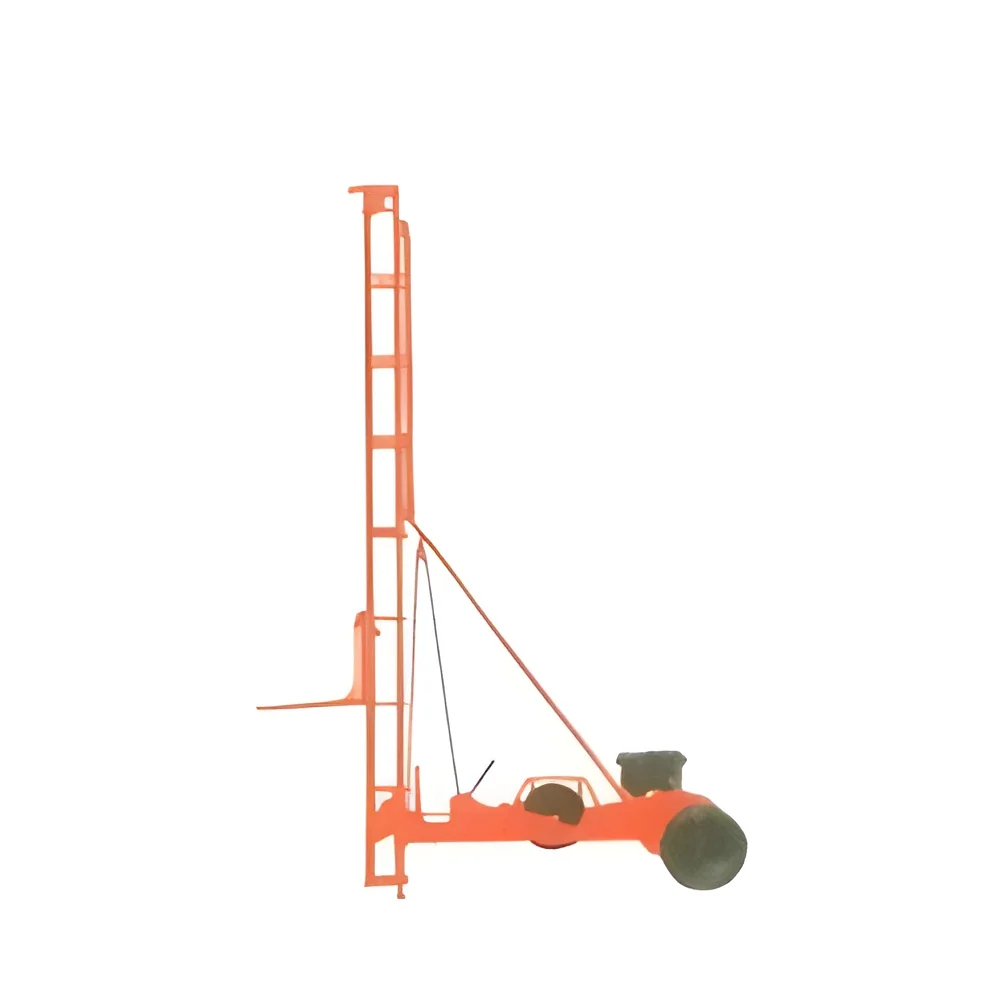
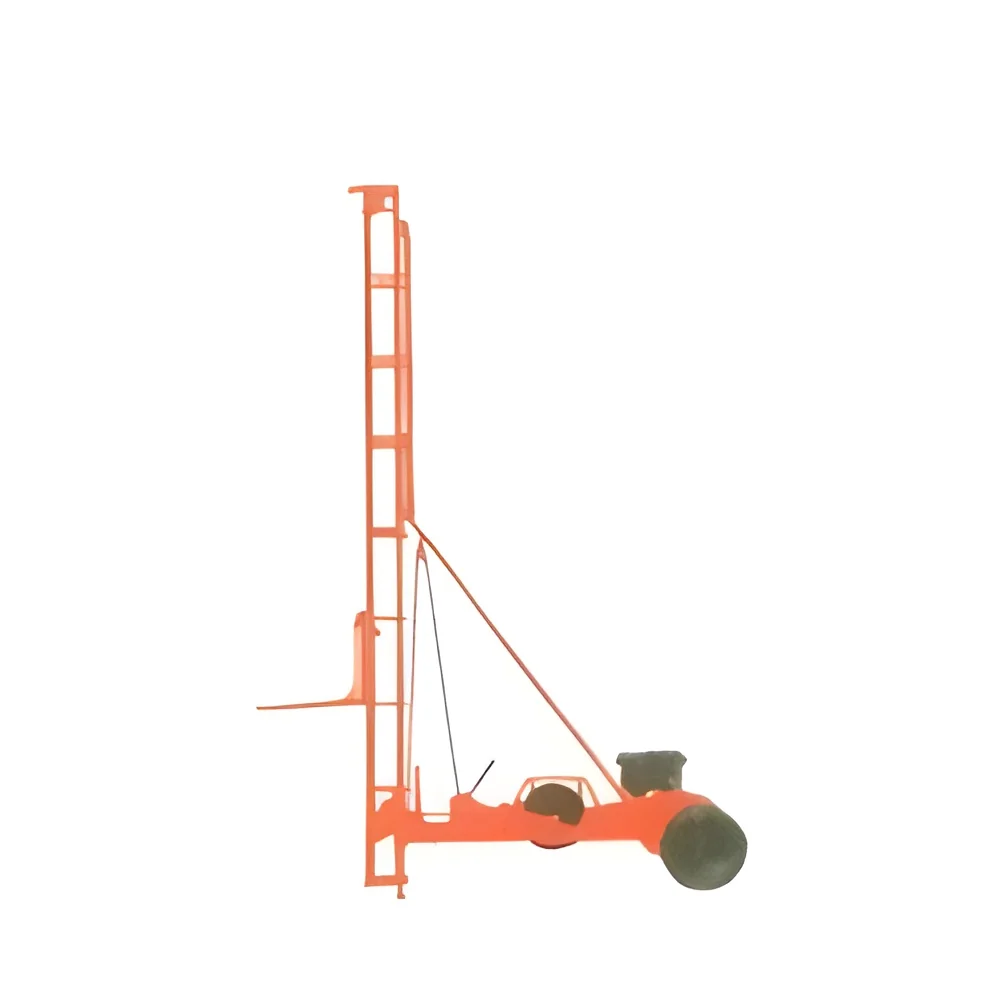
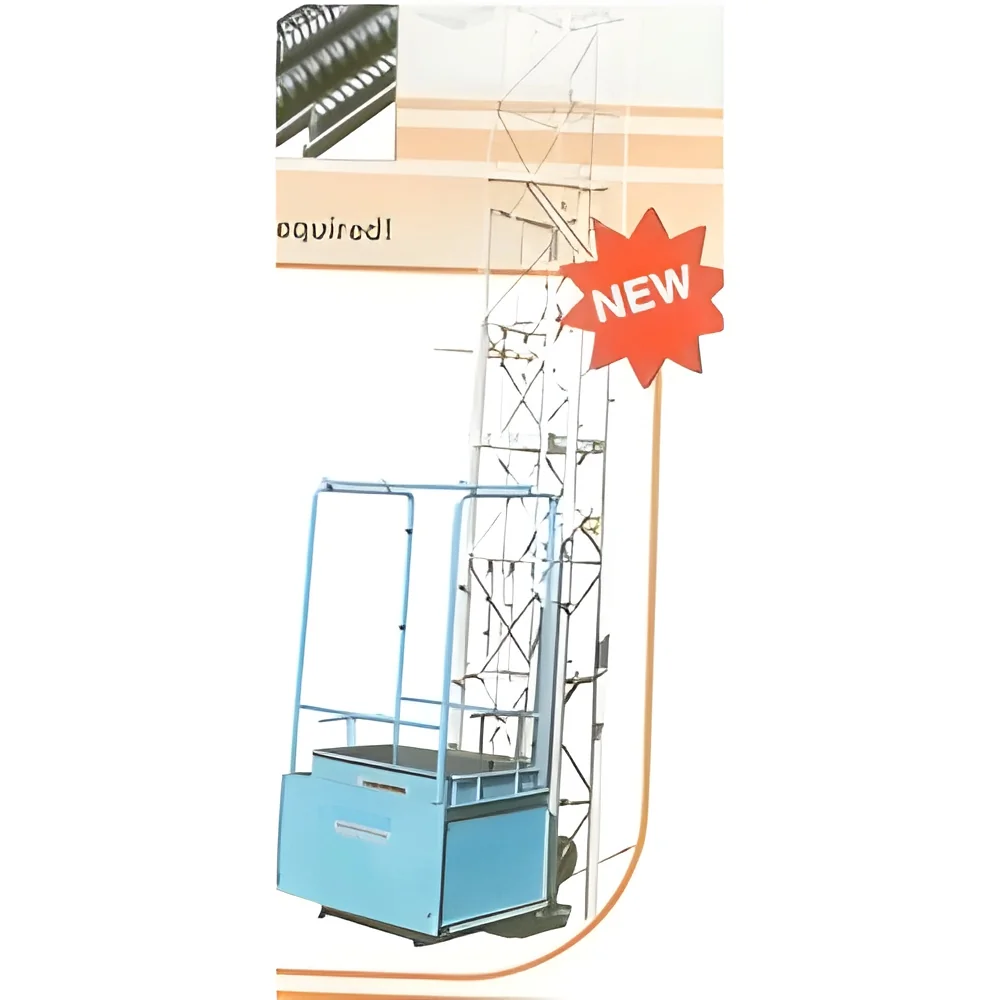
Construction Hoists
10 products available
What are Construction Hoists?
Construction hoists are essential equipment used in the construction industry to transport materials and personnel vertically on building sites. These hoists are typically fixed installations that move items between various floors of a structure under construction or renovation. They are designed to enhance efficiency and safety, allowing workers to transport heavy loads quickly and reliably, thereby improving overall productivity on job sites.
Primarily, construction hoists are utilized in building projects, including high-rise structures, bridges, and large commercial facilities. They are vital during the construction phase, as they facilitate the movement of building materials such as concrete, steel, and other heavy items. Additionally, these hoists can also be used in residential projects for transporting tools and equipment. The market for construction hoists is growing, driven by the increasing demand for safer and more efficient construction processes.
Key Features and Specifications
Construction hoists come with various features tailored to meet the specific needs of different projects. Understanding these specifications helps businesses choose the right hoist for their applications.
Key specifications include:
1. Load Capacity
- Refers to the maximum weight the hoist can safely transport.
- Typical capacities range from 1,000 kg to 3,000 kg or more.
2. Lifting Height
- Indicates the maximum vertical distance the hoist can reach.
- Common lifting heights vary from 30 meters to over 100 meters.
3. Speed
- The speed at which the hoist can lift and lower loads.
- Standard speeds range from 20 meters per minute to 60 meters per minute.
4. Platform Size
- The dimensions of the platform used for transporting materials.
- Platforms can range from 1.5 meters to 3.5 meters in width and length.
5. Power Source
- Refers to the type of energy used to operate the hoist.
- Options typically include electric or diesel-powered models.
6. Safety Features
- Includes safety brakes, emergency stop buttons, and overload protection.
- Ensures compliance with industry safety standards.
7. Installation Type
- Describes whether the hoist is freestanding or building-mounted.
- Freestanding models offer flexibility on job sites, while building-mounted ones are fixed to the structure.
8. Control System
- The mechanism used to operate the hoist.
- Options may include manual controls, remote controls, or automated systems.
In summary, selecting the right construction hoist requires a careful evaluation of these specifications to ensure that it meets the unique demands of each project.
Common Applications and Use Cases
Construction hoists are versatile and find applications across various industries.
1. Commercial Construction: In large commercial buildings, hoists are essential for moving heavy materials and equipment between floors during construction.
2. Residential Projects: These hoists facilitate the transport of tools, appliances, and materials in multi-story residential buildings.
3. Infrastructure Development: In projects like bridges and tunnels, hoists are utilized to move heavy construction materials and equipment safely.
4. Industrial Facilities: Construction hoists are also used in the expansion or renovation of industrial plants where heavy machinery needs to be moved.
5. High-Rise Buildings: Essential for skyscraper projects, hoists provide a reliable method for transporting workers and materials to high elevations.
6. Renovation Projects: In building renovations, hoists allow for the efficient removal and transport of old materials and the installation of new ones.
7. Demolition Sites: Hoists can be employed to remove debris from demolition projects, ensuring a safer work environment.
Product Variants and Subcategories
Construction hoists come in various configurations to suit different project needs.
Electric Hoists
These hoists are powered by electricity, making them suitable for indoor use where noise and emissions are a concern. They are efficient and generally safer for workers.
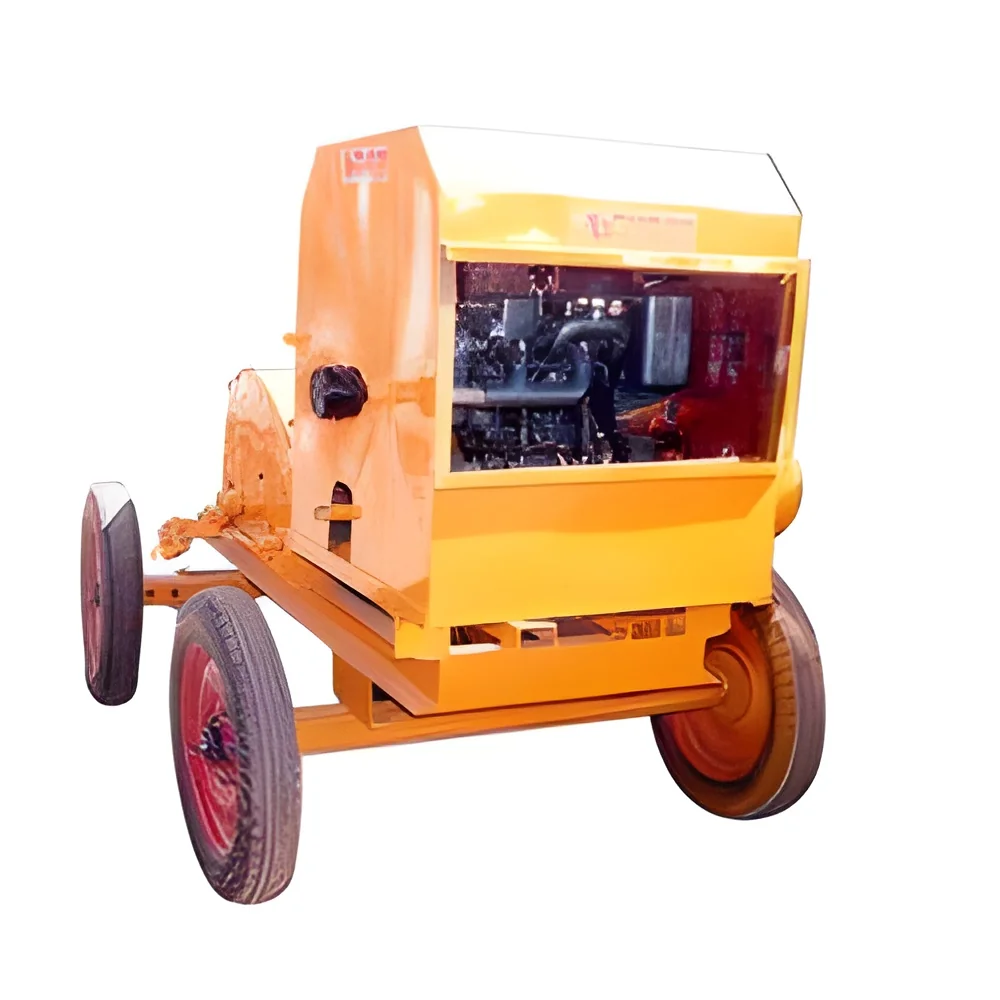
Diesel Hoists
Diesel-powered hoists are ideal for outdoor construction sites where electricity may not be readily available. They offer robust performance and are capable of lifting heavy loads.
Portable Hoists
These are smaller, lightweight hoists that can be easily transported between job sites. They are perfect for smaller projects or areas with limited space.
Heavy-Duty Hoists
Designed for the most demanding applications, heavy-duty hoists can handle larger loads and higher lifting heights. They are often used in large-scale construction projects.
Benefits and Advantages
Construction hoists offer numerous benefits that enhance productivity and safety on job sites.
1. Increased Efficiency: Hoists allow for the rapid movement of materials, reducing downtime and keeping projects on schedule.
2. Enhanced Safety: Equipped with safety features, hoists minimize the risk of accidents related to manual lifting, ensuring a safer work environment.
3. Versatility: With various designs available, hoists can be adapted to a wide range of applications, making them suitable for different types of construction projects.
4. Reduced Labor Costs: By automating the transportation of heavy materials, hoists can significantly cut down on labor costs associated with manual handling.
5. Improved Accessibility: Hoists enable access to hard-to-reach areas, allowing workers to transport materials to upper floors without difficulty.
6. Compliance with Regulations: Using certified hoists helps companies comply with safety and quality regulations, reducing liability risks.
Buying Guide for B2B Buyers
When sourcing construction hoists, businesses should consider several key factors to ensure they make informed decisions.
1. Quality Assessment: Evaluate the quality of the hoists by checking manufacturer reputations, certifications, and customer reviews to ensure reliability.
2. Supplier Verification: Vet potential suppliers to confirm their credibility and ability to provide high-quality products. Look for industry certifications and customer feedback.
3. Pricing and MOQ: Understand the pricing structures and minimum order quantities. Compare costs across different suppliers to secure the best deal.
4. Delivery and Lead Times: Assess the logistics involved in delivery. Ensure that suppliers can meet your deadlines to avoid project delays.
5. Compliance Requirements: Familiarize yourself with the relevant safety standards and regulations for construction hoists in your region to ensure compliance and safety.
Compliance and Certifications
Construction hoists must adhere to various quality standards and safety regulations to ensure their safe operation. Relevant quality standards such as ISO 9001 emphasize the importance of quality management systems. Compliance with these standards guarantees that manufacturers maintain high production quality.
Additionally, many construction hoists are certified under CE regulations, indicating compliance with European safety standards. This certification is crucial for ensuring that the hoists meet the necessary safety and performance criteria.
Safety and testing requirements are also critical components of compliance. Hoists must undergo rigorous testing to verify their load capacities and safety features. Ensuring that hoists meet these requirements minimizes risks on job sites.
Finally, regional compliance considerations can vary widely. Companies should be aware of local regulations governing construction equipment to ensure they meet all legal requirements.
Why Source Construction Hoists from Pepagora?
Pepagora provides a trusted platform for sourcing construction hoists, offering several key advantages to buyers.
Verified Supplier Network: Pepagora has built a network of verified suppliers who are screened for quality and reliability. This ensures that buyers can find reputable manufacturers and suppliers easily.
Streamlined RFQ Process: The request for quotation process on Pepagora is efficient, allowing buyers to receive competitive quotes quickly. This helps buyers make informed purchasing decisions without unnecessary delays.
Trade Assurance and Support: Pepagora offers trade assurance, providing buyers with protection throughout the purchasing process. This includes support for resolving any issues that may arise after the purchase.
Regional Coverage: With a strong presence in India, the GCC, and Southeast Asia, Pepagora connects buyers with suppliers across a wide geographical area, facilitating access to a diverse range of construction hoists.


 India
 India
 India

 India
 India
Frequently Asked Questions
What are Construction Hoists?
Construction hoists are vertical transportation systems used at construction sites to lift materials and personnel from one level to another. They are essential for improving efficiency and safety in building projects, especially in high-rise constructions.
What are the different types of Construction Hoists?
The main types of construction hoists include personnel hoists, material hoists, and dual-purpose hoists that can transport both materials and personnel. Each type is designed for specific applications and load capacities, catering to various construction needs.
How do I choose the right Construction Hoists?
When selecting the right construction hoist, consider factors such as the load capacity, height requirements, frequency of use, and the specific materials being transported. It is also essential to evaluate the space available on the construction site and any safety regulations that must be adhered to.
What are the standard specifications for Construction Hoists?
Standard specifications for construction hoists include load capacity (typically ranging from 500 kg to several tons), lifting height, lifting speed, and the dimensions of the platform. Additionally, hoists must comply with safety standards and regulations to ensure safe operation.
What is the price range for Construction Hoists?
The price range for construction hoists varies significantly based on type, specifications, and manufacturer. Generally, prices can range from INR 1,50,000 to over INR 10,00,000, depending on the features and capabilities required.
What quality standards apply to Construction Hoists?
Construction hoists must adhere to various quality standards, including ISO certifications and specific safety regulations outlined by the Bureau of Indian Standards (BIS). These standards ensure the reliability and safety of hoists during operation.
Where can I find Construction Hoists suppliers in India?
You can find construction hoists suppliers in India through online B2B marketplaces like Pepagora.com, industry trade shows, and local construction equipment dealers. Researching and comparing suppliers can help you find reputable manufacturers and obtain competitive pricing.
Can Construction Hoists be customized?
Yes, construction hoists can often be customized to meet specific project requirements, including adjustments to load capacity, platform size, and safety features. It is advisable to discuss customization options with the manufacturer or supplier to ensure the hoist meets your needs.
What is the typical minimum order quantity for Construction Hoists?
The typical minimum order quantity (MOQ) for construction hoists can vary by manufacturer but generally ranges from one unit for standard models to larger quantities for custom orders. It is best to check with specific suppliers for their MOQ policies.
What is the typical lead time for Construction Hoists?
The typical lead time for construction hoists can range from a few weeks to several months, depending on the manufacturer, model, and whether customization is required. It is advisable to confirm lead times with the supplier when placing an order.
Why Businesses Trust Pepagora
Thousands of companies trust Pepagora to source smarter and sell faster
Expand Your Sales Globally

Source Smarter,Grow Faster
