IN
IN₹
Apparel & Fashion
Description
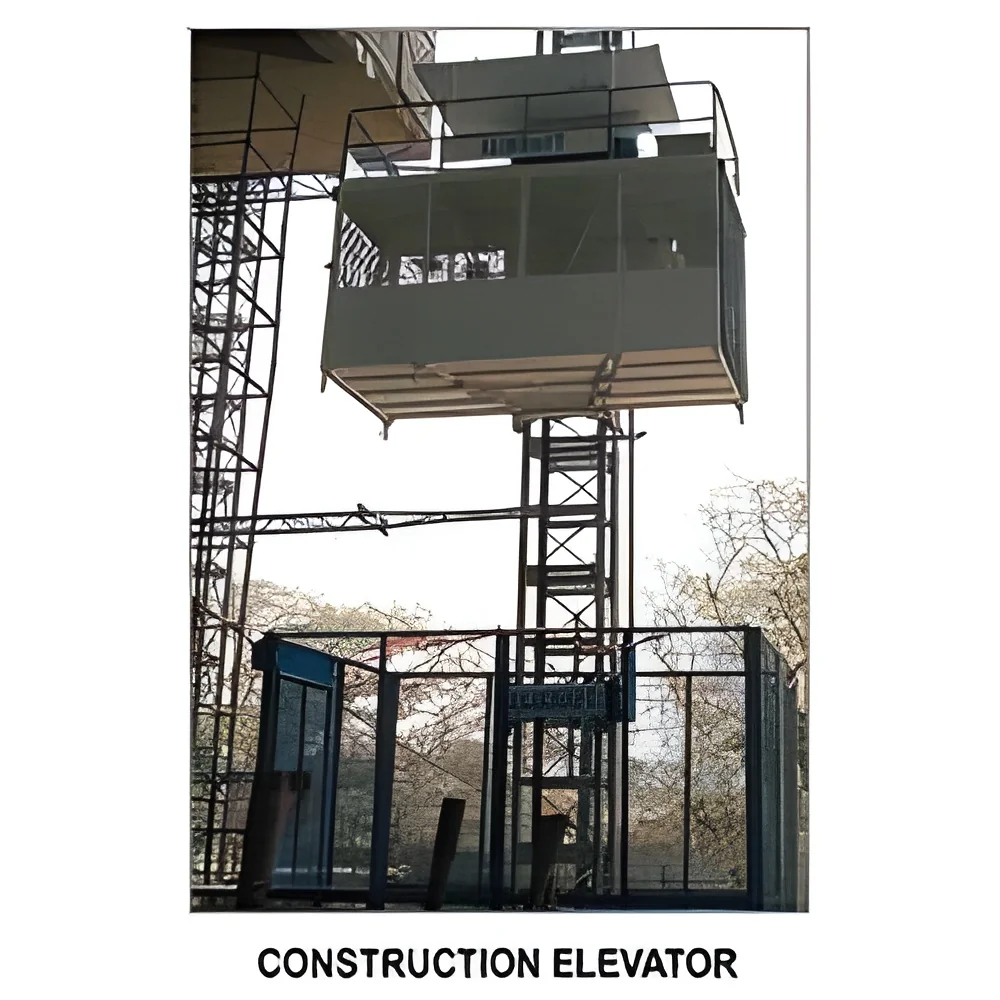
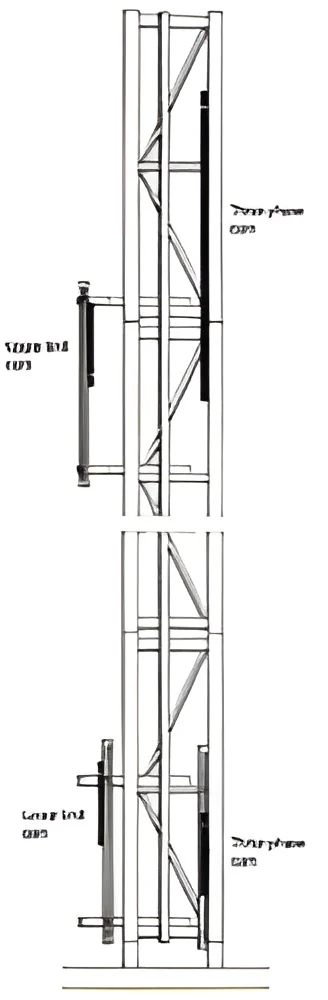
Elevator mast sections represent the core structural component of vertical transportation systems, engineered with integrated safety mechanisms that prioritize operational reliability and personnel protection. These mast sections feature precisely positioned top and bottom limit cams that automatically engage limit switches to ensure accurate stopping at predetermined positions. The system incorporates multiple safety layers including a three-phase switch for backup current breaking should primary limit switches experience failure. Safety hooks securely mounted around corner tubes prevent cage disengagement from the mast structure, while strategically placed buffer springs at the base provide essential impact absorption during operation. The sophisticated overspeed protection mechanism utilizes a pinion driven by the rack system, where centrifugal weights engage a brake cone when excessive speeds are detected, bringing the elevator to a controlled halt while simultaneously cutting powe...
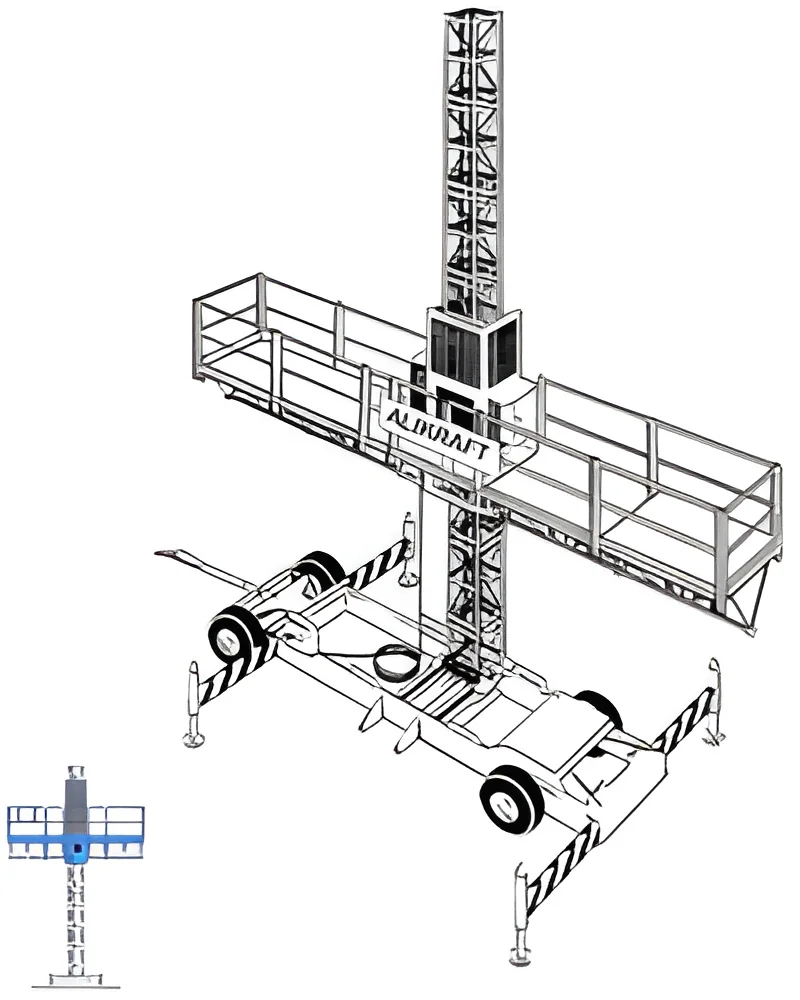
Elevator mast sections represent the core structural component of vertical transportation systems, engineered with integrated safety mechanisms that prioritize operational reliability and personnel protection. These mast sections feature precisely positioned top and bottom limit cams that automatically engage limit switches to ensure accurate stopping at predetermined positions. The system incorporates multiple safety layers including a three-phase switch for backup current breaking should primary limit switches experience failure. Safety hooks securely mounted around corner tubes prevent cage disengagement from the mast structure, while strategically placed buffer springs at the base provide essential impact absorption during operation. The sophisticated overspeed protection mechanism utilizes a pinion driven by the rack system, where centrifugal weights engage a brake cone when excessive speeds are detected, bringing the elevator to a controlled halt while simultaneously cutting power to the drive unit. This comprehensive safety system is designed for easy reset using tools provided in the cage, ensuring minimal operational disruption following safety activation.

These mast sections serve critical functions across multiple industrial sectors requiring dependable vertical transportation solutions. In construction applications, they form the structural framework for temporary hoists that safely transport materials and personnel between different building levels. Manufacturing facilities implement these systems in industrial elevators designed for moving heavy production components and equipment between manufacturing floors. Warehousing and logistics operations utilize these mast sections for efficient goods movement within multi-story distribution centers, optimizing storage and retrieval processes. The mining industry depends on these robust components for vertical transport systems operating in challenging underground conditions where reliability is paramount. Commercial building projects incorporate these mast sections both during construction phases for temporary access and in permanent elevator installations, demonstrating their versatility across various operational requirements and environmental conditions.

The business value of these elevator mast sections lies in their proven reliability and comprehensive safety features, which directly contribute to reduced operational risks and enhanced productivity. The integrated overspeed protection and multiple fail-safe systems significantly minimize accident potential, providing crucial protection for both personnel and valuable assets while reducing liability exposure. The robust construction utilizing quality materials ensures extended service life with minimal maintenance requirements, delivering excellent return on investment through consistent performance and reduced downtime. These mast sections are engineered to withstand demanding operational conditions while maintaining precise safety functionality, making them a cost-effective solution for both temporary installations and permanent vertical transportation systems. The combination of safety, reliability, and durability establishes these components as a trusted choice for businesses seeking dependable vertical movement solutions that prioritize operational continuity and risk management.

Key Features:
- Integrated top and bottom limit cams for precise automatic stopping control
- Three-phase switch backup system providing additional safety redundancy
- Safety hooks around corner tubes preventing cage disengagement from mast
- Buffer springs at base section for effective impact absorption
- Overspeed protection device with centrifugal weight activation and smooth braking

Benefits:
- Enhanced operational safety through multiple integrated protection systems
- Reduced downtime with easy reset functionality following safety activation
- Reliable performance in demanding industrial environments and conditions
- Comprehensive risk management for both personnel and equipment protection
- Long service life with minimal maintenance requirements for cost efficiency
Specifications
| Additional Information | |
|---|---|
| Country of Origin | India |
Application
Elevator mast sections provide essential structural support and safety integration for vertical transportation across demanding industrial environments. Their integrated limit cams ensure precise automatic stopping while overspeed protection mechanisms deliver reliable emergency braking. These features make them indispensable for applications where operational safety and equipment reliability are non-negotiable requirements for continuous workflow and personnel protection.
These robust mast sections serve critical functions in construction, manufacturing, warehousing, and heavy industries requiring dependable vertical movement solutions. The combination of safety hooks, buffer springs, and centrifugal braking systems ensures smooth operation under varying load conditions. This comprehensive safety approach makes these components suitable for both temporary installations during construction phases and permanent elevator systems in operational facilities.
- Construction site hoists for safe material and worker transportation between floors
- Manufacturing plants for vertical movement of heavy machinery components and equipment
- Warehouse distribution centers for efficient multi-level goods transportation systems
- Mining operations providing reliable vertical transport in challenging underground environments
- Industrial facility maintenance elevators for technician access and equipment movement
Trade Details
| Available Stock | In Stock |
| Sample Availability | No |
Payment Terms
| Payment Terms |
|
Company Profile
Ali Kraft, Gujarat
 Gujarat, India
Gujarat, IndiaManufacturer•Distributor / Wholesaler•Importer / Exporter
Factory Details
Factory SizeBelow 1000 sqm
Annual Production Capacity0
Main Markets
Domestic
Elevator Mast Sections With Integrated Limit Cams And Overspeed Protection
Elevator mast sections feature integrated limit cams and overspeed protection for automatic stopping and enhanced safety in industrial elevators, construction hoists, and vertical transport systems.
Min. Order Quantity: 1 unit
Shipping
Shipping fee and delivery date to be negotiated. Contact supplier now for more details.
Ali Kraft
 Gujarat, India
Gujarat, IndiaManufacturer