
 IN
Chilli Cleaning & Destoning Units
130 products available
What are Chilli Cleaning & Destoning Units?
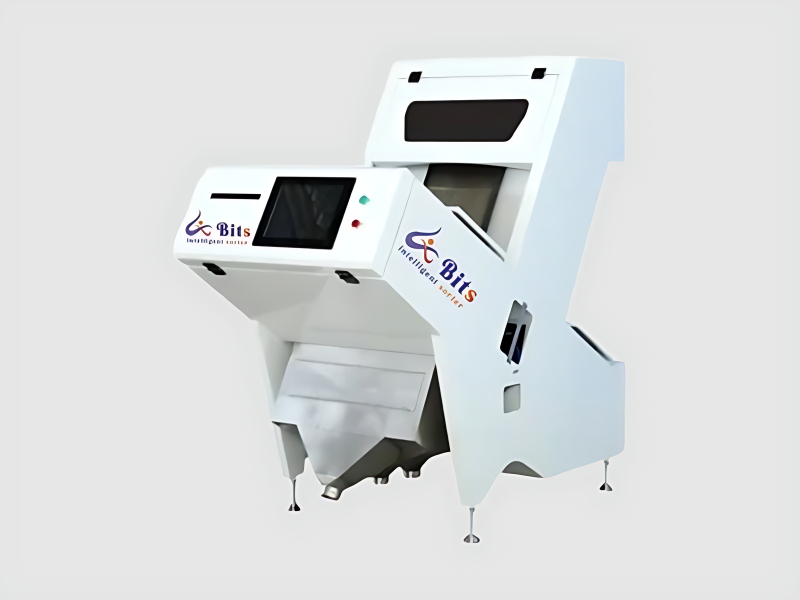
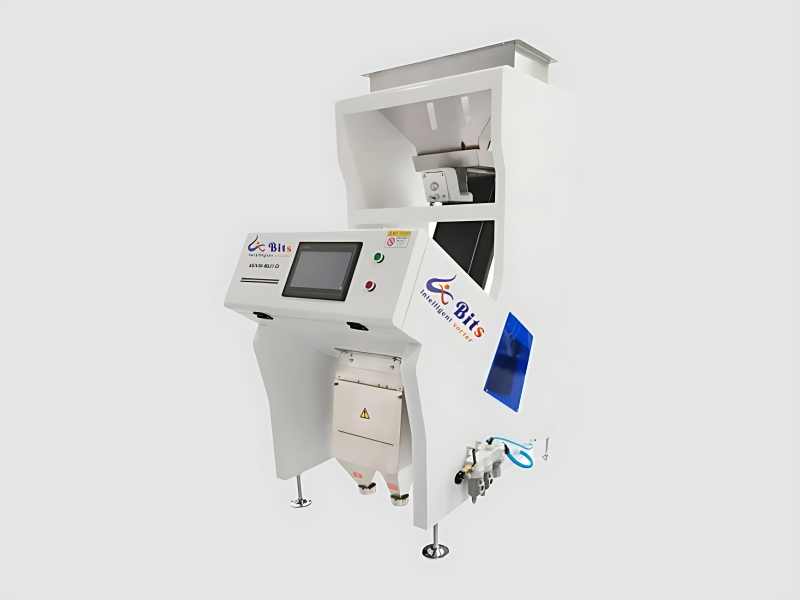
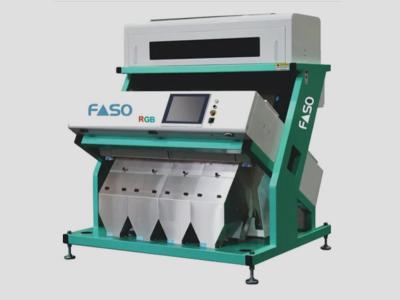
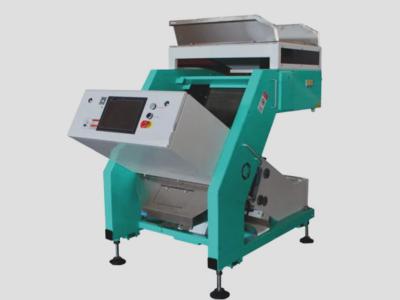
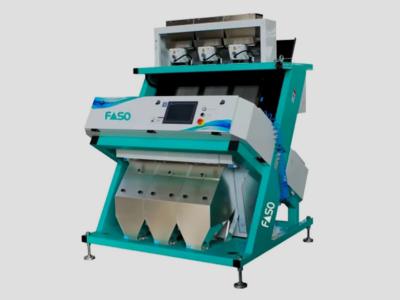
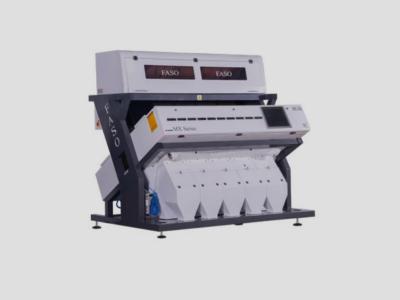
Chilli Cleaning & Destoning Units are specialized machines designed for the effective cleaning and destoning of dried chillies. These units remove unwanted impurities such as dust, stems, and stones, ensuring that the final product meets high-quality standards for further processing or packaging. By utilizing advanced technologies, these machines streamline the cleaning process, making it highly efficient and reliable.
The primary uses of Chilli Cleaning & Destoning Units are found in industries that handle large volumes of dried chillies, including food processing, spice manufacturing, and export businesses. These units are essential for maintaining product quality and safety, as they help prevent contamination and ensure compliance with health regulations. As the demand for high-quality ingredients rises, the relevance of these units in the market becomes increasingly significant.
In the context of industry relevance, Chilli Cleaning & Destoning Units play a crucial role in enhancing productivity and product quality within the spice supply chain. With the global spice market continuously expanding, businesses that invest in these units can gain a competitive edge by delivering premium products that meet consumer expectations.
Key Features and Specifications
Chilli Cleaning & Destoning Units are equipped with various features that enhance their performance and usability. These specifications ensure that the units operate efficiently, providing businesses with the tools they need to maintain high standards.
Key specifications include:
1. Cleaning Efficiency
- Designed to remove impurities effectively
- High throughput rates for large batches
2. Destoning Capability
- Advanced separation technology
- Minimizes product loss during destoning
3. Material Construction
- Typically made from food-grade stainless steel
- Durable and resistant to corrosion
4. Power Consumption
- Energy-efficient motors
- Low operational costs
5. Maintenance Requirements
- Easy access for cleaning and maintenance
- Minimal downtime for repairs
6. Size and Capacity
- Available in various sizes to suit different production needs
- Customizable capacities based on client requirements
7. Safety Features
- Equipped with emergency stop buttons
- Compliant with safety regulations
8. User-Friendly Controls
- Intuitive control panels for easy operation
- Programmable settings for different batch types
In summary, the specifications of Chilli Cleaning & Destoning Units highlight their efficiency, durability, and user-friendly design, making them vital in modern spice processing operations.
Common Applications and Use Cases
Chilli Cleaning & Destoning Units are versatile machines applicable across multiple industries.
1. Food Processing: These units are essential for cleaning dried chillies before they are ground into powder or used as ingredients in various food products.
2. Spice Manufacturing: Companies that produce spice blends rely on these machines to ensure that their raw materials are free from contaminants and stones.
3. Export Businesses: Exporters of spices use cleaning and destoning units to comply with international quality standards, ensuring that their products are safe for global markets.
4. Agricultural Cooperatives: Farmers and cooperatives processing their own chillies utilize these units to enhance product quality before selling.
5. Culinary Arts: Specialty food companies that create gourmet spice blends utilize these units to maintain the integrity of their products.
6. Organic Farming: Producers focusing on organic chillies benefit from these machines to ensure their products meet organic certification requirements.
7. Retail Packaging: Companies that package spices for retail use these units to ensure their products are clean and presentable to consumers.
Product Variants and Subcategories
Chilli Cleaning & Destoning Units come in various configurations to accommodate different production needs and preferences.
Compact Model
This variant is designed for smaller operations or businesses with limited space. It offers efficient cleaning and destoning capabilities while maintaining a compact footprint, making it ideal for smaller processing facilities.
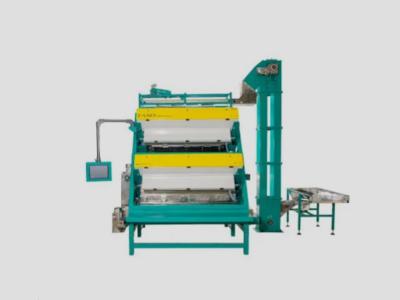
Industrial Model
This variant is built for large-scale operations and can handle high volumes of dried chillies. It features advanced automation and enhanced throughput, making it suitable for major spice manufacturers.
Mobile Unit
This version is designed for flexibility and can be easily relocated within facilities. It is perfect for businesses that require mobility in their processing operations.
Semi-Automatic Model
This model offers a balance between manual and automated processes, allowing operators to have more control while still benefiting from efficiency improvements.
Benefits and Advantages
Investing in Chilli Cleaning & Destoning Units provides several advantages for businesses in the spice industry.
Key benefits include:
1. Improved Product Quality: These units ensure that the final product is free from impurities, enhancing overall quality and safety.
2. Increased Efficiency: Automation and advanced technology reduce labor costs and time, allowing for higher throughput.
3. Compliance with Standards: Operating these units helps businesses meet health and safety regulations, facilitating smoother trade practices.
4. Cost-Effectiveness: By minimizing waste and maximizing yield, these machines contribute to better profit margins.
5. Enhanced Brand Reputation: Delivering high-quality, clean products strengthens brand trust and customer loyalty.
6. Customization Options: Many units can be tailored to specific production needs, allowing businesses to optimize their processes.
Buying Guide for B2B Buyers
When sourcing Chilli Cleaning & Destoning Units, it is crucial for buyers to consider various factors to ensure they make informed decisions.
1. Quality Assessment: Examine the materials used in construction and the technology employed for efficiency. Look for units that meet international quality standards.
2. Supplier Verification: Vet potential suppliers thoroughly. Check for experience, reliability, and customer testimonials to ensure they can deliver high-quality products.
3. Pricing and MOQ: Understand the pricing structure and minimum order quantities. Compare quotes from different suppliers while considering total cost of ownership.
4. Delivery and Lead Times: Inquire about the expected delivery timelines and logistics involved. Timely delivery is essential for maintaining production schedules.
5. Compliance Requirements: Ensure that the units comply with local and international regulations, including safety and health standards that apply to food processing.
Compliance and Certifications
Chilli Cleaning & Destoning Units must adhere to various quality standards and certifications to ensure safe operation and product integrity.
ISO 9001 is a crucial standard that ensures consistent quality management systems within manufacturing processes. Compliance with this standard signifies that the manufacturer follows best practices in quality assurance.
HACCP (Hazard Analysis Critical Control Point) is vital for food safety. It outlines systematic approaches to identify, evaluate, and control food safety hazards, making it essential for processing units.
CE certification indicates that the equipment meets EU safety, health, and environmental protection standards. This certification is necessary for businesses aiming to export to European markets.
In addition to these standards, manufacturers should also consider safety testing requirements and regional compliance factors. Adhering to local regulations ensures that the equipment is safe for use and meets the expectations of regulatory bodies.
Why Source Chilli Cleaning & Destoning Units from Pepagora?
Pepagora is a trusted platform for sourcing Chilli Cleaning & Destoning Units, offering several advantages to buyers.
Verified Supplier Network: Pepagora connects buyers with a network of verified suppliers, ensuring that they can access high-quality products. Each supplier is vetted for reliability and product quality.
Streamlined RFQ Process: The platform provides a straightforward request for quotation process, allowing buyers to submit their specifications easily. This system simplifies the procurement process and reduces time spent on sourcing.
Trade Assurance and Support: Pepagora offers buyer protection features that ensure transactions are secure. Buyers can feel confident in their purchases, knowing that support is available throughout the sourcing process.
Regional Coverage: With a strong presence in India, GCC, and Southeast Asia, Pepagora provides extensive geographic reach. This coverage allows businesses to source locally while benefiting from competitive pricing and quality options.

Frequently Asked Questions
What are Chilli Cleaning & Destoning Units?
Chilli Cleaning & Destoning Units are specialized machines designed to clean and remove unwanted stones and impurities from dried chillies. These units help improve the quality and marketability of chillies by ensuring that they are free from contaminants before processing or packaging.
What are the different types of Chilli Cleaning & Destoning Units?
There are various types of Chilli Cleaning & Destoning Units, including vibrating screens, air classifiers, and gravity separators. Each type utilizes different mechanisms to efficiently remove foreign materials while preserving the integrity of the chillies.
How do I choose the right Chilli Cleaning & Destoning Units?
Choosing the right Chilli Cleaning & Destoning Units depends on factors such as the volume of chillies to be processed, the level of cleaning required, and the available budget. It's important to assess the machine's efficiency, maintenance requirements, and compatibility with your production line.
What are the standard specifications for Chilli Cleaning & Destoning Units?
Standard specifications for Chilli Cleaning & Destoning Units typically include processing capacity, power requirements, dimensions, and material construction. These specifications can vary between manufacturers, so it's advisable to review the details provided by suppliers before making a purchase.
What is the price range for Chilli Cleaning & Destoning Units?
The price range for Chilli Cleaning & Destoning Units can vary widely based on the type, capacity, and features. Generally, you can expect to find units ranging from a few thousand to several lakhs of Indian Rupees.
What quality standards apply to Chilli Cleaning & Destoning Units?
Quality standards for Chilli Cleaning & Destoning Units may include ISO certifications, compliance with safety regulations, and adherence to local manufacturing guidelines. It's essential to verify that suppliers meet these standards to ensure the reliability and efficiency of the machines.
Where can I find Chilli Cleaning & Destoning Units suppliers in India?
You can find Chilli Cleaning & Destoning Units suppliers in India through online B2B marketplaces, industry trade shows, and local business directories. Websites like Pepagora.com can help you connect with reliable manufacturers and suppliers in the region.
Can Chilli Cleaning & Destoning Units be customized?
Yes, many manufacturers offer customization options for Chilli Cleaning & Destoning Units to meet specific processing needs. Customizations may include adjustments in size, capacity, and additional features tailored to your production requirements.
What is the typical minimum order quantity for Chilli Cleaning & Destoning Units?
The typical minimum order quantity (MOQ) for Chilli Cleaning & Destoning Units can vary by supplier, but it generally ranges from one to several units. It's important to discuss your requirements with suppliers to understand their MOQ policies.
What is the typical lead time for Chilli Cleaning & Destoning Units?
The typical lead time for Chilli Cleaning & Destoning Units can range from a few weeks to several months, depending on the supplier and the complexity of the order. Factors such as customization and production schedules can also influence delivery times.
Why Businesses Trust Pepagora
Thousands of companies trust Pepagora to source smarter and sell faster
Expand Your Sales Globally

Source Smarter,Grow Faster
