
 IN
Banjo Fittings
30 products available
What are Banjo Fittings?
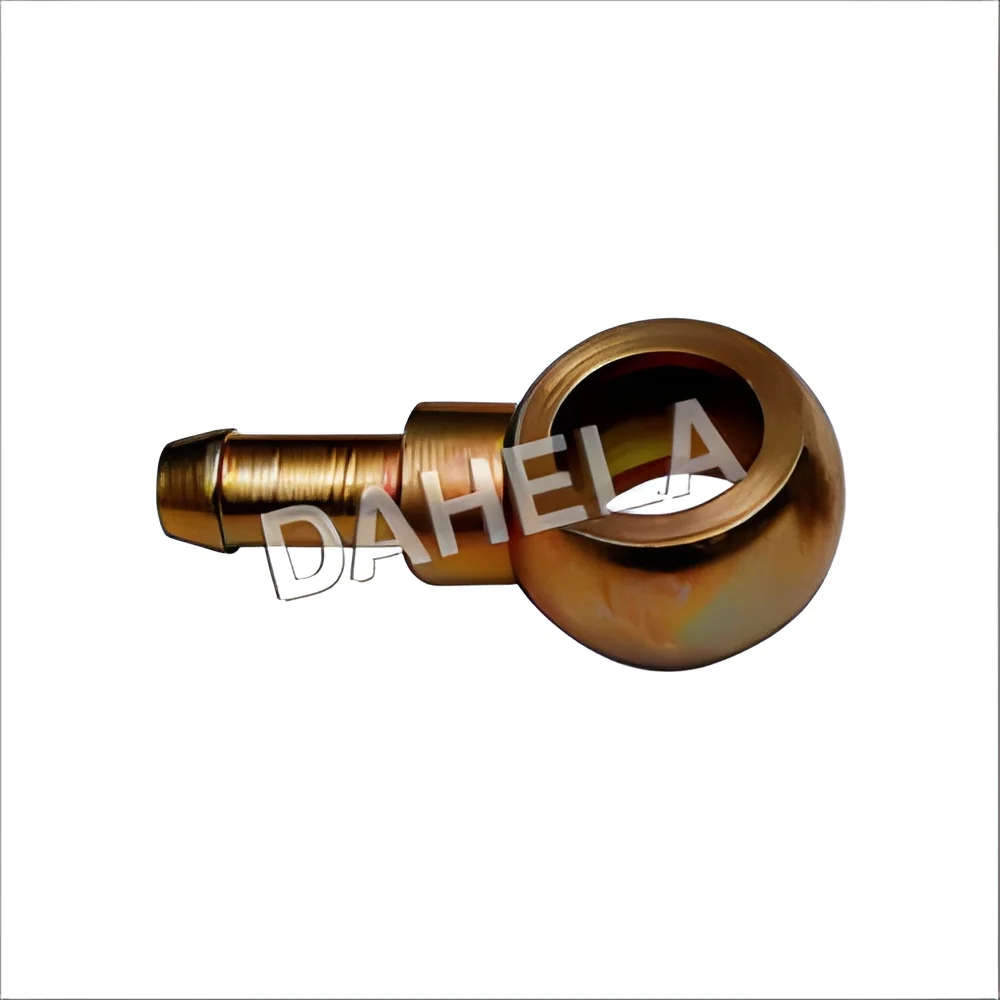
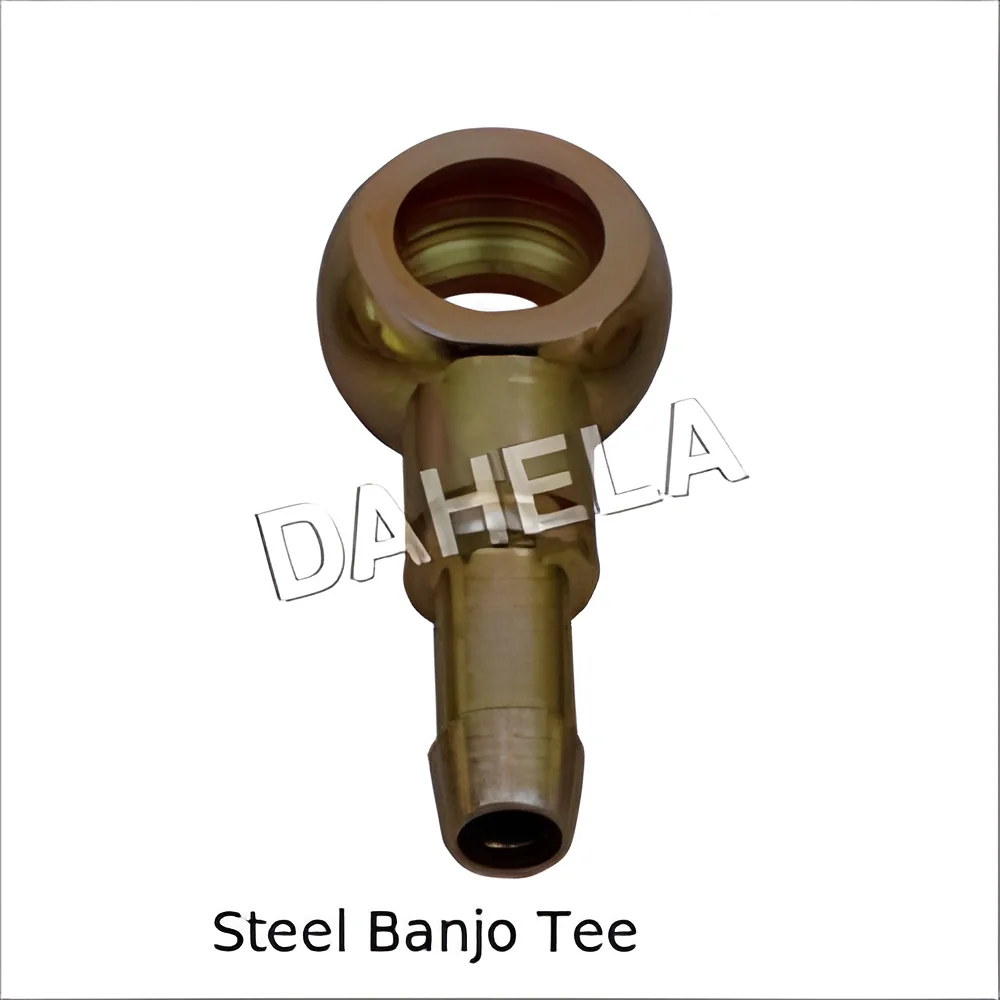
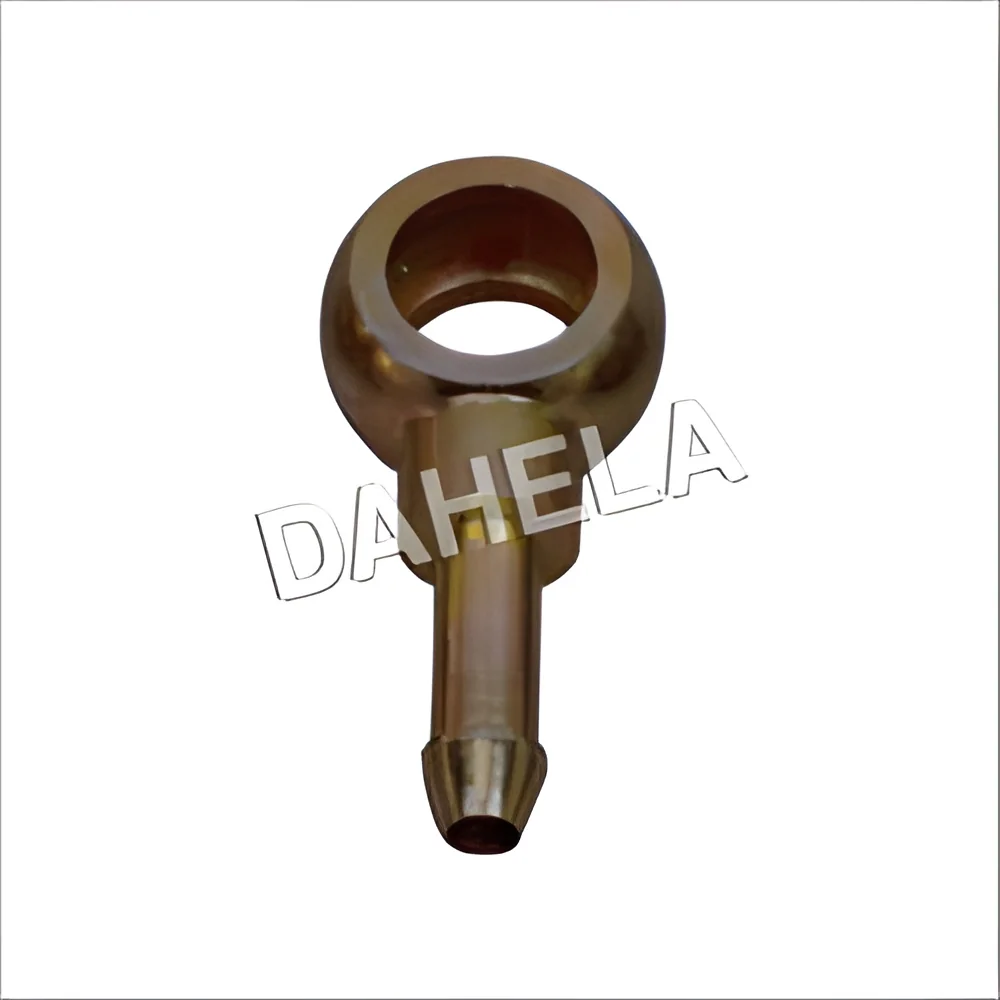
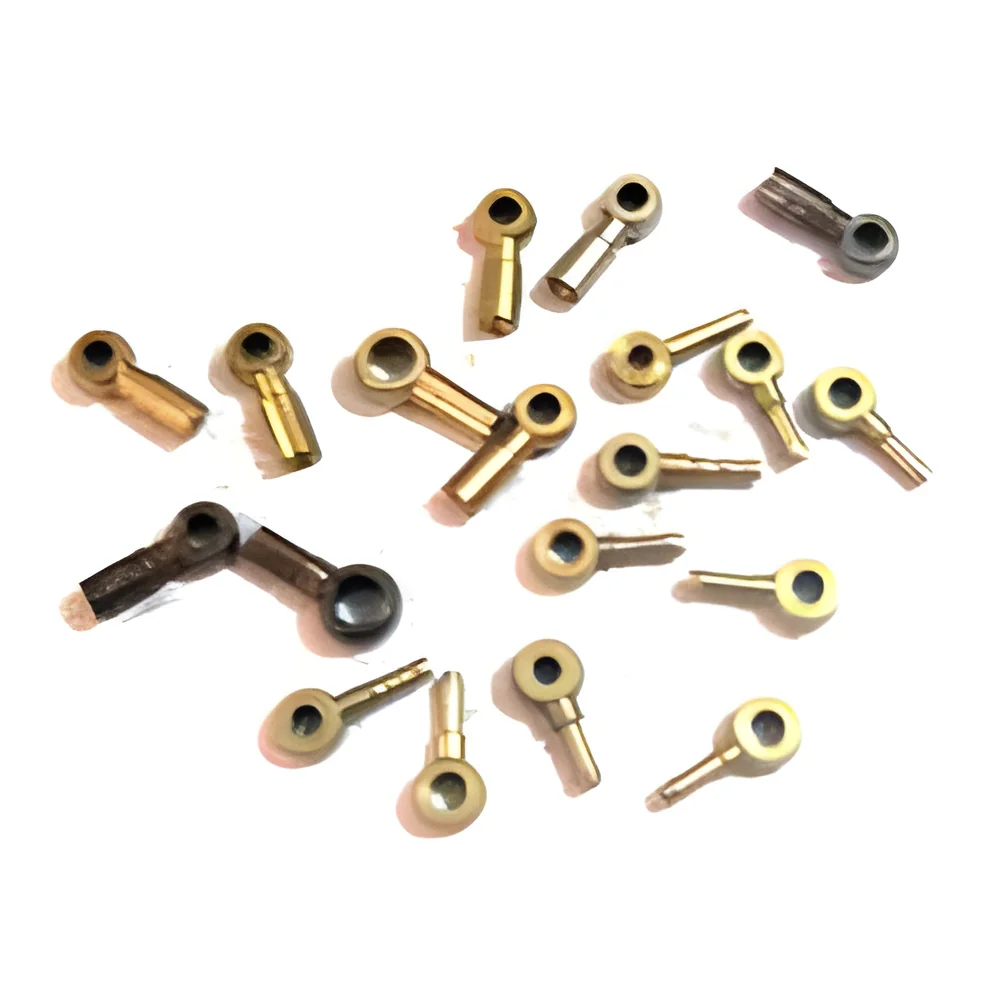
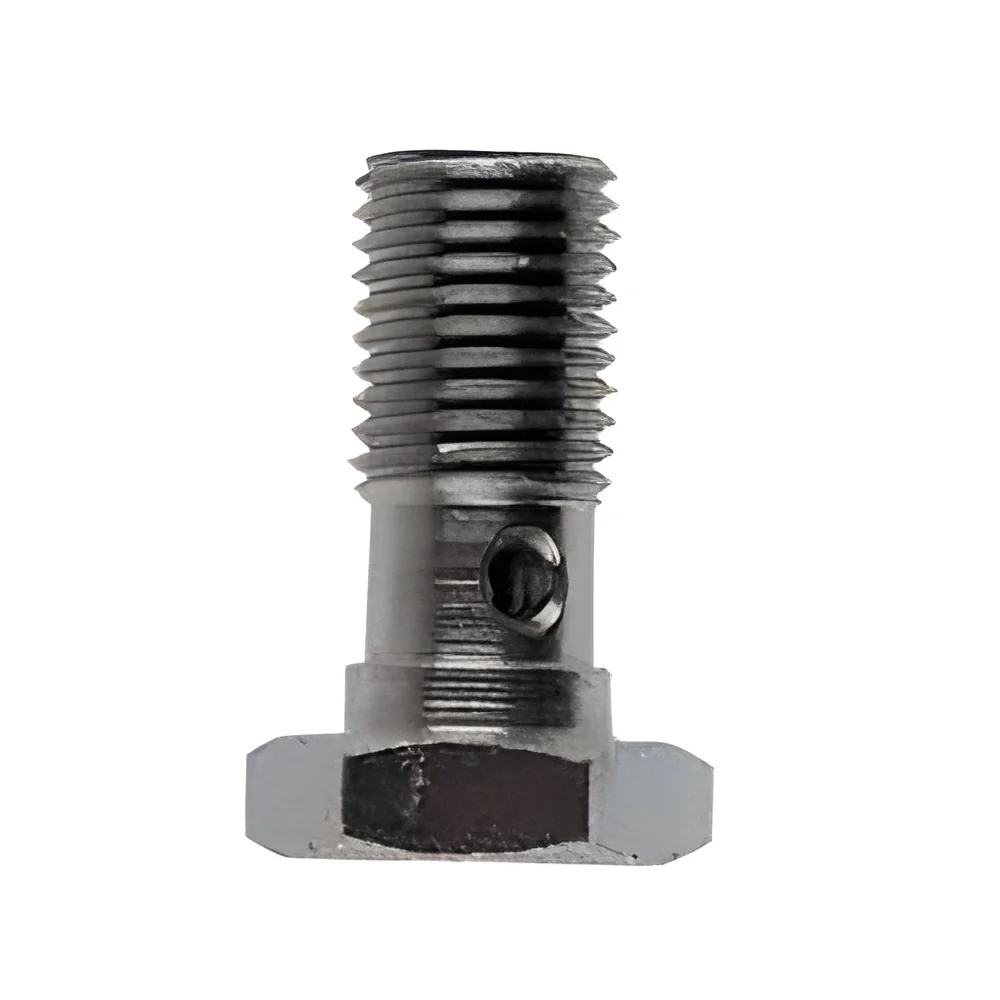
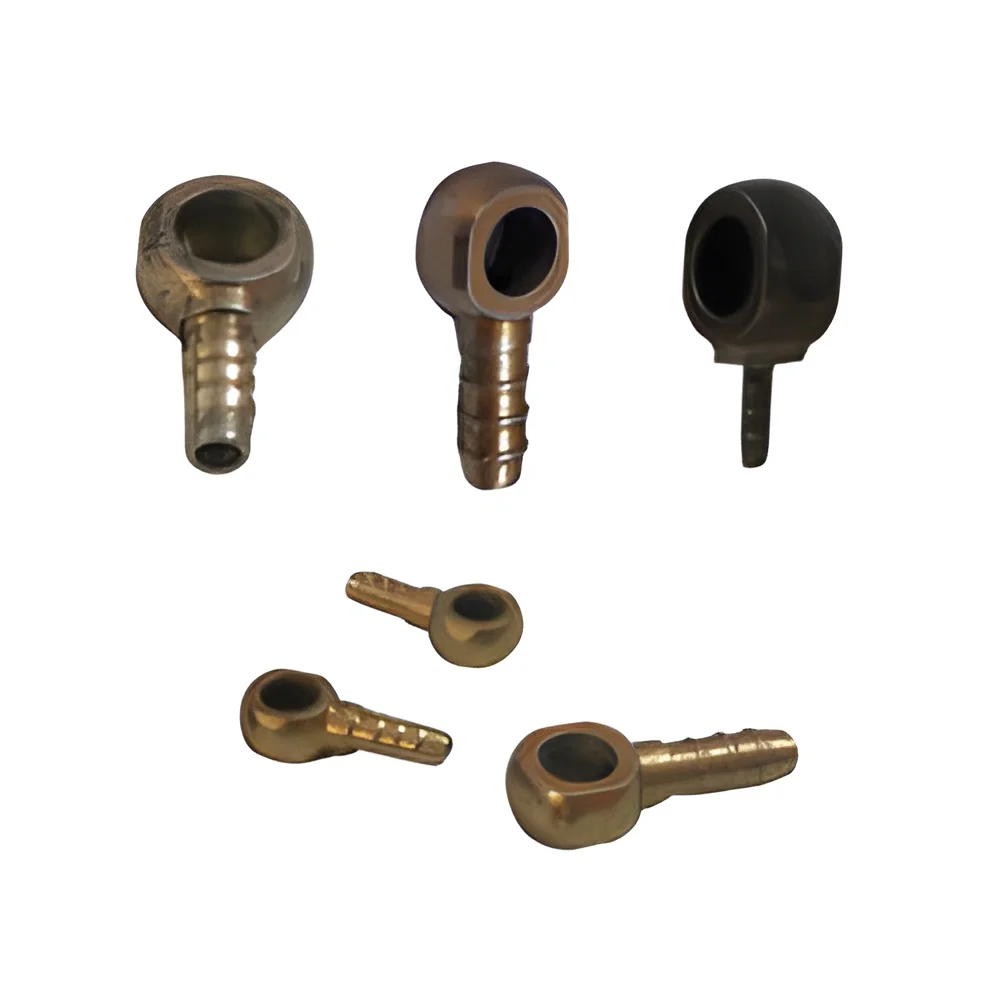
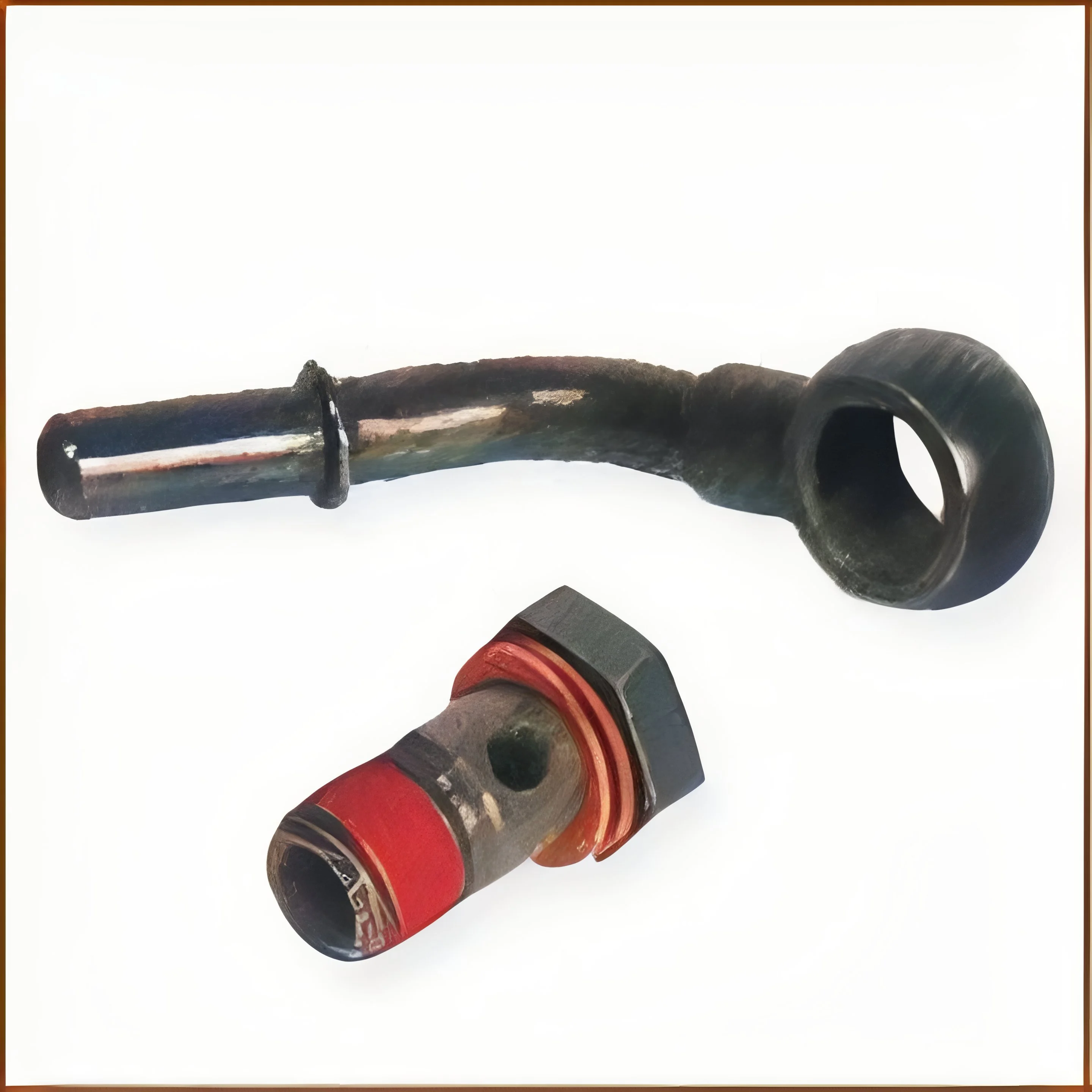
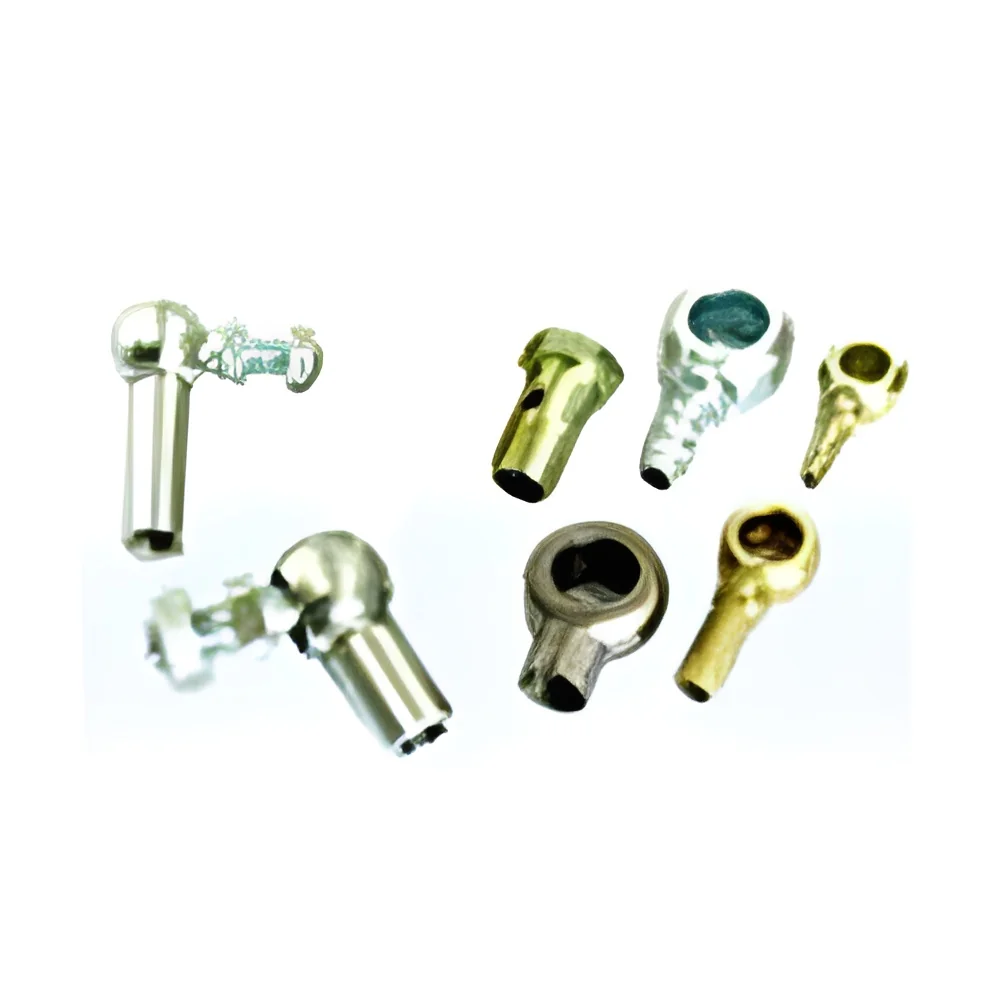
Banjo fittings are specialized connectors used in piping systems to facilitate the flow of fluids. They feature a unique design that allows for the connection of hoses and pipes at various angles without compromising the integrity of the system. Typically, a banjo fitting consists of a hollow bolt and a banjo eye, which includes a flat surface and a hole to accommodate fluid transfer. This configuration ensures that the fitting is lightweight yet strong, making it ideal for a range of applications.
These fittings are primarily used in industries where hydraulic systems are common, including automotive, aerospace, and manufacturing. They are particularly useful in applications requiring flexibility and ease of installation in tight spaces. The versatility of banjo fittings allows them to be utilized in various settings, from high-pressure hydraulic lines to fuel delivery systems. As industries continue to evolve, the relevance of banjo fittings remains strong due to their efficiency and reliability.
In the current market, banjo fittings are increasingly sought after due to their critical role in improving system performance and reducing maintenance needs. The demand for such fittings aligns with the growing focus on automation and advanced manufacturing processes. Businesses that leverage high-quality banjo fittings can enhance their operational efficiency while ensuring compliance with industry standards.
Key Features and Specifications
Banjo fittings come with a range of features that make them suitable for various applications. These fittings are designed for durability and reliability, ensuring long-term performance in demanding environments.
Key specifications include:
1. Material Composition
- Typically made from stainless steel, aluminum, or brass
- Offers corrosion resistance and durability
2. Pressure Rating
- Designed to handle high-pressure applications
- Common ratings range from 1500 PSI to 5000 PSI
3. Size Options
- Available in various sizes to accommodate different piping systems
- Standard sizes include 1/8", 1/4", and 3/8"
4. Thread Types
- Compatible with different thread standards, including NPT and BSP
- Ensures a secure connection to various systems
5. Temperature Resistance
- Capable of withstanding a range of temperatures, typically from -40°F to 250°F
- Suitable for both hot and cold fluid applications
6. Compliance Standards
- Often meets industry certifications such as CE
- Ensures adherence to safety and quality regulations
7. Customization Options
- Available in custom sizes and configurations as per specific requirements
- Provides flexibility for unique applications
In summary, banjo fittings are characterized by their robust materials, high-pressure capabilities, and versatile configurations, making them essential for fluid transport in various industries.
Common Applications and Use Cases
Banjo fittings are utilized across multiple industries due to their versatility and reliability.
1. Automotive: In automotive applications, banjo fittings are commonly used for brake lines and fuel systems, providing secure connections in confined spaces.
2. Aerospace: In the aerospace sector, these fittings are essential for hydraulic systems, ensuring lightweight and strong connections that withstand extreme conditions.
3. Manufacturing: In manufacturing processes, banjo fittings facilitate fluid transfer in machinery, enhancing efficiency and reducing downtime.
4. Agriculture: In agricultural equipment, banjo fittings are used in irrigation systems and machinery, allowing for flexible fluid delivery.
5. Oil and Gas: In the oil and gas industry, these fittings are critical for connecting hoses in drilling and transportation systems, ensuring safe and efficient operations.
6. Hydraulics: In hydraulic systems across various sectors, banjo fittings provide reliable connections for high-pressure lines.
7. Food and Beverage: In food processing, banjo fittings are utilized in fluid transfer systems, ensuring compliance with hygiene standards.
Product Variants and Subcategories
Banjo fittings offer a range of variants to cater to different application needs.
Standard Banjo Fittings
These fittings are the most common type, designed for general use in various hydraulic and fluid transfer applications. They come in multiple sizes and materials, making them versatile for many industries.
Swivel Banjo Fittings
Swivel banjo fittings feature a rotating design that allows for flexible positioning. This variant is ideal for applications where alignment changes may occur, providing ease of installation and maintenance.
High-Pressure Banjo Fittings
Designed specifically for high-pressure systems, these fittings are made from robust materials to withstand extreme conditions. They are commonly used in heavy machinery and equipment requiring secure connections.
Benefits and Advantages
Banjo fittings offer numerous benefits that enhance operational efficiency and system performance.
1. Space Efficiency: Their compact design allows for installation in tight spaces, making them ideal for applications with limited room.
2. Reduced Leakage: The design of banjo fittings minimizes the risk of leaks, ensuring safe and efficient fluid transfer.
3. Lightweight Construction: Made from materials such as aluminum and stainless steel, banjo fittings are lightweight yet durable, contributing to overall system efficiency.
4. Easy Installation: The straightforward design simplifies the installation process, reducing labor time and costs.
5. Versatile Applications: Banjo fittings can be adapted for various uses across multiple industries, enhancing their value to businesses.
6. Cost-Effectiveness: Their durability and efficiency can lead to lower maintenance costs, making them a financially sound choice for businesses.
Buying Guide for B2B Buyers
When sourcing banjo fittings, it is essential to consider several key factors to ensure you make an informed purchase.
1. Quality Assessment: Evaluate the quality of the fittings by reviewing material specifications and compliance with industry standards. Look for reputable manufacturers known for producing durable products.
2. Supplier Verification: Vet potential suppliers thoroughly to ensure they have a solid reputation in the industry. Check for customer reviews and certifications to gauge reliability.
3. Pricing and MOQ: Compare prices across different suppliers while considering the minimum order quantity. Ensure that the pricing aligns with your budget without compromising quality.
4. Delivery and Lead Times: Discuss delivery schedules with suppliers to align with your project timelines. Understand lead times to avoid delays in your operations.
5. Compliance Requirements: Ensure that the fittings comply with relevant industry regulations and safety standards. This will help mitigate risks and ensure a smooth operation.
Compliance and Certifications
Banjo fittings must adhere to various quality standards and certifications to ensure safety and reliability. Relevant quality standards such as ISO 9001 emphasize the importance of consistent quality management practices in manufacturing. Compliance with HACCP and GDP standards is essential in industries such as food and beverage, where hygiene and safety are paramount.
Additionally, industry certifications like CE signify conformity with European safety standards, ensuring that products meet the necessary requirements for market entry. Safety and testing requirements are critical in ensuring that banjo fittings can withstand the pressures and conditions they will encounter in real-world applications.
Regional compliance considerations may vary, so it is essential to understand the specific regulations applicable to your market. This knowledge helps in sourcing banjo fittings that meet both local and international standards.
Why Source Banjo Fittings from Pepagora?
Pepagora provides a trusted platform for sourcing banjo fittings, offering several key advantages that benefit B2B buyers.
Verified Supplier Network: Pepagora has established a network of verified suppliers who have been rigorously vetted for quality and reliability. This network ensures that buyers can source high-quality banjo fittings with confidence.
Streamlined RFQ Process: The platform features a streamlined request for quotation (RFQ) process, allowing buyers to easily compare offers from multiple suppliers. This makes it simpler to find the best value and quality for your needs.
Trade Assurance and Support: Pepagora offers trade assurance and support services to protect buyers throughout the procurement process. This includes assistance with any disputes and ensuring that orders are fulfilled as promised.
Regional Coverage: With a strong presence in India, the GCC, and Southeast Asia, Pepagora provides extensive regional coverage, making it easier for buyers to access quality banjo fittings tailored to their specific market needs. This geographic reach enhances the platform's value for businesses looking to expand their supplier network.


 India
 India
 India
 India
 India
 India
 India
 India
Frequently Asked Questions
What are Banjo Fittings?
Banjo fittings are specialized connectors used in fluid transfer systems. They feature a hollow bolt and a banjo-shaped fitting that allows for a secure and leak-free connection, often used in hydraulic and pneumatic applications.
What are the different types of Banjo Fittings?
Banjo fittings come in various types, including standard banjo bolts, banjo elbows, and banjo tees. Each type serves specific applications, depending on the fluid direction and connection requirements.
How do I choose the right Banjo Fittings?
Choosing the right banjo fittings involves considering factors such as the fluid type, pressure requirements, and connection size. It's essential to match the fitting specifications with your system's needs.
What are the standard specifications for Banjo Fittings?
Standard specifications for banjo fittings typically include dimensions, thread type, and material composition. Common materials include steel, stainless steel, and brass, which provide different levels of corrosion resistance and strength.
What is the price range for Banjo Fittings?
The price range for banjo fittings can vary significantly based on material, size, and manufacturer. Generally, prices can start from a few rupees to several hundred rupees per piece.
What quality standards apply to Banjo Fittings?
Banjo fittings are subject to various quality standards, including ISO and ASTM certifications. These standards ensure that the fittings meet safety and performance requirements for their intended applications.
Where can I find Banjo Fittings suppliers in India?
You can find banjo fittings suppliers in India through online B2B marketplaces, local industrial supply stores, and manufacturer directories. Pepagora.com is a useful resource for connecting with reputable suppliers.
Can Banjo Fittings be customized?
Yes, many manufacturers offer customization options for banjo fittings to meet specific application requirements. Customizations may include alterations in size, thread type, or material.
What is the typical minimum order quantity for Banjo Fittings?
The typical minimum order quantity (MOQ) for banjo fittings varies by supplier and can range from a small batch of 10 pieces to larger quantities. It is advisable to check with individual suppliers for their specific MOQs.
What is the typical lead time for Banjo Fittings?
The typical lead time for banjo fittings can range from a few days to several weeks, depending on the supplier's inventory and the complexity of the order. Custom orders may take longer than standard stock items.
Why Businesses Trust Pepagora
Thousands of companies trust Pepagora to source smarter and sell faster
Expand Your Sales Globally

Source Smarter,Grow Faster
