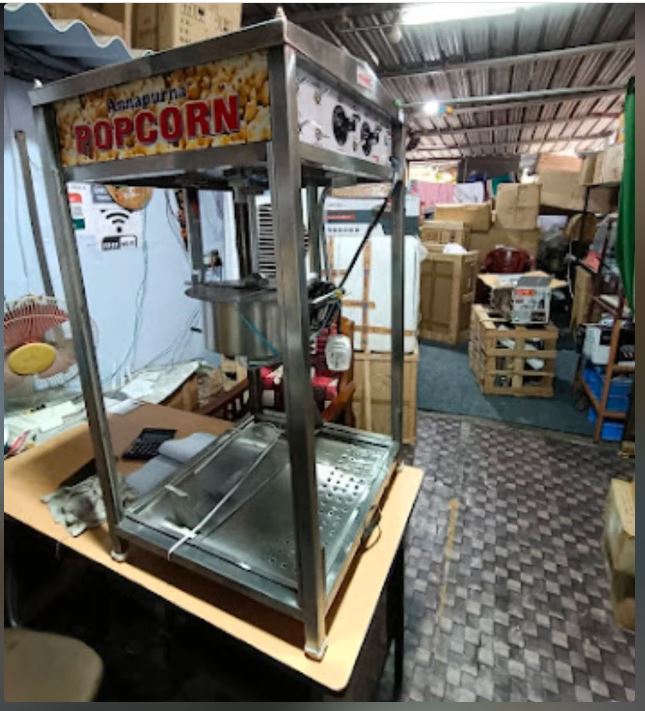
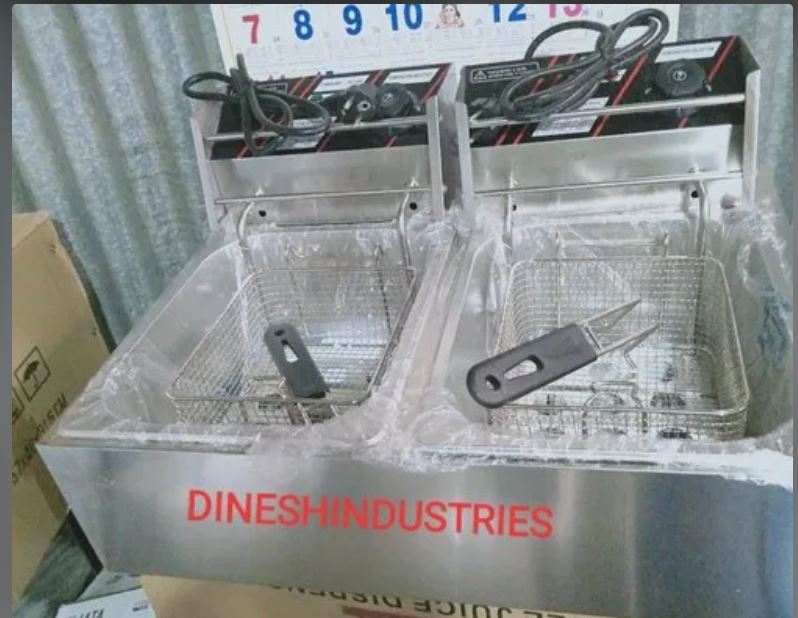
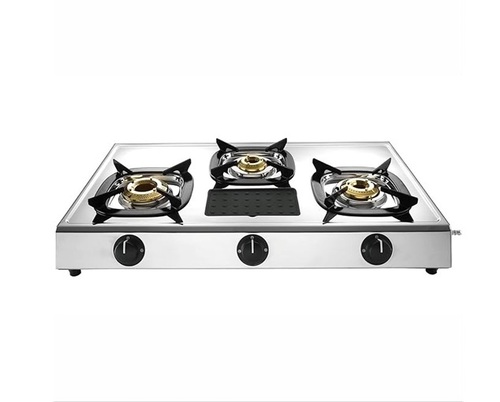
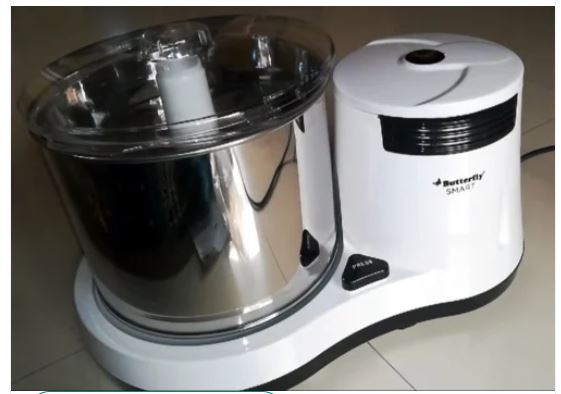
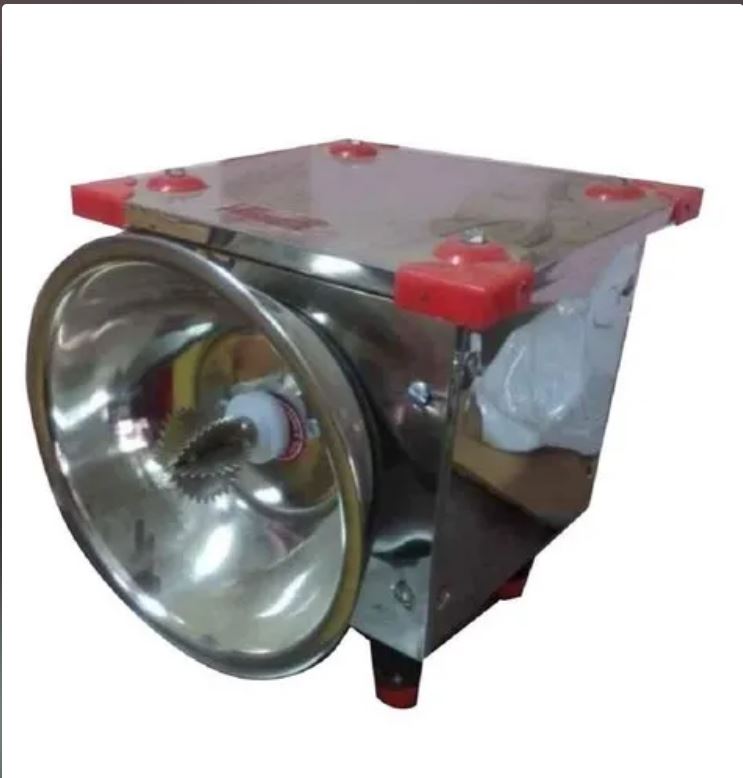
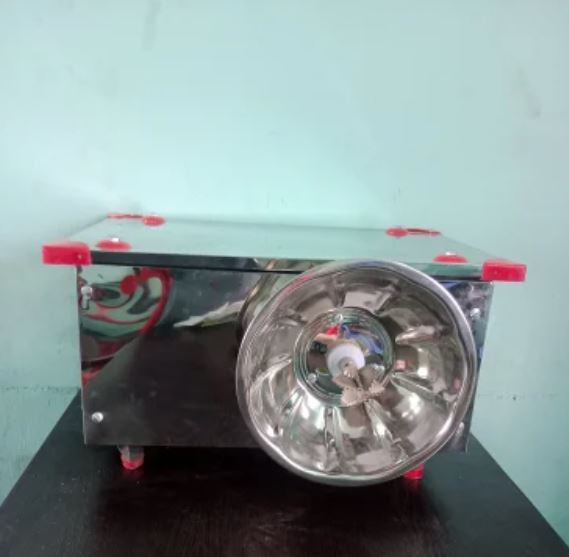
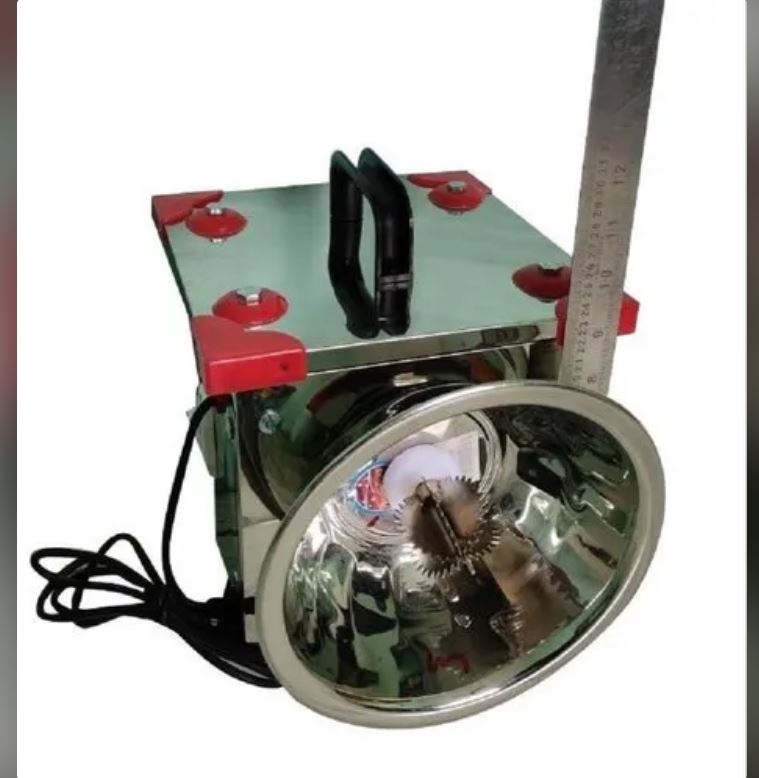
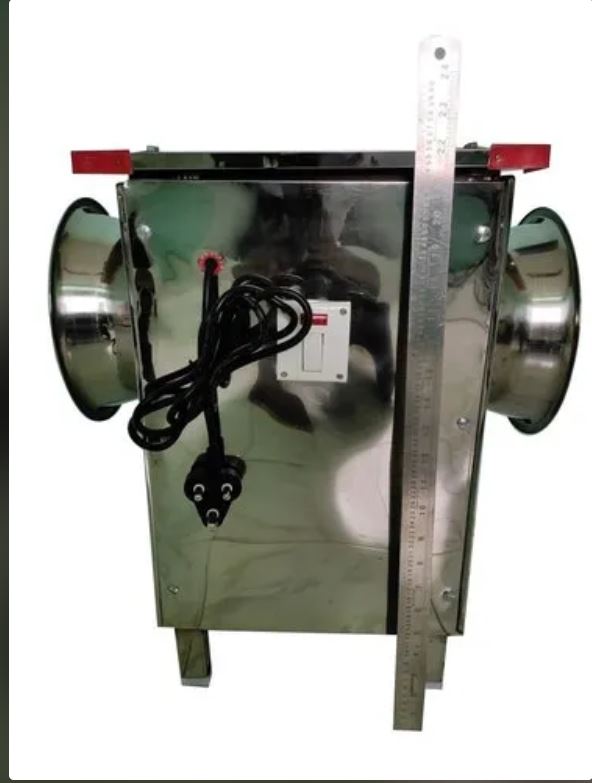
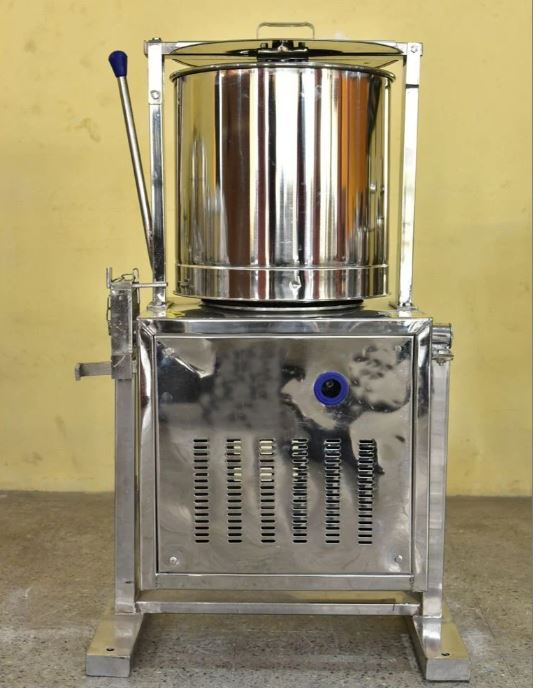
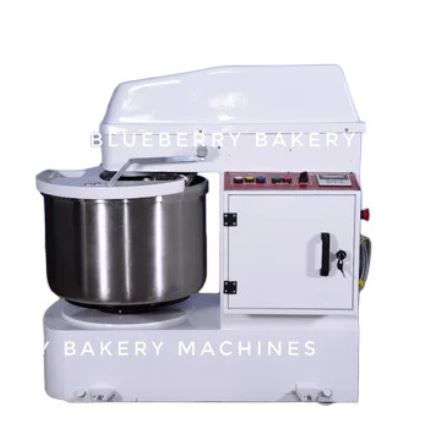
𝗪𝗵𝗮𝘁 𝗮𝗿𝗲 𝗙𝗼𝗼𝗱 𝗣𝗿𝗼𝗰𝗲𝘀𝘀𝗶𝗻𝗴 𝗠𝗮𝗰𝗵𝗶𝗻𝗲𝗿𝘆?
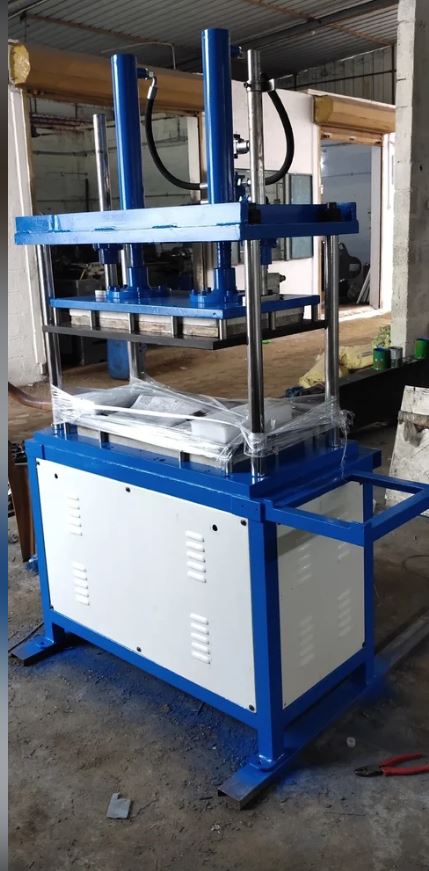
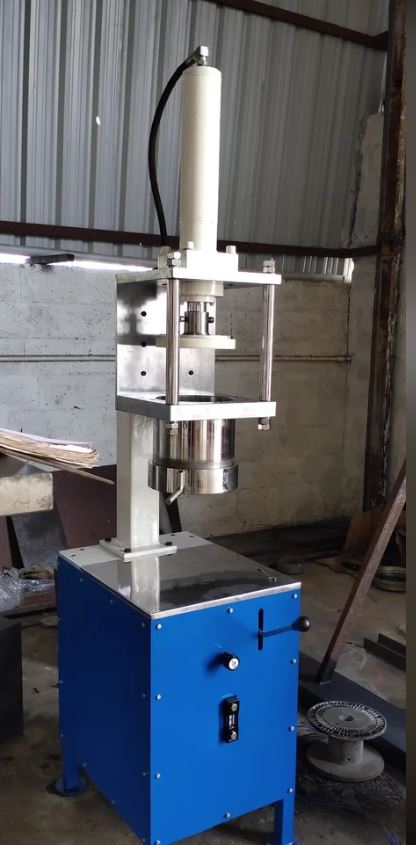
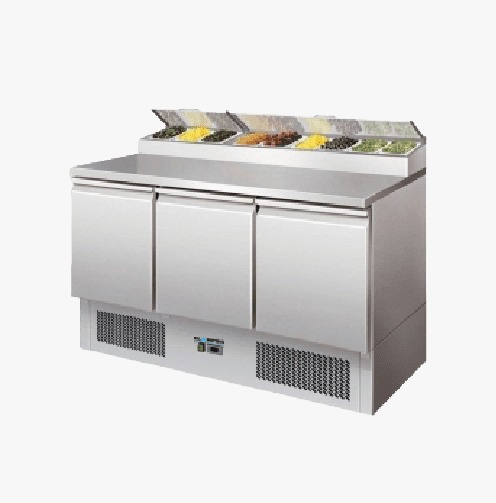
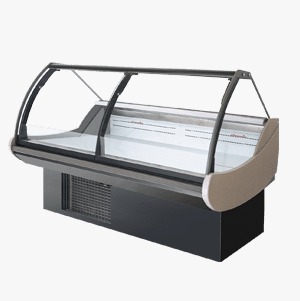
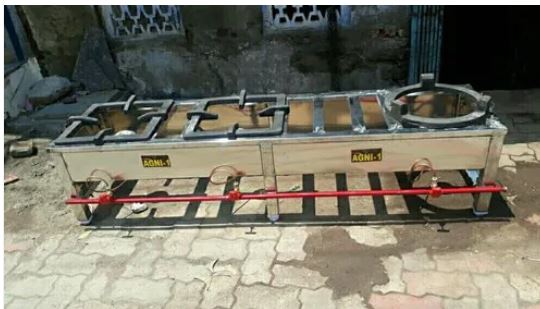
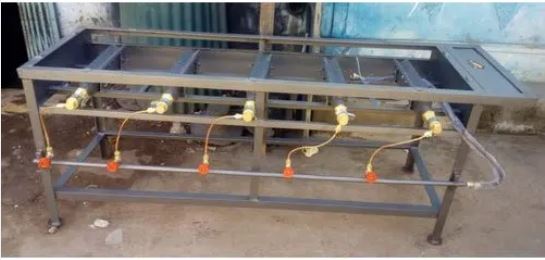
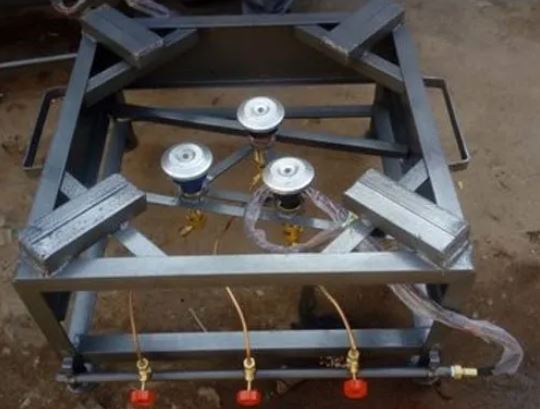
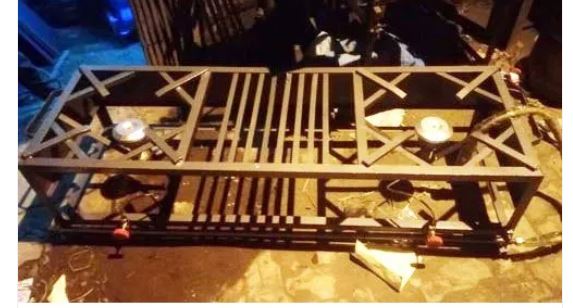
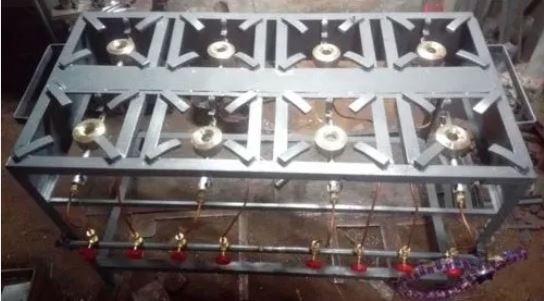
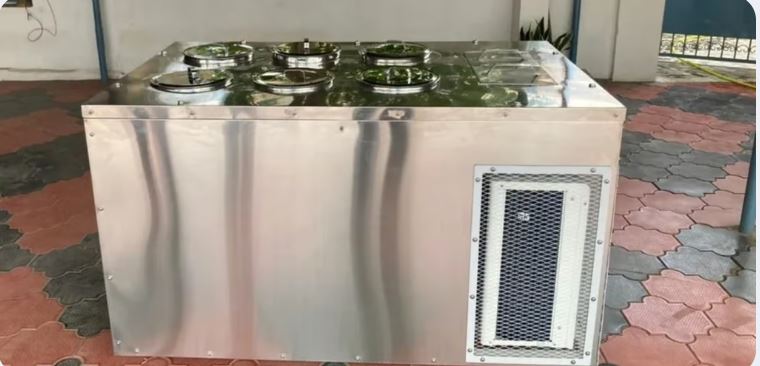
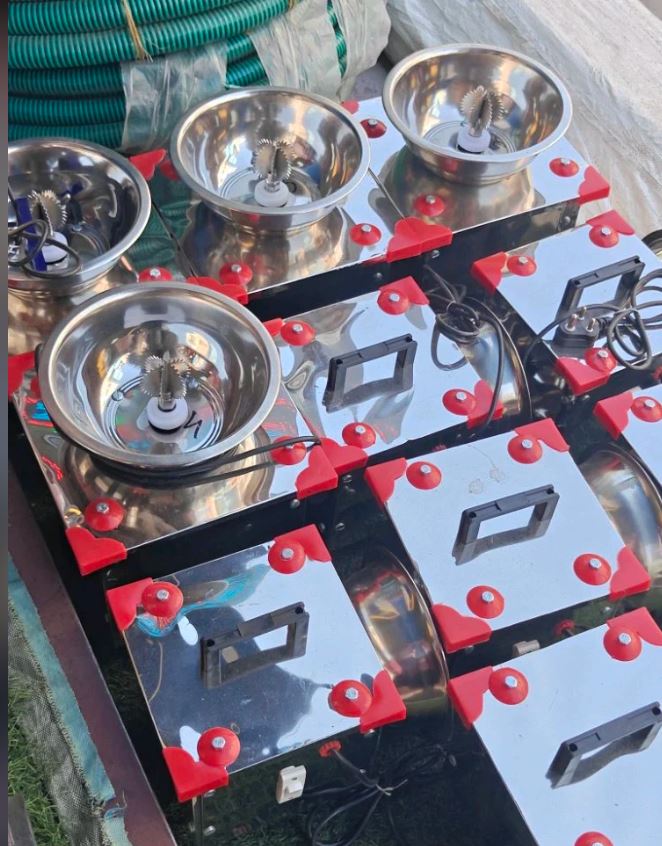
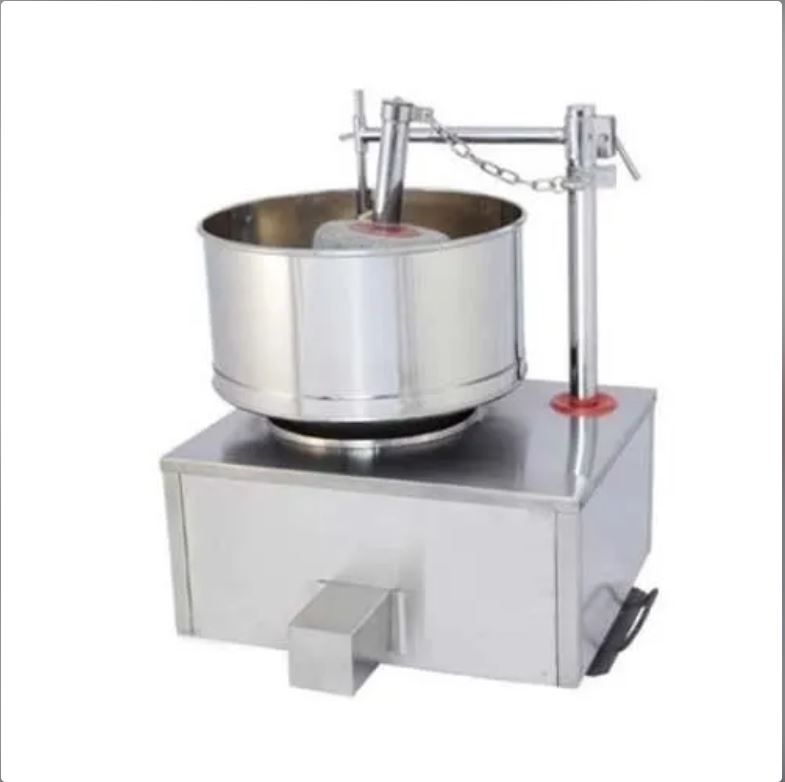
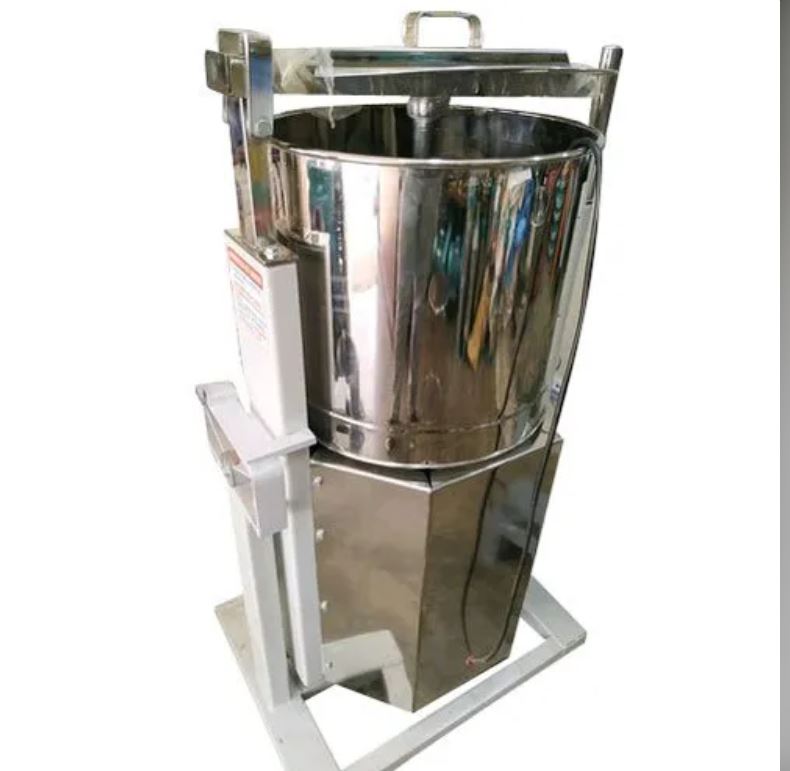
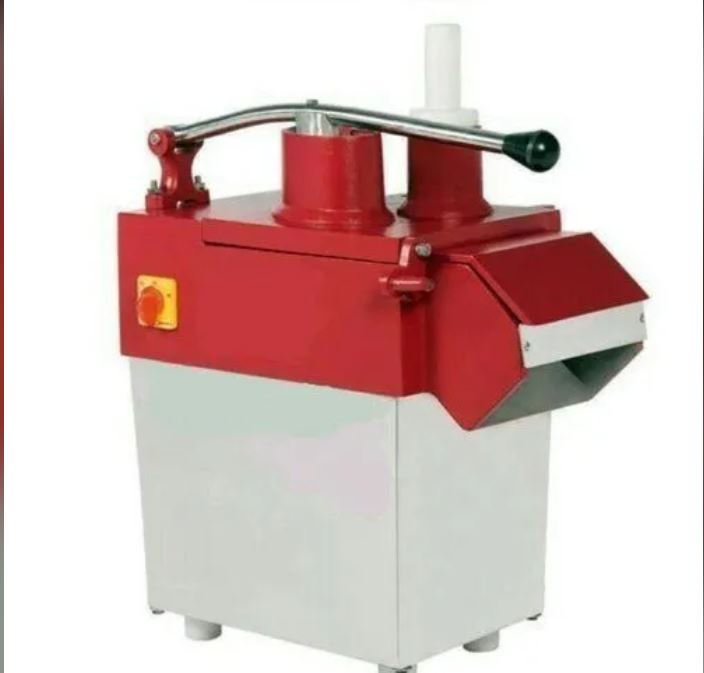
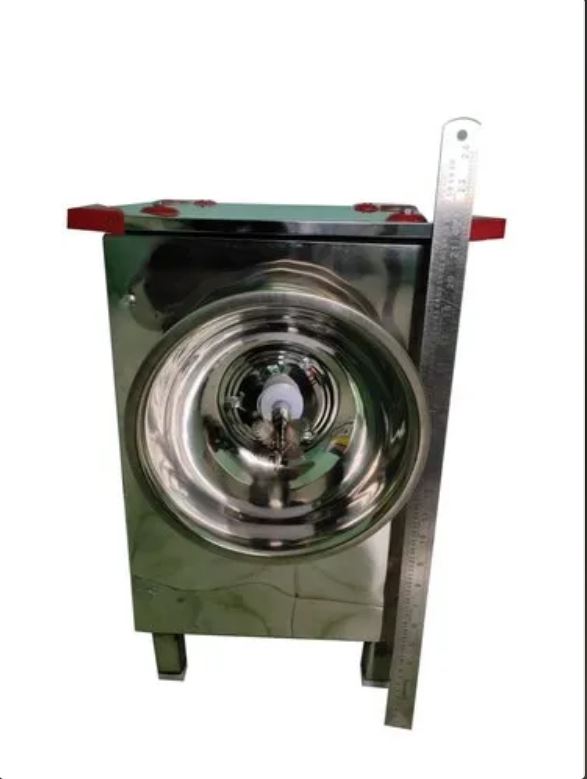
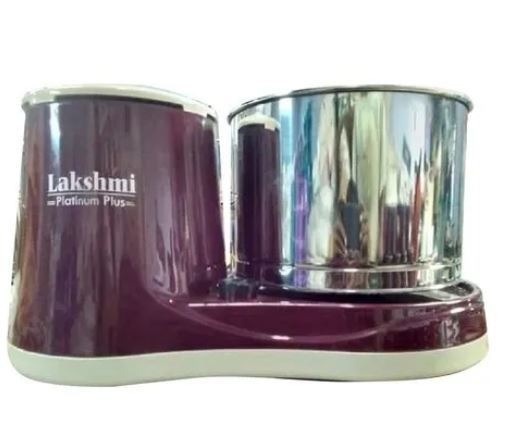
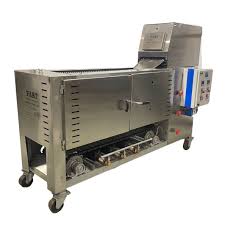
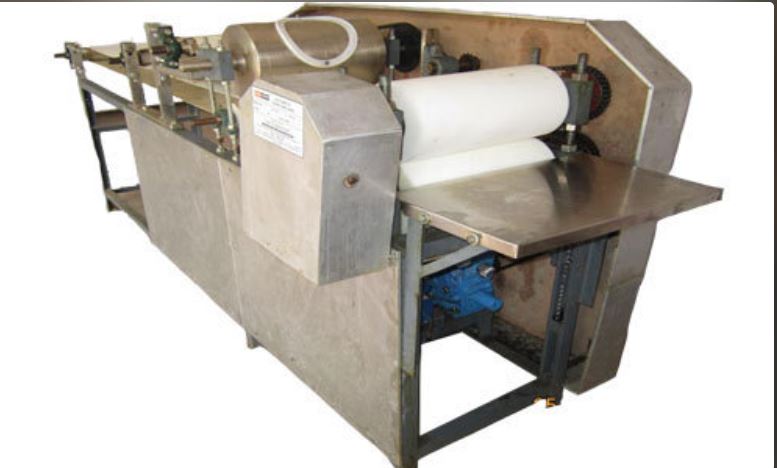
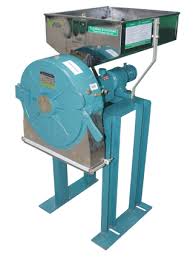
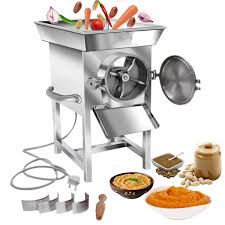
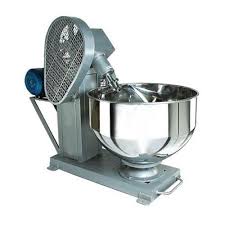
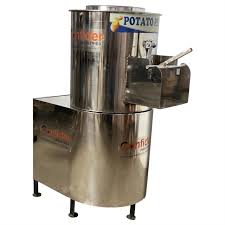
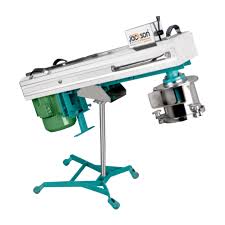
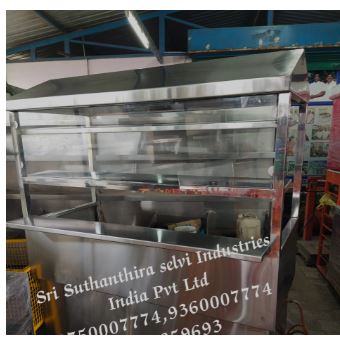
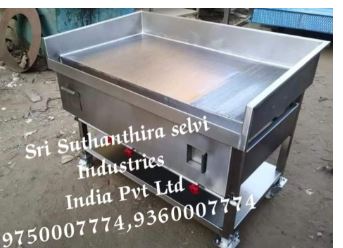
Food Processing Machinery refers to the equipment and technology used in the food industry to transform raw ingredients into finished food products. This machinery plays a critical role in the processing, preservation, and packaging of food items. It encompasses a wide range of machines designed for various functions, such as mixing, cooking, freezing, and packaging. By automating these processes, food processing machinery increases efficiency and ensures product quality.
These machines are primarily used in commercial food production facilities, including bakeries, meat processing plants, dairy farms, and vegetable processing units. They help streamline operations, reduce labor costs, and maintain food safety standards. The food processing machinery market is vital to the global food industry, catering to the increasing demand for processed food products. With the rise of convenience foods and ready-to-eat meals, the relevance of food processing machinery continues to grow, making it a significant investment for businesses in this sector.
𝗞𝗲𝘆 𝗙𝗲𝗮𝘁𝘂𝗿𝗲𝘀 𝗮𝗻𝗱 𝗦𝗽𝗲𝗰𝗶𝗳𝗶𝗰𝗮𝘁𝗶𝗼𝗻𝘀
Food Processing Machinery is characterized by various features and specifications that cater to the diverse needs of the food industry. These specifications are essential for ensuring optimal performance, safety, and compliance with industry standards.
Key specifications include:
1. Processing Capacity
- This specification indicates the amount of food that the machinery can process within a specific time frame.
- Typical ranges vary depending on the type of machinery and its intended use.
2. Power Consumption
- This specification measures the energy required to operate the machinery.
- It can vary widely based on the machine type and size.
3. Material Construction
- The materials used in manufacturing the machinery, such as stainless steel, which is often preferred for its durability and hygienic properties.
4. Safety Features
- Safety mechanisms such as emergency stop buttons, guards, and fail-safes designed to protect operators.
5. Automation Level
- The extent to which the machinery operates automatically, impacting labor needs and efficiency.
6. Maintenance Requirements
- The ease and frequency of maintenance needed to keep the machinery in optimal working condition.
7. Compliance Standards
- Adherence to relevant food safety and quality standards, including certifications like CE.
8. Temperature Control
- The ability to maintain specific temperature ranges for processes such as cooking or cooling.
In summary, understanding these key specifications helps businesses select the right food processing machinery that meets their operational requirements and regulatory standards.
𝗖𝗼𝗺𝗺𝗼𝗻 𝗔𝗽𝗽𝗹𝗶𝗰𝗮𝘁𝗶𝗼𝗻𝘀 𝗮𝗻𝗱 𝗨𝘀𝗲 𝗖𝗮𝘀𝗲𝘀
Food Processing Machinery serves various industries, each with unique applications.
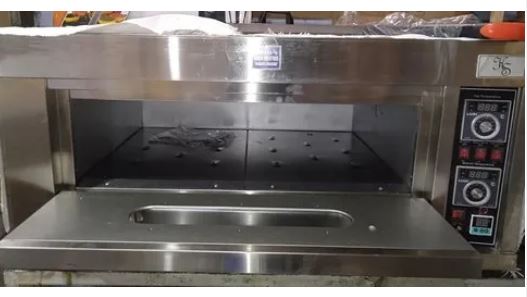
1. Bakery Industry: Machinery such as mixers and ovens are used to produce a wide range of baked goods, including bread, pastries, and cookies.
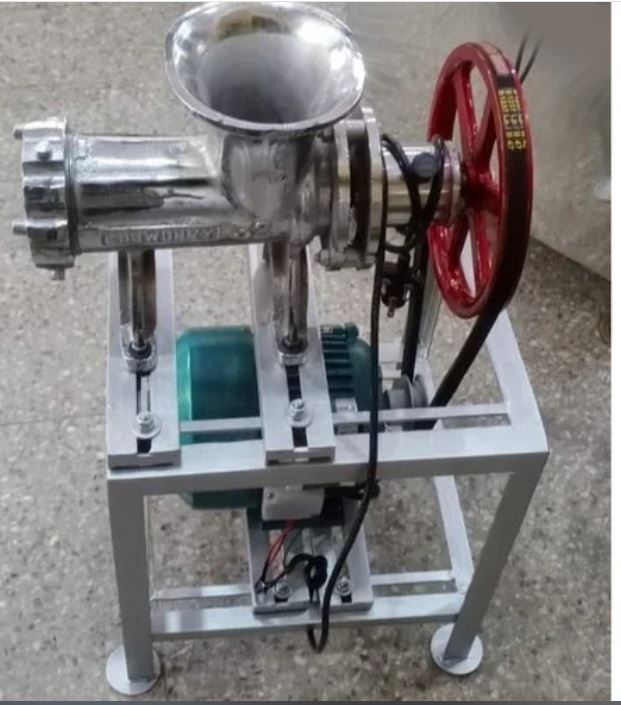
2. Meat Processing: Equipment like grinders and slicers are essential for processing meats, ensuring that products meet safety and quality standards.
3. Dairy Industry: Machines such as pasteurizers and homogenizers are crucial for processing milk and creating cheese and yogurt products.
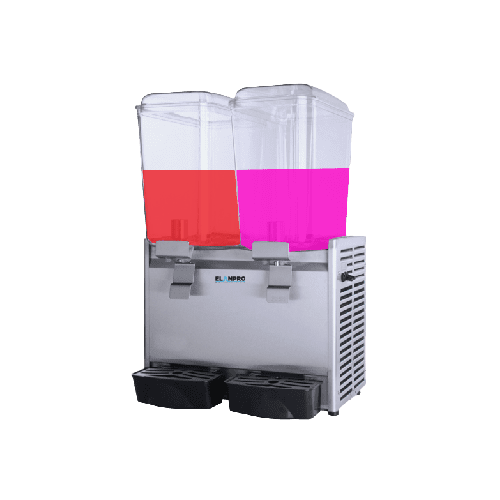
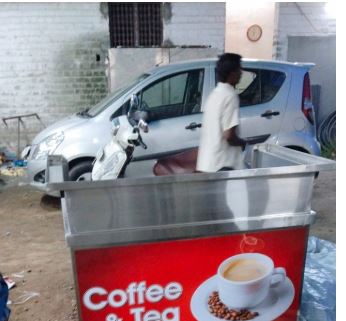
4. Beverage Industry: Machinery is used to process juices, soft drinks, and alcoholic beverages, involving mixing, carbonation, and packaging.
5. Fruit and Vegetable Processing: Equipment like peelers and blanchers help transform raw fruits and vegetables into processed products, such as canned goods.
6. Snack Food Production: Machinery for frying, baking, and packaging is vital in producing snacks like chips and pretzels.
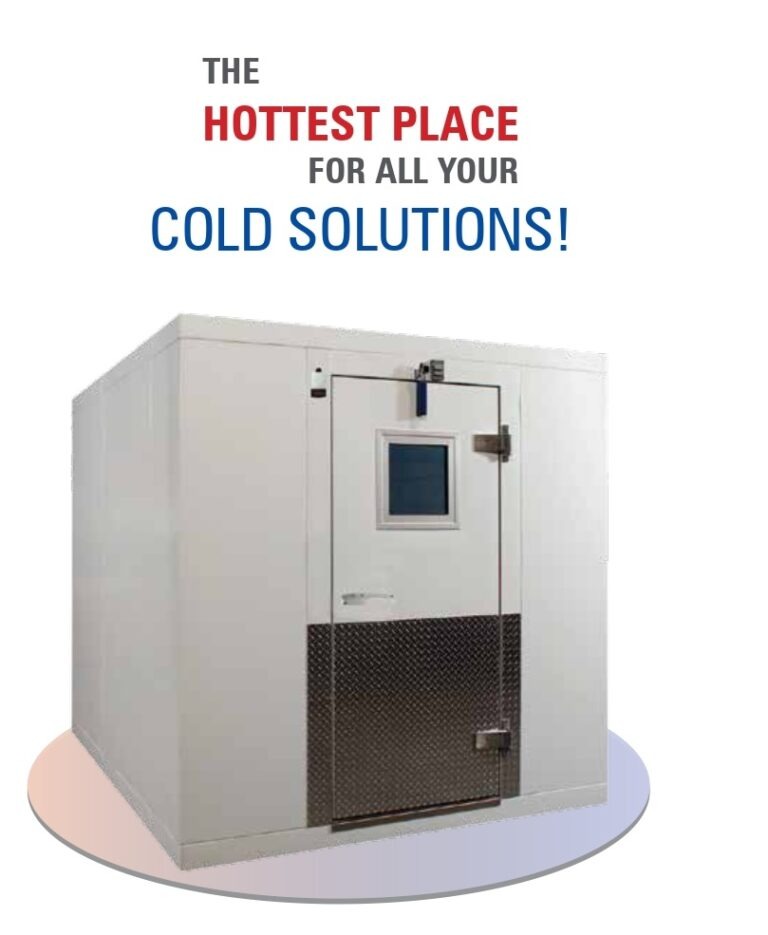
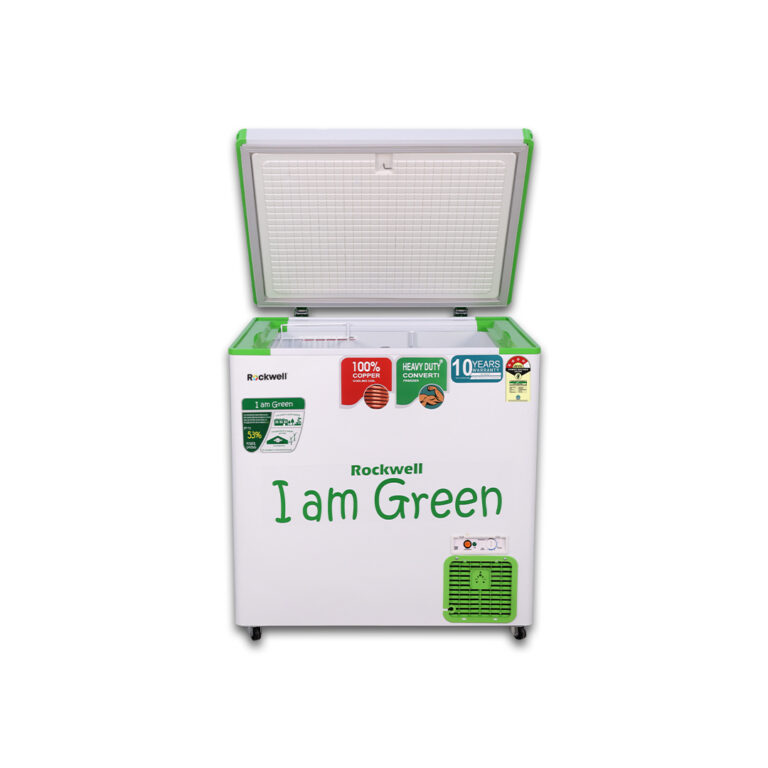
7. Frozen Food Industry: Equipment designed for freezing and packaging helps maintain the quality of frozen meals and products.
𝗣𝗿𝗼𝗱𝘂𝗰𝘁 𝗩𝗮𝗿𝗶𝗮𝗻𝘁𝘀 𝗮𝗻𝗱 𝗦𝘂𝗯𝗰𝗮𝘁𝗲𝗴𝗼𝗿𝗶𝗲𝘀
Food Processing Machinery encompasses a variety of product variants designed for specific functions within the food industry.
Batch Processing Equipment
These machines are designed for processing food in large batches, allowing for high efficiency in production. They are commonly used in bakeries and meat processing facilities.
Continuous Processing Equipment
This type of machinery is designed for ongoing food processing without interruption, ideal for industries that require constant production, such as dairy and beverage manufacturing.
Specialized Equipment
This includes machines tailored for unique tasks, such as vacuum packaging machines and high-pressure processing equipment, which enhance shelf life and food safety.
𝗕𝗲𝗻𝗲𝗳𝗶𝘁𝘀 𝗮𝗻𝗱 𝗔𝗱𝘃𝗮𝗻𝘁𝗮𝗴𝗲𝘀
Investing in Food Processing Machinery offers several key benefits for businesses.
1. Increased Efficiency: Automation of processes reduces manual labor and increases production rates, leading to higher output.
2. Improved Consistency: Machinery ensures uniformity in product quality, which is critical for brand reputation.
3. Enhanced Food Safety: By adhering to safety standards, these machines help minimize contamination risks during food processing.
4. Cost Savings: Efficient machinery can lower production costs in the long run through reduced waste and energy consumption.
5. Flexibility: Modern food processing machinery can adapt to various production needs, allowing businesses to diversify their product offerings.
6. Compliance Assurance: Investing in certified machinery helps businesses meet regulatory requirements, ensuring compliance with food safety standards.
𝗕𝘂𝘆𝗶𝗻𝗴 𝗚𝘂𝗶𝗱𝗲 𝗳𝗼𝗿 𝗕𝟮𝗕 𝗕𝘂𝘆𝗲𝗿𝘀
When sourcing Food Processing Machinery, several essential factors should be considered to make informed purchasing decisions.
1. Quality Assessment: Evaluate the quality of machinery based on materials used, build quality, and manufacturer reputation. Look for machines that meet industry standards.
2. Supplier Verification: Vet suppliers to ensure they have a proven track record in delivering reliable machinery. Consider checking references and customer feedback.
3. Pricing and MOQ: Understand the pricing structure and minimum order quantities to ensure they align with your budget and production needs.
4. Delivery and Lead Times: Consider logistics and delivery timelines to ensure that the machinery will be available when needed to avoid production delays.
5. Compliance Requirements: Ensure that the machinery meets all relevant regulatory requirements for food safety and processing standards.
𝗖𝗼𝗺𝗽𝗹𝗶𝗮𝗻𝗰𝗲 𝗮𝗻𝗱 𝗖𝗲𝗿𝘁𝗶𝗳𝗶𝗰𝗮𝘁𝗶𝗼𝗻𝘀
Compliance with industry standards is critical for Food Processing Machinery. Relevant quality standards such as ISO 9001 ensure that manufacturers adhere to international quality management systems.
Certifications like CE indicate that the machinery meets European safety, health, and environmental protection standards. Additionally, compliance with Hazard Analysis and Critical Control Points (HACCP) principles is essential in the food processing sector to prevent food safety hazards.
Safety and testing requirements are also vital, ensuring that machinery operates safely and effectively. Manufacturers must conduct rigorous tests to verify that their equipment meets these standards. Regional compliance considerations may vary, so businesses should ensure that their machinery meets local regulations as well.
𝗪𝗵𝘆 𝗦𝗼𝘂𝗿𝗰𝗲 𝗙𝗼𝗼𝗱 𝗣𝗿𝗼𝗰𝗲𝘀𝘀𝗶𝗻𝗴 𝗠𝗮𝗰𝗵𝗶𝗻𝗲𝗿𝘆 𝗳𝗿𝗼𝗺 𝗣𝗲𝗽𝗮𝗴𝗼𝗿𝗮?
Pepagora provides a trusted platform for sourcing Food Processing Machinery, offering several key advantages that benefit B2B buyers.
Verified Supplier Network: Pepagora has established a comprehensive network of verified suppliers, ensuring that buyers can trust the quality and reliability of the machinery they purchase. This network is a valuable resource for businesses seeking reputable manufacturers.
Streamlined RFQ Process: The platform simplifies the request for quotation (RFQ) process, allowing buyers to receive multiple quotes from different suppliers quickly. This feature saves time and helps businesses make informed decisions based on competitive pricing.
Trade Assurance and Support: Pepagora offers trade assurance, providing buyers with protection during transactions. In case of discrepancies, buyers can rely on customer support for assistance, ensuring a smooth purchasing experience.
Regional Coverage: With a focus on regions like India, the GCC, and Southeast Asia, Pepagora connects buyers with local suppliers. This regional coverage facilitates easier logistics and communication, enhancing the overall sourcing experience for businesses in these markets.

 IN
IN