IN
₹
Apparel & Fashion
Description
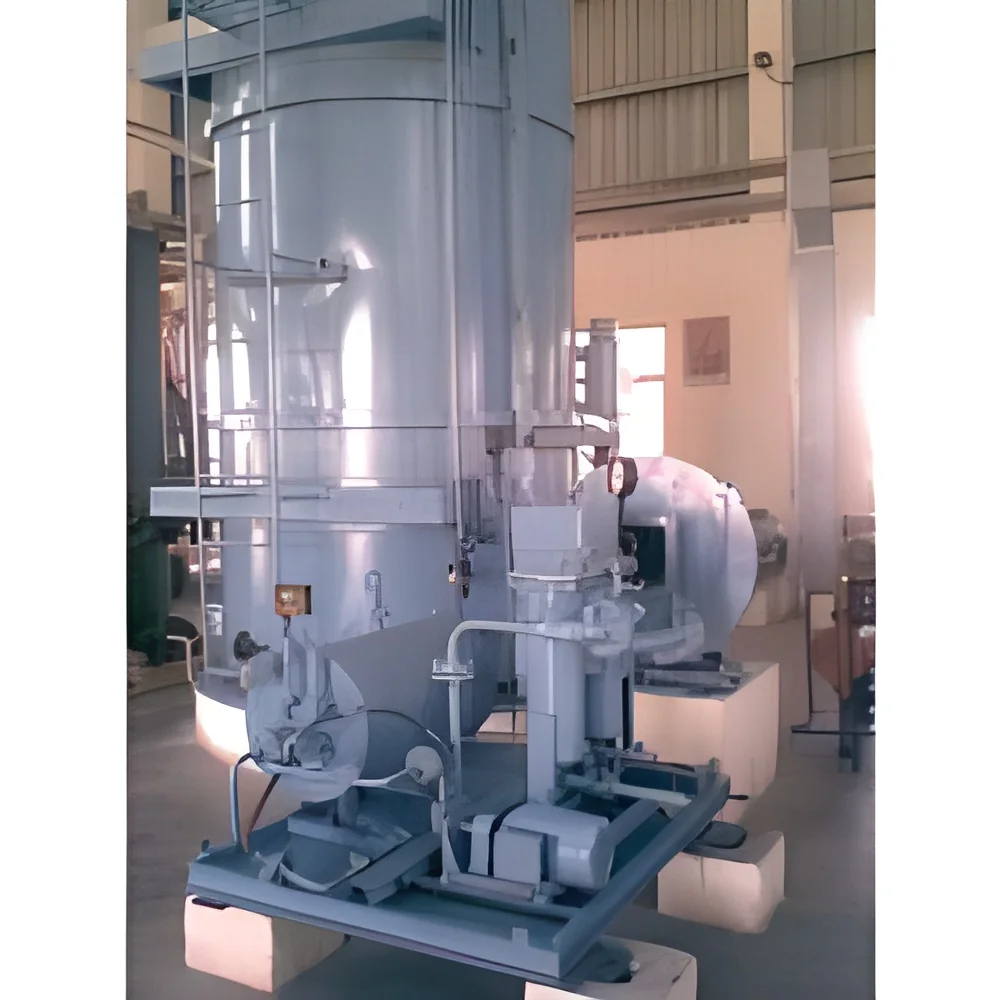
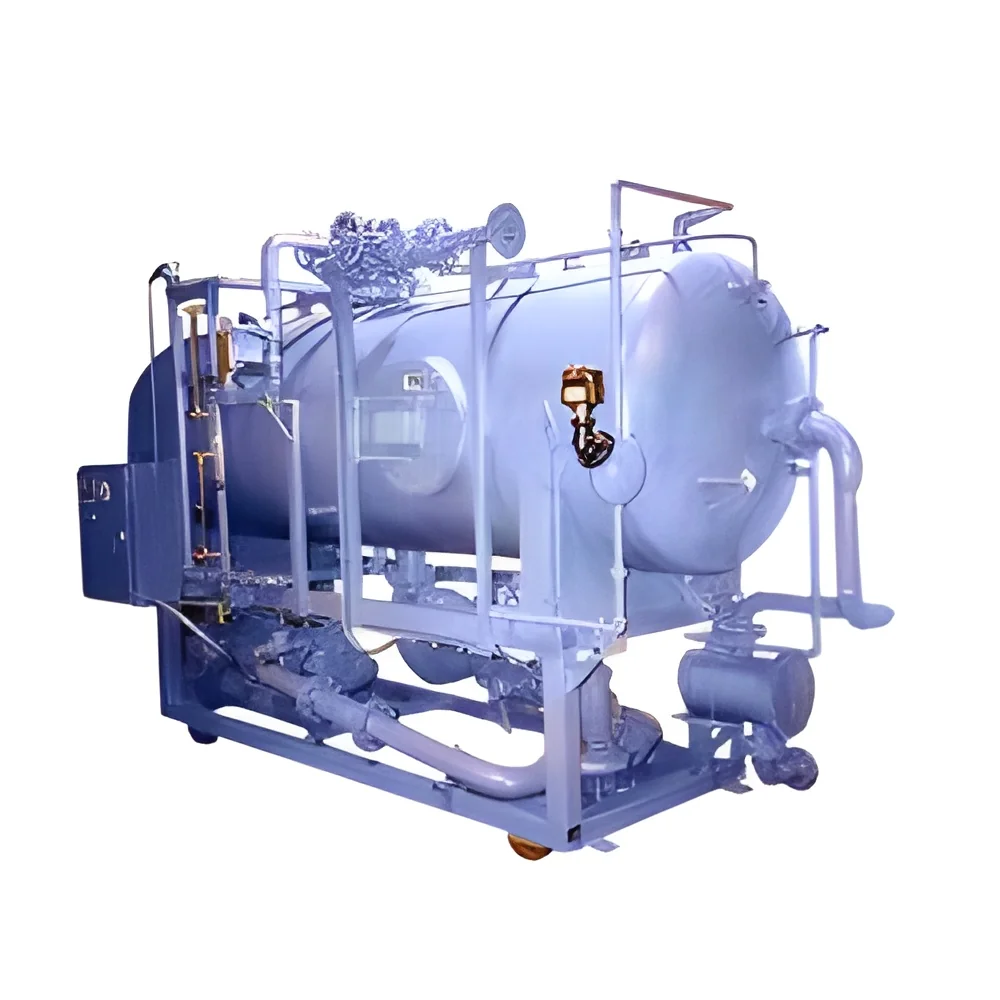
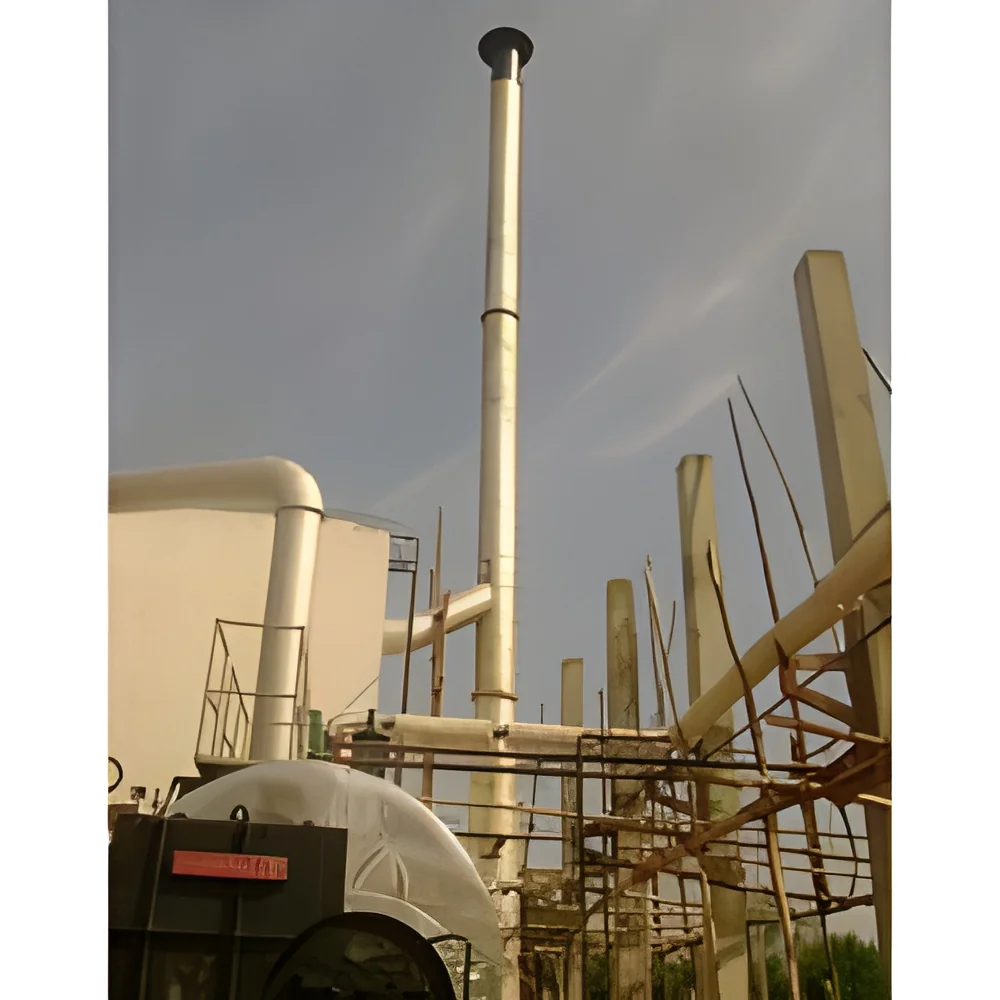
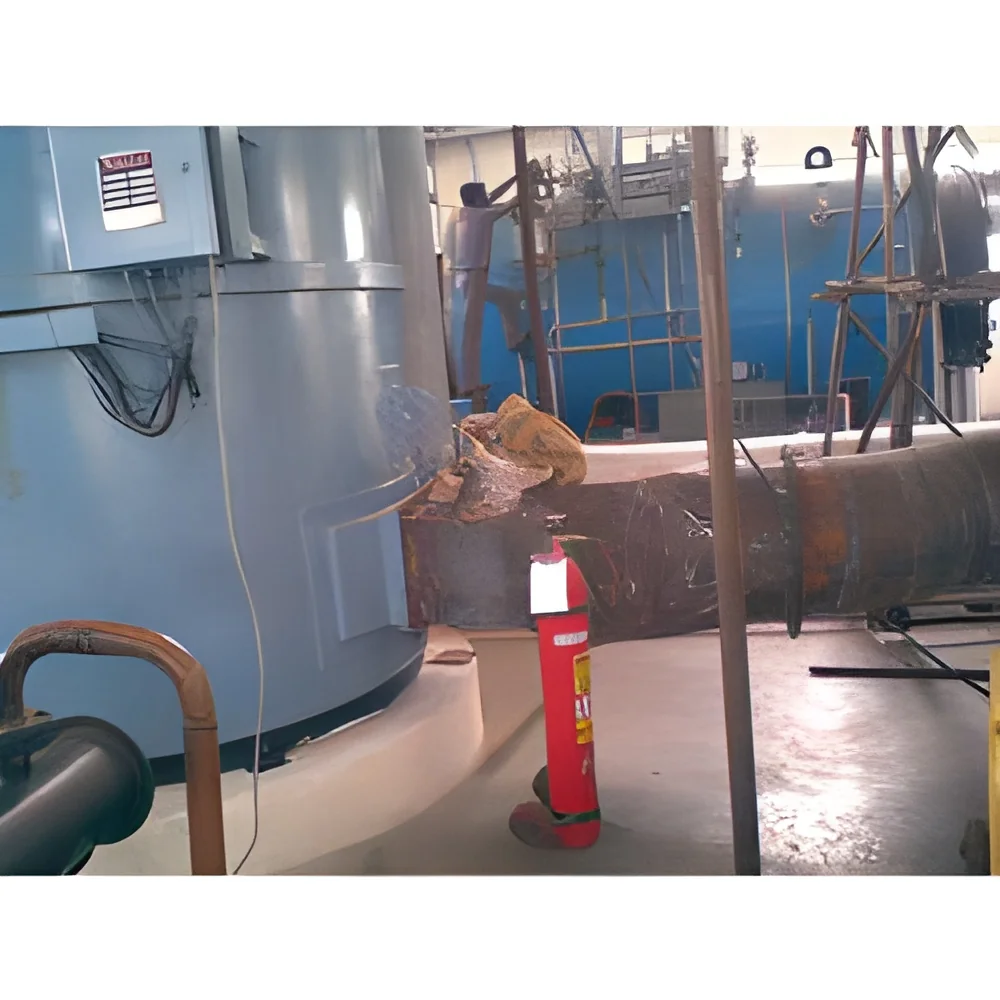
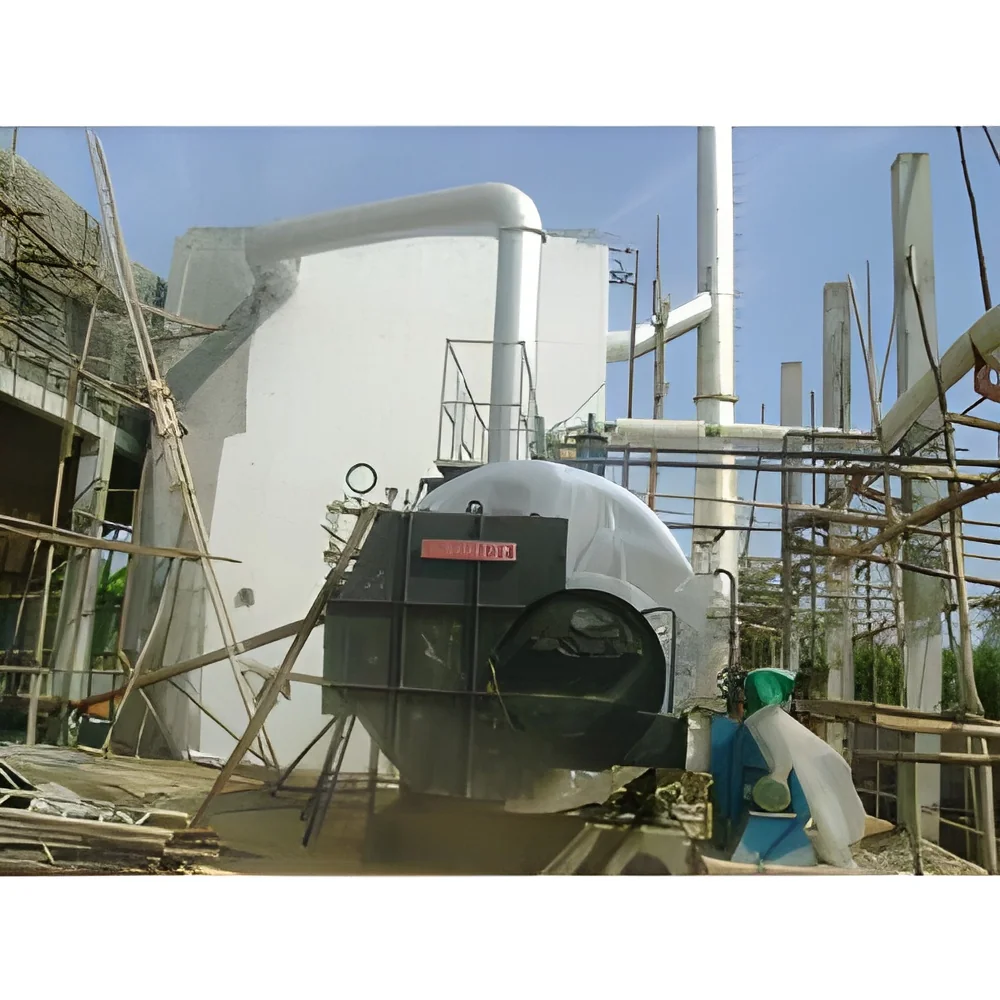
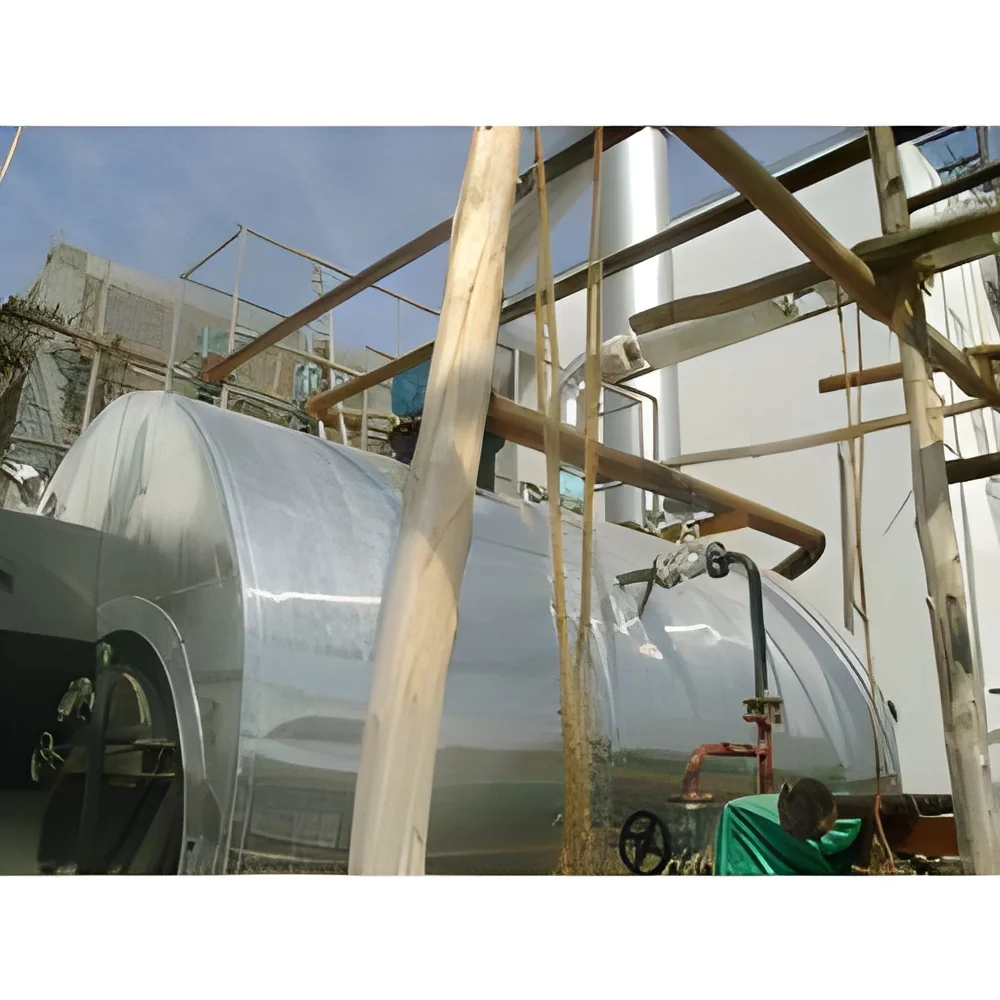
Our industrial thermic fluid heating systems are engineered for reliable, efficient process heating, offering a modern alternative to steam and electric systems. Utilizing a closed-circuit design with high-temperature thermal oil, these systems transfer heat effectively without operating under pressure. This core technology provides precise temperature control across a wide range, typically from 150°C to 400°C, ensuring consistent thermal delivery for continuous industrial operations. The design prioritizes safety and simplicity, eliminating many complexities associated with pressurized steam boilers while maintaining excellent heat transfer efficiency. Built for durability, these systems ensure long-term, dependable performance with minimal operational intervention, making them a cornerstone for stable production environments.

These heating systems are indispensable across numerous sectors where controlled heat is a production fundamental. In chemical manufacturing, they provide safe...
Our industrial thermic fluid heating systems are engineered for reliable, efficient process heating, offering a modern alternative to steam and electric systems. Utilizing a closed-circuit design with high-temperature thermal oil, these systems transfer heat effectively without operating under pressure. This core technology provides precise temperature control across a wide range, typically from 150°C to 400°C, ensuring consistent thermal delivery for continuous industrial operations. The design prioritizes safety and simplicity, eliminating many complexities associated with pressurized steam boilers while maintaining excellent heat transfer efficiency. Built for durability, these systems ensure long-term, dependable performance with minimal operational intervention, making them a cornerstone for stable production environments.

These heating systems are indispensable across numerous sectors where controlled heat is a production fundamental. In chemical manufacturing, they provide safe, precise heating for sensitive reactions, distillation, and material synthesis. The food processing industry relies on them for applications like frying, baking, and sterilization, where temperature uniformity is essential for quality and safety. Pharmaceutical producers utilize them for processes demanding exact, repeatable thermal conditions. Additional key users include textile factories for dyeing and drying, plastics manufacturers for molding and extrusion, wood processing plants for kilns, and many other facilities in sectors like automotive, oil and gas, where efficient, reliable heat is non-negotiable for operational success.

The investment in a thermic fluid system delivers substantial business value through enhanced operational reliability and cost efficiency. These systems are designed for robust, uninterrupted service, minimizing production downtime and associated losses. The non-pressurized operation reduces insurance premiums and simplifies regulatory compliance compared to steam systems. Significant energy savings, often between 15-30%, are achieved through superior heat transfer and reduced thermal losses, directly lowering operating expenses. The closed-loop design minimizes fluid degradation and top-up requirements, reducing long-term consumable costs. Furthermore, the systems offer scalable and adaptable designs, providing a future-proof heating solution that grows with your production needs and ensures a strong return on investment through durability and performance.

Key Features:
- Closed-loop, non-pressurized design for enhanced operational safety and simplicity.
- Wide operating temperature range from 150°C to 400°C for versatile application.
- Engineered for high-efficiency heat transfer with minimal thermal energy loss.
- Robust construction using premium materials ensures long-term durability and reliability.
- Designed for consistent thermal performance and stable temperature control.

Benefits:
- Increases operational safety by eliminating high-pressure steam risks.
- Delivers significant energy savings and reduces overall heating costs.
- Provides precise, uniform temperature control for improved product quality.
- Lowers maintenance requirements and ensures reliable, continuous operation.
- Offers a durable and efficient heating solution with a strong return on investment.
Specifications
| Additional Information | |
|---|---|
| Country of Origin | India |
Application
Thermic fluid heating systems excel in providing uniform, precise heat transfer across demanding industrial processes. Their closed-loop, non-pressurized design ensures consistent temperature delivery without the risks and inefficiencies of steam systems. This makes them ideal for applications where thermal stability directly impacts product quality, safety, and operational throughput, offering a superior alternative to traditional methods.
Industries with continuous or batch processes requiring controlled heat benefit significantly from this technology. The system's adaptability allows it to meet specific thermal profiles, from moderate to high temperatures, ensuring reliable performance in harsh environments. Its efficiency and lower maintenance needs translate to reduced operational costs and enhanced process reliability for businesses focused on consistent output and quality control.
- Chemical processing plants for heating reactors, distillation columns, and reboilers safely and efficiently.
- Food production facilities for cooking oils, frying lines, sterilization, and pasteurization processes.
- Pharmaceutical manufacturing where precise, validated temperature control is critical for production.
- Textile mills for dyeing vats, drying chambers, and finishing operations requiring stable heat.
- Plastics and rubber industries for mold temperature control, extrusion lines, and laminating presses.
Trade Details
| Available Stock | In Stock |
| Sample Availability | No |
Payment Terms
| Payment Terms |
|
Company Profile
Dev Max Energy, Tamil Nadu
 Tamil Nadu, India
Factory Details
Factory SizeBelow 1000 sqm
Annual Production Capacity0
Industrial Thermic Fluid Heating Systems For Process Heating
Industrial thermic fluid heating systems deliver efficient, closed-circuit process heating for consistent thermal performance. These reliable systems replace steam or electric heating with customizable solutions for diverse industrial applications.
Min. Order Quantity: 1 unit
Shipping
Shipping fee and delivery date to be negotiated. Contact supplier now for more details.
Dev Max Energy
 Tamil Nadu, India