
 IN
Rotary Drilling Rigs
4 products available
What are Rotary Drilling Rigs?
Rotary drilling rigs are specialized equipment used primarily for drilling deep holes into the earth's surface. These rigs employ a rotating drill bit to penetrate various soil and rock formations. The technology behind rotary drilling allows for efficient and effective drilling, making it suitable for a wide range of applications in various industries.
The primary uses of rotary drilling rigs include oil and gas exploration, water well drilling, and geothermal energy production. Businesses in these sectors rely heavily on rotary drilling to access valuable resources deep underground. The ability to reach significant depths and handle tough geological conditions makes rotary drilling rigs a critical component in resource extraction and exploration projects.
In the current market context, the demand for rotary drilling rigs is driven by an increasing need for energy resources and water supply. As industries expand their operations and explore new areas, the relevance of rotary drilling rigs continues to grow. Companies investing in these technologies can enhance their operational efficiency and reduce costs associated with drilling activities.
Key Features and Specifications
Rotary drilling rigs come equipped with various features and specifications that cater to the demanding requirements of drilling operations. These specifications ensure that the rigs can perform effectively across different environments and applications.
Key specifications include:
1. Power System
- Typically powered by diesel engines or electric motors.
- Power output ranges from 200 to 1,500 horsepower.
2. Drill Depth Capacity
- Capable of drilling depths from 300 feet to over 30,000 feet.
- Variations depend on the specific model and application.
3. Weight and Size
- Weight ranges from 20,000 pounds to over 200,000 pounds.
- Dimensions vary to accommodate transport and operation requirements.
4. Rotation Speed
- Rotation speeds generally range from 30 to 150 RPM.
- Adjustable to match different drilling conditions.
5. Mud Pump Capacity
- Mud pumps typically range from 500 to 3,500 gallons per minute.
- Essential for cooling the drill bit and removing cuttings.
6. Rig Configuration
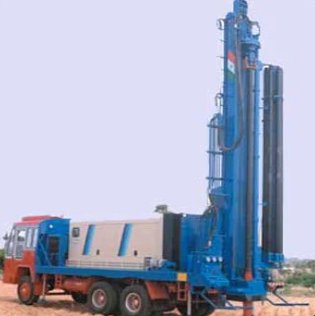
- Available in various configurations, including truck-mounted and crawler-mounted.
- Flexibility for land or offshore applications.
7. Control Systems
- Advanced control systems for monitoring and adjusting drilling parameters.
- Options for automated drilling processes.
8. Safety Features
- Equipped with emergency shutoff systems and safety alarms.
- Designed to meet industry safety standards.
These specifications highlight the advanced technology and capabilities of rotary drilling rigs, making them suitable for a diverse range of projects.
Common Applications and Use Cases
Rotary drilling rigs serve multiple industries, reflecting their versatility and effectiveness in various applications.
1. Oil and Gas Industry: Rotary drilling rigs are crucial for oil and gas exploration. They enable companies to reach deep reservoirs and extract hydrocarbons efficiently, contributing to energy production.
2. Water Well Drilling: These rigs are widely used for drilling water wells. They help provide sustainable water sources for agricultural, residential, and industrial needs.
3. Geothermal Energy: Rotary drilling is essential in geothermal projects, where rigs drill deep into the earth to access hot water and steam for electricity generation.
4. Construction: In construction, rotary drilling rigs are utilized for foundation work, enabling the installation of piles and other structural components.
5. Mining: Rotary rigs play a significant role in mineral exploration and extraction, allowing mining companies to assess and develop mineral resources.
6. Environmental Remediation: These rigs are used in environmental projects to drill boreholes for soil and groundwater sampling, aiding in pollution assessment and cleanup.
7. Geotechnical Investigations: Rotary drilling rigs are employed in geotechnical studies to analyze soil properties and stability, essential for infrastructure development.
Product Variants and Subcategories
Rotary drilling rigs come in various configurations and designs, catering to different operational needs. This diversity allows businesses to select the most suitable rig for their specific applications.
Truck-Mounted Rotary Drilling Rigs: These rigs are designed for mobility, allowing for quick relocation between drilling sites. They offer a balance of power and portability, making them ideal for projects requiring frequent site changes.
Crawler-Mounted Rotary Drilling Rigs: Built for stability and rugged terrain, crawler-mounted rigs provide excellent traction and support in challenging environments. They are suitable for large-scale drilling projects in remote locations.
Benefits and Advantages
Investing in rotary drilling rigs offers numerous benefits that enhance operational efficiency and project outcomes.
1. Increased Efficiency: Rotary drilling rigs allow for faster drilling speeds and deeper penetration, reducing overall project timelines.
2. Versatility: These rigs can be adapted for various applications, from oil and gas exploration to water well drilling, making them a valuable asset across industries.
3. Cost-Effectiveness: By improving drilling productivity and reducing downtime, rotary drilling rigs contribute to lower operational costs over time.
4. Enhanced Precision: Advanced control systems ensure accurate drilling, minimizing the risk of errors and maximizing resource extraction.
5. Safety Features: Equipped with multiple safety mechanisms, modern rotary drilling rigs enhance worker safety and compliance with industry standards.
6. Technological Advancements: Continuous improvements in rig technology provide enhanced performance, reliability, and adaptability to changing project requirements.
Buying Guide for B2B Buyers
When sourcing rotary drilling rigs, B2B buyers should consider several critical factors to ensure they select the right equipment for their needs.
1. Quality Assessment: Evaluate the quality of the rigs by examining manufacturer reputation, customer reviews, and adherence to industry standards.
2. Supplier Verification: Conduct thorough checks on suppliers to ensure they are reputable and capable of providing reliable equipment and support.
3. Pricing and MOQ: Understand the pricing structure and minimum order quantities, as these factors can significantly impact project budgets and procurement strategies.
4. Delivery and Lead Times: Consider logistics and lead times for delivery, as timely access to equipment is crucial for project planning.
5. Compliance Requirements: Ensure that the rigs meet all relevant regulations and compliance standards specific to the industry and region, including safety and environmental considerations.
Compliance and Certifications
Compliance with standards and certifications is essential in the rotary drilling rig market. Companies must ensure that their equipment adheres to quality and safety regulations.
One key standard is ISO 9001, which focuses on quality management systems. This certification assures buyers that manufacturers implement effective quality control processes.
Another important certification is CE marking, indicating that the products meet European safety, health, and environmental protection standards. This certification enhances credibility and marketability in European markets.
Safety and testing requirements involve rigorous assessments of the rigs to ensure they function correctly and safely under various conditions. Buyers should verify that their equipment complies with these safety regulations to protect their operations and workforce.
Regional compliance considerations may vary. Buyers should be aware of local regulations that govern drilling activities and ensure their equipment meets these standards for successful project execution.
Why Source Rotary Drilling Rigs from Pepagora?
Pepagora provides a trusted platform for sourcing rotary drilling rigs, offering numerous advantages to B2B buyers.
Verified Supplier Network: Pepagora partners with a network of verified suppliers, ensuring that buyers have access to high-quality equipment from reputable manufacturers. This verification process builds trust and confidence in the sourcing experience.
Streamlined RFQ Process: The platform simplifies the request for quotation process, allowing buyers to efficiently gather and compare quotes from multiple suppliers. This feature saves time and enables informed purchasing decisions.
Trade Assurance and Support: Pepagora offers trade assurance services that protect buyers throughout the procurement process. This support minimizes risks associated with purchasing and enhances the overall buying experience.
Regional Coverage: With a strong presence in India, the GCC, and Southeast Asia, Pepagora provides extensive regional coverage. This geographic reach ensures that buyers can access rotary drilling rigs tailored to their specific market needs, enhancing their operational capabilities.


 India

 India
 India

Frequently Asked Questions
What are Rotary Drilling Rigs?
Rotary Drilling Rigs are heavy-duty machines used primarily in the construction and mining industries to drill deep holes in the earth's surface. They operate using a rotating drill bit that penetrates various types of soil and rock, facilitating the extraction of resources like oil, gas, and minerals.
What are the different types of Rotary Drilling Rigs?
There are several types of Rotary Drilling Rigs, including conventional rotary rigs, top drive rotary rigs, and offshore drilling rigs. Each type is designed for specific applications, such as land drilling or offshore exploration, and varies in size, power, and operational capabilities.
How do I choose the right Rotary Drilling Rigs?
Choosing the right Rotary Drilling Rig involves assessing your specific drilling needs, including the type of material being drilled, depth requirements, and operational environment. Additionally, consider factors such as rig size, power requirements, and the availability of parts and service support.
What are the standard specifications for Rotary Drilling Rigs?
Standard specifications for Rotary Drilling Rigs typically include the rig's weight, drilling depth capacity, power output, and the type of drill bit used. Other important specifications may include the rotary speed, torque, and the type of mud pump system integrated into the rig.
What is the price range for Rotary Drilling Rigs?
The price range for Rotary Drilling Rigs can vary significantly based on the rig's type, size, and specifications. Generally, prices can start from a few lakhs and go up to several crores, depending on the complexity and capabilities of the rig.
What quality standards apply to Rotary Drilling Rigs?
Rotary Drilling Rigs are subject to various international quality standards, including ISO certifications that ensure safety and performance. Manufacturers often adhere to industry-specific standards that dictate material quality, design, and operational efficiency.
Where can I find Rotary Drilling Rigs suppliers in India?
You can find Rotary Drilling Rigs suppliers in India through online B2B marketplaces like Pepagora, industry trade shows, and specialized directories. These platforms often list reputable manufacturers and suppliers, making it easier to compare products and services.
Can Rotary Drilling Rigs be customized?
Yes, many manufacturers offer customization options for Rotary Drilling Rigs to meet specific project requirements. Customizations may include modifications in size, power, and additional features tailored to enhance operational efficiency.
What is the typical minimum order quantity for Rotary Drilling Rigs?
The typical minimum order quantity (MOQ) for Rotary Drilling Rigs can vary by manufacturer, but it often ranges from one unit to several units, depending on the rig's specifications and the supplier's policies. It's advisable to consult with the supplier for specific MOQ details.
What is the typical lead time for Rotary Drilling Rigs?
The typical lead time for Rotary Drilling Rigs can range from a few weeks to several months, depending on the manufacturer and the complexity of the rig. Custom orders may require additional time for production and assembly.
Why Businesses Trust Pepagora
Thousands of companies trust Pepagora to source smarter and sell faster
Expand Your Sales Globally

Source Smarter,Grow Faster
