
 IN
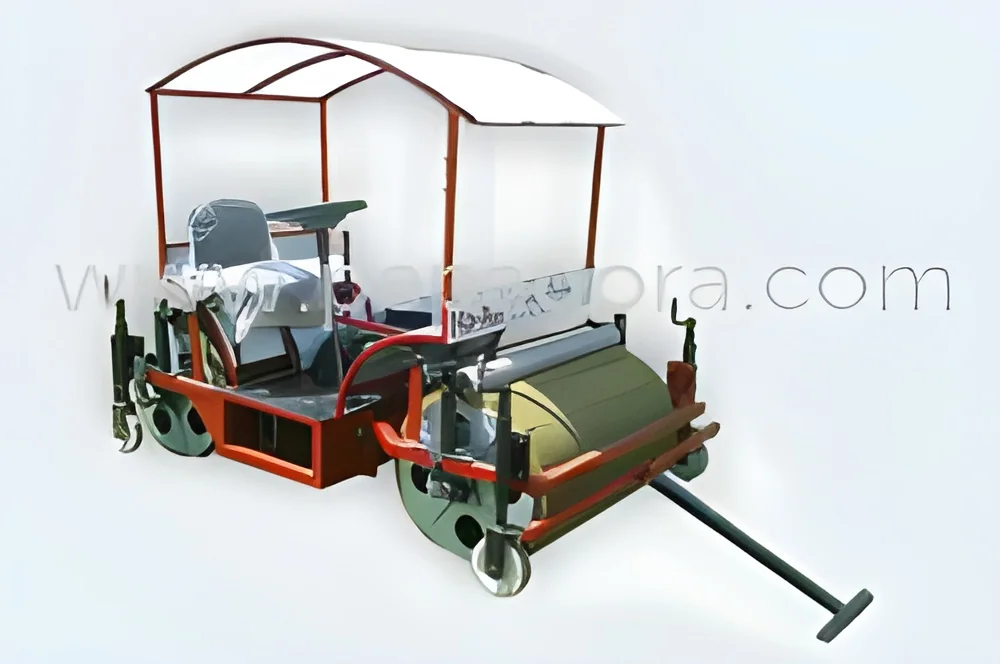
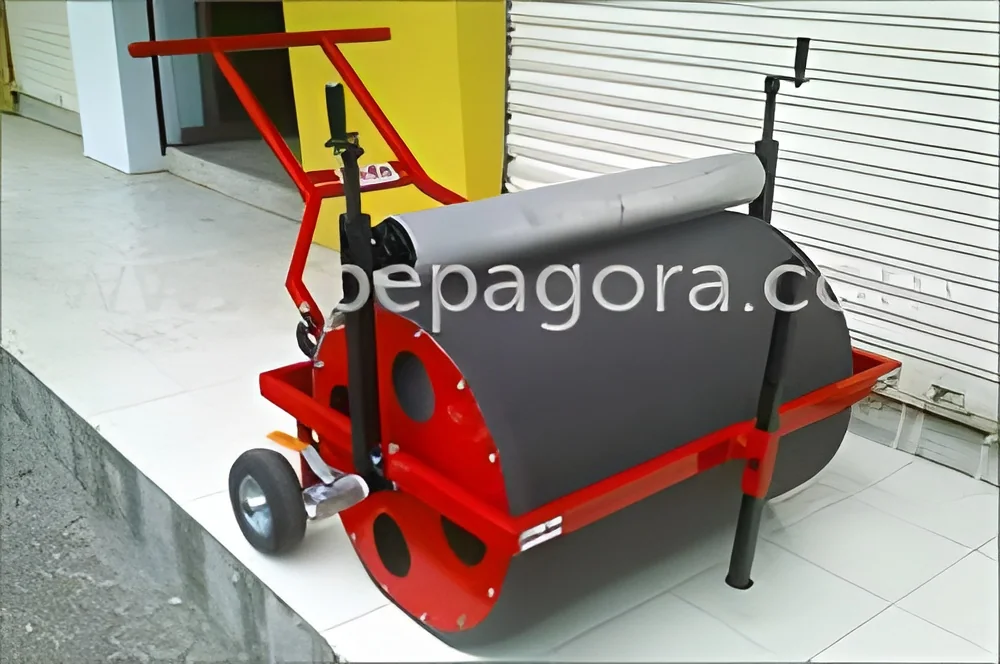
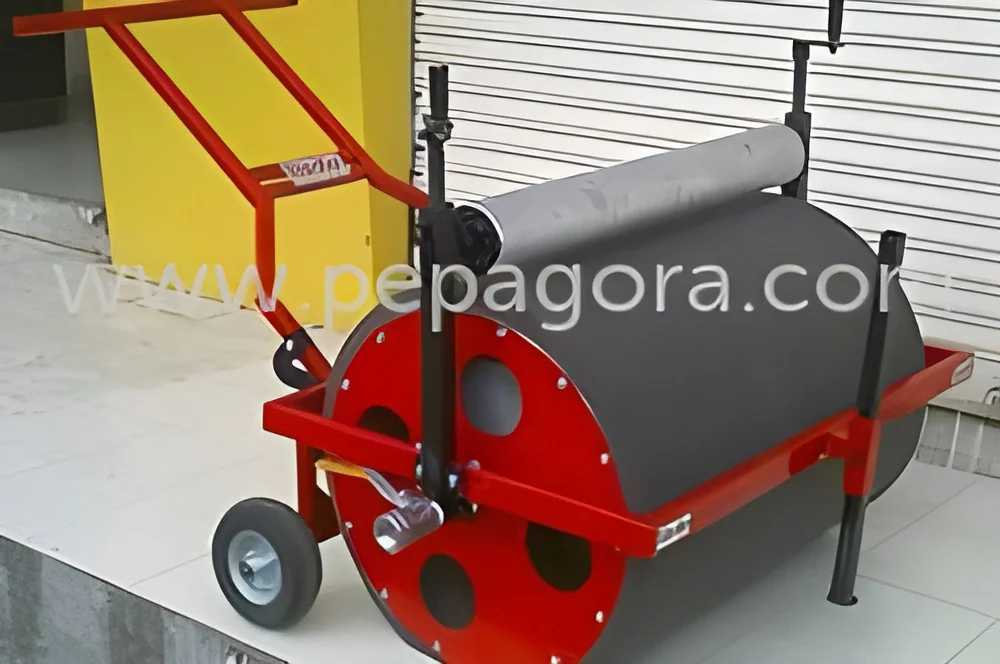
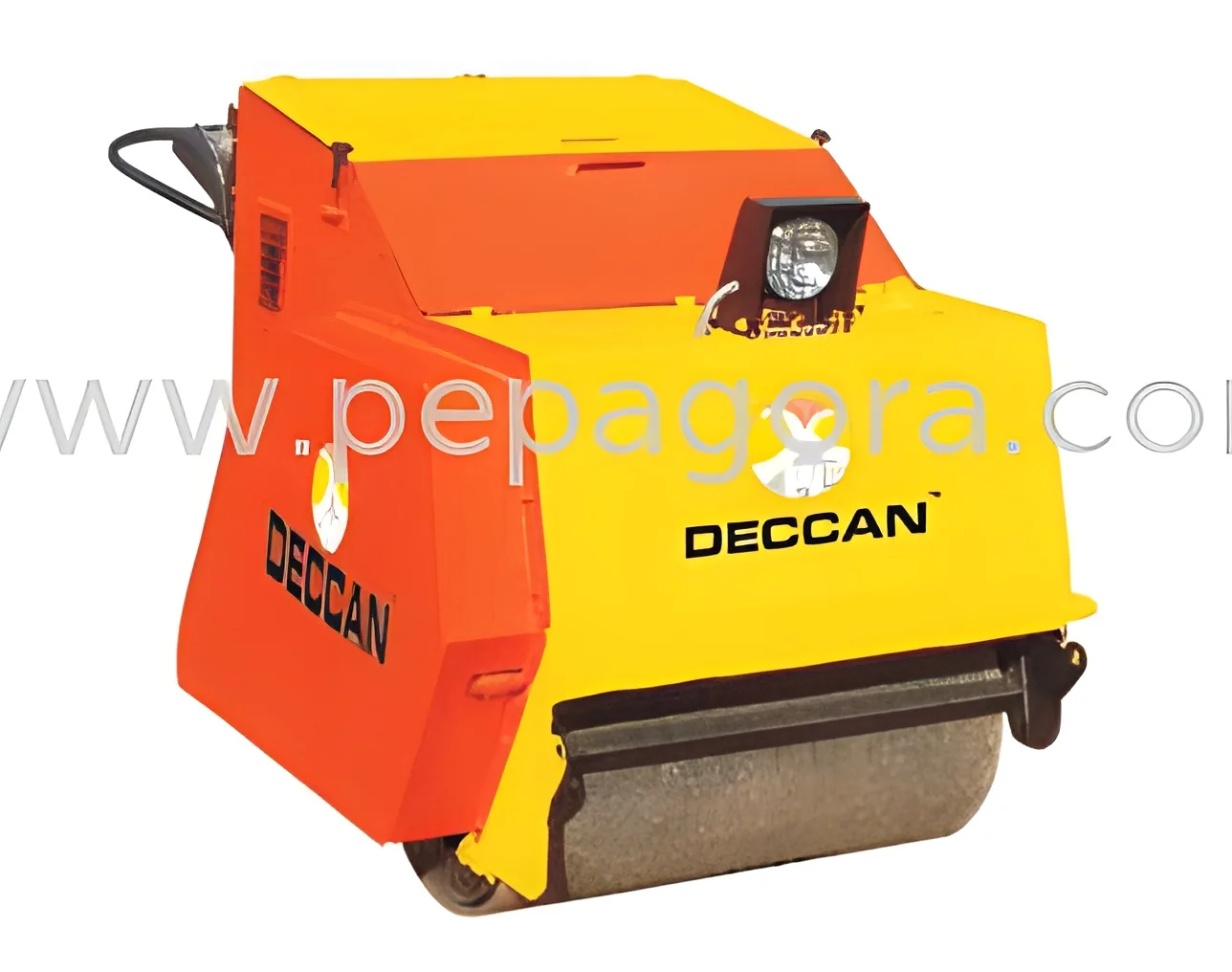
Road Rollers (Static, Vibratory)
12 products available
Key Features and Specifications
Road rollers come equipped with a variety of features designed to improve performance, durability, and user-friendliness. Understanding these specifications helps businesses select the right equipment for their needs.
Key specifications include:
1. Compaction Method
- Static or vibratory options available
- Vibration frequency typically ranges from 30 to 70 Hz
2. Operating Weight
- Ranges from 1 ton to over 20 tons
- Heavier models offer better compaction for larger projects
3. Drum Width
- Widths can vary from 1 meter to over 2 meters
- Wider drums cover more area, reducing operational time
4. Engine Power
- Power ratings generally range from 20 to 200 horsepower
- Higher power facilitates better performance on tough terrains
5. Fuel Type
- Common fuels include diesel and gasoline
- Diesel engines often provide better efficiency for heavy operations
6. Maneuverability
- Features like articulated steering enhance maneuverability on tight sites
- Some models come with advanced controls for ease of operation
7. Safety Features
- Include roll-over protection systems and emergency stop buttons
- Enhanced visibility through ergonomic operator cabins
8. Maintenance Requirements
- Regular checks on hydraulic systems, belts, and drums are essential
- Some models offer easy access for maintenance tasks
In summary, understanding the key features and specifications of road rollers is crucial for businesses seeking to optimize their construction projects.
Common Applications and Use Cases
Road rollers are utilized across multiple industries, demonstrating their versatility and effectiveness in various applications.
1. Construction: Road rollers are essential in the construction of highways, roads, and infrastructure projects, ensuring a stable and well-compacted base.
2. Landscaping: These machines are used in landscaping projects to create compacted surfaces for pathways and driveways, enhancing aesthetic appeal and durability.
3. Mining: In mining operations, road rollers help create stable access roads, facilitating the movement of heavy machinery and materials.
4. Civil Engineering: Road rollers play a crucial role in civil engineering projects, including the construction of dams and bridges, where soil compaction is vital for structural integrity.
5. Airport Construction: Road rollers are integral in the construction and maintenance of airport runways and taxiways, ensuring smooth and solid surfaces for aircraft operations.
6. Waste Management: In landfill operations, road rollers compact waste materials to maximize space and manage refuse effectively.
7. Railways: Road rollers assist in preparing and maintaining the ground for railway tracks, ensuring stability and support for heavy trains.
Product Variants and Subcategories
Road rollers come in various designs tailored to specific needs and applications, allowing users to choose the best equipment for their projects.
Vibratory Rollers
These rollers use vibratory mechanisms to improve compaction efficiency. They are ideal for asphalt and granular materials, making them suitable for road construction and repair tasks.
Static Rollers
Static rollers depend solely on their weight for compaction. They are often used in base layer applications where high compaction is needed without the use of vibrations.
Benefits and Advantages
Investing in road rollers offers several advantages that can significantly enhance construction efficiency and productivity.
1. Improved Compaction: The use of vibratory rollers leads to higher density and better stability in compacted materials, reducing future maintenance needs.
2. Time Efficiency: Road rollers can cover large areas quickly, minimizing project timelines and labor costs.
3. Versatility: With various models available, road rollers can be adapted for different applications, from road construction to landscaping.
4. Enhanced Safety: Modern road rollers come equipped with safety features that protect operators and reduce the risk of accidents on job sites.
5. Cost-Effectiveness: By ensuring proper compaction, road rollers help prevent costly repairs resulting from inadequate groundwork.
6. User-Friendly Operation: Many road rollers feature advanced controls and ergonomic designs, making them easier for operators to use effectively.
Buying Guide for B2B Buyers
When considering the purchase of road rollers, businesses should evaluate several key factors to ensure they make informed decisions.
1. Quality Assessment: Look for road rollers built with high-quality materials and robust engineering to withstand demanding work conditions. Reviews and ratings can provide insights into the reliability of specific models.
2. Supplier Verification: Vet suppliers to ensure they are reputable and offer reliable after-sales support. Check references and previous client feedback.
3. Pricing and MOQ: Understand the pricing structure and minimum order quantities (MOQ) to align with your budget and project needs. Compare quotes from multiple suppliers for the best value.
4. Delivery and Lead Times: Consider logistics and delivery times, as these can impact project schedules. Ensure that suppliers can meet your timelines.
5. Compliance Requirements: Ensure that the road rollers meet relevant industry standards and certifications, such as CE marking, to comply with safety and regulatory guidelines.
Compliance and Certifications
Road rollers must adhere to various quality and safety standards to ensure they are safe and effective for use in construction projects.
ISO 9001 is a widely recognized quality management standard that ensures manufacturers maintain consistent quality in their products. Compliance with this standard can be an indicator of a reliable product.
CE certification is crucial for road rollers sold in Europe, indicating that the equipment meets safety and environmental protection standards.
Safety and testing requirements are critical in the manufacturing process of road rollers. Regular testing ensures that the machinery operates safely under various conditions.
Regional compliance considerations may vary, so it is essential to verify that the equipment meets local regulations and standards, especially when operating in different countries or regions.
Why Source Road Rollers (Static, Vibratory) from Pepagora?
Pepagora offers a reliable platform for sourcing road rollers with several key advantages that benefit B2B buyers.
Verified Supplier Network: Pepagora connects buyers with a network of verified suppliers, ensuring that you have access to reputable manufacturers and distributors. This network helps mitigate risks associated with sourcing equipment.
Streamlined RFQ Process: The platform simplifies the request for quotation (RFQ) process, allowing buyers to easily compare offers from multiple suppliers. This transparency promotes competitive pricing and helps you make informed decisions.
Trade Assurance and Support: Pepagora provides trade assurance, protecting buyers from potential issues related to product quality and delivery. This support fosters confidence in the purchasing process.
Regional Coverage: With a focus on India, the GCC, and Southeast Asia, Pepagora enables businesses to access road rollers across various markets, ensuring you find the right equipment for your specific region and needs.

 India
 India
 India
Frequently Asked Questions
What are Road Rollers (Static, Vibratory)?
Road Rollers (Static, Vibratory) are heavy construction equipment used for compacting soil, gravel, asphalt, and concrete. They utilize either a static weight or vibratory mechanisms to achieve optimal density and surface smoothness in road construction and maintenance.
What are the different types of Road Rollers (Static, Vibratory)?
There are primarily two types of Road Rollers: static rollers and vibratory rollers. Static rollers rely on their weight to compact materials, while vibratory rollers use high-frequency vibrations to enhance compaction efficiency, making them suitable for various applications in road construction.
How do I choose the right Road Rollers (Static, Vibratory)?
Choosing the right Road Roller depends on the project requirements, soil type, and desired compaction depth. Consider factors such as roller weight, drum width, and vibratory frequency to ensure optimal performance for specific tasks.
What are the standard specifications for Road Rollers (Static, Vibratory)?
Standard specifications for Road Rollers typically include drum width, operating weight, engine power, and compaction depth. Additionally, specifications may encompass features like vibration frequency, amplitude, and fuel efficiency, which can vary by manufacturer.
What is the price range for Road Rollers (Static, Vibratory)?
The price range for Road Rollers (Static, Vibratory) can vary widely based on brand, specifications, and features. Generally, prices can start from around INR 5 lakhs and can go up to INR 30 lakhs or more for advanced models.
What quality standards apply to Road Rollers (Static, Vibratory)?
Quality standards for Road Rollers are often defined by industry regulations and certifications, such as ISO standards. These standards ensure safety, performance, and durability, which are crucial for reliable operation on construction sites.
Where can I find Road Rollers (Static, Vibratory) suppliers in India?
You can find Road Rollers (Static, Vibratory) suppliers in India through various B2B marketplaces, construction equipment dealers, and manufacturer websites. Platforms like Pepagora offer a comprehensive list of verified suppliers in the industry.
Can Road Rollers (Static, Vibratory) be customized?
Yes, many manufacturers offer customization options for Road Rollers based on client specifications. Customizations may include modifications to drum size, weight, and additional features to meet specific project requirements.
What is the typical minimum order quantity for Road Rollers (Static, Vibratory)?
The typical minimum order quantity (MOQ) for Road Rollers can vary by supplier, but it generally starts at one unit. For bulk purchases, suppliers may offer discounts or flexible terms depending on the order size.
What is the typical lead time for Road Rollers (Static, Vibratory)?
The typical lead time for Road Rollers (Static, Vibratory) can range from a few weeks to several months, depending on the manufacturer and customization options. It's advisable to check with suppliers for specific timelines related to your order.
Why Businesses Trust Pepagora
Thousands of companies trust Pepagora to source smarter and sell faster
Expand Your Sales Globally

Source Smarter,Grow Faster
