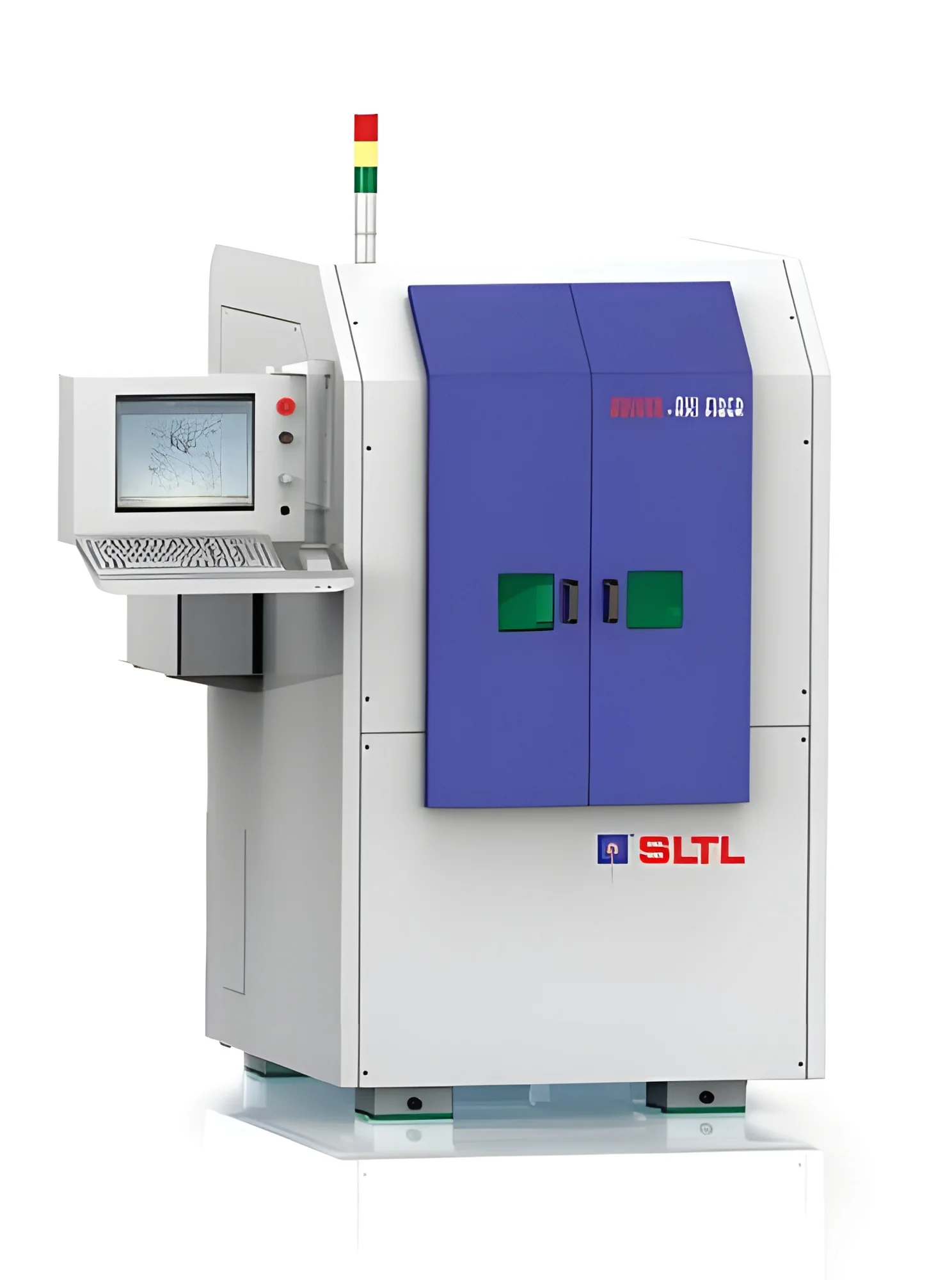
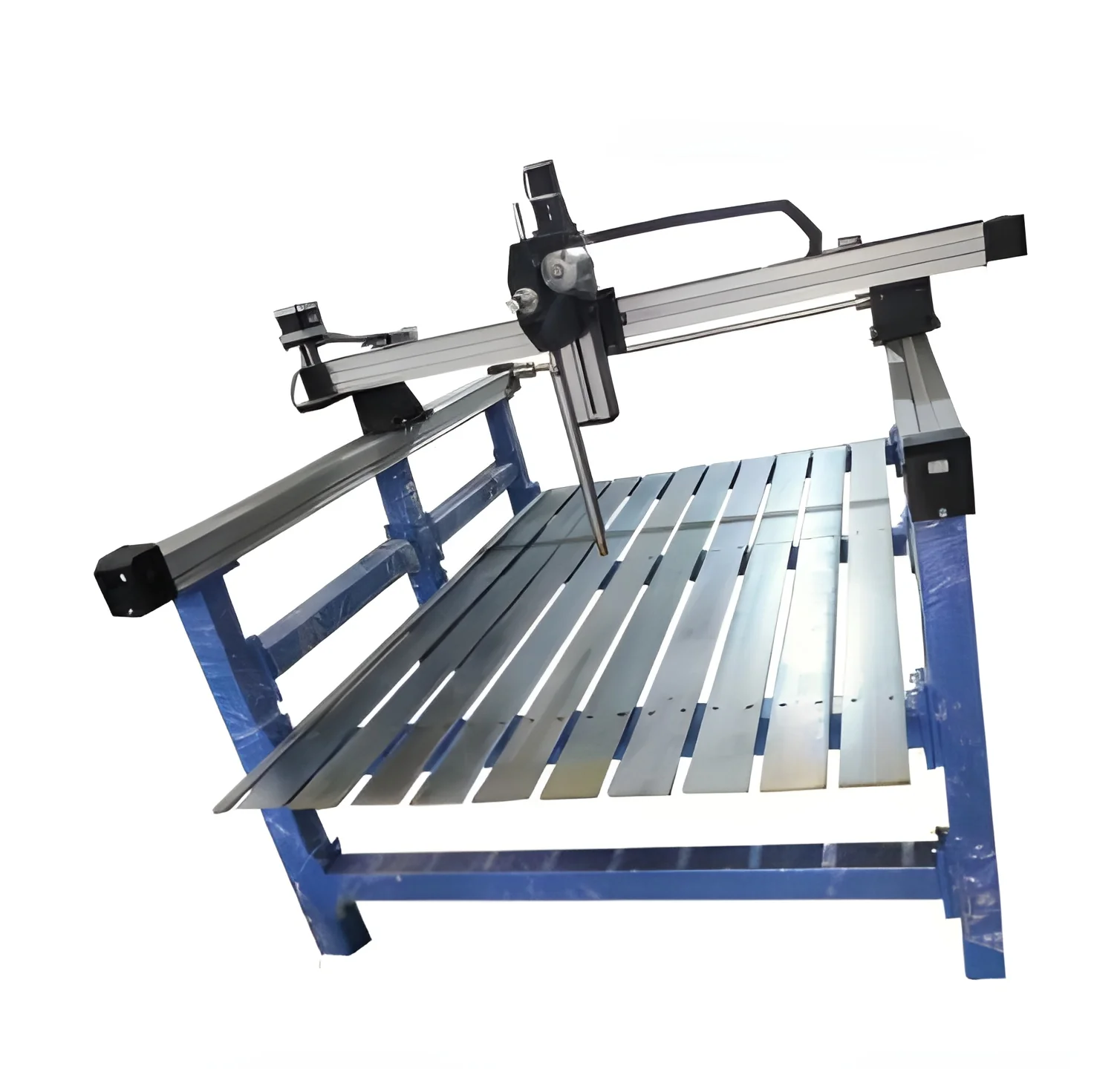
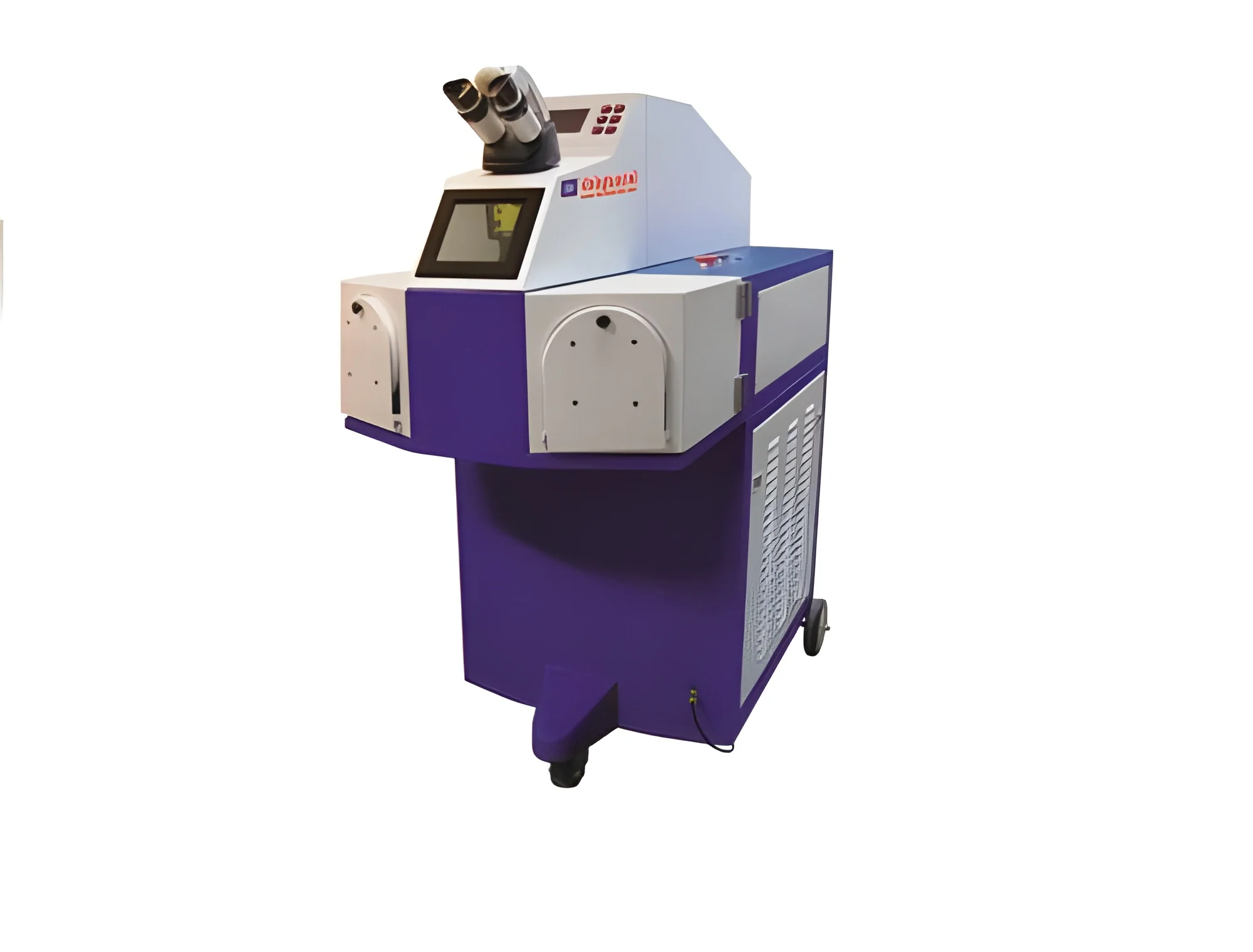
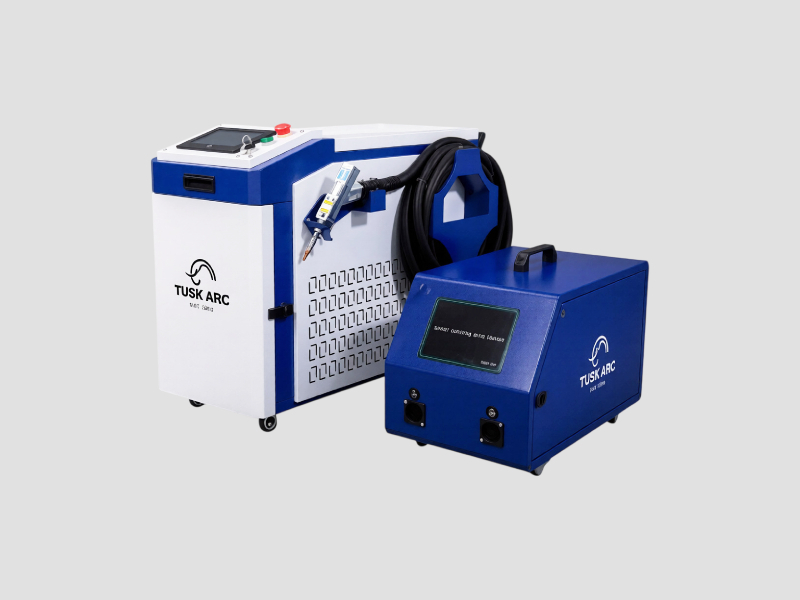
What are Laser Welding Machines (Fiber, CO2)?
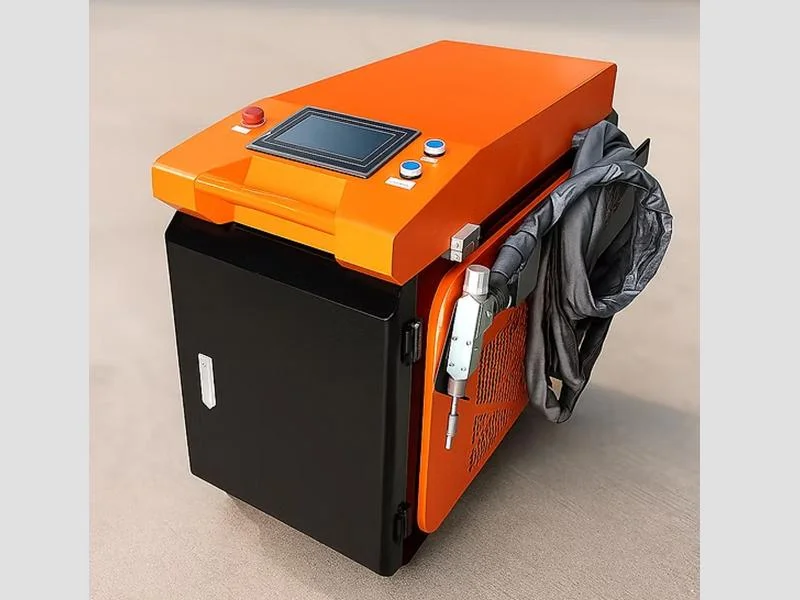
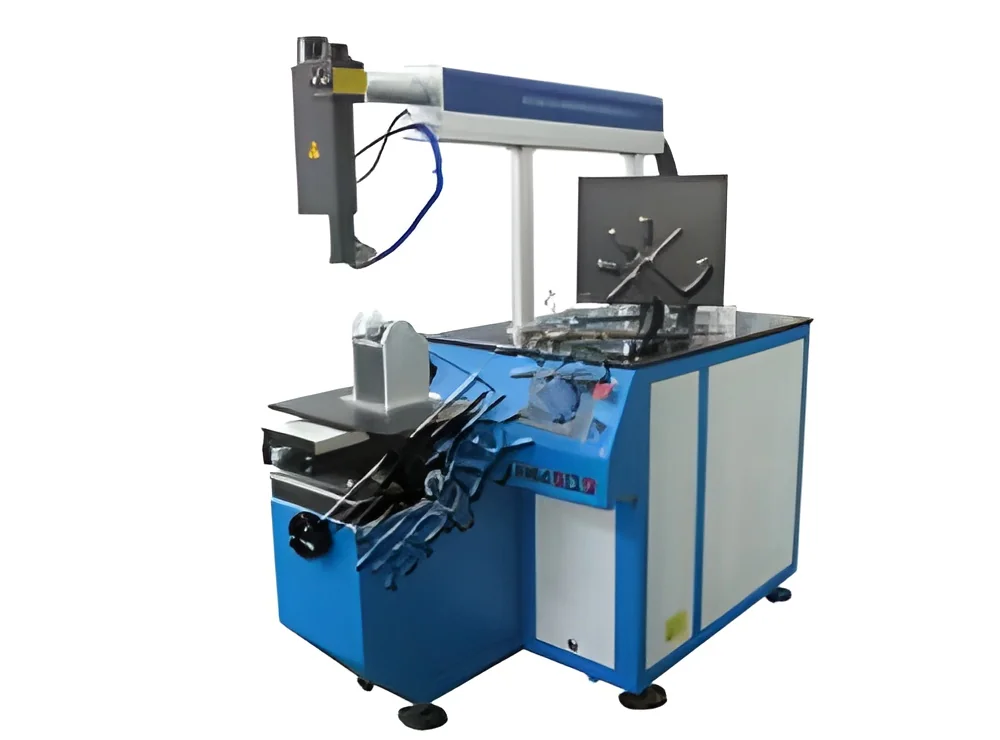
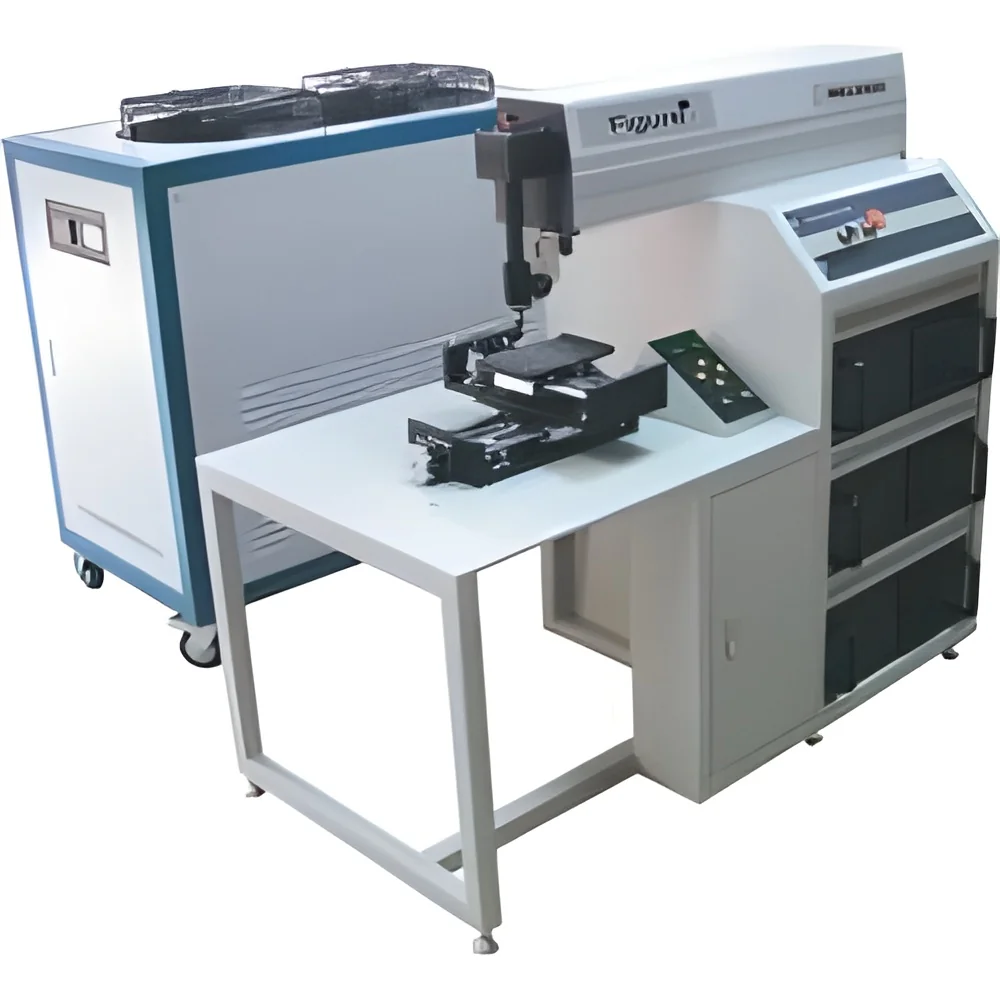
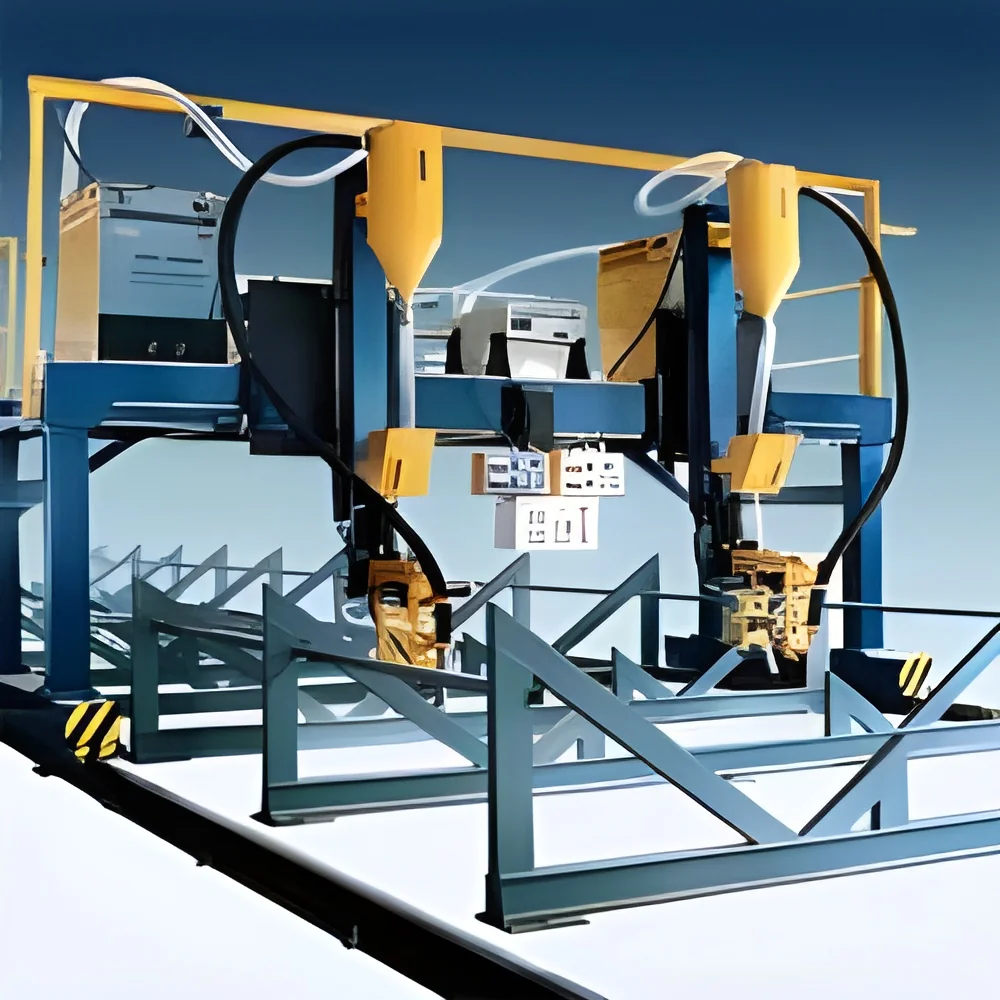
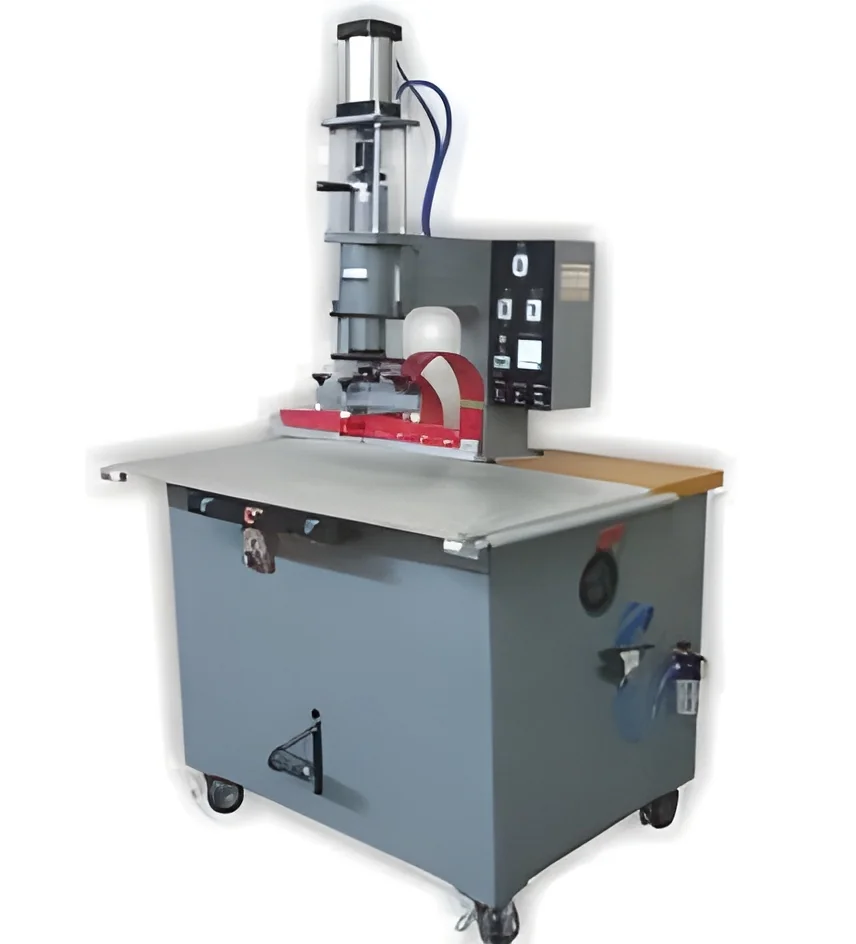
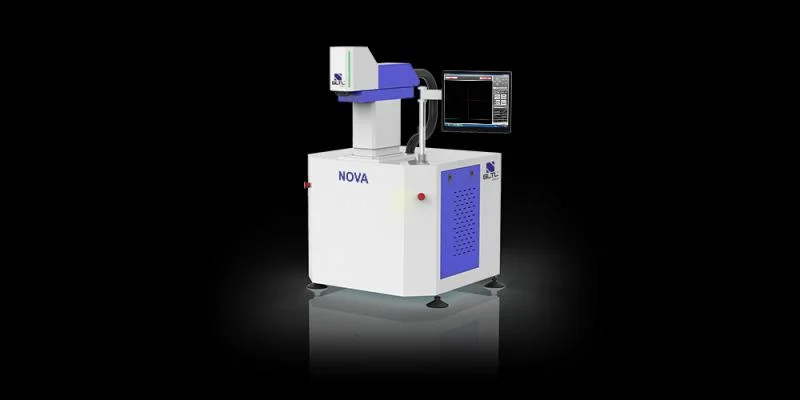
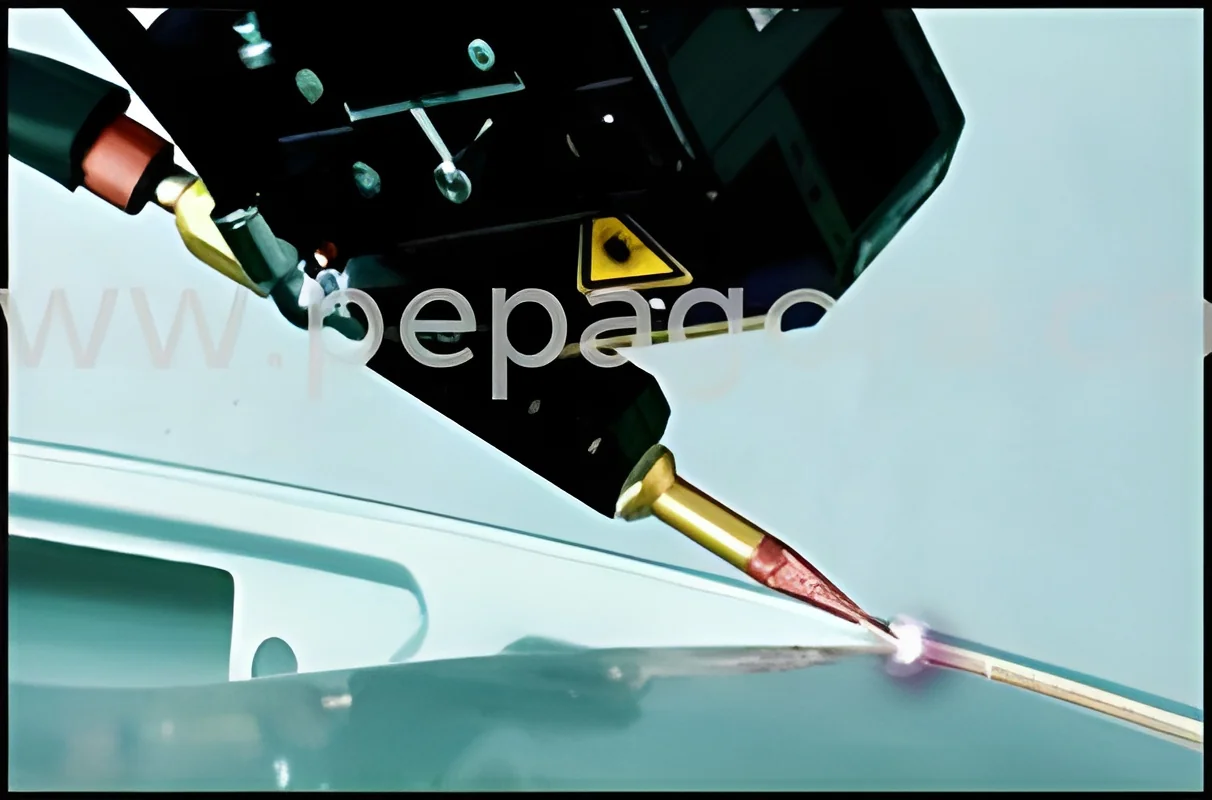
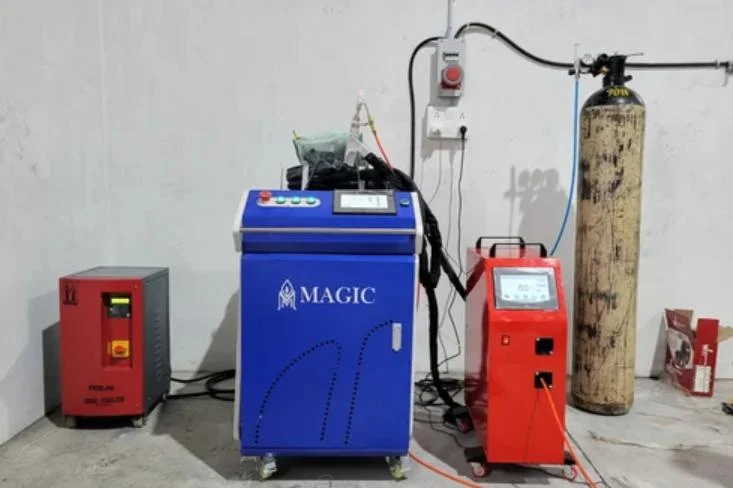
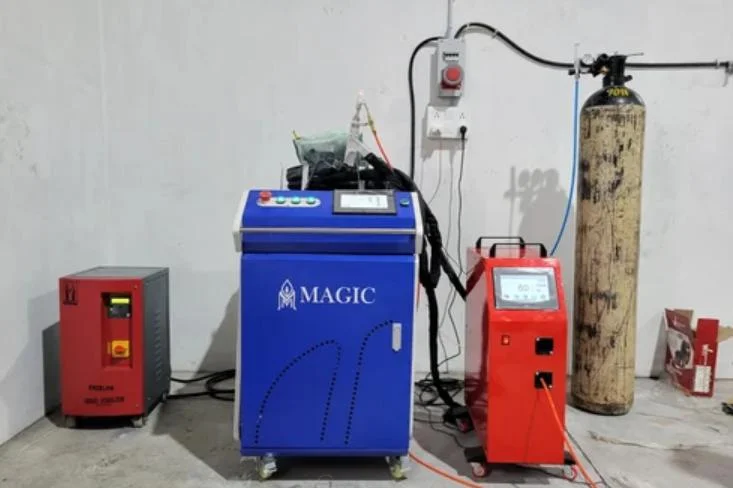
Laser welding machines, specifically Fiber and CO2 types, are advanced industrial tools used for joining materials through the application of concentrated laser beams. Fiber laser welding employs a fiber optic cable to deliver the laser energy, providing high precision and efficiency. CO2 laser welding, on the other hand, uses carbon dioxide gas to generate the laser beam, making it suitable for a range of materials. Both types of machines offer unique advantages, such as reduced heat-affected zones and minimal distortion of the welded materials.
These machines find extensive use in various sectors, including automotive, aerospace, electronics, and metal fabrication. Businesses utilize laser welding for tasks such as component assembly, repair work, and manufacturing of intricate designs that require high-quality welds. As manufacturing processes continue to evolve, the relevance of laser welding machines is increasing, driven by the demand for automation and improved production capabilities within industries.
๐๐ฒ๐ ๐๐ฒ๐ฎ๐๐๐ฟ๐ฒ๐ ๐ฎ๐ป๐ฑ ๐ฆ๐ฝ๐ฒ๐ฐ๐ถ๐ณ๐ถ๐ฐ๐ฎ๐๐ถ๐ผ๐ป๐
Laser welding machines are equipped with numerous features that enhance their performance, reliability, and user-friendliness. Understanding these specifications is crucial for businesses looking to invest in this technology.
Key specifications include:
1. Laser Type
- Fiber lasers offer high efficiency and beam quality, while CO2 lasers are versatile for multiple materials.
2. Power Output
- Typically ranges from 100W to 5000W, allowing for varied applications depending on the material thickness.
3. Welding Speed
- Can achieve speeds of up to 10 meters per minute, significantly improving productivity.
4. Beam Quality
- Measured in terms of Mยฒ factor, with lower values indicating better focus and precision.
5. Cooling System
- Most machines utilize water or air cooling systems to maintain optimal operating temperatures.
6. Control System
- Advanced CNC or robotic control systems for precise operation and automation capabilities.
7. Safety Features
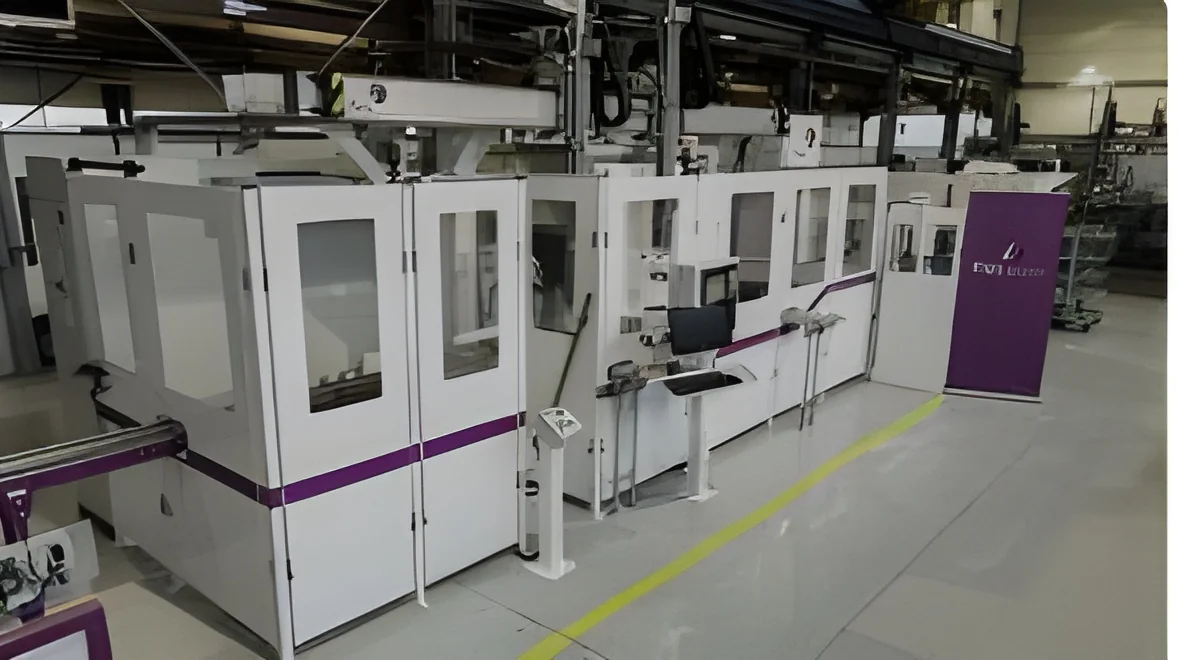
- Includes protective housing, emergency stop functions, and safety interlocks to ensure operator safety.
8. Compact Design
- Many models are designed to save space in industrial settings, making them suitable for various workshop layouts.
In summary, these specifications highlight the flexibility and efficiency of laser welding machines, making them an integral part of modern manufacturing.
๐๐ผ๐บ๐บ๐ผ๐ป ๐๐ฝ๐ฝ๐น๐ถ๐ฐ๐ฎ๐๐ถ๐ผ๐ป๐ ๐ฎ๐ป๐ฑ ๐จ๐๐ฒ ๐๐ฎ๐๐ฒ๐
Laser welding machines (Fiber, CO2) serve a wide range of industries, each benefiting from their unique capabilities.
1. Automotive: Used for welding components such as body panels, frames, and exhaust systems, ensuring high precision and durability.
2. Aerospace: Essential for joining lightweight materials and complex structures, critical for aircraft performance and safety.
3. Electronics: Ideal for delicate components and assemblies, providing clean welds without damaging sensitive parts.
4. Medical Devices: Used in the manufacturing of instruments and devices where precision and sterility are paramount.
5. Metal Fabrication: Commonly employed in sheet metal processing, allowing for efficient and high-quality welds in various projects.
6. Jewelry: Utilized for intricate designs and repairs, providing a seamless finish that enhances aesthetics.
7. Construction: Applied in the fabrication of steel structures, ensuring strong and reliable joints.
๐ฃ๐ฟ๐ผ๐ฑ๐๐ฐ๐ ๐ฉ๐ฎ๐ฟ๐ถ๐ฎ๐ป๐๐ ๐ฎ๐ป๐ฑ ๐ฆ๐๐ฏ๐ฐ๐ฎ๐๐ฒ๐ด๐ผ๐ฟ๐ถ๐ฒ๐
Laser welding machines come in various configurations to meet specific industry needs.
Fiber Laser Welding Machine
This variant is known for its high efficiency and versatility. It is suitable for welding metals like aluminum, copper, and steel. It offers exceptional precision and is widely used in automotive and electronics applications.
CO2 Laser Welding Machine
Ideal for thicker materials, this variant excels in welding non-metallic materials as well. Its ability to produce high-quality welds makes it popular in industries such as aerospace and industrial manufacturing.
๐๐ฒ๐ป๐ฒ๐ณ๐ถ๐๐ ๐ฎ๐ป๐ฑ ๐๐ฑ๐๐ฎ๐ป๐๐ฎ๐ด๐ฒ๐
Investing in laser welding machines offers multiple advantages that enhance production processes.
1. High Precision: Laser welding provides exceptional accuracy, reducing the likelihood of defects and rework.
2. Minimal Heat Affected Zone: The focused energy reduces thermal distortion, preserving the integrity of the surrounding materials.
3. Versatility: Capable of welding a wide range of materials, including metals and non-metals, making it suitable for various applications.
4. Increased Speed: Faster welding times lead to higher productivity and efficiency in manufacturing processes.
5. Reduced Material Waste: The precision of laser welding minimizes the need for additional materials or post-processing.
6. Automation Potential: Many machines can be integrated into automated systems, allowing for consistent and repeatable results.
๐๐๐๐ถ๐ป๐ด ๐๐๐ถ๐ฑ๐ฒ ๐ณ๐ผ๐ฟ ๐๐ฎ๐ ๐๐๐๐ฒ๐ฟ๐
When sourcing Laser Welding Machines (Fiber, CO2), it is essential to consider several key factors to ensure a successful purchase.
1. Quality Assessment: Evaluate the build quality and technology of the machines. Look for manufacturers with a proven track record and positive reviews.
2. Supplier Verification: Vet suppliers thoroughly by checking certifications, customer feedback, and industry reputation to ensure reliability.
3. Pricing and MOQ: Understand the pricing structure and minimum order quantities, as this can vary significantly among suppliers.
4. Delivery and Lead Times: Inquire about logistics and lead times to ensure timely delivery and avoid disruptions in production.
5. Compliance Requirements: Ensure the machines meet relevant industry standards and regulations, including safety and operational compliance.
๐๐ผ๐บ๐ฝ๐น๐ถ๐ฎ๐ป๐ฐ๐ฒ ๐ฎ๐ป๐ฑ ๐๐ฒ๐ฟ๐๐ถ๐ณ๐ถ๐ฐ๐ฎ๐๐ถ๐ผ๐ป๐
Laser welding machines must adhere to various quality standards and regulations to ensure safety and performance. Commonly recognized standards include ISO 9001, which focuses on quality management systems, and CE certification, indicating compliance with European health, safety, and environmental protection standards.
In addition to these, safety and testing requirements must be met to protect operators and ensure machine reliability. Regional compliance considerations may vary, so buyers should be aware of the specific regulations applicable to their location and industry.
Why Source Laser Welding Machines (Fiber, CO2) from Pepagora?
Pepagora provides a trusted platform for sourcing Laser Welding Machines (Fiber, CO2) with several key advantages for B2B buyers.
Verified Supplier Network: Pepagora connects buyers with a network of verified suppliers, ensuring quality and reliability in the sourcing process. This network is built through stringent vetting processes, providing buyers with confidence in their purchase decisions.
Streamlined RFQ Process: The platform offers a streamlined Request for Quotation (RFQ) system, making it easy for buyers to obtain competitive quotes from multiple suppliers. This efficiency maximizes options and facilitates informed purchasing decisions.
Trade Assurance and Support: Pepagora provides trade assurance, protecting buyers from potential issues during transactions. The platform also offers support for navigating complexities in international sourcing.
Regional Coverage: With a strong presence in India, the GCC, and Southeast Asia, Pepagora offers extensive geographical reach. This ensures that buyers can connect with suppliers who understand regional market dynamics and requirements.