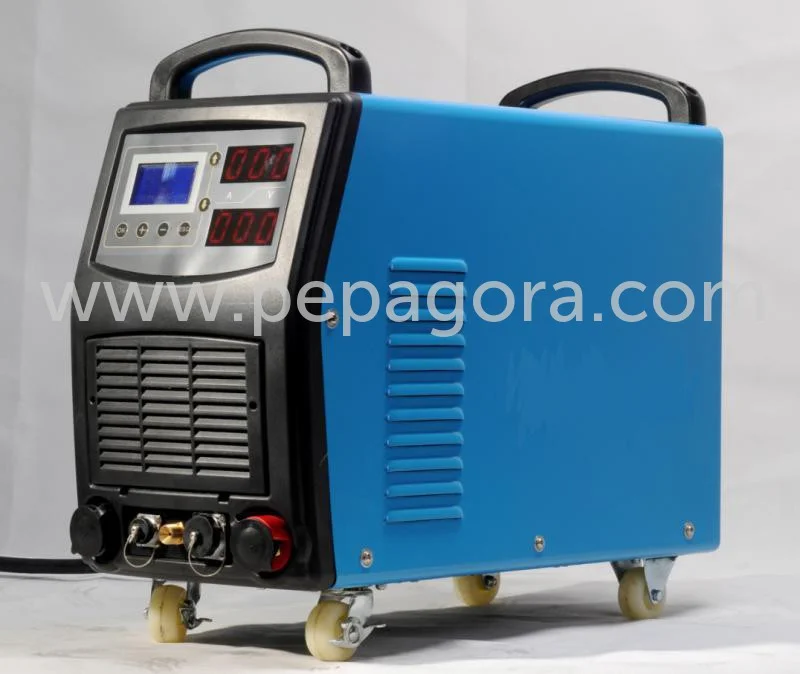
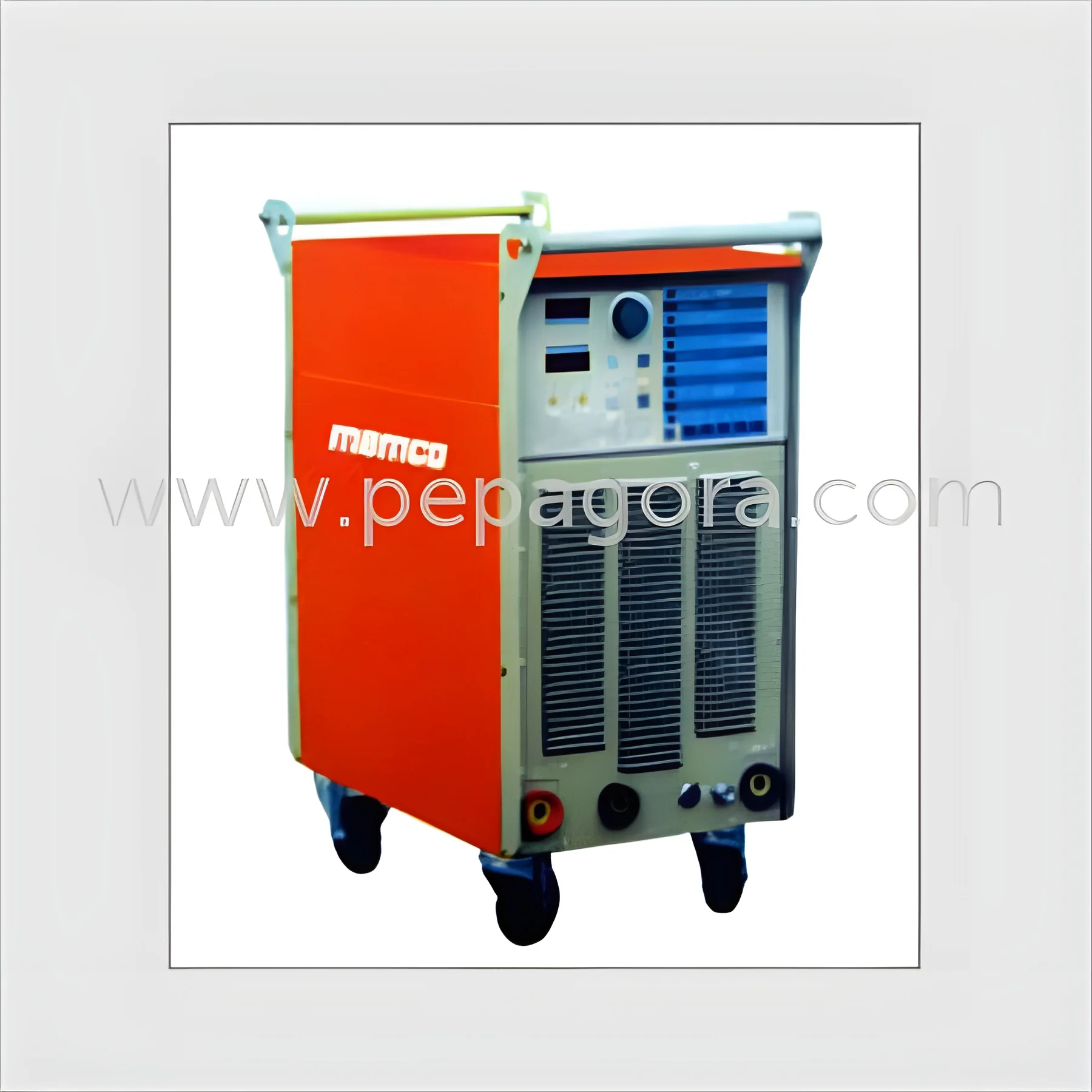
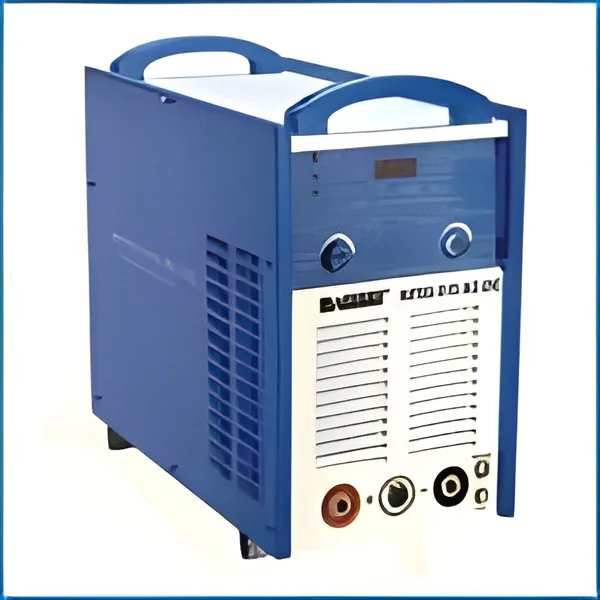
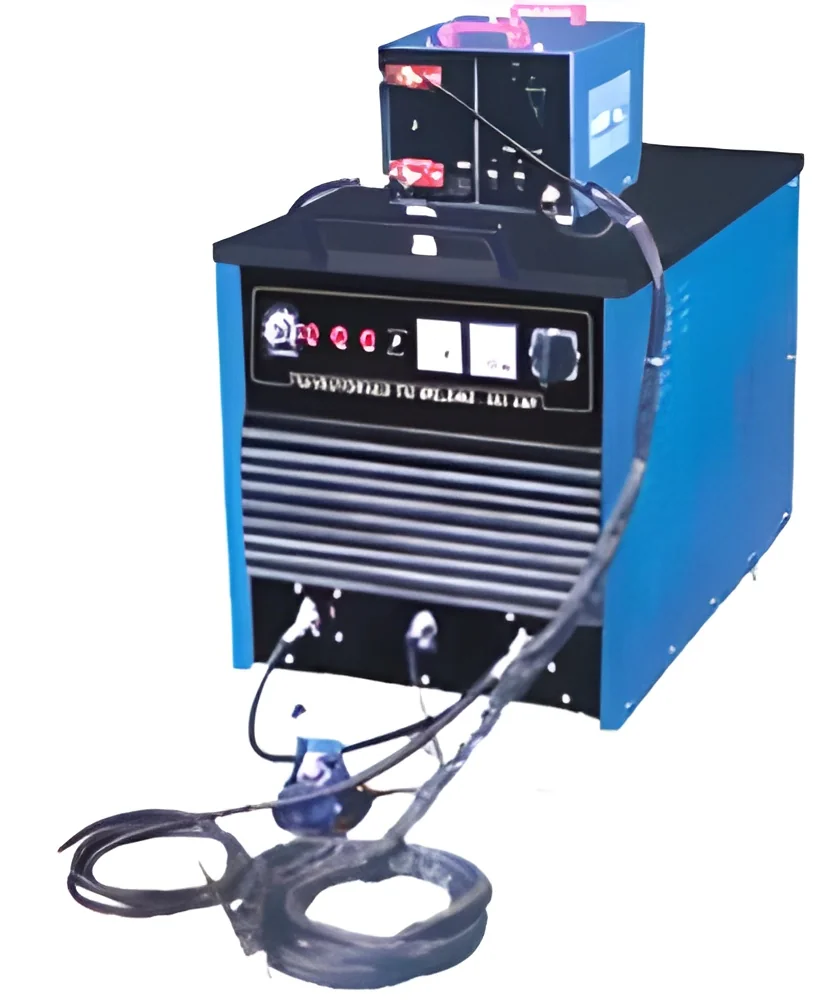
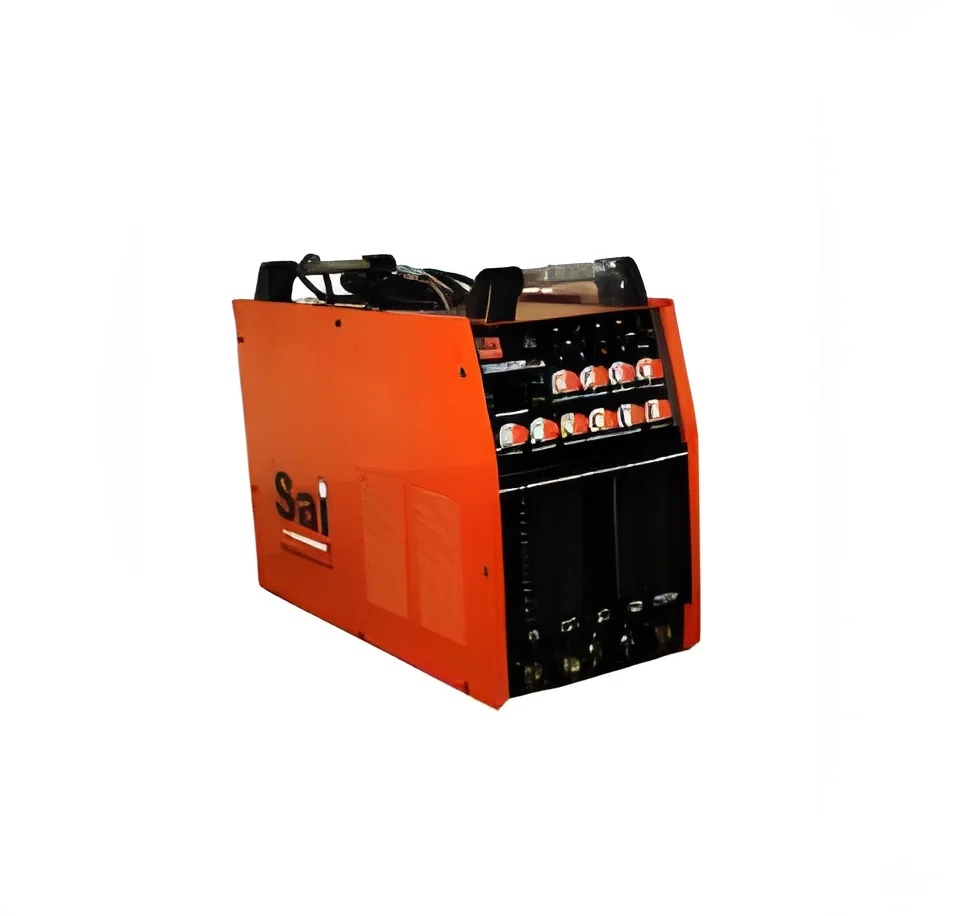
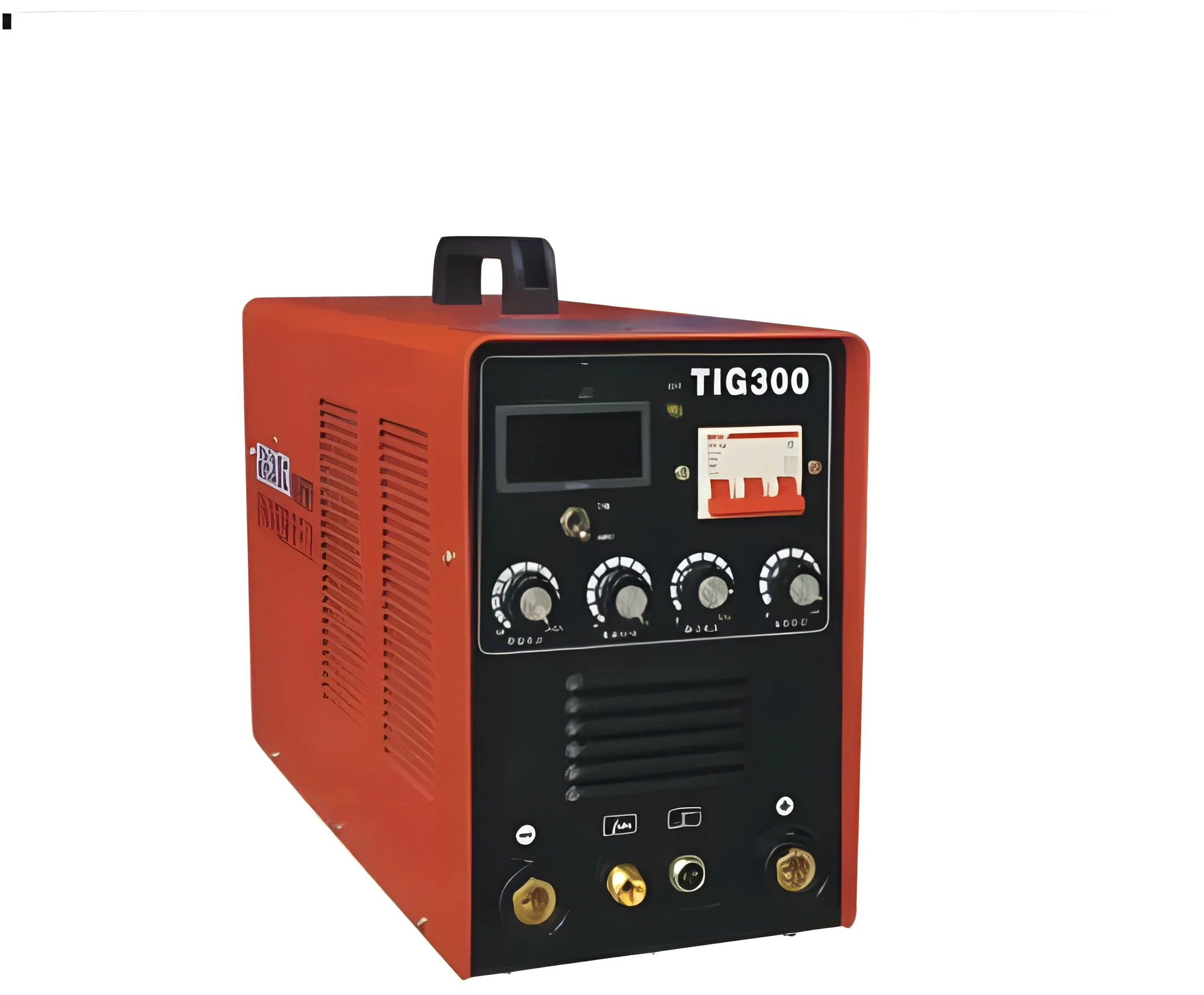
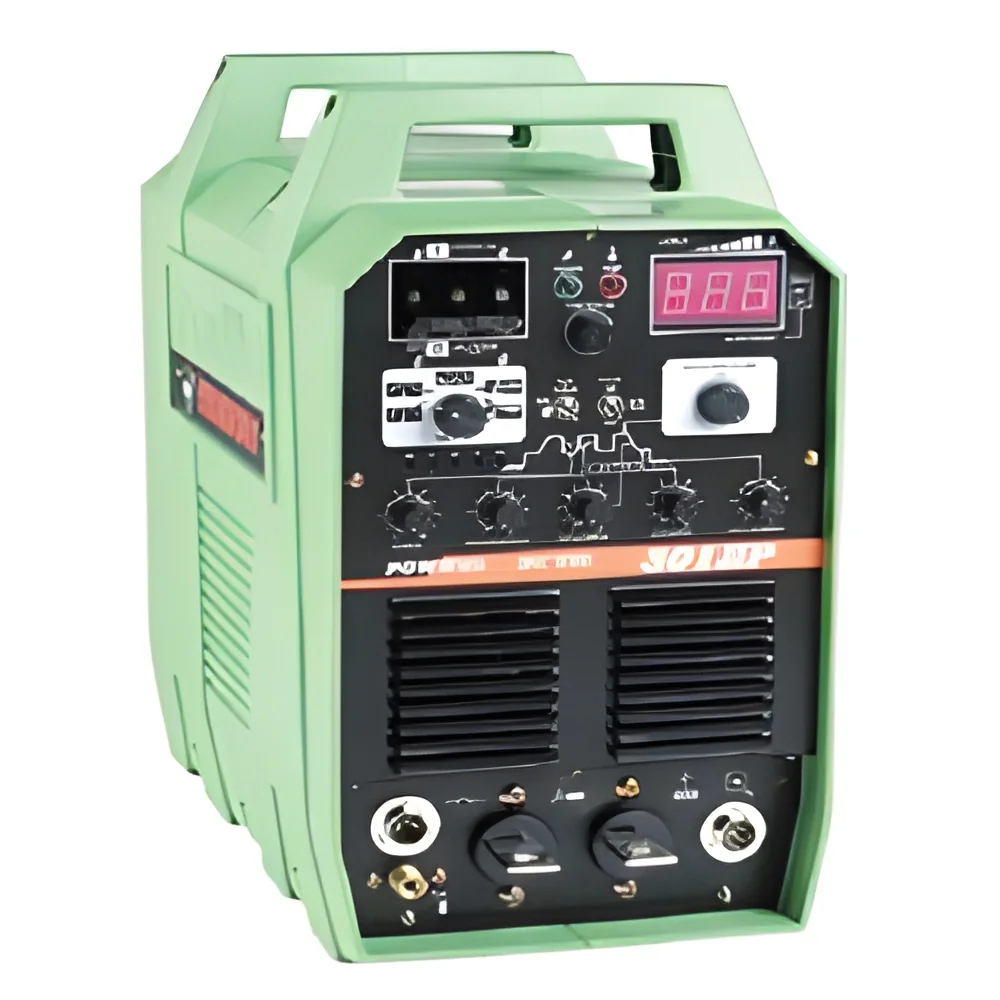
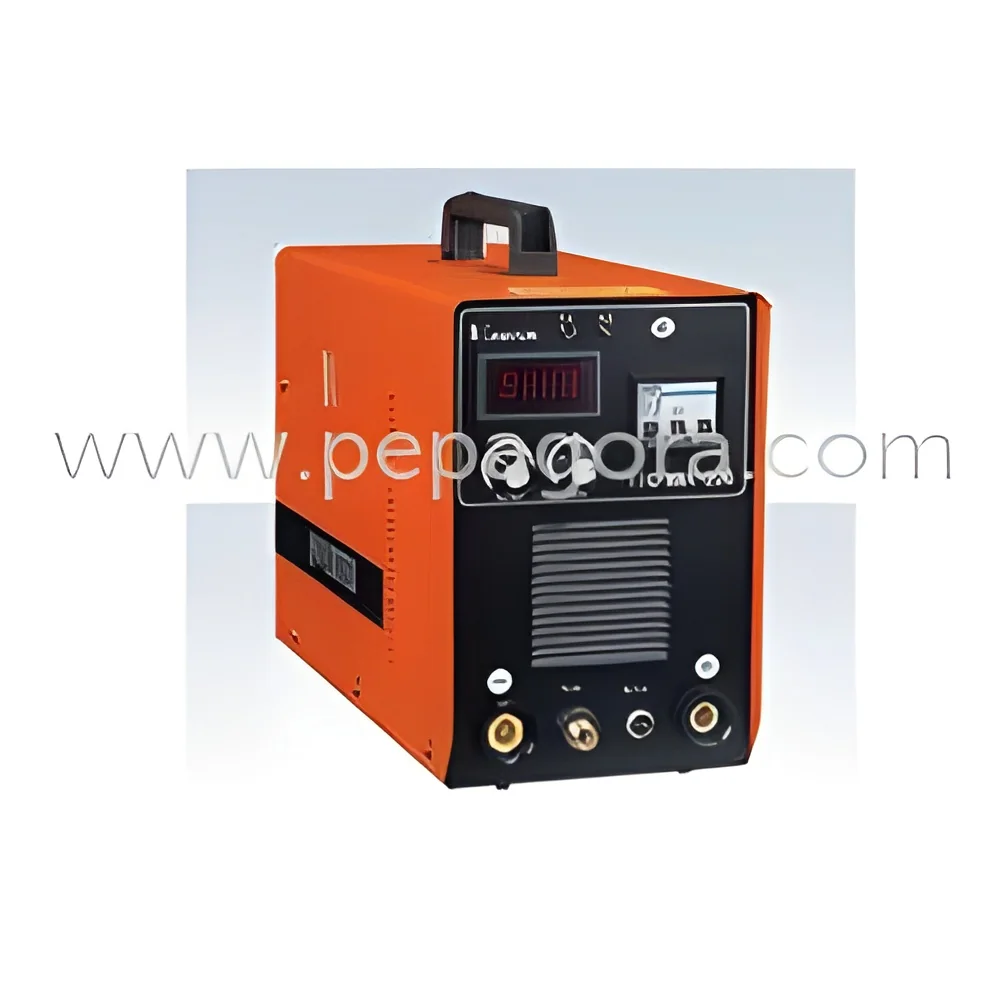
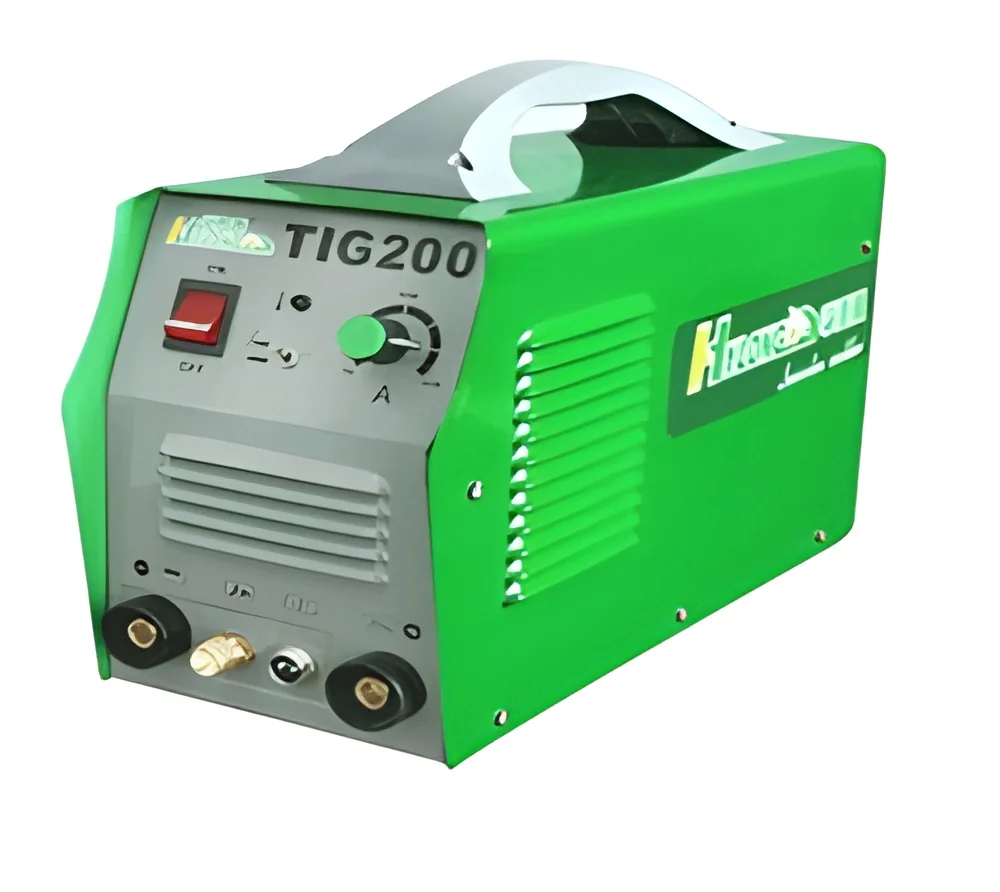
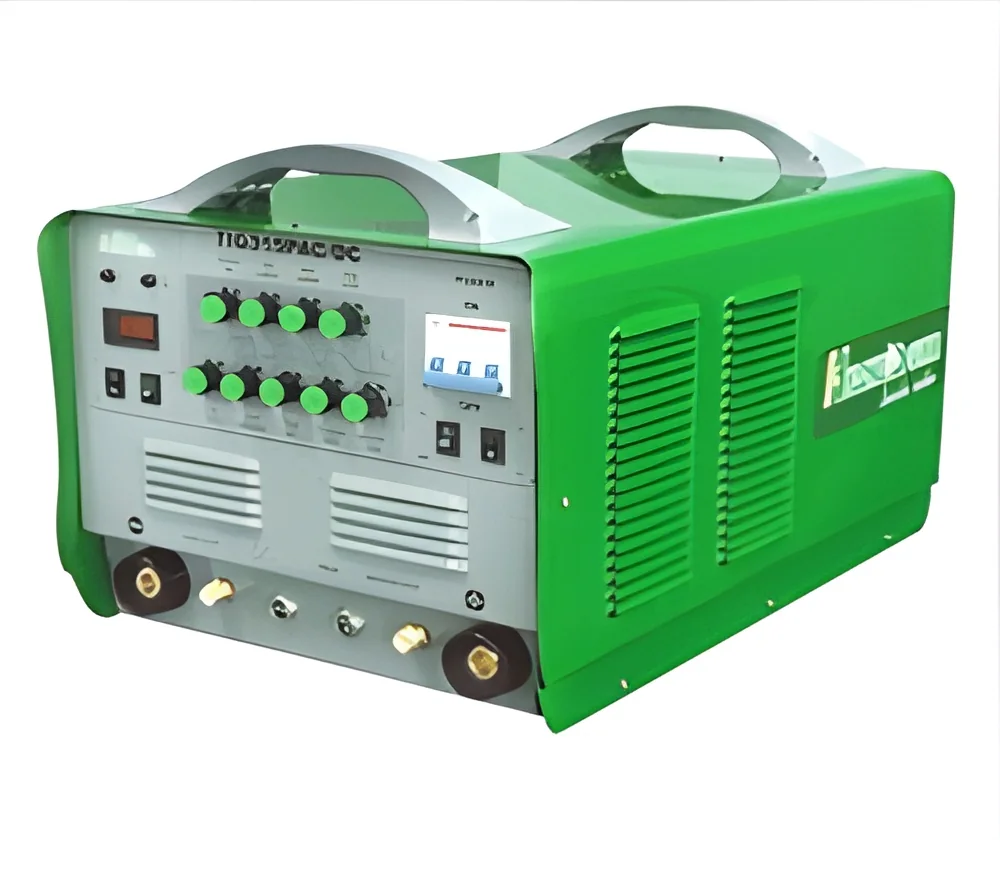
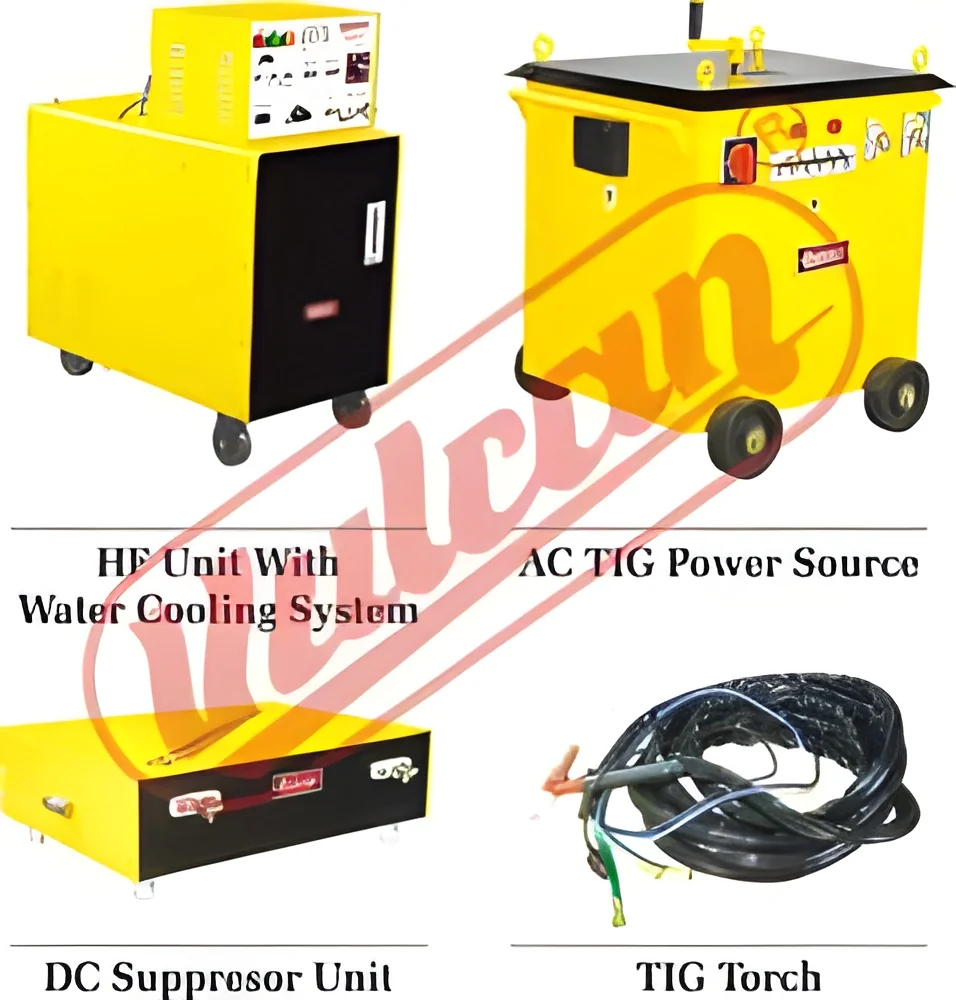
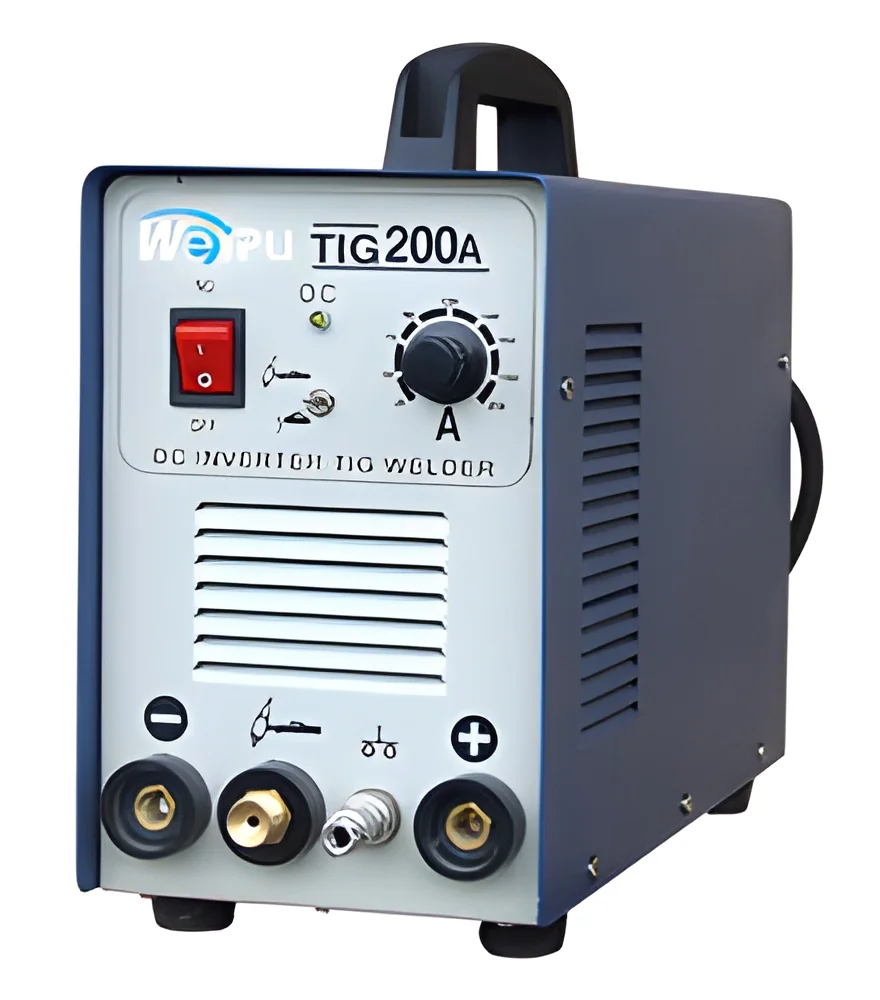
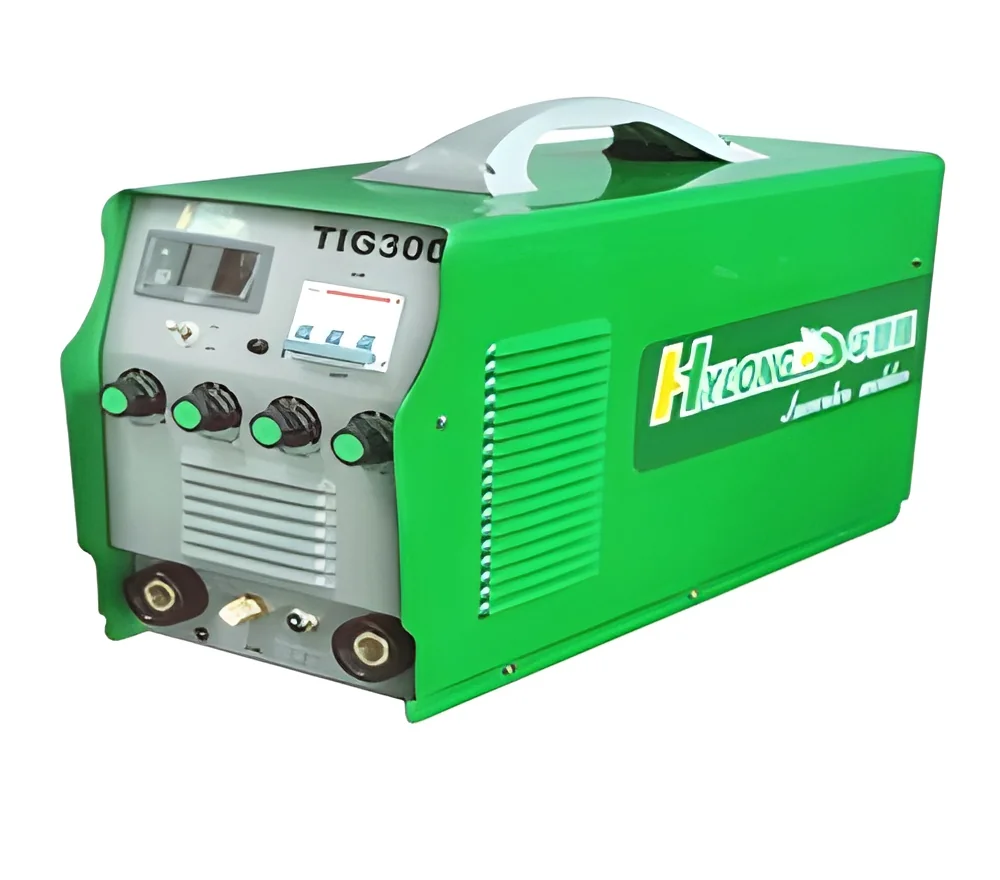
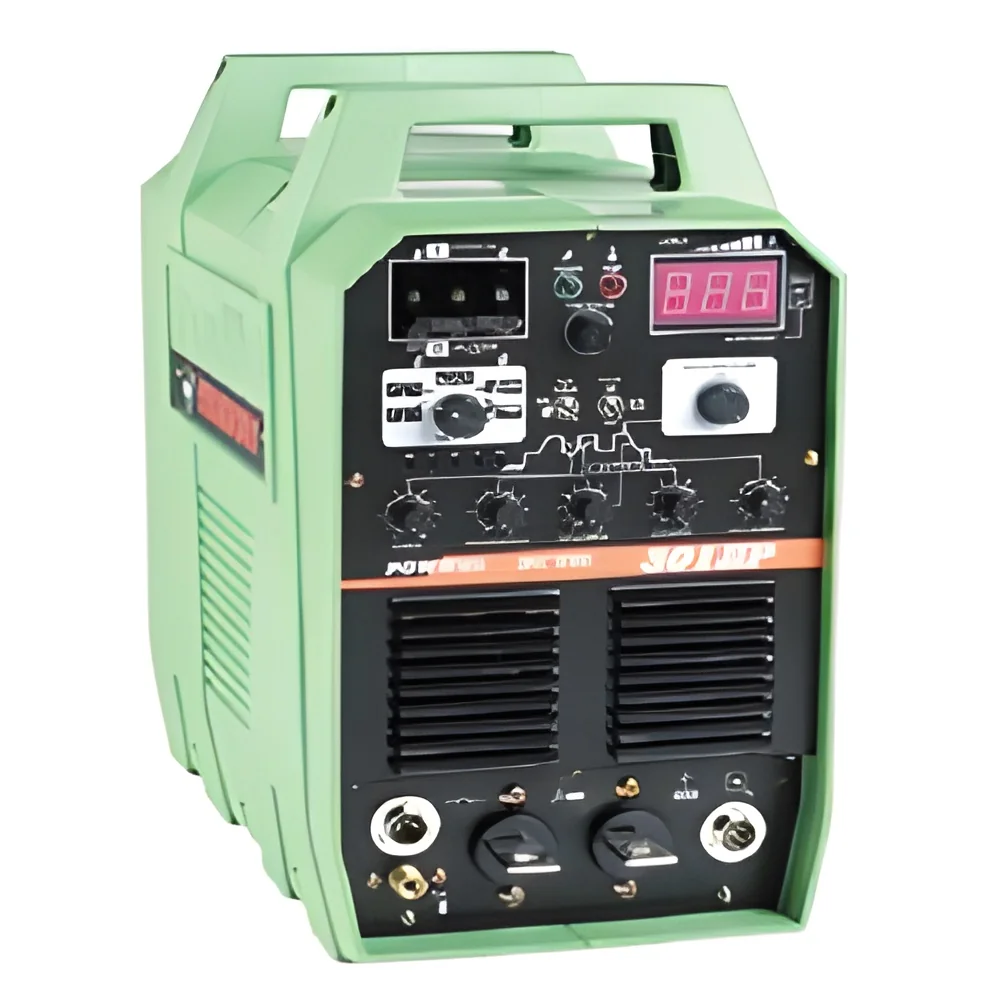
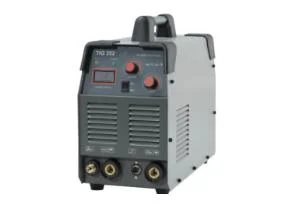
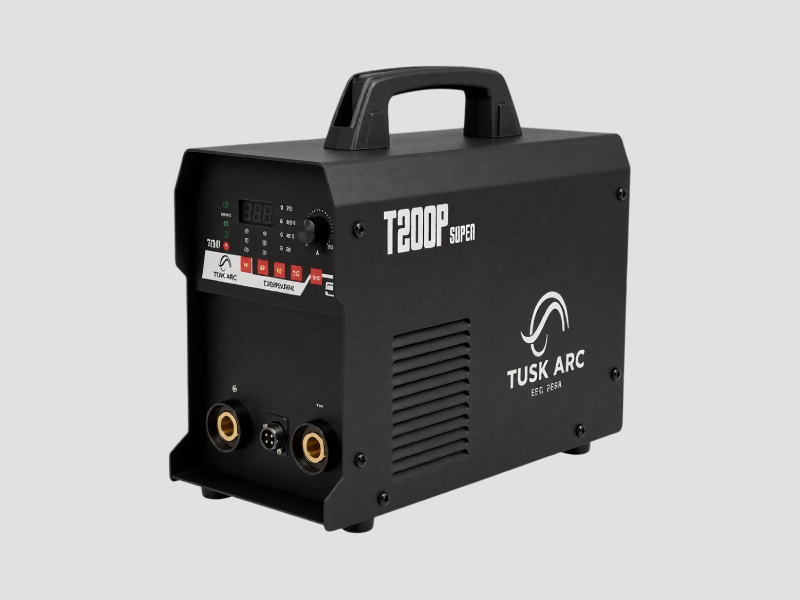
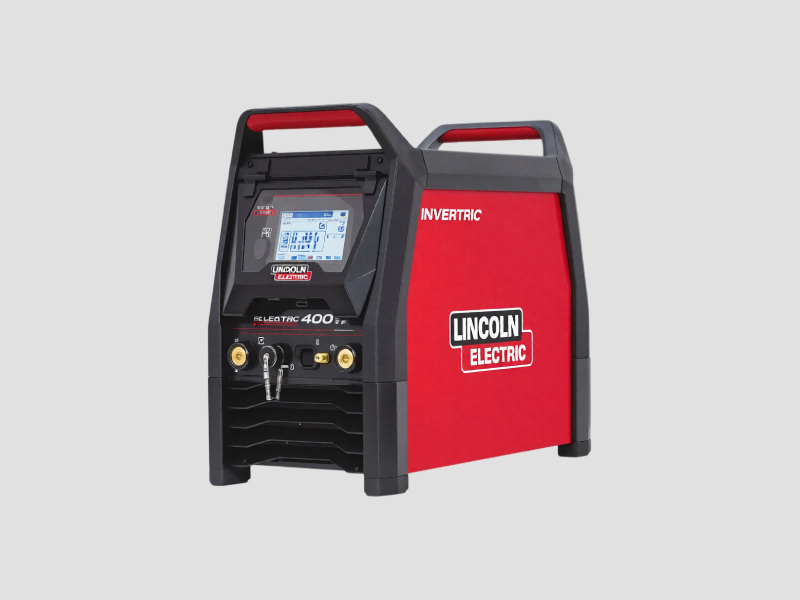
Key Features and Specifications
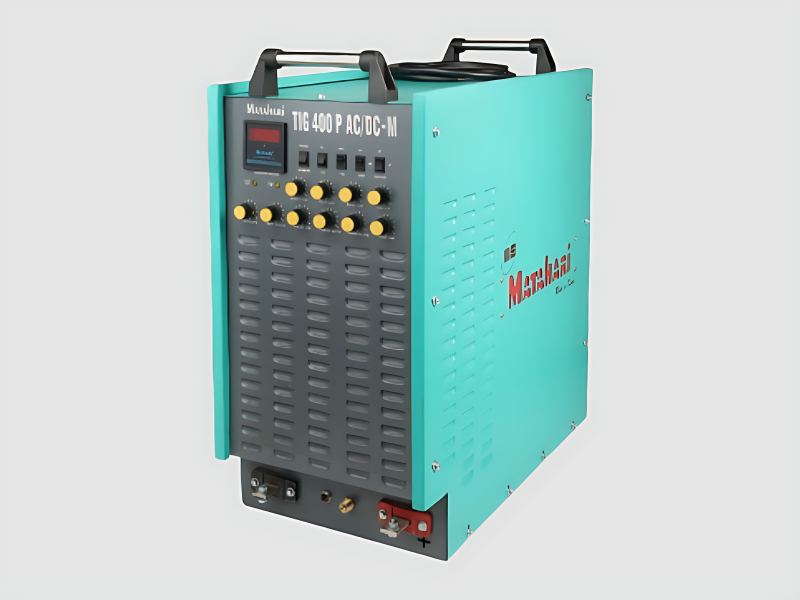
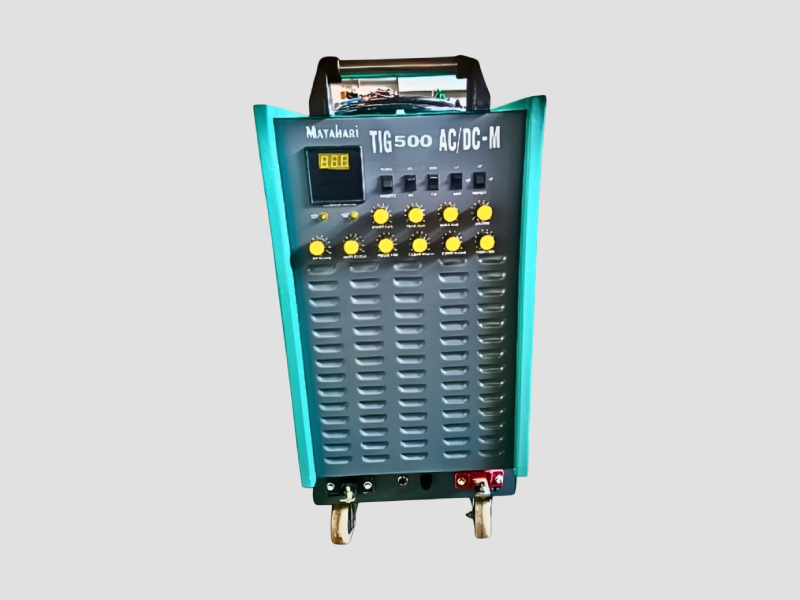
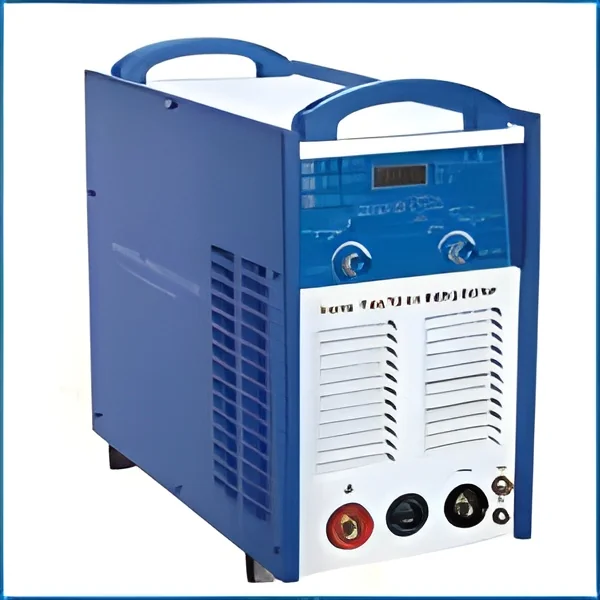
TIG welding machines come equipped with several features that enhance their usability and efficiency. Understanding these specifications is crucial for selecting the right machine for specific applications.
Key specifications include:
1. Power Input
- Typically ranges from 110V to 480V depending on the model.
- AC/DC capability allows for versatility in welding various materials.
2. Output Current Range
- Usually varies from 5A to 300A.
- A wider range accommodates different thicknesses of materials.
3. Duty Cycle
- Often ranges from 60% to 100%.
- Indicates how long the machine can operate before needing to cool down.
4. Weight
- Machines can weigh between 25 lbs to over 200 lbs.
- Portability may influence choice based on work environment.
5. Cooling System
- Air-cooled or water-cooled options are available.
- Cooling systems affect performance during prolonged use.
6. Control Features
- Includes options for foot pedals or hand-held controls.
- Advanced models may have digital displays for precise settings.
7. Welding Thickness Capability
- Generally ranges from 0.5 mm to 12 mm.
- Essential for determining the types of jobs the machine can handle.
8. Certification
- Many models are CE certified, ensuring compliance with safety standards.
In summary, understanding these key features and specifications helps businesses make informed decisions when selecting TIG welding machines for their specific needs.
Common Applications and Use Cases
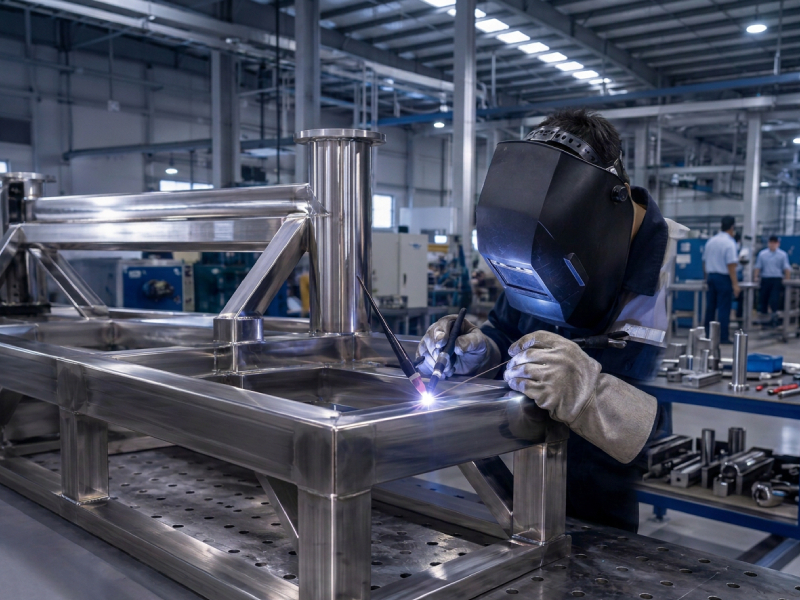
TIG welding machines serve various industries, each with specific applications that leverage the unique capabilities of the technology.
1. Aerospace: TIG welding is critical for creating strong yet lightweight structures. It is used extensively in aircraft fabrication and repair, ensuring the safety and integrity of aircraft components.
2. Automotive: In automotive manufacturing, TIG welding is used for high-strength applications such as exhaust systems and chassis components. Its precision helps maintain the quality of vehicle parts.
3. Construction: TIG welding is applied in the construction of metal structures and frameworks, providing durable joints that withstand heavy loads and environmental conditions.
4. Marine: In shipbuilding and repair, TIG welding is essential for working with stainless steel and aluminum. It ensures high corrosion resistance in marine environments.
5. Artistic Metalwork: Artists and fabricators use TIG welding for creating intricate metal sculptures and decorative pieces, benefiting from the control and finesse that TIG provides.
6. HVAC Industry: In heating, ventilation, and air conditioning systems, TIG welding is used to join copper and aluminum materials, ensuring leak-proof connections.
7. Manufacturing: Many industrial manufacturers rely on TIG welding for producing components that require high strength and precision, such as medical devices and machinery parts.
Product Variants and Subcategories
TIG welding machines come in a variety of models tailored to different needs and applications.
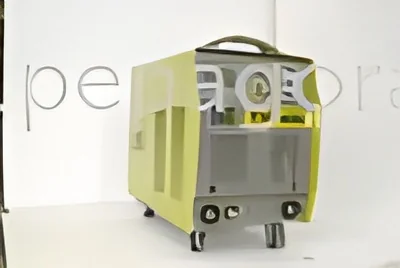
Portable TIG Welding Machines: These lightweight and compact models are designed for easy transport, making them ideal for on-site repairs and small projects. They often feature a simple interface for quick setup and operation.
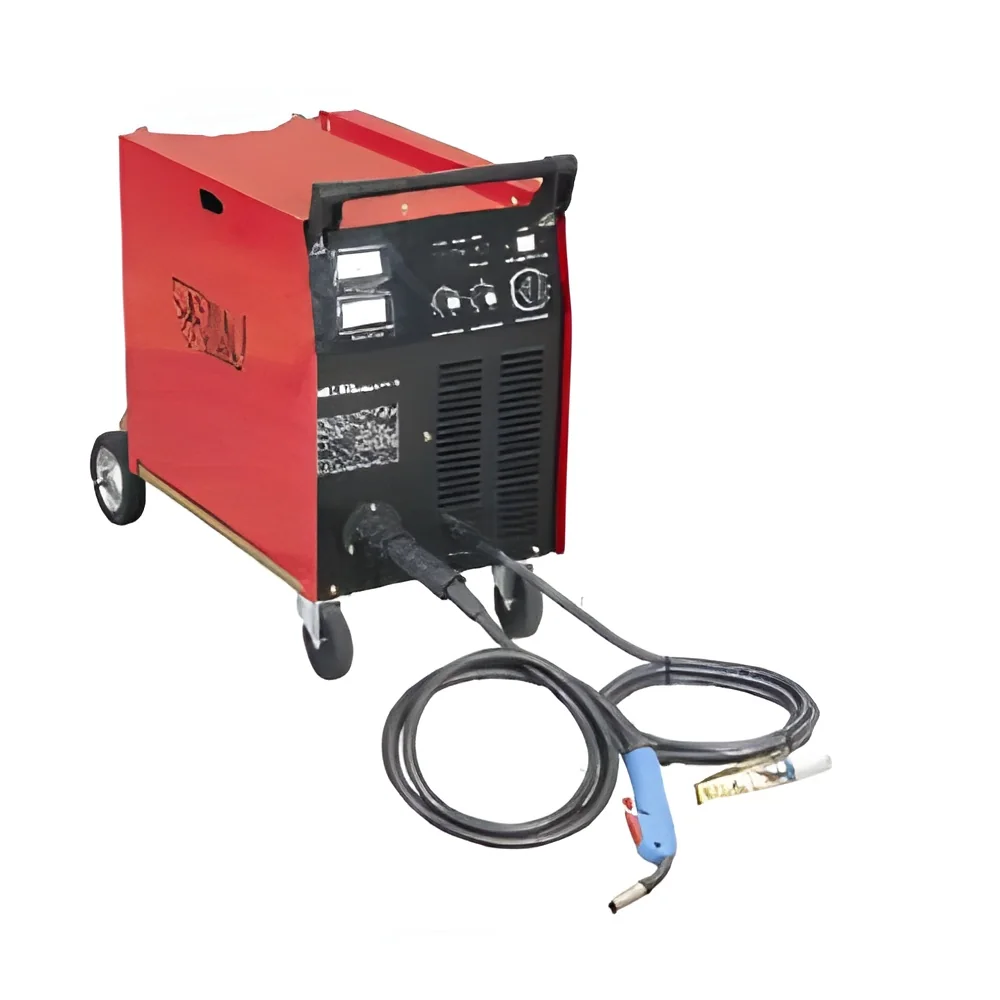
Multi-Process Welding Machines: These versatile machines can perform TIG welding along with other processes such as MIG and stick welding. This flexibility makes them suitable for workshops that handle various types of welding tasks.
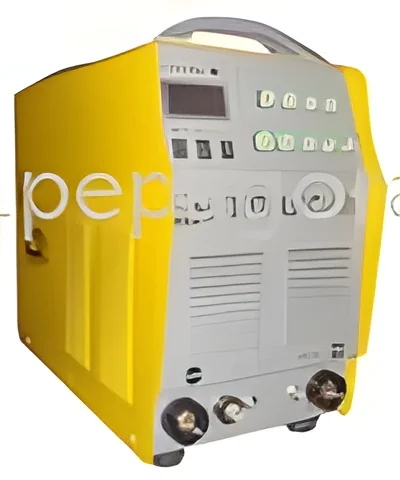
Industrial TIG Welding Machines: Built for heavy-duty applications, these machines offer high output and advanced features. They are ideal for manufacturing environments where performance and durability are critical.
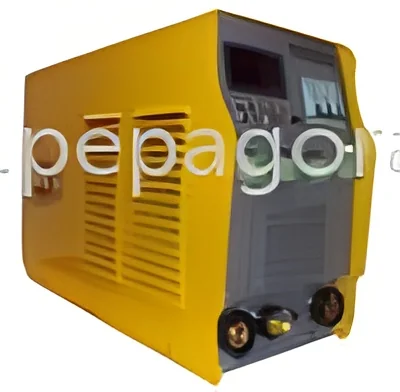
Inverter TIG Welding Machines: Utilizing inverter technology, these machines are more energy-efficient and provide better control over the welding process. They are suitable for both professional and hobbyist welders.
Benefits and Advantages
Investing in TIG welding machines offers numerous benefits to businesses seeking high-quality welding solutions.
1. Precision: TIG welding allows for accurate control over the welding process, resulting in clean, high-quality welds. This precision minimizes defects and rework.
2. Versatility: The ability to switch between AC and DC modes enables welding of various materials, from aluminum to stainless steel, making these machines suitable for a wide range of applications.
3. Minimal Contamination: The process uses an inert gas shield, which helps to prevent oxidation and contamination of the weld area, contributing to stronger joints.
4. Aesthetic Appeal: TIG welding produces visually appealing welds, making it ideal for applications where appearance matters, such as artistic metalwork and visible structural welds.
5. Reduced Heat Affected Zone: The concentrated heat of TIG welding results in a smaller heat-affected zone, reducing warping and distortion in the base materials.
6. Lower Operating Costs: While initial investments may be higher, the efficiency and quality of TIG welding can lead to lower costs in terms of material waste and rework.
Buying Guide for B2B Buyers
When sourcing TIG welding machines (AC/DC), several factors should be considered to ensure the right choice for your business needs.
1. Quality Assessment: Evaluate the build quality and reliability of the machines. Look for models that meet industry standards to ensure longevity and performance.
2. Supplier Verification: Vet suppliers thoroughly. Check for customer reviews, industry reputation, and certifications to ensure you are dealing with a reputable source.
3. Pricing and MOQ: Understand the pricing structure, including any minimum order quantities. Compare prices among suppliers to find the best value for your investment.
4. Delivery and Lead Times: Assess lead times for delivery. Consider how quickly you need the machines and ensure that suppliers can meet your timelines.
5. Compliance Requirements: Be aware of any regulatory compliance requirements specific to your industry. Ensure that the machines meet local and international safety standards.
Compliance and Certifications
TIG welding machines must adhere to various compliance standards to ensure safety and reliability. One of the key quality standards is ISO 9001, which focuses on quality management systems. Compliance with this standard indicates that the manufacturer maintains high-quality processes throughout production.
Additionally, many TIG welding machines are CE certified, ensuring they meet European safety, health, and environmental protection requirements. This certification is crucial for buyers in regions where compliance with CE marking is mandatory.
Safety and testing requirements play a significant role in the manufacturing of TIG welding machines. These machines should undergo rigorous testing to ensure they operate safely under various conditions.
Regional compliance considerations may vary depending on the market. Buyers should familiarize themselves with specific regulations that apply to their area to avoid any legal or safety issues.
Why Source TIG Welding Machines (AC/DC) from Pepagora?
Pepagora provides a trusted platform for sourcing TIG welding machines (AC/DC) with several key advantages.
Verified Supplier Network: Pepagora has established a robust network of verified suppliers, ensuring that businesses can find reliable manufacturers of high-quality welding machines. This network reduces the risk of sourcing from unverified or low-quality suppliers.
Streamlined RFQ Process: The request for quotation (RFQ) process on Pepagora is designed to simplify the procurement journey. Buyers can easily submit their requirements and receive competitive quotes from multiple suppliers, making it easier to compare options.
Trade Assurance and Support: Pepagora offers trade assurance, providing buyers with protection during the purchasing process. This support helps to foster trust and confidence in transactions.
Regional Coverage: With a focus on markets in India, the GCC, and Southeast Asia, Pepagora ensures that businesses in these regions can access a wide range of TIG welding machines tailored to their specific needs. This geographic reach enhances the platform's value for B2B buyers seeking local suppliers.

 IN
IN