IN
IN₹
Apparel & Fashion
Description
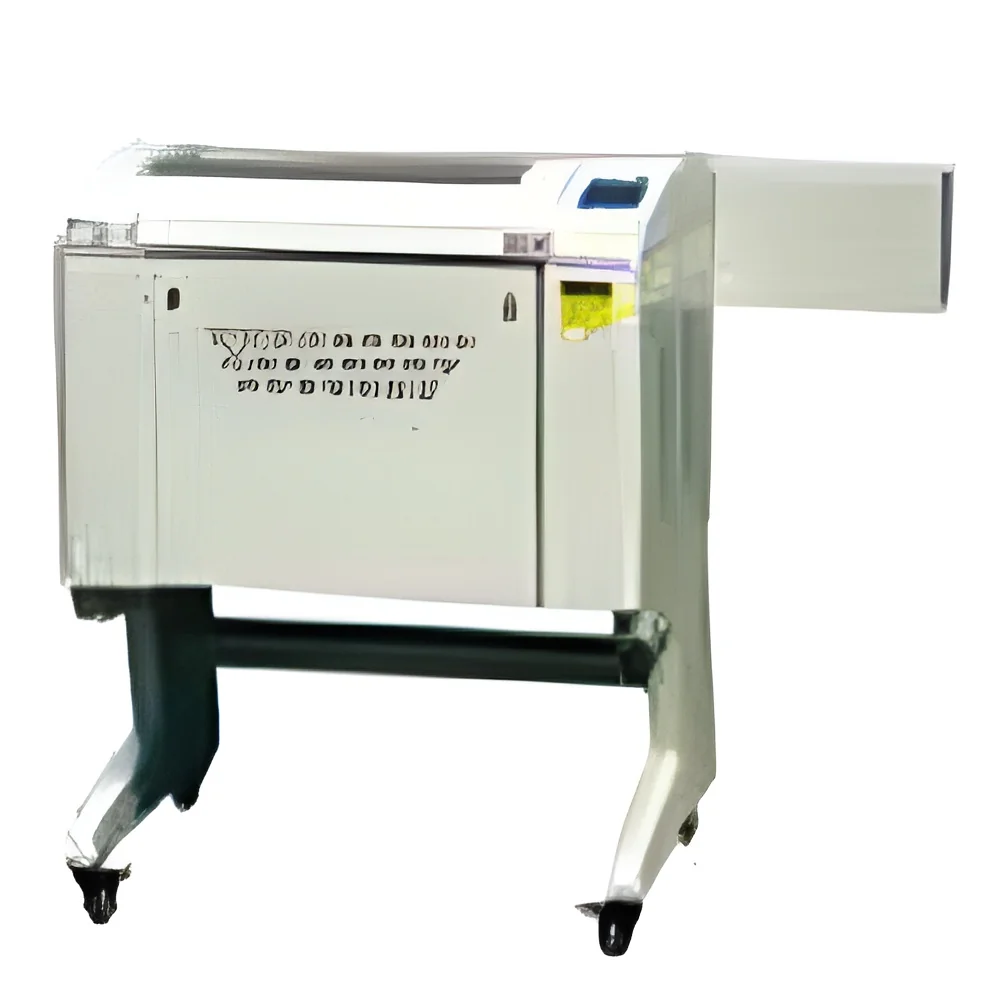
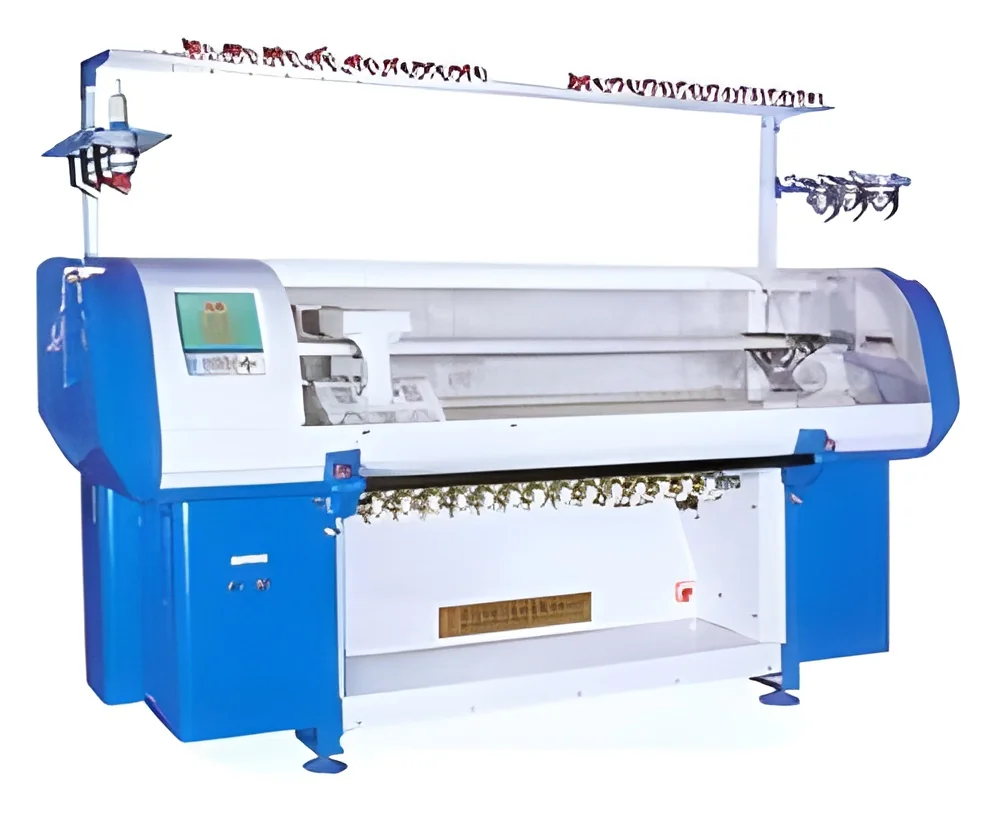
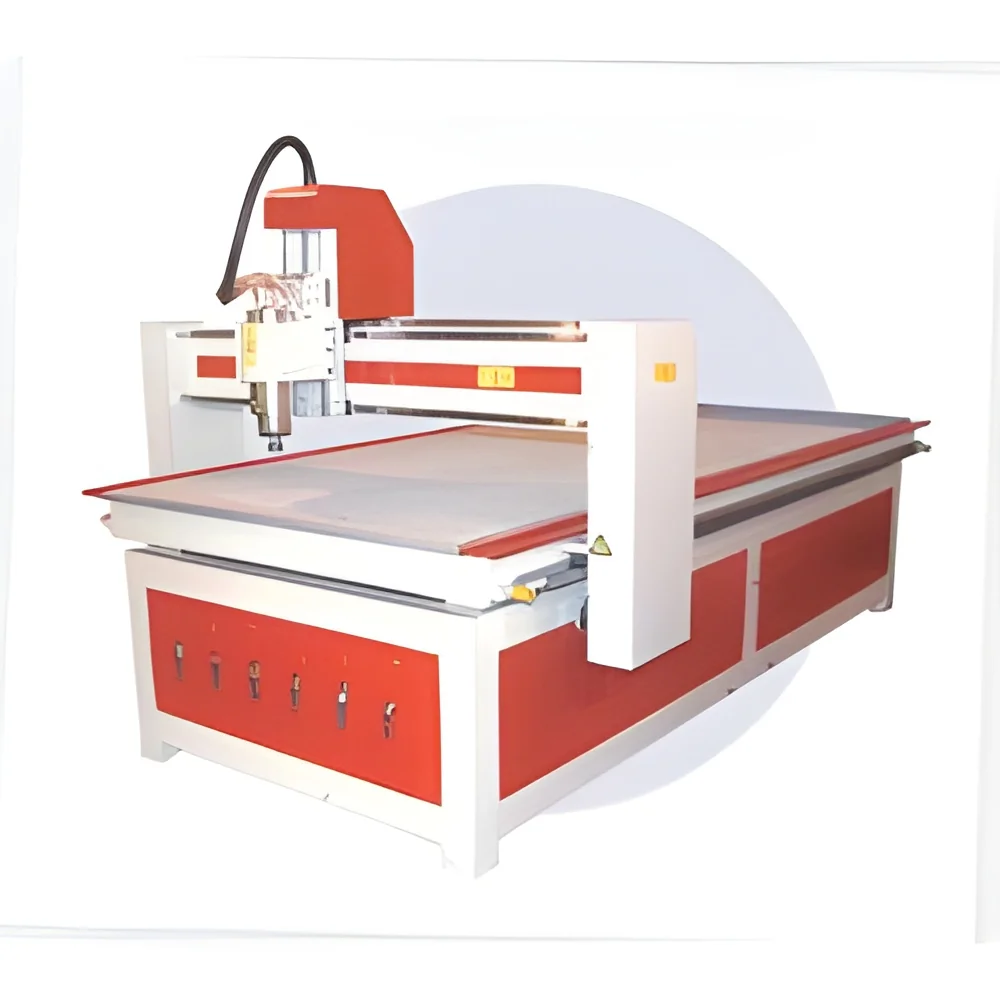
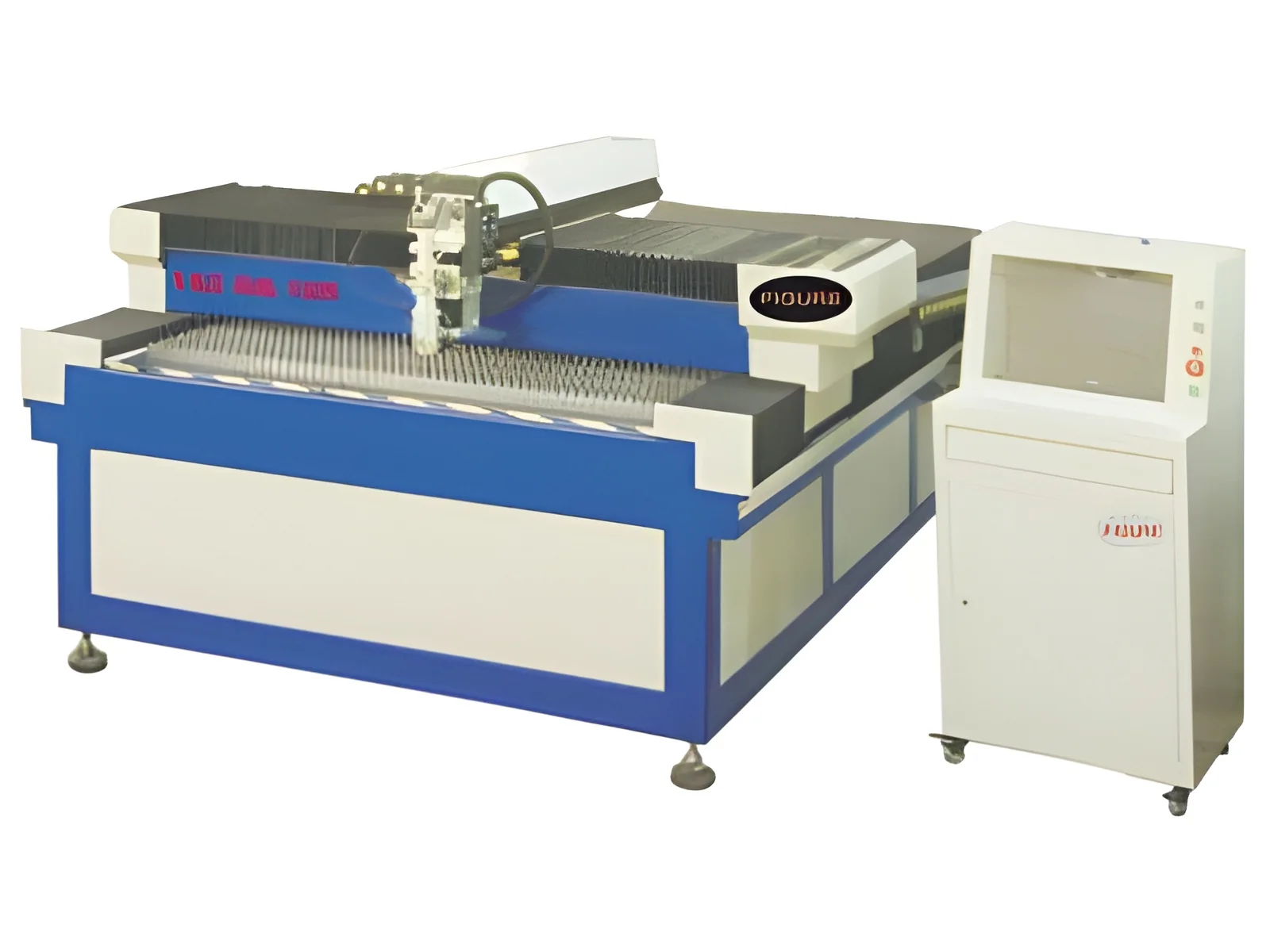
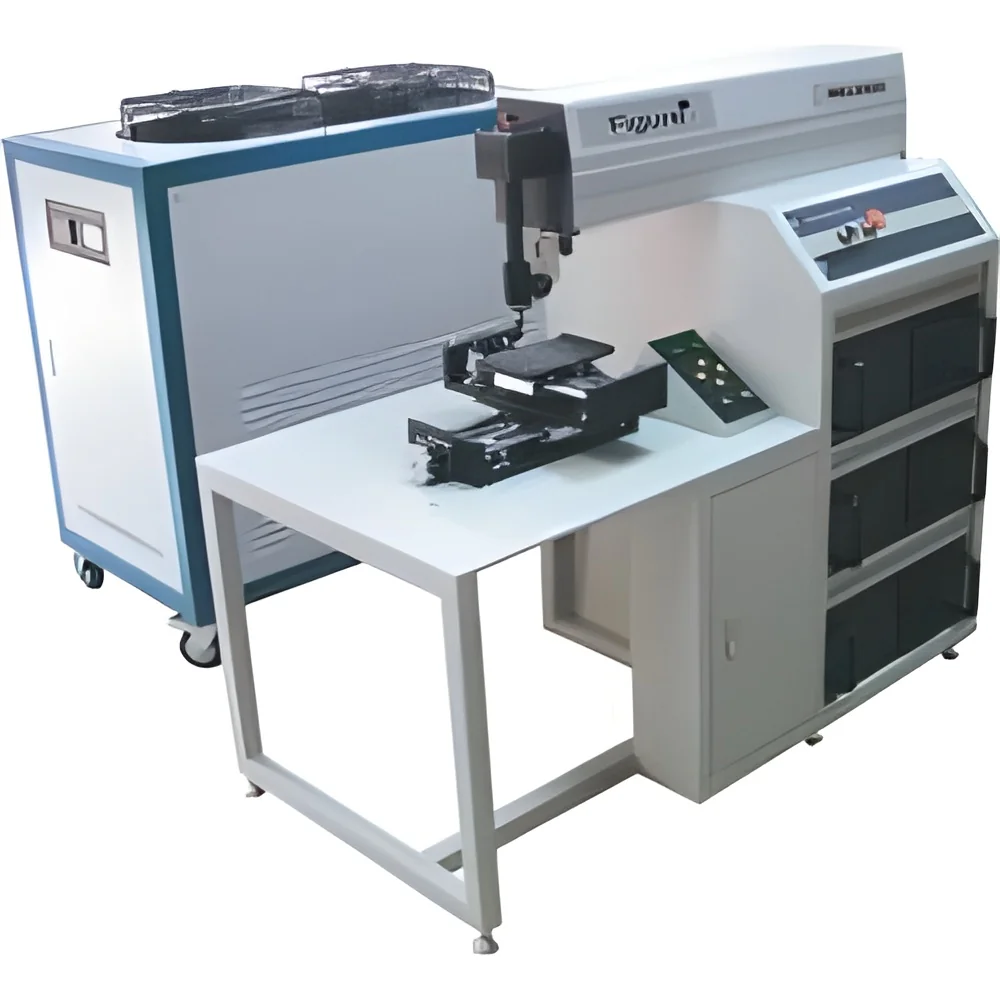
The Industrial High Precision Laser Welding Machine represents advanced joining technology for demanding manufacturing environments. Utilizing focused laser energy, this equipment creates superior welds with exceptional accuracy and minimal heat input. The process significantly reduces thermal distortion while maintaining material properties and structural integrity. Unlike conventional welding methods, laser technology enables precise control over weld depth and width, making it ideal for complex components and delicate assemblies. The automated systems ensure consistent performance with reduced operator dependency, while the robust construction guarantees long-term reliability in industrial settings. This technology supports various materials including stainless steel, aluminum, titanium, and specialized alloys, providing manufacturers with versatile joining capabilities.

Multiple industries leverage this laser welding technology for critical manufacturing processes. Automotive manu...
The Industrial High Precision Laser Welding Machine represents advanced joining technology for demanding manufacturing environments. Utilizing focused laser energy, this equipment creates superior welds with exceptional accuracy and minimal heat input. The process significantly reduces thermal distortion while maintaining material properties and structural integrity. Unlike conventional welding methods, laser technology enables precise control over weld depth and width, making it ideal for complex components and delicate assemblies. The automated systems ensure consistent performance with reduced operator dependency, while the robust construction guarantees long-term reliability in industrial settings. This technology supports various materials including stainless steel, aluminum, titanium, and specialized alloys, providing manufacturers with versatile joining capabilities.

Multiple industries leverage this laser welding technology for critical manufacturing processes. Automotive manufacturers utilize it for electric vehicle battery assembly, powertrain components, and lightweight body structures where precision and strength are paramount. Aerospace companies benefit from the ability to join thin materials and heat-sensitive alloys without compromising structural integrity. Medical device manufacturers rely on the sterile, precise joins for implants and surgical instruments requiring absolute reliability. Electronics producers apply this technology to micro-welding tasks on circuit boards, sensors, and miniature components. The equipment also serves heavy machinery, energy sector equipment, and specialized tool manufacturing where quality and precision determine product performance.

Investing in this laser welding technology delivers substantial business value through enhanced product quality and manufacturing efficiency. The high-speed operation increases production throughput while maintaining consistent quality standards, reducing rework and material waste. The non-contact process extends tool life and minimizes maintenance requirements compared to traditional welding methods. Advanced control systems monitor weld quality in real-time, ensuring reliability and reducing quality control costs. Manufacturers gain capability to handle complex designs and advanced materials, positioning them competitively in markets demanding high precision. The technology supports industry trends toward miniaturization and lightweight materials, future-proofing manufacturing operations.

Key Features:
- High-precision laser beam delivery for accurate weld placement and control
- Minimal heat input technology reduces distortion and preserves material properties
- Compatibility with various materials including metals, alloys, and specialized composites
- Automated operation systems ensure consistent weld quality and production repeatability
- Robust industrial construction designed for reliable performance in manufacturing environments

Benefits:
- Superior weld quality with minimal thermal distortion and material damage
- Increased production efficiency through high-speed automated operation
- Reduced material waste and rework costs through precise energy control
- Enhanced capability for complex geometries and delicate component joining
- Long-term reliability with minimal maintenance requirements and consistent performance
Specifications
| Additional Information | |
|---|---|
| Country of Origin | India |
Application
This high-precision laser welding machine excels in applications demanding exceptional accuracy and minimal thermal impact. Industries requiring flawless joins on delicate components and heat-sensitive materials benefit from its controlled energy delivery and automated operation. The technology maintains material integrity while creating strong, consistent welds across various metals and alloys.
Manufacturers across multiple sectors utilize this equipment for critical joining operations. From automotive battery tabs to aerospace turbine components, the machine handles complex geometries with repeatable precision. Medical device producers rely on it for sterile implant manufacturing, while electronics companies achieve perfect micro-connections on circuit boards and sensors.
- Automotive: Electric vehicle battery tab welding, exhaust system components, and precision body panel joins
- Aerospace: Turbine blade assembly, engine component fabrication, and lightweight structural part manufacturing
- Medical: Surgical instrument production, dental implant manufacturing, and medical device housing assembly
- Electronics: Circuit board micro-connections, sensor assembly, and precision electronic component joining
- Industrial: Precision tool manufacturing, machinery component repair, and custom part fabrication
Trade Details
| Available Stock | In Stock |
| Sample Availability | No |
Payment Terms
| Payment Terms |
|
Company Profile
Arushi Consultancy & Engineering Services, Punjab
 Punjab, India
Punjab, IndiaIndustrial Equipment & Machinery•Manufacturer•Importer / Exporter
Factory Details
Factory SizeBelow 1000 sqm
Annual Production Capacity0
Main Markets
Northern Europe
Mid East
Southern Europe
Africa
Industrial High Precision Laser Welding Machine For Automotive Aerospace Electronics
Industrial High Precision Laser Welding Machine delivers clean, strong welds with minimal heat distortion for automotive, aerospace, electronics, and medical manufacturing applications requiring superior accuracy and reliability.
Min. Order Quantity: 1 unit
Shipping
Shipping fee and delivery date to be negotiated. Contact supplier now for more details.
Arushi Consultancy & Engineering Services
 Punjab, India
Punjab, IndiaIndustrial Equipment & MachineryManufacturer