What are Welding Torches & Guns?
Welding torches and guns are essential tools used in various welding processes to apply heat and fuse materials together. These devices function by directing a concentrated flame or arc at the welding material to melt it, facilitating a strong bond upon cooling. Welding torches typically use gas, while welding guns are often associated with electric arc welding techniques. Both tools are designed to provide precision and control, making them indispensable in industrial settings.
These tools find primary applications in industries such as construction, manufacturing, automotive, and shipbuilding. Businesses rely on welding torches and guns for tasks ranging from metal fabrication to repair work. The quality and efficiency of these tools can significantly impact production timelines and the durability of welded joints. As the demand for robust welding solutions continues to grow, manufacturers are integrating advanced technologies to enhance performance and safety.
The welding equipment market is characterized by rapid innovations and a growing focus on sustainability. Industries are increasingly seeking eco-friendly options that reduce emissions and improve energy efficiency. The competitive landscape includes numerous suppliers who offer a range of products tailored to specific welding requirements, underscoring the importance of selecting the right tools for optimal results.
Key Features and Specifications
Welding torches and guns come with a variety of features that cater to different applications. Understanding these specifications is crucial for selecting the right equipment for your business needs.
Key specifications include:
1. Power Source
- Welding torches typically operate on gas while welding guns use electricity.
- Voltage levels for electric welding guns can vary, affecting performance.
2. Temperature Range
- The temperature range is vital for different welding applications.
- Specific temperature data is not available, but devices are designed to reach high temperatures for effective welding.
3. Weight and Portability
- The weight of the torch or gun influences ease of use and maneuverability.
- Lightweight models are preferred for precision work.
4. Nozzle Size
- The size of the nozzle affects the heat concentration and control during welding.
- Different sizes are available for various welding techniques.
5. Ergonomics
- The design should provide comfort and reduce strain during prolonged use.
- Ergonomic features may include grip design and adjustable handles.
6. Cooling Mechanism
- Efficient cooling mechanisms help prevent overheating during extended use.
- Some models incorporate air or water cooling systems.
7. Safety Features
- Safety features such as automatic shut-off enhance user protection.
- Integrated safety valves are common in gas-operated torches.
8. Compatibility with Accessories
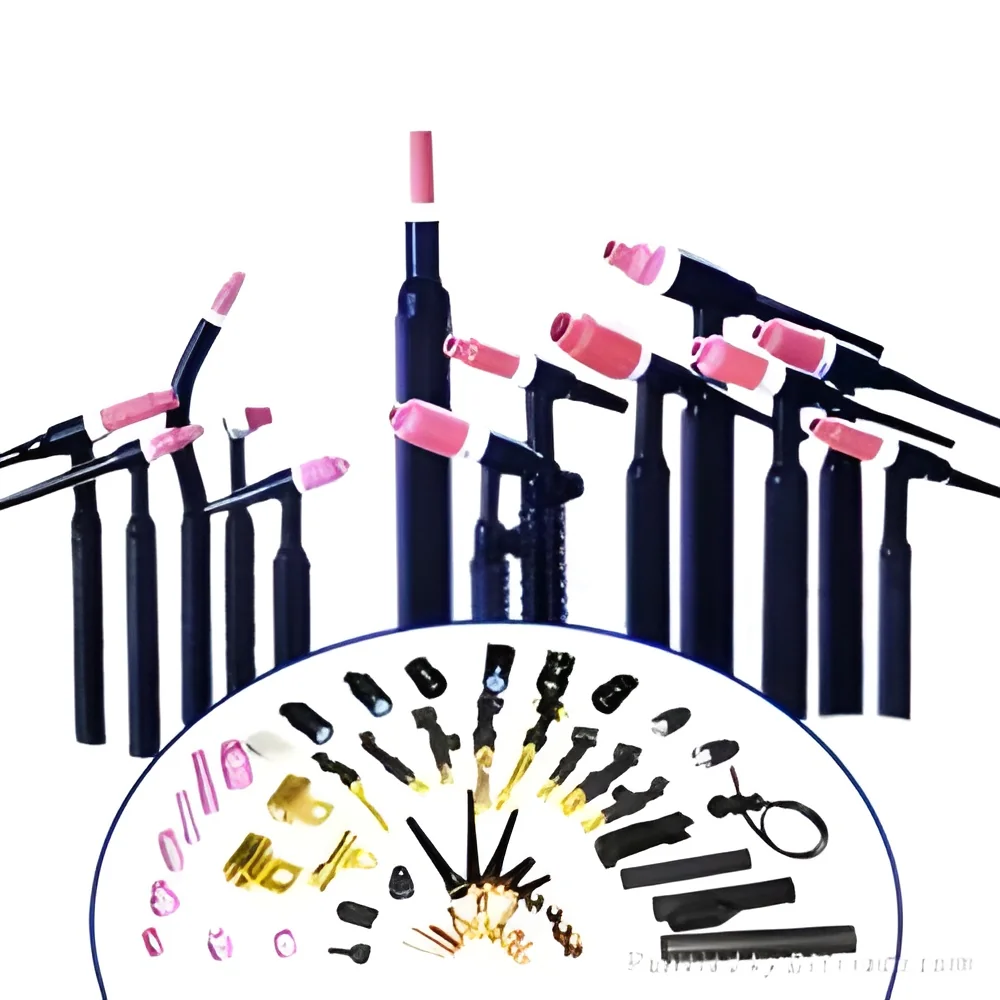
- Many welding guns and torches are compatible with various accessories and attachments.
- This versatility allows for customization based on specific tasks.
In summary, understanding these features and specifications is essential for making informed purchasing decisions. Selecting the right welding torch or gun can lead to improved performance and safety in various applications.
Common Applications and Use Cases
Welding torches and guns are utilized across multiple industries, each requiring specific features and capabilities.
1. Automotive Industry: Welding tools are crucial in manufacturing vehicles, including assembling body parts and repairing frames.
2. Construction: These tools are employed in building structures, particularly for joining metal supports and frameworks.
3. Shipbuilding: Welding torches and guns are used to create strong, watertight joints in ships and marine vessels.
4. Aerospace: Precision welding is required for aircraft components, ensuring safety and performance.
5. Manufacturing: Various products, from machinery to consumer goods, rely on effective welding for assembly and quality.
6. Oil and Gas: Welding equipment is essential for constructing pipelines and other infrastructure in this industry.
7. Metal Fabrication: Custom metal products often require specialized welding techniques, making torches and guns indispensable.
Product Variants and Subcategories
Welding torches and guns come in various designs to meet specific needs. Understanding these variants helps businesses choose the right tool for their applications.
Gas Welding Torch: This variant uses a mixture of gases to create a flame for welding. It is ideal for tasks requiring portability and flexibility.
MIG Welding Gun: Designed for Metal Inert Gas welding, this gun feeds filler wire automatically. It is popular for its speed and efficiency in metal fabrication.
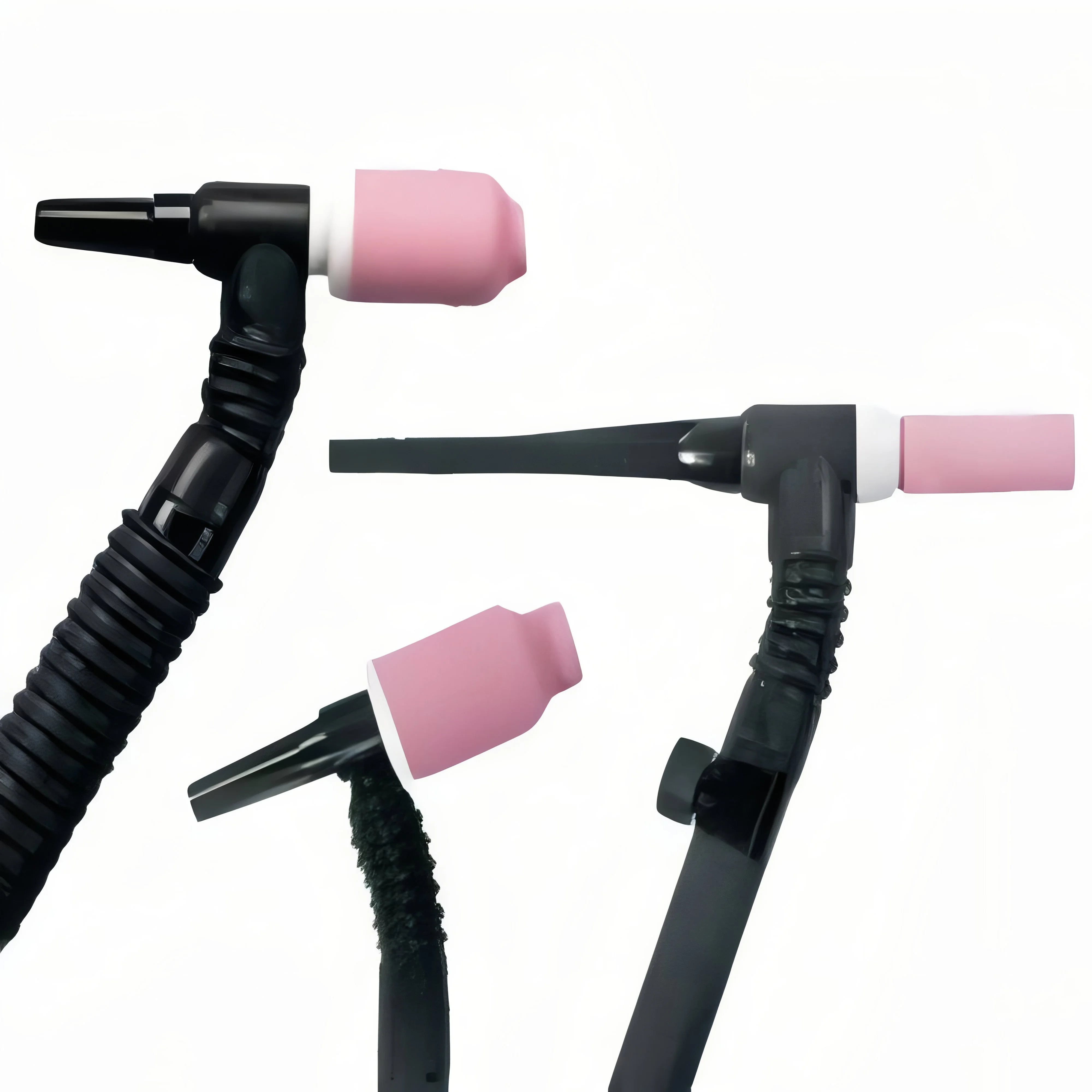
TIG Welding Torch: This torch is used for Tungsten Inert Gas welding, providing high precision for thin materials and intricate work.
Plasma Cutting Torch: Although primarily for cutting, this tool can also be used for welding applications, offering versatility in metalworking.
Benefits and Advantages
Welding torches and guns provide numerous benefits that can enhance productivity and quality in various industries.
1. Precision Control: These tools allow for accurate heat application, resulting in high-quality welds and reduced material waste.
2. Versatility: They can be used in a wide range of applications, from automotive repairs to industrial manufacturing.
3. Efficiency: Advanced models feature designs that streamline the welding process, saving time and labor costs.
4. Safety Features: Many units are equipped with safety mechanisms to protect users during operation, reducing the risk of accidents.
5. Durability: High-quality welding torches and guns are built to withstand rigorous use, providing long-term value.
6. Customization: Various attachments and accessories are available, allowing users to adapt tools to specific tasks.
Buying Guide for B2B Buyers
When sourcing welding torches and guns, it is essential to consider several factors to ensure you make a sound investment.
1. Quality Assessment: Evaluate the quality of the welding equipment by reviewing material specifications and manufacturer reputation. Look for products that meet industry standards.
2. Supplier Verification: Vet suppliers to ensure they are reliable and offer genuine products. Check for customer reviews and certifications.
3. Pricing and MOQ: Understand the pricing structure and minimum order quantities to ensure they align with your budget and needs.
4. Delivery and Lead Times: Inquire about delivery schedules and lead times to ensure timely receipt of equipment for your projects.
5. Compliance Requirements: Ensure that the welding tools meet relevant regulations and safety standards applicable in your industry.
Compliance and Certifications
Compliance with industry standards and certifications is critical for welding torches and guns. These tools often adhere to quality standards such as ISO 9001, ensuring consistent product quality and reliability.
Industry certifications like CE mark indicate that the products meet European safety, health, and environmental protection standards. Safety and testing requirements are also crucial, as they help mitigate risks associated with welding processes.
Regional compliance considerations may vary, so it is important to be aware of specific regulations that apply to your area and industry. Ensuring that your welding equipment meets these standards can help avoid legal issues and enhance workplace safety.
Why Source Welding Torches & Guns from Pepagora?
Pepagora provides a trusted platform for sourcing welding torches and guns with several key advantages.
Verified Supplier Network: Pepagora has a rigorous vetting process for suppliers, ensuring that you receive high-quality welding tools from reputable manufacturers. This reduces the risk of purchasing inferior products.
Streamlined RFQ Process: The platform offers an efficient request for quotation (RFQ) process, allowing buyers to quickly compare quotes from multiple suppliers. This ensures competitive pricing and better purchasing decisions.
Trade Assurance and Support: Pepagora prioritizes buyer protection through trade assurance, providing support throughout the purchasing process. This instills confidence in your transactions.
Regional Coverage: Pepagora's geographical reach includes India, the GCC, and Southeast Asia, making it easier for businesses to source welding equipment tailored to their regional needs. This broad coverage ensures access to diverse suppliers and products.

 IN
IN