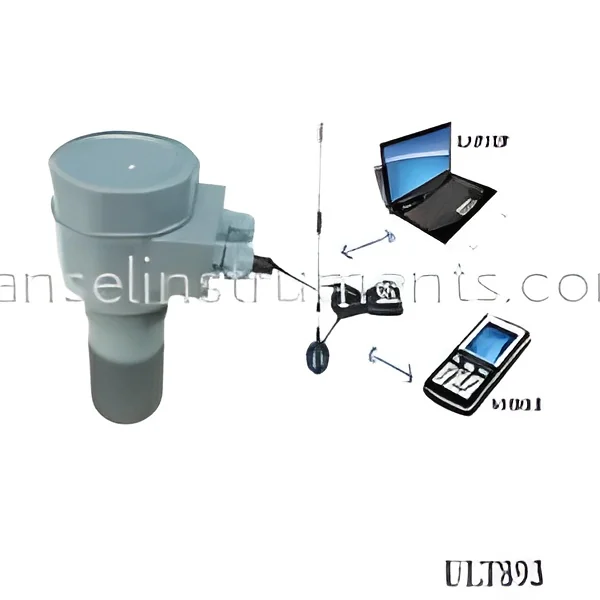
What are Ultrasonic Flaw Detectors?
Ultrasonic flaw detectors are advanced testing instruments that use high-frequency sound waves to identify flaws or defects in materials. These devices emit ultrasonic waves that penetrate the material being tested. When these waves encounter a flaw, such as a crack or void, they are reflected back to the detector, providing crucial information about the integrity of the material. This non-destructive testing method is essential for ensuring the safety and reliability of various industrial components.
These detectors are primarily used in industries such as manufacturing, aerospace, automotive, and construction. They help in assessing the structural integrity of materials and components, ensuring they meet safety standards. Ultrasonic flaw detectors are invaluable for routine maintenance and quality control processes in these sectors, allowing businesses to prevent costly failures and ensure compliance with regulatory standards. The growing emphasis on safety and quality assurance in manufacturing processes has led to an increased demand for these testing devices in the market.
Key Features and Specifications
Ultrasonic flaw detectors come equipped with a range of features designed to enhance their performance and usability. These features significantly impact their effectiveness in detecting flaws in various materials.
Key specifications include:
1. Frequency Range
- The frequency range of ultrasonic flaw detectors typically spans from 0.5 MHz to 15 MHz.
- Higher frequencies allow for the detection of smaller flaws but may have reduced penetration depth.
2. Display Type
- Many detectors feature digital displays that provide clear visual feedback.
- Some models may include graphical representations of the detected flaws for easier interpretation.
3. Measurement Modes
- Detectors often offer multiple measurement modes, including A-scan, B-scan, and C-scan.
- These modes enable users to analyze the data in different dimensions, enhancing flaw detection capabilities.
4. Data Storage Capacity
- Many modern ultrasonic flaw detectors have built-in memory for storing test results.
- This feature allows for easy data retrieval and analysis later.
5. Battery Life
- Extended battery life is a common feature, with some models lasting up to 10 hours on a single charge.
- Long battery life is essential for field operations where power sources may not be readily available.
6. IP Rating
- Many ultrasonic flaw detectors have an ingress protection (IP) rating, indicating their resistance to dust and moisture.
- This is crucial for use in various environmental conditions.
7. Weight and Portability
- Lightweight designs facilitate ease of handling and transportation.
- Portability is a significant advantage for field inspections.
In summary, the comprehensive features and specifications of ultrasonic flaw detectors make them essential tools for industries that prioritize quality and safety.
Common Applications and Use Cases
Ultrasonic flaw detectors serve a wide array of industries, each benefiting from their ability to detect flaws in materials.
1. Aerospace: In the aerospace industry, ultrasonic flaw detectors are used for inspecting aircraft components, ensuring they meet stringent safety standards. This includes testing fuselage structures and engine parts for any defects.
2. Automotive: In automotive manufacturing, these detectors help in quality control processes by examining welds and castings. They ensure that critical components are free from flaws that could lead to failures.
3. Construction: Construction companies utilize ultrasonic testing to assess the integrity of concrete structures and steel reinforcements. This helps in maintaining safety and compliance during building projects.
4. Oil and Gas: The oil and gas sector employs ultrasonic flaw detectors for pipeline inspections. They help in identifying potential leaks or structural weaknesses that could pose safety risks.
5. Manufacturing: In various manufacturing processes, ultrasonic testing is used to monitor the quality of produced goods. This includes checking the integrity of metal parts and ensuring they are free from defects.
6. Power Generation: Ultrasonic flaw detectors are also used in power plants to inspect critical components such as turbines and heat exchangers, ensuring operational safety and efficiency.
7. Railways: In railway maintenance, these devices are employed to inspect tracks and train components, helping to prevent accidents caused by material failures.
Product Variants and Subcategories
While the specific subcategories of ultrasonic flaw detectors are not available, the product line offers diversity in functionality and application.
Portable Ultrasonic Flaw Detector: This variant is designed for field use, featuring a compact and lightweight design. It typically includes rechargeable batteries and a rugged casing for durability. It is ideal for on-site inspections and maintenance in various industries.
Ultrasonic Thickness Gauge: This specialized variant focuses on measuring material thickness, which is crucial for assessing corrosion and wear in pipes and structural components. It provides precise measurements and is often used in conjunction with flaw detection.
Automated Ultrasonic Testing Systems: These systems are designed for high-volume inspections in manufacturing environments. They automate the testing process, increasing efficiency and consistency in detecting flaws.
Benefits and Advantages
Ultrasonic flaw detectors offer numerous benefits that enhance their value in industrial applications.
Key benefits include:
1. Non-Destructive Testing: Ultrasonic testing does not damage the material, allowing components to remain intact for further use.
2. High Sensitivity: These detectors can identify very small flaws, ensuring comprehensive safety assessments.
3. Versatility: Ultrasonic flaw detectors can be used on various materials, including metals, plastics, and composites, making them suitable for multiple industries.
4. Real-Time Results: Users can receive immediate feedback during inspections, enabling quick decision-making.
5. Cost-Effectiveness: By identifying defects early, businesses can prevent potential failures and reduce maintenance costs.
6. Enhanced Safety: Regular inspections using ultrasonic flaw detectors help maintain compliance with safety regulations, reducing the risk of accidents.
Buying Guide for B2B Buyers
When sourcing ultrasonic flaw detectors, several factors should be taken into consideration to ensure the right choice.
1. Quality Assessment: Look for devices that meet industry standards and come from reputable manufacturers. Check for certifications that indicate reliability and performance.
2. Supplier Verification: Vet suppliers by reviewing their history, customer feedback, and compliance with quality standards. A verified supplier will ensure the authenticity and reliability of the product.
3. Pricing and MOQ: Understand the pricing structure and minimum order quantities. Consider bulk purchasing options for better pricing but ensure that the quantity aligns with your needs.
4. Delivery and Lead Times: Inquire about delivery schedules and lead times. Timely delivery is crucial for maintaining production schedules.
5. Compliance Requirements: Ensure that the ultrasonic flaw detectors comply with relevant industry regulations and standards. This is essential for maintaining safety and operational integrity.
Compliance and Certifications
Ultrasonic flaw detectors must adhere to various compliance and certification standards to ensure their reliability and safety in industrial applications. Relevant quality standards include ISO 9001, which outlines criteria for a quality management system, ensuring that manufacturers produce consistent and high-quality products.
Industry certifications such as CE and UL indicate compliance with safety and performance standards. CE certification is essential for products marketed in Europe, while UL certification is recognized in North America for meeting safety standards.
Safety and testing requirements vary by industry but generally include rigorous testing protocols to ensure that devices can perform accurately under various conditions. Additionally, regional compliance considerations may apply, particularly for international sourcing, emphasizing the importance of selecting suppliers familiar with local regulatory landscapes.
Why Source Ultrasonic Flaw Detectors from Pepagora?
Pepagora provides a trusted platform for sourcing ultrasonic flaw detectors, offering several key advantages for B2B buyers.
Verified Supplier Network: Pepagora's extensive network of verified suppliers ensures that buyers have access to high-quality ultrasonic flaw detectors. Each supplier undergoes a thorough vetting process, providing peace of mind regarding product authenticity and reliability.
Streamlined RFQ Process: The request for quotation (RFQ) process on Pepagora is efficient and user-friendly. Buyers can easily submit their requirements and receive competitive quotes from multiple suppliers, saving time and simplifying procurement.
Trade Assurance and Support: Pepagora offers trade assurance to protect buyers throughout the purchasing process. This includes support for resolving disputes and ensuring that transactions are secure and satisfactory.
Regional Coverage: With a focus on regions such as India, GCC countries, and Southeast Asia, Pepagora offers extensive coverage, making it easier for businesses in these areas to find and source ultrasonic flaw detectors tailored to their needs. This regional focus enhances the platform's ability to connect buyers with suitable suppliers.

 IN
IN