What are Electrodes & Filler Rods?
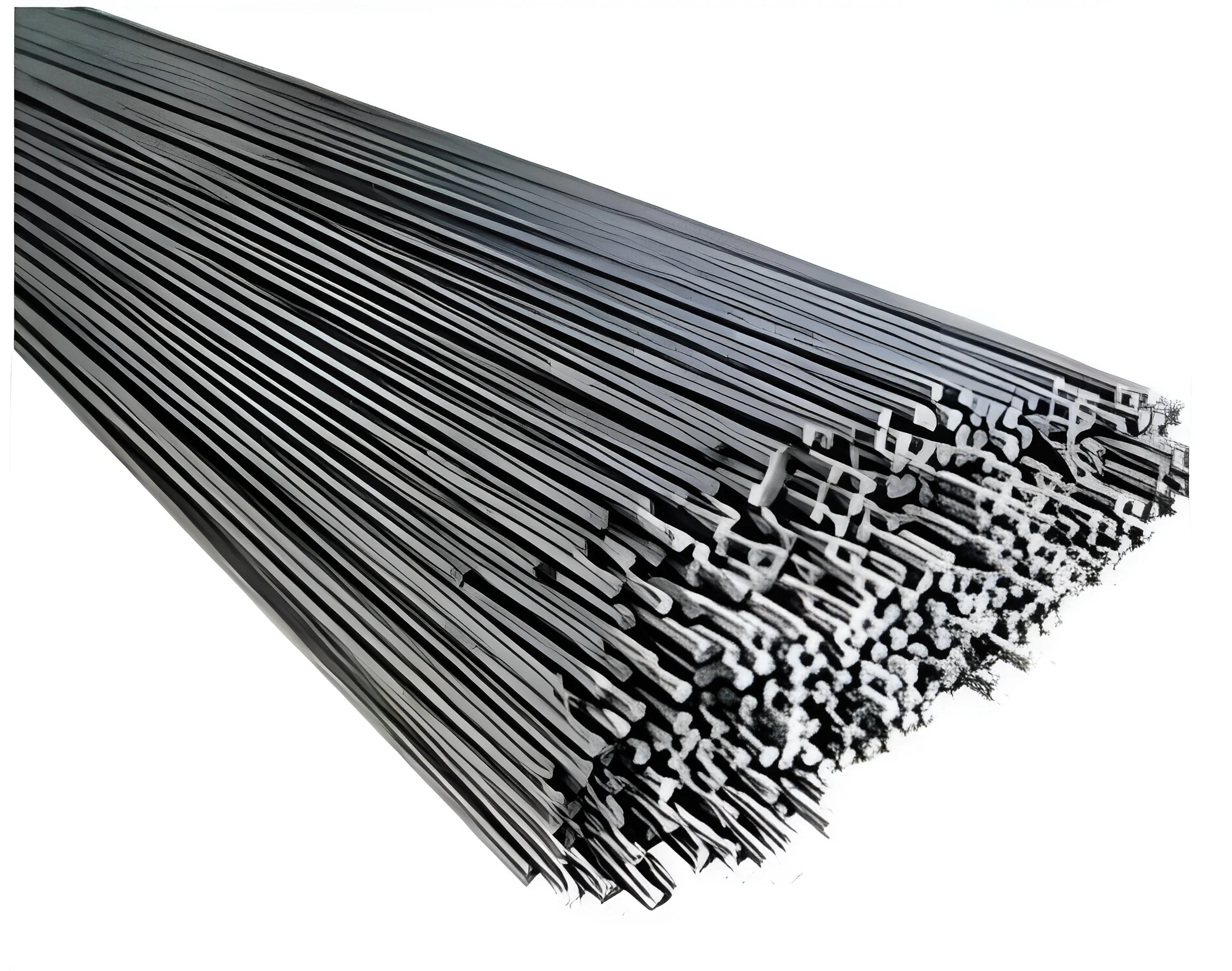
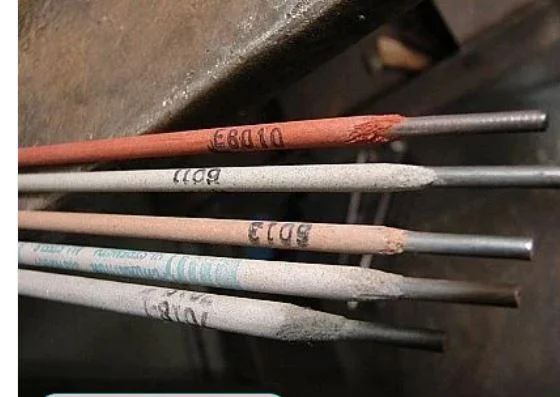
Electrodes and filler rods are essential components in various welding and metal joining processes. Electrodes are conductive materials used to carry electric current to the weld area, while filler rods provide additional material to the weld joint, ensuring strength and integrity. These products come in various forms, including coated electrodes, solid wire, and flux-cored wire, allowing for flexibility in different applications.
In industrial settings, electrodes and filler rods are primarily used for welding metals such as steel, aluminum, and stainless steel. They are crucial in manufacturing, construction, and maintenance operations, where high-strength joints are necessary. Businesses leverage these products for tasks ranging from structural welding to repair work on machinery, making them a vital part of many production processes. The market for electrodes and filler rods continues to grow as industries evolve and demand reliable welding solutions.
Key Features and Specifications
Electrodes and filler rods come equipped with a variety of features and specifications that cater to different welding requirements. Understanding these specifications is crucial for selecting the appropriate product for specific applications.
Key specifications include:
1. Material Type
- Common materials include mild steel, stainless steel, and aluminum.
- Each material type has unique properties suited for different welding applications.
2. Diameter
- Available in various diameters, typically ranging from 1.6 mm to 6.4 mm.
- Diameter affects the heat input and the strength of the weld.
3. Coating Type
- Coatings may include cellulose, rutile, or basic materials.
- The coating type influences arc stability and spatter control.
4. Current Rating
- Rated for specific current ranges, such as AC or DC.
- Ensures compatibility with the welding machine used in the process.
5. Welding Position
- Suitable for various welding positions including flat, horizontal, vertical, and overhead.
- Important for ensuring effective welding based on the work environment.
6. Tensile Strength
- Measured in megapascals (MPa), often exceeding 500 MPa.
- Indicates the strength of the weld joint produced.
7. Certifications
- Products may comply with industry standards such as CE certification.
- Compliance ensures reliability and safety in applications.
8. Packaging Options
- Available in various packaging formats, including boxes and reels.
- Packaging affects storage and usability in different work environments.
These specifications help businesses make informed decisions based on the specific needs of their projects.
Common Applications and Use Cases
Electrodes and filler rods are used in a wide range of industries, each with unique applications.
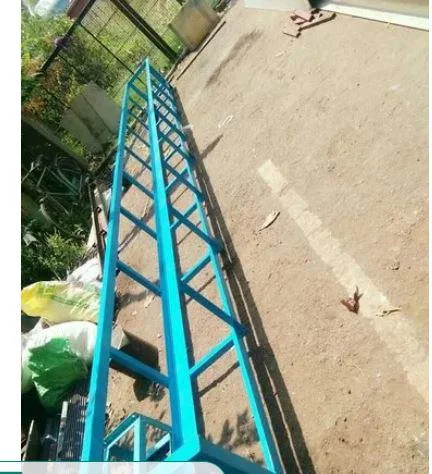
1. Construction: In construction, these products are fundamental for welding structural steel beams and frames, ensuring the integrity of buildings and infrastructure.
2. Automotive: The automotive industry employs electrodes and filler rods for assembling vehicles, focusing on durability and safety in weld joints.
3. Manufacturing: Various manufacturing processes utilize these welding materials for fabricating components, machinery, and equipment, emphasizing efficiency and strength.
4. Shipbuilding: In shipbuilding, electrodes and filler rods are essential for welding hulls and other critical parts, providing resistance to harsh marine environments.
5. Aerospace: The aerospace sector requires high-precision welding solutions for aircraft components, where strength and reliability are paramount.
6. Oil and Gas: In the oil and gas industry, these welding materials are used in pipeline construction and maintenance, ensuring safe and durable connections.
7. Heavy Equipment: Welding for heavy machinery repairs and manufacturing relies on high-performance electrodes and filler rods to withstand demanding conditions.
Product Variants and Subcategories
Electrodes and filler rods are available in various types to meet specific needs across different applications.
Mild Steel Electrodes
These electrodes are commonly used in general fabrication and construction. They provide excellent weldability and are suitable for both AC and DC welding processes.
Stainless Steel Filler Rods
Designed for welding stainless steel, these filler rods offer corrosion resistance and strength. They are ideal for applications in food processing, chemical handling, and marine environments.
Aluminum Electrodes
Aluminum electrodes are tailored for welding aluminum alloys. They feature unique properties that accommodate the specific requirements of aluminum welding, including lower thermal conductivity.
Low Hydrogen Electrodes
These electrodes minimize the risk of hydrogen-induced cracking. They are particularly useful in critical applications where weld quality is paramount.
Benefits and Advantages
Electrodes and filler rods offer several advantages that enhance welding operations and overall project efficiency.
1. High Strength: These products create strong welds, ensuring the structural integrity of joints in various applications.
2. Versatility: With a range of materials and specifications, they can be used for diverse welding tasks across multiple industries.
3. Ease of Use: Many electrodes and filler rods are designed for straightforward handling, making them user-friendly for welders of all skill levels.
4. Enhanced Performance: Specialized coatings and materials improve arc stability and reduce spatter, leading to cleaner welds.
5. Compliance with Standards: Many products meet relevant industry standards, ensuring reliability and safety in their applications.
6. Cost-Effectiveness: High-quality electrodes and filler rods provide excellent value, reducing the need for rework and ensuring efficient processes.
Buying Guide for B2B Buyers
When sourcing electrodes and filler rods for industrial applications, several factors should be considered to ensure the right choice.
1. Quality Assessment: Evaluate the quality of products based on certifications and compliance with industry standards. This reduces the risk of welding failures.
2. Supplier Verification: Vet suppliers thoroughly to ensure they have a reliable track record and provide high-quality products. Researching reviews and seeking recommendations can aid in this process.
3. Pricing and MOQ: Understand the pricing structure and minimum order quantities. This helps in budgeting and ensures adequate supply for projects.
4. Delivery and Lead Times: Confirm delivery schedules and lead times with suppliers to align with project timelines. Timely delivery is crucial for maintaining workflow.
5. Compliance Requirements: Be aware of regulatory needs specific to your industry. Ensuring compliance can prevent legal issues and enhance safety.
Compliance and Certifications
Electrodes and filler rods must adhere to several quality standards to ensure safety and reliability in industrial applications. Compliance with ISO 9001 signifies that the manufacturing processes meet international quality management criteria. This standard ensures consistent product quality and customer satisfaction.
Additionally, many electrodes and filler rods are CE certified, indicating compliance with European safety and health standards. This certification is vital for products used in environments where safety is a priority.
Testing requirements often include evaluations for performance under various conditions. Manufacturers typically conduct mechanical tests to assess the strength and durability of welds produced with their electrodes and filler rods. Regional compliance considerations may vary, necessitating familiarity with local regulations.
Why Source Electrodes & Filler Rods from Pepagora?
Pepagora is a trusted platform for sourcing electrodes and filler rods, offering numerous advantages to B2B buyers.
Verified Supplier Network: Pepagora features a robust network of verified suppliers, ensuring that buyers can access high-quality products with confidence. This verification process helps mitigate risks associated with sourcing.
Streamlined RFQ Process: The platform provides a user-friendly Request for Quotation (RFQ) process, allowing buyers to easily request and compare prices from multiple suppliers. This transparency fosters competitive pricing.
Trade Assurance and Support: Pepagora offers trade assurance, providing protection for buyers against potential disputes. Additionally, the platform's support team is available to assist with any inquiries or issues that may arise during the sourcing process.
Regional Coverage: With a geographic reach that includes India, the Gulf Cooperation Council (GCC), and Southeast Asia, Pepagora connects buyers with suppliers across a broad spectrum of markets, facilitating easier access to products tailored to diverse regional needs.

 IN
IN