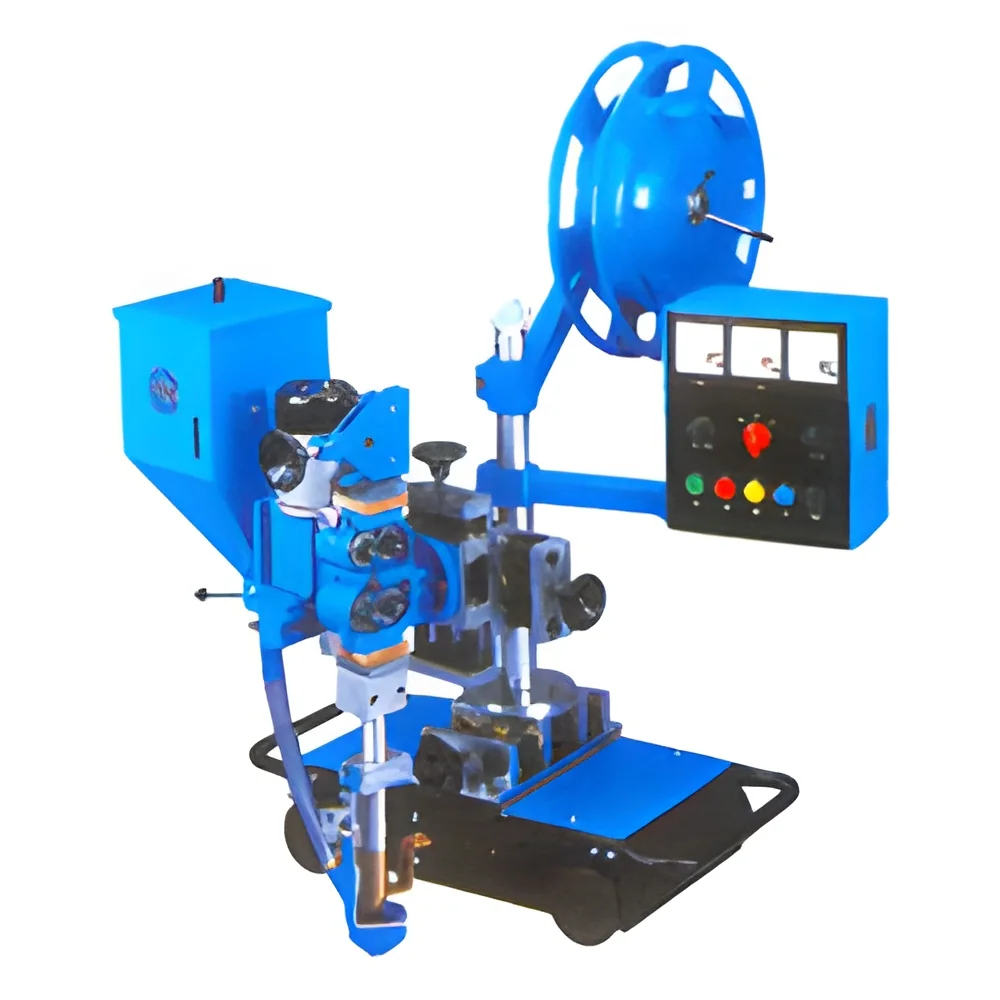
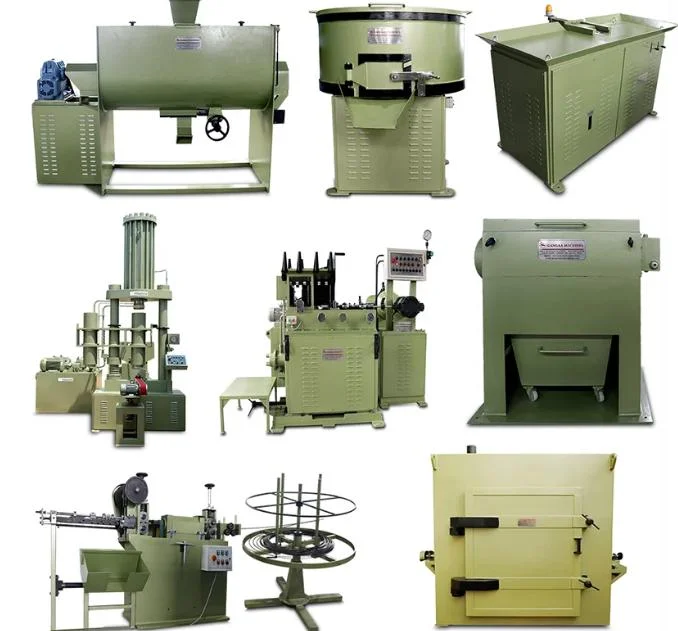
What are SAW Welding Machines?
SAW welding machines, or Submerged Arc Welding machines, are specialized equipment used in industrial welding processes. These machines utilize a continuously fed electrode and a blanket of granular fusible flux to create a weld. The flux shields the weld from atmospheric contamination, ensuring a strong and clean weld. SAW is known for its high welding speed and deep penetration, making it suitable for thick materials.
These machines are primarily used in heavy fabrication industries, including shipbuilding, construction, and structural steel work. They are ideal for welding large components, such as pipes and plates, where efficiency and weld quality are critical. The automated nature of SAW welding reduces labor costs while increasing production rates, making it a preferred choice for high-volume manufacturing.
In the current market, SAW welding machines play a vital role in meeting the needs of various sectors. With the rise of automation and advanced welding technologies, businesses seek reliable and efficient welding solutions. As industries continue to evolve, the demand for SAW welding machines is expected to grow, given their advantages in productivity and weld integrity.
Key Features and Specifications
SAW welding machines come equipped with several features that enhance their performance and usability. These machines are designed to withstand demanding industrial environments, ensuring durability and reliability. Below are key specifications that define SAW welding machines.
Key specifications include:
1. Welding Current
- The range of welding current varies based on the machine model and application.
- Common ranges are from 300 A to 1000 A or higher.
2. Voltage Range
- Typical voltage settings for SAW machines range from 24 V to 46 V.
- This variability allows for adjustments based on specific welding tasks.
3. Welding Speed
- SAW machines can achieve high welding speeds, typically between 300 mm/min to 1000 mm/min.
- The speed can be adjusted for different material thicknesses.
4. Electrode Diameter
- Electrode diameters usually range from 1.2 mm to 5 mm.
- The diameter choice affects the penetration and bead characteristics.
5. Flux Type
- Various flux types are available, each suitable for different materials and applications.
- The choice of flux impacts the quality of the weld.
6. Cooling System
- Most SAW machines feature an integrated cooling system to maintain optimal operating temperatures.
- Effective cooling prolongs the life of the machine components.
7. Control System
- Advanced models include programmable logic controllers for automation.
- User-friendly interfaces allow for easy operation and adjustments.
8. Dimensions and Weight
- Dimensions vary based on machine design, with weights ranging from 200 kg to over 1000 kg.
- Space considerations are important for installation in production facilities.
In summary, SAW welding machines are characterized by their robust features and technical specifications, enabling efficient welding across various applications.
Common Applications and Use Cases
SAW welding machines serve multiple industries, providing solutions for heavy-duty welding requirements.
1. Shipbuilding: SAW machines are essential in constructing large ship hulls and structural components, ensuring strong and durable welds.
2. Oil and Gas: These machines are used for welding pipes and tanks, where high-quality joints are critical for safety and integrity.
3. Construction: SAW welding is applied in the fabrication of beams and girders for buildings and bridges, enhancing structural reliability.
4. Automotive: In automotive manufacturing, SAW machines assist in welding chassis and other large components where strength is crucial.
5. Power Generation: These machines are vital in assembling power plant components, including pressure vessels and piping systems.
6. Heavy Machinery: SAW welding is commonly used in the production of cranes and other heavy equipment that require robust welds.
7. Aerospace: In the aerospace sector, SAW machines can be used for welding components that must meet stringent quality standards.
Product Variants and Subcategories
SAW welding machines come in various configurations to meet diverse industrial needs.
Automatic SAW Machines: These machines are fully automated, allowing for continuous welding without the need for manual intervention. They are ideal for high-volume production environments.
Semi-Automatic SAW Machines: These machines require some manual input but offer automation features that improve efficiency and consistency.
Portable SAW Machines: Designed for on-site applications, these machines are lightweight and easy to transport. They are suitable for jobs that require mobility.
Customizable SAW Machines: Some manufacturers offer customizable options to cater to specific welding tasks or industry requirements, allowing businesses to tailor machines to their needs.
Benefits and Advantages
SAW welding machines provide numerous benefits that enhance productivity and quality in welding operations.
1. High Welding Speed: SAW machines can achieve faster welding speeds compared to traditional methods, increasing overall productivity.
2. Deep Penetration: The submerged arc process ensures deep penetration, making it ideal for thick materials and heavy-duty applications.
3. Reduced Operator Fatigue: Automation in SAW machines reduces the physical demands on operators, leading to less fatigue and improved safety.
4. Minimal Post-Weld Cleanup: The flux used in SAW welding minimizes spatter and slag, reducing the need for extensive post-welding cleanup.
5. Enhanced Weld Quality: The protective flux environment leads to high-quality welds with fewer defects, ensuring structural integrity.
6. Versatility: SAW machines can be used on various materials and thicknesses, making them suitable for multiple applications across industries.
Buying Guide for B2B Buyers
When sourcing SAW welding machines, it's essential to consider several key factors to ensure you make an informed decision.
1. Quality Assessment: Look for machines that meet established industry standards. Evaluate the build quality, materials used, and brand reputation to ensure reliability and longevity.
2. Supplier Verification: Conduct thorough research on potential suppliers. Check for certifications, customer reviews, and their track record in delivering quality welding machines.
3. Pricing and MOQ: Understand the price range for the machines you are interested in. Be aware of minimum order quantities and how pricing may vary based on order volume.
4. Delivery and Lead Times: Discuss delivery schedules with suppliers to ensure that they can meet your production timelines. Consider lead times for manufacturing and shipping.
5. Compliance Requirements: Ensure that the machines comply with relevant industry regulations and safety standards. This includes checking for certifications such as CE.
Compliance and Certifications
SAW welding machines must comply with various quality standards to ensure safety and performance.
ISO 9001 is a significant quality management standard that many manufacturers adhere to, ensuring that processes meet consistent quality benchmarks.
In addition, machines should have CE certification, indicating compliance with safety and environmental requirements within the European Economic Area.
Safety and testing requirements are critical in the manufacturing process. Rigorous testing of components and systems must be conducted to confirm their reliability and efficiency.
Regional compliance considerations may also apply, depending on where the machines are used. Businesses should verify local regulations to ensure full compliance.
Why Source SAW Welding Machines from Pepagora?
Pepagora provides a trusted platform for sourcing SAW welding machines, offering several key advantages for B2B buyers.
Verified Supplier Network: Pepagora has established a robust network of verified suppliers, ensuring that buyers have access to reliable and reputable manufacturers.
Streamlined RFQ Process: The platform features a straightforward Request for Quotation process, allowing buyers to obtain multiple quotes quickly and efficiently, ensuring competitive pricing.
Trade Assurance and Support: Pepagora offers trade assurance, providing buyers with protection throughout the purchasing process. This includes support for any issues that may arise post-purchase.
Regional Coverage: With a strong presence in India, the GCC, and Southeast Asia, Pepagora can cater to a wide geographic area, making it easier for businesses to source quality welding machines tailored to their specific needs.

 IN
IN