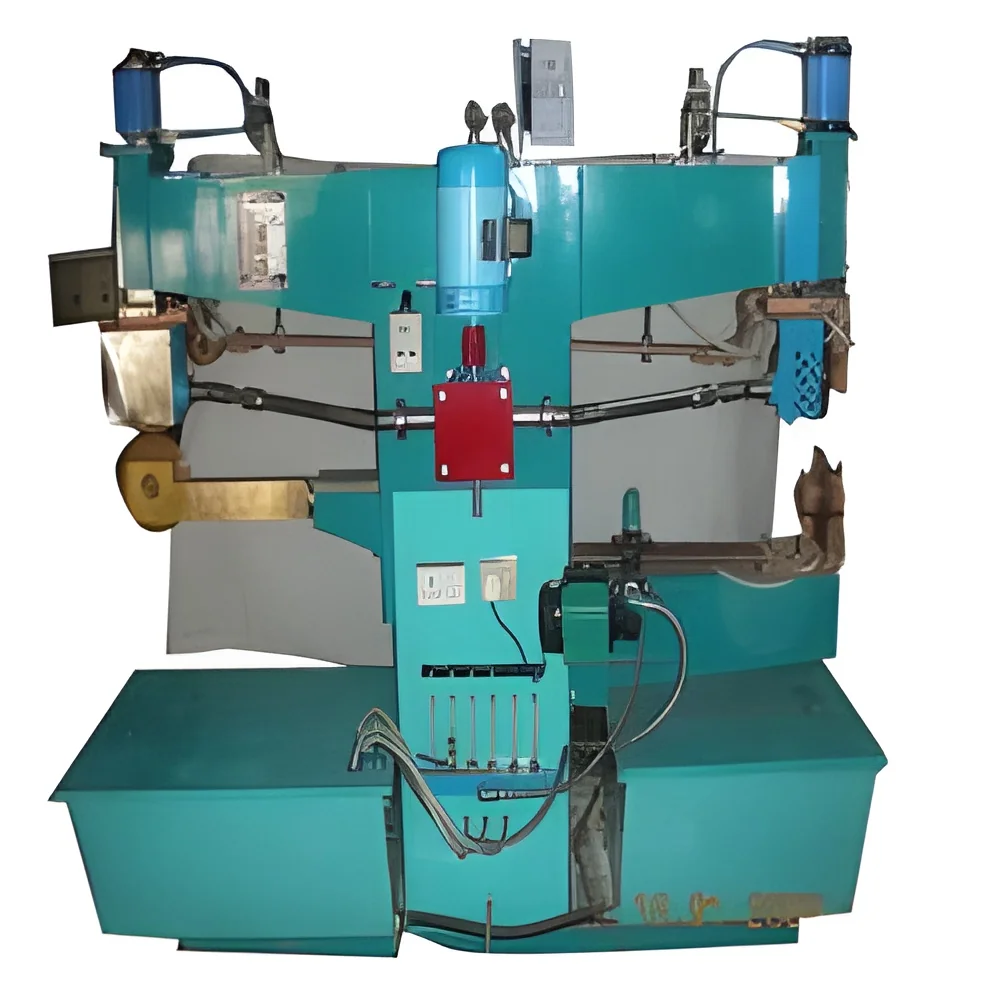
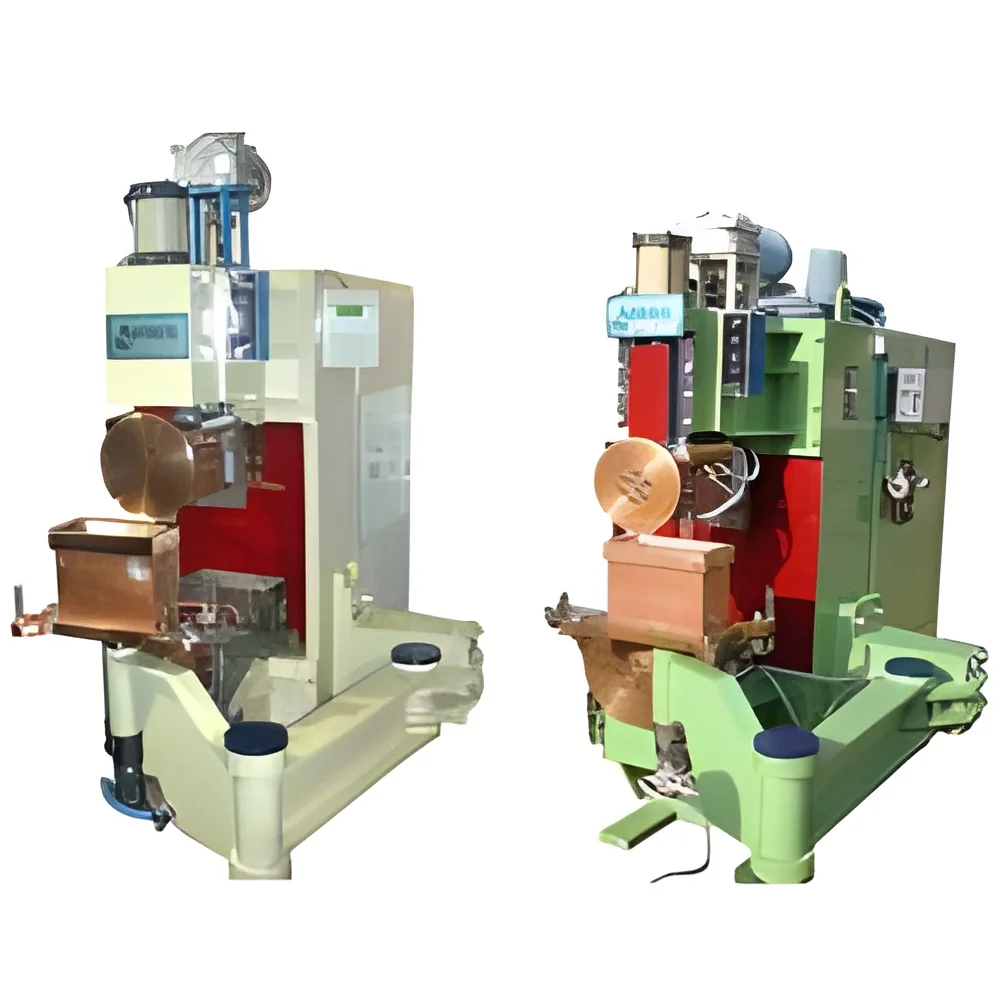
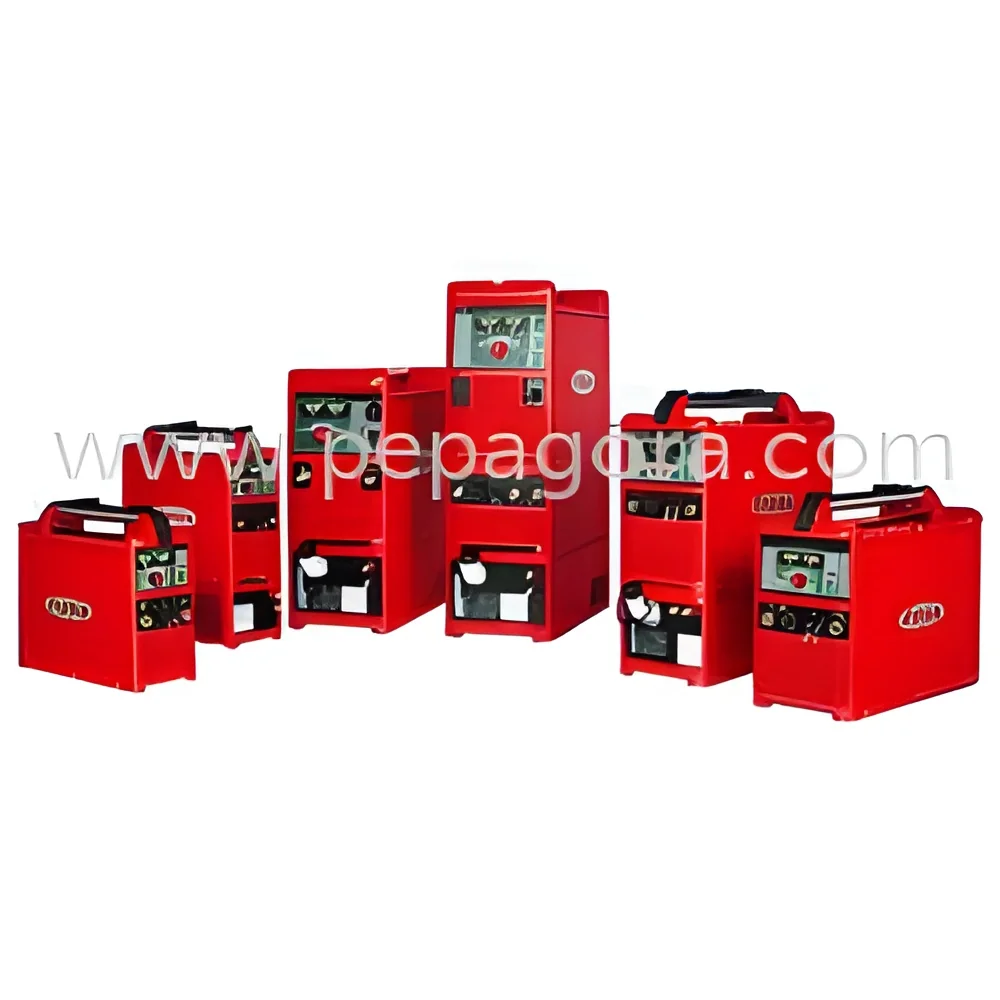
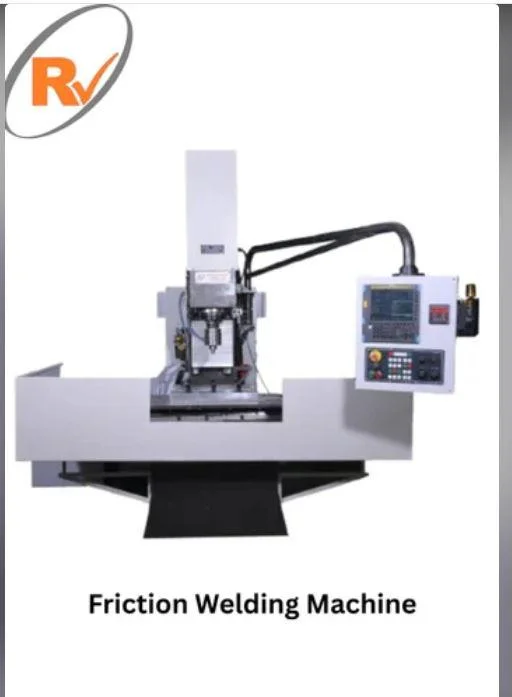
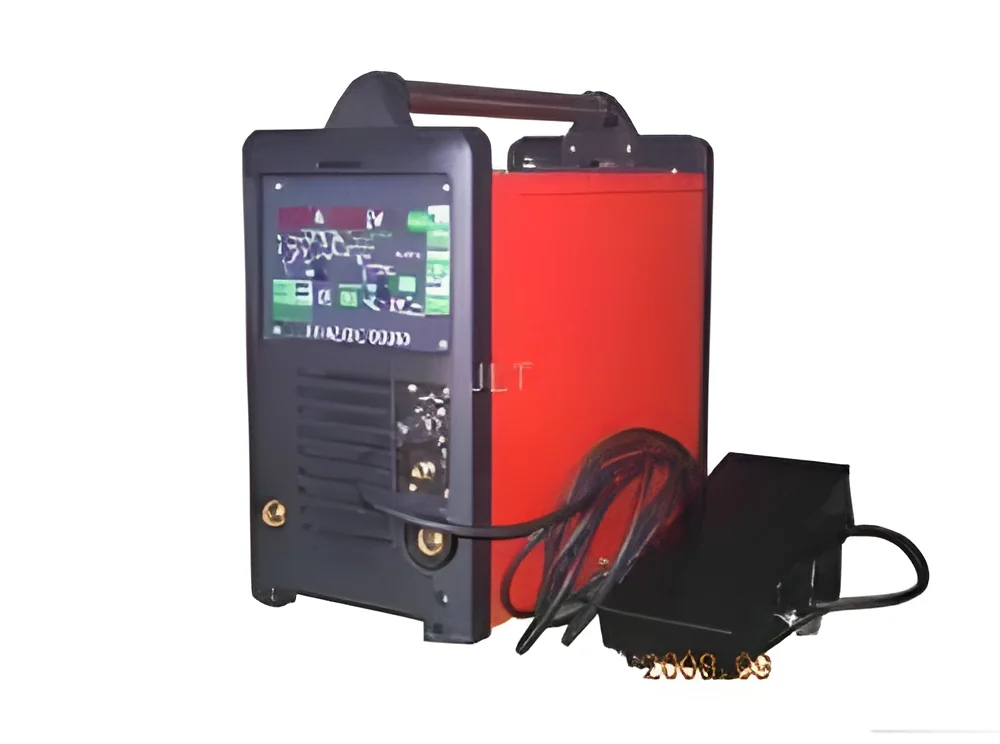
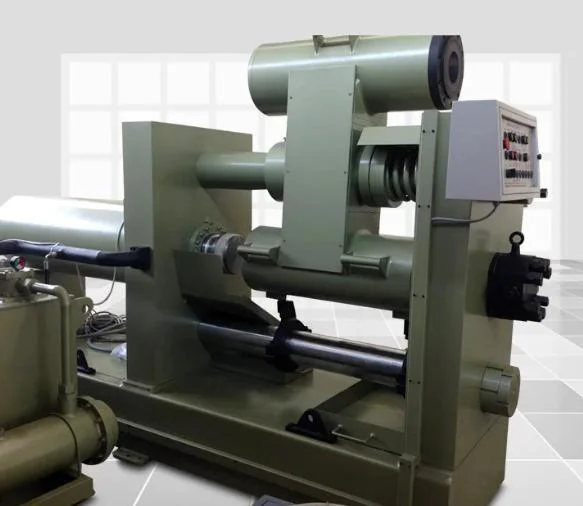
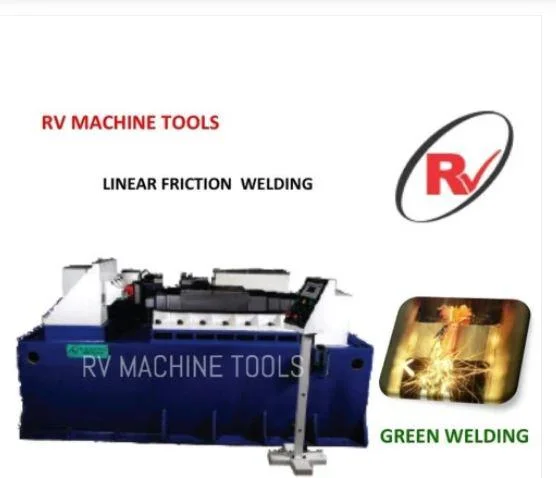
What are Used Welding Machines?
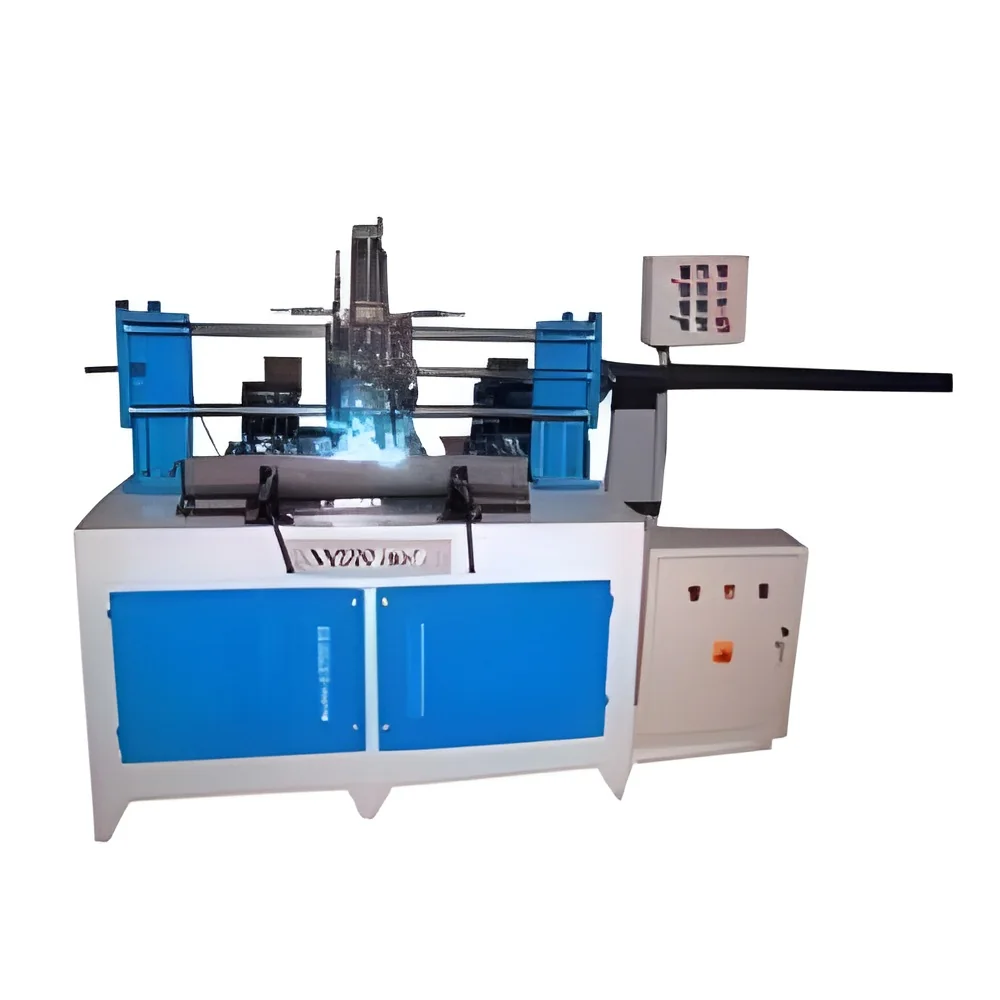
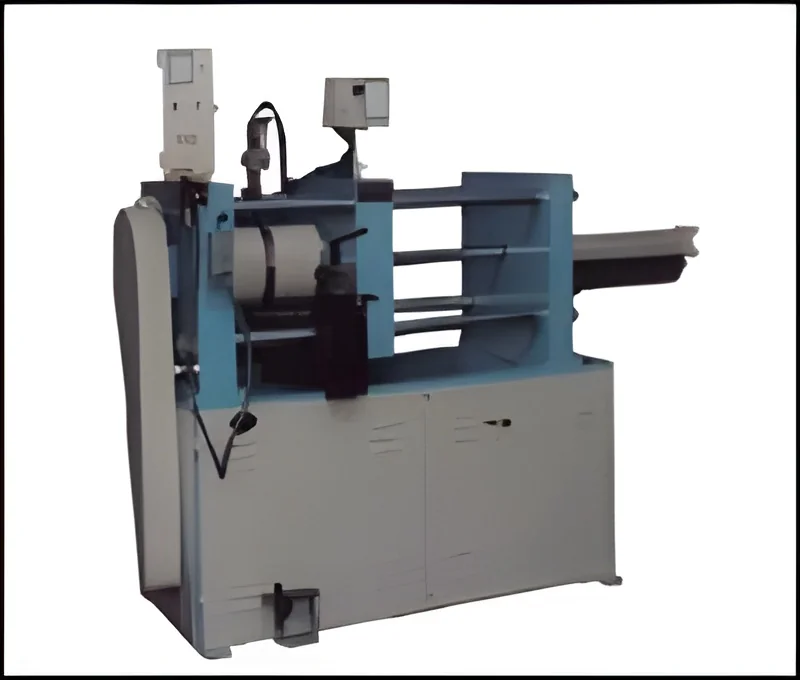
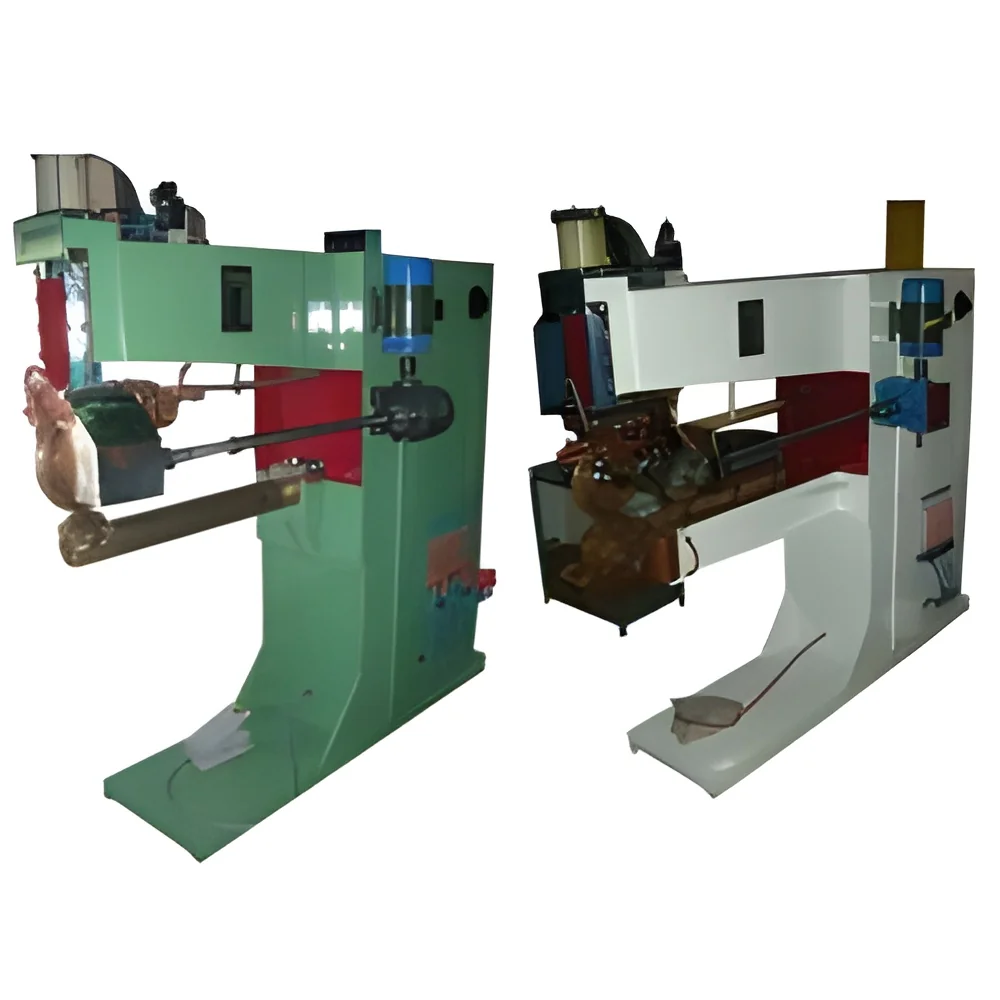
Used welding machines are pre-owned equipment utilized in various welding processes. These machines can range from arc welders to MIG and TIG welding systems, each designed for specific applications. The primary advantage of used welding machines is their cost-effectiveness, allowing businesses to acquire high-quality equipment at a fraction of the price of new machines. This makes them an appealing option for companies looking to expand their capabilities without incurring significant capital expenditure.
The primary uses of used welding machines span multiple sectors including manufacturing, construction, and maintenance. In manufacturing, they are crucial for assembling components and fabricating products across industries such as automotive and aerospace. In construction, these machines facilitate the joining of metal structures, ensuring the integrity and durability of buildings and infrastructure. The market for used welding machines remains robust due to ongoing demand for welding services and the continuous need for equipment upgrades in various industries.
Key Features and Specifications
When considering used welding machines, it is important to understand their key features and specifications. The specifications can greatly influence the machine's performance and suitability for specific applications.
Key specifications include:
1. Welding Process Type
- Types include MIG, TIG, Stick, and Flux-Cored welding.
- Each type has unique benefits, depending on the application.
2. Output Current Range
- Typically ranges from 30A to 500A, allowing for versatility in welding tasks.
- Higher output current is suitable for thicker materials.
3. Duty Cycle
- Indicates the percentage of time the machine can operate continuously.
- Common duty cycles range from 20% to 100%, affecting overall productivity.
4. Voltage Input
- Standard input voltages include 110V, 220V, and 480V.
- Compatibility with the power supply is essential for operation.
5. Weight
- Machines can weigh anywhere from 40 lbs to over 500 lbs.
- Weight can impact portability and ease of use on job sites.
6. Cooling System
- Machines may have air or water-cooling systems.
- Effective cooling enhances performance during prolonged use.
7. Controls and Settings
- Digital displays and manual controls for adjusting settings.
- Enhanced user interfaces improve operator efficiency.
8. Safety Features
- Includes automatic shut-off, thermal protection, and overload alarms.
- Essential for ensuring safe operation in various environments.
Understanding these specifications allows B2B buyers to select machines that meet their operational needs while maximizing efficiency.
Common Applications and Use Cases
Used welding machines serve various industries effectively.
1. Automotive Industry: Used welding machines are widely employed in automotive manufacturing for assembling vehicle frames and components. They provide the necessary precision and strength required for structural integrity.
2. Construction Industry: These machines play a crucial role in the construction of buildings and bridges, allowing for the effective joining of steel beams and other metal components.
3. Aerospace Industry: In aerospace manufacturing, used welding machines are utilized to fabricate critical components that require high levels of accuracy and strength, ensuring safety and reliability.
4. Shipbuilding Industry: Used welding machines are essential in the shipbuilding sector, where they are used to weld large metal structures and hulls.
5. Pipeline Construction: In the oil and gas sector, used welding machines are employed for pipeline construction and repairs, where durability and strength are paramount.
6. Fabrication Shops: These machines are commonly found in metal fabrication shops, where they are used for custom metalwork and repairs.
7. Maintenance and Repair: Used welding machines are often used in maintenance and repair operations across various industries, ensuring quick and efficient repairs of metal structures and machinery.
Product Variants and Subcategories
Used welding machines come in various forms, allowing businesses to choose models that best fit their specific needs.
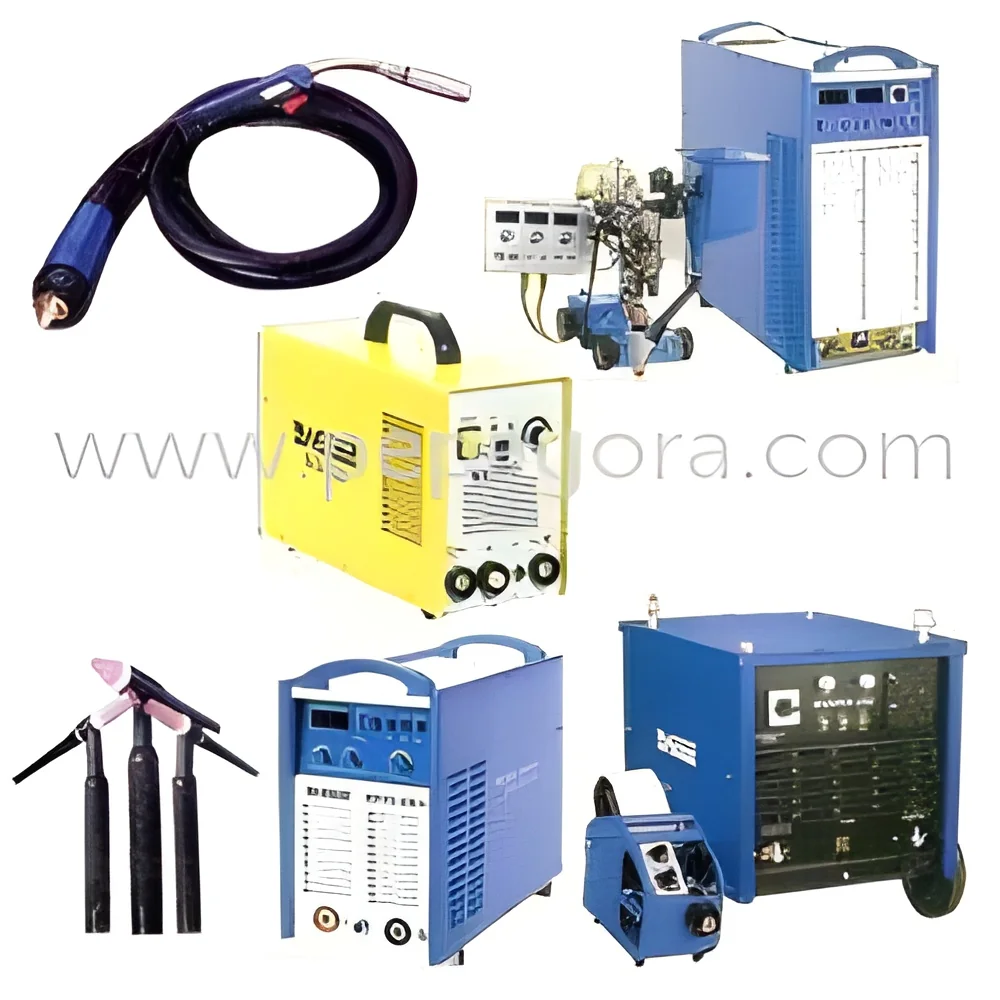
MIG Welding Machines: These machines are popular for their ease of use and versatility. They are ideal for welding thin materials and are widely used in automotive and fabrication industries.
TIG Welding Machines: Known for producing high-quality welds, TIG machines are suitable for precision work. They are commonly used in industries such as aerospace and artistic metalwork.
Stick Welding Machines: These machines are robust and can be used on dirty or rusty metals. They are often utilized in construction and repair applications.
Multi-Process Welding Machines: These versatile machines can handle multiple welding processes including MIG, TIG, and Stick. They are suitable for businesses that require flexibility in their welding operations.
Benefits and Advantages
Choosing used welding machines offers several key benefits to businesses.
1. Cost Savings: Used machines are significantly less expensive than new models, allowing businesses to invest in quality equipment without overspending.
2. Immediate Availability: Used welding machines can often be sourced and delivered quickly, reducing downtime for businesses in need of immediate solutions.
3. Proven Reliability: Many used machines have a track record of performance, providing assurance of their reliability and effectiveness in various applications.
4. Lower Depreciation: Unlike new equipment, used machines have already undergone initial depreciation, making them a more stable investment.
5. Variety of Options: The availability of various models and types allows businesses to choose machines that best suit their specific needs and applications.
6. Reduced Risk: Purchasing used machines from reputable sources can mitigate risks associated with equipment failure, as these machines are often tested and certified.
Buying Guide for B2B Buyers
When sourcing used welding machines, several factors must be considered to ensure a satisfactory purchase.
1. Quality Assessment: Inspect the machine's condition, including wear and tear. Request maintenance records and check for any signs of damage that could affect performance.
2. Supplier Verification: Vet suppliers to ensure they have a good reputation and offer quality products. Look for reviews and ratings from other buyers.
3. Pricing and MOQ: Understand the pricing structure and any minimum order quantities. Compare prices among different suppliers to ensure competitive rates.
4. Delivery and Lead Times: Discuss logistics and confirm delivery timelines. Ensure that the supplier can meet your schedule and operational needs.
5. Compliance Requirements: Verify that the machines meet industry standards and regulations. This includes checking for necessary certifications that ensure safety and reliability.
Compliance and Certifications
When considering used welding machines, compliance and certifications are critical factors.
Many used welding machines adhere to quality standards such as ISO 9001, ensuring that they meet established criteria for manufacturing processes. This certification indicates a commitment to quality management and continuous improvement.
Additionally, some welding machines may have CE certification, indicating compliance with European safety, health, and environmental protection standards. This certification is particularly important for machines used in European markets.
Safety and testing requirements must also be taken into account. Machines should be tested for proper functionality and safety features to prevent hazards during operation.
Regional compliance considerations should also be addressed, as different regions may have specific regulations governing the use of welding equipment. Understanding these requirements is essential for ensuring smooth operations.
Why Source Used Welding Machines from Pepagora?
Pepagora offers a trusted platform for sourcing used welding machines, providing several key advantages for B2B buyers.
Verified Supplier Network: Pepagora maintains a network of verified suppliers, ensuring that buyers have access to quality equipment from reputable sources. This verification process helps minimize risks associated with purchasing used machines.
Streamlined RFQ Process: The request for quotation system simplifies the procurement process, allowing buyers to quickly and efficiently request quotes from multiple suppliers. This saves time and helps buyers make informed decisions.
Trade Assurance and Support: Pepagora offers trade assurance, providing buyers with protection throughout the purchasing process. This support includes assistance with disputes and ensuring that transactions are secure.
Regional Coverage: Pepagora's geographic reach extends to India, the GCC, and Southeast Asia, making it easier for businesses in these regions to find suitable used welding machines. This broad coverage enhances accessibility and convenience for buyers seeking quality equipment.

 IN
IN